Undulated Cory
Gastrodermus undulatus
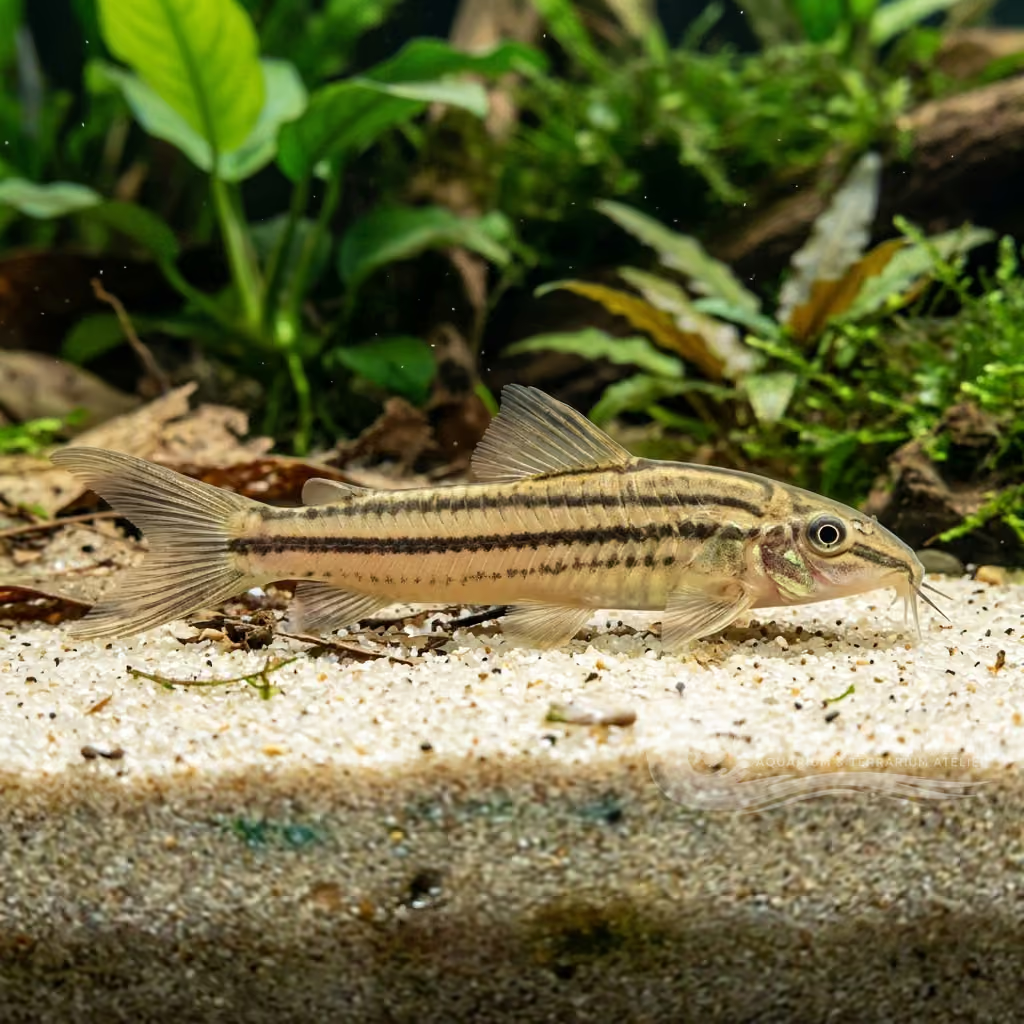
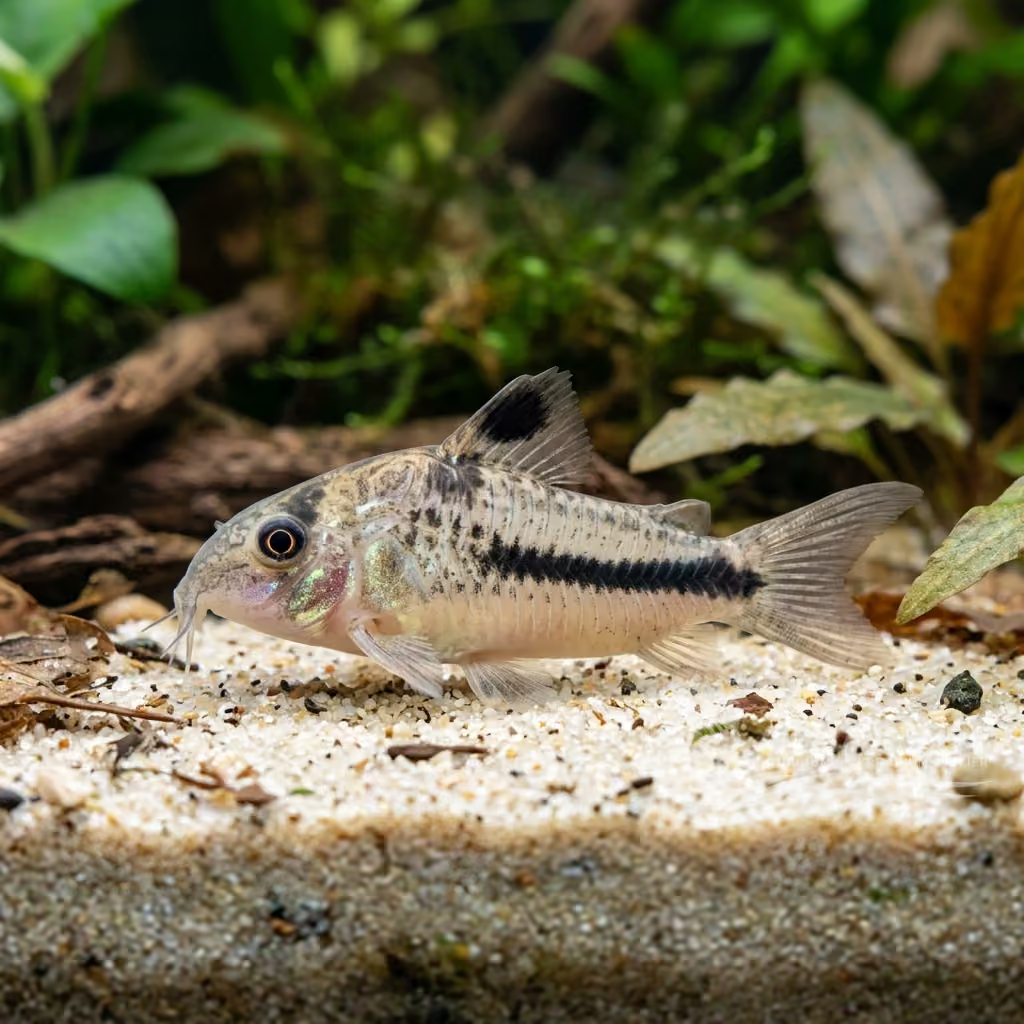
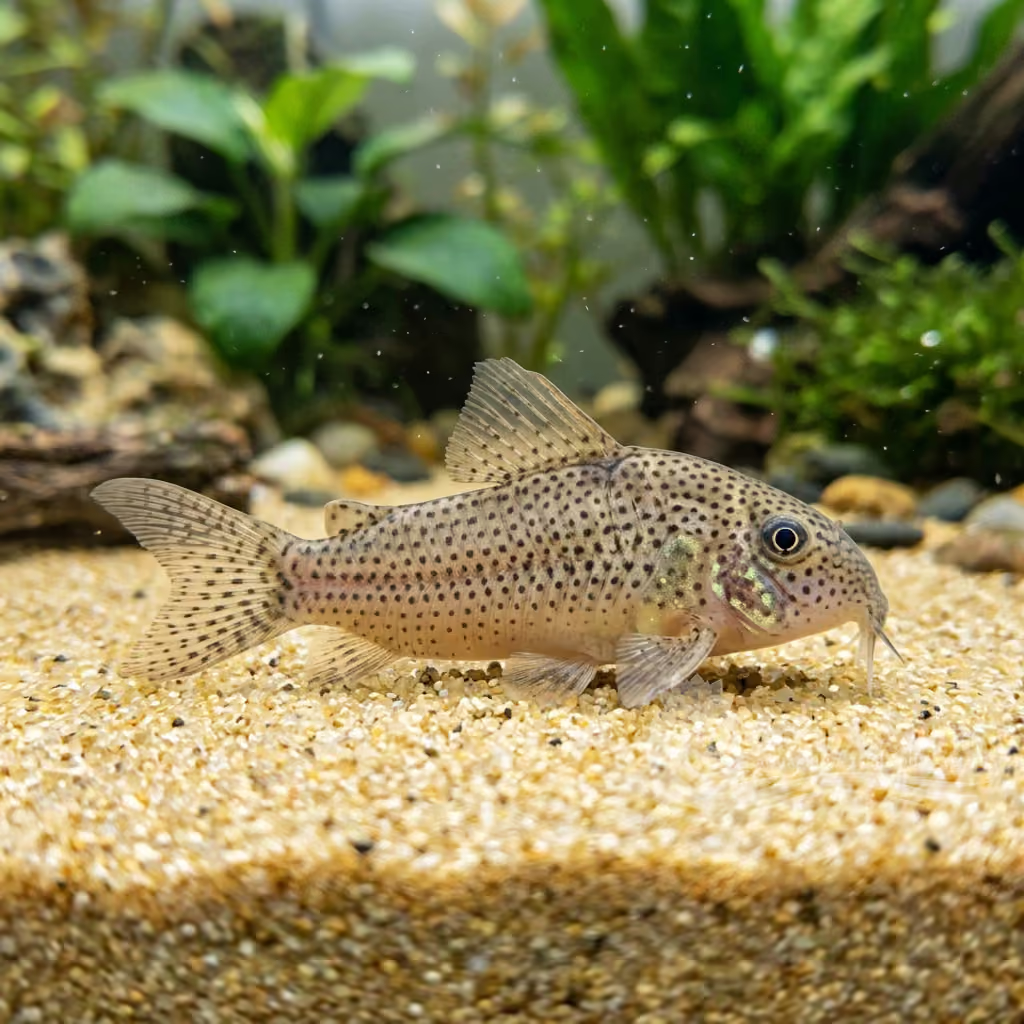
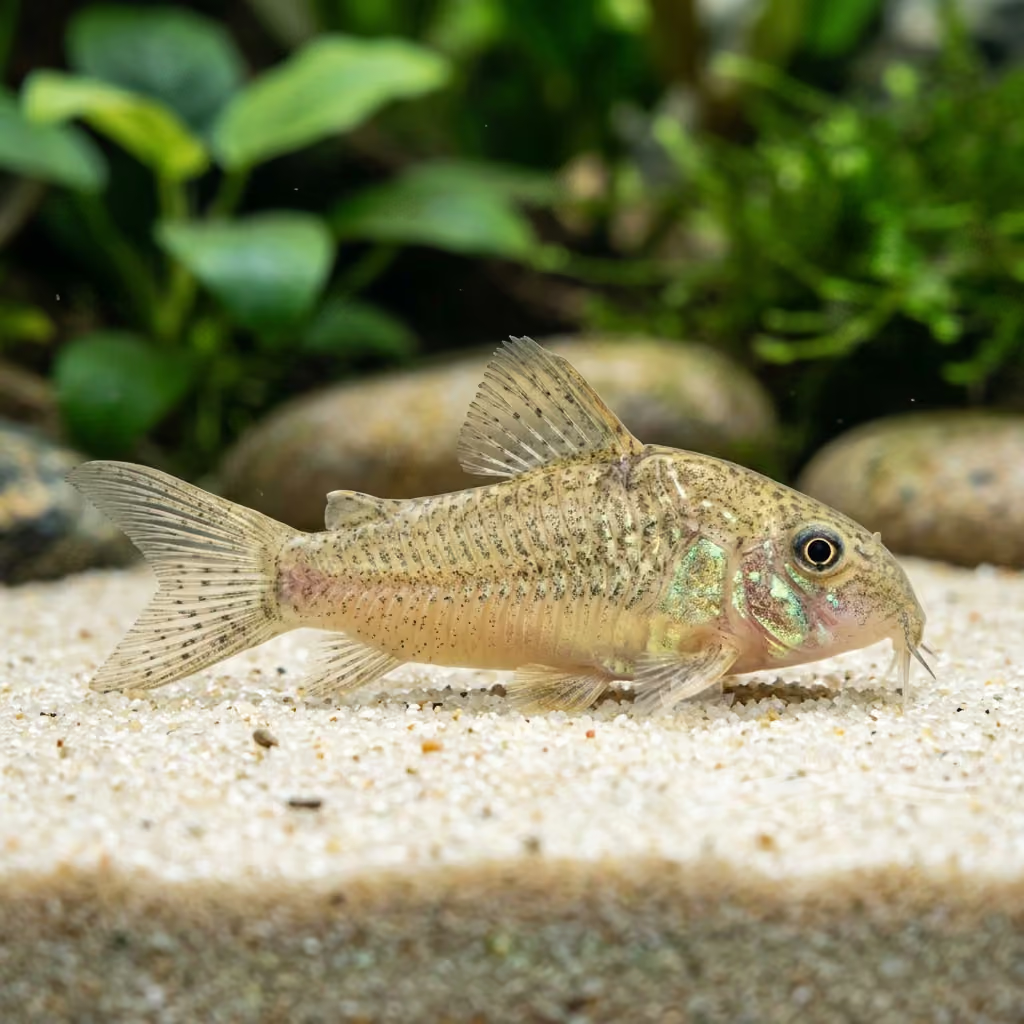
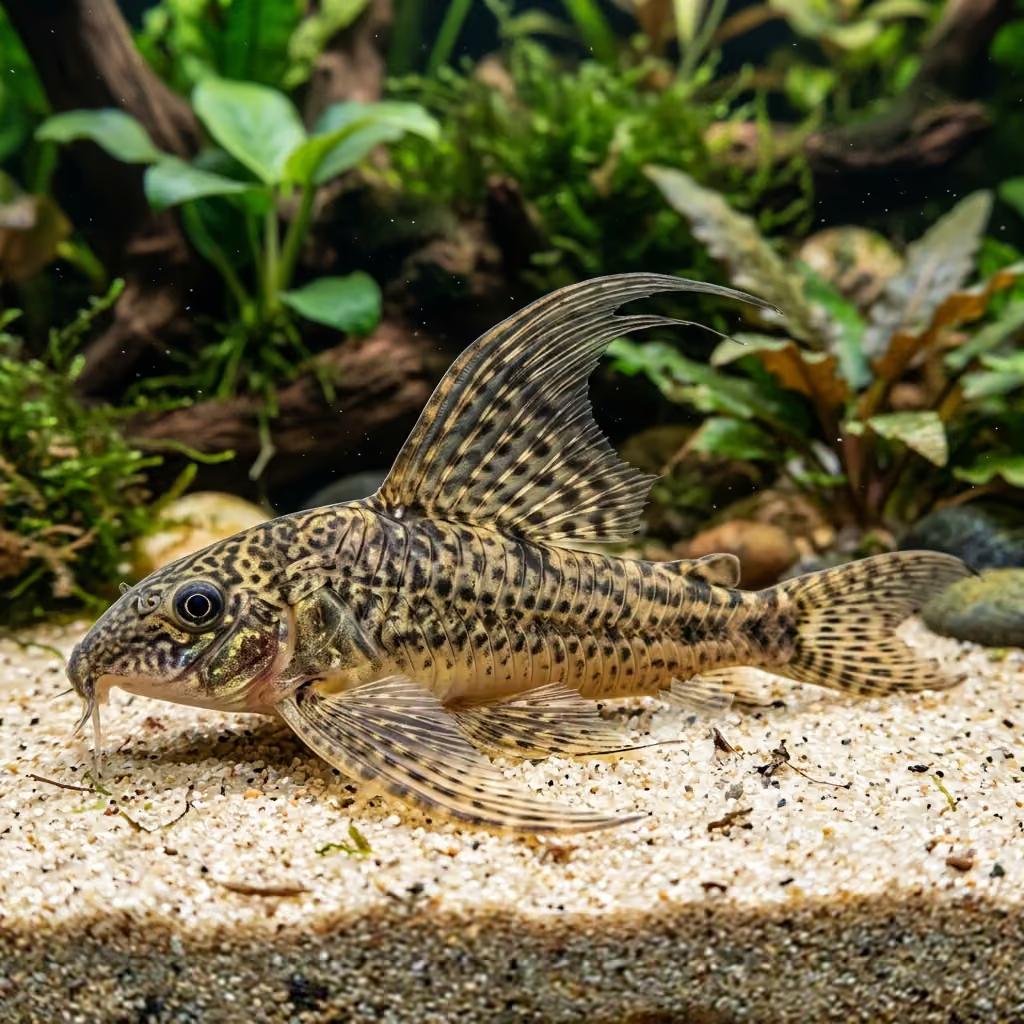
A splendid subtropical species bearing an intricate, green-gold undulating reticulation across its robust body. It must be kept on pure inert sand and provided with dense woody shelters.
Water Temperature
20 - 25 °C
pH Value
6 - 7.2
Water type
Freshwater
Tank level
Bottom
Adult size
4.5 cm
Minimum tank volume
>= 80 L
Minimum group
>= 6
GH
2 - 12 dGH
KH
2 - 10 dKH
TDS
50 - 280 ppm
Conductivity
78 - 438 uS/cm

Species description
Geographical Origin and Habitat: Indigenous to southern Brazil and northern Argentina (Rio Paraná basin). Stations in subtropical waters with moderate/slow current or calm flooded lowland oxbows, inspecting sandy/silty bottoms enriched by thick layers of rotting vegetation.
Taxonomy and Morphology: Small and elegant "short-snouted" cory (does not exceed 4.5 cm / 1.8 inches). Stocky, round and compact physiology as a benthic micro-digger. Belongs to the Callichthyidae family boasting the common and powerful overlapping plate armor.
Social Behavior: Without a school it perishes from starvation. Demands mass gatherings (minimum 6-8 specimens, ideal >10). Gregarious beyond belief, in the aquarium it will show itself dynamic and cohesive, peacefully turning the sandy surface of the bottom in mass.
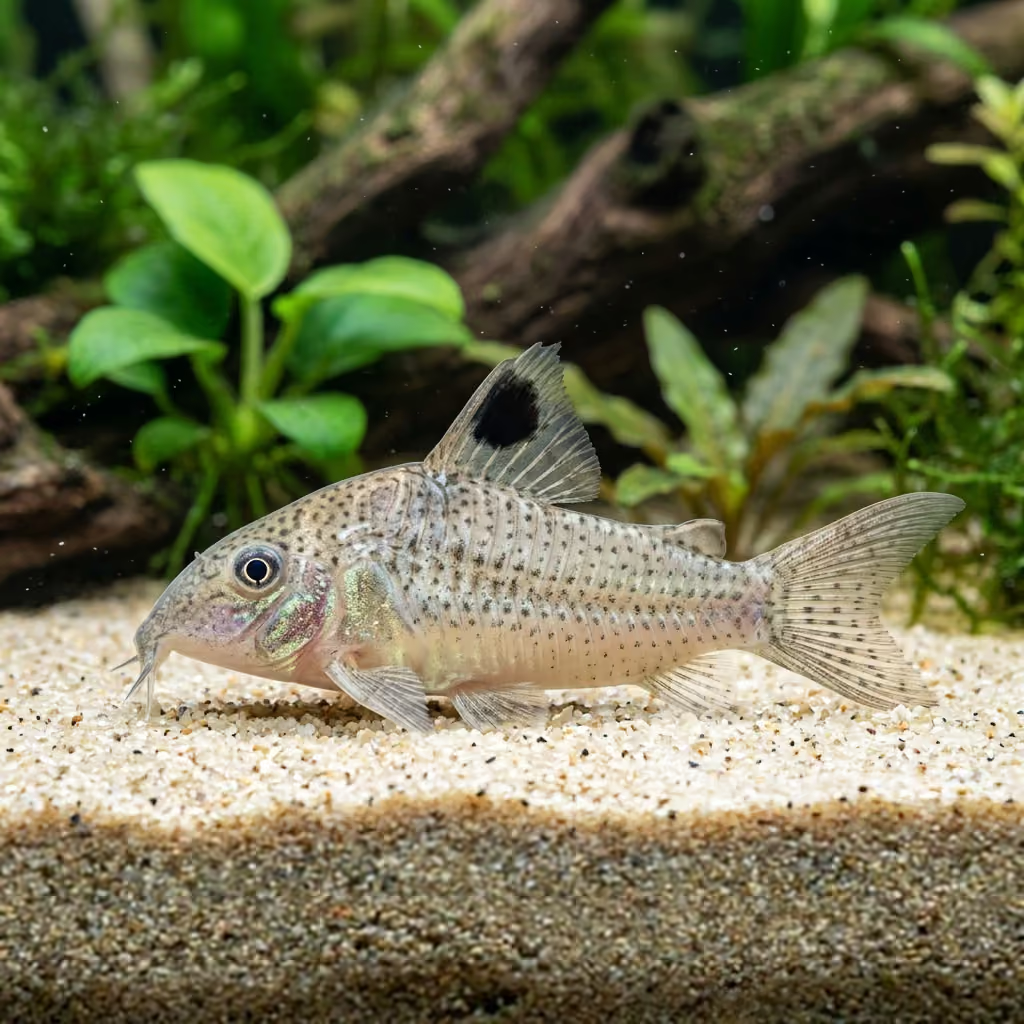
Coloration and Sexual Dimorphism: A golden-silvery mantle exquisitely decorated by a disorderly constellation ("undulatus") of small spots, dark veins and small broken wavy lines. Dimorphism is revealed from above: mature females reveal swollen flanks and spherical proportions compared to the straight male.

Care, breeding and tankmates
Aquarium Setup: Absolute ban on quartz gravels: prepare huge carpets in pure inert rounded sand. Ensure a large and very thick set of dark hiding places created by massive submerged wooden weaves covered with epiphytes to shield it from the light.
Diet and Feeding: Tireless omnivorous-carnivorous sifter. It is not an algae cleaner. Feed it generously in the evening with crushed bottom pellets combined with indispensable live or frozen feasts of small daphnia, juicy microworms and minced bloodworms.
Water Quality: Cooler sub-tropical tolerances than usual: thrives at 20-25°C (68-77°F). The pH gently fluctuates from weakly acidic to neutral (6.0 - 7.2), with low GH (2-12). A drastic requirement is the total absence of pollutants (nitrites lethal in 24h), guaranteed by manic siphonings.
Compatibility and Cohabitation: Peaceful to the extreme. Wonderful supporting character for tanks populated only by small fast dither fish (Nannostomus, Boraras, small Tetras). Strictly forbidden housing with angular Loaches or massive Cichlid bottom devourers.
Aquarium Breeding: Obtained by biologically "shocking" the parents through copious cold osmotic inflows following long hyper-protein meals. T-position and gluing of eggs in clusters on every smooth flat surface: eggs to be removed promptly to stem the parental cannibalistic consumption.
Risks and Diseases: Very fragile fish, ruinously atrophies its short barbels contracting oral mycotic infections if placed on abrasive rocks or non-rounded silica. Hypersensitive and at risk of death with any medicinal compound based on Copper or Malachite Green.

Geographic origin and distribution
Indigenous to southern Brazil and northern Argentina (Rio Paraná basin). Stations in subtropical waters with moderate/slow current or calm flooded lowland oxbows, inspecting sandy/silty bottoms enriched by thick layers of rotting vegetation.
Origin
Extra-Amazon South America

Fish profile
- Temperament
- Semi-aggressive
- This is an incredibly peaceful and timid species that thrives in the company of its own kind. Gastrodermus undulatus should be kept in groups of at least six individuals to feel secure and display their natural, endearing behaviors. When kept alone or in too small a group, they can become highly stressed, lethargic, and prone to illness.
- Diet
- Omnivore
- As omnivorous bottom feeders, Gastrodermus undulatus requires a varied diet that sinks to the substrate. High-quality sinking pellets or wafers should form the staple of their diet. Supplementing with live or frozen foods like bloodworms, brine shrimp, and daphnia will ensure optimal health and encourage natural foraging behaviors.
- Life expectancy
- 5-10 years
- Adult size
- 4.5 cm
- Sex ratio
- Specific M:F ratio
- A ratio of two or three males for every female is highly recommended, especially if breeding Gastrodermus undulatus is the goal. Males are generally smaller and more slender than the plumper, rounder females. Maintaining a proper sex ratio ensures higher fertilization rates during the spawning process.
- Feeding frequency
- Twice daily
- Gastrodermus undulatus should be fed small amounts once or twice a day, providing only what they can consume within a few minutes. Because they are nocturnal foragers by nature, dropping some food in just before the aquarium lights go out can be highly beneficial. Avoid overfeeding to maintain excellent water quality.
- Bioload
- Low to Medium
- This species produces a relatively small bioload, typical of most Gastrodermus undulatus species. Their efficient scavenging behavior can actually help keep the substrate clean, reducing the overall accumulation of detritus. Regular water changes and a properly sized filter will easily manage the waste they produce.
- Flow
- Stagnant
- These catfish prefer moderate water flow that provides adequate oxygenation without creating overpowering currents. A setup that mimics a slow-moving South American stream is ideal for Gastrodermus undulatus. Ensure there are calmer resting areas where they can settle on the substrate without expending too much energy.
- Jump risk
- No
- Reproduction
- Oviparous
- Breeding Gastrodermus undulatus in captivity can be achieved by simulating the onset of the rainy season with cooler water changes. The female will carry a few eggs in a pouch formed by her pelvic fins and deposit them on broad leaves or the aquarium glass. The parents exhibit no parental care and will eagerly consume the eggs if not separated.
- Compatibility & tankmates
- Peaceful
- Gastrodermus undulatus is a peaceful and highly sociable schooling fish that makes an excellent addition to community aquariums. They do best when kept with other small, non-aggressive species such as tetras, rasboras, and dwarf cichlids. It is crucial to avoid housing them with large or aggressive bottom-dwellers that might outcompete them for food or stress them out.
- Tank level
- Bottom
- Like other Corydoras, Gastrodermus undulatus are quintessential bottom dwellers, spending almost all of their time sifting through the substrate in search of food. They require a soft, sandy bottom to prevent damage to their sensitive barbels. Occasionally, they will make quick dashes to the surface to take in atmospheric air, a completely normal behavior.

Scientific Parameters & Models
FishBase
Window to the official scientific data of the species
FishBase v25.04Data synced on: 06/15/2026
- Trophic level
- 3 ± 0.3 se
- Resilience
- High (less than 15 months)
- Phylogenetic uniqueness (PD50)
- 0.5001
- Bayesian Length-Weight
- a = 0.02455, b = 3
- VulnerabilityLow vulnerability (10 / 100)

Related species
Recommendations grouped by close relatives, companion choices, and similar care.