False Adolfo's Corydoras
Hoplisoma duplicareum
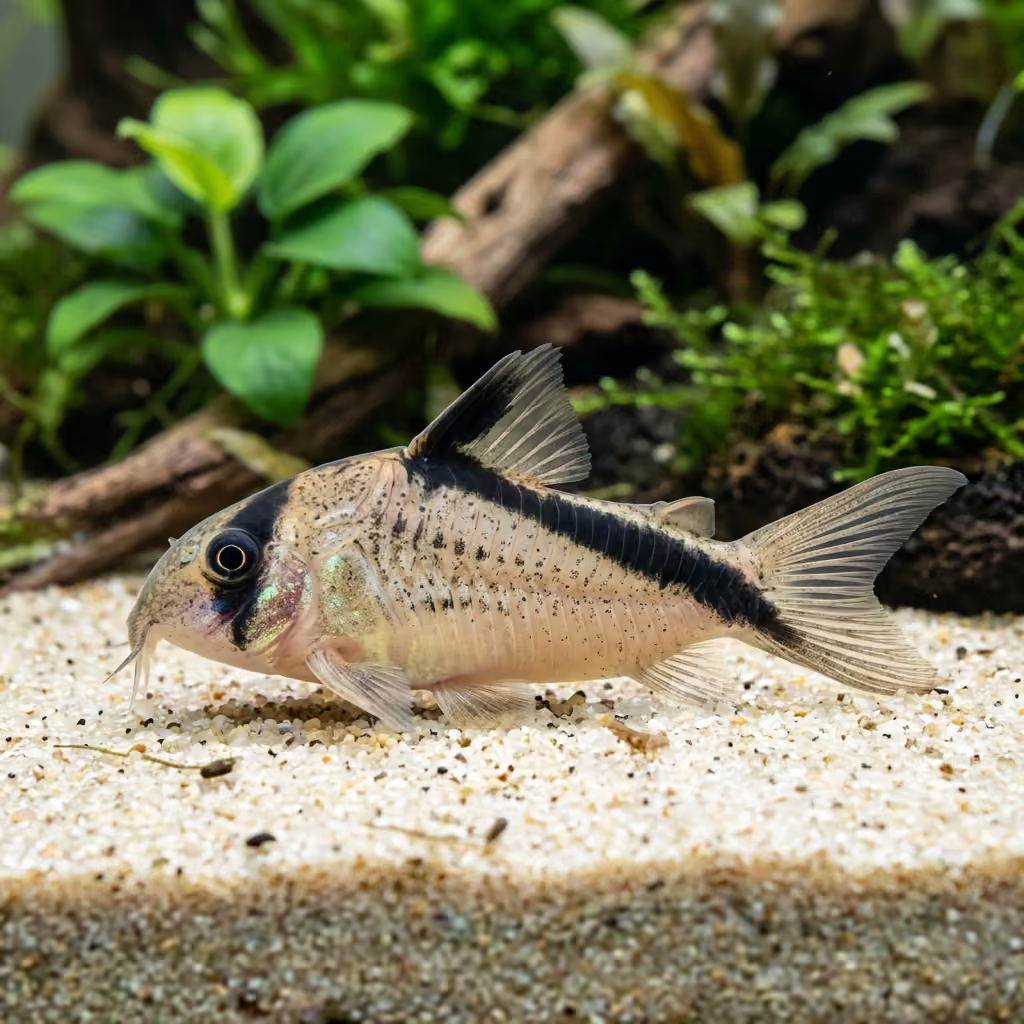
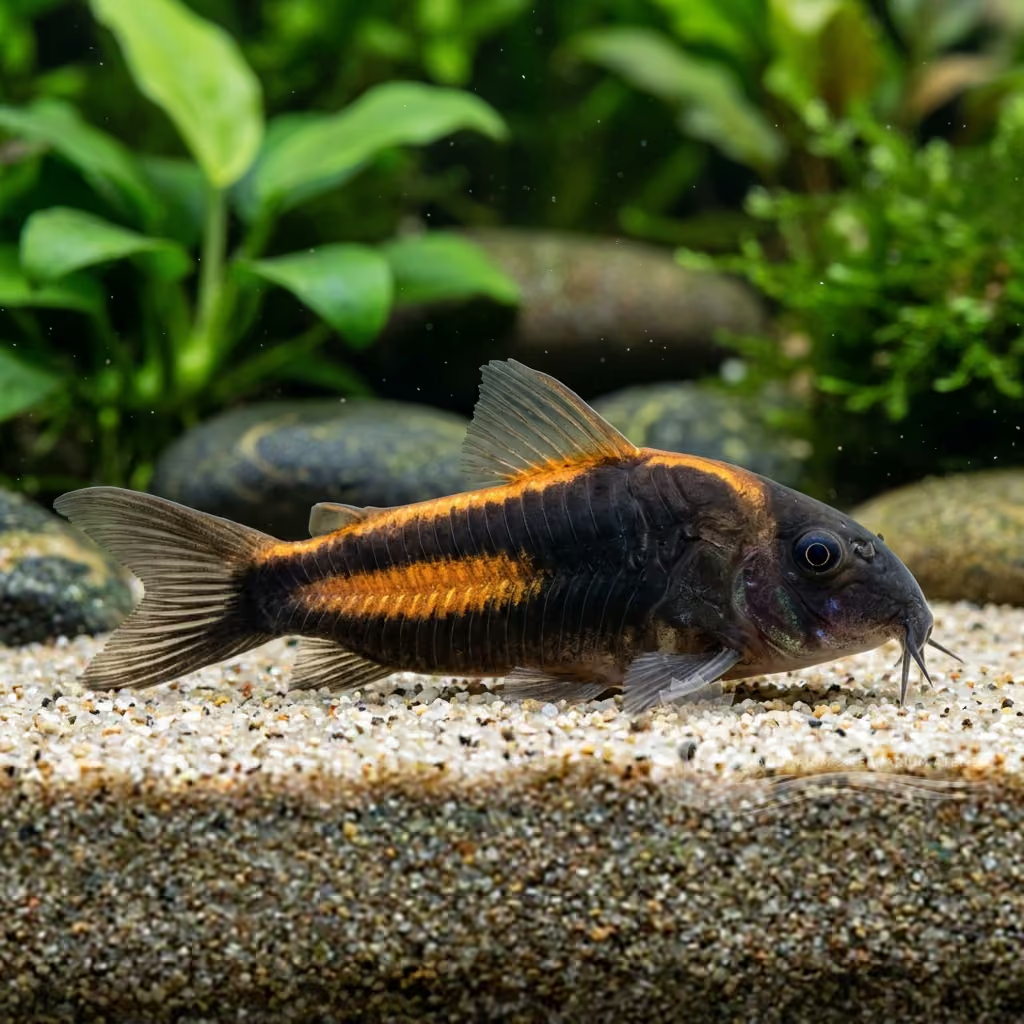
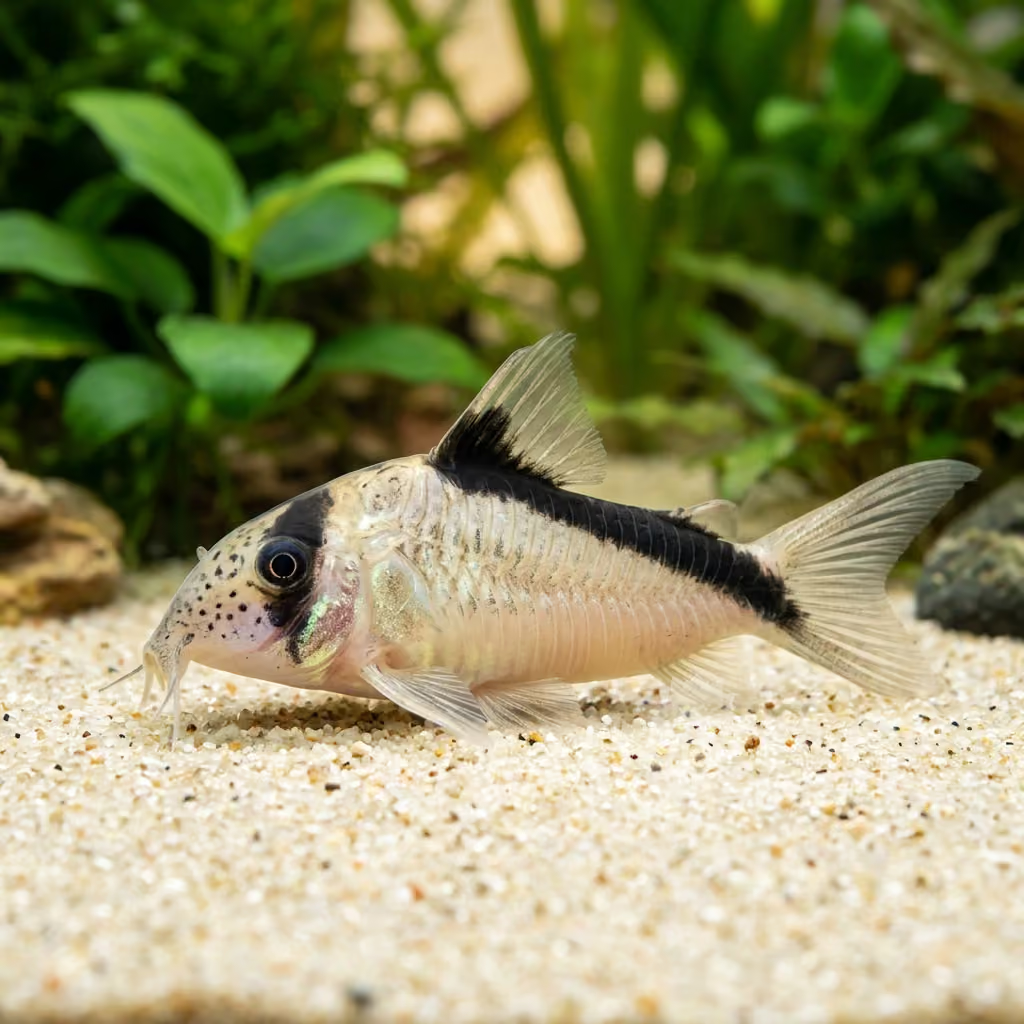
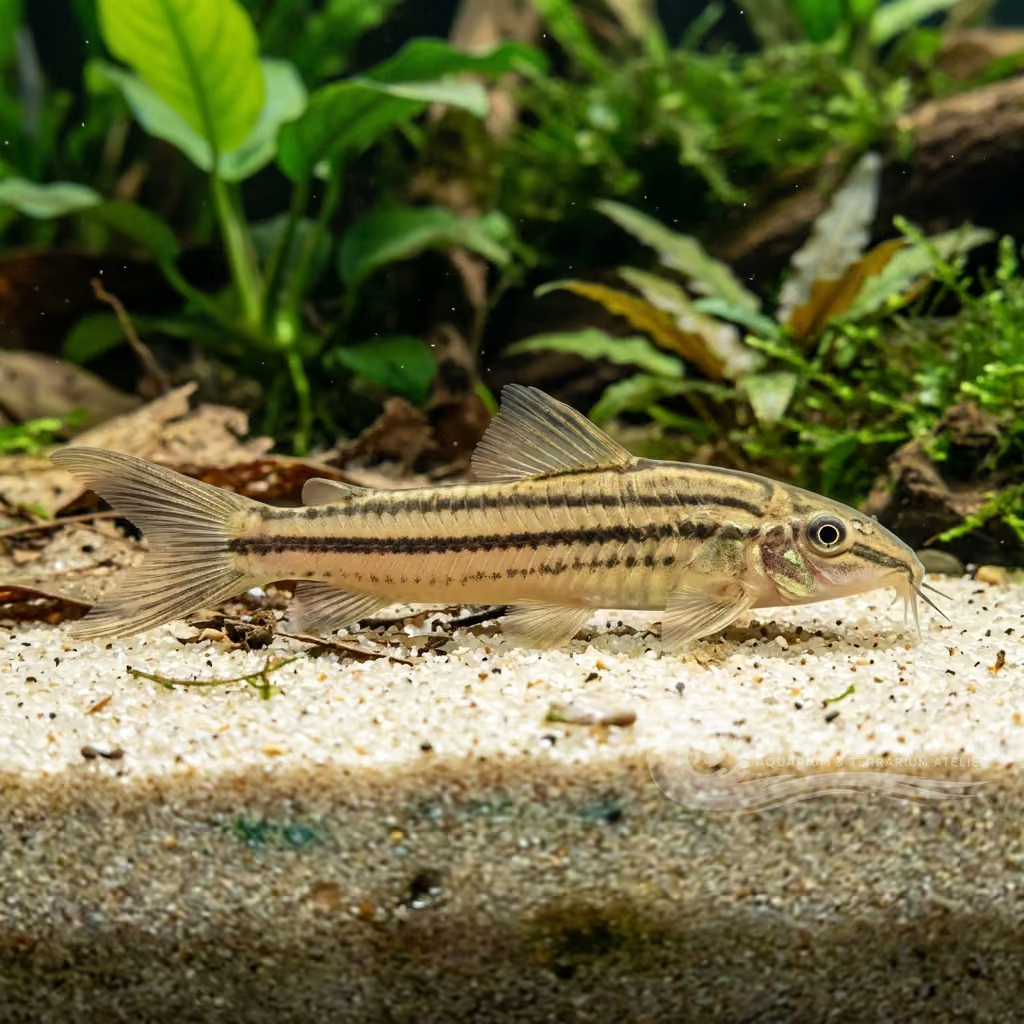
The twin of the famous C. adolfoi. It boasts a thick black crest on its back, a black bandit mask over its eyes, and a striking neon-orange button embedded on the nape of its neck. An Amazonian prime.
Water Temperature
22 - 26 °C
pH Value
5.5 - 7
Water type
Freshwater
Tank level
Bottom
Adult size
5 cm
Minimum tank volume
>= 60 L
Minimum group
>= 6
GH
1 - 10 dGH
KH
1 - 5 dKH
TDS
25 - 200 ppm
Conductivity
39 - 313 uS/cm

Species description
Geographical Origin and Habitat: Endemic to the upper Rio Negro basin in Brazil (Poranga region). Exclusive species of the classic Amazonian "blackwaters" very rich in humic acids.
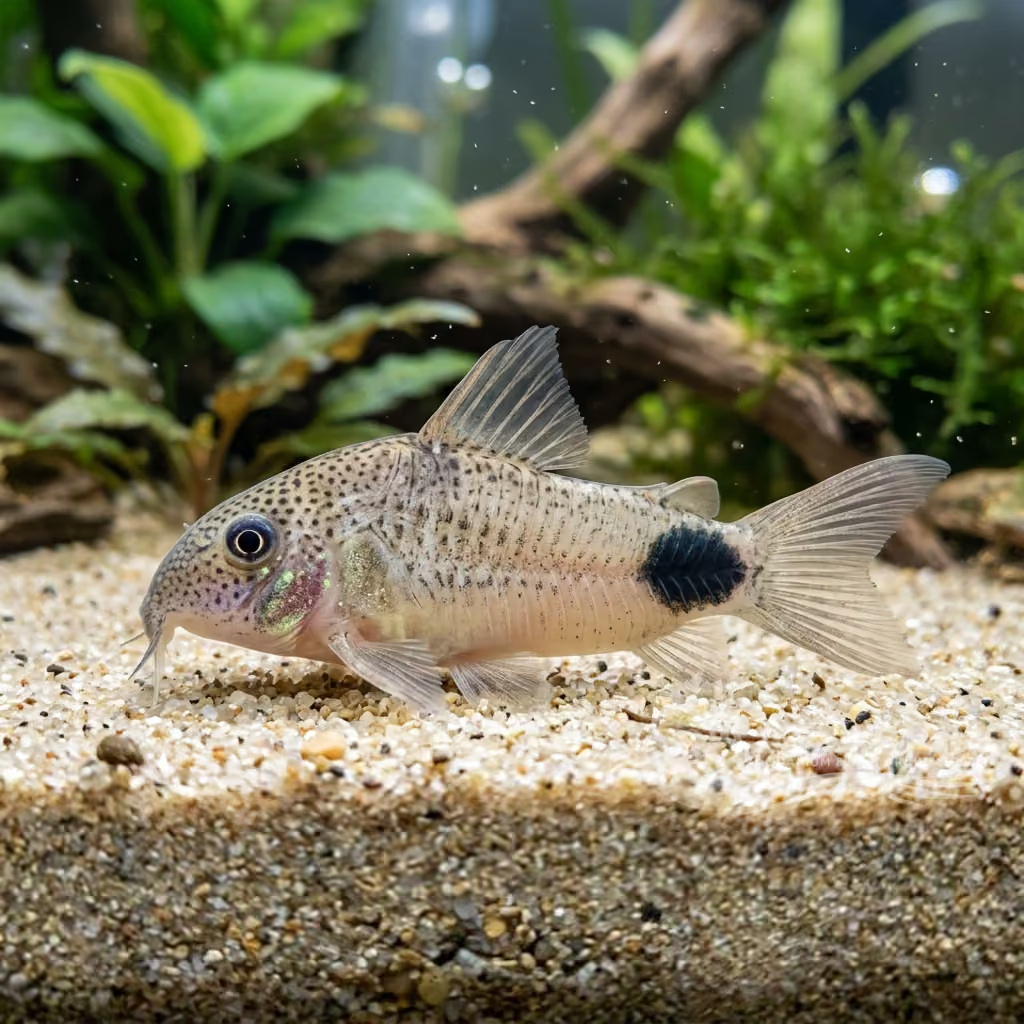
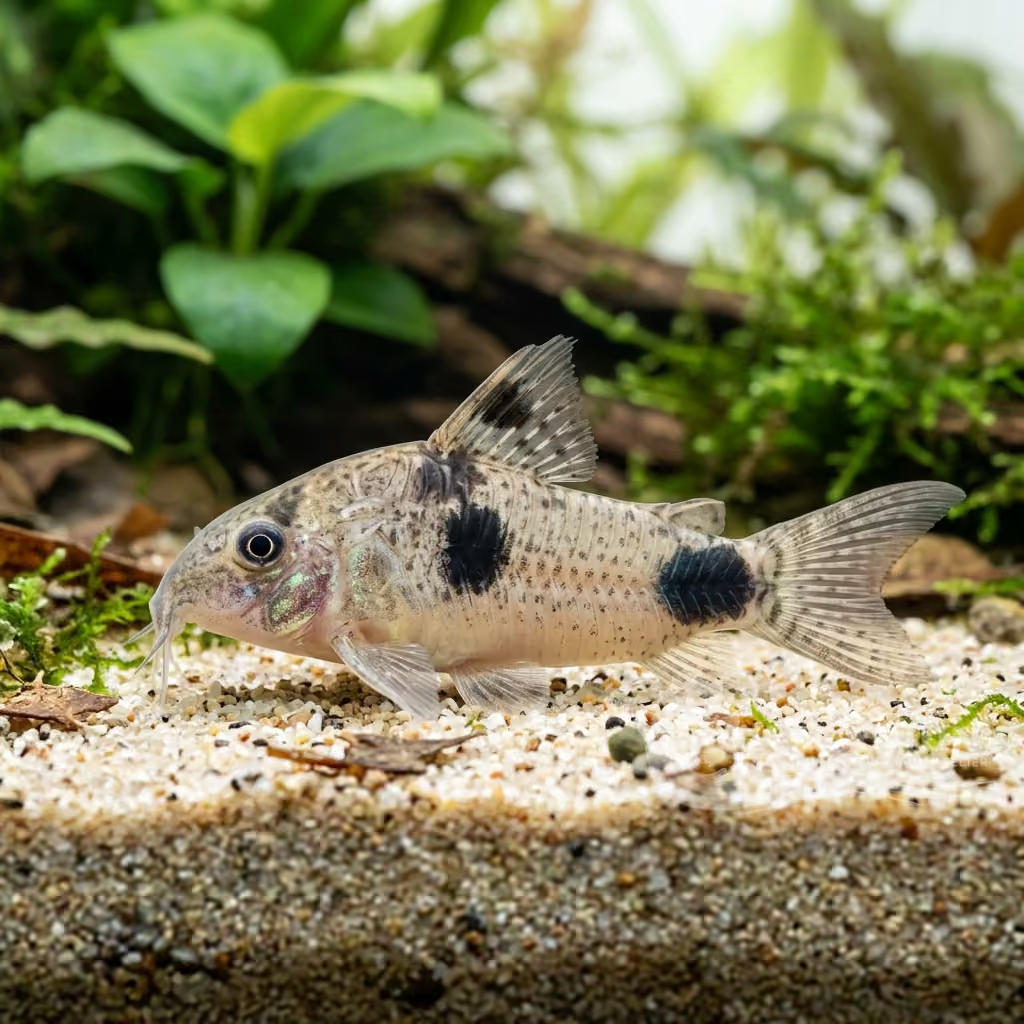
Taxonomy and Morphology: False Adolfo's Cory (Hoplisoma duplicareum). Almost indistinguishable to the naked eye from C. adolfoi. The distinguishing features are the wider black dorsal stripe and the inner serrated edge of the pectoral spines (visible with a magnifying glass).
Social Behavior: Very compact group. They love to sift the sand moving in unison. Like almost all corys, they can periodically dart to the surface to store air.
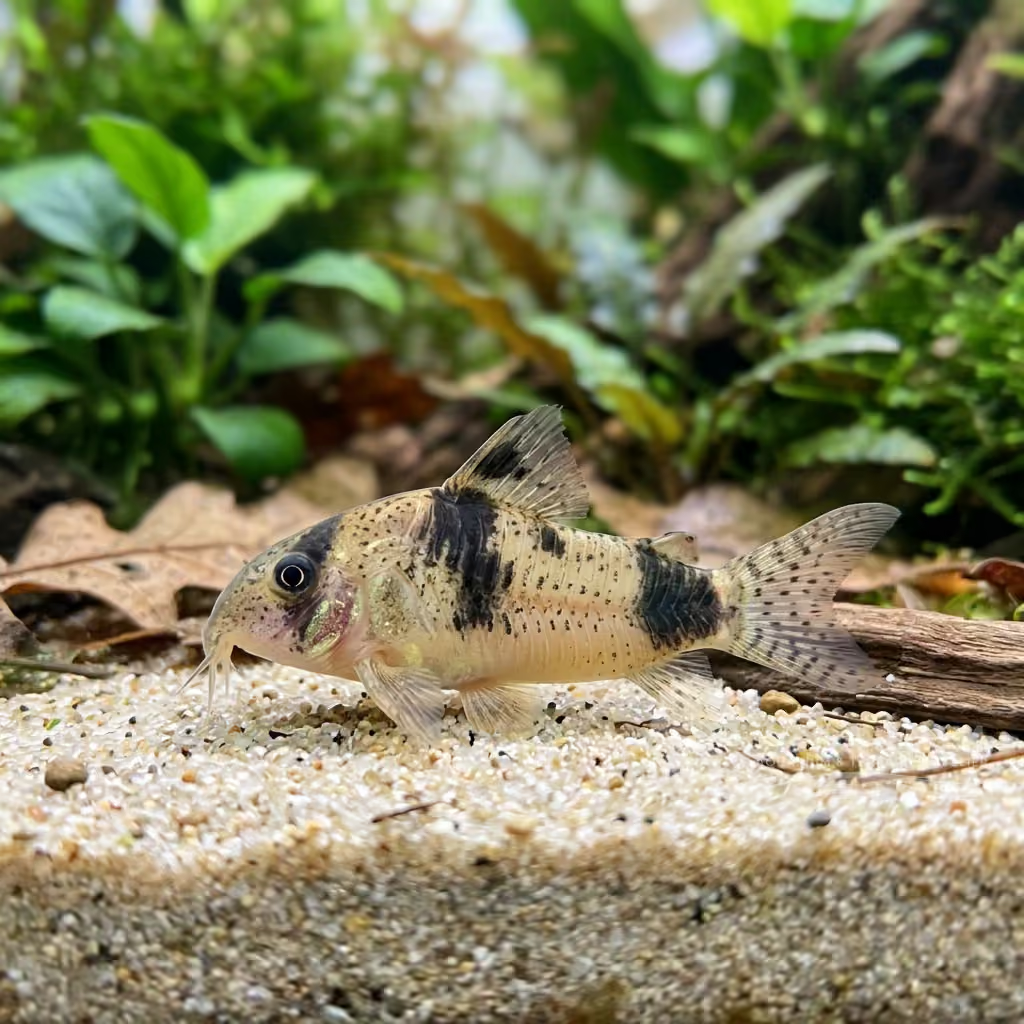
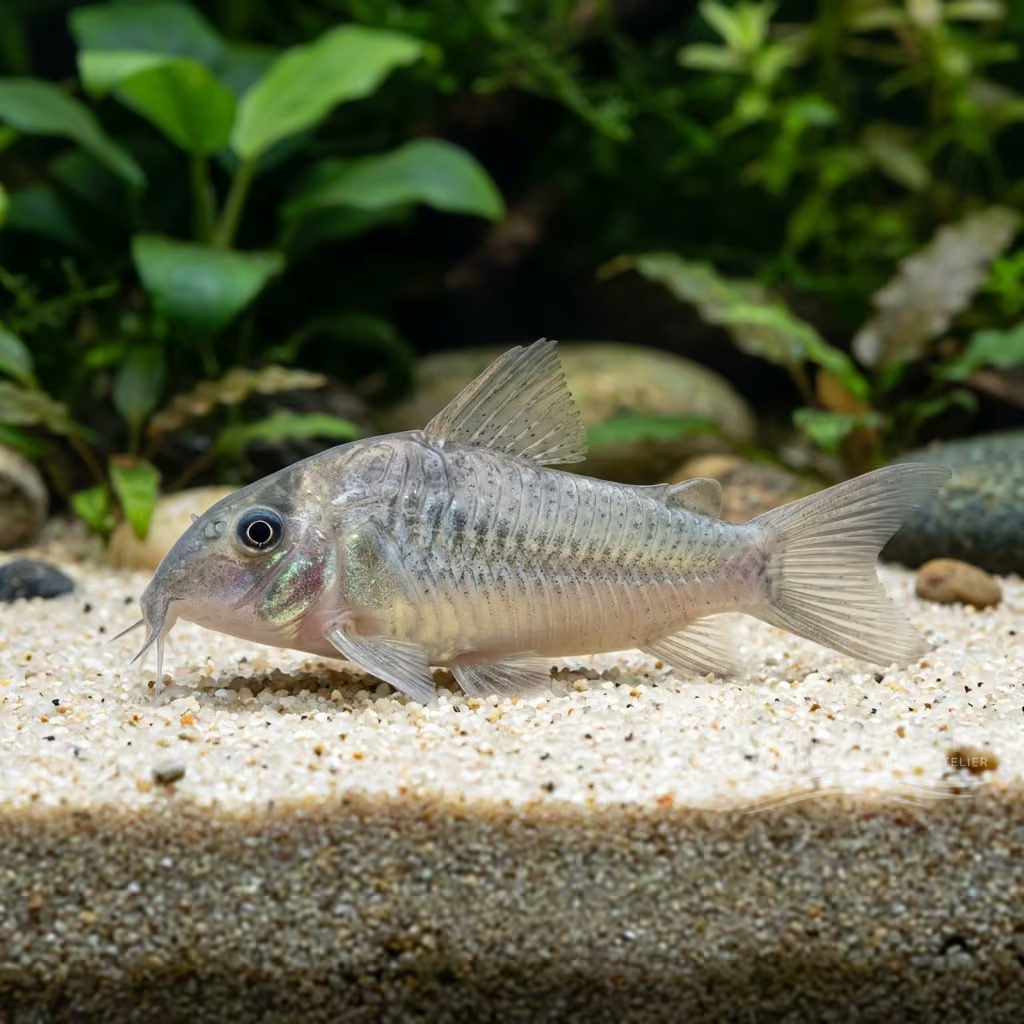
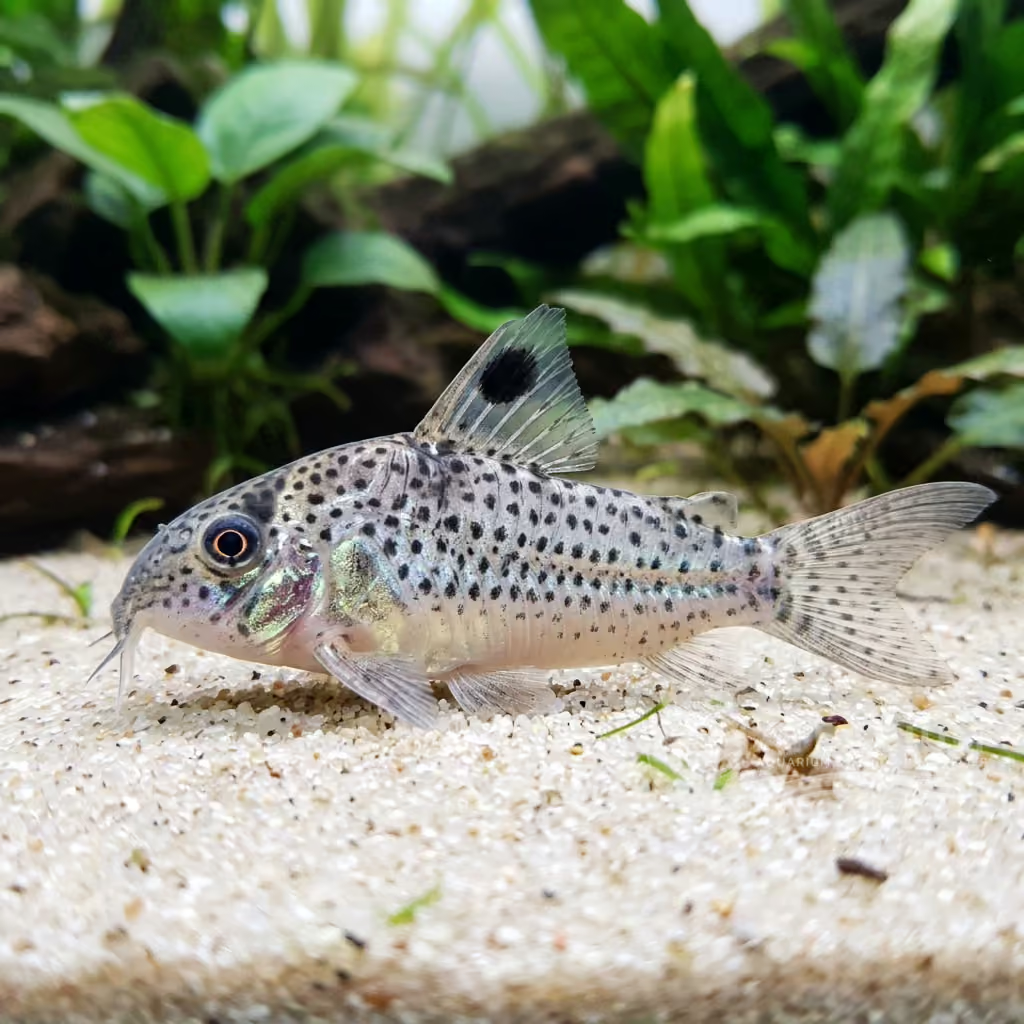
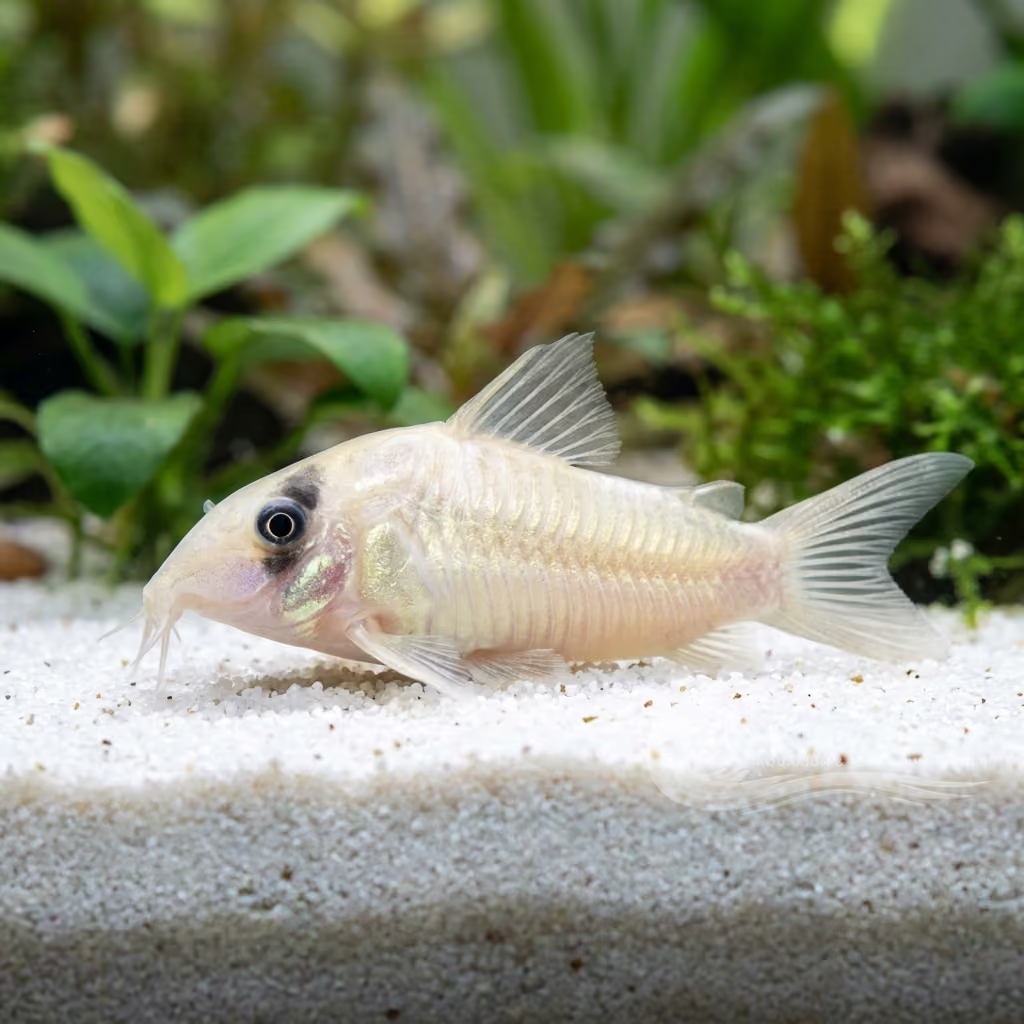
Coloration and Sexual Dimorphism: Light beige body. Massive black band running from mid-back to tail. Dark mask on the eye and a vivid (and very extensive) fluorescent orange spot on the back/nape. Females noticeably stockier than males.

Care, breeding and tankmates
Aquarium Setup: 80 cm (32 inches) tank. Absolute obligation of extra-fine sand so as not to damage the animal, lots of leaf litter on the bottom (Oak, Beech, Catappa) to simulate the habitat and amber the water.
Diet and Feeding: Excellent appetite for small aquatic invertebrates. To be fed with omnivorous bottom wafers, fine granules and, above all, lots of frozen bloodworms, brine shrimp or mysis. Food to be distributed in the evening.
Water Quality: Extremely sensitive to water quality. Nitrates must remain close to zero, otherwise rapid erosion of the barbels and generalized infections will occur. Requires soft and sweet waters.
Compatibility and Cohabitation: Suitable only for docile tankmates occupying the upper water column. Nannostomus (pencilfish), small Paracheirodon, or peaceful dwarf cichlids.
Aquarium Breeding: Spawning is often induced by cold thermal shocks and drops in atmospheric pressure (thunderstorms). The female attaches surprisingly large and very sticky eggs on the glass.
Risks and Diseases: Terribly fears sharp bottoms. Can secrete, in cases of extreme panic (such as during netting), a toxic mucus that in tight spaces proves fatal.

Geographic origin and distribution
Endemic to the upper Rio Negro basin in Brazil (Poranga region). Exclusive species of the classic Amazonian "blackwaters" very rich in humic acids.
Origin
Amazon, Orinoco, and Guianas

Fish profile
- Temperament
- Semi-aggressive
- The temperament of Hoplisoma duplicareum can only be described as completely peaceful and highly gregarious. They are a schooling fish by nature and absolutely must be kept in groups of at least six individuals of their own kind to feel secure. When kept in insufficient numbers, they will become extremely stressed, reclusive, and susceptible to disease. In a proper school, they are active, inquisitive, and highly entertaining to watch as they scurry around the bottom together like a busy little cleaning crew. They pose absolutely no threat to any other inhabitants in the aquarium.
- Diet
- Omnivore
- In the wild, Hoplisoma duplicareum is a micro-predator and scavenger that sifts through the substrate for small insects, worms, and crustaceans. In the aquarium, they readily accept a wide variety of high-quality sinking foods, including pellets, wafers, and granules designed for bottom feeders. To ensure optimal health and coloration, their diet should be supplemented with live or frozen foods such as bloodworms, daphnia, and brine shrimp. They are not true algae eaters, so feeding them solely algae wafers is a common mistake that can lead to malnutrition. A varied diet will keep their immune system strong and encourage natural foraging behaviors.
- Life expectancy
- 5-8 years
- Adult size
- 5 cm
- Sex ratio
- School
- When keeping Hoplisoma duplicareum, the exact sex ratio is not strictly critical for their day-to-day well-being, as they do not exhibit aggression toward each other. However, if the goal is to breed them, a ratio of two or three males for every female is strongly recommended. This multiple-male approach increases the chances of successful fertilization during the spawning process. Females are typically larger and noticeably broader when viewed from above, especially when conditioned with high-quality foods. Maintaining a healthy, mixed-gender school allows for the observation of their fascinating natural social dynamics.
- Feeding frequency
- Twice daily
- It is generally recommended to feed Hoplisoma duplicareum small amounts of food once or twice a day. The key is to provide only what the fish can completely consume within a few minutes to prevent uneaten food from rotting in the substrate. Because they are bottom feeders, you must ensure that enough food reaches the bottom before faster mid-water fish consume it all. If feeding twice a day, offering a staple sinking pellet in the morning and a frozen treat in the evening works exceptionally well. Observing their bellies can help you gauge if they are getting enough food; they should look gently rounded but not bloated.
- Bioload
- Low
- The bioload of Hoplisoma duplicareum is relatively low to moderate, making them an excellent choice for a community aquarium. They do not produce excessive amounts of waste compared to larger or more predatory fish. However, because they are a schooling species and should be kept in groups, the cumulative bioload of the school must be accounted for when sizing the filtration system. Regular water changes and a properly cycled aquarium are still essential to maintain the high water quality they require. It is important to avoid overfeeding, as uneaten food will negatively impact the water parameters.
- Flow
- Stagnant
- Hoplisoma duplicareum appreciates a moderate amount of water flow in the aquarium, simulating the gentle currents of their native South American streams. The flow should be strong enough to keep the water well-oxygenated and prevent detritus from settling on the bottom, but not so strong that the fish struggle to swim or rest. Using a standard hang-on-back or canister filter usually provides the perfect amount of water movement. They will often be seen actively swimming against the current for exercise, but they also need quiet resting areas among plants or hardscape. Providing a balance of moving water and still zones is the best approach to their habitat.
- Jump risk
- Yes
- The risk of Hoplisoma duplicareum jumping out of the aquarium is generally very low, as they spend the vast majority of their time navigating the bottom of the tank. However, like all Corydoras, they possess an adaptation that allows them to dart to the surface to gulp atmospheric air. During these rapid ascents, an accidental jump or splash can occasionally happen if the fish misjudges the surface. For this reason, a secure lid or cover glass is highly recommended to prevent any tragic accidents. A lid also helps maintain a humid layer of air above the water, which makes breathing easier for them.
- Reproduction
- Oviparous
- Breeding Hoplisoma duplicareum in captivity is entirely possible and often highly rewarding for dedicated aquarists. They are egg scatterers, typically laying their adhesive eggs on broad-leaved plants, aquarium glass, or smooth stones after an elaborate courtship dance. To trigger spawning, aquarists often perform a large, cool water change to simulate the onset of the rainy season in the Amazon basin. Once the eggs are laid, the parents provide no parental care and may even consume their own eggs if not removed. For the best survival rate, the eggs should be transferred to a separate rearing tank and the fry fed infusoria or freshly hatched brine shrimp.
- Compatibility & tankmates
- Peaceful
- Hoplisoma duplicareum is incredibly peaceful and makes a fantastic addition to most community tanks. They get along well with other peaceful, similarly sized fish such as tetras, rasboras, and dwarf cichlids. It is crucial to avoid keeping them with large, aggressive, or predatory species that might view them as food or nip at their fins. They are also completely safe to keep with most ornamental snails and adult dwarf shrimp, although baby shrimp might occasionally be eaten. Their bottom-dwelling nature means they rarely compete for space with mid- or top-dwelling tank mates.
- Tank level
- Bottom
- As classic bottom-dwellers, Hoplisoma duplicareum will spend nearly all of their time foraging and resting on the substrate. They use their sensitive barbels to meticulously search the sand or fine gravel for any edible morsels that have sunk to the bottom. While they are primarily benthic, it is completely normal to see them periodically make lightning-fast dashes to the water's surface to take a gulp of air. Aside from these quick trips to the top, they will almost never be found swimming in the middle or upper levels of the water column. Providing a large footprint with plenty of open bottom space is far more important than tank height.

Scientific Parameters & Models
FishBase
Window to the official scientific data of the species
FishBase v25.04Data synced on: 06/15/2026
- Trophic level
- 3 ± 0.4 se
- Resilience
- High (less than 15 months)
- Phylogenetic uniqueness (PD50)
- 0.5
- Bayesian Length-Weight
- a = 0.00741, b = 3.14
- VulnerabilityLow vulnerability (10 / 100)

Related species
Recommendations grouped by close relatives, companion choices, and similar care.