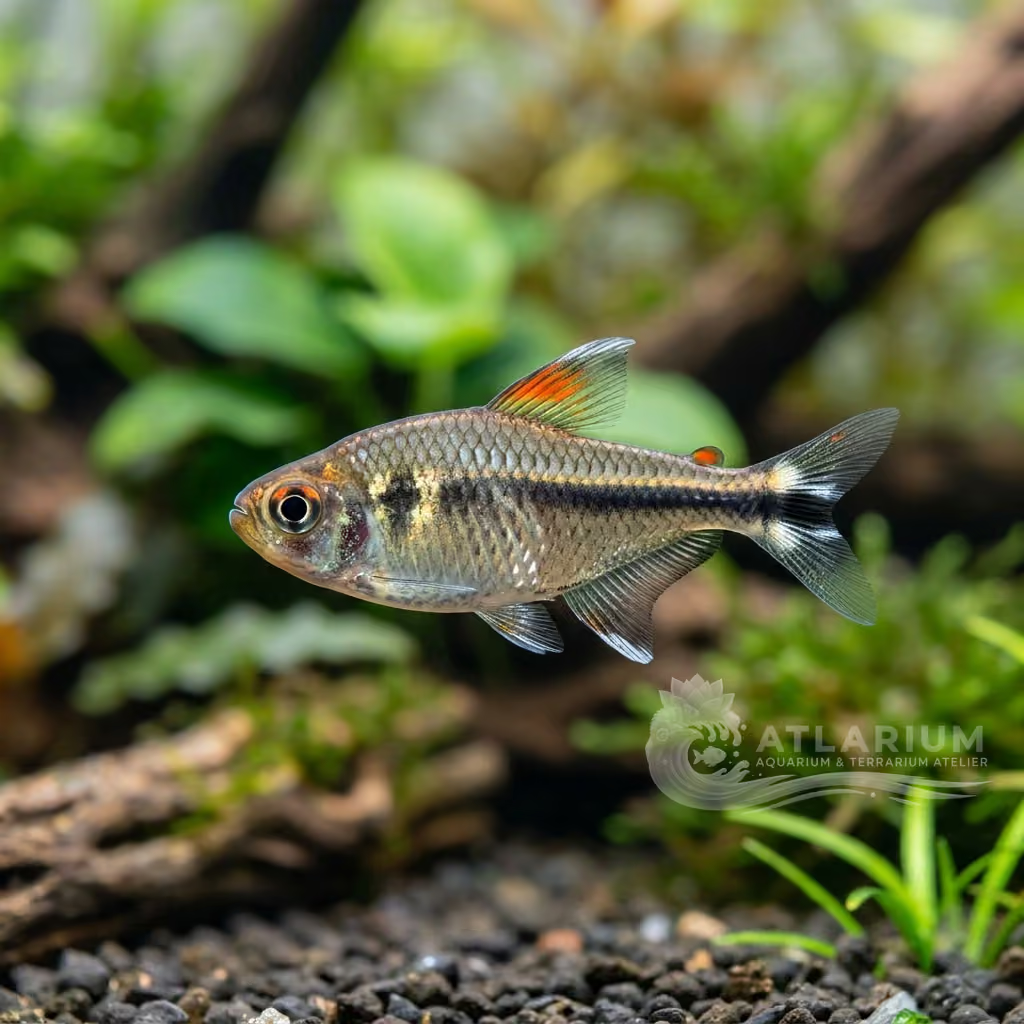
Pygmy Killifish
Leptolucania ommata
The pygmy killifish is a tiny, peaceful North American freshwater fish. Reaching just 3cm, it thrives in small groups in densely planted 40L tanks with soft, acidic water and requires live micro-foods.
Water Temperature
15 - 26 °C
pH Value
5.5 - 7
Water type
Freshwater
Tank level
All levels
Adult size
3 cm
Minimum tank volume
>= 40 L
Minimum group
>= 6
GH
4 - 10 dGH
KH
2 - 6 dKH
TDS
80 - 210 ppm
Conductivity
125 - 328 uS/cm

Species description
Geographical Origin and Habitat: Leptolucania ommata is native to southeastern North America, distributed mainly in coastal plains from southern Georgia to Florida and Alabama. It inhabits shallow, slow-moving freshwater environments such as cypress swamps, acidic ponds, canals, and ditches characterized by a bottom rich in organic detritus and decaying leaves, and extremely dense aquatic vegetation.
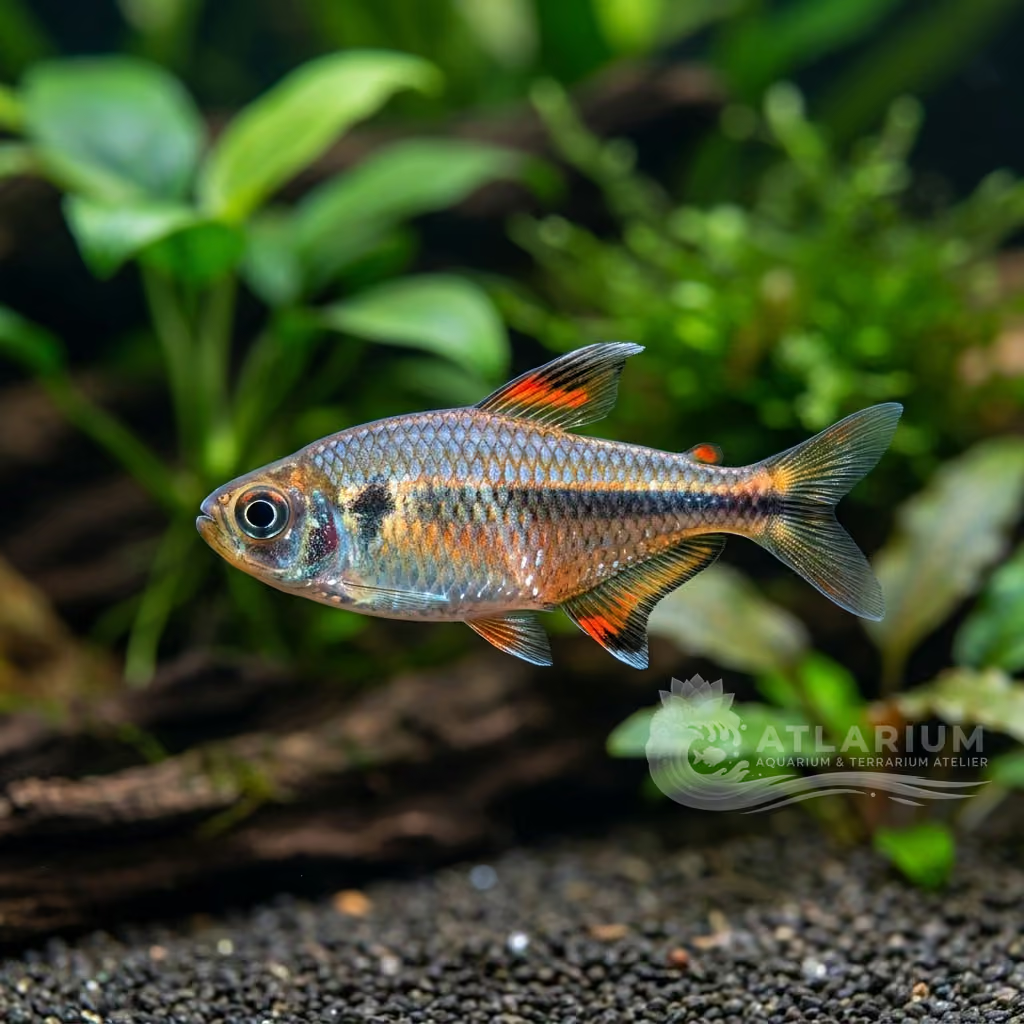
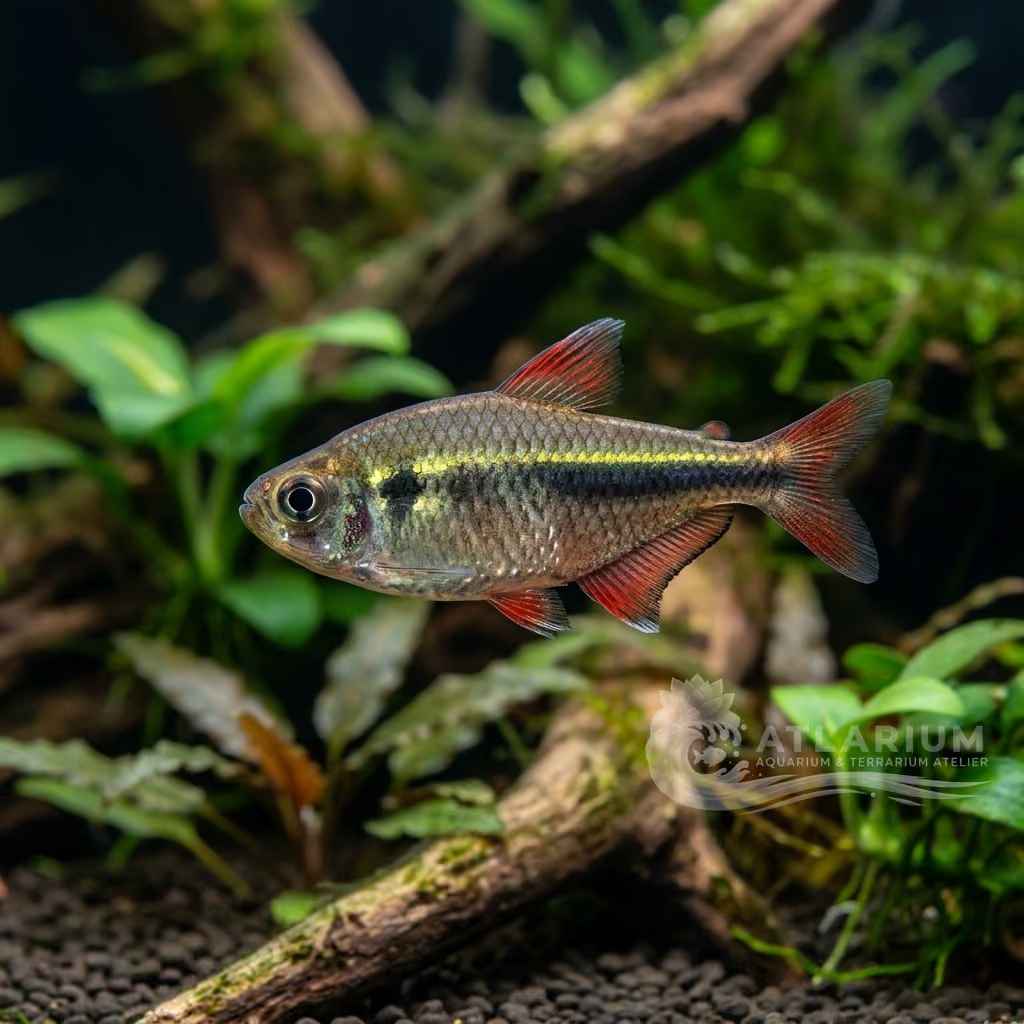
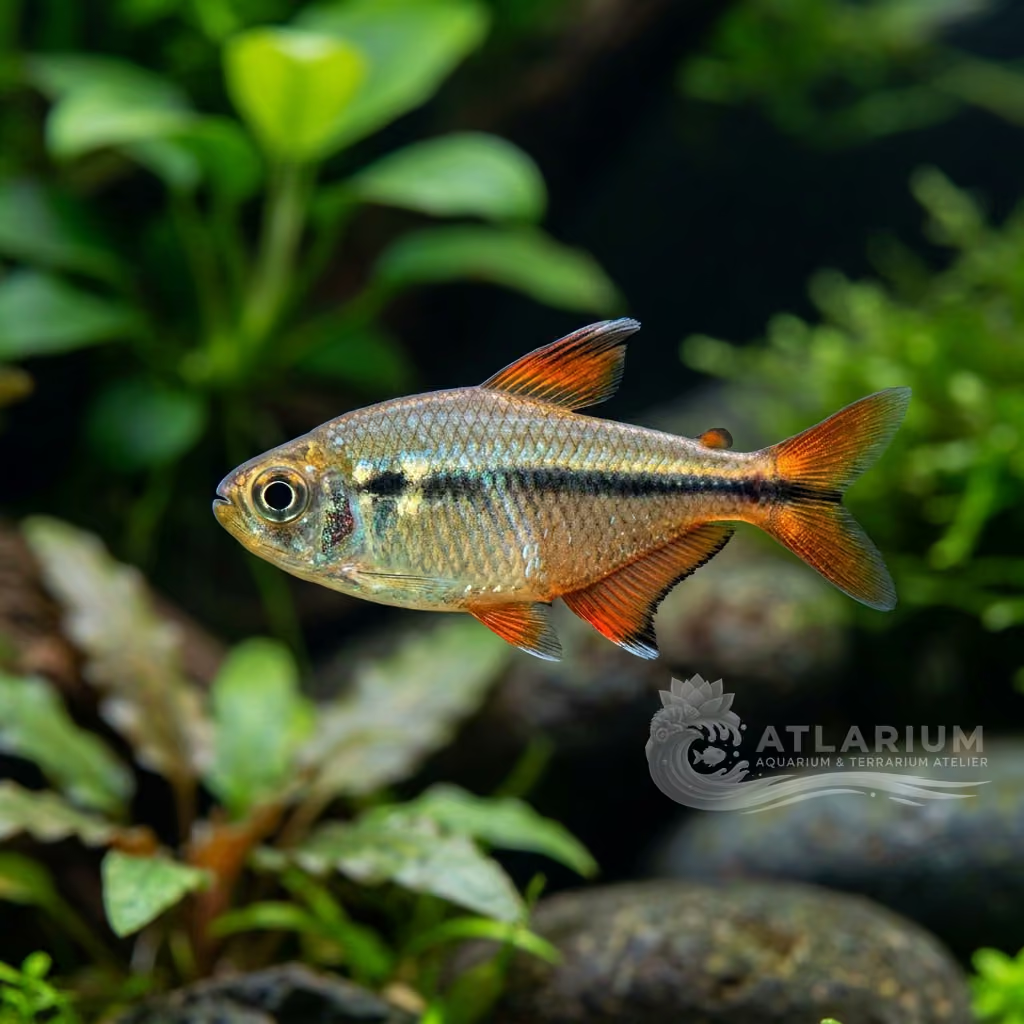
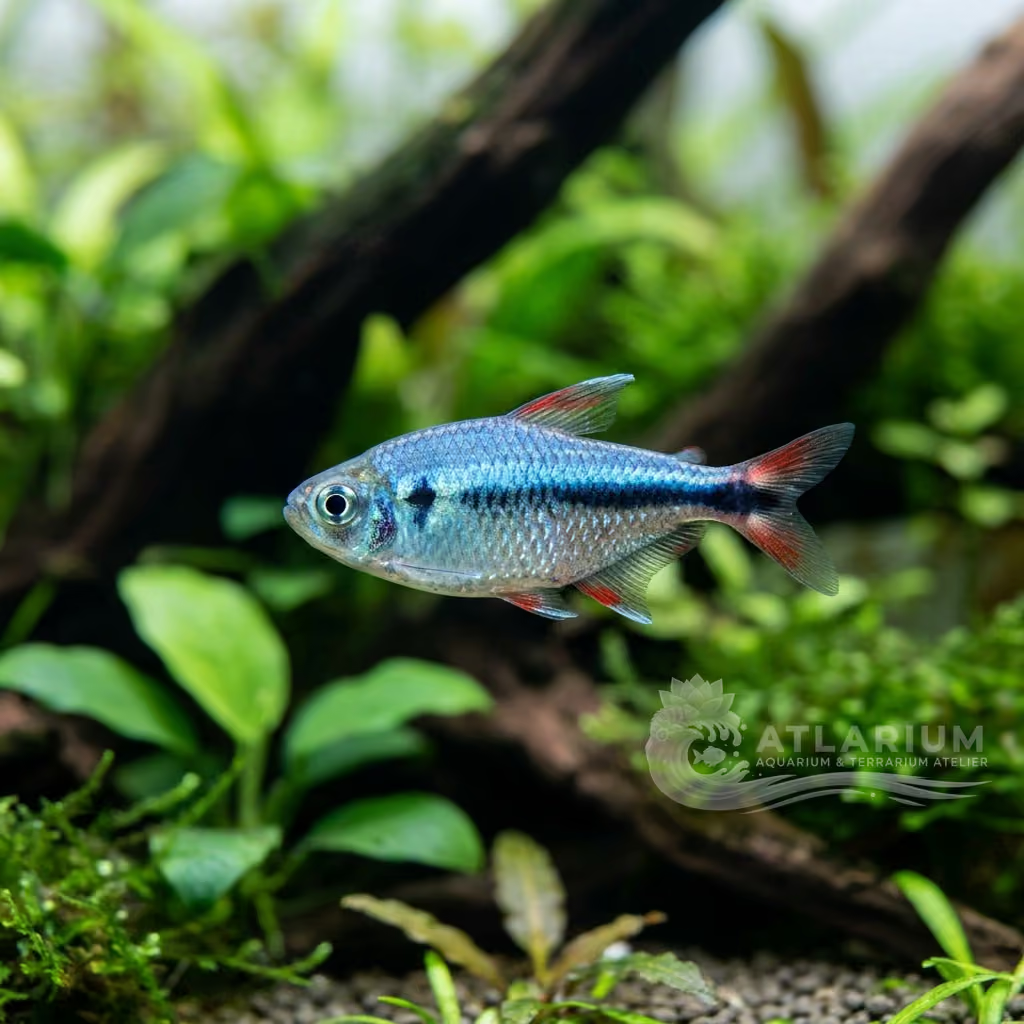
Taxonomy and Morphology: It belongs to the family Fundulidae, genus Leptolucania. It is a tiny species, reaching a maximum adult length of only 2-3 centimeters. The body is slender and elongated. It features proportionally large eyes and an upward-directed mouth, typical of fish feeding on the water surface. It is distinguished by a prominent dark ocellus (eyespot) ringed with light color at the tail base.
Social Behavior: It is an extremely peaceful, shy, and gregarious fish that must be kept in groups of at least 6-8 specimens to promote well-being and reduce shyness. It swims mainly in the upper and middle levels of the water column. Males may exhibit minor ritualized territorial behaviors that are non-harmful to establish group hierarchy.
Coloration and Sexual Dimorphism: The background coloration is light brown or straw-colored. It presents a dark longitudinal line running along the body. Sexual dimorphism is marked: males have larger dorsal and anal fins decorated with dark edges and yellow or bluish hues during breeding, while females have duller colors and a more prominent caudal ocellus.

Care, breeding and tankmates
Aquarium Setup: It requires an aquarium of at least 30-40 liters for a small group. It is essential that the tank is densely planted with fast-growing species and floating plants (such as Ceratophyllum demersum, Pothos, mosses, and duckweed) that shield the light and recreate the natural shaded habitat. The ideal substrate is dark and soft, preferably sandy, enriched with Indian almond leaves.
Diet and Feeding: It is a micro-predator. Due to the tiny size of its mouth, in the aquarium it must be fed microscopic live or frozen foods such as brine shrimp nauplii, daphnia, cyclops, microworms, and infusoria. It often rejects dry food, which must be offered in micro-granules only after a period of acclimation. Feeding must be frequent.
Water Quality: It prefers soft, acidic, and stable water. Temperature: 18-24°C, pH: 6.0-7.0, GH: 4-10, KH: 2-6. The filter flow must be reduced to a minimum, as these fish come from almost stagnant waters and do not tolerate strong currents. Regular but small water changes are preferable to avoid osmotic shocks.
Compatibility and Cohabitation: It is not suitable for traditional community aquariums due to its tiny size and shyness. It must be housed in a dedicated tank or coexisted only with species that are equally small and peaceful, such as shrimp of the genus Neocaridina, small otocinclus, or other micro-fish that do not compete for food.
Aquarium Breeding: Breeding in the aquarium is relatively simple. It is a species that scatters adhesive eggs among dense vegetation (especially mosses). It does not provide parental care and may prey on its own eggs; to maximize the hatch of fry, it is recommended to move the breeders after spawning or to raise the parents in a densely planted tank.
Risks and Diseases: The main challenge is the initial feeding of the fry and the acclimation of wild adults, who are subject to shipping stress. Due to skin sensitivity, they are vulnerable to fungal and bacterial infections if water quality declines or if pH is too high. Keep the water clean and ammonia-free.

Geographic origin and distribution
Leptolucania ommata is native to southeastern North America, distributed mainly in coastal plains from southern Georgia to Florida and Alabama. It inhabits shallow, slow-moving freshwater environments such as cypress swamps, acidic ponds, canals, and ditches characterized by a bottom rich in organic detritus and decaying leaves, and extremely dense aquatic vegetation.
Origin
Tropical oceans and reefsNorth America

Fish profile
- Temperament
- Peaceful
- The Pygmy killifish is extremely peaceful, shy, and somewhat reclusive if not provided with enough cover. When kept in appropriate numbers in a well-planted tank, they become curious and active, exploring every leaf and crevice. They are delightful, gentle fish perfectly suited for a dedicated nano setup.
- Diet
- Carnivore
- They are micro-predators that feed on tiny invertebrates and zooplankton in nature. In captivity, they require tiny live or frozen foods such as microworms, baby brine shrimp, and daphnia. They may eventually accept very finely crushed, high-quality flakes, but live foods are crucial for conditioning.
- Life expectancy
- 1-2 years
- Adult size
- 3 cm
- Sex ratio
- Group
- Males are more brightly colored and slightly slimmer, while females are plumper and usually have a distinct spot (ocellus) on their sides. They are best kept in a group with a ratio of one male to two or three females to disperse male courting attention. Keeping them in groups encourages their natural, fascinating social interactions.
- Feeding frequency
- Twice daily
- Due to their tiny stomachs and active foraging behavior, they should be fed very small amounts multiple times a day. Two to three micro-feedings daily is ideal to keep them healthy and active. A well-established planted tank will also provide a natural source of infusoria for them to graze on.
- Bioload
- Low
- The Pygmy killifish has an exceptionally low bioload due to its diminutive size, rarely exceeding an inch in length. They produce very little waste, making them ideal candidates for small, heavily planted nano aquariums. Excellent water quality must still be maintained, as they are sensitive to pollutants.
- Flow
- Strong
- They originate from stagnant swamps, bogs, and slow-moving backwaters heavily choked with vegetation. They prefer very gentle or almost zero water flow in the aquarium to mimic these calm environments. Sponge filters are highly recommended to prevent them from being exhausted by strong currents.
- Jump risk
- Yes
- Like most killifish, they have a tendency to jump if they feel threatened or if water parameters decline. A secure, tight-fitting lid is essential for their aquarium. A thick layer of floating plants can also help deter them from jumping by making them feel safer.
- Reproduction
- Oviparous
- Breeding is relatively straightforward in a dedicated, heavily planted setup. They are plant spawners that will lay their eggs among fine-leaved plants like Java moss over a period of several days. Providing abundant hiding spots is necessary so the fry can hide from the adults, who may occasionally eat them.
- Compatibility & tankmates
- Species only
- They are incredibly peaceful but easily intimidated and outcompeted by larger or more active fish. They should only be kept in a species-only tank or with other tiny, peaceful tank mates like dwarf shrimp or microrasboras. Keeping them with aggressive or fast-swimming species will result in them hiding constantly and starving.
- Tank level
- All levels
- They utilize all levels of the aquarium but spend most of their time weaving through dense vegetation in the middle and upper levels. They require a heavily planted tank with low lighting and plenty of cover to feel secure. They will rarely venture into open water without immediate access to hiding spots.

Scientific Parameters & Models
FishBase
Window to the official scientific data of the species
FishBase v25.04Data synced on: 06/15/2026
- Trophic level
- 3.1 ± 0.2 se
- Resilience
- High (less than 15 months)
- Phylogenetic uniqueness (PD50)
- 1
- Bayesian Length-Weight
- a = 0.00631, b = 3.14
- VulnerabilityLow vulnerability (10 / 100)

Related species
Recommendations grouped by close relatives, companion choices, and similar care.