Flagtail Porthole Catfish
Dianema urostriatum
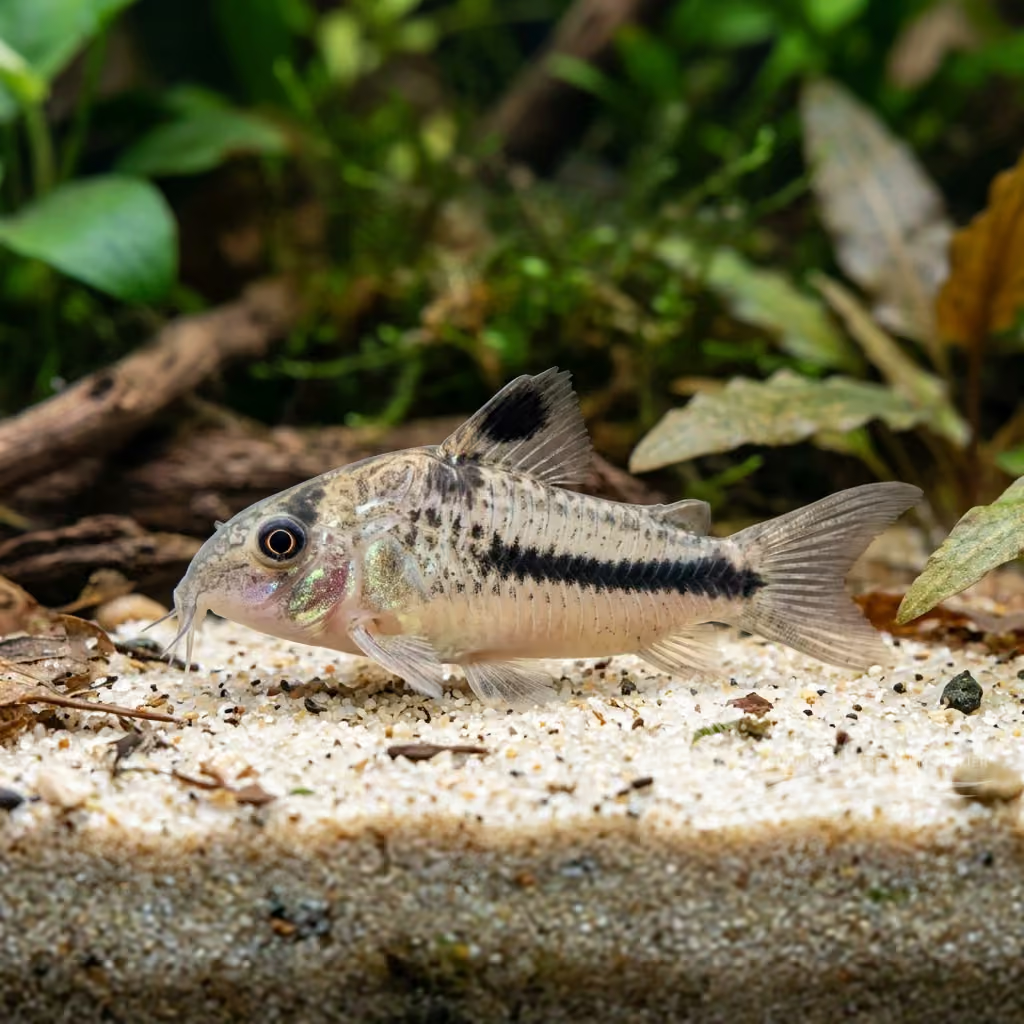
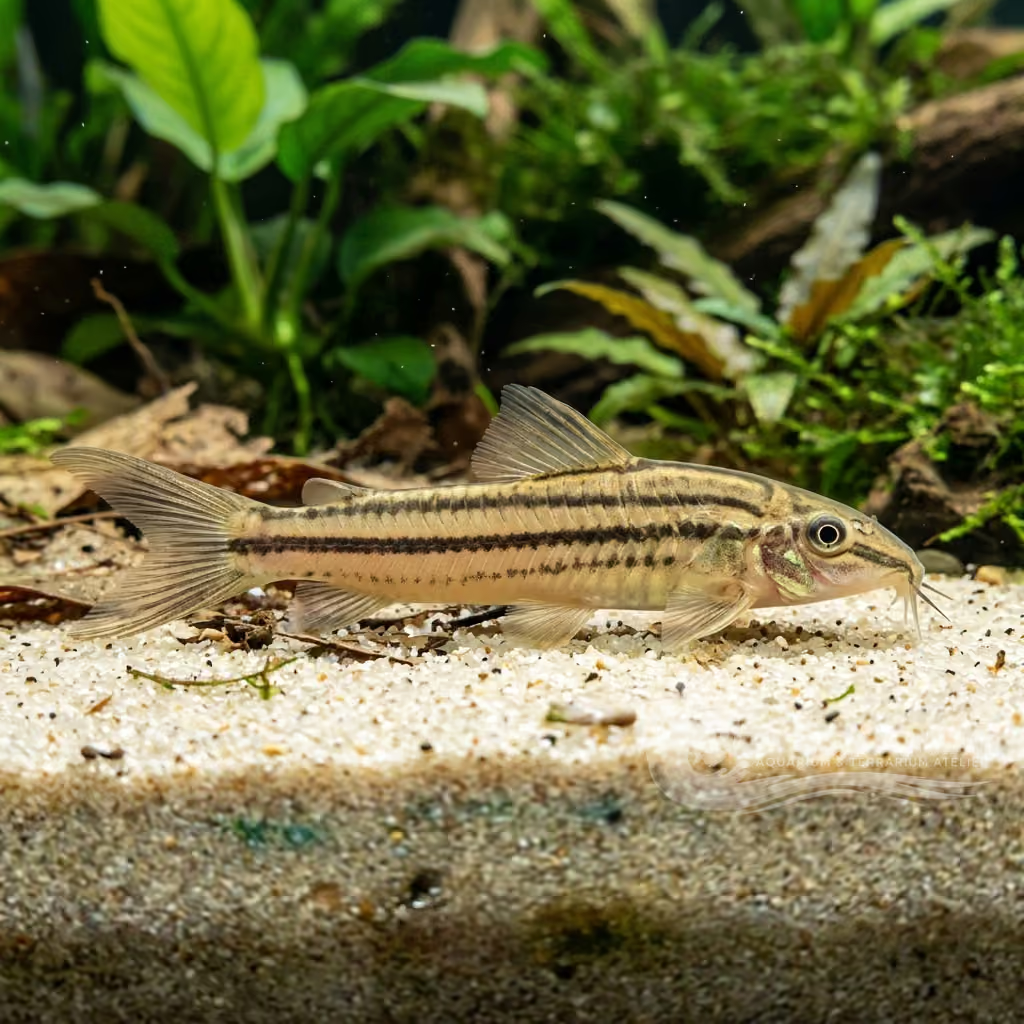
Medium-water catfish of great beauty, tapered like a torpedo. The caudal peduncle explodes into a magnificent flag fin with thick black/white horizontal zebra stripes.
Water Temperature
24 - 28 °C
pH Value
6 - 7.2
Water type
Freshwater
Tank level
Bottom and middle
Adult size
12 cm
Minimum tank volume
>= 120 L
Minimum group
>= 6
GH
2 - 15 dGH
KH
2 - 10 dKH
TDS
50 - 325 ppm
Conductivity
78 - 508 uS/cm

Species description
Geographical Origin and Habitat: Dominant in the massive Amazon hydrographic basin in Brazil, in the Solimões basin. Concentrates among the bends of "white water" rivers with outflow, where immense flooded forests reign, underwater labyrinths of decomposed branches and sweet mangrove roots in which to hide.
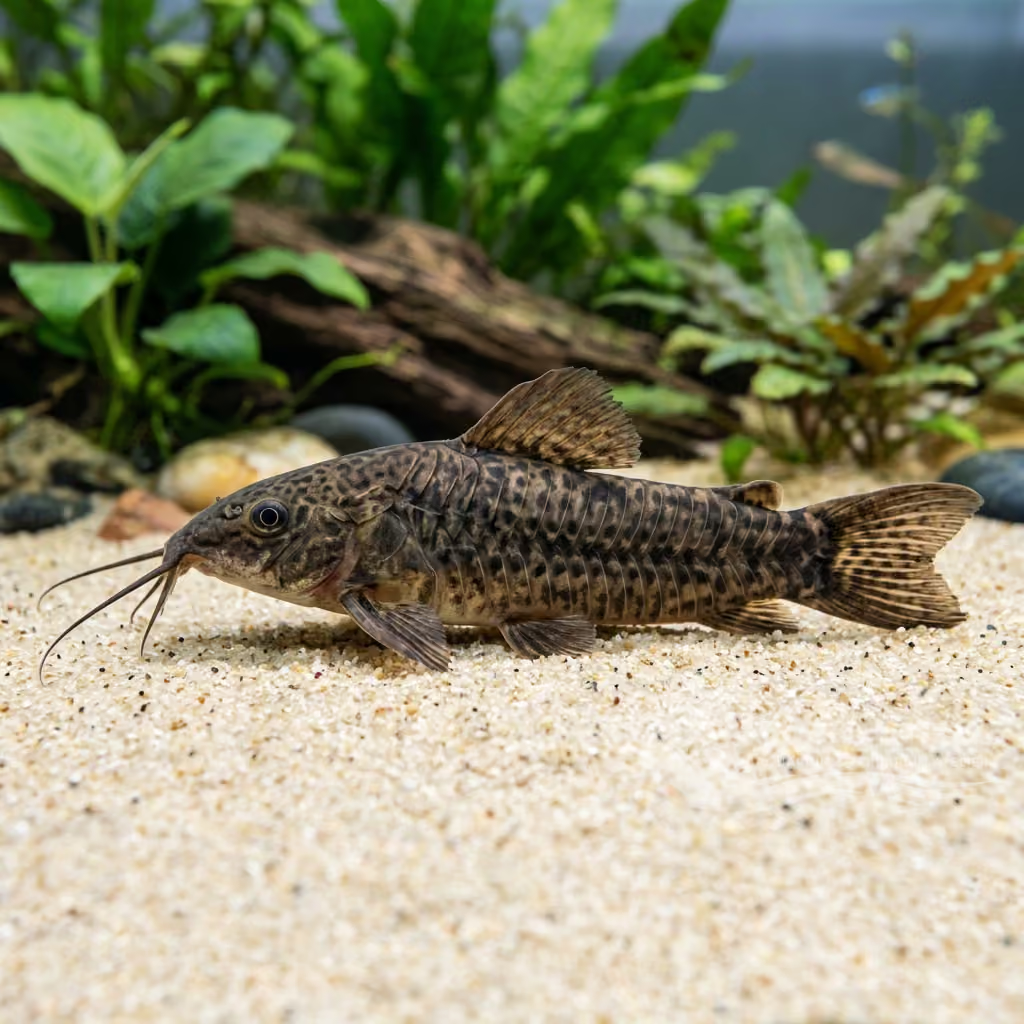
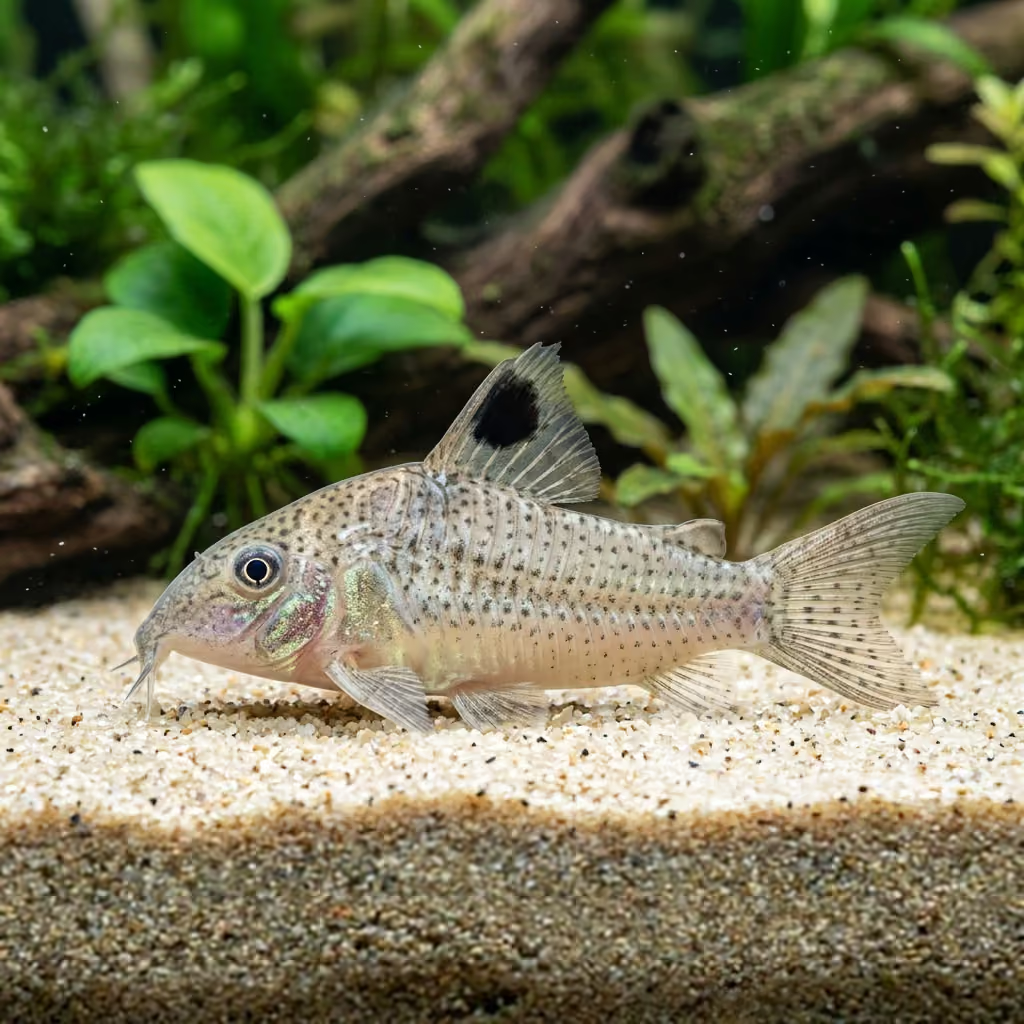
Taxonomy and Morphology: Callichthyidae known globally as "Flagtail Porthole Catfish". Boasts a larger size (up to 12 cm / 4.7 inches) and a more accentuated muscular profile than the longibarbis, maintaining the unmistakable aerodynamic and elongated "chassis" with two rows of whiskers stretched forward.
Social Behavior: Absolutely gregarious but endowed with a dynamic and less reluctant temperament than its congener. To be strictly maintained in structured schools (from 6 upwards), in which it exhibits spectacular patterns of synchronized swimming in mid-water or powerful snout-to-ground dives.
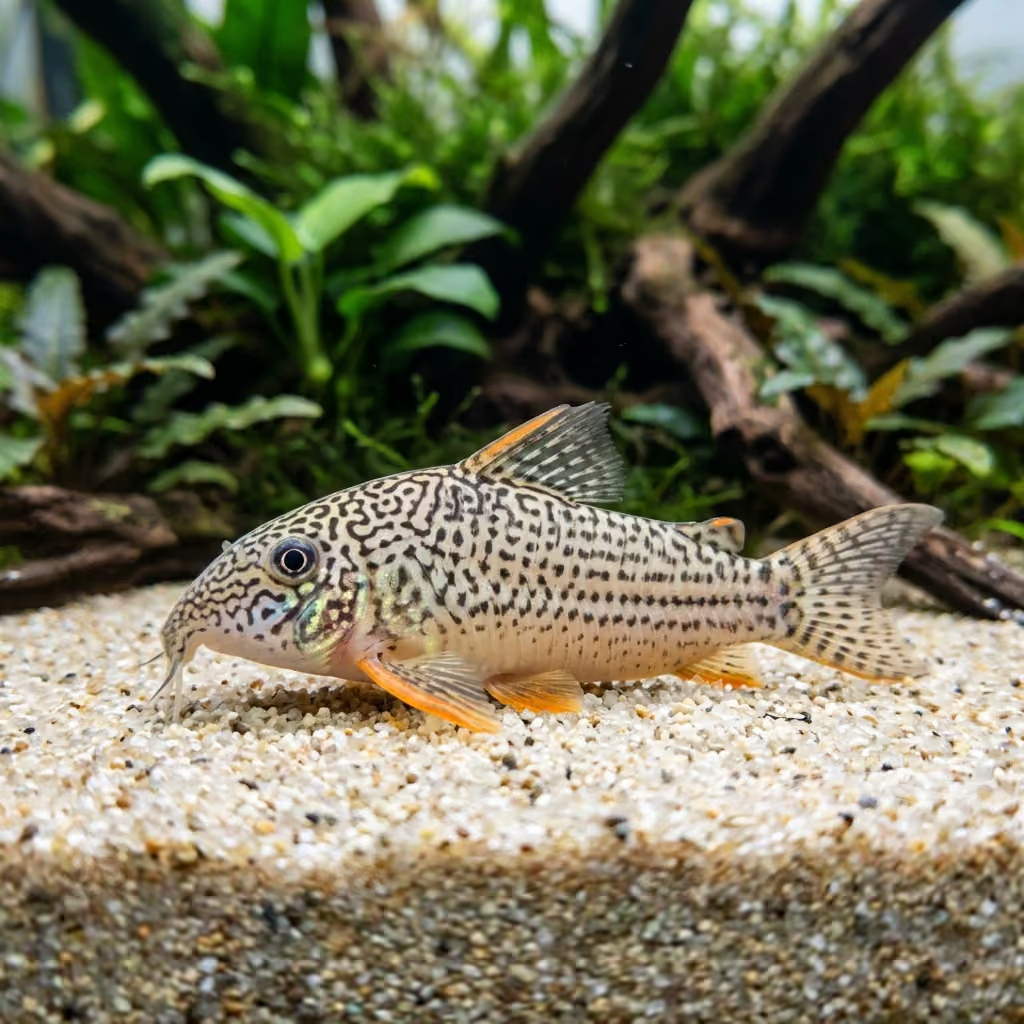
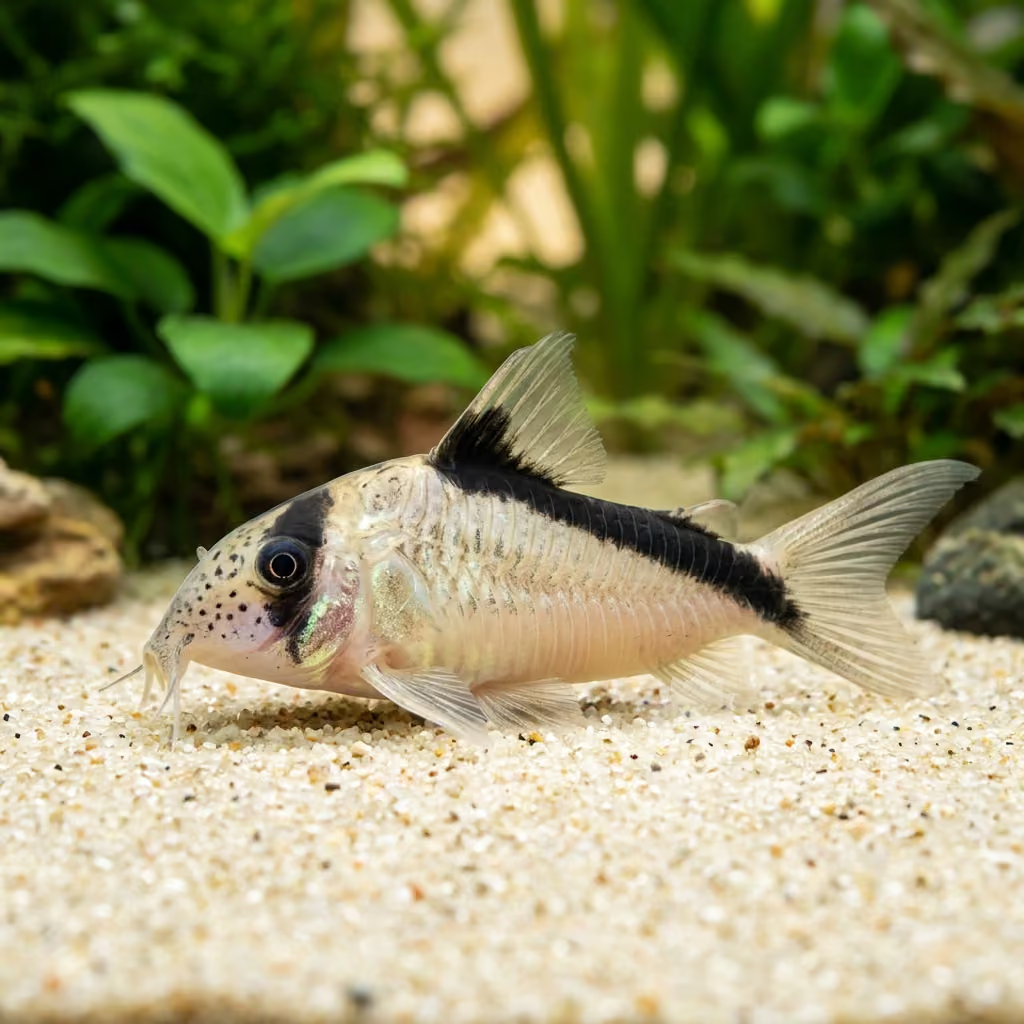
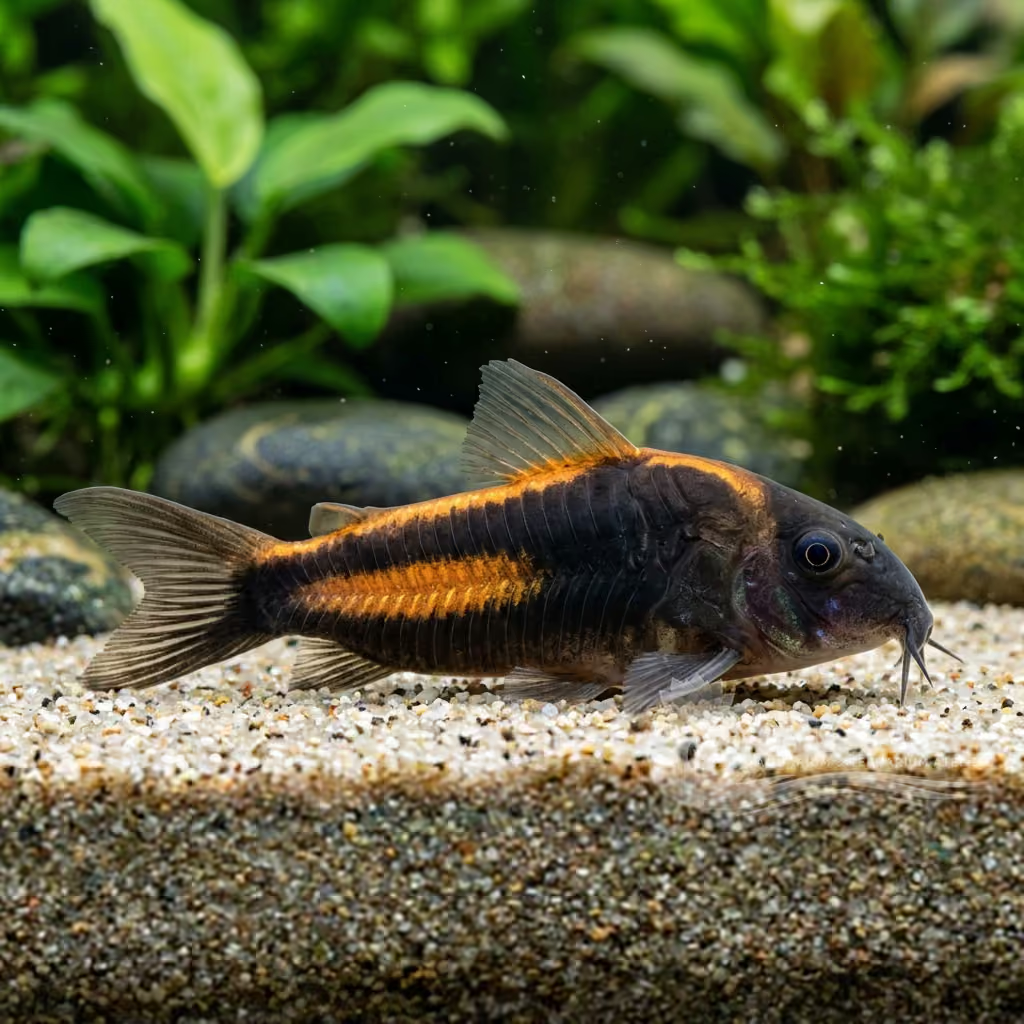
Coloration and Sexual Dimorphism: Dotted "Porthole" base body, with an unmistakable breathtaking distinctive trait ("urostriatum"): the large caudal fin is heavily furrowed by powerful horizontal black-and-white parallel bands (flag-like). Dimorphism limited to the male pectoral spines, thick and jagged, and the female belly.

Care, breeding and tankmates
Aquarium Setup: Athletic fish, demands very long rectangular tanks equipped with massive free swimming zones. A vital requirement is thick upper cover (Pistia, shady branched woods) to stop its fear of the open, and the usual impalpable sand for facial dredging.
Diet and Feeding: Does not compromise with poor quality food. Boldly grabs the granulate in mid-water before it falls, but the sustenance of the body requires monstrous injections of bloodworms, tubifex, and raw macro-shrimp/mysis distributed generously.
Water Quality: Thermophilic, likes 24-28°C (75-82°F) and possesses the same prodigious adaptation to assimilate oxygen from the intestinal walls in case of asphyxiated waters in summer. Maintain water at intermediate values (pH 6.0 - 7.2, GH 2-15) ensuring excellent ammonia purification.
Compatibility and Cohabitation: Extraordinary community tank supporting character. Mutually ignores small fish, swimming briskly in thick gatherings of Tetras (Emperor Tetras, Diamond Tetras) or large harmless Cichlids for its size (Uaru, Severum, peaceful Geophagus).
Aquarium Breeding: Similar to Asian nest builders (Labyrinth fish). The male unleashes territoriality by mounting, under floating covers or large woody crevices, a bulky frothy nest woven with debris and algae, where he jealously crams the newly fertilized larvae.
Risks and Diseases: In addition to the wear of the precious facial sensors caused by coarse gravel, the fish is notorious for panic attacks in the first acclimatizations: covering the tank glass avoids lethal cranial crashing. Hypersensitive to saline or copper treatments.

Geographic origin and distribution
Dominant in the massive Amazon hydrographic basin in Brazil, in the Solimões basin. Concentrates among the bends of "white water" rivers with outflow, where immense flooded forests reign, underwater labyrinths of decomposed branches and sweet mangrove roots in which to hide.
Origin
Cosmopolitan or introducedAmazon, Orinoco, and Guianas

Fish profile
- Temperament
- Semi-aggressive
- The Flagtail Porthole Catfish has a gentle, peaceful, and highly sociable temperament. They are gregarious by nature and rely heavily on the presence of their own kind to feel secure and exhibit natural behaviors. When kept alone or in too small a group, they become incredibly skittish and will spend almost all their time hidden away. In a proper school, they are active, inquisitive, and completely harmless to all other inhabitants.
- Diet
- Omnivore
- They are predominantly carnivorous bottom feeders but will readily accept a varied omnivorous diet in the aquarium. High-quality sinking pellets or tablets should form the core of their diet to ensure food reaches them on the substrate. They possess a strong preference for live or frozen meaty foods like bloodworms, tubifex, and brine shrimp, which should be offered regularly. Feeding them when the lights are dim will encourage natural foraging behavior.
- Life expectancy
- 8-10 years
- Adult size
- 12 cm
- Sex ratio
- School
- There is no strict necessity to maintain a specific sex ratio in a standard display tank, as they are peaceful schooling fish. Males and females will happily coexist without any significant aggression or territoriality. If the goal is to attempt breeding, keeping a group with a higher proportion of females to males can increase the likelihood of success. Typically, acquiring a small group of juveniles is the best way to ensure a mix of both sexes.
- Feeding frequency
- Twice daily
- Feeding them once or twice daily is optimal, preferably offering food just before or after the main aquarium lights are turned off. Because they are crepuscular or nocturnal by nature, providing food during dimmer periods ensures they can feed without competition from diurnal tank mates. It is crucial to ensure enough food sinks past the mid-water feeders to the bottom. Carefully monitor portion sizes to prevent uneaten food from rotting in the substrate.
- Bioload
- Low to Medium
- The Flagtail Porthole Catfish generates a moderate bioload, consistent with other medium-sized Callichthyidae species. They are enthusiastic foragers that require regular feeding, meaning their waste production is steady and requires a mature biological filtration system. A strict regimen of weekly water changes and regular vacuuming of the substrate is essential to prevent the accumulation of detritus. Maintaining pristine water conditions is key to preventing bacterial infections of their delicate barbels.
- Flow
- Stagnant
- In their natural Amazonian habitat, they inhabit slow-moving tributaries, swamps, and flooded forests, so they prefer gentle water movement. Strong currents from heavy filtration or powerheads will cause them unnecessary stress and force them to expend too much energy. A gentle, diffused flow that provides adequate oxygenation without creating turbulence is the ideal setup. Using a spray bar directed towards the glass can help mitigate strong filter outflows.
- Jump risk
- Yes
- Like their close relatives, they frequently dart to the surface to gulp atmospheric air, an adaptation for surviving in oxygen-depleted waters. Due to the speed and unpredictability of these upward dashes, they occasionally breach the water's surface and risk jumping out. A tight-fitting lid is absolutely necessary to prevent them from landing outside the aquarium. Dense floating plants can help slow their ascent and provide a buffer against jumping.
- Reproduction
- Oviparous
- Breeding the Flagtail Porthole Catfish is challenging and rarely achieved in the home aquarium, usually requiring specific environmental triggers like simulating the wet season. They are unique among most catfish as they construct elaborate bubblenests at the water's surface, often beneath large floating leaves. The male meticulously builds the nest and is solely responsible for guarding the eggs and newly hatched fry against predators. Breeding attempts should be made in a dedicated, shallow spawning tank with very calm water.
- Compatibility & tankmates
- Semi-aggressive
- This is an exceptionally peaceful and somewhat shy species that thrives in a calm community aquarium. They do perfectly well with other non-aggressive fish such as rasboras, small-to-medium tetras, and peaceful dwarf cichlids. It is imperative they are kept in a conspecific group of at least five individuals to provide them with the confidence to explore and feed. Avoid housing them with boisterous, fast-swimming mid-water fish or aggressive bottom dwellers that might stress them into hiding.
- Tank level
- Middle/Bottom
- They are primarily bottom dwellers, heavily utilizing the substrate for foraging and resting during daylight hours. However, they are also frequently observed hovering in the mid-water column, often perching delicately on large plant leaves or submerged driftwood. They require a tank with a soft, sandy substrate to protect their barbels, along with plenty of caves and shaded areas. They will systematically explore the lower half of the aquarium, especially during the evening.

Scientific Parameters & Models
FishBase
Window to the official scientific data of the species
FishBase v25.04Data synced on: 06/15/2026
- Trophic level
- 3 ± 0.3 se
- Resilience
- High (less than 15 months)
- Phylogenetic uniqueness (PD50)
- 0.75
- Bayesian Length-Weight
- a = 0.0195, b = 2.98
- VulnerabilityLow vulnerability (10 / 100)

Related species
Recommendations grouped by close relatives, companion choices, and similar care.