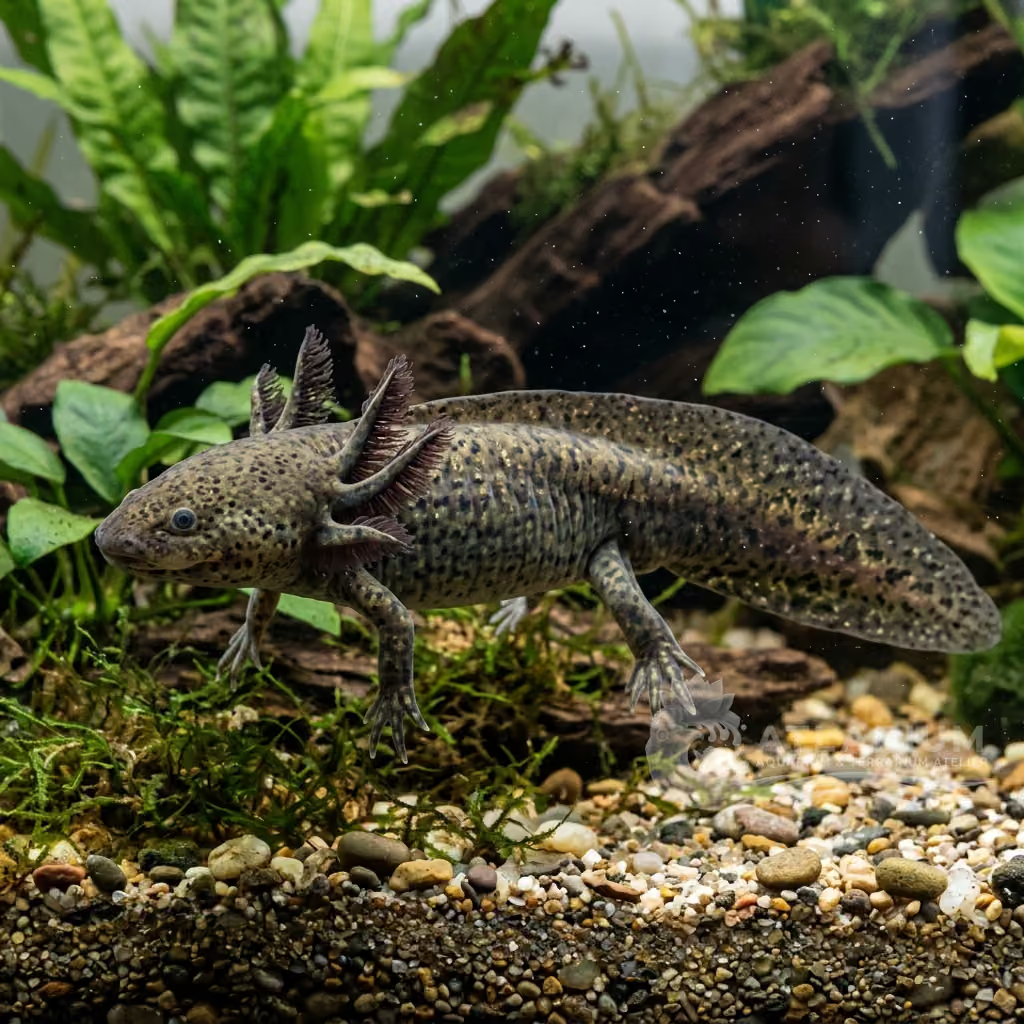
Japanese Giant Salamander
Andrias japonicus
The Japanese Giant Salamander is a massive aquatic beast, ranking as the second-largest amphibian globally. This prehistoric, heavily speckled creature dwells exclusively in cold, rushing mountain rivers.
Water Temperature
10 - 18 °C
pH Value
7 - 8.5
Environment
Freshwater
Humidity
100 %
Day temperature
10 - 18 °C
Night temperature
5 - 15 °C

Species description
Geographical Origin and Habitat: Endemic to the cold, fast-flowing mountain streams and rivers of Honshu, Shikoku, and Kyushu in Japan. It is a strictly aquatic, bottom-dwelling species that hides in underwater crevices and hollows along riverbanks.
Taxonomy and Genetics: Family Cryptobranchidae. Commonly known as the Japanese Giant Salamander. It is a living fossil, protected as a Special Natural Monument in Japan. It lacks external gills, breathing instead through its folded, vascularized skin.
Behavior and Habits: Strictly nocturnal, sedentary, and highly territorial. During the day, they remain hidden in dark river caves. At night, they crawl slowly along the riverbed to forage. They are ambush predators with a powerful suction bite. They can live for over 50 years.
Morphology: Massive, flattened body reaching 100-150 cm in length. The skin is thick, wrinkled, and covered in mucus. Coloration is mottled brown, grey, or black, providing excellent camouflage against river stones. Eyes are extremely small and lidless. Dimorphism is minimal.

Care, breeding and tankmates
Terrarium Setup: Requires a very large aquarium or specialized indoor pond (minimum 200-300 cm in length, containing over 1000 liters). Must have strong water flow, excellent filtration, and a substrate of large, smooth river stones. Secure, heavy lids are mandatory.
Lighting and Heating: Cold-water species. Maintain temperatures strictly between 10-18°C. A high-quality aquarium chiller is mandatory, as temperatures above 22°C are lethal. Keep lighting dim and shaded.
Humidity and Hydration: Strictly aquatic. The water must be pristine, highly oxygenated, and free of chlorine and chloramines. Perform weekly water changes of 50% and use heavy-duty canister or pond filters.
Feeding and Supplementation: Carnivorous ambush predator. Feed whole freshwater fish, crayfish, and large earthworms. They swallow prey whole via suction. Avoid feeding mammalian meat, which can cause fatty liver disease.
Compatibility: Highly aggressive and territorial. Must be housed individually. Mixing specimens, even of similar size, can result in severe injuries, limb loss, and mortality.
Health and Common Diseases: Extremely sensitive to heat stress and ammonia toxicity, which can lead to skin ulcers and fatal fungal infections. They secrete a thick, sticky, pepper-scented mucus when stressed. Avoid handling.

Geographic origin and distribution
Endemic to the cold, fast-flowing mountain streams and rivers of Honshu, Shikoku, and Kyushu in Japan. It is a strictly aquatic, bottom-dwelling species that hides in underwater crevices and hollows along riverbanks.
Origin
North AmericaEast Asia

Amphibian profile
- Diet
- Carnivore
- The diet of Andrias japonicus consists primarily of appropriately sized prey items found in its natural habitat. In captivity, they should be offered a varied selection of live insects, worms, or small invertebrates to ensure nutritional balance. It is important to gut-load the feeder insects and occasionally dust them with high-quality calcium and vitamin supplements. Monitoring their food intake helps prevent obesity and maintains optimal health. Fresh water must always be available to aid in digestion.
- Life expectancy
- 70-100 years
- Adult size
- 150 cm
- Lifestyle/Microhabitat
- Aquatic
- Andrias japonicus leads a specialized lifestyle adapted to the specific niches of its ecosystem, whether that involves climbing, burrowing, or swimming. Its daily routine is a delicate balance of thermoregulation, seeking out hydration, and avoiding predators. In a captive environment, replicating these microhabitats—such as providing ample climbing branches or deep substrate—is crucial for their well-being. They generally thrive when left undisturbed to carry out their natural routines. A proper setup dramatically improves their lifespan and overall vitality.
- Activity cycle
- Nocturnal
- The activity pattern of Andrias japonicus is heavily influenced by the specific light cycle and ambient temperatures of its native range. It may be primarily diurnal, nocturnal, or crepuscular, meaning its peak activity times align with the safest and most optimal conditions for survival. During these active periods, they can be seen exploring, hunting, or patrolling their territory. Careful regulation of the enclosure's lighting and heating schedules will help maintain these natural circadian rhythms. Disruptions to this pattern can cause significant stress or lethargy.
- Sociality
- Solitary
- Andrias japonicus is known for its fascinating and unique behavioral traits that reflect its evolutionary adaptations. Observers may notice periods of active foraging interspersed with long spells of resting or hiding. They interact with their environment carefully, using their specialized senses to navigate and detect both prey and potential threats. While some individuals can be quite shy and reclusive, others may exhibit bold and curious behavior when comfortable in their enclosure. Providing a complex habitat with plenty of enrichment is essential for expressing natural behaviors.
- Reproduction
- Oviparous
- Reproduction for Andrias japonicus typically follows a seasonal pattern, often triggered by specific environmental changes such as temperature or humidity fluctuations. Mating behaviors can include complex courtship displays or specific vocalizations to attract a partner. After successful mating, the female will carefully deposit eggs or give birth, depending on the reproductive strategy of the species. Incubation or gestation periods require stable, precise conditions to ensure the healthy development of the offspring. Breeders must pay close attention to providing the right nesting environment.
- Toxicity
- Harmless
- They are devoid of venom and lack completely toxic skin secretions, posing no chemical danger to humans or natural predators. Their primary defense mechanism is their sheer massive size, powerful muscular build, and heavily camouflaged, highly textured skin. When severely provoked, they can deliver a formidable and painful bite with their numerous sharp teeth, though they are generally non-aggressive towards humans unless disturbed.
- Life stage
- Metamorphosis
- As obligate aquatic amphibians, they spend their entire long lives in the water, completing a partial metamorphosis that leaves them without external gills but still fully aquatic. They rely heavily on their highly vascularized, wrinkled skin for underwater respiration. They are legendary for their extreme longevity; individuals can easily live for well over half a century, with some captive records suggesting lifespans approaching or exceeding 80 years.
- Handling tolerance
- Expert only
- Handling a Japanese Giant Salamander is extremely hazardous due to their massive weight, incredible strength, and thick coating of slippery mucus. They should never be handled by unauthorized individuals, both for the safety of the handler and the profound stress it causes the strictly protected animal. If absolute necessity dictates moving them for veterinary care, it requires specialized equipment, sturdy nets, and highly trained personnel.
- Brumation
- Required
- True brumation does not occur in this species; they remain active aquatic predators throughout the harsh, cold winters of their native range. Their physiology is perfectly adapted to function efficiently in icy, highly oxygenated waters. In a captive environment, it is absolutely critical to provide a powerful chilling system to maintain the frigid water temperatures they require year-round.
- Molting
- Regular
- Shedding is a continuous and natural part of their growth and hygiene cycle, helping them discard external aquatic parasites and damaged skin cells. The old skin sloughs off in large, translucent sheets or patches rather than a single complete piece. They are frequently observed aggressively biting at the loose skin and consuming it immediately to recycle its rich nutritional content.

Related species
Recommendations grouped by close relatives, companion choices, and similar care.