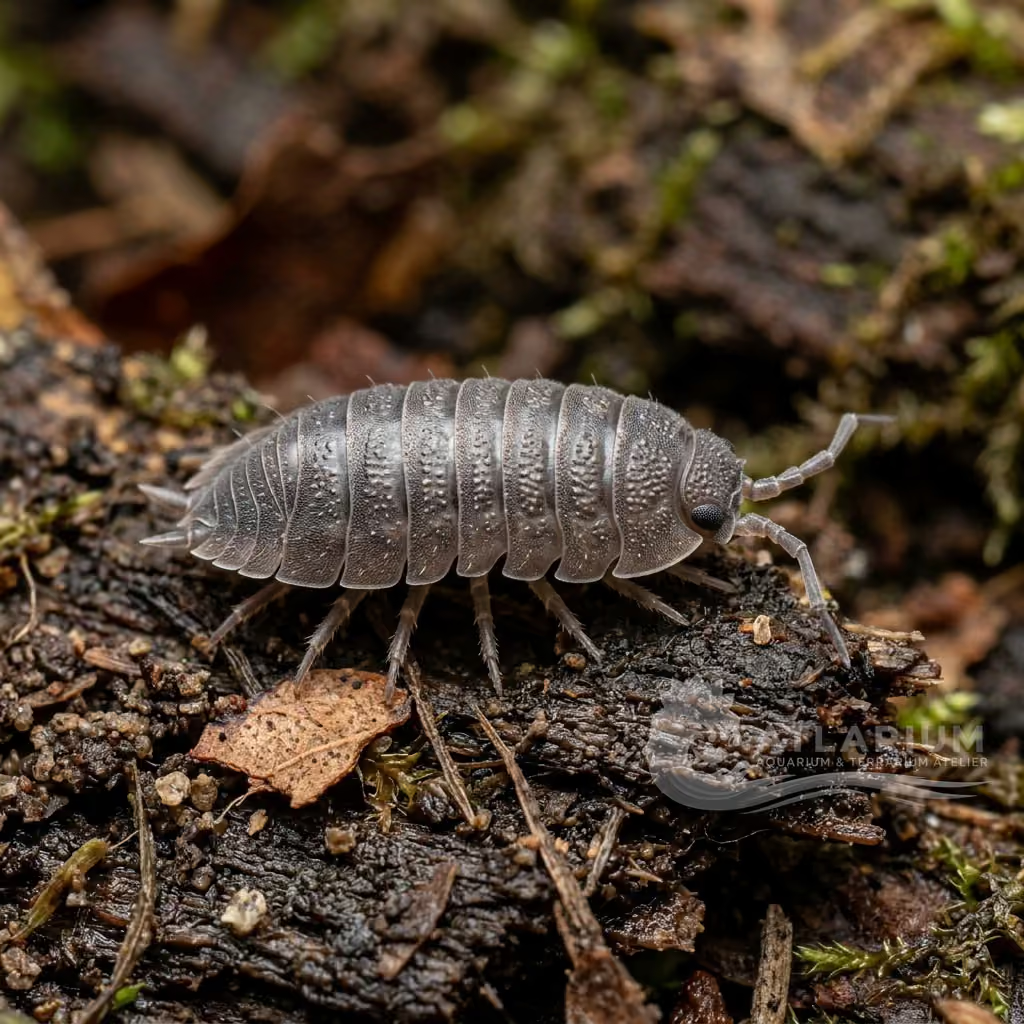
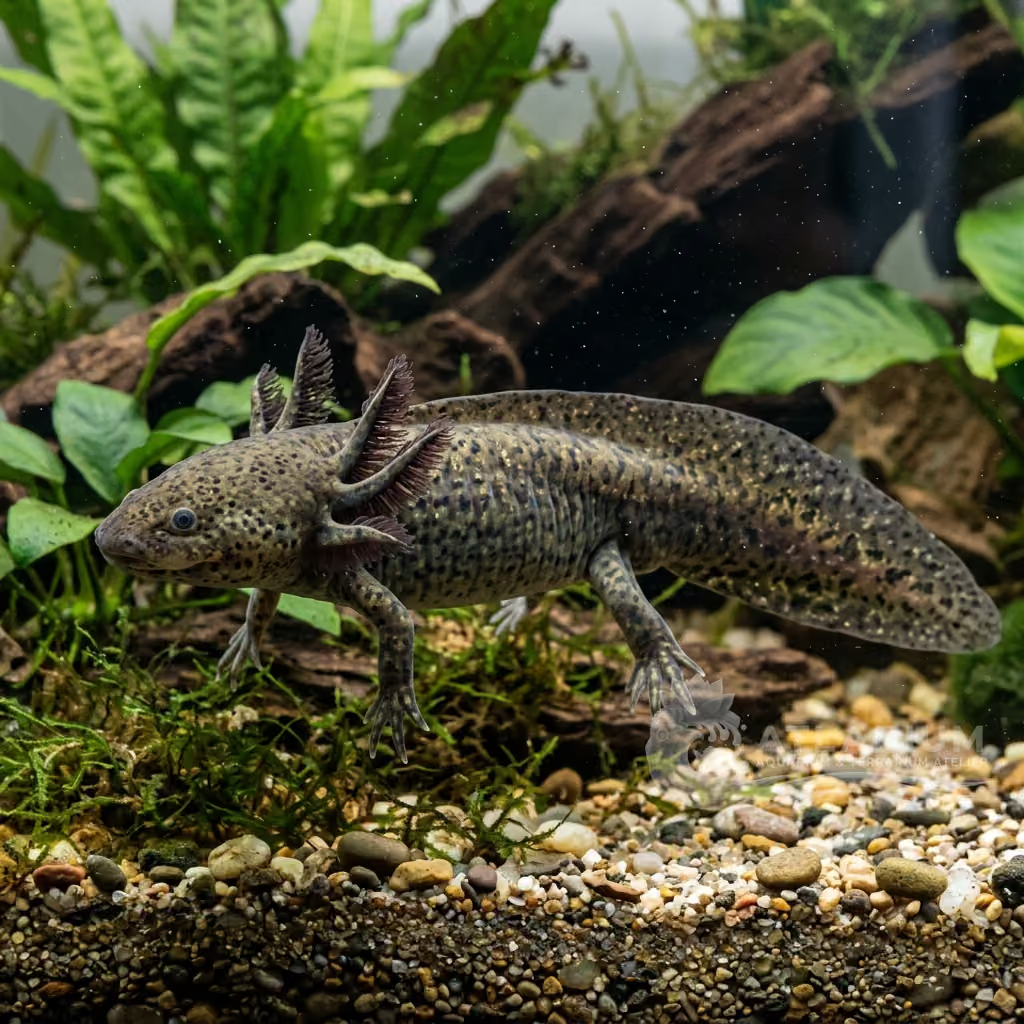
California Slender Salamander
Batrachoseps attenuatus
The California Slender Salamander (Batrachoseps attenuatus) is an exceptionally slender, worm-like salamander native to the western United States, featuring tiny limbs and high tolerance to seasonal dry spells.
Water Temperature
10 - 18 °C
pH Value
6.5 - 7.5
Environment
Freshwater / Semi-aquatic
Humidity
80 - 90 %
Day temperature
14 - 20 °C
Night temperature
10 - 14 °C
Ambient temperature
14 - 20 °C
Minimum enclosure
>= 45 L

Species description
Geographical Origin and Habitat: Endemic to the coastal redwood forests, shaded woodlands, and grasslands of California and southwestern Oregon. This terrestrial species lives hidden in deep, moist leaf litter, under rotting logs, and in soil crevices, retreating deep underground during hot, dry summer months.
Taxonomy and Genetics: A member of the lungless salamander family (Plethodontidae). It features an extremely elongated, worm-like body (7-14 cm) with disproportionately tiny legs. The legs have only four toes, which is an adaptation for crawling through narrow insect tunnels and soil fissures.
Behavior and Habits: Terrestrial and secretive. They spend most of their time buried in soil or hidden under cover. During the summer dry season, they enter estivation, coiling into a tight spiral to reduce moisture loss. They emerge to forage at night during cool, rainy winter and spring months, moving by crawling and occasional snake-like lateral waves.
Morphology: Females are generally slightly larger, longer, and heavier when carrying eggs. Males are slightly smaller and more slender.

Care, breeding and tankmates
Terrarium Setup: Requires a horizontal terrarium (minimum 45x45x30 cm) simulating a damp forest floor. Provide a deep (10-15 cm) digging substrate composed of organic forest soil and peat, covered with a thick layer of damp leaf litter and cork bark pieces. Do not provide a water bowl, as they cannot swim and can easily drown.
Lighting and Heating: Adapted to cool climates. Maintain low temperatures between 14 and 20°C. They are highly sensitive to heat; temperatures above 24°C can cause fatal thermal stress. A cool room or basement is often required. No special lighting is needed; provide shaded, low-intensity ambient light.
Humidity and Hydration: Require high humidity (80-90%) with excellent ventilation to prevent stagnant, warm air which fosters fatal bacterial and fungal infections. Mist the enclosure daily with clean, declorinated or reverse osmosis water to keep the leaf litter and lower substrate layers damp.
Feeding and Supplementation: Strictly carnivorous micro-predators. Feed on very small live prey such as springtails (collembola), flightless fruit flies (Drosophila), dwarf isopods, and micro-worms. Supplement food once a week with a quality calcium and vitamin powder.
Compatibility: Docile and non-aggressive. They can be housed in small groups of their own species if ample hiding spots are available. Never mix them with larger salamanders or other species that could prey on them.
Health and Common Diseases: Highly vulnerable to heat stress and dehydration. They are fragile and may autotomize (shed) their tails or suffer fatal stress if handled. Avoid handling; if necessary, use wet, powder-free gloves. Prone to bacterial skin infections if kept in unhygienic conditions.

Geographic origin and distribution
Endemic to the coastal redwood forests, shaded woodlands, and grasslands of California and southwestern Oregon. This terrestrial species lives hidden in deep, moist leaf litter, under rotting logs, and in soil crevices, retreating deep underground during hot, dry summer months.
Origin
North America

Amphibian profile
- Diet
- Insectivore
- The diet of Batrachoseps attenuatus consists primarily of appropriately sized prey items found in its natural habitat. In captivity, they should be offered a varied selection of live insects, worms, or small invertebrates to ensure nutritional balance. It is important to gut-load the feeder insects and occasionally dust them with high-quality calcium and vitamin supplements. Monitoring their food intake helps prevent obesity and maintains optimal health. Fresh water must always be available to aid in digestion.
- Life expectancy
- 7-10 years
- Adult size
- 13 cm
- Lifestyle/Microhabitat
- Terrestrial
- Batrachoseps attenuatus leads a specialized lifestyle adapted to the specific niches of its ecosystem, whether that involves climbing, burrowing, or swimming. Its daily routine is a delicate balance of thermoregulation, seeking out hydration, and avoiding predators. In a captive environment, replicating these microhabitats—such as providing ample climbing branches or deep substrate—is crucial for their well-being. They generally thrive when left undisturbed to carry out their natural routines. A proper setup dramatically improves their lifespan and overall vitality.
- Activity cycle
- Nocturnal
- The activity pattern of Batrachoseps attenuatus is heavily influenced by the specific light cycle and ambient temperatures of its native range. It may be primarily diurnal, nocturnal, or crepuscular, meaning its peak activity times align with the safest and most optimal conditions for survival. During these active periods, they can be seen exploring, hunting, or patrolling their territory. Careful regulation of the enclosure's lighting and heating schedules will help maintain these natural circadian rhythms. Disruptions to this pattern can cause significant stress or lethargy.
- Sociality
- Solitary
- Batrachoseps attenuatus is known for its fascinating and unique behavioral traits that reflect its evolutionary adaptations. Observers may notice periods of active foraging interspersed with long spells of resting or hiding. They interact with their environment carefully, using their specialized senses to navigate and detect both prey and potential threats. While some individuals can be quite shy and reclusive, others may exhibit bold and curious behavior when comfortable in their enclosure. Providing a complex habitat with plenty of enrichment is essential for expressing natural behaviors.
- Reproduction
- Oviparous
- Reproduction for Batrachoseps attenuatus typically follows a seasonal pattern, often triggered by specific environmental changes such as temperature or humidity fluctuations. Mating behaviors can include complex courtship displays or specific vocalizations to attract a partner. After successful mating, the female will carefully deposit eggs or give birth, depending on the reproductive strategy of the species. Incubation or gestation periods require stable, precise conditions to ensure the healthy development of the offspring. Breeders must pay close attention to providing the right nesting environment.
- Toxicity
- Harmless
- California Slender Salamanders rely more on their cryptic appearance and evasive behavior than chemical defenses. However, they can produce skin secretions that make them unappetizing to certain predators. Handling should be minimized, and proper hygiene followed to avoid stressing the animal or transferring potential skin irritants.
- Life stage
- Direct development
- Because they exhibit direct development, there is no tadpole or aquatic phase in their life cycle. Hatchlings emerge from their eggs as precise miniature replicas of the adults, fully equipped for a terrestrial life. They breathe through their skin and mouth tissues, bypassing lung development entirely as they grow into mature adults on land.
- Handling tolerance
- Display only
- Do not handle. They are incredibly fragile, prone to coiling and snapping their bodies, which frequently results in tail loss.
- Brumation
- They undergo intense aestivation to survive the dry, hot Californian summers, retreating deep underground. They are mostly active during the cool, wet winters.
- Molting
- Periodic
- Molt occurs in damp burrows. Consistent humidity is key to preventing the delicate skin from sticking during the shed.

Related species
Recommendations grouped by close relatives, companion choices, and similar care.