Speckled Peacock Bass (Tucunaré Açu)
Cichla temensis
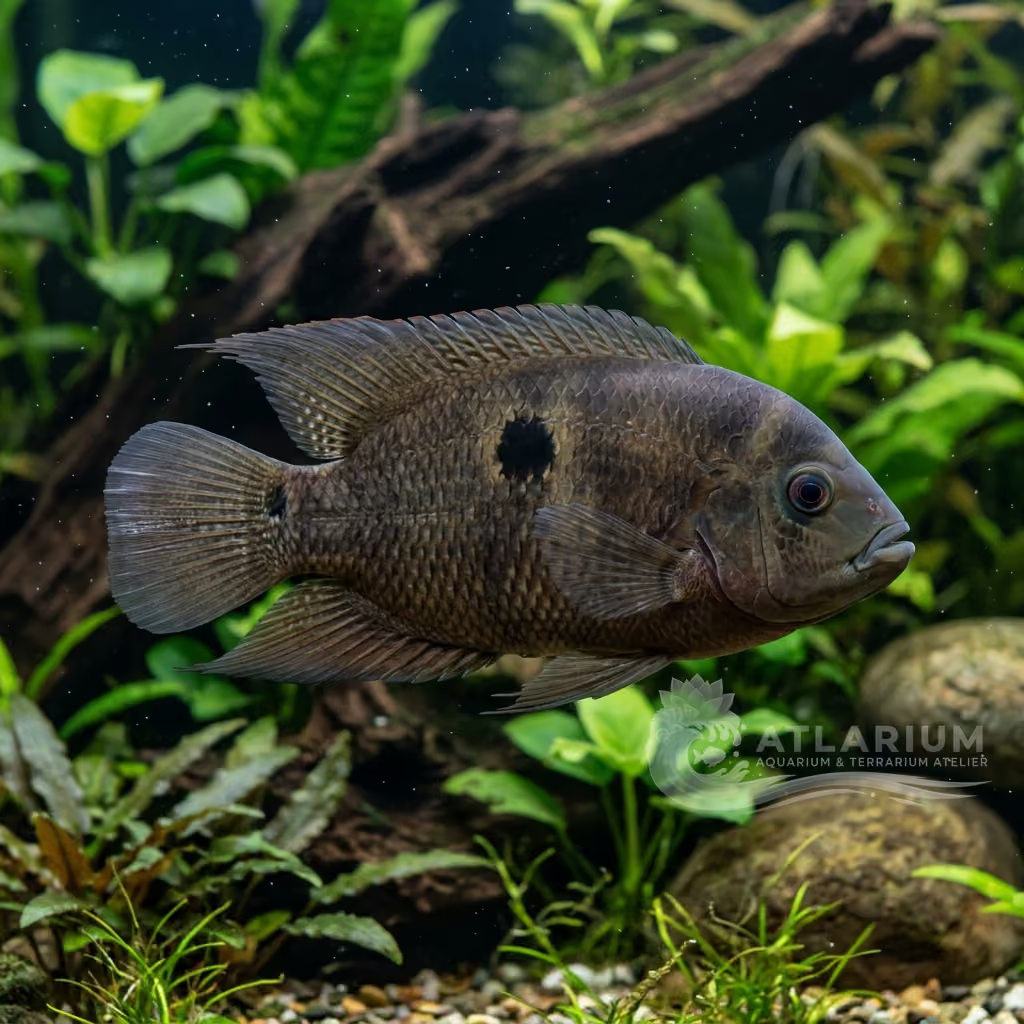
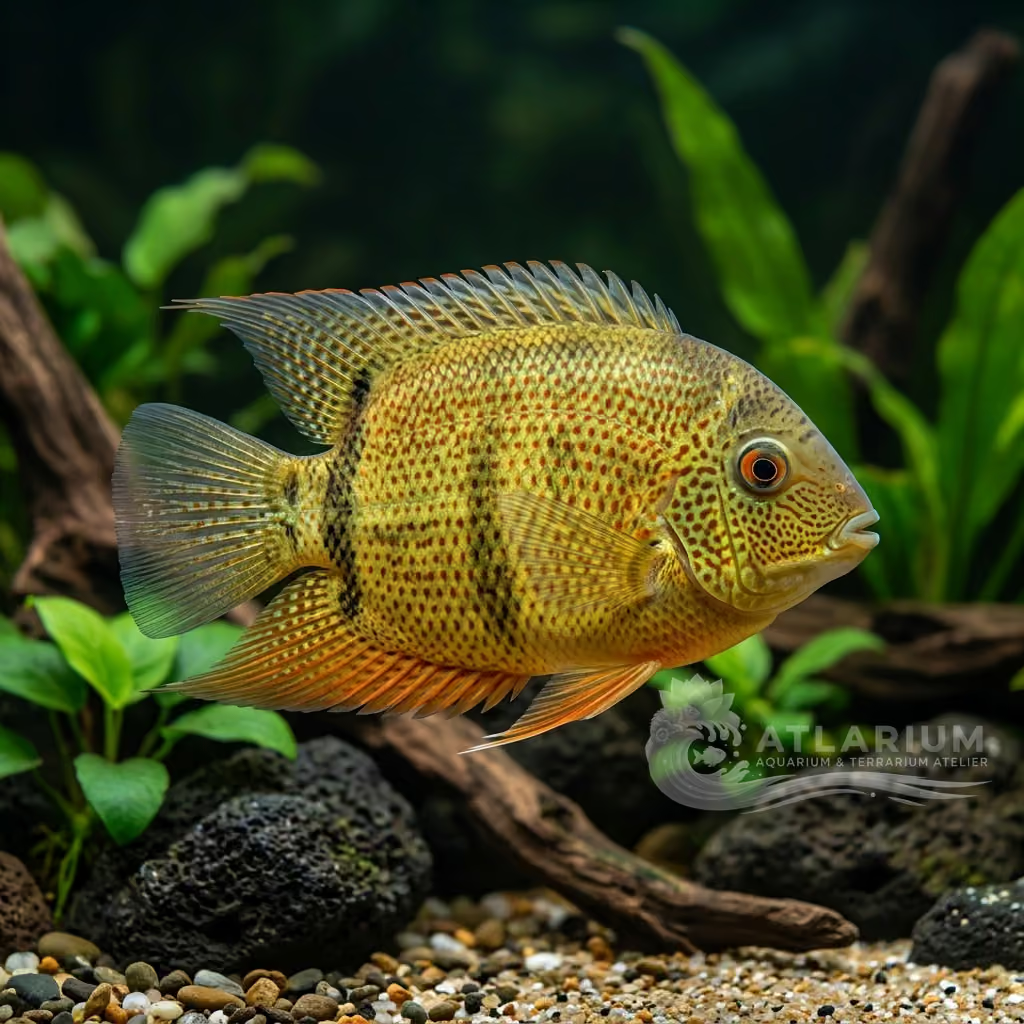
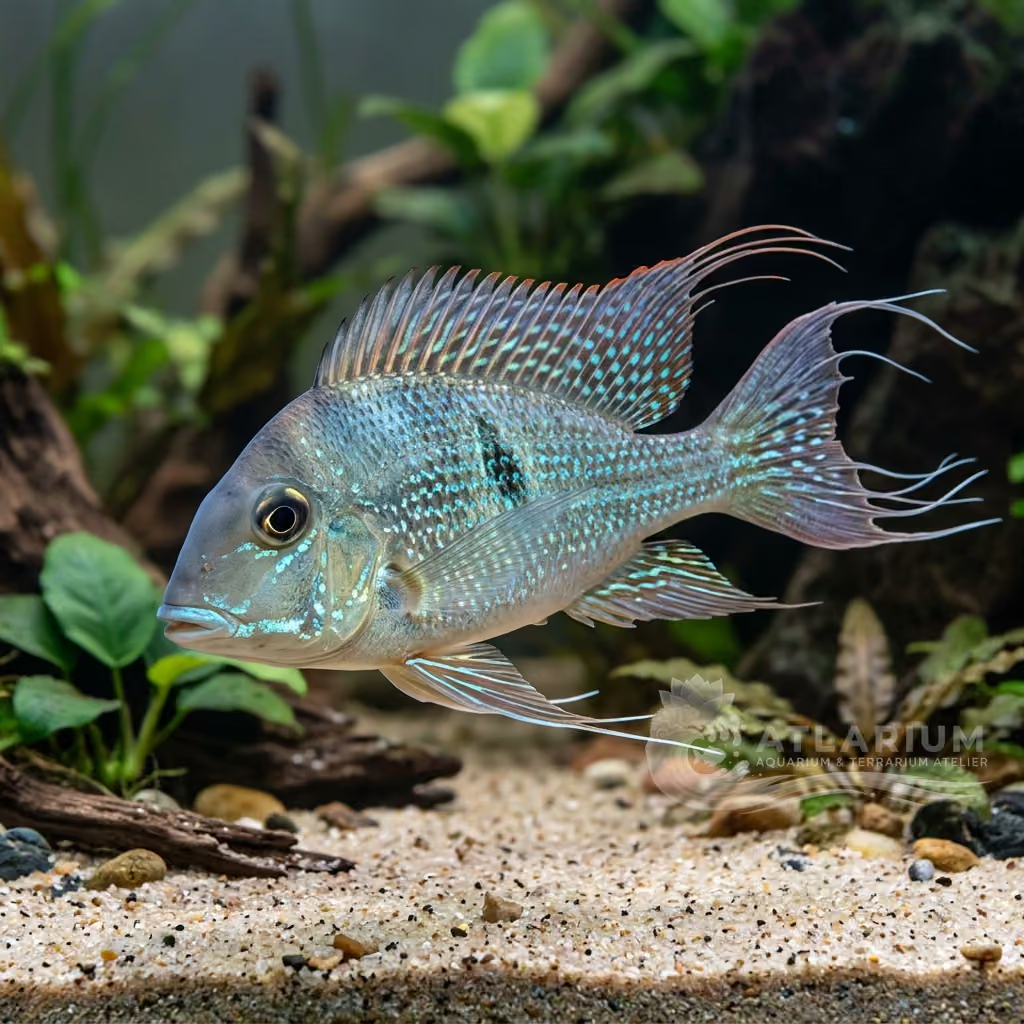
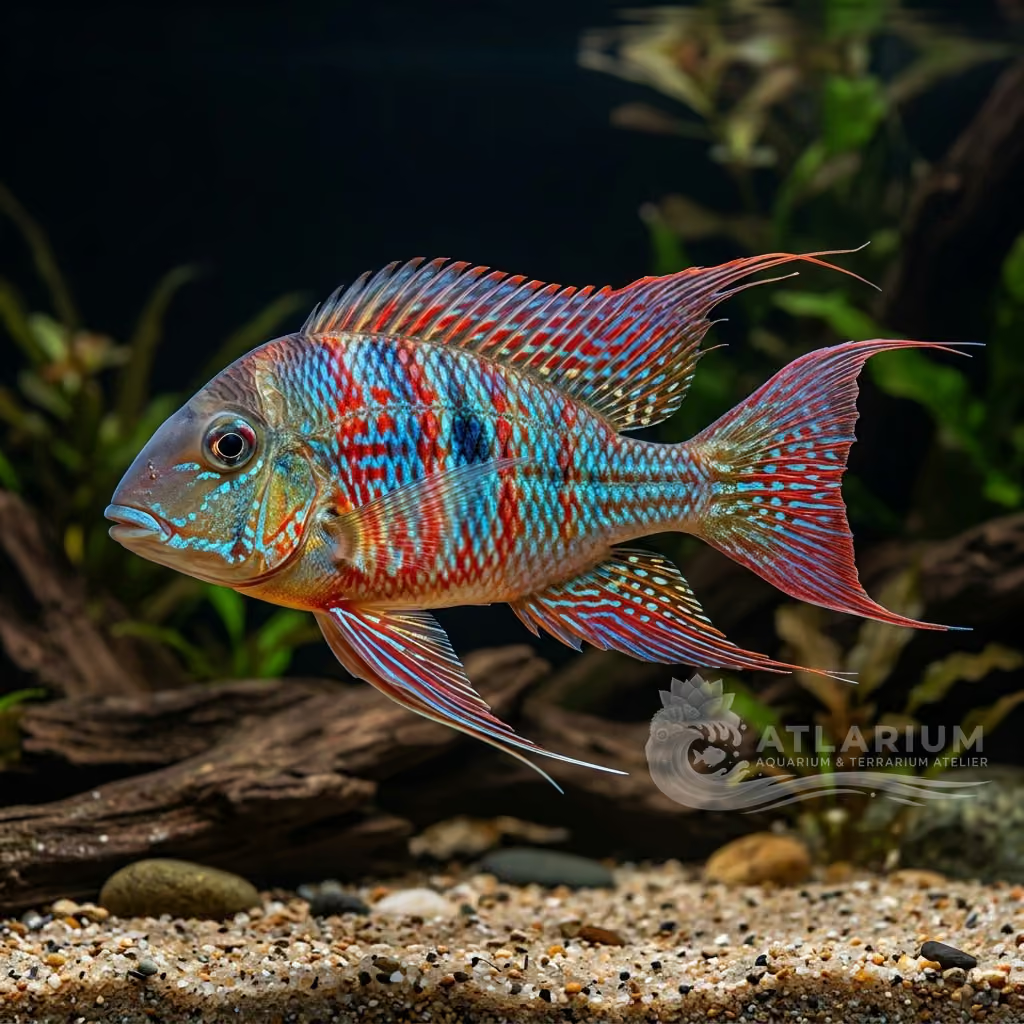
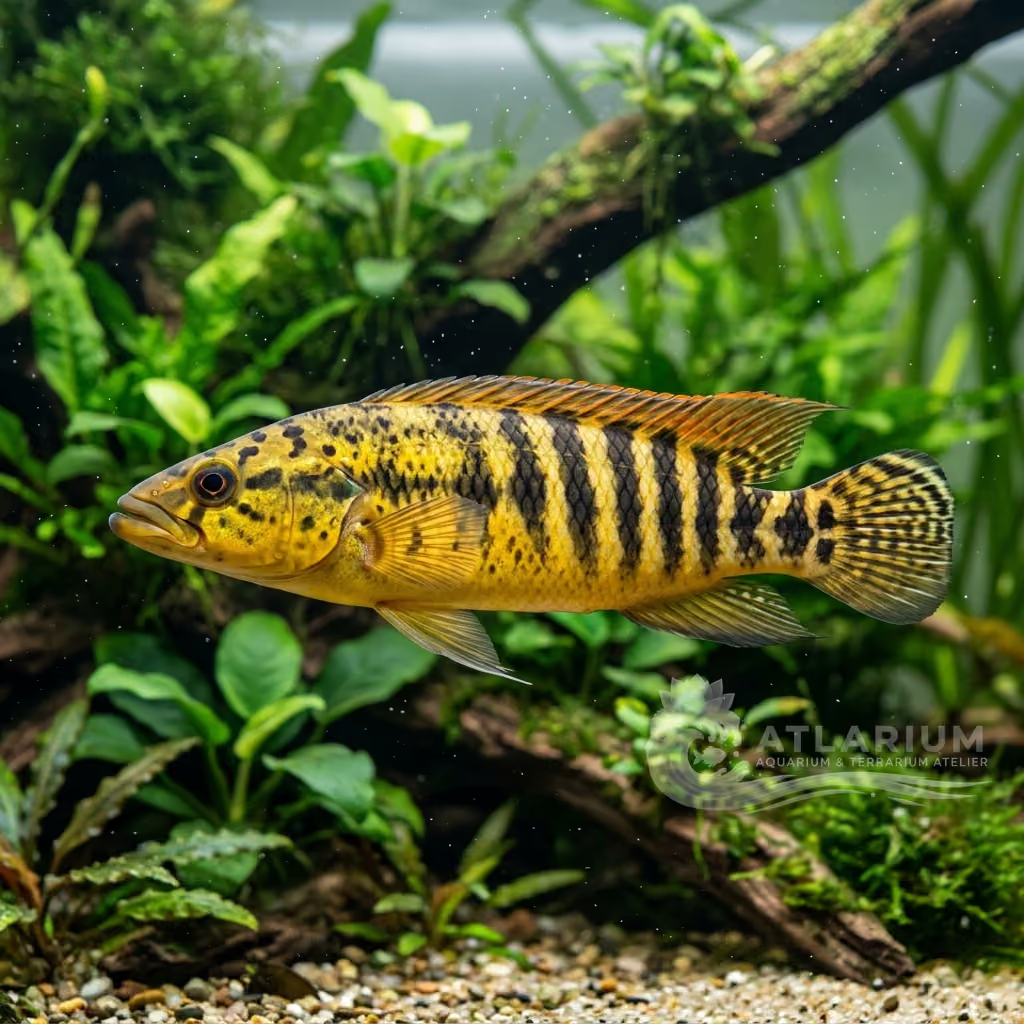
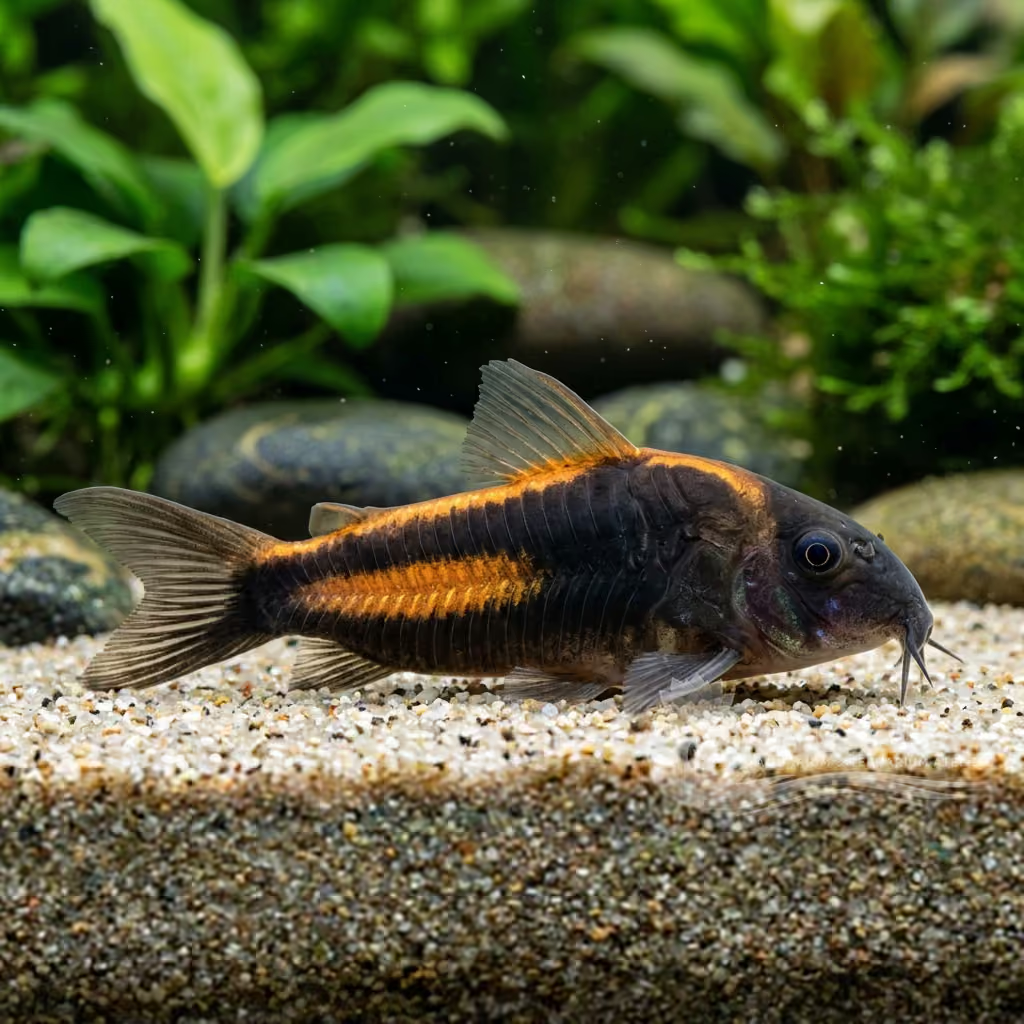
The True Amazonian Titan of the Cichlid World (80-100 cm / 30-40 inches). The Temensis is the absolute king, the most massive, longest, and heaviest species of Peacock Bass and the single largest cichlid in the Americas (weighing up to 29 lbs). Highly prized as the ultimate freshwater game fish, its raw, explosive power translates terrifyingly into captivity. Unique for exhibiting two wildly different visual color phases (the speckled 'Paca' phase and the brilliantly banded 'Açu' phase), it is a supreme pursuit predator. Standard home aquariums are a death sentence; this gigantic, 3-foot missile strictly and exclusively requires custom-built indoor ponds and industrial, zoo-grade filtration.
25 - 30 °C
5.5 - 7.5
Água doce
Todos os níveis
90 cm
4.000 L
>= 1
2 - 12 dGH
1 - 6 dKH
40 - 240 ppm
63 - 375 uS/cm

Descrição da espécie

Cuidado, criação e companheiros de tanque

Origem e distribuição geográfica
Origem

Perfil de peixe
- Temperamento
- Semi-aggressive
- The temperament of this fish is extremely aggressive and territorial, dominating the living space in which it is found without reservation. It is a formidable and explosive swimmer that constantly patrols the tank and reacts with sudden attacks toward any intruder. Aquarium management requires great caution from the keeper during maintenance operations.
- Dieta
- Omnivore
- This species is an apex predator at the top of the food chain and in nature feeds exclusively on other fish. In captivity, it requires a diet rich in protein of marine or freshwater origin, such as raw whole fish fillets, shelled shrimp, mussels, and large pellets formulated for predatory species. The use of live feeder fish should be avoided to prevent the transmission of infections and parasites harmful to the tank ecosystem.
- Expectativa de vida
- 12-15 years
- Tamanho adulto
- 90 cm
- Proporção sexual
- Solitary
- Specific sex ratios are generally not a concern for the speckled peacock bass in home aquaria, as housing even one adult requires a custom, pond-sized enclosure. They are intensely predatory and territorial, meaning multiple adults will require tens of thousands of gallons to coexist peacefully regardless of sex. If a breeding pair is desired, it is best established by raising a group of juveniles in a massive facility and letting them pair naturally. For the overwhelming majority of keepers, they are kept as single specimen monsters, making sex ratio completely irrelevant.
- Frequência de alimentação
- Twice daily
- It is recommended to feed young specimens several times daily with small portions to support their exceptional growth. For adult individuals, the frequency must be drastically reduced to one meal every two or three days to accommodate their slow digestion times and prevent lipid accumulation diseases. Providing targeted meals also helps control feeding aggression and preserve overall health.
- Carga biológica
- Extreme
- The speckled peacock bass is one of the largest cichlids in the world, generating a staggeringly massive bioload that pushes aquarium filtration to its limits. They consume enormous quantities of protein-rich foods, rapidly producing vast amounts of ammonia and solid waste. A standard filtration system will completely fail; they require industrial-scale biological filters, massive sumps, and continuous water exchange systems. Without pristine water management, their waste output will rapidly degrade water quality and lead to fatal toxicity.
- Fluxo
- Stagnant
- This species prefers moderate to strong water movement to reproduce the currents of the large rivers of the Rio Negro basin. A vigorous current stimulates the active swimming of the fish and promotes the oxygenation essential to support its high metabolic load. A gigantic professional filtration system is indispensable to rapidly remove generated organic waste.
- Risco de salto
- Yes
- Due to their massive size, immense power, and surface-feeding habits, the speckled peacock bass represents an extreme jump risk. When striking at prey or lunging out of fear, they can smash through standard aquarium lids with ease. A reinforced, heavy-duty cover, sometimes weighted down or securely bolted, is absolutely mandatory to prevent these giant fish from ending up on the floor. Their explosive raw power must never be underestimated when designing the aquarium enclosure.
- Reprodução
- Oviparous
- This species is a substrate breeder that meticulously cleans flat surfaces such as large rocks or logs prior to spawning. Breeding in captivity is extraordinarily complex and is not achievable in standard home aquariums due to the exceptional size of the fish, which requires dedicated tropical ponds. Both parents dedicate themselves with extraordinary aggressiveness to defending the territory and the adhesive eggs against anyone.
- Compatibilidade e companheiros de tanque
- With caution
- Compatibility is strictly limited to colossal and leathery fish such as giant arowanas, large freshwater stingrays, and armored catfish of similar size. It is fundamental to avoid introducing any tankmate that can fit in its mouth, as it would be immediately swallowed. Being an apex predator, coexistence with other territorial species requires immense spaces to prevent fatal fights.
- Nível do tanque
- All levels
- Speckled peacock bass predominantly occupy the middle and top levels of the water column, acting as apex open-water cruisers. They demand vast, unobstructed swimming space to accommodate their massive turning radius and high-speed hunting bursts. While they might occasionally retreat to deep cover if frightened, they naturally prowl the upper water levels scanning for surface disturbances. The tank must be completely devoid of tall, sharp aquascaping to prevent injuries during their rapid, powerful swims.

Modelos e parâmetros científicos
Acesso aos dados científicos oficiais da espécie
- Nível trófico
- 4,5 ± 0,5 se
- Resiliência
- Média (1,4 - 4,4 anos)
- Unicidade filogenética (PD50)
- 0.5
- Relação bayesiana comprimento-peso
- a = 0.01122, b = 3.08
- VulnerabilidadeVulnerabilidade de moderada a alta (54 / 100)

Espécies relacionadas
Recomendações agrupadas por parentes próximos, escolhas de acompanhantes e cuidados semelhantes.