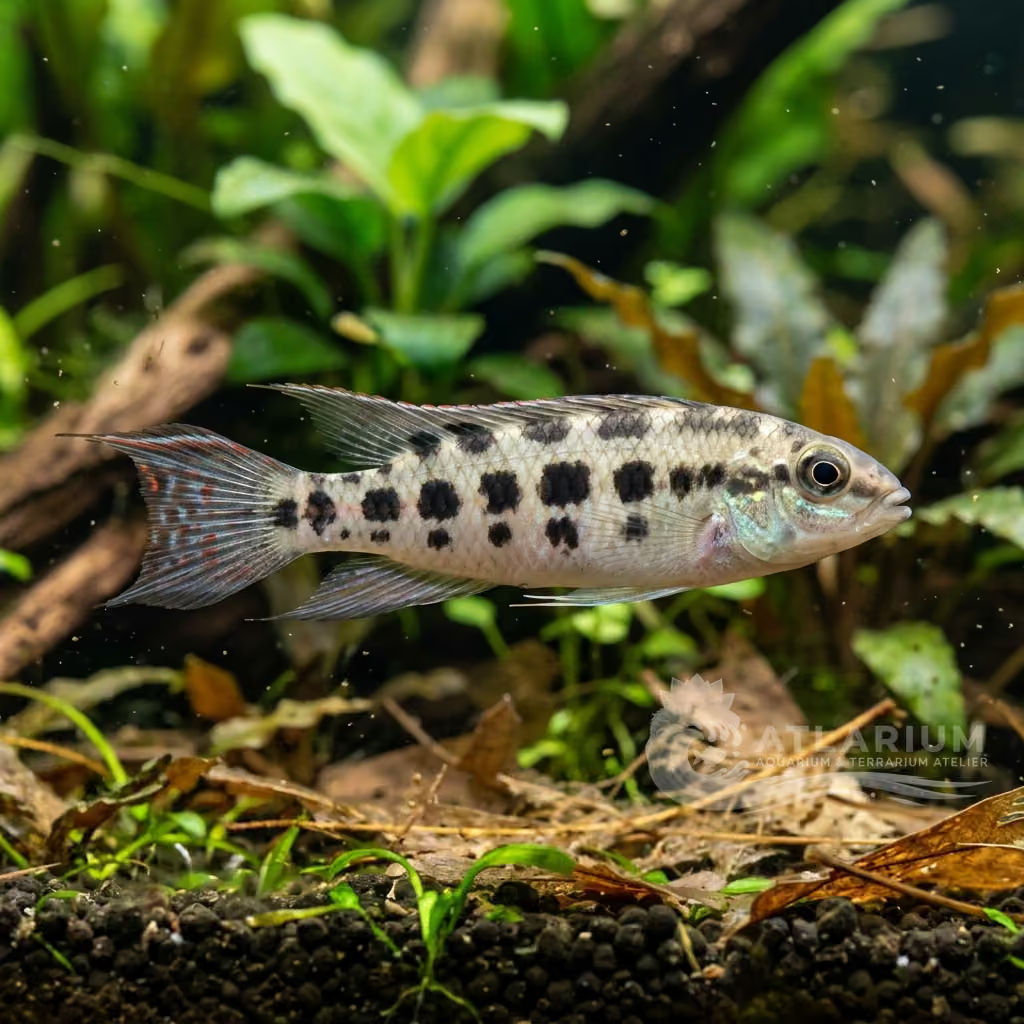
Regan's Dwarf Pike Cichlid
Wallaciia regani
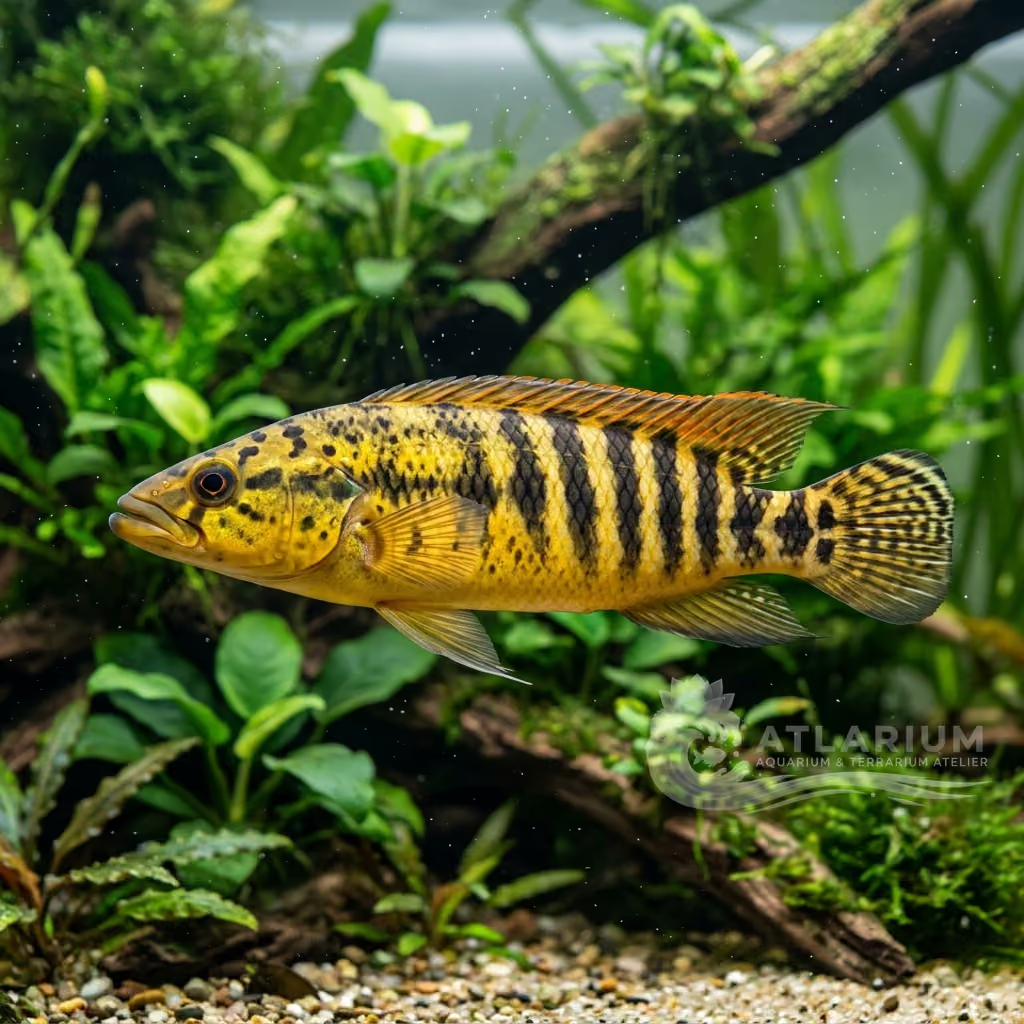
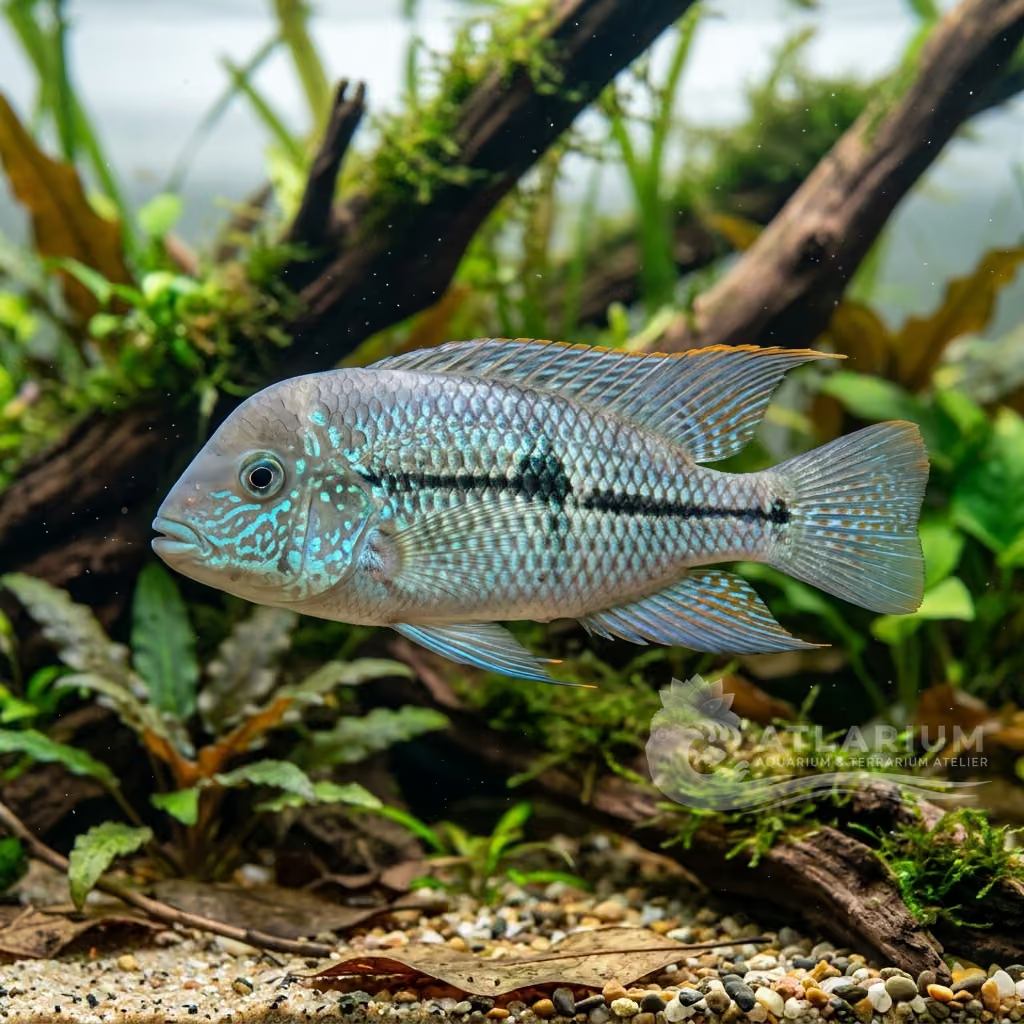
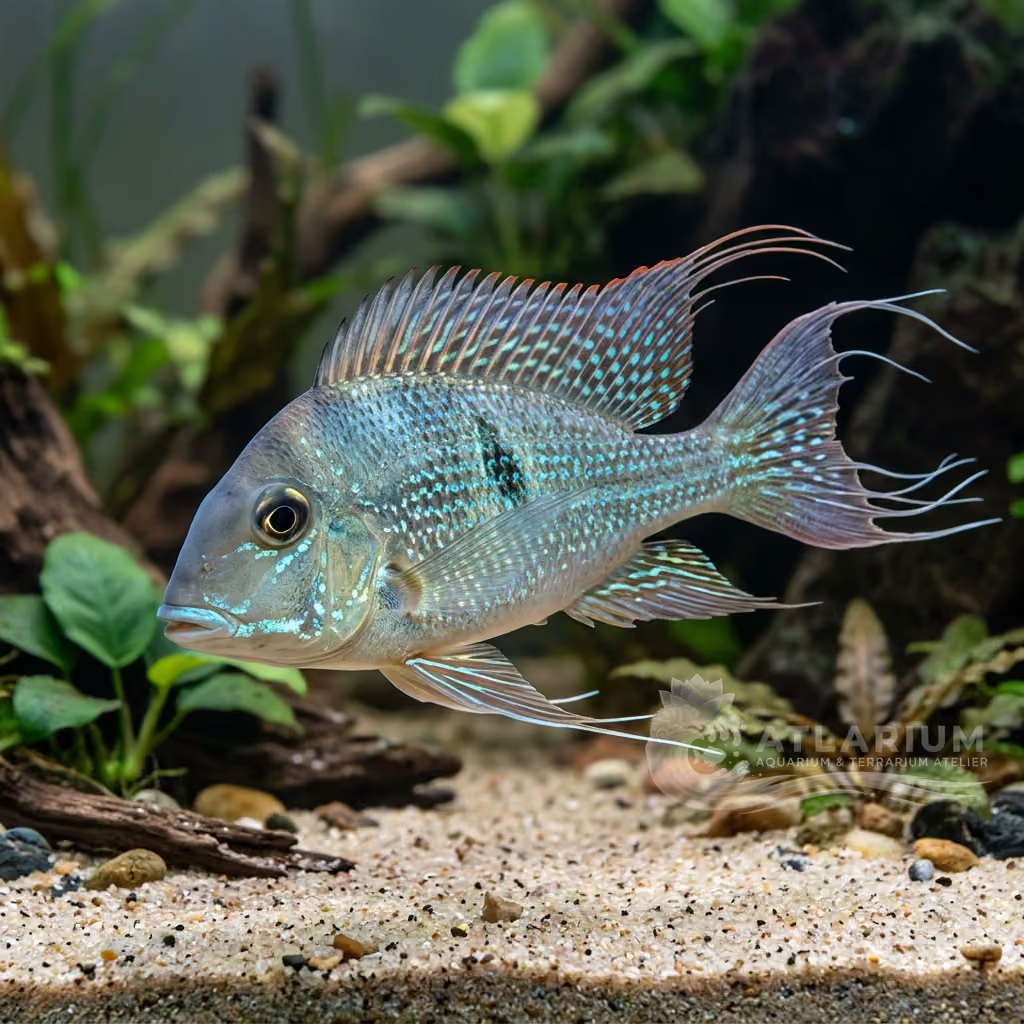
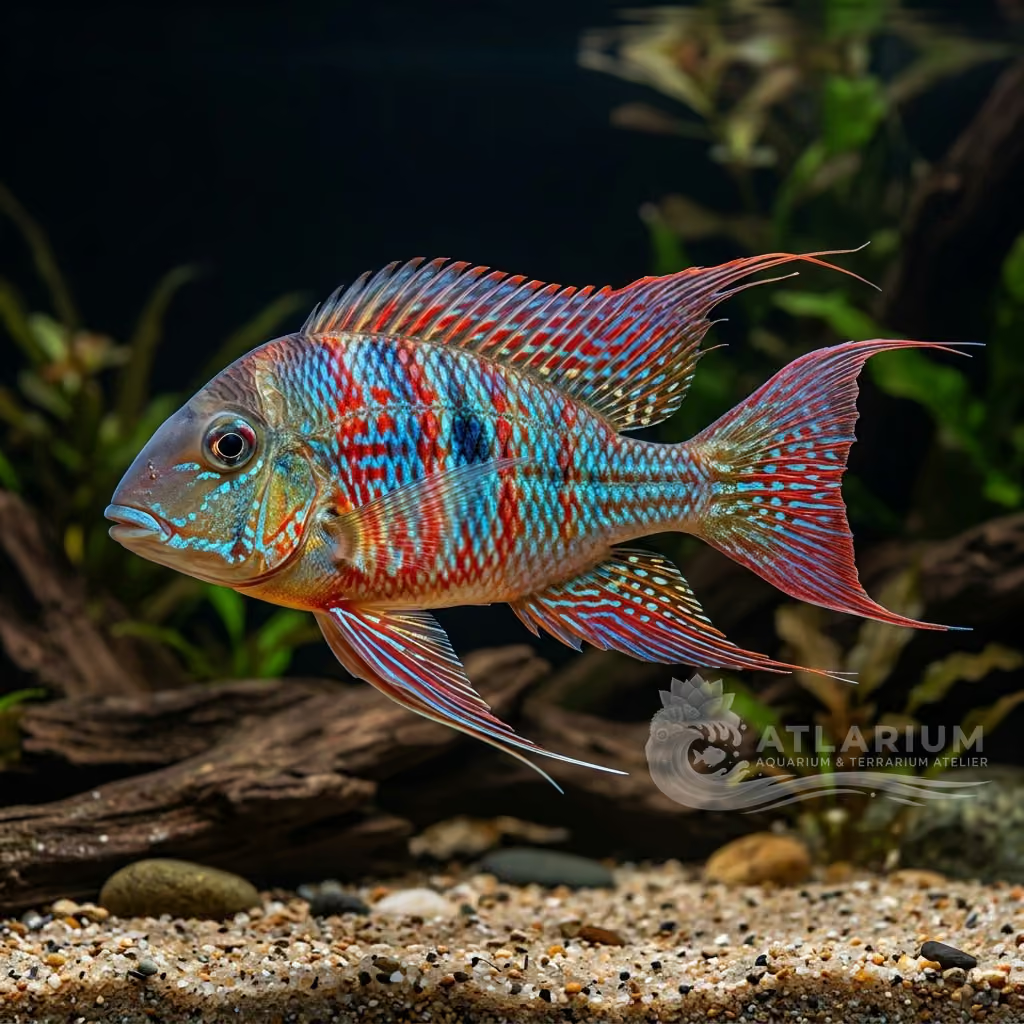
Splendid 'Dwarf Pike Cichlid' (8 cm) with bright colors; females have spectacular ocelli on the dorsal fin. Micro-predator ideal for community tanks not with tiny fish.
Temperatura da água
23 - 28 °C
Valor de pH
6 - 7.2
Tipo de água
Água doce
Nível do tanque
Parte inferior e intermediária
Tamanho adulto
9 cm
Volume mínimo do tanque
>= 100 L
Grupo mínimo
>= 1
GH
2 - 10 dGH
KH
1 - 5 dKH
TDS
40 - 200 ppm
Condutividade
63 - 313 uS/cm

Descrição da espécie
Geographical Origin and Habitat: Lower and middle Amazon River basin, especially in the Santarém and Rio Tapajós region. Found predominantly in clear or "white water" poor in tannins but structured with sandbanks.
Taxonomy and Morphology: Regan's Pike Cichlid (Wallaciia regani). Dwarf cichlid (under 10 cm / 4 inches), with a less elongated body compared to large predators. Dedicated to ichthyologist C. Tate Regan.
Social Behavior: Exuberant, curious and very aggressive towards conspecifics of the same sex. A male and multiple females (if the tank is very large) or a single close-knit pair. Fierce if it has eggs to protect.
Coloration and Sexual Dimorphism: Females are the undisputed aesthetic protagonists (reverse dimorphism): they present 1-4 conspicuous black ocelli surrounded by white or bright yellow on the dorsal fin, in addition to a swollen pinkish belly. Uniform brownish-golden males.

Cuidado, criação e companheiros de tanque
Aquarium Setup: Minimum 100 cm (40 inches) tank for a pair. Requires a thick sandy substrate and very numerous closed hiding places, masonry crevices, hollow roots and ceramic tubes, to minimize the visual range between females or between male and female when not mated.
Diet and Feeding: Micro-carnivore. Absolutely prefers live or juicy defrosted food. Krill, daphnia, mosquito larvae, bloodworms. Almost totally ignores plant matter and hardly accepts pellets.
Water Quality: Very tolerant to chemical values (resists pH 7 and medium hardness water) as long as there are no nitrates or ammonia. Oxygenation must always be very abundant.
Compatibility and Cohabitation: Capable of biting small fish like Neons in half. Combine it only with snappy medium-sized Characins (e.g. Hyphessobrycon rosaceus, Moenkhausia) or Cichlids (Severum, Geophagus) that swim in mid-water.
Aquarium Breeding: Typical reproduction in very narrow caves. After courtship in which the female exhibits her abdomen, the eggs are anchored to the ceiling of the cave. Both parents are hyper-protective.
Risks and Diseases: Males often kill the female in tanks smaller than 100cm if she is not ready to spawn. Requires meticulously studied layouts to break lines of sight.

Origem e distribuição geográfica
Lower and middle Amazon River basin, especially in the Santarém and Rio Tapajós region. Found predominantly in clear or "white water" poor in tannins but structured with sandbanks.
Origem
Amazônia, Orinoco e Guianas

Perfil de peixe
- Temperamento
- Semi-aggressive
- For a pike cichlid, they are considered dwarf and relatively peaceful, but they are still territorial. They will defend their chosen cave vigorously, especially during spawning. Towards suitably sized, robust tankmates, they usually show little aggression. However, any fish small enough to be swallowed will be viewed as a potential meal.
- Dieta
- Omnivore
- Wallaciia regani is a carnivore that primarily feeds on small aquatic invertebrates and fish in the wild. In the aquarium, they readily accept frozen or live foods such as bloodworms, brine shrimp, and mysis. They can usually be trained to accept high-quality sinking carnivore pellets. A varied diet is crucial to maintain their bright colors and overall health.
- Expectativa de vida
- 8 years
- Tamanho adulto
- 9 cm
- Proporção sexual
- Pair
- Keeping them in pairs is usually the most successful approach, as they can form strong monogamous bonds. A male and female pair will often claim a territory together and defend it. Keeping multiple males or unbonded females in a smaller tank can lead to territorial disputes. If keeping a group, a much larger aquarium is necessary to allow for multiple territories.
- Frequência de alimentação
- Twice daily
- These active predators should be fed once or twice a day with appropriately sized portions. It is important to monitor their intake to prevent overfeeding, which can lead to obesity and water quality issues. Fasting them for one day a week can mimic natural conditions and aid in digestion. Adjust feeding frequency based on the fish's age, size, and activity level.
- Carga biológica
- Low to Medium
- This dwarf pike cichlid produces a moderate bioload for its size, typical of predatory cichlids. Excellent filtration and regular water changes are essential to maintain high water quality. High nitrate levels should be avoided, as these fish can be sensitive to deteriorating conditions. Adequate biological filtration is necessary to handle the waste produced by their meaty diet.
- Fluxo
- Stagnant
- They appreciate a moderate water flow that simulates the slow to moderately moving streams of their natural habitat. Good oxygenation is important, so ensure the surface is adequately agitated. The flow should not be so strong that it constantly pushes the fish around, as they appreciate resting areas. Driftwood and rocks can be used to create natural breaks in the current.
- Risco de salto
- Yes
- Like many cichlids, they possess a moderate risk of jumping out of the aquarium, especially when startled or stressed. A tight-fitting lid or cover is highly recommended to prevent any accidental escapes. Jumping is more likely during the initial introduction phase or if water parameters suddenly drop in quality. Ensure there are no large gaps around filters and heaters.
- Reprodução
- Oviparous
- They are cave spawners that require suitable hiding spots like overturned terracotta pots, PVC pipes, or rocky crevices. The female typically initiates courtship and will lay eggs on the roof of the chosen cave. Both parents are intensely protective of the eggs and fry, displaying strong biparental care. The fry are quite large upon hatching and can accept baby brine shrimp almost immediately.
- Compatibilidade e companheiros de tanque
- Semi-aggressive
- While relatively peaceful for a pike cichlid, it is still a predator and will eat any fish small enough to fit in its mouth. It is best kept with larger, robust tetras, peaceful cichlids of similar size, or bottom-dwelling catfish. Avoid keeping them with very aggressive species that might outcompete them for food or territories. They are generally peaceful towards conspecifics if adequate space and hiding spots are provided.
- Nível do tanque
- Middle/Bottom
- Wallaciia regani primarily inhabits the bottom and middle levels of the aquarium. They spend a significant amount of time near the substrate, investigating caves and crevices for food or territory. They will occasionally venture to the upper levels during feeding time. Providing complex bottom structures with driftwood and leaf litter caters perfectly to their natural behavior.

Modelos e parâmetros científicos
FishBase
Acesso aos dados científicos oficiais da espécie
FishBase v25.04Dados sincronizados em: 15/06/2026
- Nível trófico
- 3,2 ± 0,5 se
- Resiliência
- Alta (menos de 15 meses)
- Unicidade filogenética (PD50)
- 0.5039
- Relação bayesiana comprimento-peso
- a = 0.00776, b = 3.12
- VulnerabilidadeVulnerabilidade baixa (10 / 100)

Espécies relacionadas
Recomendações agrupadas por parentes próximos, escolhas de acompanhantes e cuidados semelhantes.