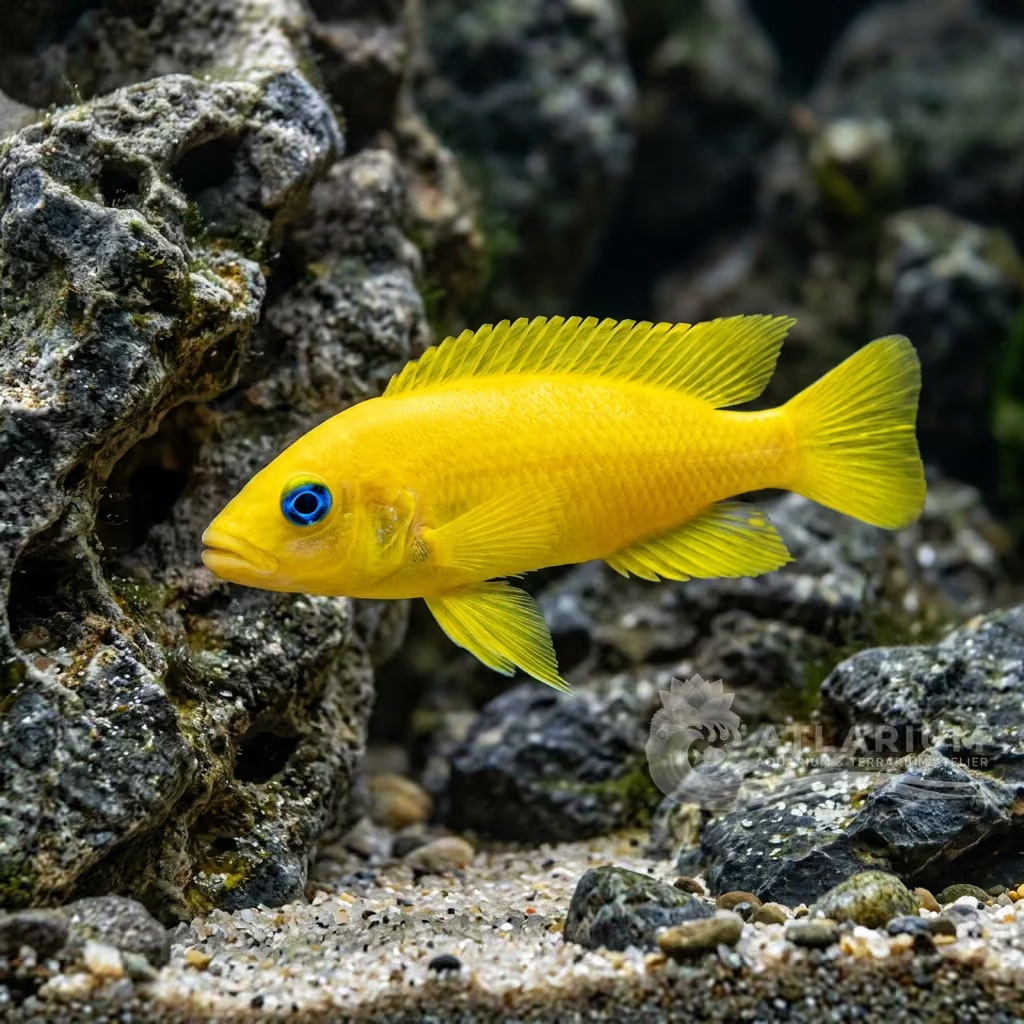
Redbreast Acara
Laetacara dorsigera
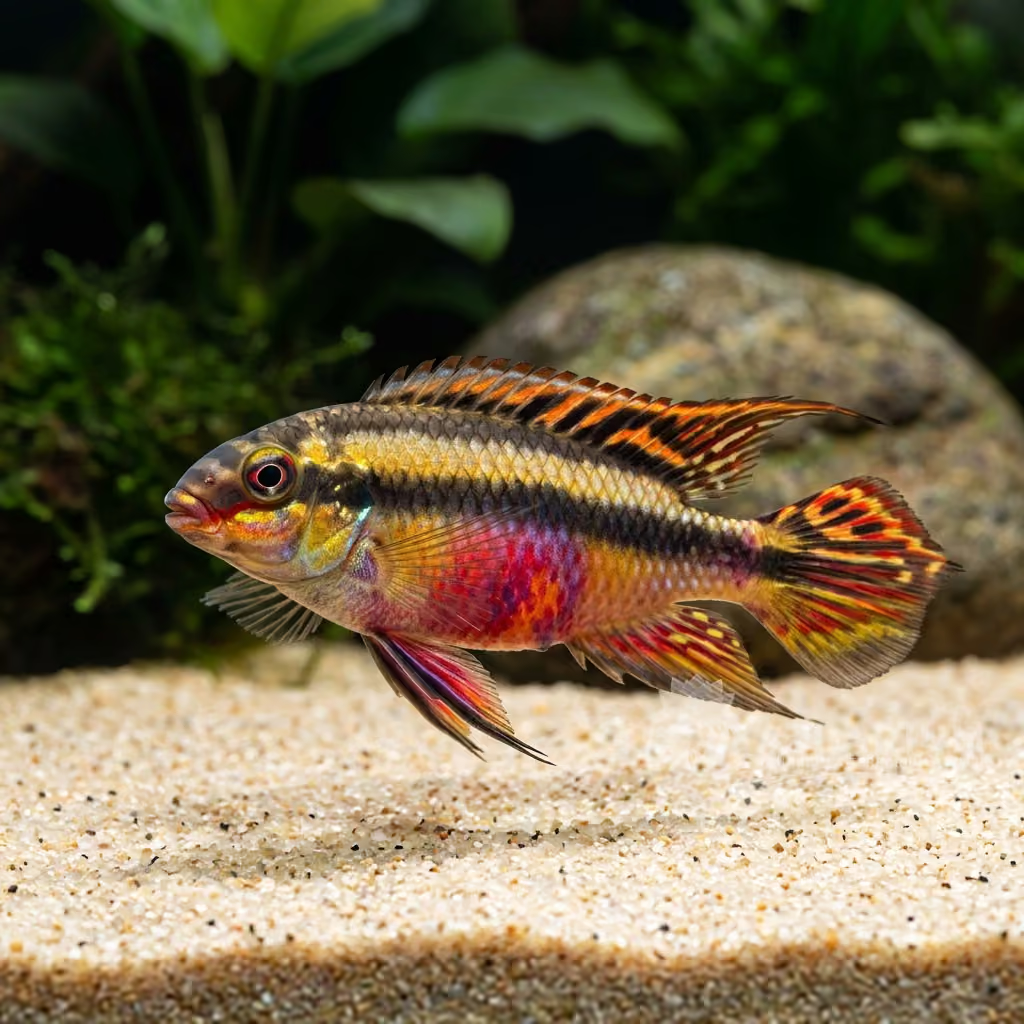
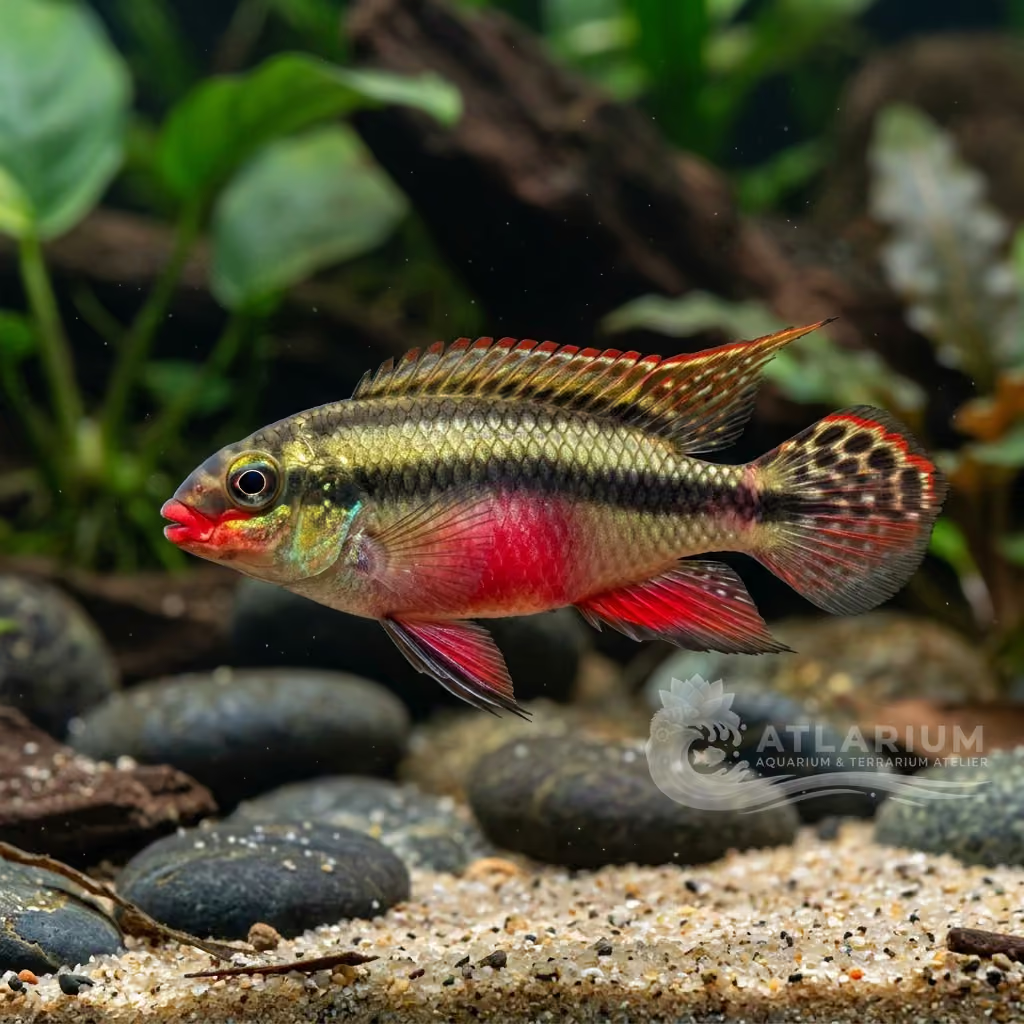
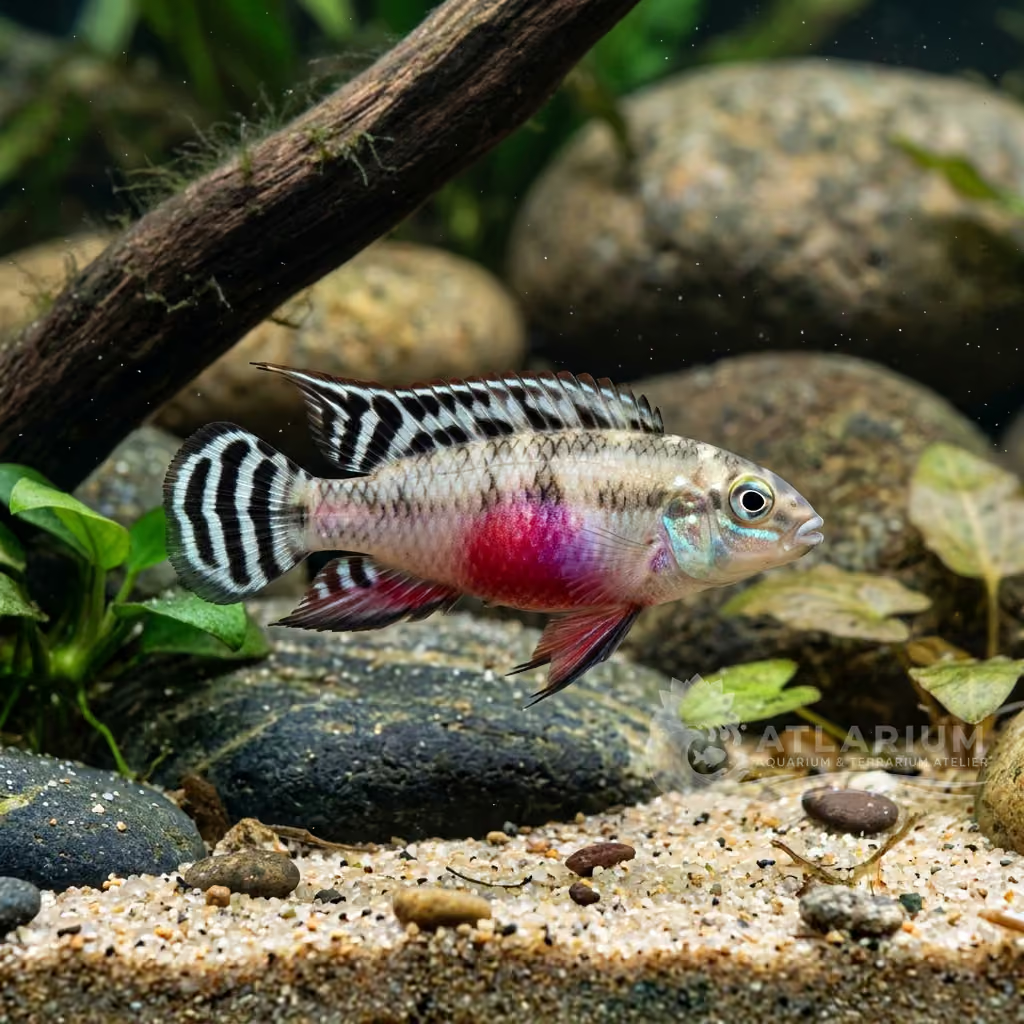
Enchanting and peaceful dwarf acara (8 cm). Known for showing off an extraordinary strawberry red chest and belly during courtship. Perfect for small planted tanks even with cooler water.
Temperatura da água
22 - 28 °C
Valor de pH
6 - 7.5
Tipo de água
Água doce
Nível do tanque
Parte inferior e intermediária
Tamanho adulto
8 cm
Volume mínimo do tanque
>= 100 L
Grupo mínimo
>= 1
GH
1 - 15 dGH
KH
1 - 7 dKH
TDS
25 - 295 ppm
Condutividade
39 - 461 uS/cm

Descrição da espécie
Geographical Origin and Habitat: Paranà, Guaporé river systems and Rio Paraguay basin (Pantanal). Lives in boundless flooded swamps, among aquatic grass stalks and slow, dark runoff waters, which become very fresh during the southern winters.
Taxonomy and Morphology: Red-Breasted Acara (Laetacara dorsigera). More robust and stocky than the curviceps (with which it has been confused in the past). The frontal profile is straighter and often has a fixed dark spot in the center of the dorsal fin.
Social Behavior: Docile bottom hunter. Moves methodically peering under every leaf on the bottom. Not a frantic swimmer and appreciates inactivity in the shade of woods. Maintains hierarchy through harmless "pushes".
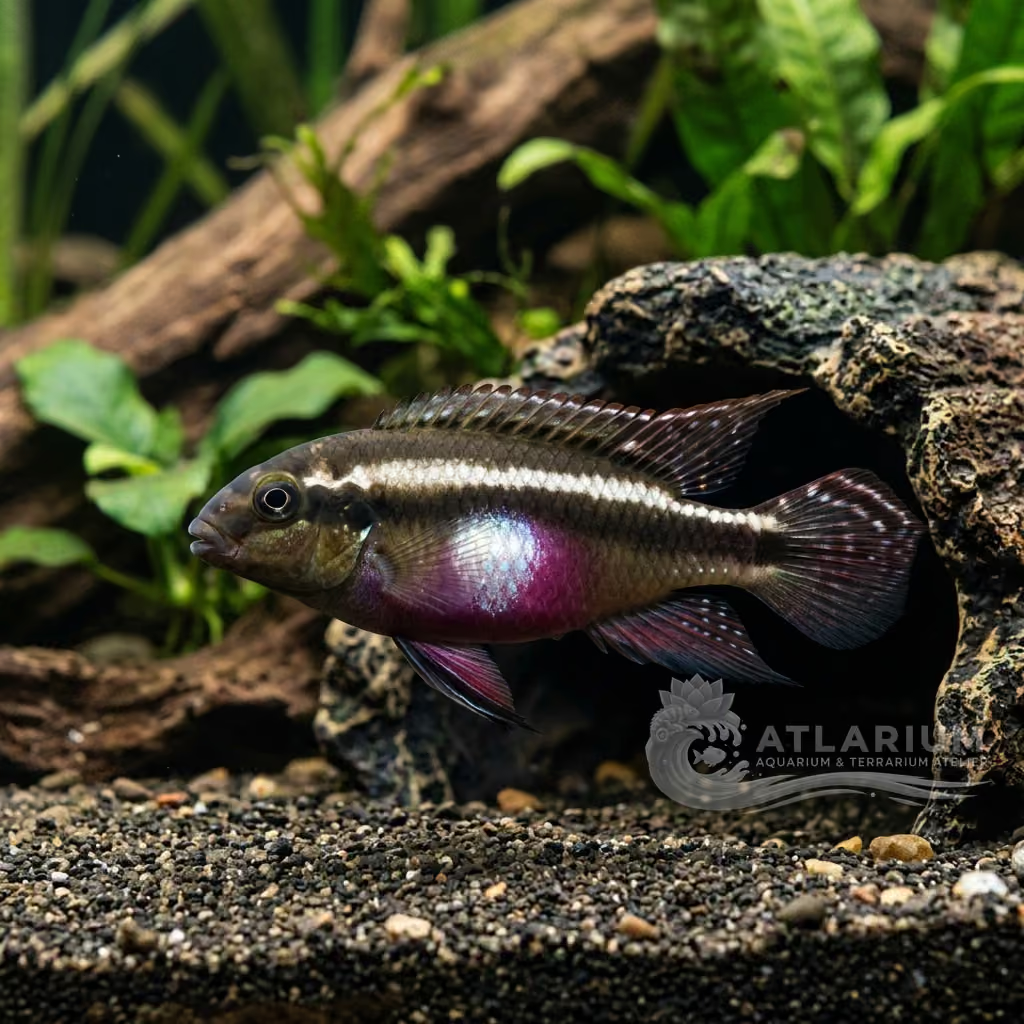
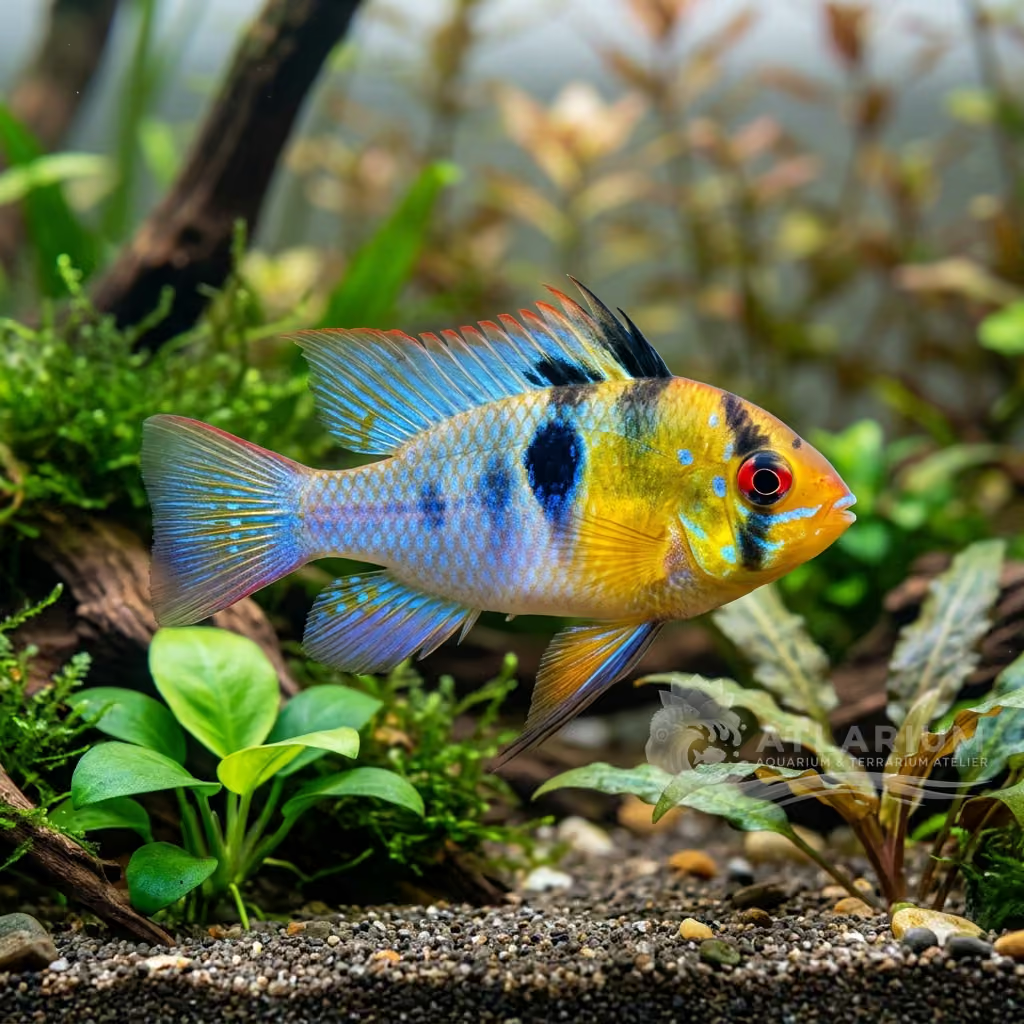
Coloration and Sexual Dimorphism: Amazing. The body is gray-green, but the throat, chest and entire abdomen blaze with a deep Wine-Red or Purple, which extends maximally when excited or breeding. Females are often more colorful than males!

Cuidado, criação e companheiros de tanque
Aquarium Setup: Pantanal Biotope. Amber water, light sand on the bottom completely covered by leaves (Ketapang, oak). The addition of vertical dry branches and Echinodorus reproduces their flooded grass habitat.
Diet and Feeding: Predator of small organisms. Likes soft baits, flakes, and occasionally frozen shrimp. Providing live food (mosquito larvae) is the trick to make the blood red coloration of the chest ignite to the maximum.
Water Quality: Being from the Pantanal, it enjoys wide tolerance (GH up to 15) and can overwinter at temperatures of 20-22°C (68-72°F) without batting an eye. Constant heat at 28°C (82°F) will drastically reduce their lifespan. Excellent filtration is recommended.
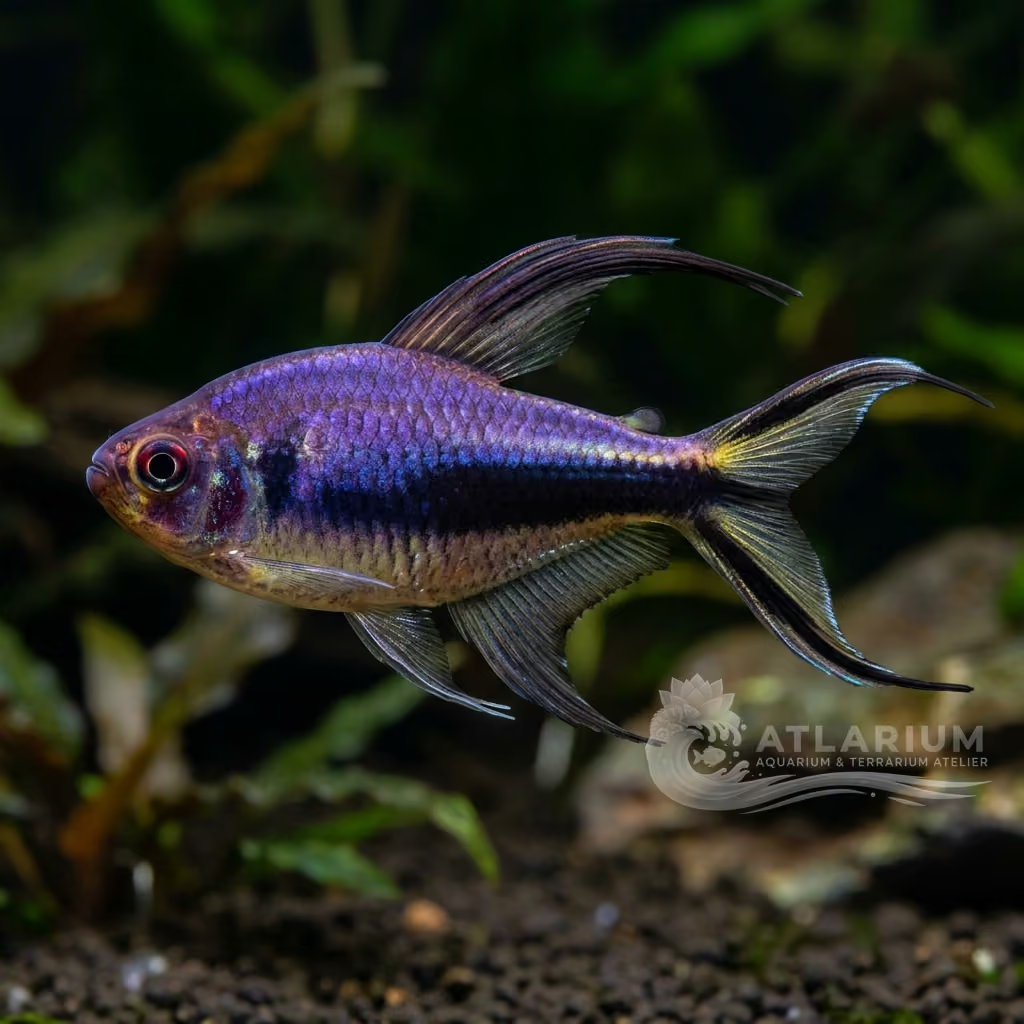
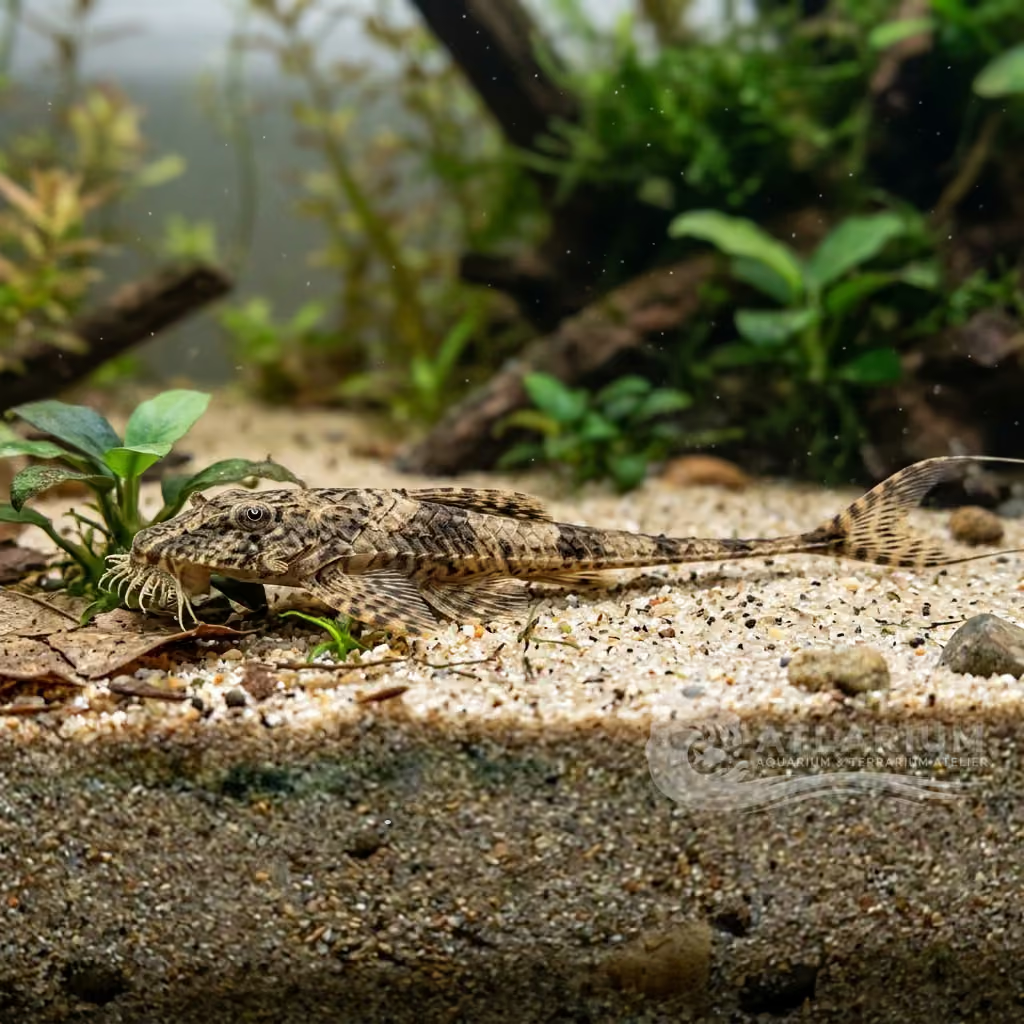
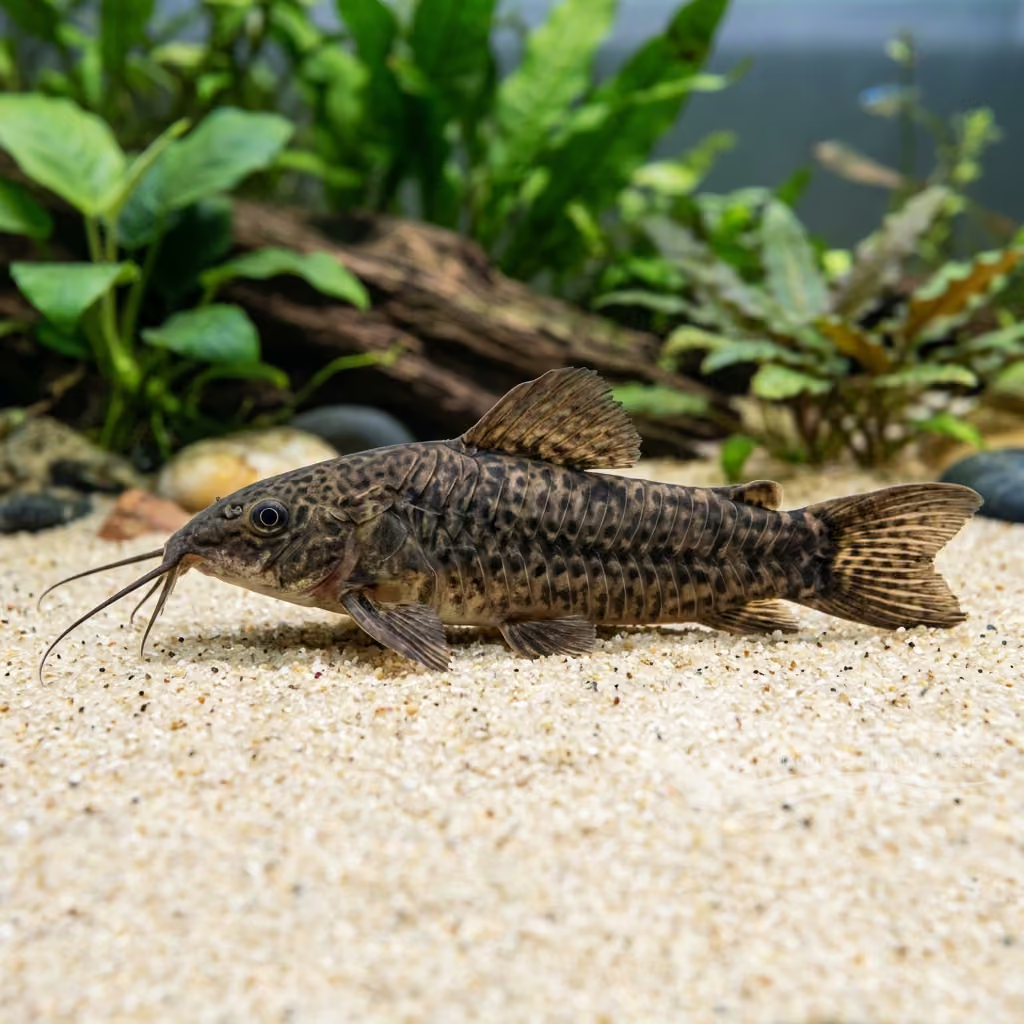
Compatibility and Cohabitation: Excellent. Best tank-mates include Hyphessobrycon eques (Serpae), Aphyocharax, and Corydoras paleatus. Will ignore all schooling fish, defending vigorously but never killing near the nest.
Aquarium Breeding: Close-knit couples (Open spawner). Both assume the dazzling red livery, spawning on a stone. Their parental instinct is among the strongest of dwarf cichlids: they will headbutt the aquarist's hand to defend the nest.
Risks and Diseases: Shyness and starvation. Inserted in tanks with voracious cichlids and great swimmers (e.g. Geophagus or Central American Cichlids), the dorsigera will be overwhelmed, will stop feeding, losing its red and wasting away quickly.

Origem e distribuição geográfica
Paranà, Guaporé river systems and Rio Paraguay basin (Pantanal). Lives in boundless flooded swamps, among aquatic grass stalks and slow, dark runoff waters, which become very fresh during the southern winters.
Origem
Extra-Amazônica América do Sul

Perfil de peixe
- Temperamento
- Semi-aggressive
- Outside of the breeding season, they are incredibly peaceful and make excellent community fish. When guarding eggs or fry, they become fiercely protective of their chosen territory. This localized aggression is natural and rarely results in serious injury to tank mates if sufficient space is provided.
- Dieta
- Omnivore
- They are primarily carnivorous micro-predators but will graze on some plant material. High-quality sinking pellets or granules should form the staple of their daily diet. Regular offerings of live or frozen bloodworms, daphnia, and brine shrimp will bring out their striking red breeding colors.
- Expectativa de vida
- 3-8 years
- Tamanho adulto
- 8 cm
- Proporção sexual
- Pair
- They are best kept as a single male-female pair unless the aquarium is exceptionally large. In spacious setups, a small group can be kept to allow natural pair formation. Once a pair bonds, they may display mild aggression toward other conspecifics.
- Frequência de alimentação
- Twice daily
- Offering food twice a day in small portions is ideal for adult specimens. This feeding schedule mimics their natural foraging behavior and prevents excessive waste accumulation. Care must be taken to ensure slower bottom-feeders also get their share of the food.
- Carga biológica
- Low to Medium
- This species has a moderate bioload, consistent with other dwarf cichlids of similar size. Their biological output is manageable provided the aquarium is equipped with a properly sized filter. Regular maintenance and gravel vacuuming are essential to process the waste they generate.
- Fluxo
- Stagnant
- Native to sluggish streams and swamps, they strongly prefer a gentle water flow. Extremely powerful filtration outputs can cause them ongoing stress and inhibit natural behaviors. A spray bar or sponge filter provides the perfect environment for these calm swimmers.
- Risco de salto
- Yes
- They have a very low tendency to jump, typically remaining near the bottom or middle of the tank. However, severe stress or extremely poor water quality might cause erratic behavior. Using a standard glass or mesh lid is always a wise precaution.
- Reprodução
- Oviparous
- They are open substrate spawners that form strong monogamous pairs during the breeding season. The pair will meticulously clean a flat rock or broad leaf before depositing their eggs. Both male and female share the duties of fanning the eggs and protecting the fry from intruders.
- Compatibilidade e companheiros de tanque
- Peaceful
- They are highly suitable for peaceful community aquariums and rarely show unprovoked aggression. Excellent tank mates include peaceful characins, dwarf loricariids, and small schooling fish. Avoid housing them with large, aggressive cichlids that could bully or harm them.
- Nível do tanque
- Middle/Bottom
- These cichlids spend the majority of their time in the lower and middle regions of the aquarium. They appreciate a tank heavily decorated with driftwood, leaf litter, and aquatic plants. They will actively explore the substrate in search of edible morsels.

Modelos e parâmetros científicos
FishBase
Acesso aos dados científicos oficiais da espécie
FishBase v25.04Dados sincronizados em: 15/06/2026
- Nível trófico
- 3,2 ± 0,4 se
- Resiliência
- Alta (menos de 15 meses)
- Unicidade filogenética (PD50)
- 0.5078
- Relação bayesiana comprimento-peso
- a = 0.0302, b = 3.05
- VulnerabilidadeVulnerabilidade baixa (10 / 100)

Espécies relacionadas
Recomendações agrupadas por parentes próximos, escolhas de acompanhantes e cuidados semelhantes.