Red-lipped Kribensis
Wallaceochromis rubrolabiatus
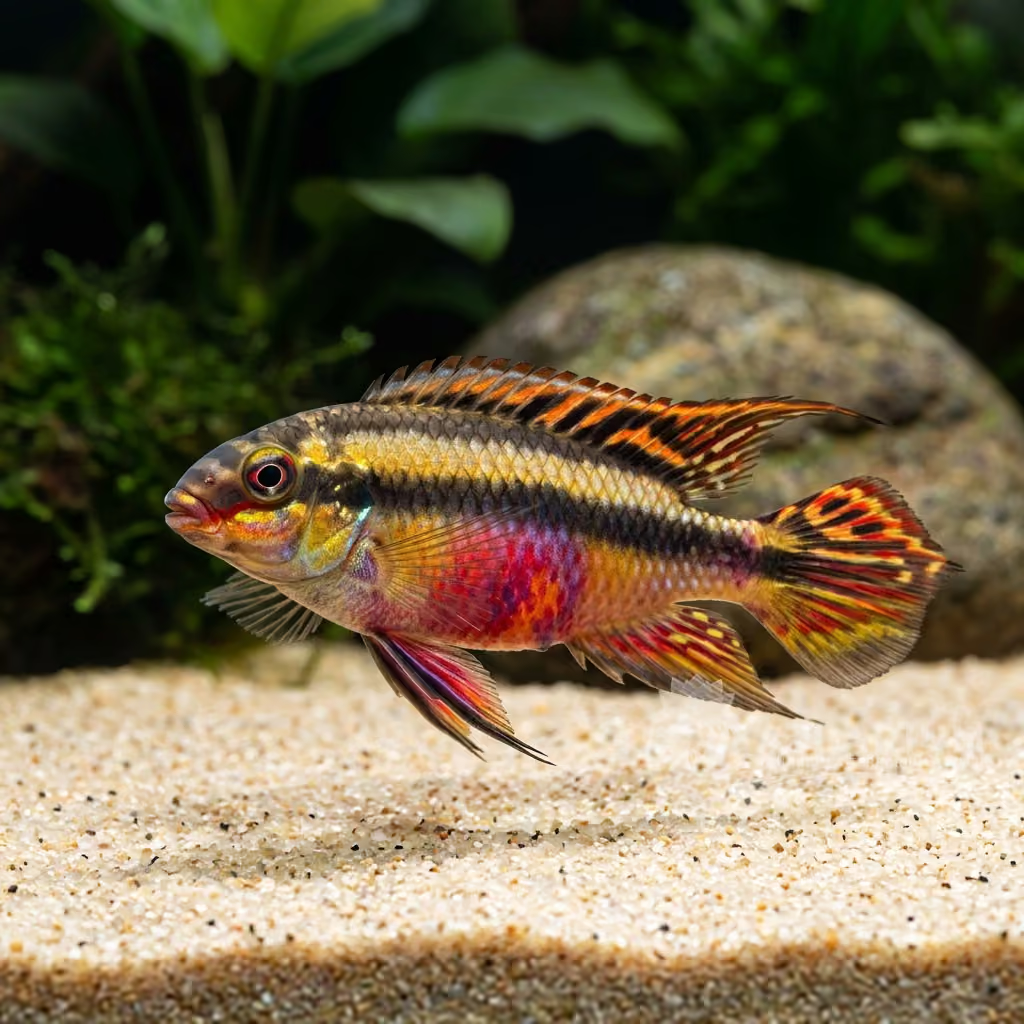
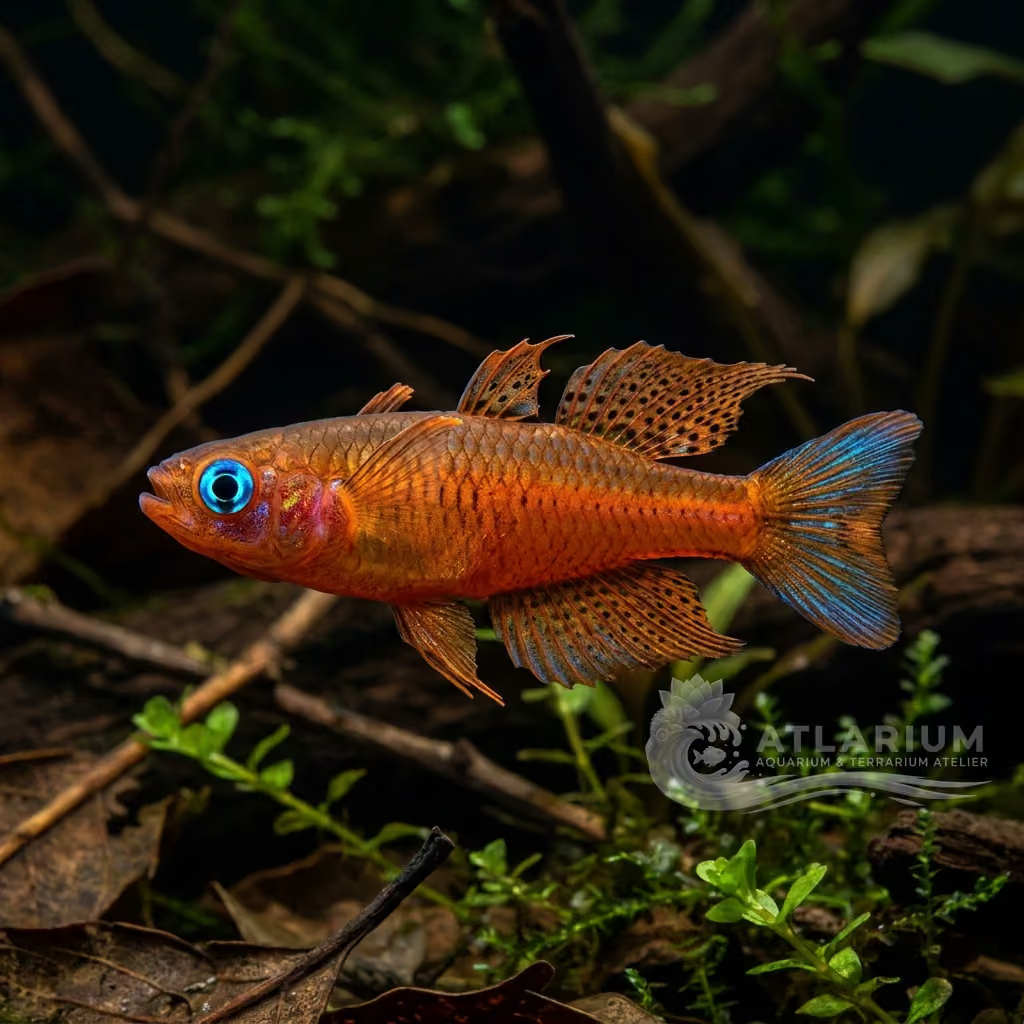
Splendid Guinea Kribensis (8 cm). Owes its name ('rubro-labiatus') to the showy red lips. Wonderful dwarf river cichlid with a lively temperament: nests in dark caves on acidic and softly sandy bottoms.
Temperatura da água
24 - 26 °C
Valor de pH
5.5 - 6.8
Tipo de água
Água doce
Nível do tanque
Parte inferior
Tamanho adulto
8 cm
Volume mínimo do tanque
>= 100 L
Grupo mínimo
>= 1
GH
2 - 8 dGH
KH
1 - 4 dKH
TDS
40 - 160 ppm
Condutividade
63 - 250 uS/cm

Descrição da espécie
Geographical Origin and Habitat: West Africa. Originating from the minor river basins of Guinea (e.g. Kolenté river). Inhabits placid bodies of water and streams flowing through the dense rainforest. The native bottom is an inextricable tangle of submerged roots, fallen palm fronds, silt and a thick layer of rotting leaves in weakly amber waters.
Taxonomy and Morphology: Belongs to the "Kribensis" group (*Pelvicachromis* genus), classified and described together with *signatus* in 2004. Fusiform and compressed body, ideal for darting in the aquatic undergrowth. The male easily reaches 8 cm (3 inches), showing off pointed fins and, a distinctive trait, unusually fleshy and evident lips. The female remains smaller, compact and with a notably more rounded belly profile in fertile age.
Social Behavior: Territorial "Dwarf" ethology. Outside the reproductive period it is peaceful and industrious, perennially busy inspecting the bottom. In the spawning phase it transforms: it elects a cave (often digging the entrance itself into the substrate under a log) and declares open war on anyone approaching the perimeter. Prudence is recommended in restricted aquariums as the defensive ardor can force other bottom fish into confinement.
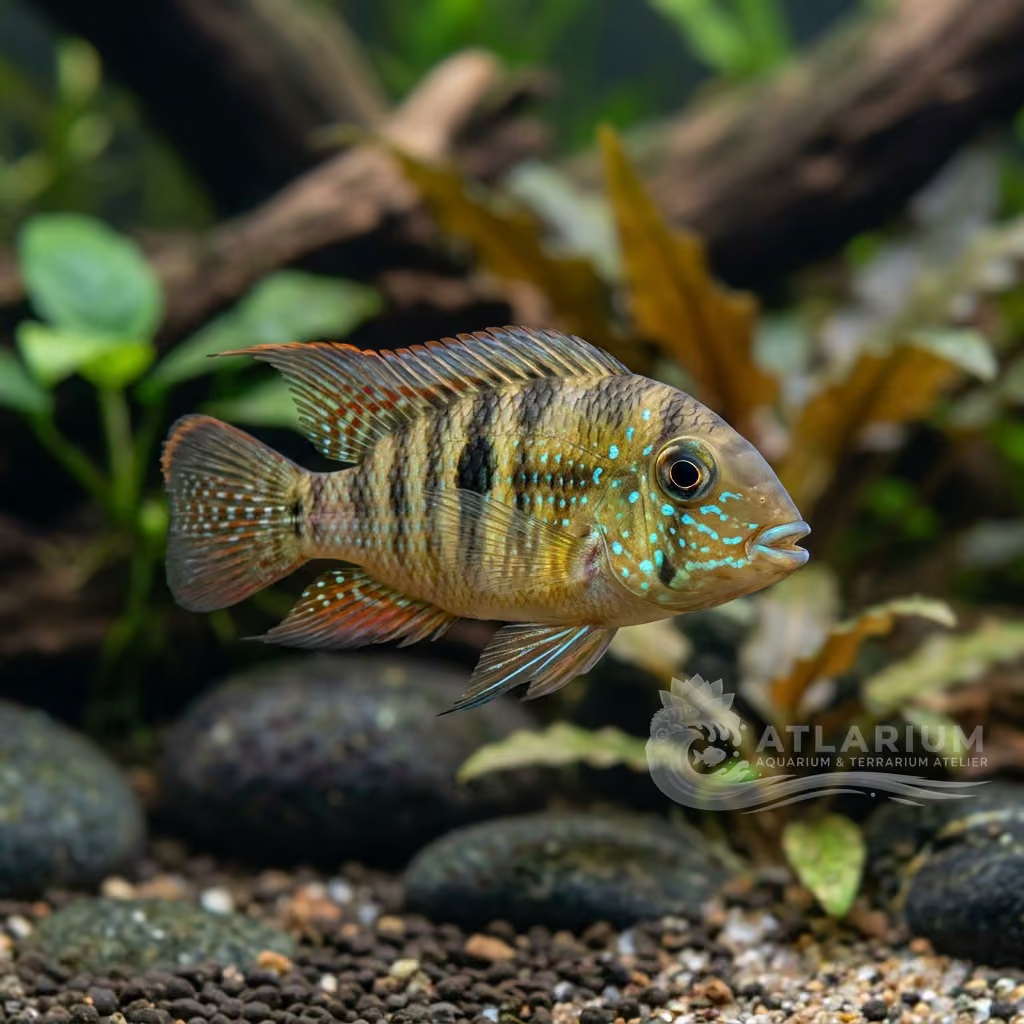
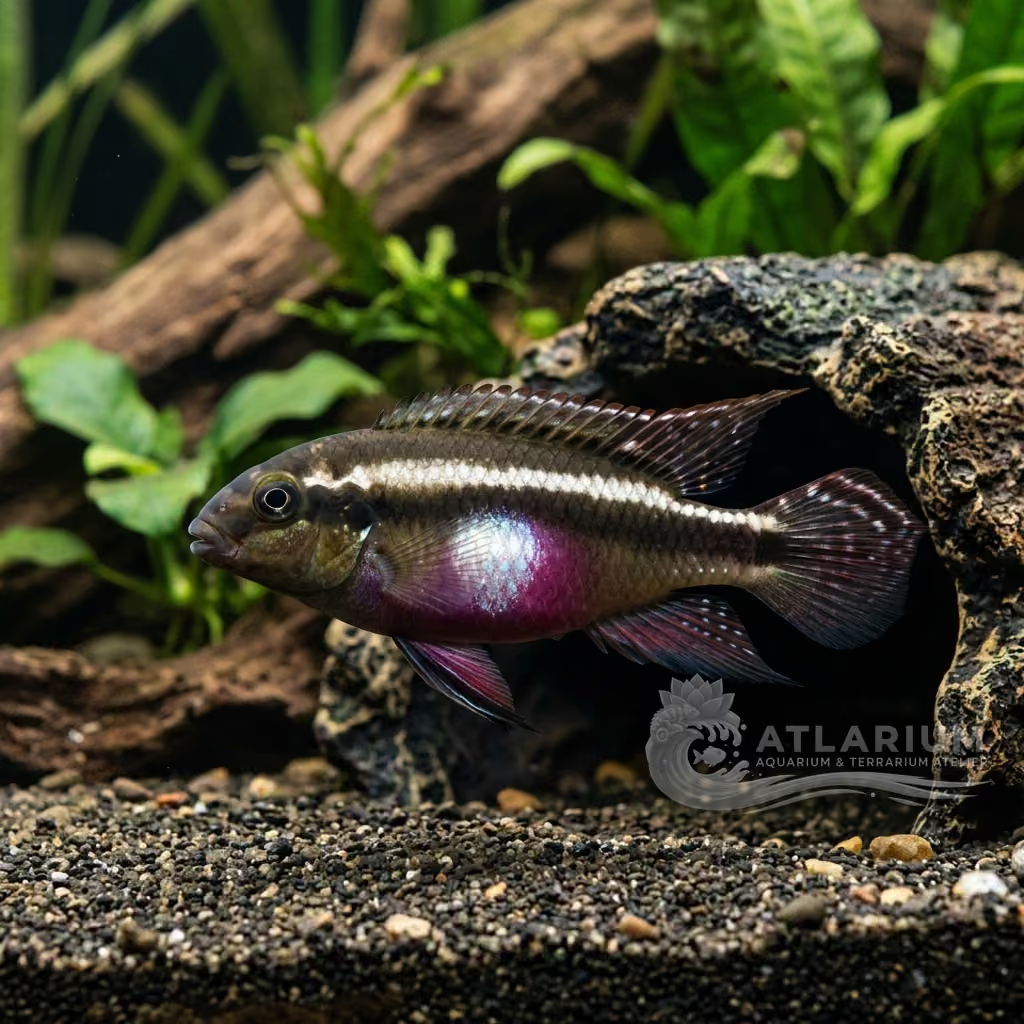
Coloration and Sexual Dimorphism: Spectacular chromatic triumph. The male has a golden ochre or dark metallic greenish base, sometimes furrowed by pale dark humoral bars. The supreme diagnostic trait are the massive brilliant CHERRY RED LIPS and the lower part of the yellowish head. The fins are a display of violet stripes, dots and formidable lilac/red borders. The female lights up the tank with an abdomen that explodes in a flaming bright PURPLE-RED (up to the gill operculum) contrasting with dark bands on the back and showing off a showy iridescent golden spot on the dorsal fin depending on the stress.

Cuidado, criação e companheiros de tanque
Aquarium Setup: Demands a classic Amazonian/river aquarium. Base tank from 80 cm (32 inches). Fine sand is mandatory, as they dig a lot. No calcareous rocks! Bogwood trunks, dark branches and thick planting (Anubias, Microsorum) will abound. Urgent to provide numerous blind refuges (punctured coconuts, inverted terracotta pots) essential to quell reproduction stress where the pair can hide comfortably untraceable. Light screened by floating leaves to revive colors.
Diet and Feeding: Omnivorous/detritivorous bottom Micro-Predator. Accepts almost all aquarium foods. Demands a premium granular pellet (sinking, almost never eats on the surface). Very greedy and explosive in colors if fed generously with binges of live brine shrimp, red bloodworms and frozen tubifex. Willingly add a modest vegetable/algal component in the basic feed to simulate the residues ingested with the wild silt.
Water Quality: Forest chemistry: African fresh waters impose a hardness between soft and very soft (GH from 2 to 8 maximum) and a pH rigidly on the ACIDIC side (from 5.5 to 6.8). The alkaline tap water fades the magnificent livery, inhibits the hatching of eggs or fertilization and reduces life expectancy, inviting pathogens. Excellent filtration based on peat or catappa leaves for the natural sanitizing blackwater effect. Avoid hurricane water currents on the tank floor.
Compatibility and Cohabitation: Inclusion model for large acidic river community tanks. Fabulous together with fast schools of characins or small peaceful cyprinids in the upper floors ('Dither fish') that instill tranquility in the recluse *Pelvicachromis*. Never, for any reason, mix it with aggressive alkaline lake Cichlids or large Loricariids (the armored cleaner fish) as they would arrogantly break through the underground dens engendering continuous fatal brawls on the protected broods and terrifying the rubrolabiatus.
Aquarium Breeding: Exhilarating adventure within the reach of the careful aquarist (Monogamous Cave-spawners). The female twists into a U showing her fiery crimson belly trembling madly in front of the partner to seduce him. Once the bond is sealed, they clean an invisible cave vault (roof) on which to hang the dark ovarian clusters. The mother disappears in the dark fanning oxygen, the father becomes a fierce mastiff on the threshold. Tiny formidable offspring will be born, escorted throughout the tank like a flock by the mother and swallowed and spat back out if frightened, for more than a month of tender peaceful tank cohabitation net of sudden aggressiveness on vascular hindrances of incautious rejected sand exploring fish abruptly discarded.
Risks and Diseases: Medium lethality. Very strong decay (Sudden necrotic death or parasitosis from stressed wasting) due to the deadly ignorant introductions in bare tanks without closed isolation pots post marital quarrels: the rejected males torment and annihilate with invisible dull and rapid bites the tender companion scales otherwise not in heat if forced prisoners. Fungal ulcers in hard constipated ascitic tap waters and irreversible pallor due to the total absence of acidic chemical extirpations from curative wood.

Origem e distribuição geográfica
West Africa. Originating from the minor river basins of Guinea (e.g. Kolenté river). Inhabits placid bodies of water and streams flowing through the dense rainforest. The native bottom is an inextricable tangle of submerged roots, fallen palm fronds, silt and a thick layer of rotting leaves in weakly amber waters.
Origem
Oceanos tropicais e recifesÁfrica e Madagascar

Perfil de peixe
- Temperamento
- Semi-aggressive
- The temperament of Wallaceochromis rubrolabiatus is largely peaceful, especially towards tank mates. While they mind their own business mostly, they may become defensive during specific periods. Providing visual barriers and adequate space mitigates most behavioral issues.
- Dieta
- Omnivore
- Wallaceochromis rubrolabiatus is primarily omnivorous and enjoys a diverse diet. In captivity, they eagerly accept high-quality prepared foods, and appropriate frozen or live foods. Providing a varied menu ensures they receive all necessary nutrients for vibrant colors and health.
- Expectativa de vida
- 4-6 years
- Tamanho adulto
- 8 cm
- Proporção sexual
- Specific M:F ratio
- Maintaining a proper sex ratio of one to one is advisable for this species. Males tend to be visually distinct from females in certain aspects, making sexing possible in mature specimens. In breeding setups, close monitoring is essential to prevent excessive harassment.
- Frequência de alimentação
- Twice daily
- It is recommended to feed Wallaceochromis rubrolabiatus moderate portions twice a day. Only offer an amount they can completely consume within a few minutes to prevent water fouling. Occasional fasting days can also be beneficial for their digestive system.
- Carga biológica
- Low to Medium
- The bioload produced by Wallaceochromis rubrolabiatus is moderate due to their small size and metabolic rate. They require robust filtration to keep water parameters stable and pristine. Regular water changes are highly recommended to ensure their optimal health.
- Fluxo
- Stagnant
- This fish prefers moderate water currents that mimic its natural habitat. Proper water flow is crucial for maintaining adequate oxygenation levels. Position filter outlets or powerheads carefully to provide both flowing and calmer resting areas.
- Risco de salto
- Yes
- Wallaceochromis rubrolabiatus poses a low risk of jumping from the aquarium if startled. It is strictly advised to keep a secure, tight-fitting lid on the enclosure at all times. Extra care should be exercised during tank maintenance to prevent unexpected escapes.
- Reprodução
- Oviparous
- Breeding Wallaceochromis rubrolabiatus in captivity is challenging and requires specific water parameters. They are cave spawners and often exhibit fascinating courtship behaviors. Providing ample suitable structures will significantly increase the survival rate of the fry.
- Compatibilidade e companheiros de tanque
- With caution
- This species is generally peaceful and makes a specific addition to a home aquarium. They can be housed with other compatible species that occupy different water levels. Caution should be taken when selecting tank mates to avoid any conflicts.
- Nível do tanque
- Bottom
- These fish predominantly occupy the bottom and middle levels of the aquarium. They enjoy exploring their surroundings and often interact with the tank decor. Ensuring sufficient space in their preferred zone is absolutely important for their well-being.

Modelos e parâmetros científicos
FishBase
Acesso aos dados científicos oficiais da espécie
FishBase v25.04Dados sincronizados em: 15/06/2026
- Nível trófico
- 3,3 ± 0,4 se
- Resiliência
- Alta (menos de 15 meses)
- Unicidade filogenética (PD50)
- 0.625
- Relação bayesiana comprimento-peso
- a = 0.01445, b = 2.99
- VulnerabilidadeVulnerabilidade baixa (10 / 100)

Espécies relacionadas
Recomendações agrupadas por parentes próximos, escolhas de acompanhantes e cuidados semelhantes.