Juruá Dwarf Cichlid
Apistogramma juruensis
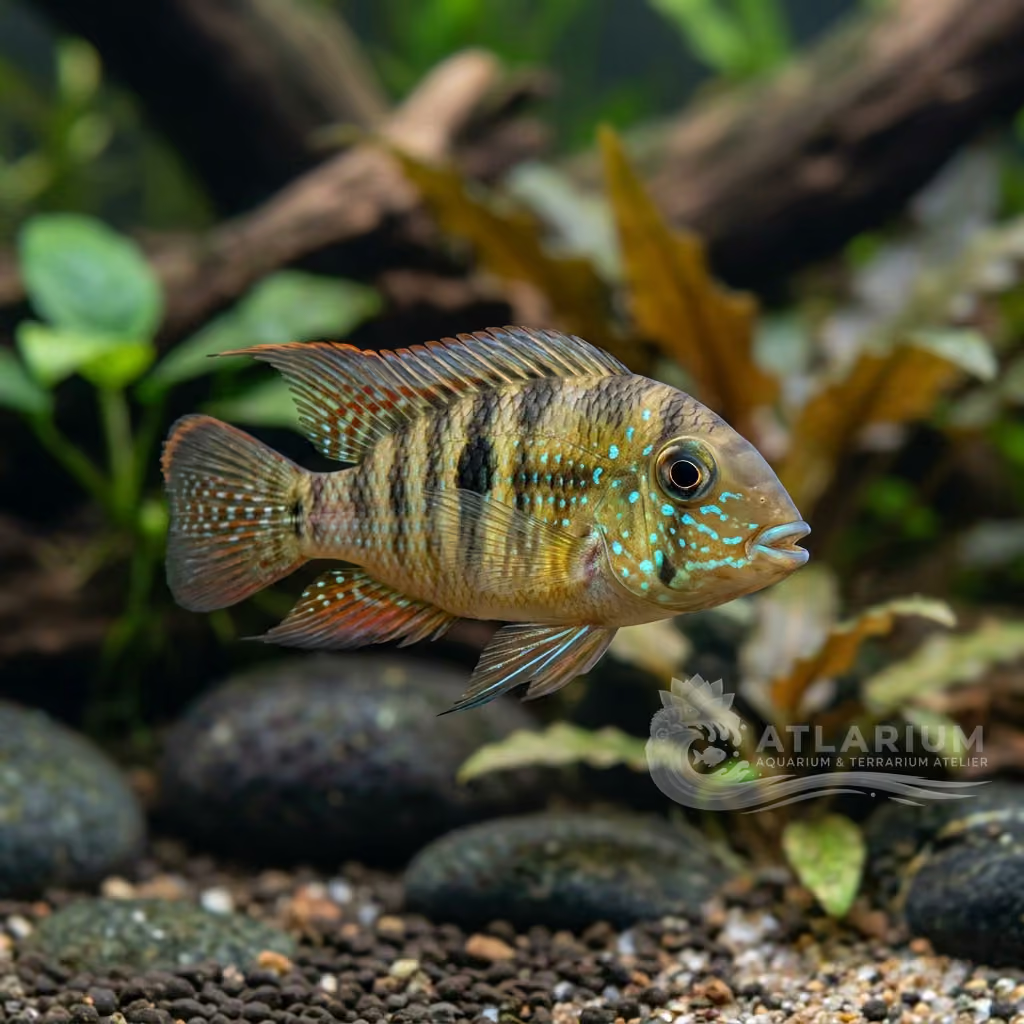
A stunning but demanding dwarf cichlid endemic to the Rio Juruá. Males display elongated dorsal fin spines and vibrant colors. It requires pristine, highly acidic blackwater conditions.
Temperatura da água
23 - 28 °C
Valor de pH
5 - 6.8
Tipo de água
Água doce
Nível do tanque
Parte inferior
Tamanho adulto
7,5 cm
Volume mínimo do tanque
>= 60 L
Grupo mínimo
>= 2
GH
1 - 6 dGH
KH
0,5 - 3 dKH
TDS
20 - 120 ppm
Condutividade
31 - 188 uS/cm

Descrição da espécie
Geographical Origin and Habitat: Native to South America, specifically endemic to the Rio Juruá basin in Brazil and Peru. It inhabits small rainforest streams characterized by slow-flowing blackwater, deep leaf litter beds, and an abundance of submerged roots and fallen logs.
Taxonomy and Morphology: Belonging to the family Cichlidae and the subfamily Geophaginae. It exhibits a laterally compressed body, and males feature elongated membranes on the first few spines of the dorsal fin. Males reach up to 7 cm in length, whereas females grow up to 5 cm.
Social Behavior: Highly territorial and harem-polygamous. It is recommended to keep one male with multiple females; females establish individual territories around caves or specific hiding spots, defending them aggressively from other fish, especially when breeding.
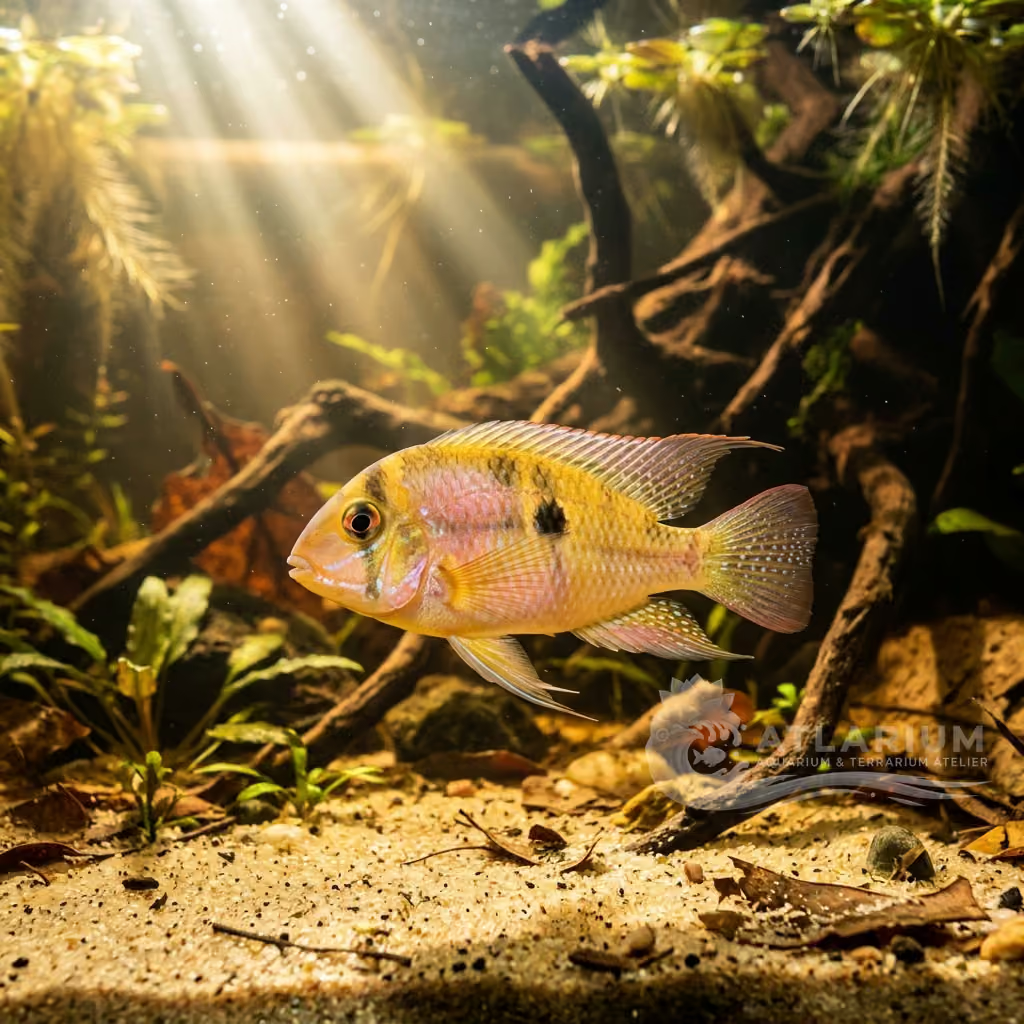
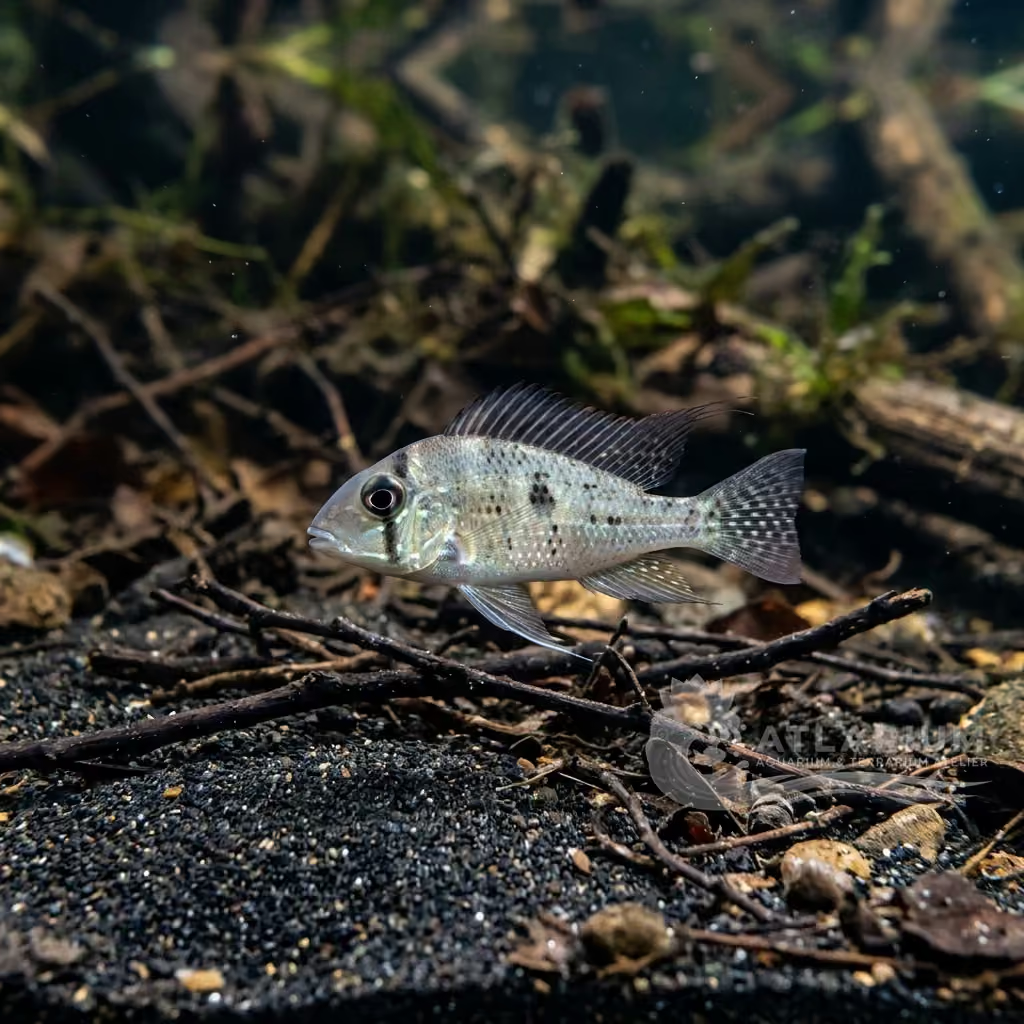
Coloration and Sexual Dimorphism: Sexual dimorphism is highly pronounced. Males showcase beautiful blue, yellow, and silvery body colors with iridescent fins and bluish lips. Females are smaller, generally yellow-grey, and turn a bright golden-yellow with stark black markings when breeding.

Cuidado, criação e companheiros de tanque
Aquarium Setup: A tank of at least 80-100 liters with a fine sand substrate is required. It is vital to create numerous visual barriers using driftwood roots, leaf litter (like Catappa leaves), and cave structures (coconut shells or small clay pots) for territories.
Diet and Feeding: Demanding carnivore. Often refuses dry flakes or pellets. The diet must consist of high-quality live or frozen foods such as brine shrimp, daphnia, bloodworms, and mosquito larvae to simulate natural foraging.
Water Quality: Demands strict water parameters: acidic pH of 5.0 to 6.0, very low hardness of 1 to 5 dGH, and low conductivity. Maintain temperature between 23 and 27 °C. Utilizing reverse osmosis water and peat filtration is highly recommended.
Compatibility and Cohabitation: Best suited for a dedicated species tank or a biotope setup with small, peaceful dither fish like tetras or pencilfish. Avoid large or aggressive cichlids and boisterous bottom dwellers that compete for caves.
Aquarium Breeding: Cave spawner. The female deposits eggs on the ceiling of a cave and assumes sole responsibility for egg care and fry raising. The male patrols the outer perimeter; water must remain pristine, warm, and soft for successful hatching.
Risks and Diseases: Highly sensitive to organic pollutants, elevated nitrate levels, and sudden changes in water chemistry. Prone to bacterial infections, skin columnaris, and Hexamita (hole-in-the-head disease) if tank hygiene is neglected.

Origem e distribuição geográfica
Native to South America, specifically endemic to the Rio Juruá basin in Brazil and Peru. It inhabits small rainforest streams characterized by slow-flowing blackwater, deep leaf litter beds, and an abundance of submerged roots and fallen logs.
Origem
Extra-Amazônica América do Sul

Perfil de peixe
- Temperamento
- Territorial
- Overall, they exhibit a peaceful demeanor towards other species, but they are known to be territorial among their own kind. During the breeding season, both sexes become fiercely protective of their spawning sites and fry, potentially showing aggression to any intruders. Outside of breeding, they are somewhat shy and require a complex environment with plenty of hiding spaces to feel secure. Creating distinct visual barriers helps manage their territorial nature.
- Dieta
- Carnivore
- In their natural habitat, they are micro-predators that sift through the substrate for small invertebrates, insect larvae, and zooplankton. In captivity, they should be offered a varied and high-quality diet consisting of sinking micro-pellets and flakes. Supplementing their diet regularly with live or frozen foods like daphnia, baby brine shrimp, and bloodworms will promote optimal health and vibrant coloration. Variety is key to preventing nutritional deficiencies.
- Expectativa de vida
- 2-3 years
- Tamanho adulto
- 7.5 cm
- Proporção sexual
- Harem
- In a suitably sized aquarium, they are best maintained in a harem configuration consisting of one dominant male and several females. If the tank is on the smaller side, maintaining a single compatible pair is the safest approach to minimize intraspecific aggression. Keeping multiple males usually requires a very large footprint with complex hardscape to break lines of sight and establish distinct territories. Proper sex ratios are vital for a peaceful tank.
- Frequência de alimentação
- Twice daily
- It is highly recommended to feed them small portions once or twice daily to maintain their metabolism and overall well-being. Care must be taken to only offer an amount they can completely consume within a couple of minutes to avoid fouling the water. Overfeeding is a common mistake that can lead to severe water quality issues. Fasting the fish for one day per week can also help clear their digestive tract.
- Carga biológica
- Low
- This species has a relatively low bioload compared to larger cichlids, making it suitable for appropriately sized setups. However, they are highly sensitive to deteriorating water conditions and elevated nitrates. Maintaining pristine water quality through adequate filtration and regular water changes is absolutely crucial for their long-term health. A heavily planted tank can also help absorb excess nutrients and keep the environment stable.
- Fluxo
- Moderate
- Originating from slow-moving streams, backwaters, and sluggish tributaries, they strongly prefer gentle water flow in the aquarium. Strong currents will cause them undue stress and force them to expend unnecessary energy just to maintain their position. Filtration should be baffled if necessary to provide a calm environment, particularly near the substrate where they spend most of their time. Mimicking this natural calm flow is essential for their comfort.
- Risco de salto
- No
- Reprodução
- Oviparous
- They are typical cave spawners, utilizing secluded crevices, leaf litter, or natural hollows to lay their eggs. The female assumes the primary responsibility of guarding the eggs and the subsequent fry, often becoming highly reclusive. The male's role involves defending a larger peripheral territory against any perceived threats. Providing plenty of hiding spots like coconut caves, PVC pipes, and dense vegetation is critical for successful breeding.
- Compatibilidade e companheiros de tanque
- Aggressive
- They are best kept in a species-specific aquarium or a peaceful community tank with small, non-aggressive dither fish like tetras or rasboras. Fast-swimming or boisterous tank mates should be avoided as they will easily outcompete this species for food and induce stress. Bottom-dwelling species such as Corydoras might face territorial disputes, especially if breeding behaviors commence. Careful selection of tank mates is necessary to ensure a harmonious environment.
- Nível do tanque
- Bottom
- These fish primarily inhabit the lower third of the water column, spending the vast majority of their day navigating the substrate. They are often seen foraging among leaf litter, driftwood, and plant roots in search of food. They rarely venture into the upper levels of the aquarium unless enticed by feeding or if they lack sufficient cover below. A well-structured bottom layout is highly appreciated.

Modelos e parâmetros científicos
FishBase
Acesso aos dados científicos oficiais da espécie
Dados sincronizados em: 15/06/2026
- Nível trófico
- 3,1 ± 0,4 se
- Resiliência
- Alta (menos de 15 meses)
- Unicidade filogenética (PD50)
- 0.5
- Relação bayesiana comprimento-peso
- a = 0.0182, b = 2.99
- VulnerabilidadeVulnerabilidade baixa (10 / 100)

Espécies relacionadas
Recomendações agrupadas por parentes próximos, escolhas de acompanhantes e cuidados semelhantes.