Starlight Bristlenose Pleco (L183)
Ancistrus dolichopterus
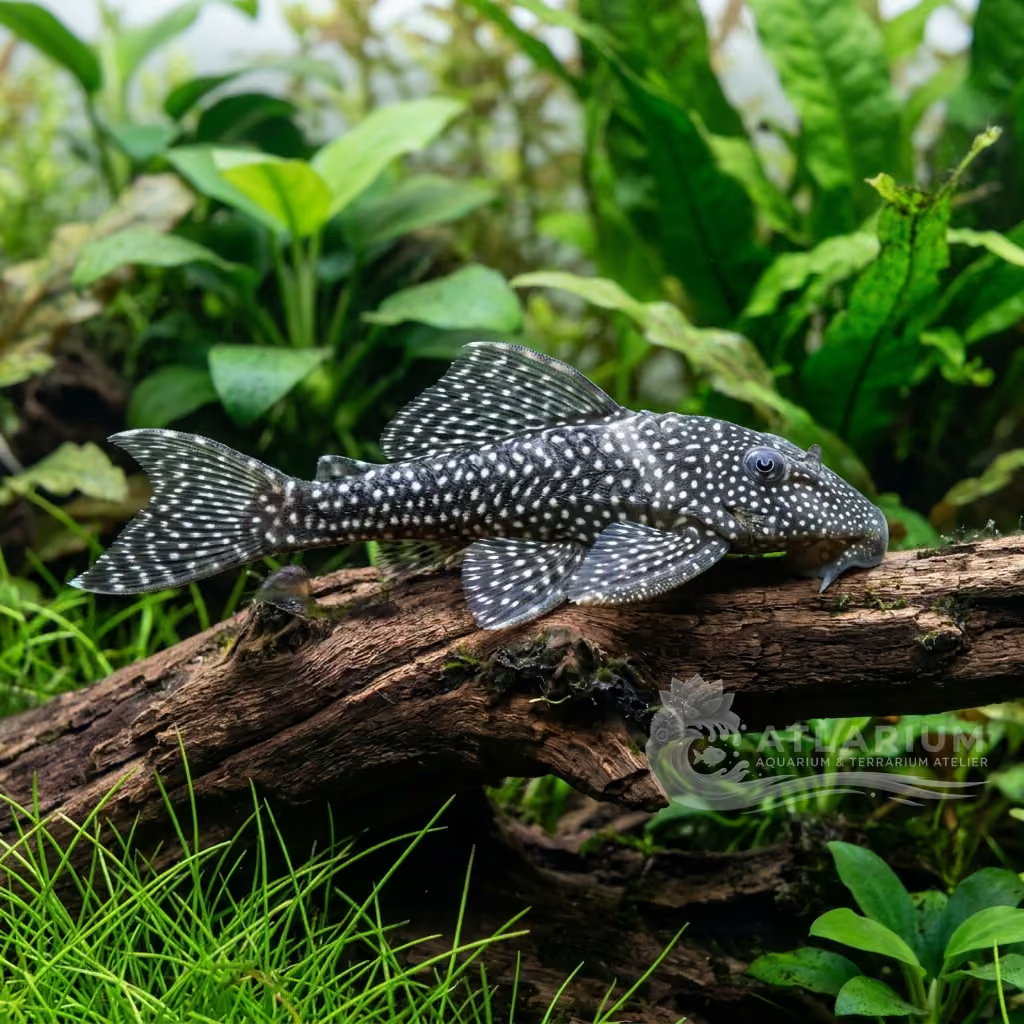
The Starlight Bristlenose Pleco (Ancistrus dolichopterus or L183) is the sparkling gem of the Ancistrus family. Not to be confused with the common and less conspicuous Ancistrus sp. (often fraudulently sold under the same name), the authentic L183 is distinguished by an ink-black body sprinkled with hundreds of tiny, brilliant white dots, completed by an unmistakable and marked milk-white hem on the dorsal and caudal fins that never fades with age. A splendid algae eater, it is an inhabitant of dark waters that combines utility with top-level aesthetics.
24 - 28 °C
5.5 - 7
Água doce
Parte inferior e intermediária
12 cm
>= 100 L
>= 1
1 - 8 dGH
0 - 2 dKH
15 - 140 ppm
23 - 219 uS/cm

Descrição da espécie

Cuidado, criação e companheiros de tanque

Origem e distribuição geográfica
Origem

Perfil de peixe
- Temperamento
- Semi-aggressive
- This species is generally peaceful and passive toward other non-loricariid tank mates, making it an excellent candidate for community aquariums. However, males display significant territorial behavior toward other males of the same species or similar-looking catfish. They are primarily nocturnal and will remain hidden inside caves or under driftwood during daylight hours, becoming much more active at night. Their defensive behavior is limited to chasing rivals away from their chosen territory and does not pose a threat to midwater fish.
- Dieta
- Omnivore
- Ancistrus dolichopterus is an omnivorous grazer that requires a varied diet to thrive in captivity. They should be fed high-quality sinking algae wafers, spirulina pellets, and regular portions of blanched vegetables like zucchini, cucumber, and spinach. To supplement their diet, occasional high-protein foods such as frozen bloodworms or brine shrimp should be provided. Additionally, the presence of natural driftwood in the aquarium is mandatory, as they chew on it to obtain essential cellulose for digestion.
- Expectativa de vida
- 5-10 years
- Tamanho adulto
- 12 cm
- Proporção sexual
- Harem
- For stocking, it is recommended to keep a single specimen or a harem consisting of one male and multiple females to avoid territorial disputes. Males are highly territorial and will actively defend caves and foraging areas from other males, which can lead to stress or injury. If keeping multiple males is desired, a large tank with ample hiding spots and visual barriers is necessary to divide territories. Females are generally more tolerant of each other and can coexist peacefully in group settings.
- Frequência de alimentação
- Continuous
- It is best to feed this species once or twice a day, ideally in the evening shortly before the aquarium lights are turned off to align with their nocturnal feeding habits. Sinking wafers and pellets should be placed near their preferred hiding places to ensure they can feed without competition. Fresh vegetables can be left in the tank for up to 24 hours but must be removed promptly after that to prevent water fouling.
- Carga biológica
- Medium to High
- The Starlight Bristlenose Pleco (L183) has a moderate to high biological load due to its digestive process and diet, which produces a substantial amount of waste. Efficient filtration with a water turnover rate of at least 4 to 5 times the tank volume per hour is essential to maintain excellent water quality. Regular substrate vacuuming during water changes is highly recommended to prevent the accumulation of organic debris. A well-established nitrogen cycle and consistent monitoring are crucial, as this species is sensitive to elevated levels of ammonia and nitrates.
- Fluxo
- Strong
- This species prefers moderate to strong water flow, which mimics the oxygen-rich, flowing waters of their native streams in the Rio Negro basin. Good water movement and high dissolved oxygen levels are critical for their health and well-being. Using powerheads, spray bars, or additional airstones can help achieve the desired flow and oxygenation. Adequate filtration is also necessary to maintain the clean water conditions they require.
- Risco de salto
- No
- Reprodução
- Oviparous
- Reproduction in the aquarium is possible but moderately challenging, requiring soft, acidic water conditions and caves for spawning. The male selects and prepares a suitable cave, after which he coaxes a female inside to deposit a clutch of adhesive orange eggs. Once spawning is complete, the male chases the female away and takes sole responsibility for guarding and fanning the eggs. The eggs hatch in about 4 to 5 days, and the fry will absorb their yolk sacs before emerging to forage on biofilm and finely crushed foods.
- Compatibilidade e companheiros de tanque
- Community
- They are highly compatible with peaceful community fish that occupy the middle and upper levels of the water column, such as tetras, hatchetfish, and pencilfish. They also coexist well with peaceful dwarf cichlids like Apistogramma that share their preference for soft, acidic water. Avoid housing them with large, aggressive, or highly territorial bottom-dwellers that might compete for caves and food. Peaceful invertebrates like snails are safe, though small shrimp fry might occasionally be consumed accidentally.
- Nível do tanque
- Middle/Bottom
- Ancistrus dolichopterus is a benthic species that spends the vast majority of its time at the bottom of the aquarium. They are equipped with a specialized suckermouth that allows them to cling to substrates, driftwood, rocks, and the aquarium glass. While they primarily feed and rest on the bottom, they will occasionally climb vertical surfaces to graze on biofilm or algae in the middle levels of the tank. Adequate floor space and a layout rich in surface areas are more important than tank height for this species.

Modelos e parâmetros científicos
Acesso aos dados científicos oficiais da espécie
- Resiliência
- Média (1,4 - 4,4 anos)
- Unicidade filogenética (PD50)
- 0.5
- Relação bayesiana comprimento-peso
- a = 0.01622, b = 3.04
- VulnerabilidadeVulnerabilidade baixa (10 / 100)

Espécies relacionadas
Recomendações agrupadas por parentes próximos, escolhas de acompanhantes e cuidados semelhantes.