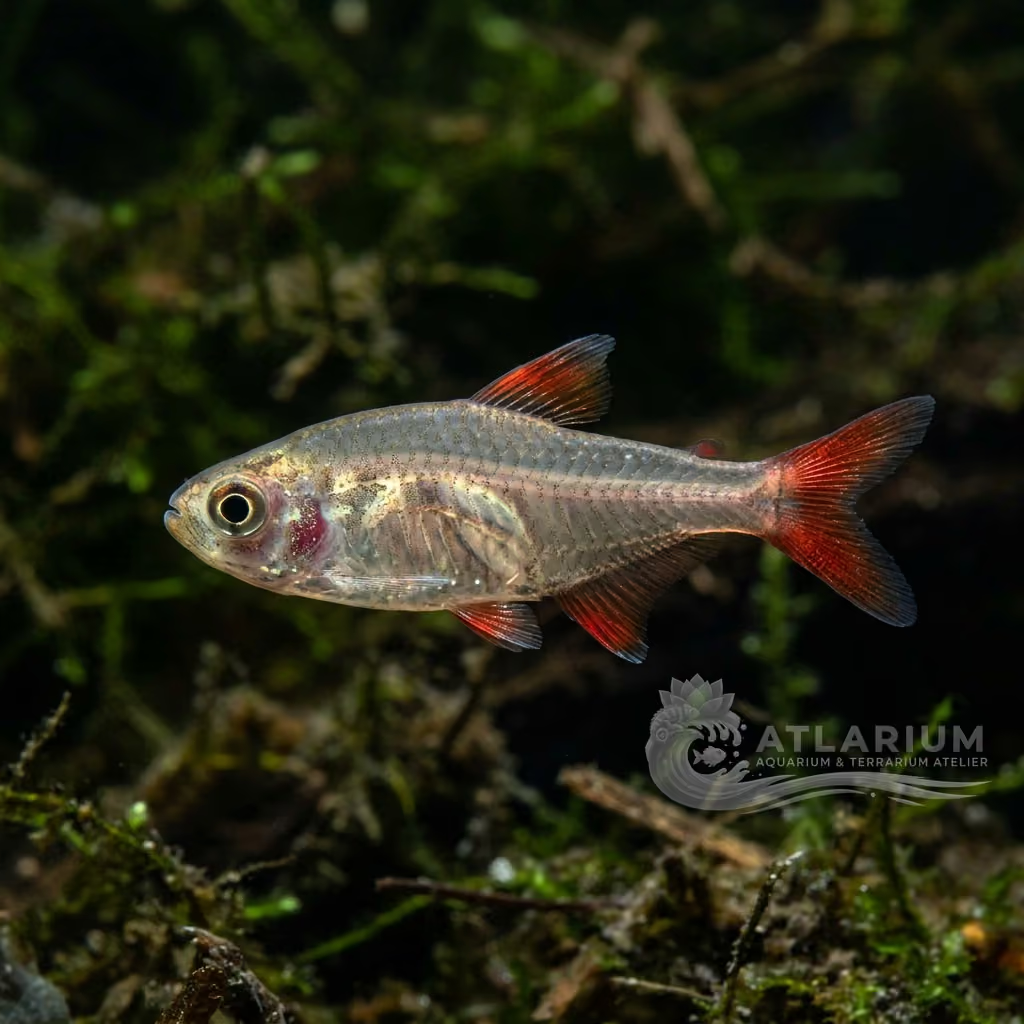
Sailfin Dwarf Cichlid
Apistogramma velifera
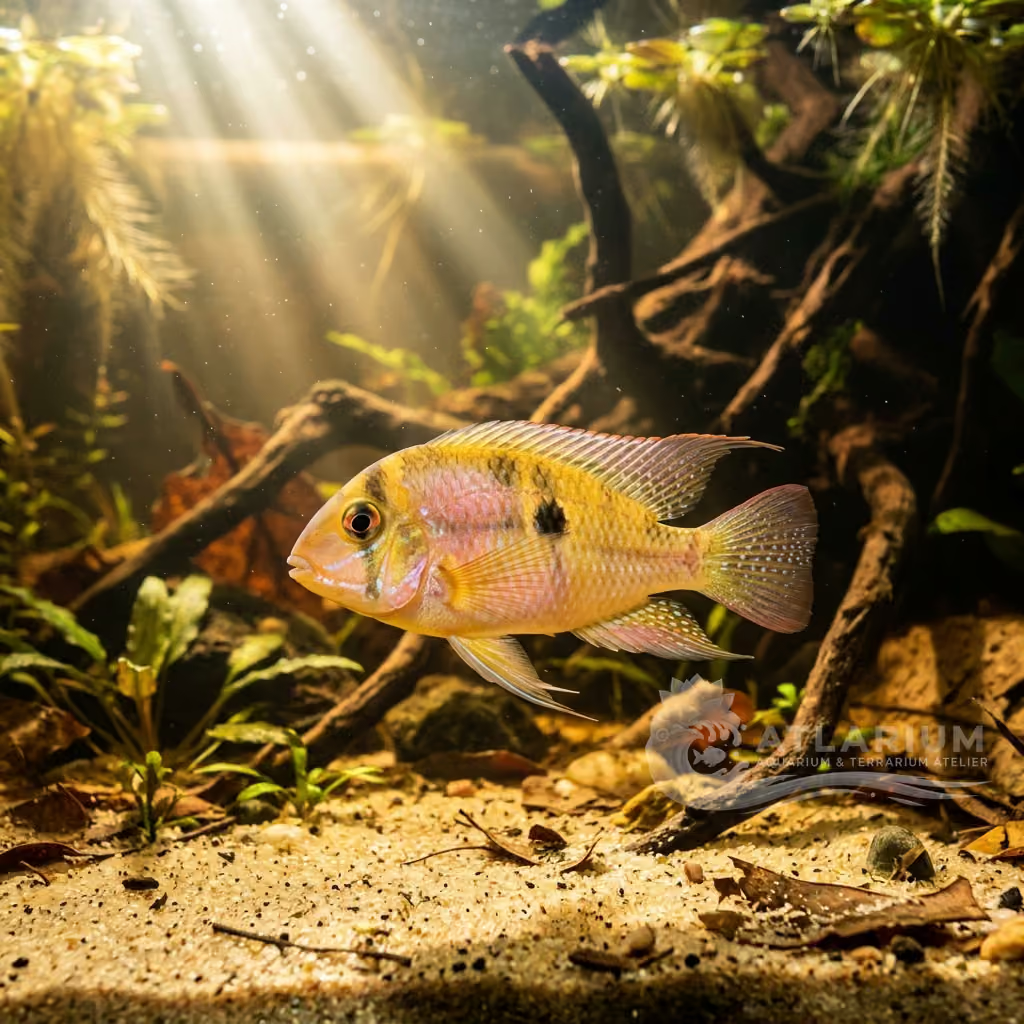
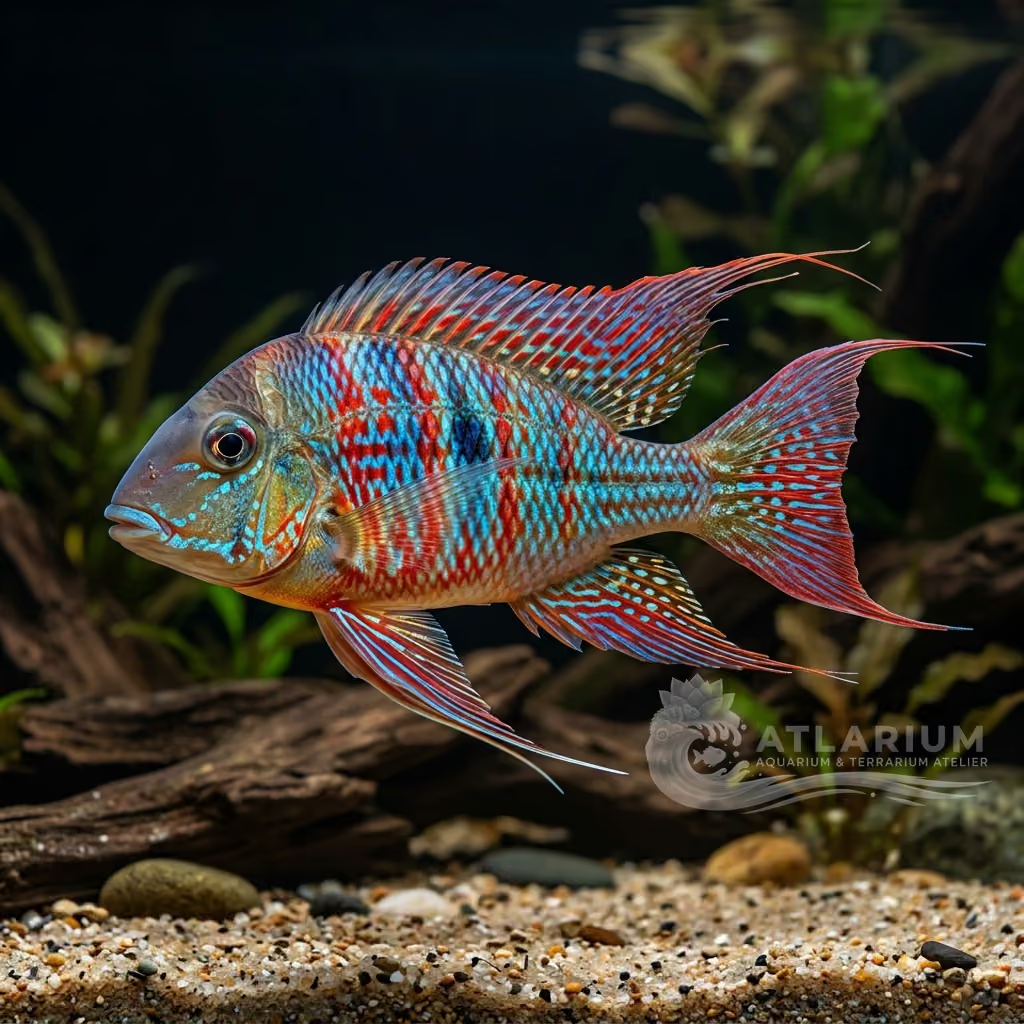
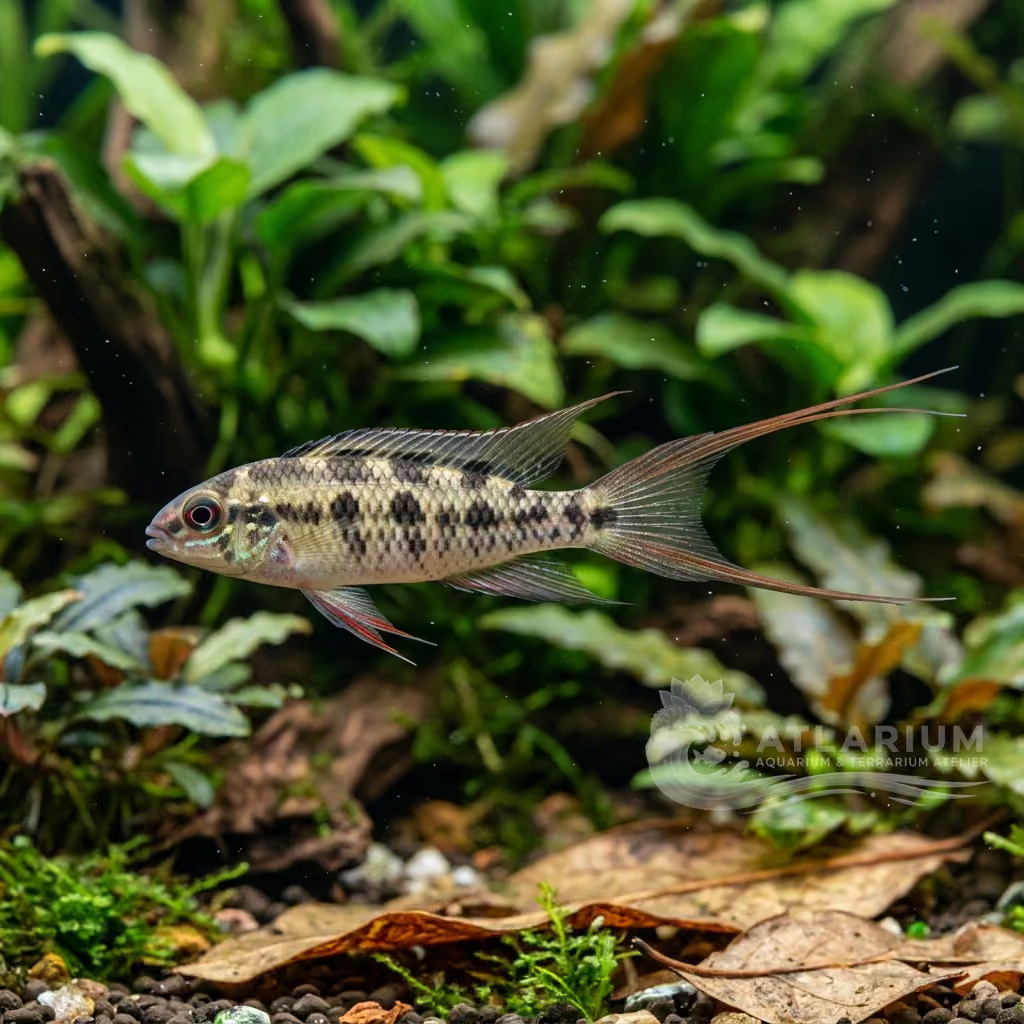
The elusive 'Orinoco Sailfin Dwarf' (5-7 cm). A rare and magnificent species belonging to the macmasteri group, the Apistogramma velifera is famous for the imposing male dorsal fin that rises like a vast banner. Unlike many strictly blackwater Apistogrammas, it tolerates slightly less acidic clear waters, offering a majestic livery dominated by yellow, turquoise and an intense red on the snout and caudal fin. It is a benthic harem predator, ideal for planted South American aquariums but strictly equipped with sandy areas.
22 - 29 °C
5 - 7
Água doce
Parte inferior e intermediária
6,5 cm
>= 100 L
>= 1
1 - 10 dGH
1 - 5 dKH
25 - 200 ppm
39 - 313 uS/cm

Descrição da espécie

Cuidado, criação e companheiros de tanque

Origem e distribuição geográfica
Origem

Perfil de peixe
- Temperamento
- Semi-aggressive
- Apistogramma velifera is generally a peaceful but territorial dwarf cichlid. Males will aggressively defend their territory against conspecific rivals, so keeping multiple males in the same tank is not advised unless the tank is very large. Females also become highly protective and territorial when guarding eggs or fry in their chosen cave. Outside of breeding periods, they are relatively shy and prefer to retreat into vegetation when disturbed.
- Dieta
- Omnivore
- In their natural habitat, Apistogramma velifera are carnivores that feed on tiny invertebrates, larvae, and organic debris. In the aquarium, they should be fed a varied diet composed primarily of live or frozen foods such as baby brine shrimp, daphnia, and mosquito larvae. While they can gradually be trained to accept high-quality sinking micro-pellets, dry food should only serve as a supplement. A protein-rich diet is crucial for maintaining their vibrant coloration and overall health.
- Expectativa de vida
- 2-4 years
- Tamanho adulto
- 6.5 cm
- Proporção sexual
- 1:1 ratio
- Unlike some other dwarf cichlids, Apistogramma velifera is considered a preferentially monogamous species. It is highly recommended to keep them in single compatible pairs (1:1 ratio) rather than in harems. Females are particularly selective when choosing a partner, and a forced pairing can lead to aggression if they do not bond. In larger aquariums with plenty of visual barriers, small groups can be maintained, but close monitoring is required to prevent conflict.
- Frequência de alimentação
- Twice daily
- Apistogramma velifera should be fed once or twice daily with small portions that they can easily consume within a few minutes. Because of their sensitivity to waste, any uneaten food must be removed immediately to prevent water contamination. Implementing a weekly fasting day can also benefit their digestive system and mimic natural feeding patterns. Feeding them at the same times each day helps establish a routine and reduces stress.
- Carga biológica
- Low to Medium
- Apistogramma velifera produces a relatively low biological waste load due to its small size, with males reaching only 7 cm and females around 4 cm. However, they are highly sensitive to dissolved organic compounds and nitrates, meaning their filtration needs are strict. To maintain their health, aquarium owners should use gentle filtration, such as air-driven sponge filters, and perform regular, small water changes of 20% to 30%. This approach ensures that the bioload remains low while preventing stressful fluctuations in water chemistry.
- Fluxo
- Stagnant
- This species prefers slow-moving or nearly calm water, mimicking the gentle creeks and flooded forests of their native South American blackwater habitats. Strong water currents will stress these dwarf cichlids, making it difficult for them to swim and defend territories. Using air-powered sponge filters or setting filter outlets to disperse water flow is highly recommended. Plants, driftwood, and rocks should be positioned to create quiet zones with minimal current.
- Risco de salto
- Yes
- Although they are bottom-dwellers, Apistogramma velifera can easily startle and jump when spooked by sudden movements or aggressive tank mates. To prevent fatal accidents, a tight-fitting lid or cover slides must be installed on the aquarium. Incorporating floating plants can also help shade the surface, making the fish feel more secure and less likely to leap. Any small gaps around pipes or cords should be carefully sealed.
- Reprodução
- Oviparous
- Breeding Apistogramma velifera is a challenging task that requires soft, extremely acidic water with a pH around 5.5 and a KH below 2. They are cave-spawners, where the female will choose a secure cave to lay her eggs and assume full responsibility for guarding the nest. The male will defend the outer perimeter of the territory, although he may occasionally assist in brood care. Successful breeding hinges on providing a compatible pair, low-stress conditions, and high-quality live conditioning foods.
- Compatibilidade e companheiros de tanque
- With caution
- Apistogramma velifera is highly compatible with small, peaceful dither fish such as pencilfish and neon or ember tetras. These active open-water swimmers help reduce the dwarf cichlids' shyness by signaling that the environment is safe. Large, aggressive, or very active bottom-dwellers should be avoided as they will compete for caves and territory. Keeping them with other cichlid species is only recommended in very spacious tanks with clear boundary lines.
- Nível do tanque
- Middle/Bottom
- Apistogramma velifera is primarily a bottom-to-middle dwelling species that spends most of its time near the aquarium substrate. They naturally forage through leaf litter, navigate around low-lying driftwood, and seek shelter in caves. While they will occasionally swim into the middle water levels, they rarely venture to the surface except during feeding. Providing a setup with ample floor space and low-level structures is essential to accommodate this behavior.

Modelos e parâmetros científicos
Acesso aos dados científicos oficiais da espécie
- Nível trófico
- 3,3 ± 0,4 se
- Resiliência
- Média (1,4 - 4,4 anos)
- Unicidade filogenética (PD50)
- 0.5
- Relação bayesiana comprimento-peso
- a = 0.0182, b = 2.99
- VulnerabilidadeVulnerabilidade baixa (10 / 100)

Espécies relacionadas
Recomendações agrupadas por parentes próximos, escolhas de acompanhantes e cuidados semelhantes.