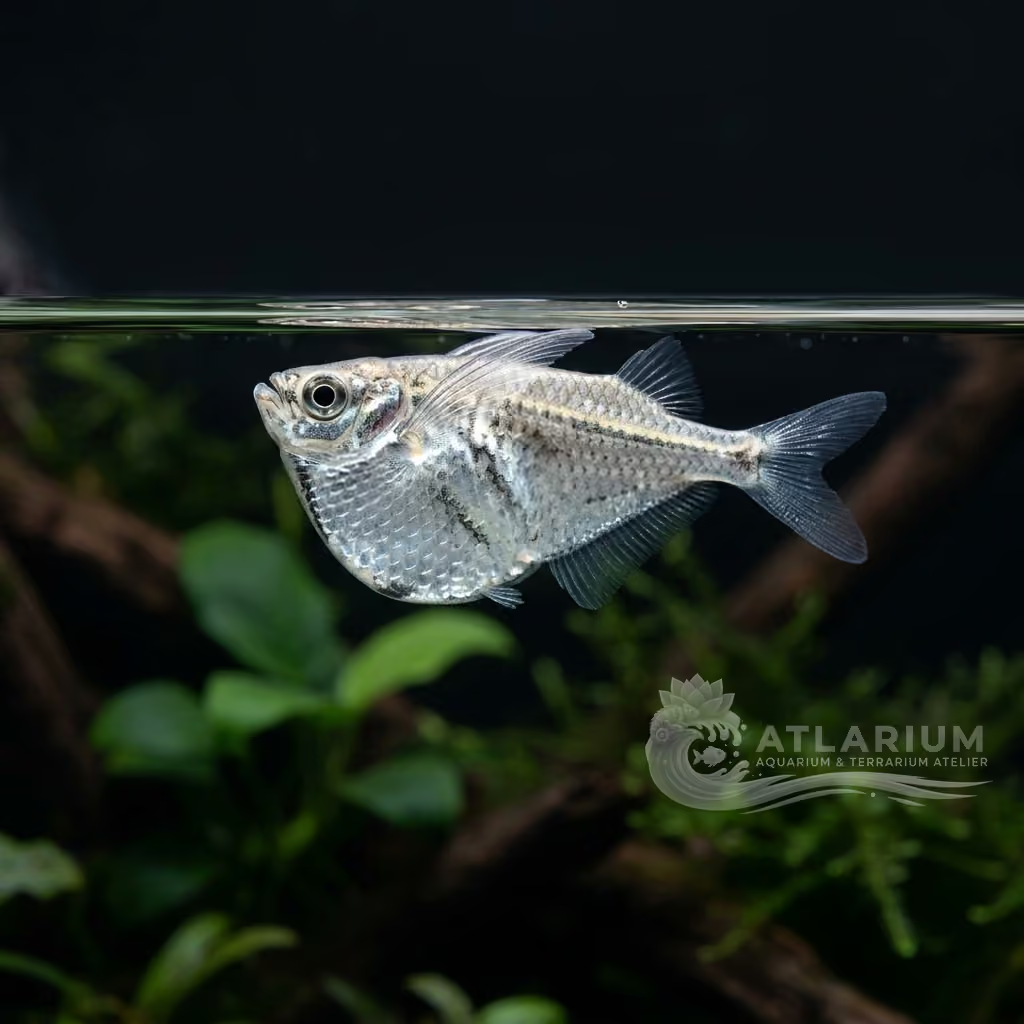
Dwarf Pike Cichlid
Wallaciia compressiceps
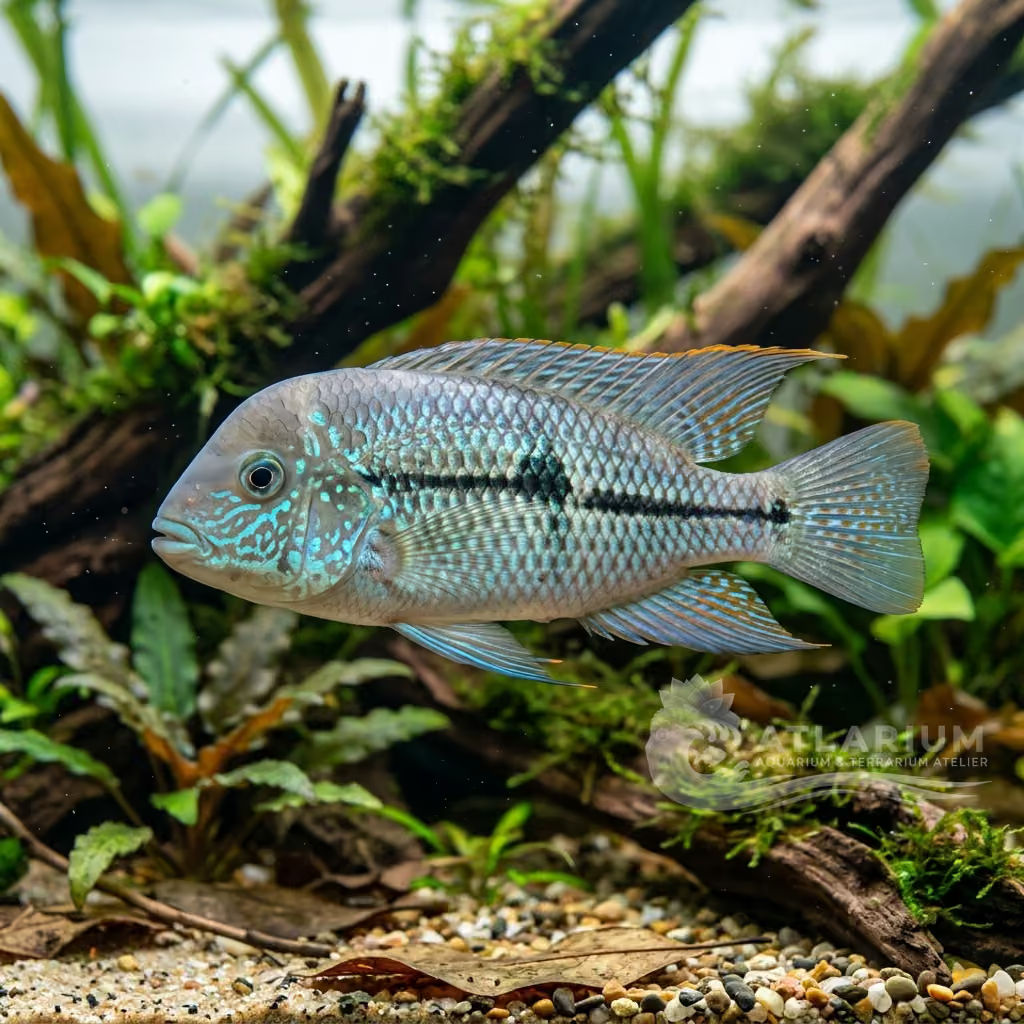
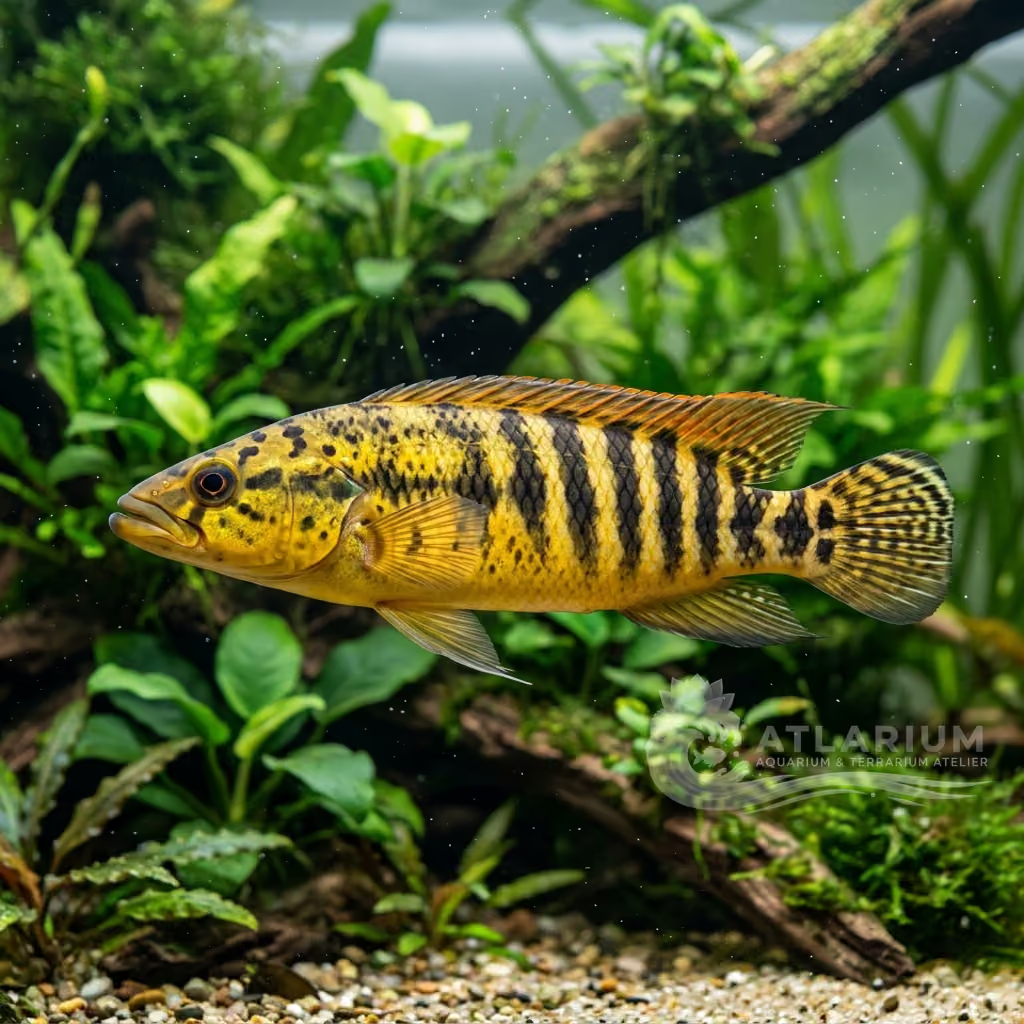
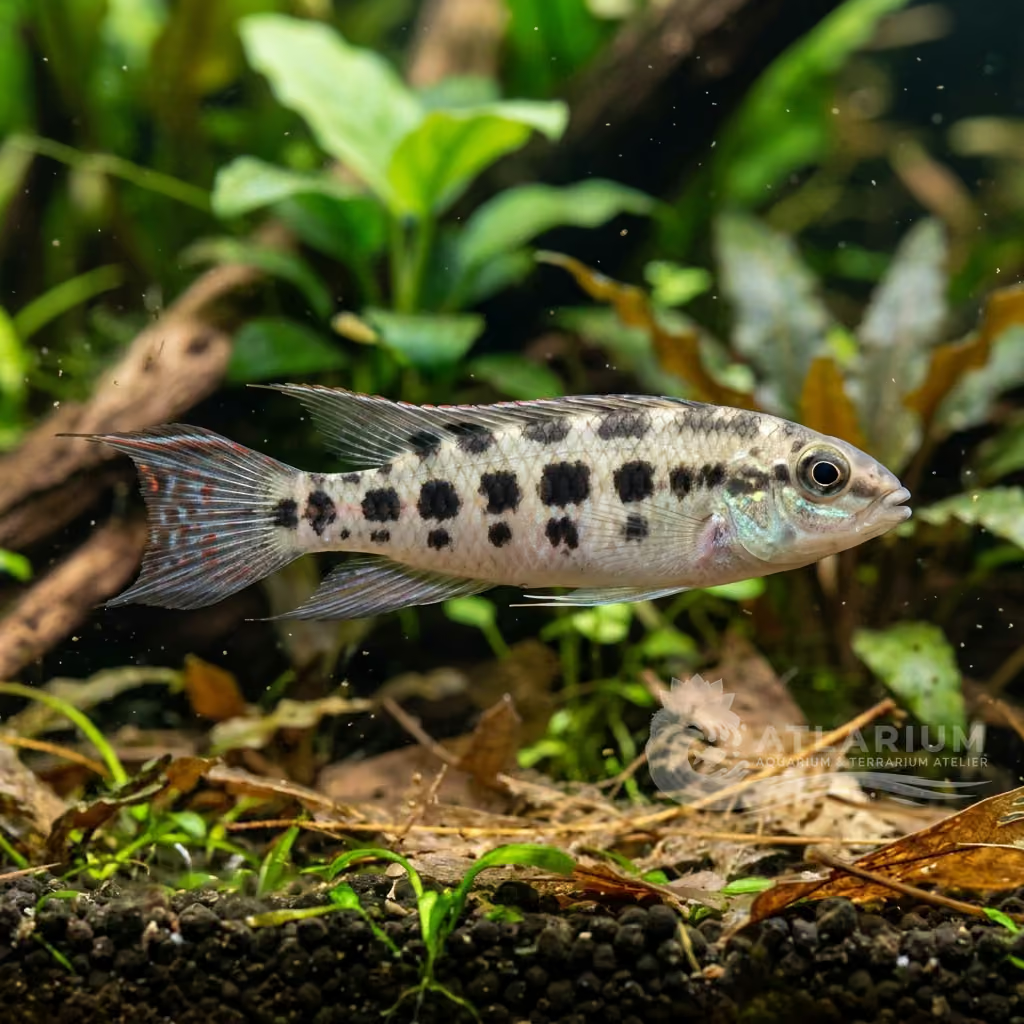
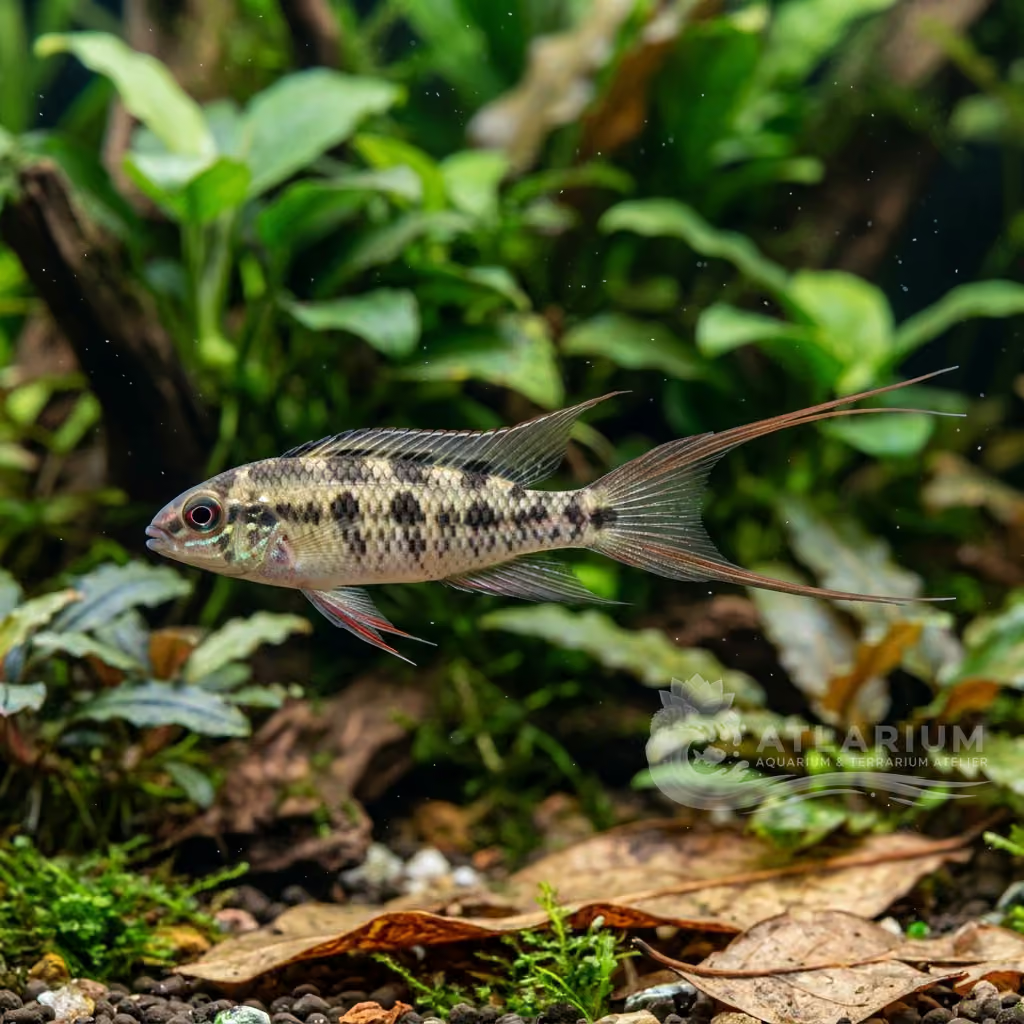
Small pike cichlid (8 cm) very aggressive with conspecifics. Unusually compressed body, bright vertical yellow stripes. Miniature rapacious carnivore.
Temperatura da água
24 - 28 °C
Valor de pH
5.5 - 7
Tipo de água
Água doce
Nível do tanque
Parte inferior e intermediária
Tamanho adulto
7 cm
Volume mínimo do tanque
>= 100 L
Grupo mínimo
>= 1
GH
1 - 8 dGH
KH
1 - 4 dKH
TDS
25 - 160 ppm
Condutividade
39 - 250 uS/cm

Descrição da espécie
Geographical Origin and Habitat: Endemic to the Tocantins River basin in Brazil, a clearwater system. Lives exclusively in strong rapids (rheophilic), hiding among crevices of rocks and pebbles.
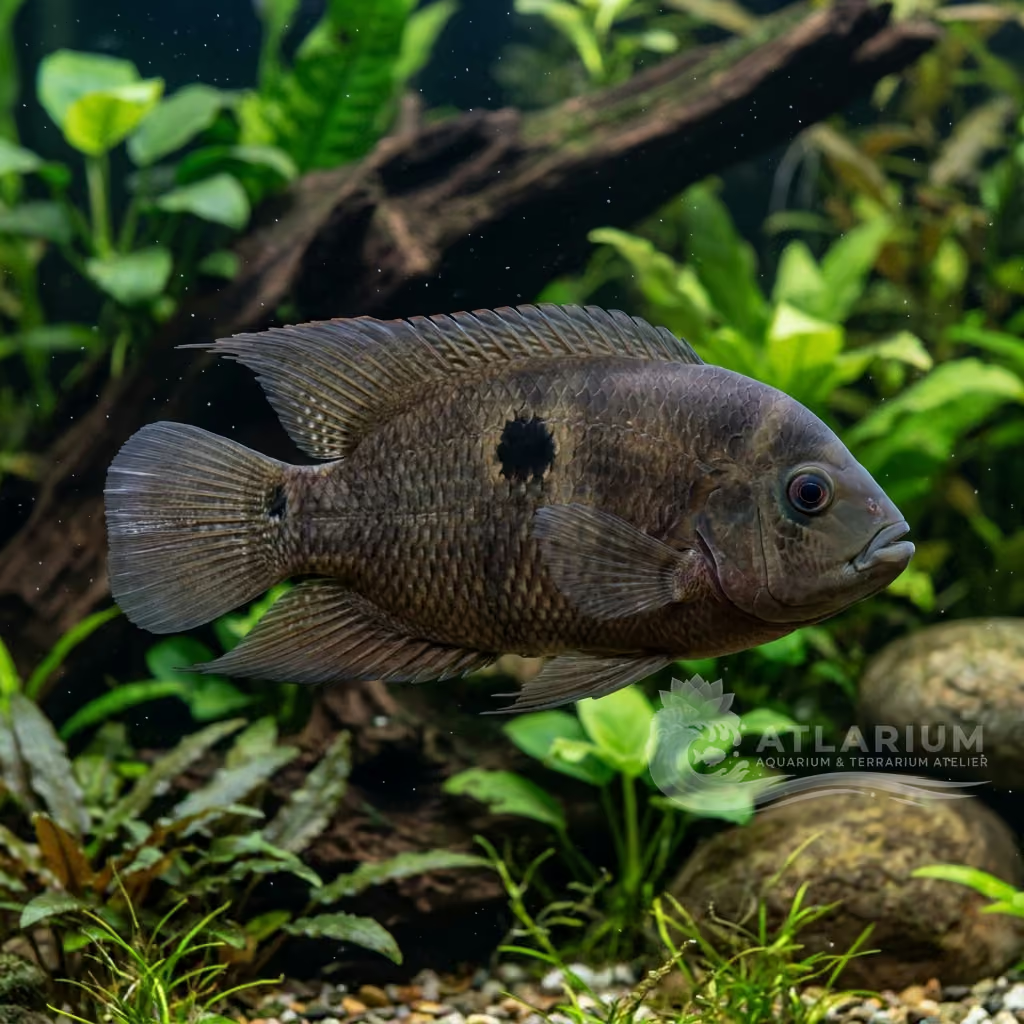
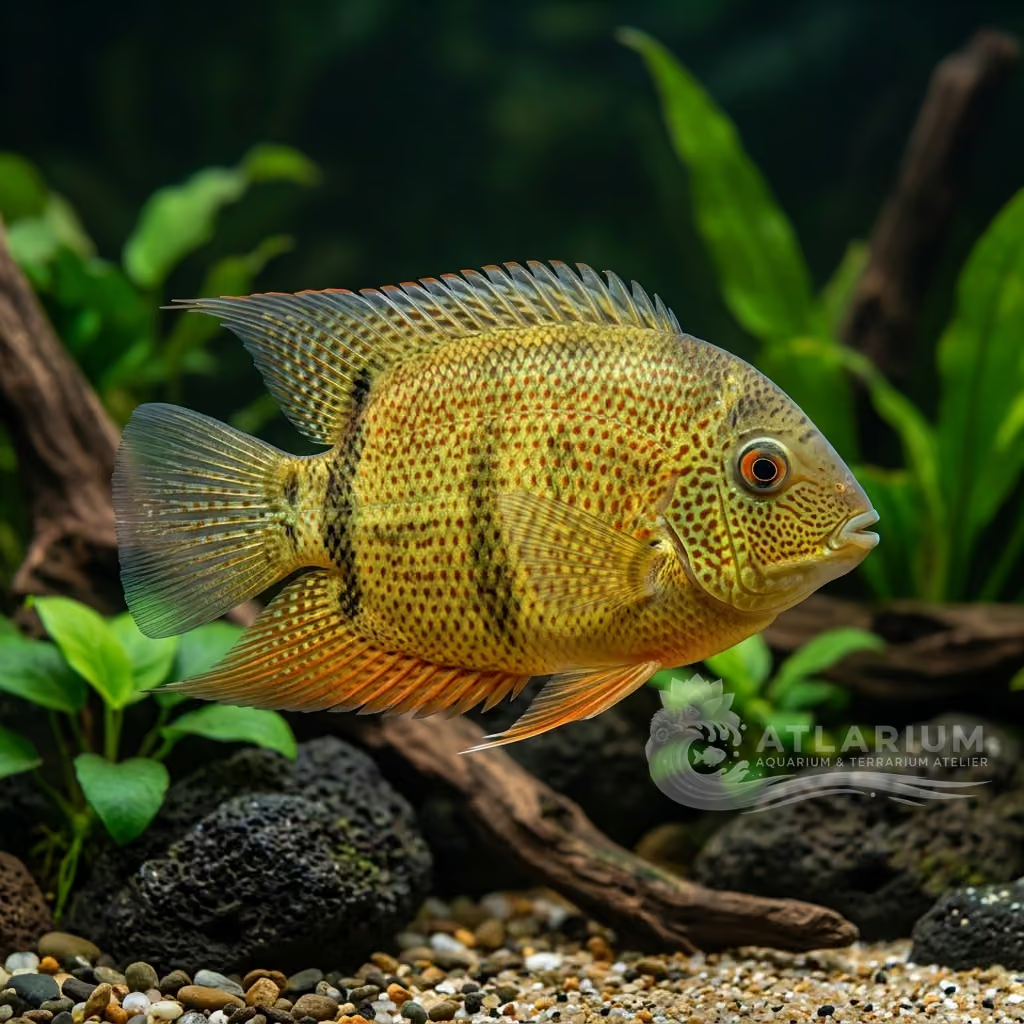
Taxonomy and Morphology: Dwarf Pike Cichlid (Wallaciia compressiceps). One of the smallest members of the vast Pike Cichlid genus. The name derives from the strongly laterally compressed head, adapted to slip between rocks.
Social Behavior: Extremely territorial with conspecifics, especially males among themselves. In nature it lives solitary or in pairs tied to rocky crevices. Aggressive if the territory is violated.
Coloration and Sexual Dimorphism: Pale yellow-green slender torpedo body, adorned with distinctive 6-8 dark vertical stripes and yellow nuances on the fins. Males have more prominent vertical stripes on the anal and dorsal fin.

Cuidado, criação e companheiros de tanque
Aquarium Setup: A rheophilic aquarium is indispensable: strong water movement (circulation pumps), pebbly sand substrate and lots of smooth rocks piled up to create labyrinths and crevices (multiple hiding places to dissipate aggression).
Diet and Feeding: Specialized carnivorous micro-predator. Actively hunts small invertebrates and fry. In the aquarium it needs bloodworms, mysis, krill, mealworms and insects. With difficulty it gets used to sinking carnivorous pellets.
Water Quality: Extremely demanding: the water must be super-oxygenated and impeccable (nitrates < 15 ppm). Massive water changes and an oversized filter are a must for this fast-water species.
Compatibility and Cohabitation: Can only coexist with fast, robust fish occupying the upper part of the aquarium (e.g. large current Characins, hatchetfish, or large rheophilic Loricariids like Chaetostoma). Devours small fish.
Aquarium Breeding: Lays eggs (about 50) in very narrow caves or dark ravines between the rocks. The female guards the eggs inside while the ruthless male defends a large outer perimeter.
Risks and Diseases: Dies of hypoxia and systemic stress if there is not enough current or if the water is minimally polluted. Tendency to jump out (closed tank!).

Origem e distribuição geográfica
Endemic to the Tocantins River basin in Brazil, a clearwater system. Lives exclusively in strong rapids (rheophilic), hiding among crevices of rocks and pebbles.
Origem
Amazônia, Orinoco e Guianas

Perfil de peixe
- Temperamento
- Semi-aggressive
- Wallaciia compressiceps is highly aggressive, territorial, and predatory, embodying the classic pike cichlid personality. They are incredibly intelligent and aware of their surroundings, often learning to recognize their owners. Their aggressive nature demands a carefully planned setup, but they reward dedicated aquarists with fascinating behavior.
- Dieta
- Omnivore
- As an apex predator in miniature, Wallaciia compressiceps requires a meaty diet of high-quality protein. In captivity, they can be trained to accept large carnivore pellets, but they thrive on frozen or live foods. Feeder fish, earthworms, and large krill are excellent staples to keep them well-fed and active.
- Expectativa de vida
- 5-8 years
- Tamanho adulto
- 7 cm
- Proporção sexual
- Pair
- It is best to keep Wallaciia compressiceps as a single, bonded pair. Forcing multiple adults into the same aquarium usually results in severe aggression and the eventual death of the subordinate fish. Buying a group of juveniles and letting a pair naturally form is the most successful method.
- Frequência de alimentação
- Twice daily
- Adult Wallaciia compressiceps should be fed one large meal per day or every other day, simulating their natural gorge-and-fast feeding patterns. Juveniles require daily feeding to support their rapid growth rates. Removing uneaten meaty foods immediately is crucial to avoid sudden ammonia spikes.
- Carga biológica
- Low to Medium
- Wallaciia compressiceps generates a significant bioload due to their predatory nature and protein-rich diet. These active fish require robust filtration to handle the organic waste they produce. Frequent, large water changes are mandatory to keep nitrate levels low and maintain a healthy environment.
- Fluxo
- Stagnant
- These cichlids appreciate moderate to strong water currents, reflecting their natural riverine habitats. Good flow helps maintain high dissolved oxygen levels, which is vital for Wallaciia compressiceps. Powerheads or strong filter outputs can be used to create the dynamic environment they prefer.
- Risco de salto
- Yes
- Wallaciia compressiceps poses a very high jump risk, as they are powerful swimmers that can launch themselves out of the water to escape aggression or catch prey. A heavy, completely sealed aquarium lid is an absolute necessity. Even small gaps around filter tubes should be covered to prevent tragic escapes.
- Reprodução
- Oviparous
- Breeding Wallaciia compressiceps is notoriously difficult and requires a dedicated species setup. They are cave spawners, so providing appropriately sized PVC pipes or rock caves is necessary. Both parents are fiercely protective of the fry and will attack any intruders with extreme prejudice.
- Compatibilidade e companheiros de tanque
- Highly aggressive
- Pike cichlids are highly predatory and extremely aggressive toward smaller fish. Wallaciia compressiceps should only be kept with robust, similarly sized, or larger species that cannot be swallowed. They can also exhibit intense conspecific aggression, meaning careful planning is required if keeping them with other cichlids.
- Nível do tanque
- Middle/Bottom
- They are primarily middle to bottom dwellers, often hovering in the water column waiting to ambush prey. Wallaciia compressiceps needs plenty of structure, such as large pieces of driftwood and rocks, to establish their territory. They will fiercely defend their chosen spot against any perceived threats.

Modelos e parâmetros científicos
FishBase
Acesso aos dados científicos oficiais da espécie
FishBase v25.04Dados sincronizados em: 15/06/2026
- Nível trófico
- 3,1 ± 0,5 se
- Resiliência
- Alta (menos de 15 meses)
- Unicidade filogenética (PD50)
- 0.5039
- Relação bayesiana comprimento-peso
- a = 0.00776, b = 3.12
- VulnerabilidadeVulnerabilidade baixa (10 / 100)

Espécies relacionadas
Recomendações agrupadas por parentes próximos, escolhas de acompanhantes e cuidados semelhantes.