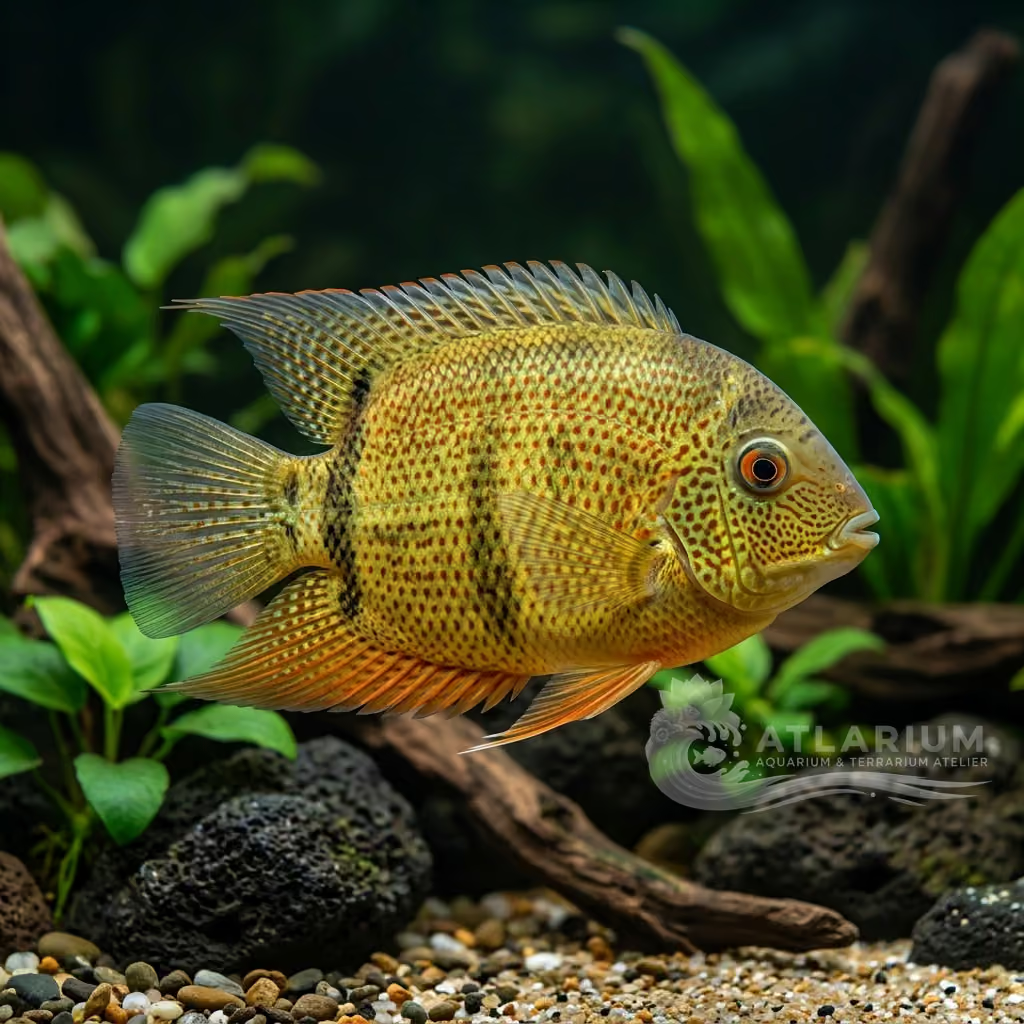
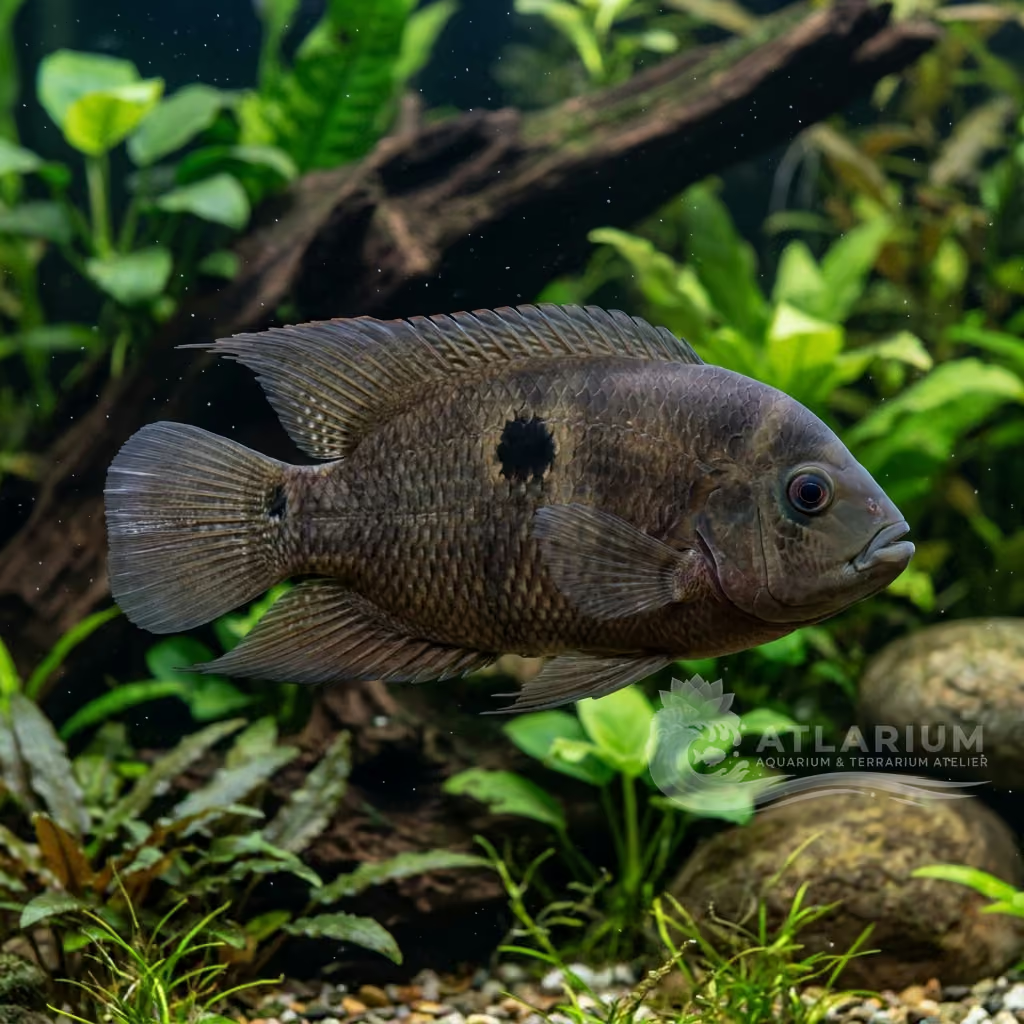
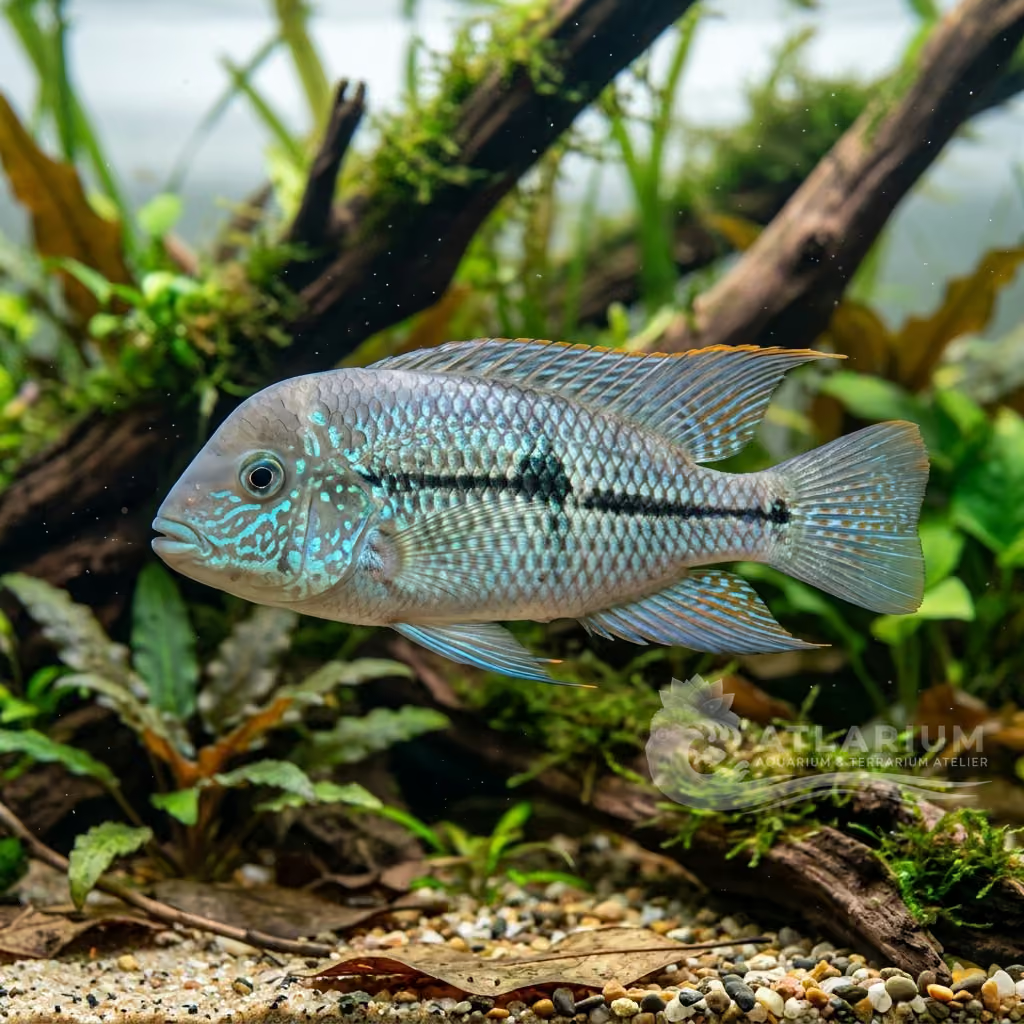
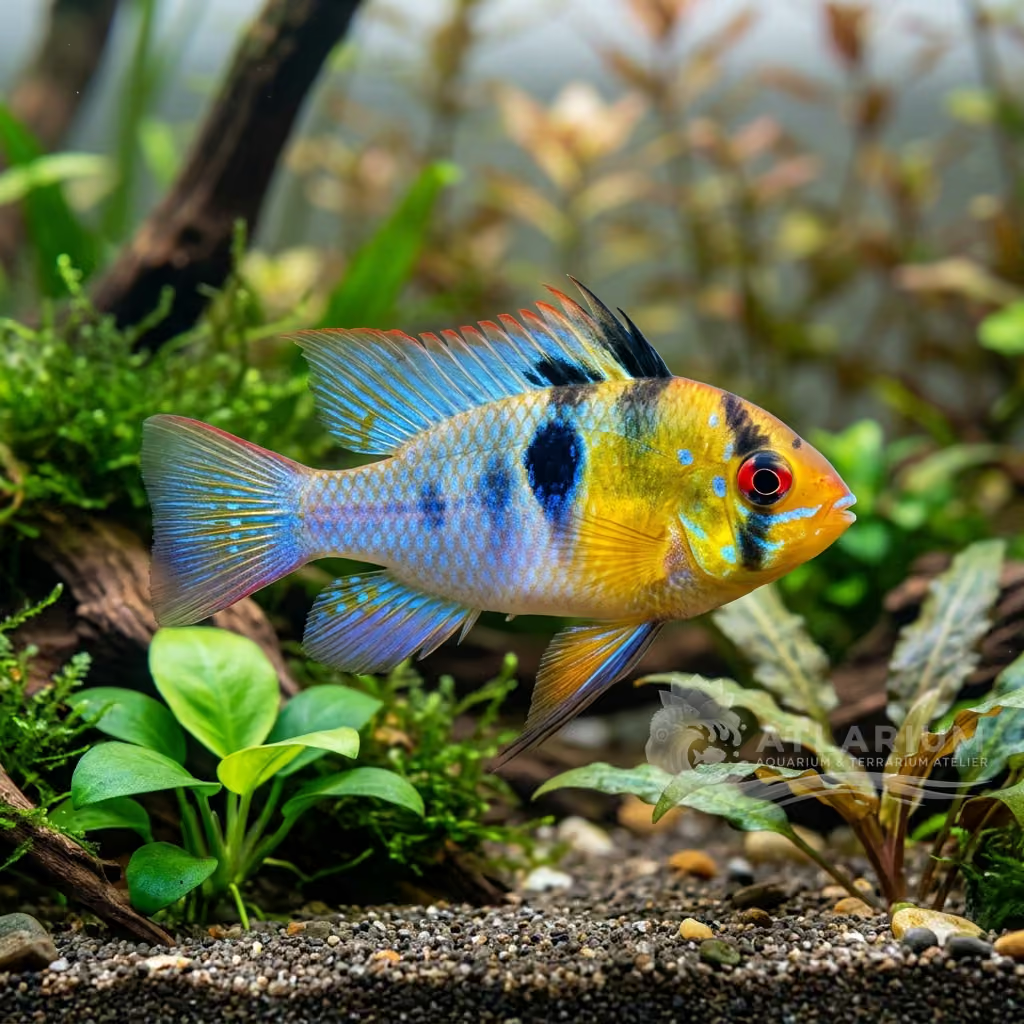
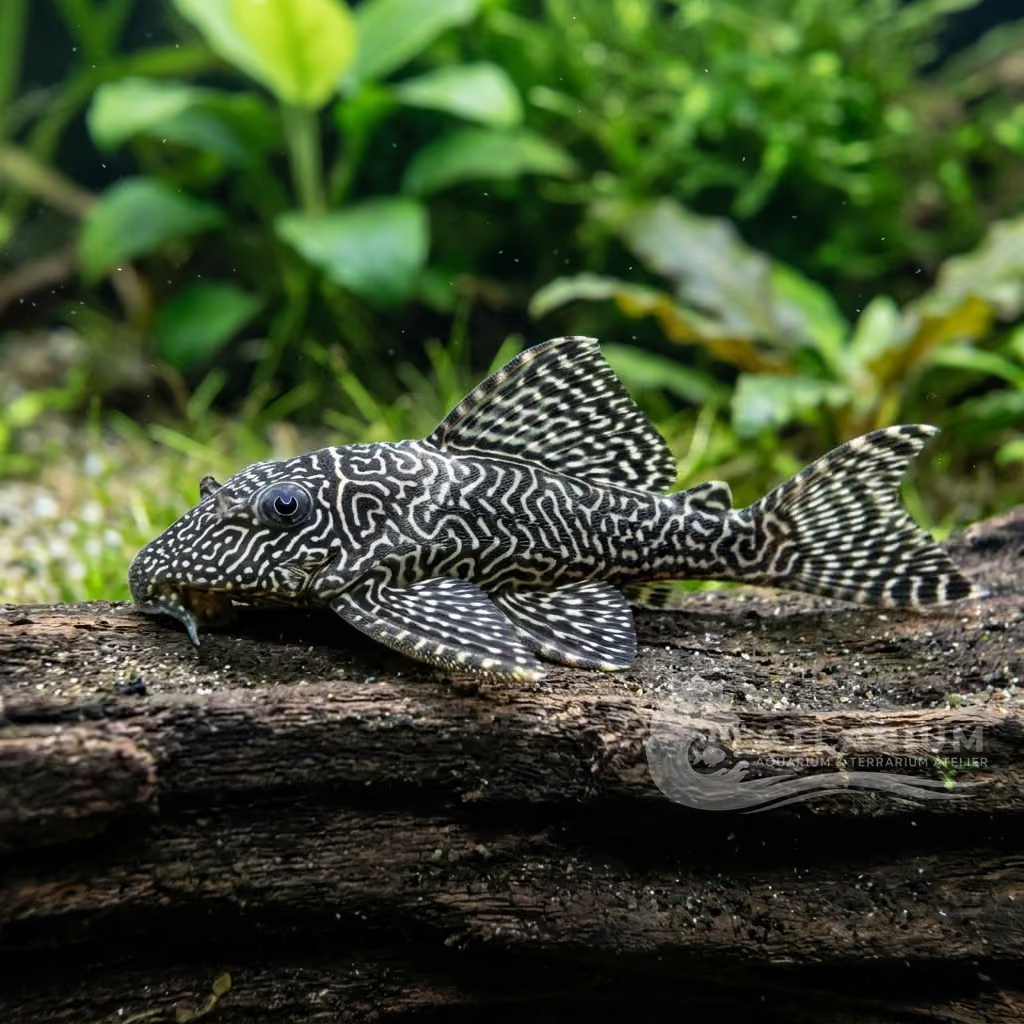
Red Shouldered Severum (Heros sp. Rotkeil)
Heros sp. "Rotkeil"
The Red-Shouldered Severum (Heros sp. "Rotkeil") is a freshwater cichlid from the Peruvian Amazon basin that reaches about 25 cm. This semi-aggressive omnivore needs a large aquarium of at least 300 litres, warm water at 25–30 °C, and a pH of 6.0–7.5.
Temperatura da água
25 - 30 °C
Valor de pH
6 - 7.5
Tipo de água
Água doce
Nível do tanque
Parte inferior e intermediária
Tamanho adulto
25 cm
Volume mínimo do tanque
>= 300 L
Grupo mínimo
>= 1
GH
2 - 12 dGH
KH
1 - 6 dKH
TDS
40 - 240 ppm
Condutividade
63 - 375 uS/cm

Descrição da espécie
Geographic Origin and Biotope: No additional source-verified editorial notes are available about geographic origin and biotope for Heros sp. "Rotkeil". Consult this record's parameters and sources.
Taxonomy and Morphology: No additional source-verified editorial notes are available about taxonomy and morphology for Heros sp. "Rotkeil". Consult this record's parameters and sources.
Social Behaviour: No additional source-verified editorial notes are available about social behaviour for Heros sp. "Rotkeil". Consult this record's parameters and sources.
Colouration and Sexual Dimorphism: No additional source-verified editorial notes are available about colouration and sexual dimorphism for Heros sp. "Rotkeil". Consult this record's parameters and sources.

Cuidado, criação e companheiros de tanque
Aquarium Setup: Guidance about aquarium setup for Heros sp. "Rotkeil" must rely exclusively on the parameters and sources listed on this record.
Feeding and Diet: Guidance about feeding and diet for Heros sp. "Rotkeil" must rely exclusively on the parameters and sources listed on this record.
Water Quality: Guidance about water quality for Heros sp. "Rotkeil" must rely exclusively on the parameters and sources listed on this record.
Compatibility and Coexistence: Guidance about compatibility and coexistence for Heros sp. "Rotkeil" must rely exclusively on the parameters and sources listed on this record.
Aquarium Breeding: Guidance about aquarium breeding for Heros sp. "Rotkeil" must rely exclusively on the parameters and sources listed on this record.
Risks and Disease: Guidance about risks and disease for Heros sp. "Rotkeil" must rely exclusively on the parameters and sources listed on this record.

Origem e distribuição geográfica
Esta espécie é originária de: Sud America (Perù, Bacino dell'Amazzonia peruviana).
Origem
Amazônia, Orinoco e Guianas

Perfil de peixe
- Temperamento
- Semi-aggressive
- They are renowned for their peaceful, almost dog-like temperament and intelligence. Severums quickly learn to recognize their owners and will often beg for food at the front of the glass. While peaceful, they have a robust build and will firmly defend themselves if bothered by aggressive fish. Their calm demeanor makes them a favorite among South American cichlid enthusiasts.
- Dieta
- Omnivore
- Severums are omnivorous with a strong preference for plant matter in their daily diet. They will readily consume high-quality cichlid pellets, spirulina flakes, and fresh blanched vegetables like zucchini or peas. Meaty foods such as bloodworms and brine shrimp should be offered sparingly as treats. Live aquarium plants are often viewed as a food source and may be eagerly consumed.
- Expectativa de vida
- 10-12 years
- Tamanho adulto
- 25 cm
- Proporção sexual
- Pair
- Sexing severums can be challenging, but mature males often develop distinct facial markings and extended fin trailers. Females are generally slightly smaller and have a plainer facial pattern without the intense worm-like markings. They are best kept in pairs or as a single focal point fish in a community setting. Keeping multiple males may lead to mild territorial posturing in smaller tanks.
- Frequência de alimentação
- Twice daily
- These cichlids thrive when fed one to two times a day with a carefully balanced diet. Offer only what they can consume within a few minutes to prevent food decay and water fouling. Growing juveniles can be fed slightly more often to support healthy development. Providing a scheduled fasting day once a week can help prevent digestive issues.
- Carga biológica
- Medium to High
- Severums are substantial fish that produce a considerable amount of waste as they grow. Adequate filtration, such as a large canister filter, is necessary to maintain excellent water quality. Weekly water changes of at least thirty percent are recommended to keep nitrates low. Proper tank maintenance ensures these cichlids do not suffer from stress-related illnesses.
- Fluxo
- Stagnant
- They prefer gentle to moderate water flow, mimicking the sluggish rivers and calm lakes of their native South America. Overly turbulent water can cause them stress and make it difficult for them to swim naturally. Standard filtration flow is usually adequate without the need for additional powerheads. Ensure there are calm areas decorated with driftwood for them to rest.
- Risco de salto
- No
- Reprodução
- Oviparous
- Depending on the exact species, severums are either substrate spawners or specialized mouthbrooders. They form strong monogamous pairs and display intense parental care during the breeding process. Substrate spawners will clean a flat rock to lay eggs, while mouthbrooders will protect the fry inside their mouths. Breeding pairs can become territorial, so a separate breeding tank is often recommended.
- Compatibilidade e companheiros de tanque
- Semi-aggressive
- Unlike many large cichlids, severums are remarkably peaceful and make great additions to large community tanks. They can be safely housed with other peaceful to semi-aggressive fish of similar size. They generally ignore smaller fish, though extremely tiny species might occasionally be eaten by large adults. They pair well with peaceful catfish, large tetras, and other mild-mannered cichlids.
- Nível do tanque
- Middle/Bottom
- Severums are versatile swimmers that utilize the middle and lower levels of the water column. They enjoy navigating through complex environments made of submerged branches, roots, and smooth rocks. They will occasionally venture to the surface during feeding time. Providing vertical structures gives them a sense of security and encourages natural behavior.

Espécies relacionadas
Recomendações agrupadas por parentes próximos, escolhas de acompanhantes e cuidados semelhantes.