Golden Vampire Pleco
Leporacanthicus heterodon
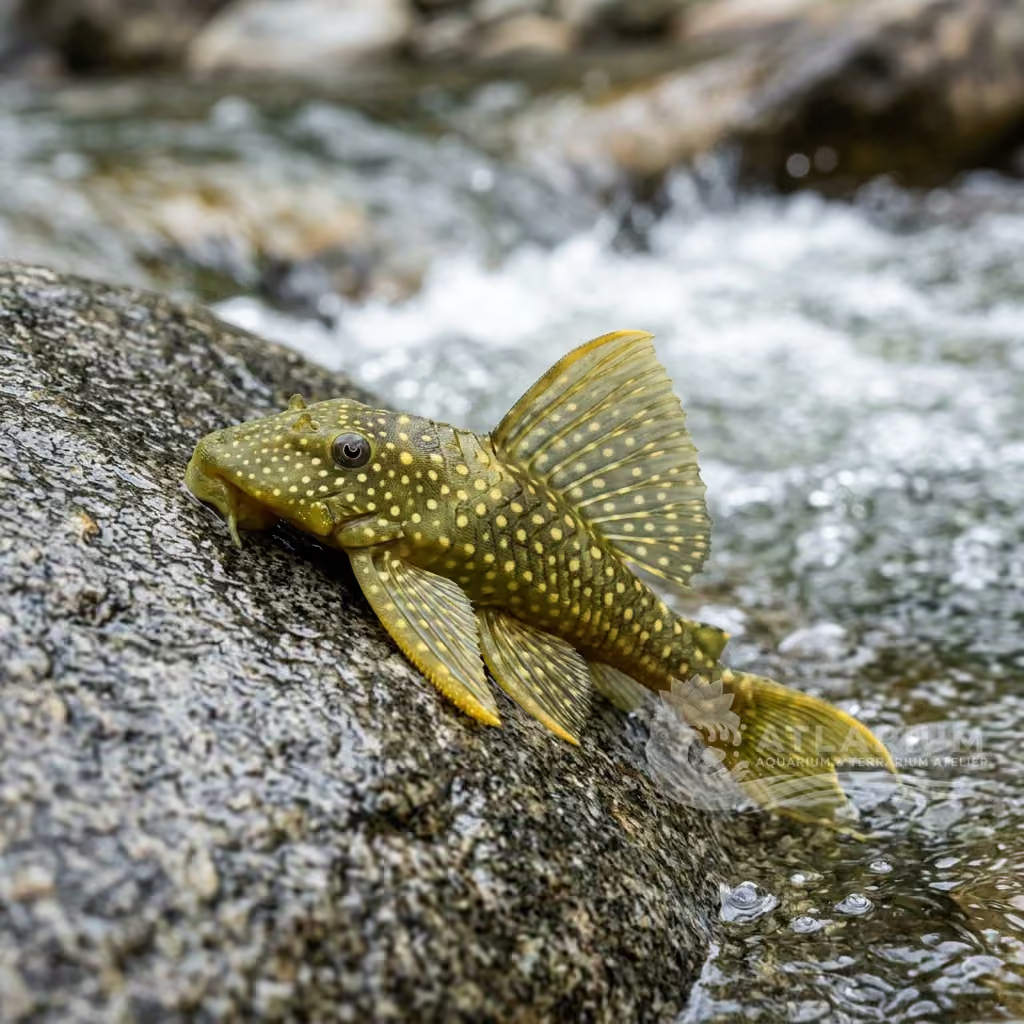
The Golden Vampire Pleco inhabits turbulent rapids in Brazil's Xingu River. It demands a formidable current and multiple ceramic caves or smooth rocky crevices in a large, highly oxygenated tank.
Temperatura da água
25 - 30 °C
Valor de pH
6 - 7.4
Tipo de água
Água doce
Nível do tanque
Parte inferior
Tamanho adulto
16 cm
Volume mínimo do tanque
>= 250 L
Grupo mínimo
>= 1
GH
2 - 12 dGH
KH
2 - 10 dKH
TDS
50 - 280 ppm
Condutividade
78 - 438 uS/cm

Descrição da espécie
Geographical Origin and Habitat: Xingu River basin in Brazil (cataloged as L172a). Inhabits turbulent rapids, irregular rocky bottoms, and extensive crevices immersed in strong currents, in hot and super-oxygenated Amazonian environments.
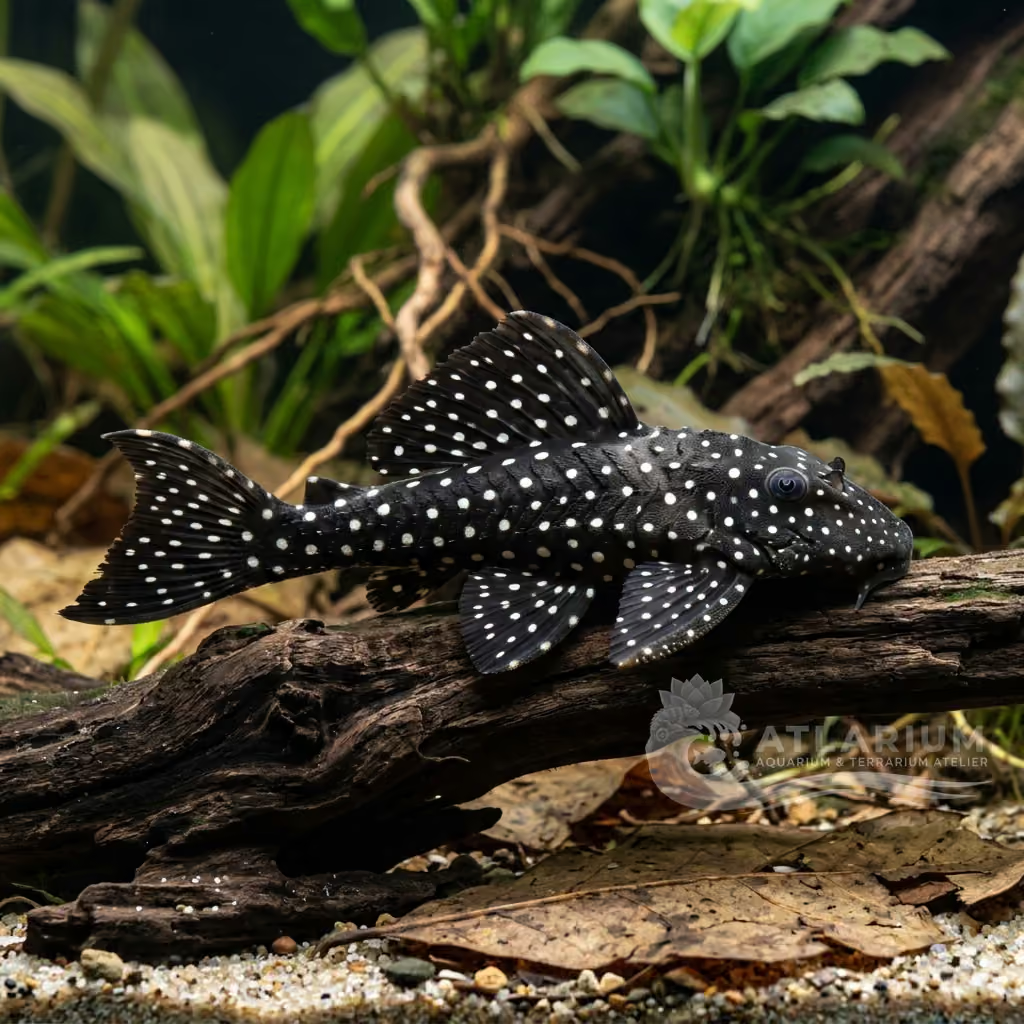
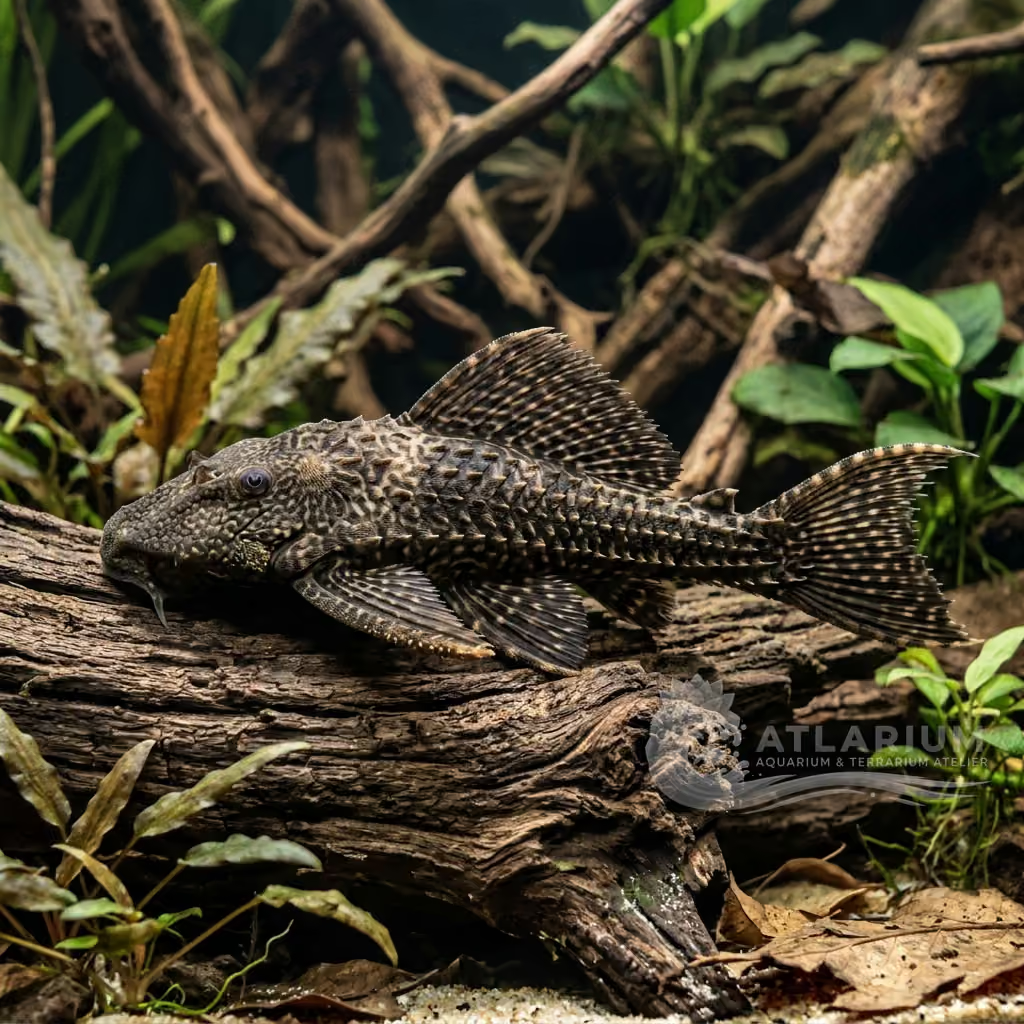
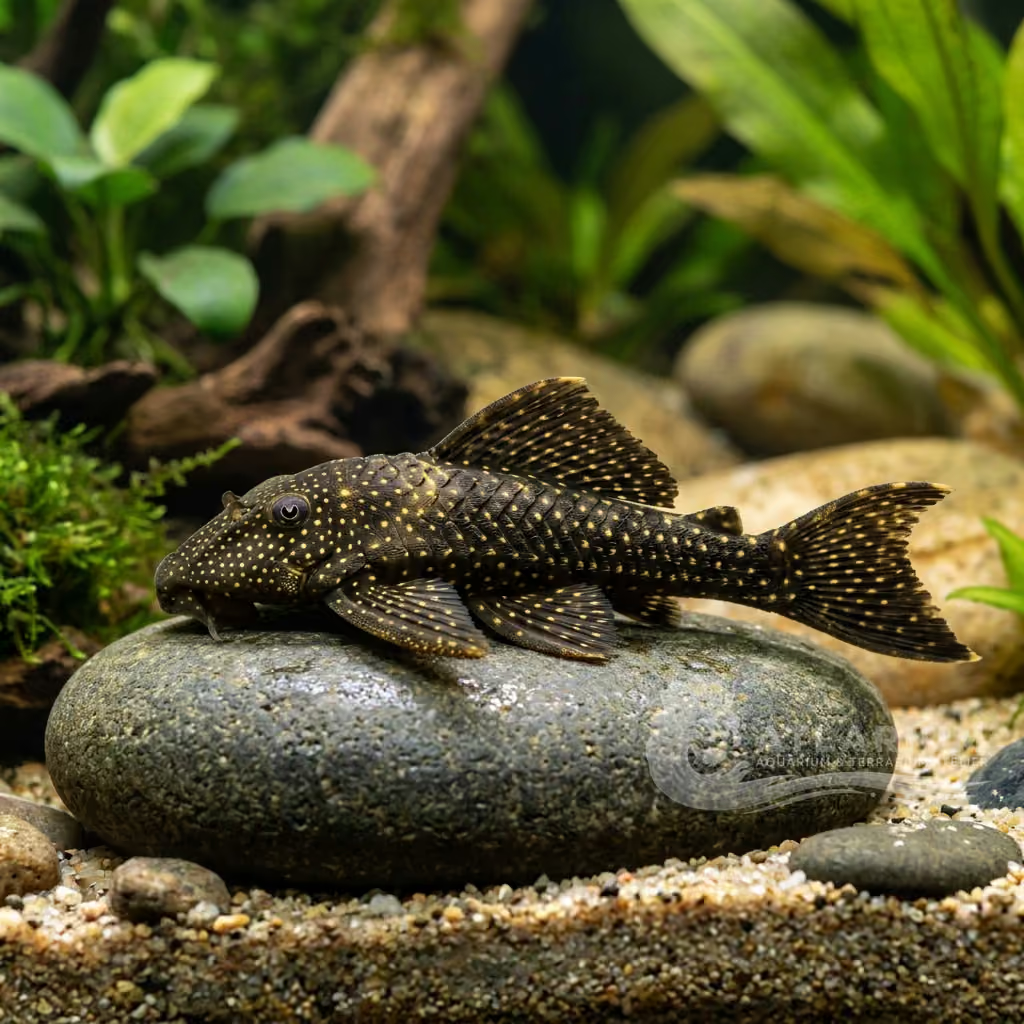
Taxonomy and Morphology: Golden Vampire Pleco (L172a / Leporacanthicus heterodon). It owes its unsettling name to the conspicuous and huge "teeth" positioned on the upper jaw. The snout is very elongated (differentiating it from Pseudacanthicus).
Social Behavior: Moderately aggressive and nocturnal species. Guards its daytime territory (a hollow log or a cave) by abruptly driving away intruders. If hosting multiple specimens, broken sight lines and abundant caves are imperative.
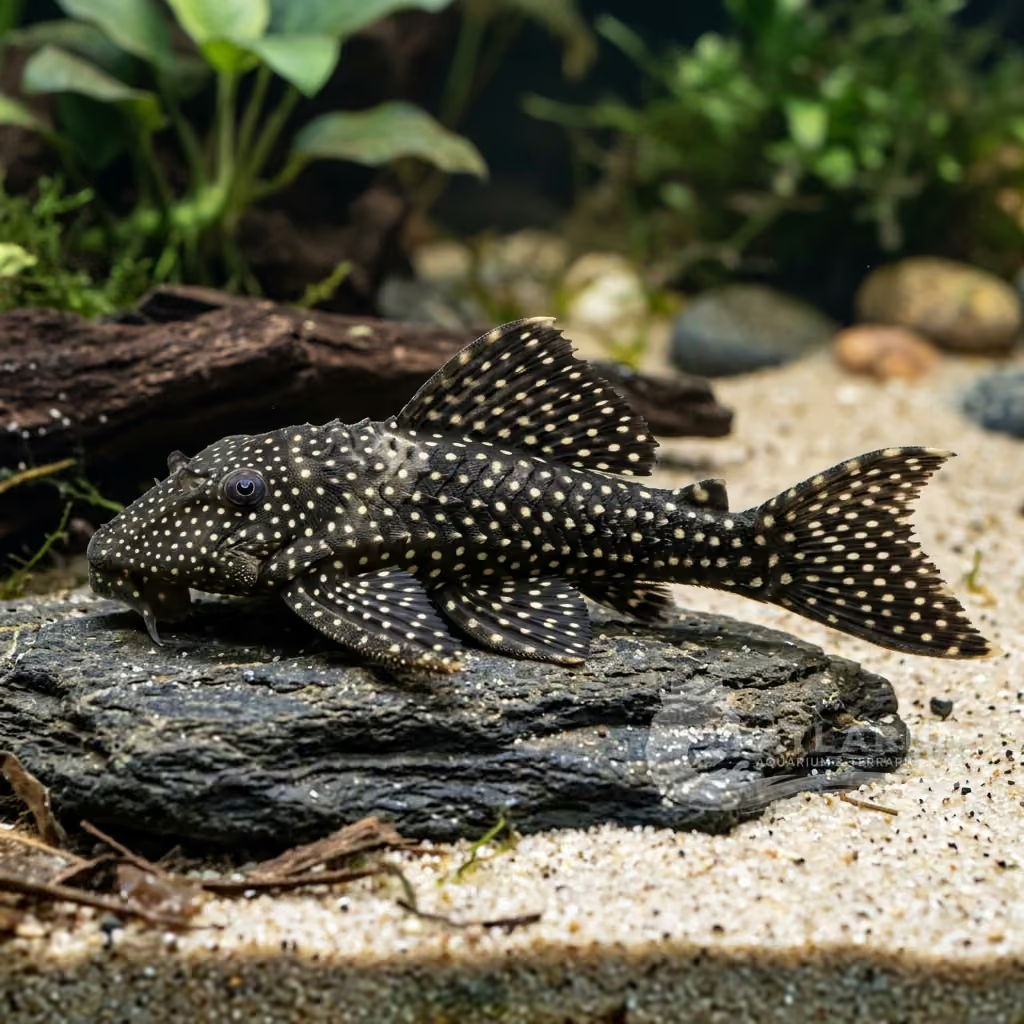
Coloration and Sexual Dimorphism: Breathtaking livery. Dark body studded with dense bright yellow / intense golden ("Golden") polka dots. Males possess a stockier and flattened head, with evident thickened odontodes (dermal spines) on the body and pectoral fins.

Cuidado, criação e companheiros de tanque
Aquarium Setup: Minimum 120-150 cm (48-60 inches) tank. A formidable current and multiple ceramic caves or crevices built by stacking solid fixed smooth rocks are indispensable. Avoid sharp gravel.
Diet and Feeding: Strictly Carnivore. Uses its powerful "vampire teeth" to extract mollusks (snails) or crustaceans from their shells. Feed generously with mussel meat, shrimp, protein bottom tablets, and earthworms. It is not an algae eater.
Water Quality: Warm waters (25-30°C / 77-86°F) typical of the Xingu biotope. Strictly demands crystalline organic purity and very strong oxygenation. Poor water flows and accumulation of debris on the bottom will expose it to infections.
Compatibility and Cohabitation: Rough with fellow bottom dwellers. Avoid coexistence with small Corydoras that could be bothered or injured. Ideal with robust mid-water Cichlids (Satanoperca, Geophagus) or large Characins (Metynnis).
Aquarium Breeding: Challenge for expert aquarists (spawning in closed caves). The male fiercely guards the entrance after trapping the female. Hatching requires abundant live foods (nauplii) to avoid fraternal cannibalism.
Risks and Diseases: Besides intolerance to nitrogenous pollution, it can easily get stuck in hollow ornaments and inadequate crevices, given the rigidity of its spiny armor. Design open layouts.

Origem e distribuição geográfica
Xingu River basin in Brazil (cataloged as L172a). Inhabits turbulent rapids, irregular rocky bottoms, and extensive crevices immersed in strong currents, in hot and super-oxygenated Amazonian environments.
Origem
Amazônia, Orinoco e Guianas

Perfil de peixe
- Temperamento
- Semi-aggressive
- They are highly territorial over their caves. Aggression is directed at similar species. Otherwise, they ignore mid-water fish.
- Dieta
- Carnivore
- Leporacanthicus heterodon requires a meaty diet. Feed it sinking carnivore pellets. Fresh vegetables can be offered occasionally.
- Expectativa de vida
- 8-12 years
- Tamanho adulto
- 16 cm
- Proporção sexual
- Flexible
- Keep one male per tank. Multiple females can be kept. Males are very territorial.
- Frequência de alimentação
- Twice daily
- Feed them once a day. Nighttime feeding is preferred. Remove uneaten food promptly.
- Carga biológica
- Medium
- Leporacanthicus heterodon generates a high bioload. This is due to its size and diet. Strong filtration is required.
- Fluxo
- Stagnant
- This species thrives in strong water flow. Good oxygenation is essential. Use powerheads to simulate natural rivers.
- Risco de salto
- No
- Reprodução
- Oviparous
- Breeding in captivity is difficult. They are cave spawners. The male guards the eggs.
- Compatibilidade e companheiros de tanque
- With caution
- It is peaceful with top-dwelling fish. It can be aggressive to other bottom dwellers. Keep it as the only pleco.
- Nível do tanque
- Bottom
- Leporacanthicus heterodon is a bottom-dwelling fish. It needs plenty of hiding spots. Driftwood and caves are necessary.

Modelos e parâmetros científicos
FishBase
Acesso aos dados científicos oficiais da espécie
FishBase v25.04Dados sincronizados em: 15/06/2026
- Resiliência
- Média (1,4 - 4,4 anos)
- Unicidade filogenética (PD50)
- 0.5625
- Relação bayesiana comprimento-peso
- a = 0.01514, b = 2.99
- VulnerabilidadeVulnerabilidade baixa (10 / 100)

Espécies relacionadas
Recomendações agrupadas por parentes próximos, escolhas de acompanhantes e cuidados semelhantes.