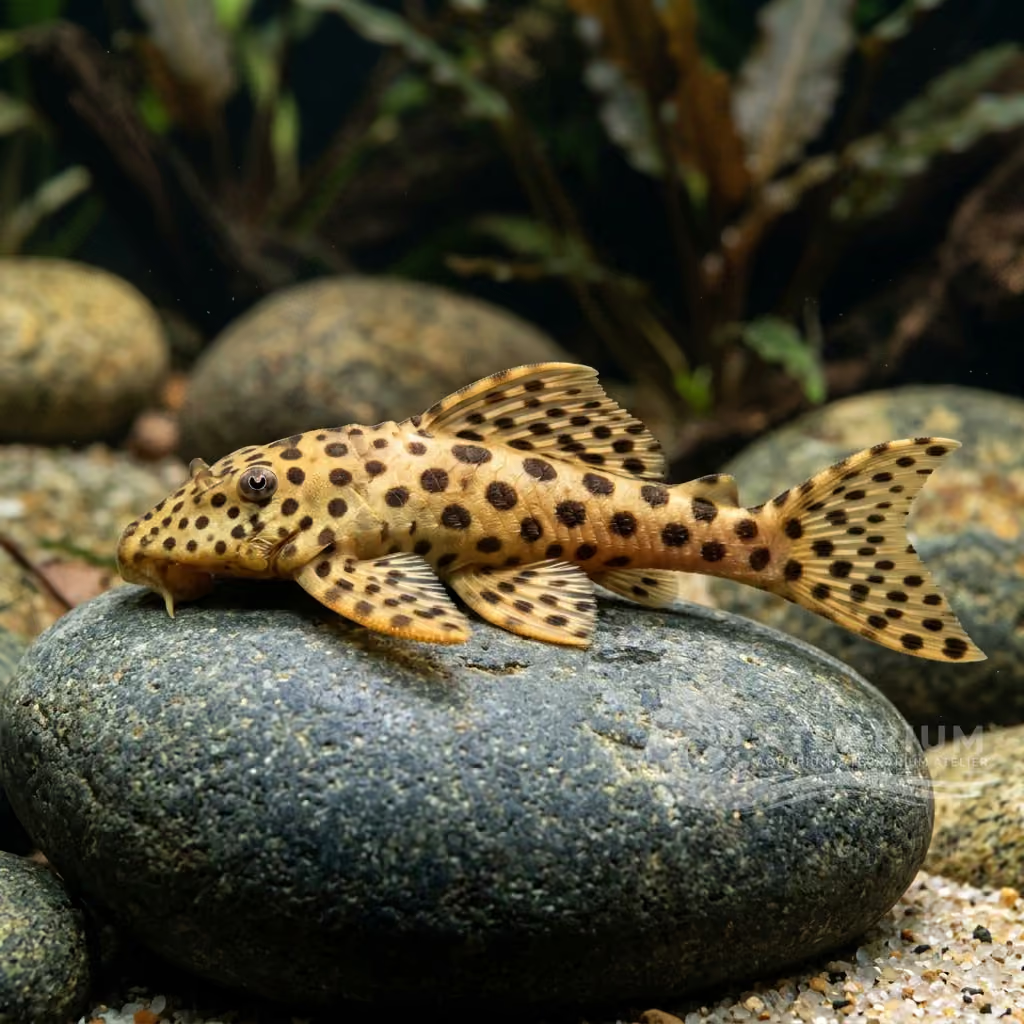
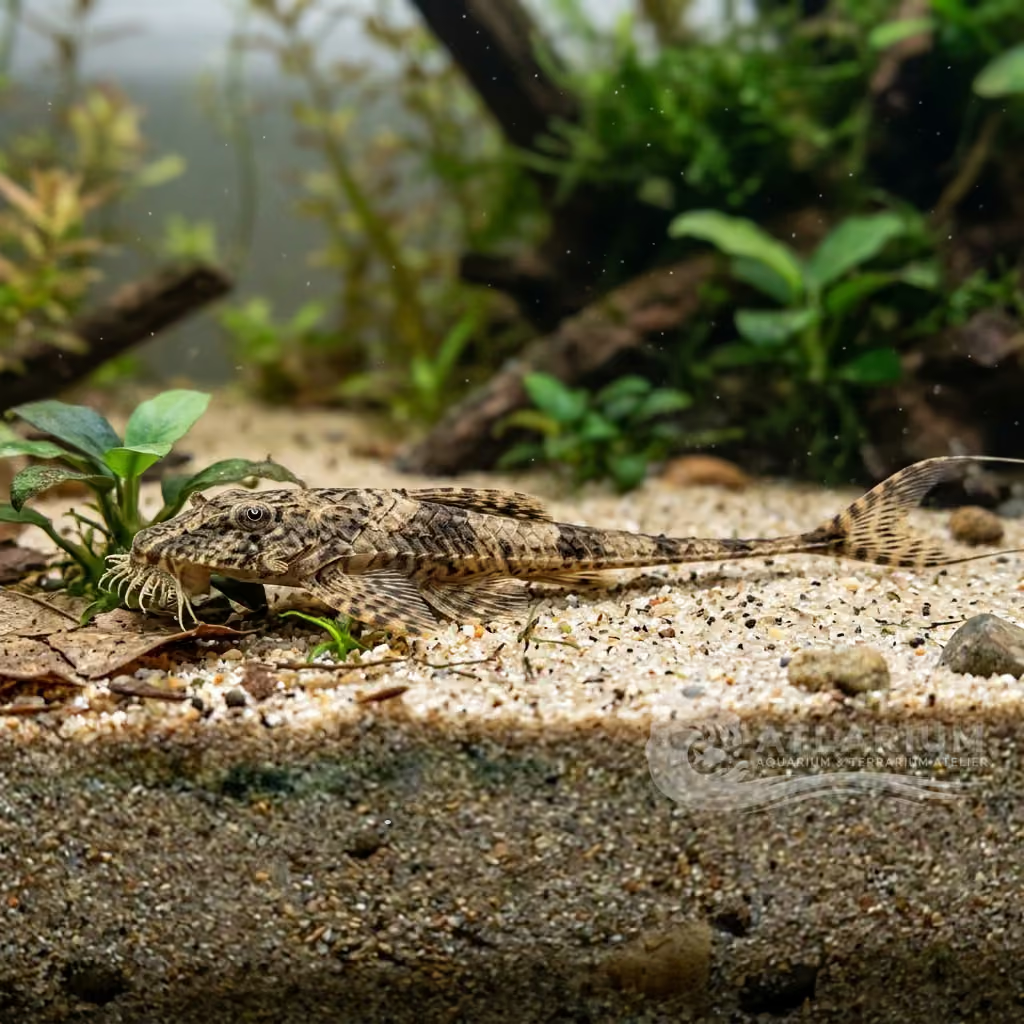
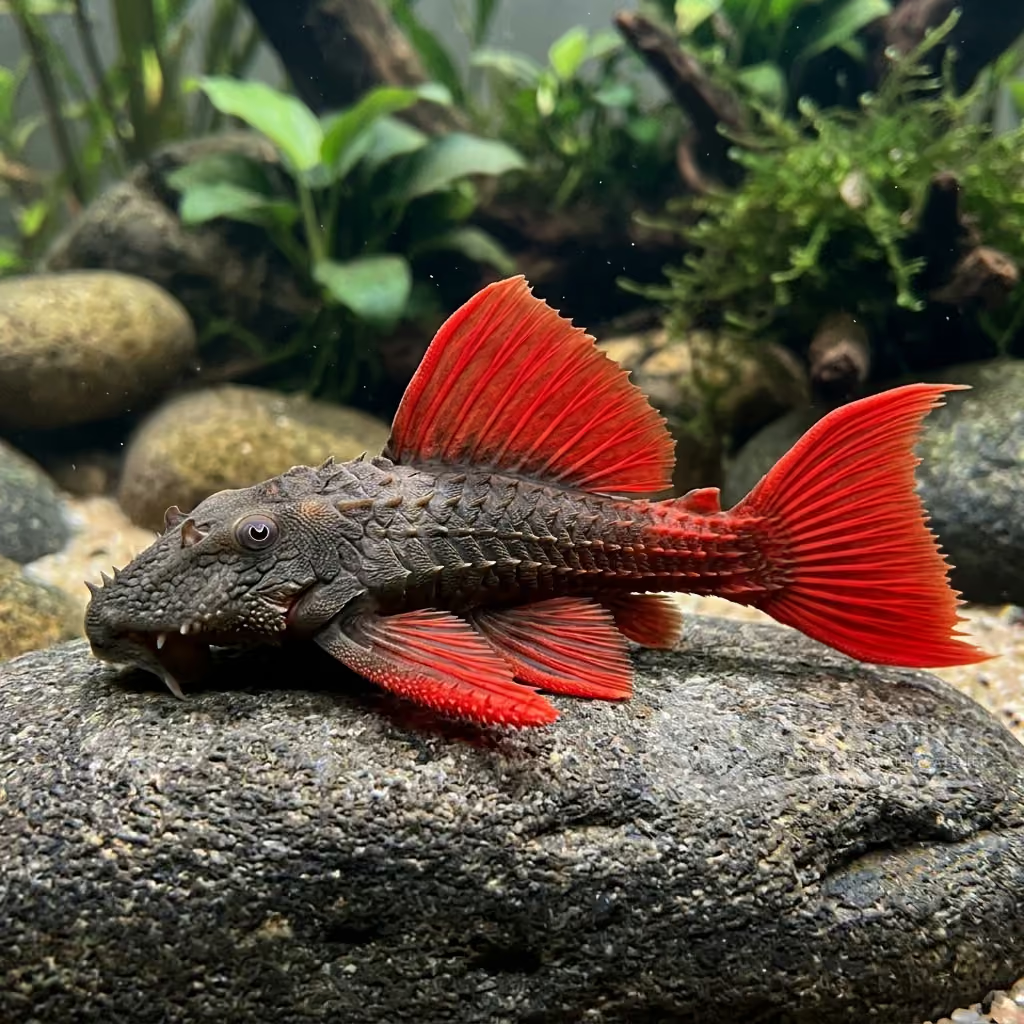
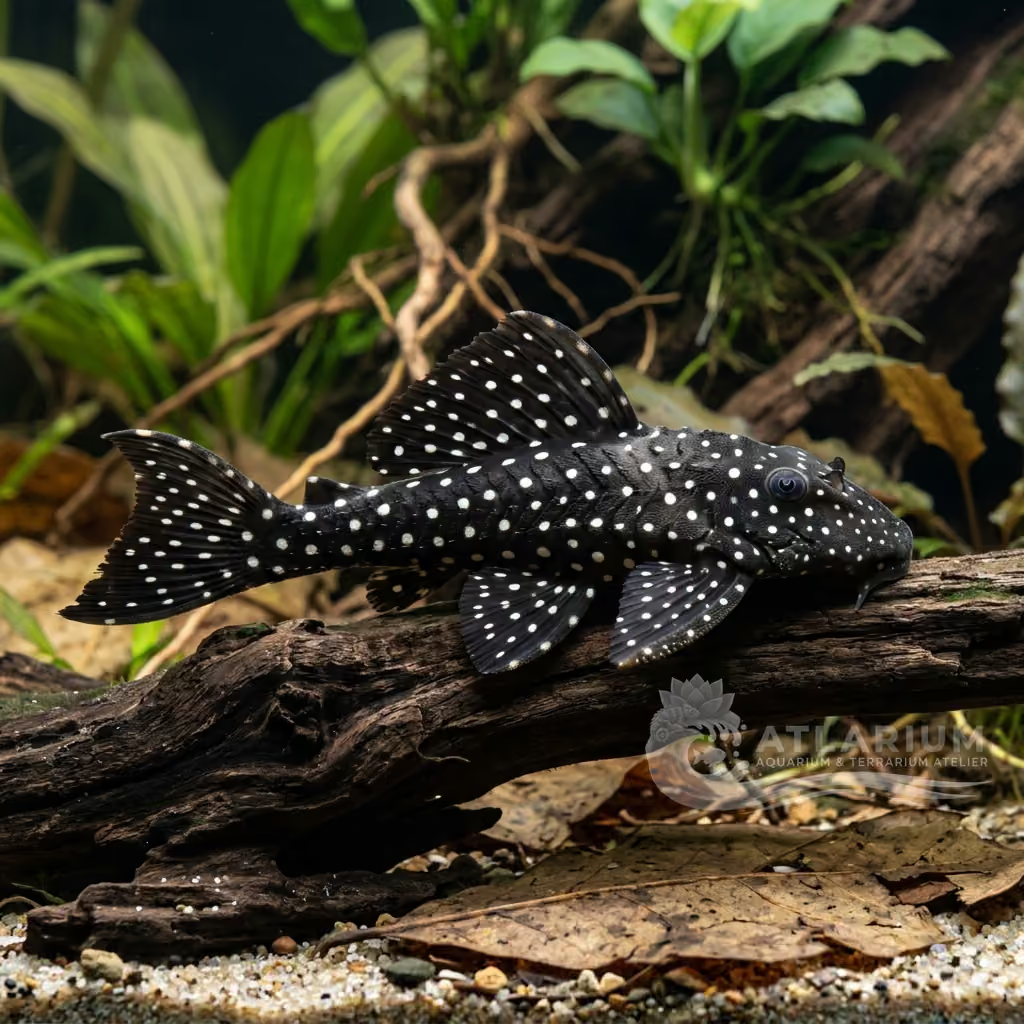
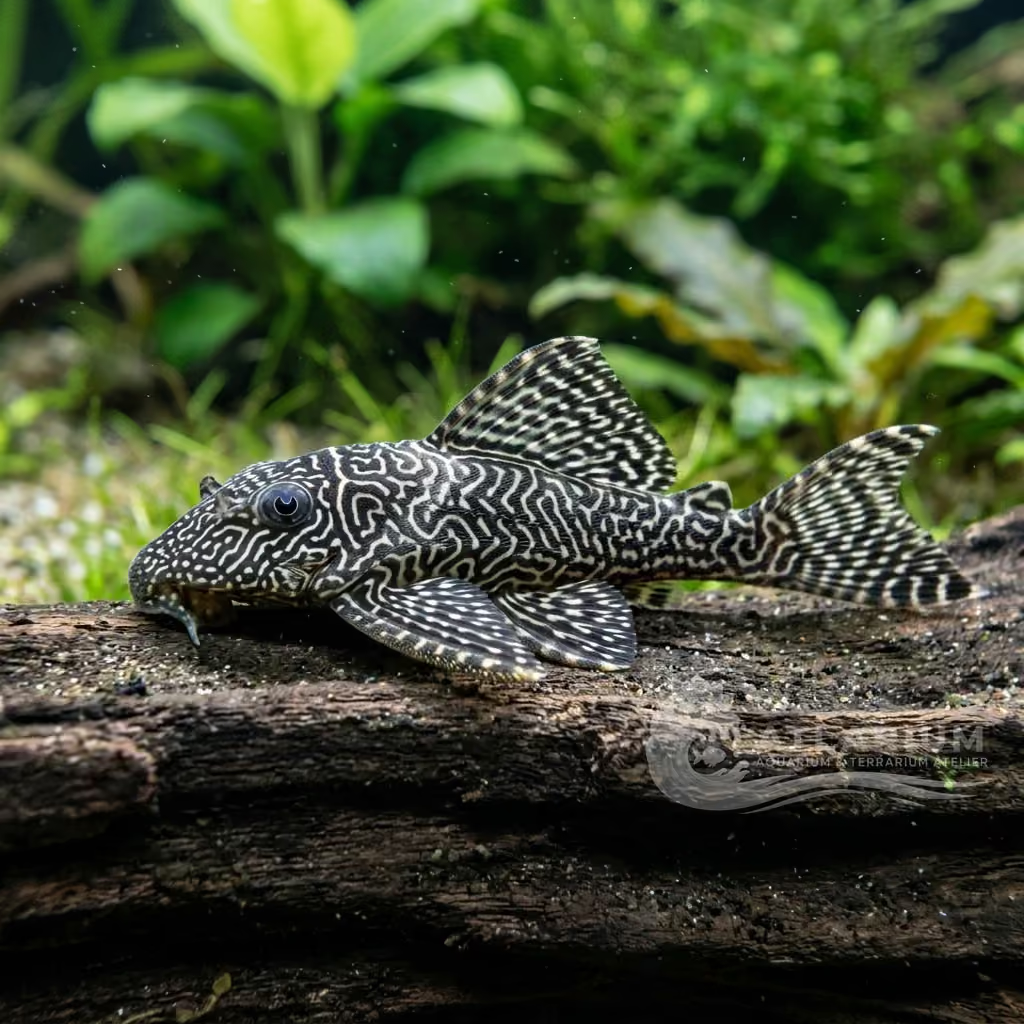
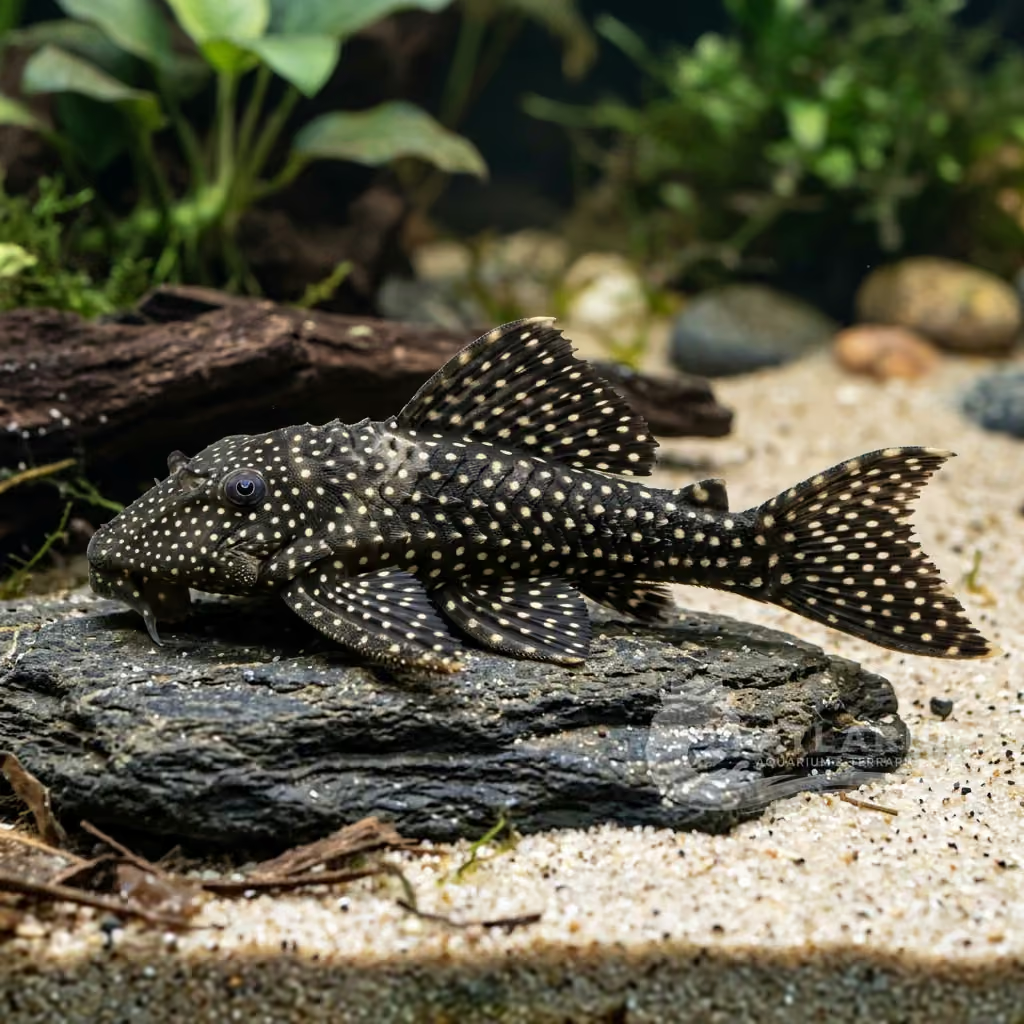
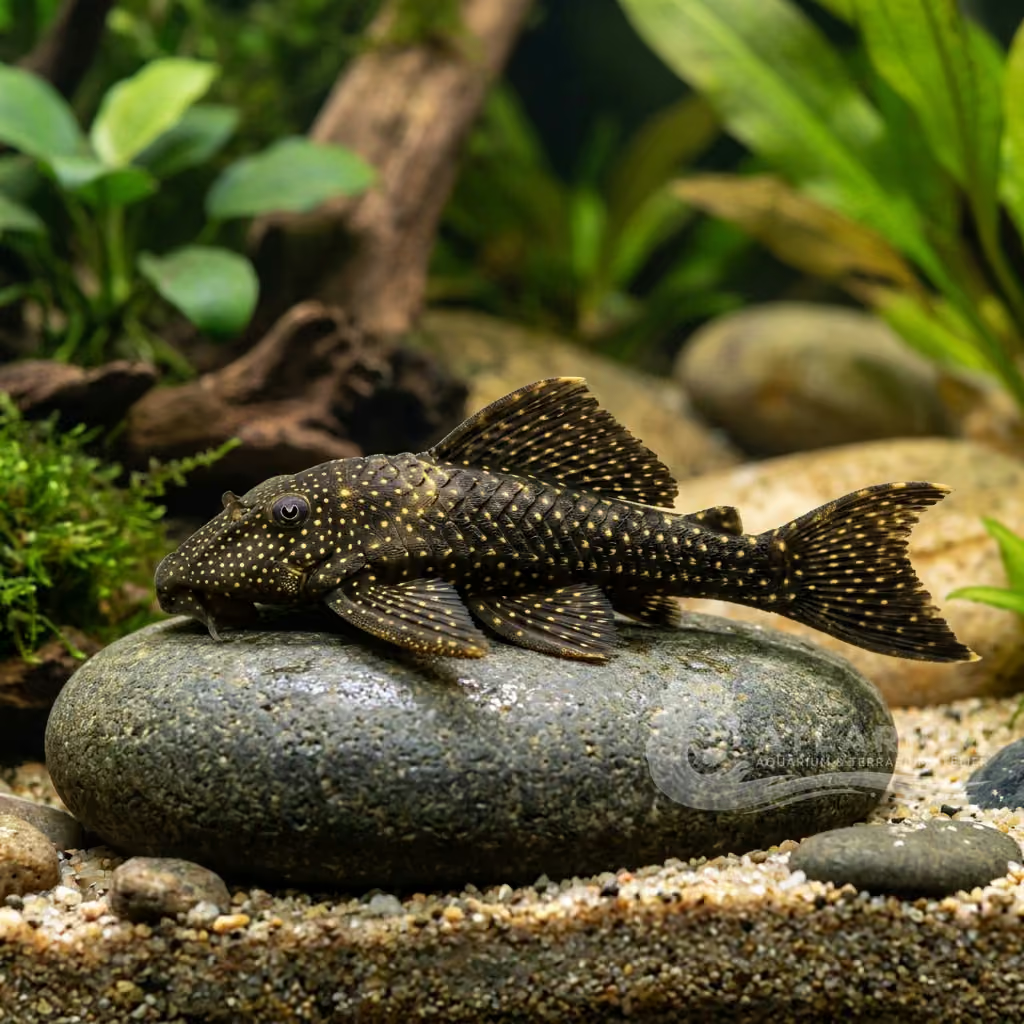
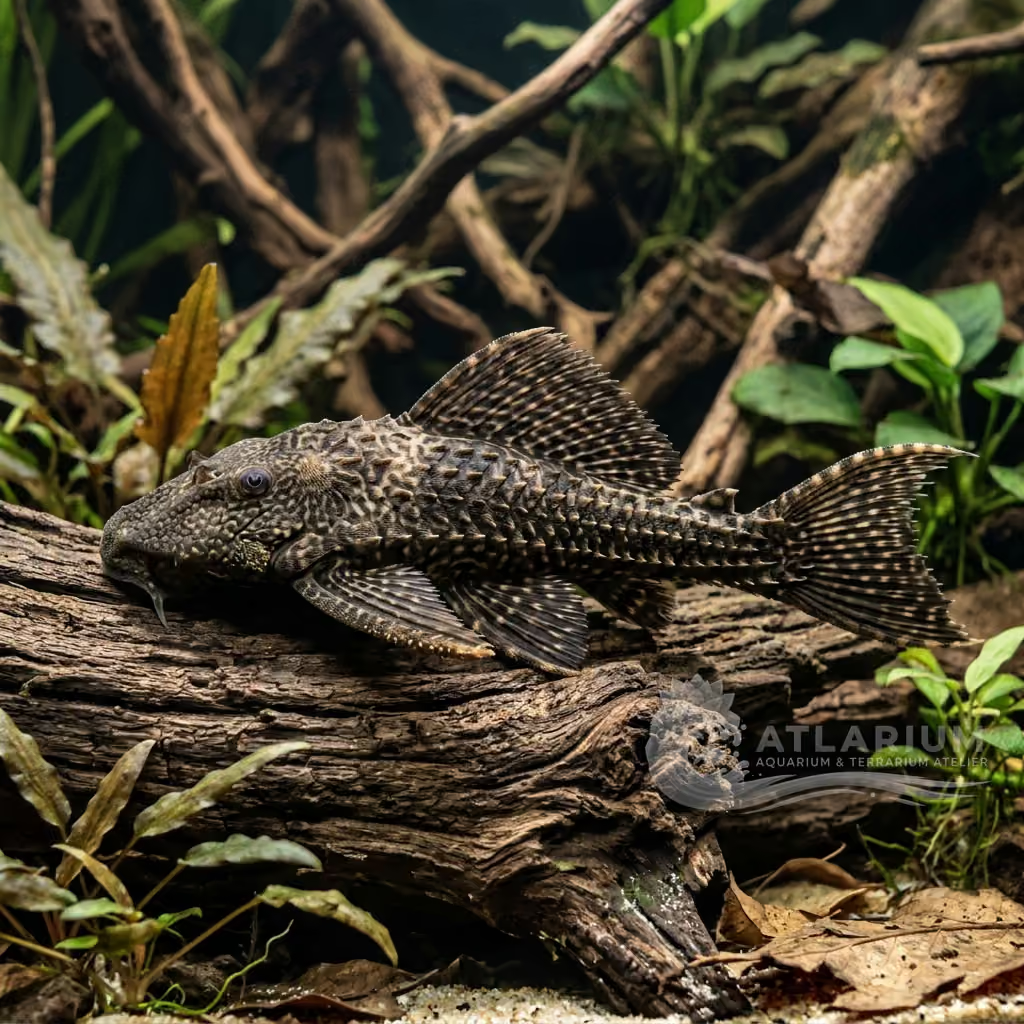
Hi-Fin Green Phantom Pleco (L200)
Baryancistrus demantoides
Known as 'L200 Hi-Fin'. Beautiful and expensive apple green/olive Loricariid (18 cm) with yellow spots. Unlike Hemiancistrus, its large sail-like dorsal fin is connected to the tiny adipose fin near the tail.
Temperatura da água
25 - 30 °C
Valor de pH
6 - 7.5
Tipo de água
Água doce
Nível do tanque
Parte inferior
Tamanho adulto
20 cm
Volume mínimo do tanque
>= 180 L
Grupo mínimo
>= 1
GH
2 - 15 dGH
KH
1 - 7 dKH
TDS
40 - 295 ppm
Condutividade
63 - 461 uS/cm

Descrição da espécie
Geographical Origin and Habitat: Endemic to the upper Rio Orinoco in Venezuela. Inhabits fast-flowing watercourses that flow over granite beds wedged between the rocks ("rapids"), in warm, very clean and oxygen-rich waters.
Taxonomy and Morphology: Green Phantom Pleco (L200 High Fin / Baryancistrus demantoides). Aesthetically almost identical to the Hemiancistrus subviridis (standard L200), it is distinguished by the extraordinarily high dorsal fin completely connected to the adipose fin (typical of the Baryancistrus genus).
Social Behavior: Territorial but less bloody than other Baryancistrus. Energetically defends its favorite cave, chasing away intruders with vigorous tail movements and unsheathing the stinging barbels on the gills.
Coloration and Sexual Dimorphism: Exceptional bright yellow-green coloration (hence the name "Phantom" or "Emerald"), dotted on the anterior half by cream or white spots. Adult males have wider and more massive heads and a more marked opercular dentition.

Cuidado, criação e companheiros de tanque
Aquarium Setup: The ideal is a "River manifold setup" (tank with strong unidirectional current). Substrate of smooth pebbles and gravel. Create very narrow crevices between immovable rocks. Be careful not to glue the rocks where the water flow is non-existent (it will reject the den).
Diet and Feeding: Micro-predator/Algae eater. Needs a higher protein diet than purely vegetarian plecos: tablets for carnivorous bottom fish, mussel meat and bloodworms, alternating with cucumber and raw potato slices.
Water Quality: Absolutely intolerant to lack of oxygen. Requires high temperatures (25-30°C / 77-86°F) which decrease dissolved oxygen; to compensate, the use of airstones or waterfall discharges is imperative.
Compatibility and Cohabitation: Happily cohabits with placid South American Cichlids (Geophagus, Heros) and medium-sized schooling fish. Cohabitation with the similar L200 (Hemiancistrus) should be avoided so as not to trigger continuous territorial wars or dangerous hybridizations in captivity.
Aquarium Breeding: Cave-spawner. The male confines the female in the cave. After laying large yellowish eggs, he chases her away and undertakes a long and tiring guard of the nest, continuously fanning the eggs.
Risks and Diseases: Malnutrition: unlike Ancistrus, they are slow and timid eaters. In tanks with voracious tankmates (e.g. large barbs or botia) they literally starve to death because the food disappears before they dare to come out into the open.

Origem e distribuição geográfica
Endemic to the upper Rio Orinoco in Venezuela. Inhabits fast-flowing watercourses that flow over granite beds wedged between the rocks ("rapids"), in warm, very clean and oxygen-rich waters.
Origem
Amazônia, Orinoco e Guianas

Perfil de peixe
- Temperamento
- Semi-aggressive
- Baryancistrus demantoides is generally peaceful towards species occupying different water zones but is highly territorial towards conspecifics. Adult metals will defend their chosen caves and feeding areas vigorously against other plecos. Providing multiple visual barriers, rocks, and caves helps reduce territorial disputes and stress.
- Dieta
- Omnivore
- This species is an omnivore with a strong herbivorous preference, requiring plenty of biofilm and algae (aufwuchs) to graze on. In captivity, they should be fed high-quality sinking algae wafers, spirulina pellets, and fresh vegetables like zucchini, cucumber, or spinach. Occasional high-protein treats like frozen bloodworms or brine shrimp can also be offered to supplement their diet.
- Expectativa de vida
- 10-15 years
- Tamanho adulto
- 20 cm
- Proporção sexual
- Harem
- It is recommended to house Baryancistrus demantoides singly in standard-sized setups due to their highly territorial behavior, especially among males. If breeding is attempted, a harem consisting of one male and multiple females can be kept in a very large aquarium. This setup must feature numerous caves and visual barriers to allow each individual to establish its own territory.
- Frequência de alimentação
- Twice daily
- Baryancistrus demantoides should be fed once or twice daily, preferably in the evening or when the aquarium lights are turned off, as they are naturally nocturnal feeders. Newly imported specimens may require more frequent daily feedings to recover from transport stress and prevent starvation. It is important to remove any uneaten fresh vegetables after 24 hours to prevent water fouling.
- Carga biológica
- Medium to High
- Baryancistrus demantoides is a large pleco that generates a significant amount of waste due to its active grazing habits and high metabolic rate. A high-capacity external canister filter is essential to maintain pristine water conditions. Frequent water changes of 40% to 70% weekly are recommended to keep organic waste and nitrates at a minimum.
- Fluxo
- Stagnant
- Coming from the fast-flowing rapids of the Orinoco river basin, Baryancistrus demantoides thrives in strong, turbulent water flow. The aquarium should be equipped with additional powerheads or wavemakers to simulate these fast river currents. Excellent water movement and aeration are vital to maintain the high levels of dissolved oxygen they require.
- Risco de salto
- No
- Reprodução
- Oviparous
- Breeding Baryancistrus demantoides is considered difficult and is rarely achieved by casual hobbyists. They are cave spawners, where the male coaxes a receptive female into a tight cave to lay eggs and then drives her out to guard the clutch himself. Inducing spawning requires pristine water conditions, very high oxygen levels, a strong current, and a temperature rise.
- Compatibilidade e companheiros de tanque
- With caution
- They are highly compatible with peaceful, active mid-water and upper-water fish such as tetras, hatchetfish, and peaceful cichlids like angelfish. However, they are not compatible with other territorial plecos or similar bottom-dwelling species unless the aquarium is extremely spacious. Aggression can occur if there is competition for the best caves or feeding zones.
- Nível do tanque
- Bottom
- Baryancistrus demantoides is strictly a bottom-dwelling species that spends its time on rocks, substrate, and inside caves. They rarely venture into the middle or upper levels of the water column unless competing for food or exploring at night. Providing plenty of granite stones, driftwood, and caves mimics their natural rocky riverbed habitat.

Modelos e parâmetros científicos
FishBase
Acesso aos dados científicos oficiais da espécie
FishBase v25.04Dados sincronizados em: 15/06/2026
- Resiliência
- Média (1,4 - 4,4 anos)
- Unicidade filogenética (PD50)
- 0.5039
- Relação bayesiana comprimento-peso
- a = 0.01549, b = 2.96
- VulnerabilidadeVulnerabilidade baixa (10 / 100)

Espécies relacionadas
Recomendações agrupadas por parentes próximos, escolhas de acompanhantes e cuidados semelhantes.