Green Phantom Pleco
Hemiancistrus subviridis
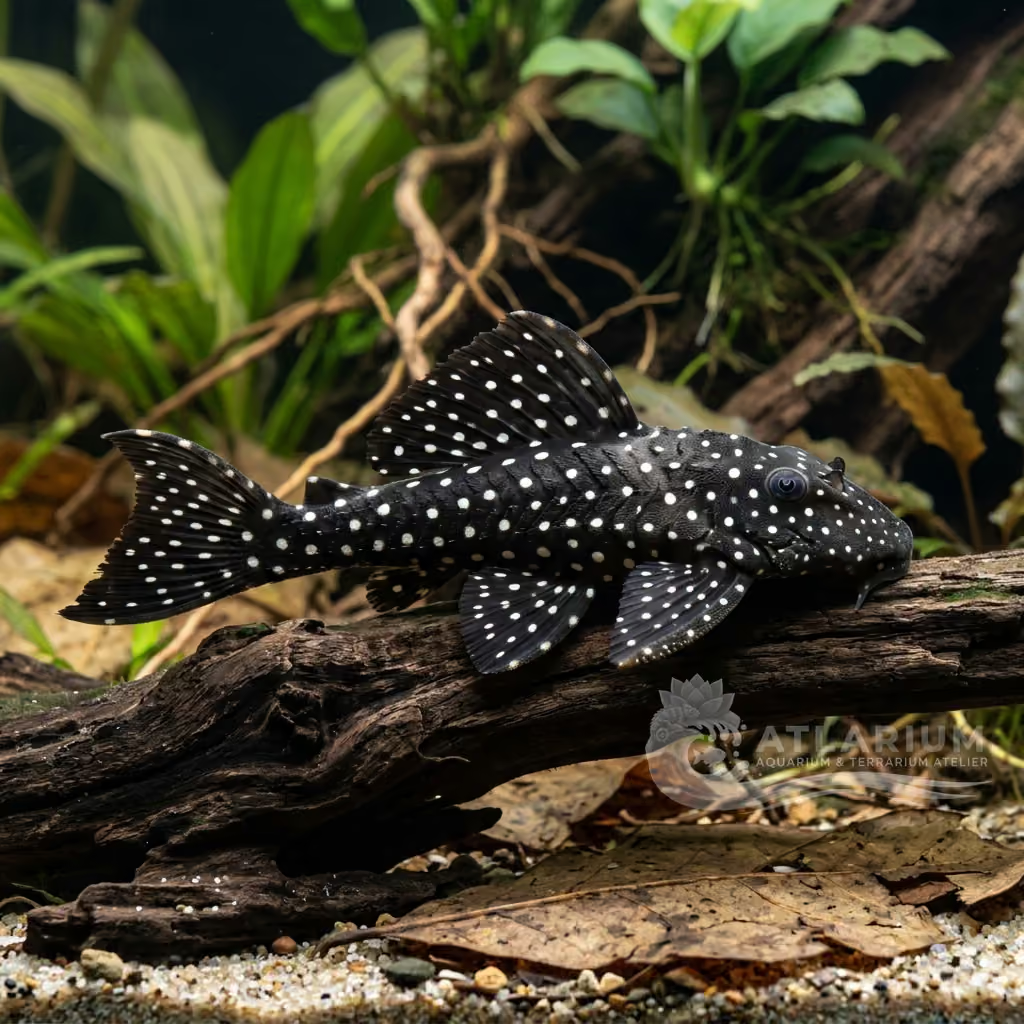
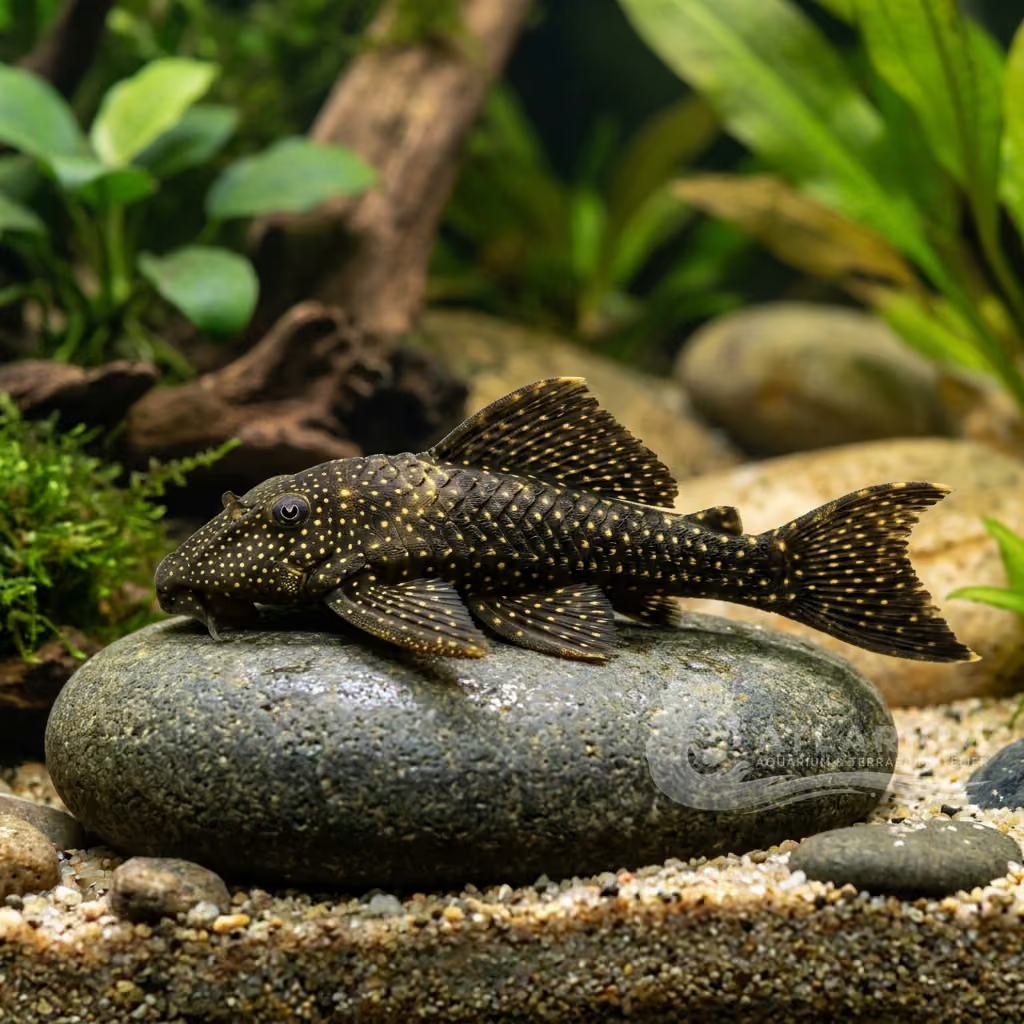
The Green Phantom Pleco (L200) is a breathtaking colossus that breaks the typical greyness of many bottom-dwelling fish. Reaching 20 cm (8 inches), this imposing species sports an intoxicating vibrant emerald or olive green color, punctuated by luminescent yellow spots on the front half of the body. Like many large Orinoco Loricariids, it is a demanding inhabitant of the rapids, requiring turbulent and extremely clean water management. Its bold green beauty makes it one of the most admired 'show-stopper' Plecos in large-capacity aquariums.
25 - 30 °C
6 - 7.5
Água doce
Parte inferior
20 cm
>= 300 L
>= 1
2 - 12 dGH
1 - 6 dKH
40 - 240 ppm
63 - 375 uS/cm

Descrição da espécie

Cuidado, criação e companheiros de tanque

Origem e distribuição geográfica
Origem

Perfil de peixe
- Temperamento
- Semi-aggressive
- To most fish, the Green Phantom is incredibly peaceful and shy. They prefer to stay out of sight during the day and mind their own business. However, they fiercely defend their chosen cave against any fish that comes too close.
- Dieta
- Omnivore
- This species is primarily an omnivore with a strong preference for aufwuchs and meaty foods. Offer high-quality sinking pellets, frozen bloodworms, and crustaceans alongside vegetable matter. Driftwood is essential for their digestion and should always be available in the tank.
- Expectativa de vida
- 8-15 years
- Tamanho adulto
- 20 cm
- Proporção sexual
- Solitary
- Adult males develop a broader head and significantly larger odontodes than females. It is best to keep them solitary unless attempting to breed in a very large aquarium. Males are highly intolerant of each other and will aggressively fight over territory.
- Frequência de alimentação
- Continuous
- Feed them once a day, preferably at night when they are most active. Ensure that enough food reaches the bottom without being intercepted by faster tank mates. Remove any uneaten fresh vegetables the following morning.
- Carga biológica
- High
- The Green Phantom Pleco contributes a high bioload to the aquarium as it grows. It is a messy eater that produces significant amounts of waste constantly. A powerful canister filter and rigorous maintenance schedule are required to handle its biological output.
- Fluxo
- Strong
- Originating from the fast-flowing Rio Orinoco, they demand high water flow and pristine water quality. Excellent oxygenation is non-negotiable for their long-term health and survival. Use strong powerheads to simulate the rushing rapids of their natural environment.
- Risco de salto
- No
- Reprodução
- Rare / not documented
- Breeding the Green Phantom Pleco is notoriously difficult but has been achieved by dedicated hobbyists. They are cave spawners that require tightly fitting breeding tubes and optimal water parameters. Cool water changes to simulate the rainy season are often used to trigger spawning.
- Compatibilidade e companheiros de tanque
- Community
- It is generally peaceful and an excellent companion for a variety of community fish. It does well with tetras, peaceful cichlids, and mid-to-top dwelling species. However, it can be highly territorial and aggressive toward other plecos and bottom-dwellers.
- Nível do tanque
- Bottom
- They inhabit the very bottom of the aquarium, clinging to the substrate, rocks, and driftwood. They require a highly structured environment with plenty of smooth stones and deep caves. They will remain hidden in these crevices for most of the daylight hours.

Modelos e parâmetros científicos
Acesso aos dados científicos oficiais da espécie
- Resiliência
- Média (1,4 - 4,4 anos)
- Unicidade filogenética (PD50)
- 0.5
- Relação bayesiana comprimento-peso
- a = 0.01549, b = 2.96
- VulnerabilidadeVulnerabilidade baixa (10 / 100)

Espécies relacionadas
Recomendações agrupadas por parentes próximos, escolhas de acompanhantes e cuidados semelhantes.