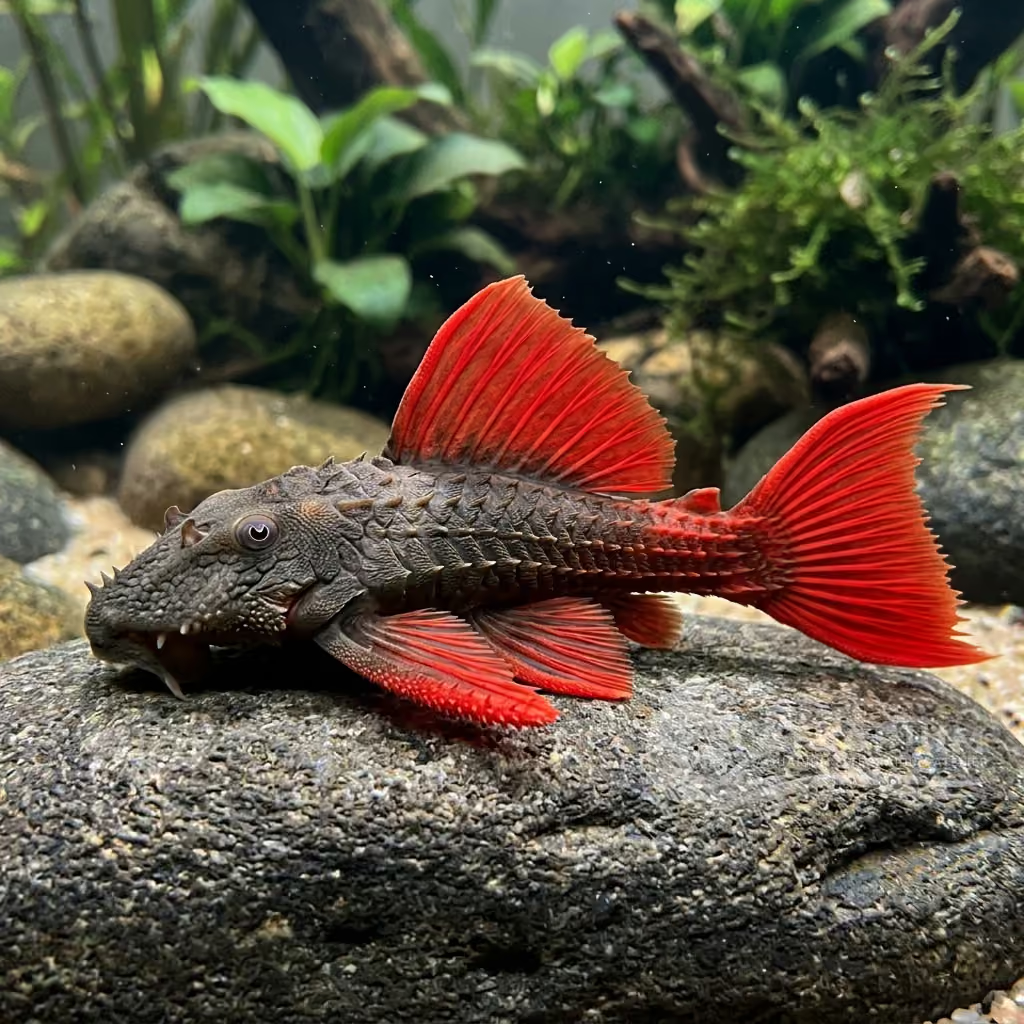
Dwarf Whiptail
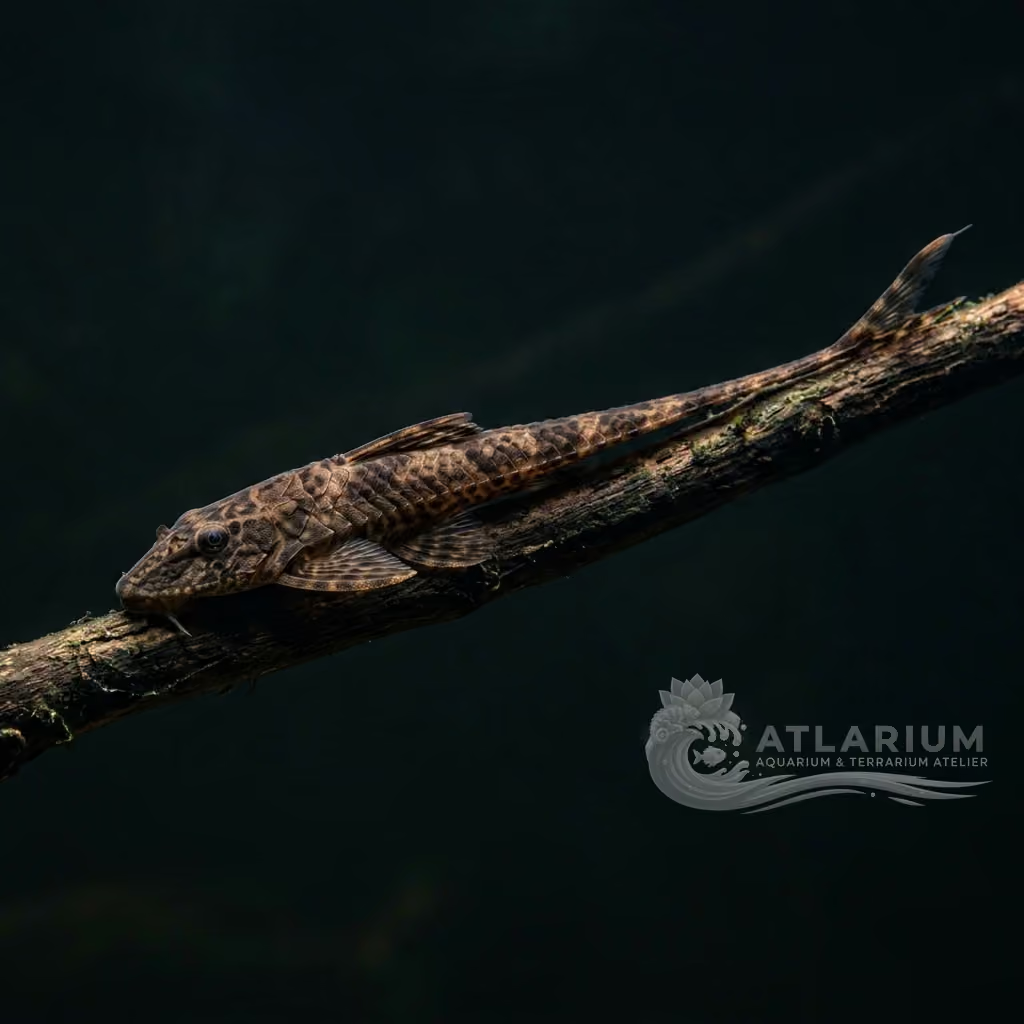
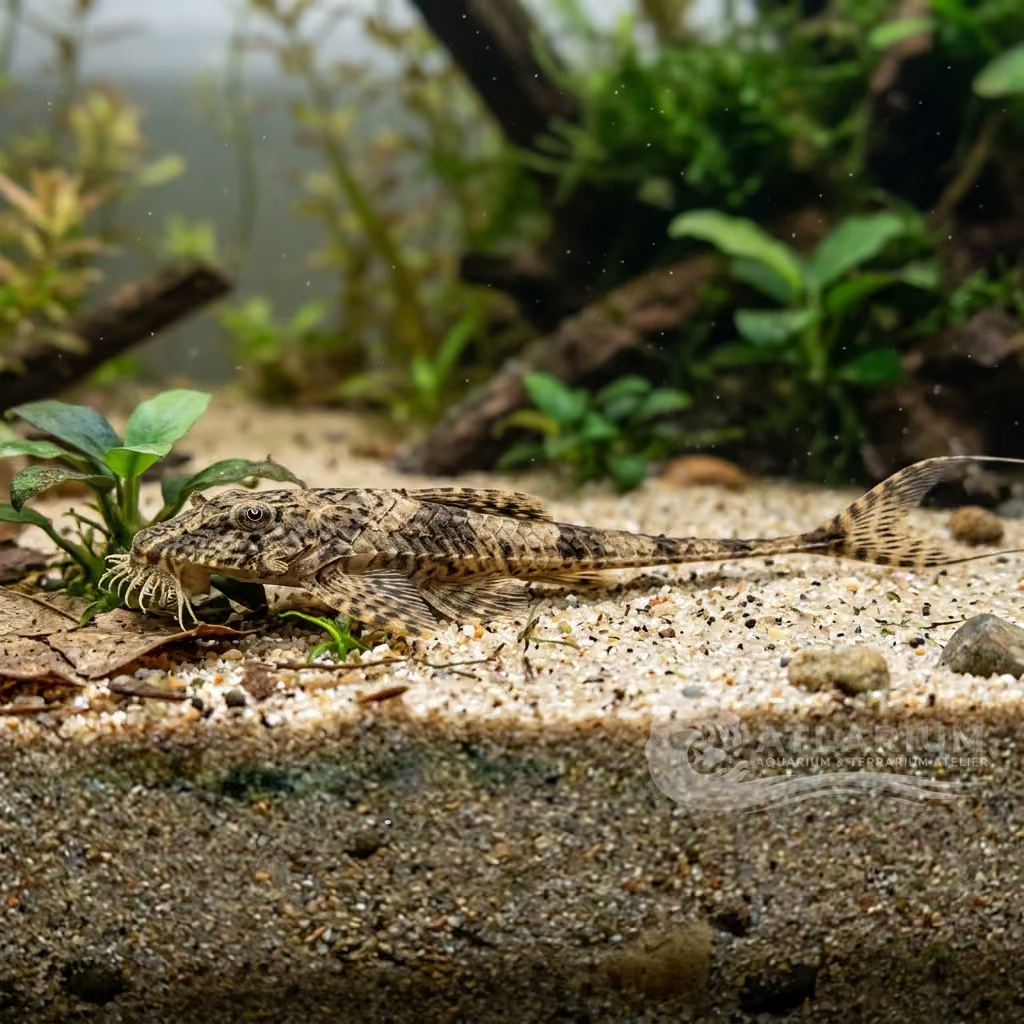
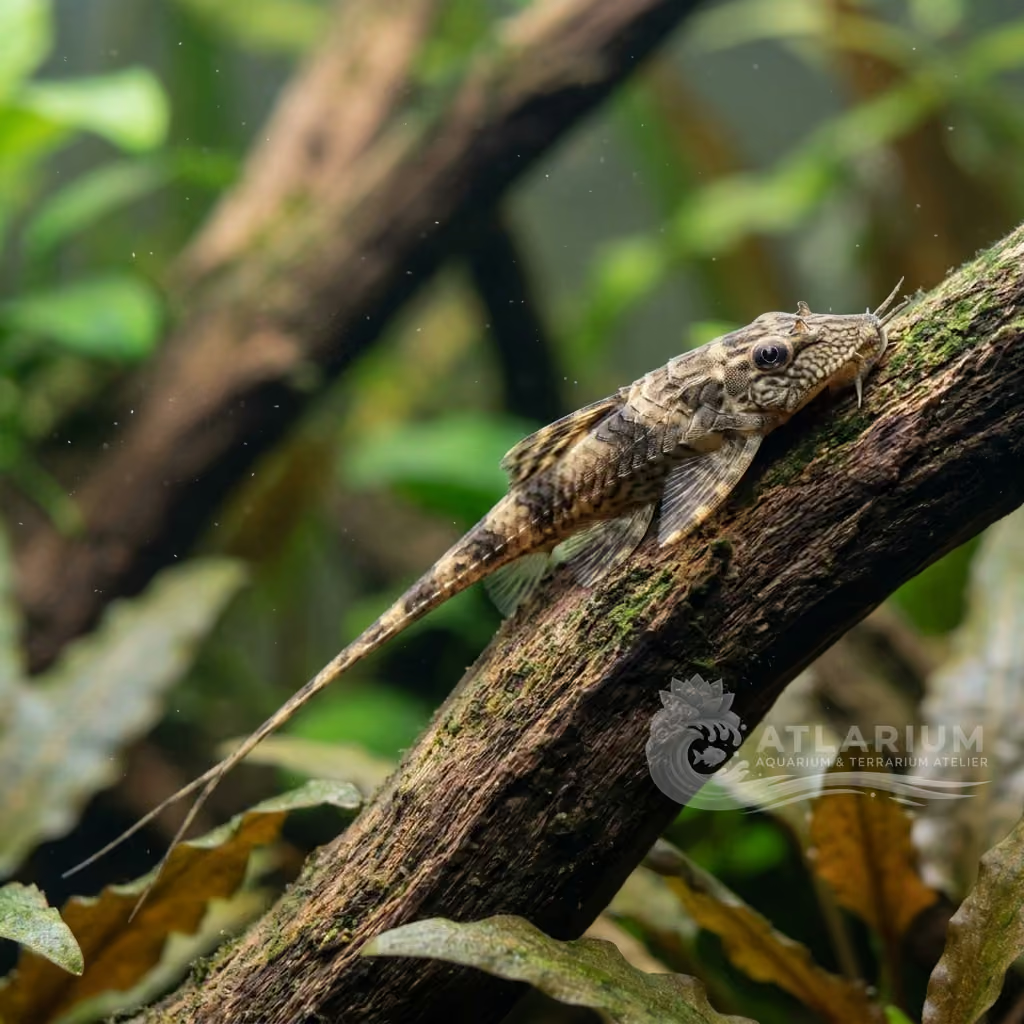
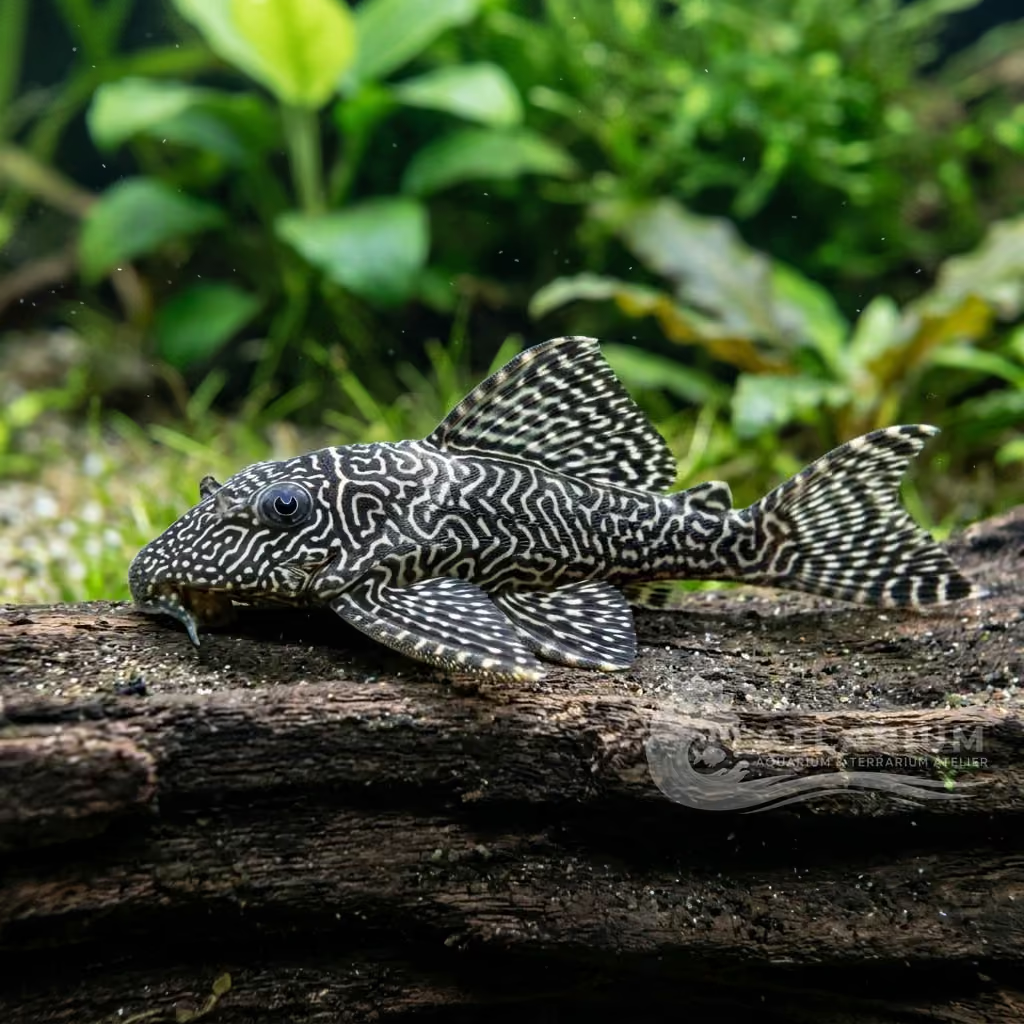
Rineloricaria parva
Dwarf size whiptail catfish (about 10-12 cm), peaceful, ideal for community tanks that are not too large. Less delicate than Farlowella, excellent detritivore scavenger for sandy bottoms.
Temperatura da água
22 - 27 °C
Valor de pH
6 - 7.5
Tipo de água
Água doce
Nível do tanque
Parte inferior
Tamanho adulto
11 cm
Volume mínimo do tanque
>= 100 L
Grupo mínimo
>= 1
GH
2 - 12 dGH
KH
1 - 6 dKH
TDS
40 - 240 ppm
Condutividade
63 - 375 uS/cm

Descrição da espécie
Geographical Origin and Habitat: Paraguay River System (South America). They camouflage themselves on the bottom of small crystal clear streams (Clearwater) lying on endless litters of decomposing leaves and trunks.
Taxonomy and Morphology: Whiptail Catfish (Hemiloricaria parva / Rineloricaria parva). Armored Loricariid with a very flattened profile to "stick" to the bottom. It gets its name from the very long and fragile caudal peduncle similar to a whip.
Social Behavior: Totally and harmless (Extreme Pacifist). Spends the day motionless and perfectly camouflaged with the seabed (crypsis). Tolerant of its own species, they form small resting groups that ignore each other.
Coloration and Sexual Dimorphism: Perfect camouflage: mottled gray-cream-sand livery to camouflage with debris. Fascinating dimorphism: mature males develop huge "odontodes" brushes (comb spines) on the snout, pectorals and back, looking hairy.

Cuidado, criação e companheiros de tanque
Aquarium Setup: A bottom of only very fine sand is mandatory! In gravel the belly peels and they cannot feed. Insert narrow ceramic tubes or bamboo open at both ends and many ambering catappa leaves.
Diet and Feeding: False myth: it does not eat algae. It is an omnivore/bottom scavenger; it requires excellent quality protein-based bottom wafers (krill, bloodworms) interspersed with blanched scraped zucchini slices.
Water Quality: Extremely tolerant (lasts up to 12 Gh, tolerates 22°C / 72°F in winter), but prefers a slight surface movement (well-oxygenated water) and an aseptic bottom or devoid of rotting pockets (risk of ventral bacteriosis).
Compatibility and Cohabitation: Suffers food theft from 90% of other fish. It is slow to feed, so never pair it with Loaches, large Plecos or large Cichlids. Excellent with smaller Corydoras, dwarf Characins, or shrimp tanks.
Aquarium Breeding: Tube-Spawner cave breeder. The female lays large green eggs inside a cylindrical cavity; the male broods them blocking the entrance and comes out only 15 days later with the fry spat into the sand.
Risks and Diseases: Death by "Silent malnutrition". Given its slowness and camouflage, the aquarist does not notice that it can never reach the food because of the faster fish, dehydrating and dying of starvation after months.

Origem e distribuição geográfica
Paraguay River System (South America). They camouflage themselves on the bottom of small crystal clear streams (Clearwater) lying on endless litters of decomposing leaves and trunks.
Origem
Extra-Amazônica América do SulLeste Asiático

Perfil de peixe
- Temperamento
- Semi-aggressive
- This is an extremely docile and gentle species that completely ignores its tank mates. They are quite shy, especially during the day, and rely on camouflage to blend in with their surroundings. Providing them with numerous hiding places ensures they feel safe and helps reduce their natural timidity.
- Dieta
- Omnivore
- They are primarily omnivorous scavengers that rely heavily on biofilm, algae, and detritus found on wood and leaves. In the home aquarium, their diet must be supplemented with high-quality sinking wafers, algae pellets, and fresh vegetables like zucchini. They also appreciate occasional offerings of frozen foods like bloodworms or brine shrimp for added protein.
- Expectativa de vida
- 5-8 years
- Tamanho adulto
- 11 cm
- Proporção sexual
- Pair
- Sexing is relatively straightforward as mature males develop distinct bristles on their cheeks and pectoral fins. They can be kept in pairs or small groups without significant intraspecific aggression. Maintaining a balanced ratio or a male-female pair is ideal for encouraging natural breeding behaviors in the aquarium.
- Frequência de alimentação
- Twice daily
- Feeding them once or twice a day, preferably just before the tank lights go out, is ideal since they are nocturnal feeders. Dropping sinking food directly near their hiding spots ensures they get their share without aggressive competition. Uneaten vegetables should be removed after 24 hours to prevent spoiling the water.
- Carga biológica
- Low to Medium
- This species has a relatively low bioload compared to other larger plecos and catfish. They are efficient scavengers but do not produce massive amounts of waste, making them suitable for mature, moderately sized tanks. Regular water changes and good mechanical filtration are still necessary to maintain optimal water quality.
- Fluxo
- Stagnant
- They appreciate a moderate water flow that provides excellent oxygenation, mimicking their native riverine habitats. The presence of a powerhead or strong filter outlet directed across the substrate can encourage them to become more active. However, they also need access to sheltered spots with slower flow where they can rest undisturbed.
- Risco de salto
- No
- Reprodução
- Oviparous
- They are known to breed in captivity, often spawning inside narrow PVC pipes or bamboo caves. The male takes on the responsibility of guarding the eggs diligently, fanning them to ensure proper oxygenation until they hatch. Once the fry emerge, they require immediate access to abundant biofilm and finely powdered foods to survive.
- Compatibilidade e companheiros de tanque
- Community
- They are highly peaceful and somewhat reclusive bottom dwellers that make excellent additions to peaceful community aquariums. Ideal tank mates include small tetras, rasboras, and gentle dwarf cichlids. They should not be kept with aggressive bottom feeders or large cichlids that might outcompete them for food or nip their delicate fins.
- Nível do tanque
- Bottom
- They are strictly bottom-dwelling fish that will spend their time resting on the substrate, broad leaves, or pieces of driftwood. You will rarely see them swimming freely in the midwater or upper levels. Providing plenty of vertical hiding spots like tall pieces of wood allows them to explore slightly above the substrate while remaining secure.

Modelos e parâmetros científicos
FishBase
Acesso aos dados científicos oficiais da espécie
FishBase v25.04Dados sincronizados em: 15/06/2026
- Nível trófico
- 2,6 ± 0,2 se
- Resiliência
- Alta (menos de 15 meses)
- Unicidade filogenética (PD50)
- 0.5
- Relação bayesiana comprimento-peso
- a = 0.00389, b = 3.11
- VulnerabilidadeVulnerabilidade baixa (10 / 100)

Espécies relacionadas
Recomendações agrupadas por parentes próximos, escolhas de acompanhantes e cuidados semelhantes.