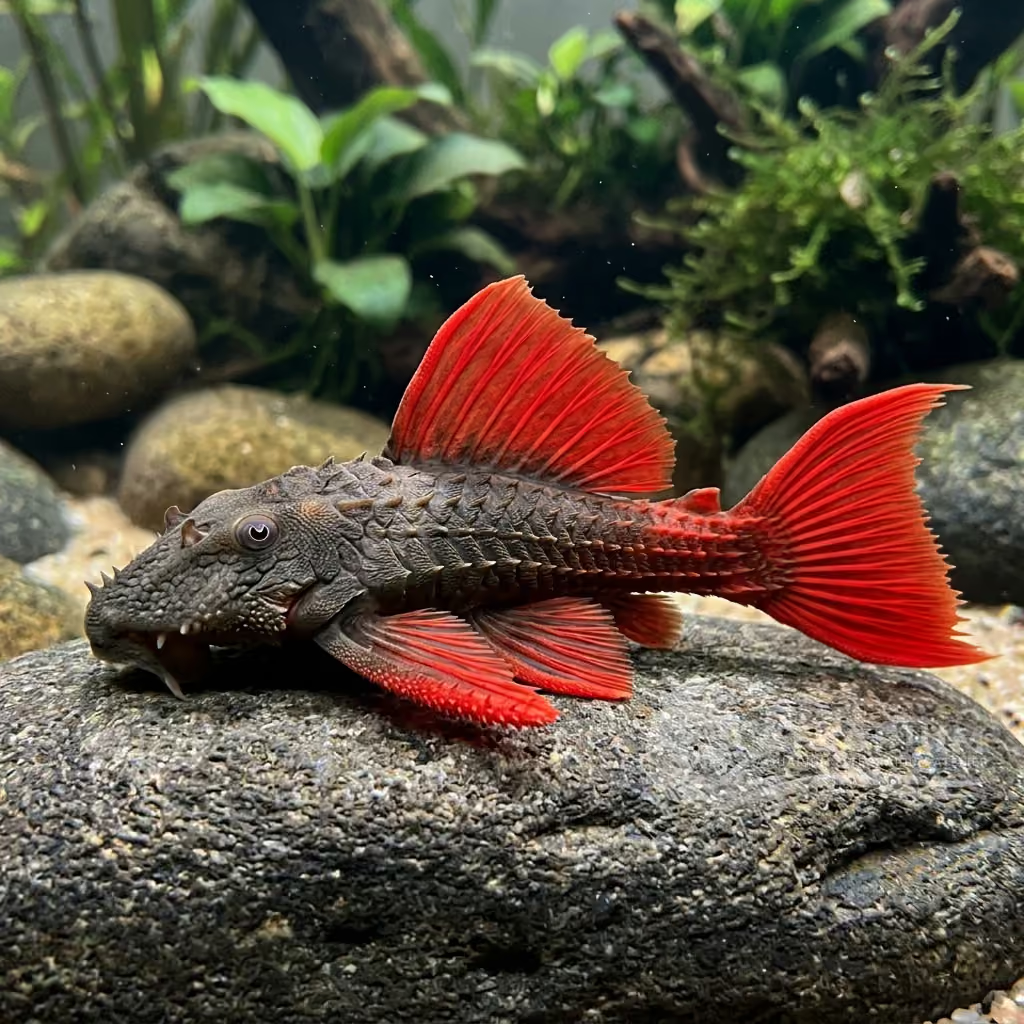
Pitbull pleco
Parotocinclus jumbo
A small Brazilian loricariid catfish (~5–6 cm) with a stocky, robust body and a powerful sucker mouth — the 'pitbull' among nano-plecos. Excellent algae and biofilm eater, similar to Otocinclus but slightly larger and sturdier. Loves burrowing in fine sand when stressed. Mature tank mandatory with established algae and biofilm. Gregarious: 3–6+. Breeding possible in captivity with cool water changes as trigger (rainy season simulation). Rare due to Brazilian export restrictions: prefer captive-bred specimens.
Temperatura da água
22 - 26 °C
Valor de pH
6 - 7.5
Tipo de água
Água doce
Nível do tanque
Parte inferior
Tamanho adulto
6 cm
Volume mínimo do tanque
>= 75 L
Grupo mínimo
>= 3
GH
2 - 15 dGH
KH
1 - 7 dKH
TDS
40 - 295 ppm
Condutividade
63 - 461 uS/cm
Descrição da espécie
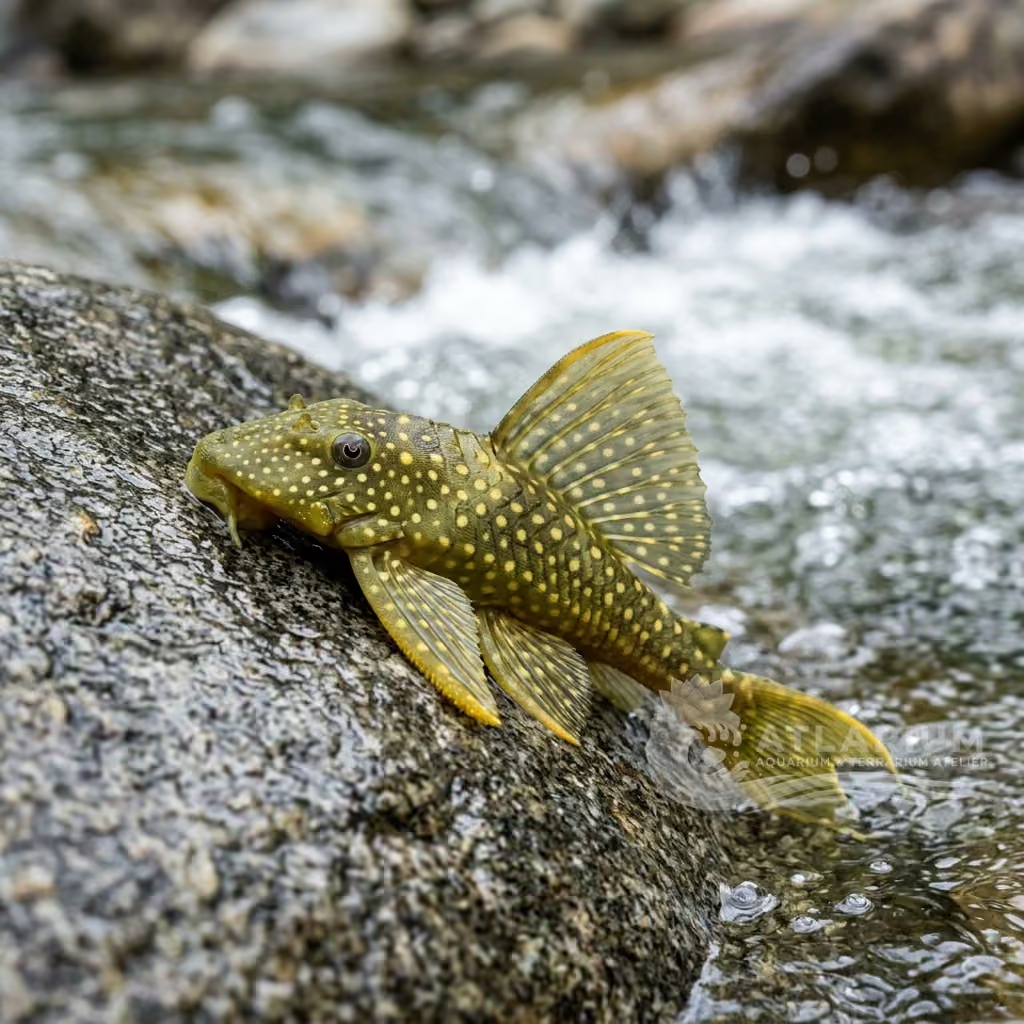
Geographical Origin and Habitat: Endemic exclusively to the pristine, highly oxygenated, fast-flowing, and shallow clearwater streams and coastal rivers of northeastern Brazil, South America (specifically concentrated within the Paraíba do Norte and Piranhas river basins). Parotocinclus jumbo (universally known and beloved in the hobby as the Pitbull Pleco) natively colonizes the sun-drenched, sandy and rocky shallows of these rapid streams. These specific micro-habitats are completely devoid of aquatic vegetation, characterized instead by perfectly smooth river stones and immense stretches of pure sand, heavily coated in a microscopic layer of organic biofilm and diatoms.
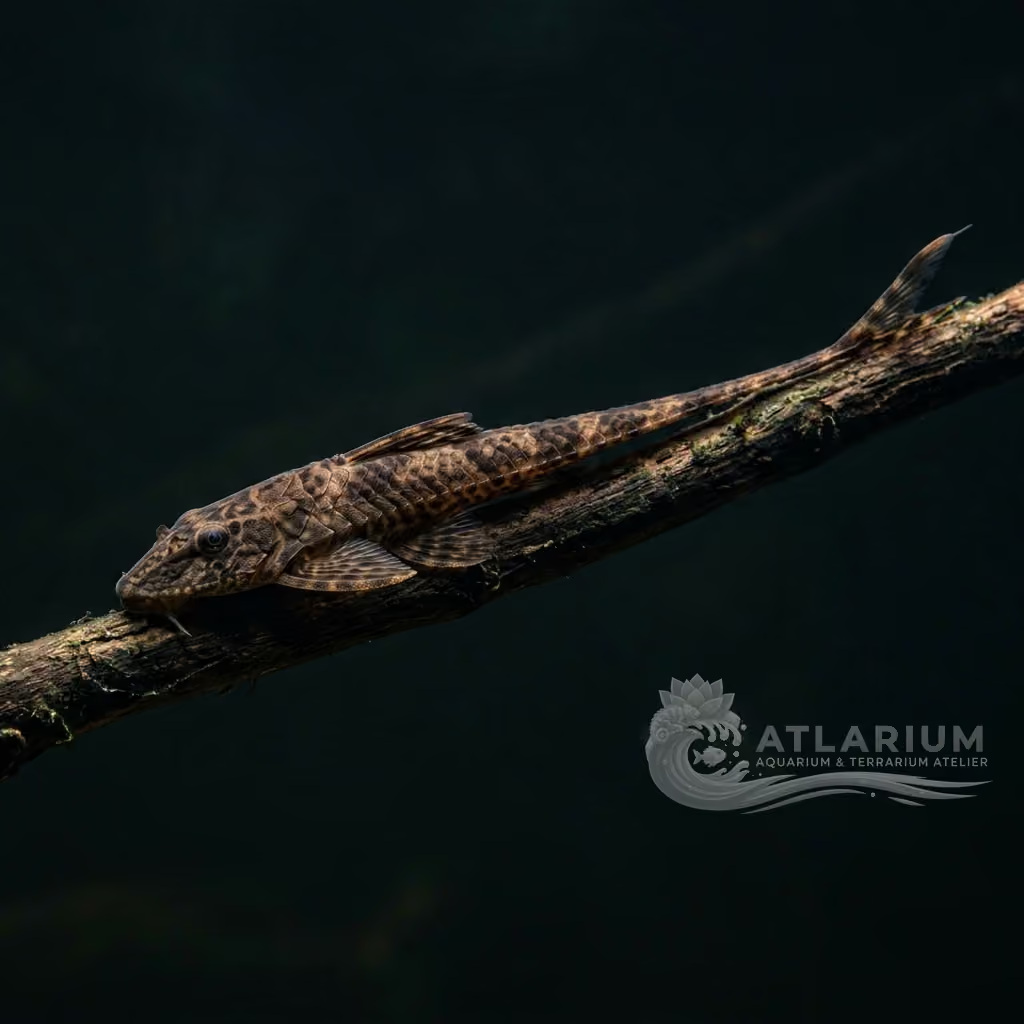
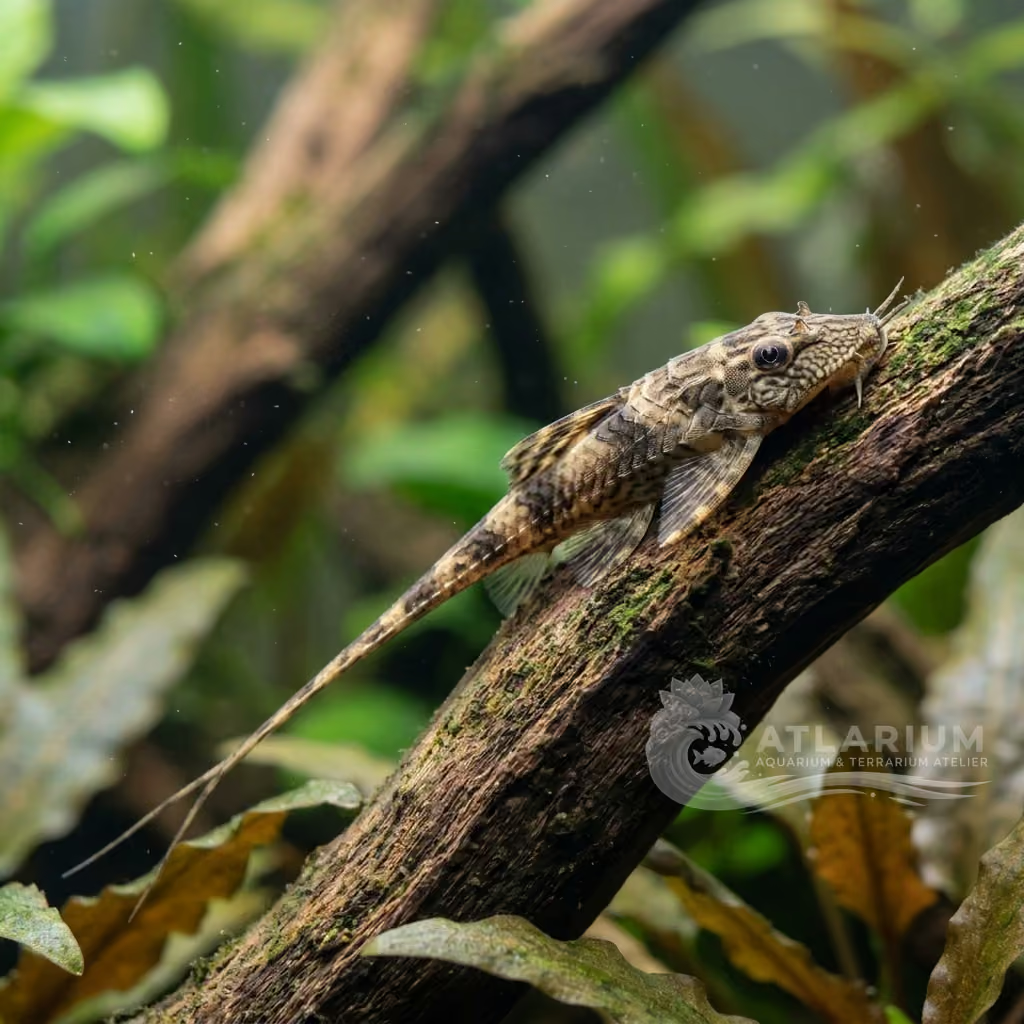
Taxonomy and Morphology: Scientifically classified within the Loricariidae family (the armored suckermouth catfishes), it is a spectacular, biologically unique, and incredibly robust Dwarf Pleco. Morphologically, fully mature adults reach roughly 5.0 to 6.0 centimeters (2.0-2.4 inches) in length, making them significantly larger and bulkier than standard Otocinclus species (hence the name "Jumbo" and "Pitbull"). It possesses a deeply robust, heavily armored, completely flattened ventral (belly) profile, and a distinctly broad, "bulldog-like" head. Its absolute defining anatomical feature is its specialized, downward-facing suckermouth evolved for relentlessly scrubbing smooth stones.
Social Behavior: They are exceptionally peaceful, highly gregarious, and strictly obligate shoaling catfish. Unlike common large Plecos (which are deeply solitary and aggressively territorial), the Pitbull Pleco is intensely social and must NEVER be kept alone. They strictly MUST be kept in a sizable group (absolute minimum 5-6, but larger groups are vastly superior). In the aquarium, they are hyper-active and intensely fascinating bottom-dwellers. They spend their entire day frantically darting along the substrate in coordinated packs, burying themselves partially in the soft sand to rest, leaving only their eyes exposed.
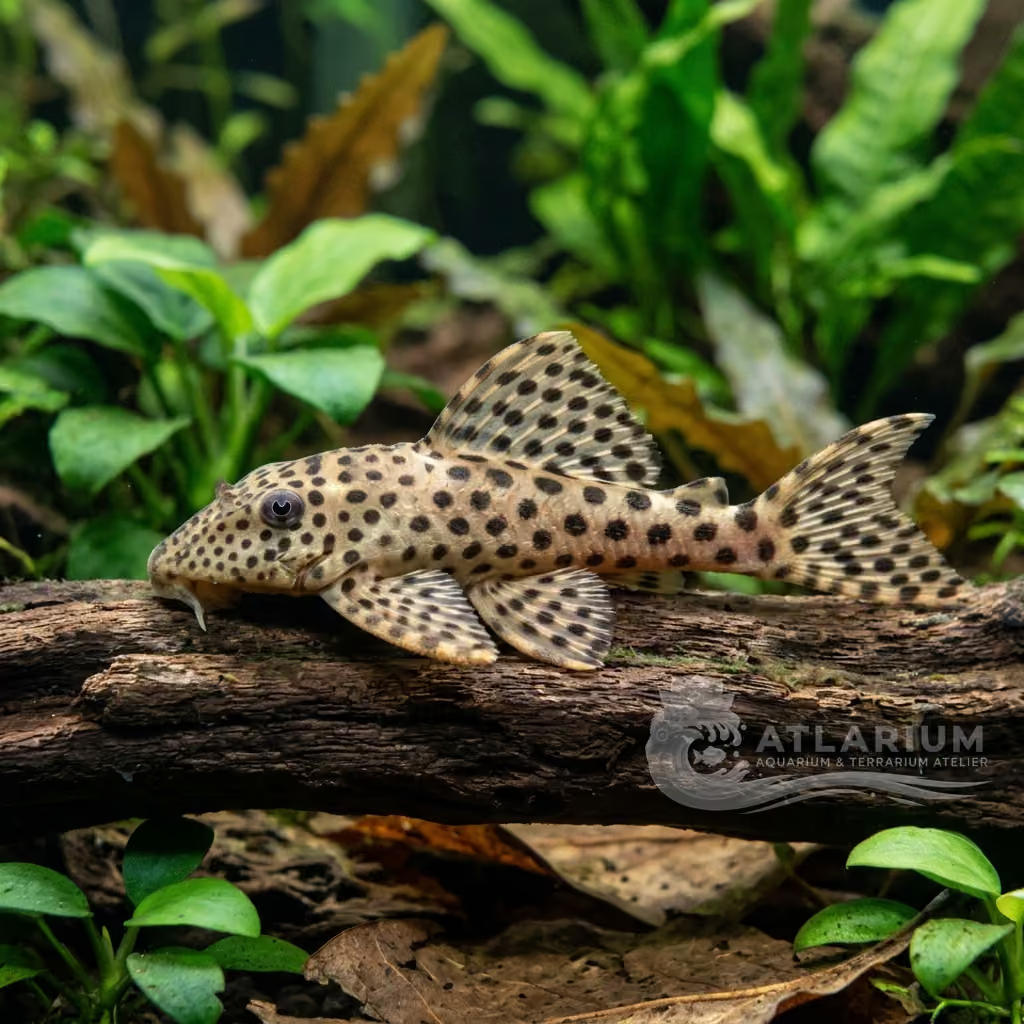
Coloration and Sexual Dimorphism: Sexual dimorphism is distinct when mature; adult females are noticeably broader and significantly plumper in the abdominal region (when viewed from above or below), while males remain distinctly slimmer and slightly smaller. The coloration of the Pitbull Pleco is a brilliant, highly evolved cryptic camouflage (perfectly mimicking river sand and speckled granite): the base body is heavily mottled with chaotic, deeply complex patterns of pale sandy-brown, silvery-grey, olive, and pitch-black spotting. This coloration shifts constantly depending on the color of the substrate they are resting on.
Cuidado, criação e companheiros de tanque

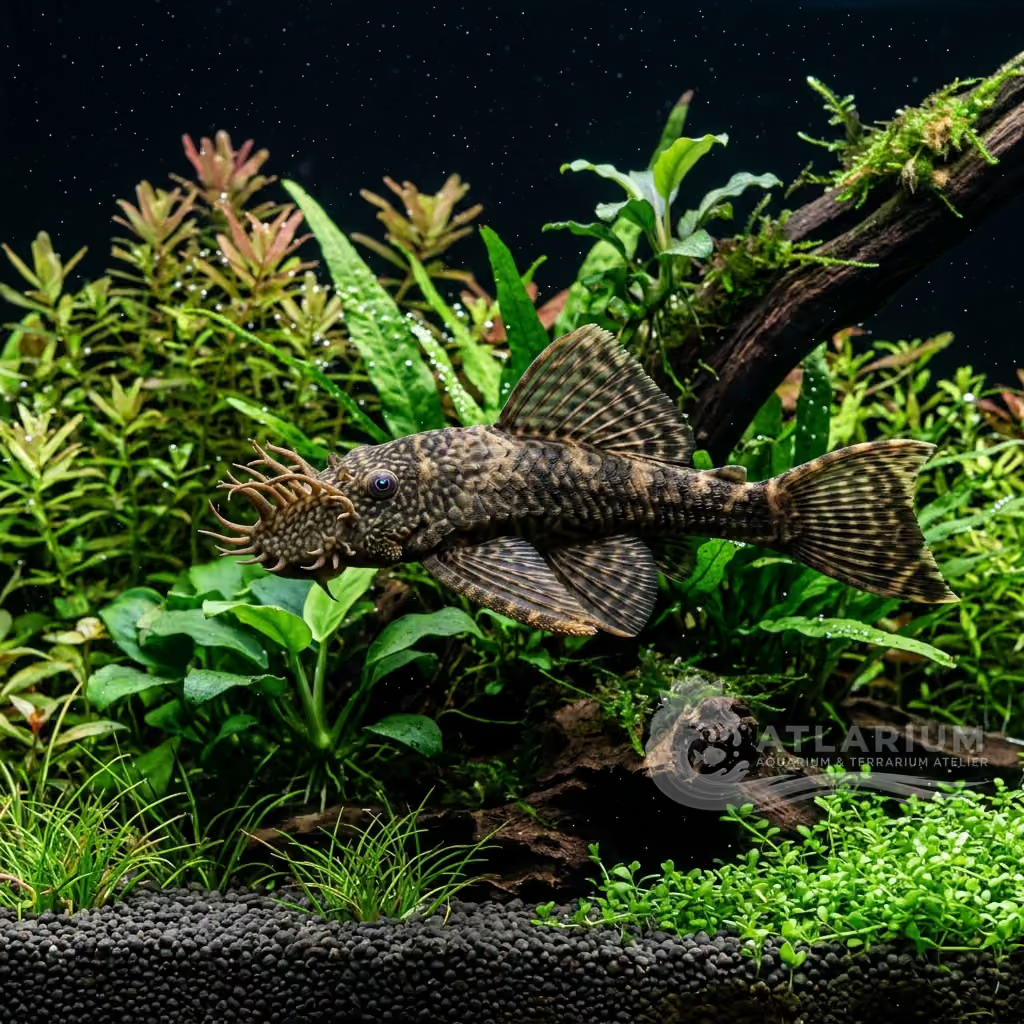
Aquarium Setup: The aquarium architecture MUST flawlessly replicate a shallow, fast-flowing, sunlit Brazilian clearwater stream. A minimum 80-liter (20-gallon) tank (at least 60 cm long) is required to provide sufficient bottom footprint for a school. The absolute most critical requirement is a massive, unobstructed expanse of extremely fine, soft, completely smooth sand substrate; gravel will lethally shred their delicate bellies and prevent their natural burrowing behavior. The tank MUST feature significant, powerful water flow (via powerheads) and be decorated exclusively with smooth, water-worn river boulders to provide grazing surfaces.
Diet and Feeding: They are highly specialized, absolutely obligate biofilm grazers and omnivorous scavengers. While they consume microscopic soft algae and diatoms, they are NOT true "algae eaters" like standard Otocinclus and will starve if expected to clean a dirty glass tank. You MUST target-feed them a heavy, varied, omnivorous sinking diet. Daily offerings of high-quality sinking catfish pellets and spirulina wafers are mandatory. To maintain robust health, this MUST be heavily supplemented with meaty frozen foods (bloodworms, Artemia) and fresh blanched vegetables (zucchini, spinach) resting on the sand.
Water Quality: Originating from pristine, fast-flowing Brazilian clearwater streams, they strictly demand highly stable, immaculate, intensely oxygenated, and moderately soft water. They thrive in slightly cooler tropical temperatures (22-26°C / 72-79°F). Crucially, they require soft to moderately hard water (GH 4-12) and a slightly acidic to neutral pH (6.5 - 7.5). They possess absolute zero tolerance for dissolved organic waste, Ammonia, or Nitrites; rigorous weekly water changes are absolutely mandatory. The water flow MUST be moderate to strong to ensure maximum oxygen saturation and mimic their riverine home.
Compatibility and Cohabitation: Compatibility is absolutely excellent, provided tankmates are exceptionally peaceful, moderately sized, and share their requirement for pristine, fast-flowing water and soft sandy substrates. They are the perfect, totally harmless, and highly entertaining bottom-dwelling crew for a dedicated river-stream biotope. Excellent companions include fast-swimming, peaceful Tetras, small Rainbowfish, Rasboras, and other peaceful Corydoras. They MUST NEVER be housed with fast, aggressive, or large bottom-dwelling predatory fish (like large Cichlids or large predatory Catfish) that will easily swallow them whole or violently outcompete them.
Aquarium Breeding: Breeding is exceptionally rare, intensely difficult, and virtually undocumented in the home aquarium, largely due to the specific seasonal triggers required. In the wild, they are continuous egg-scatterers that provide zero parental care, breeding during the intense floods of the rainy season. Replicating massive, cool water changes, sudden drops in barometric pressure, and intensely heavy feeding of live meaty foods is the only theoretical way to trigger breeding. The female scatters tiny, highly adhesive eggs on the glass or smooth stones.
Risks and Diseases: The absolute greatest physical risk is lethal starvation; they are frequently purchased with the false assumption that they will survive purely on tank algae, resulting in rapid death. They MUST be specifically target-fed daily with sinking wafers and meaty foods. The second major risk is severe physical injury and lethal bacterial infection caused by housing them on sharp or coarse gravel, which will completely destroy their delicate barbels and soft bellies; fine, soft sand is strictly, unconditionally mandatory. Finally, they require highly oxygenated water.
Origem e distribuição geográfica
Endemic exclusively to the pristine, highly oxygenated, fast-flowing, and shallow clearwater streams and coastal rivers of northeastern Brazil, South America (specifically concentrated within the Paraíba do Norte and Piranhas river basins). Parotocinclus jumbo (universally known and beloved in the hobby as the Pitbull Pleco) natively colonizes the sun-drenched, sandy and rocky shallows of these rapid streams. These specific micro-habitats are completely devoid of aquatic vegetation, characterized instead by perfectly smooth river stones and immense stretches of pure sand, heavily coated in a microscopic layer of organic biofilm and diatoms.
Origem
Extra-Amazônica América do SulLeste Asiático
Perfil de peixe
- Temperamento
- Territorial
- The temperament of Parotocinclus jumbo is largely peaceful, especially towards tank mates. While they mind their own business mostly, they may become defensive during specific periods. Providing visual barriers and adequate space mitigates most behavioral issues.
- Dieta
- Herbivore
- Parotocinclus jumbo is primarily herbivorous and enjoys a diverse diet. In captivity, they eagerly accept high-quality prepared foods, and appropriate frozen or live foods. Providing a varied menu ensures they receive all necessary nutrients for vibrant colors and health.
- Expectativa de vida
- 5-8 years
- Tamanho adulto
- 6 cm
- Proporção sexual
- Group
- Maintaining a proper sex ratio of mixed group is advisable for this species. Males tend to be visually distinct from females in certain aspects, making sexing possible in mature specimens. In breeding setups, close monitoring is essential to prevent excessive harassment.
- Frequência de alimentação
- Continuous
- It is recommended to feed Parotocinclus jumbo moderate portions twice a day. Only offer an amount they can completely consume within a few minutes to prevent water fouling. Occasional fasting days can also be beneficial for their digestive system.
- Carga biológica
- Low
- The bioload produced by Parotocinclus jumbo is low due to their small size and metabolic rate. They require robust filtration to keep water parameters stable and pristine. Regular water changes are highly recommended to ensure their optimal health.
- Fluxo
- Strong
- This fish prefers moderate water currents that mimic its natural habitat. Proper water flow is crucial for maintaining adequate oxygenation levels. Position filter outlets or powerheads carefully to provide both flowing and calmer resting areas.
- Risco de salto
- No
- Reprodução
- Oviparous
- Breeding Parotocinclus jumbo in captivity is challenging and requires specific water parameters. They are egg spawners and often exhibit fascinating courtship behaviors. Providing ample suitable structures will significantly increase the survival rate of the fry.
- Compatibilidade e companheiros de tanque
- Community
- This species is generally peaceful and makes a specific addition to a home aquarium. They can be housed with other compatible species that occupy different water levels. Caution should be taken when selecting tank mates to avoid any conflicts.
- Nível do tanque
- Bottom
- These fish predominantly occupy the bottom levels of the aquarium. They enjoy exploring their surroundings and often interact with the tank decor. Ensuring sufficient space in their preferred zone is absolutely important for their well-being.

Modelos e parâmetros científicos
FishBase
Acesso aos dados científicos oficiais da espécie
FishBase v25.04Dados sincronizados em: 15/06/2026
- Unicidade filogenética (PD50)
- 0.5
- Relação bayesiana comprimento-peso
- a = 0.00977, b = 3.06
- VulnerabilidadeVulnerabilidade baixa (10 / 100)