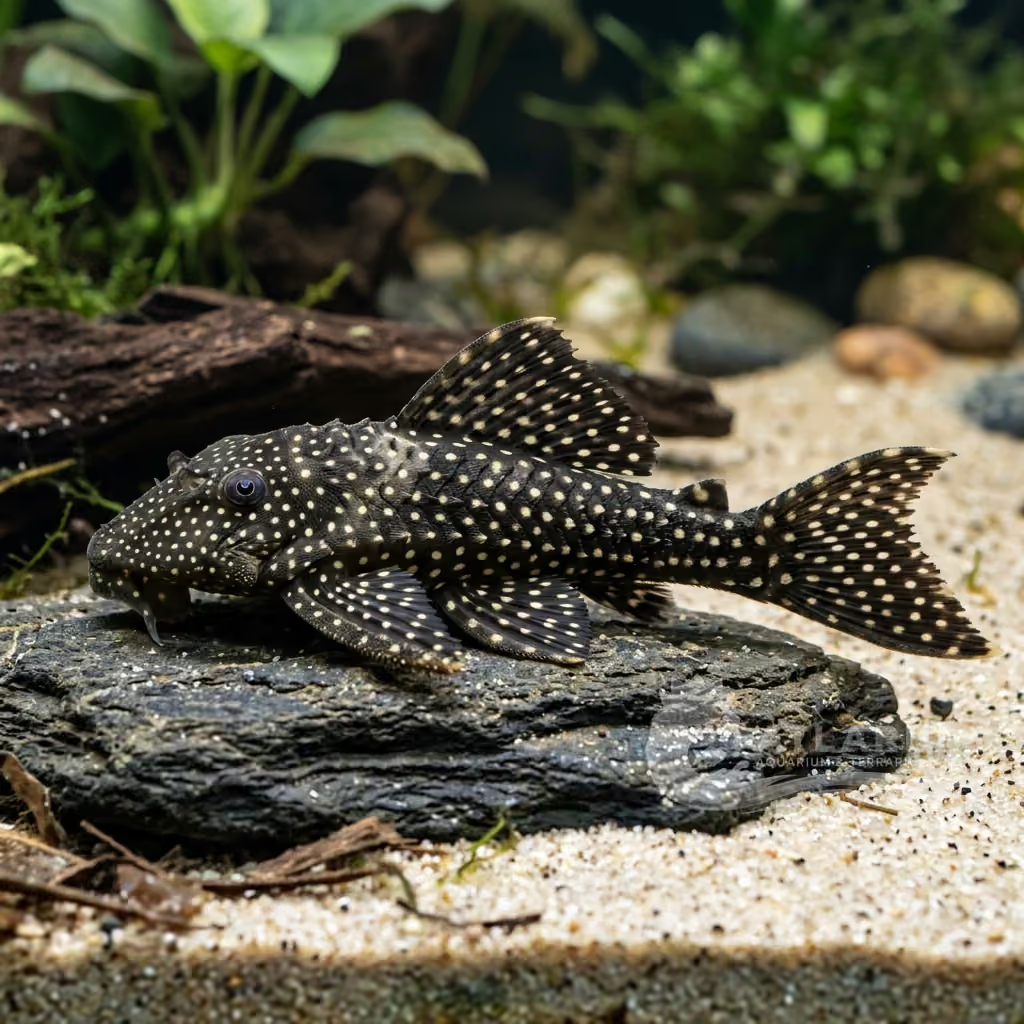
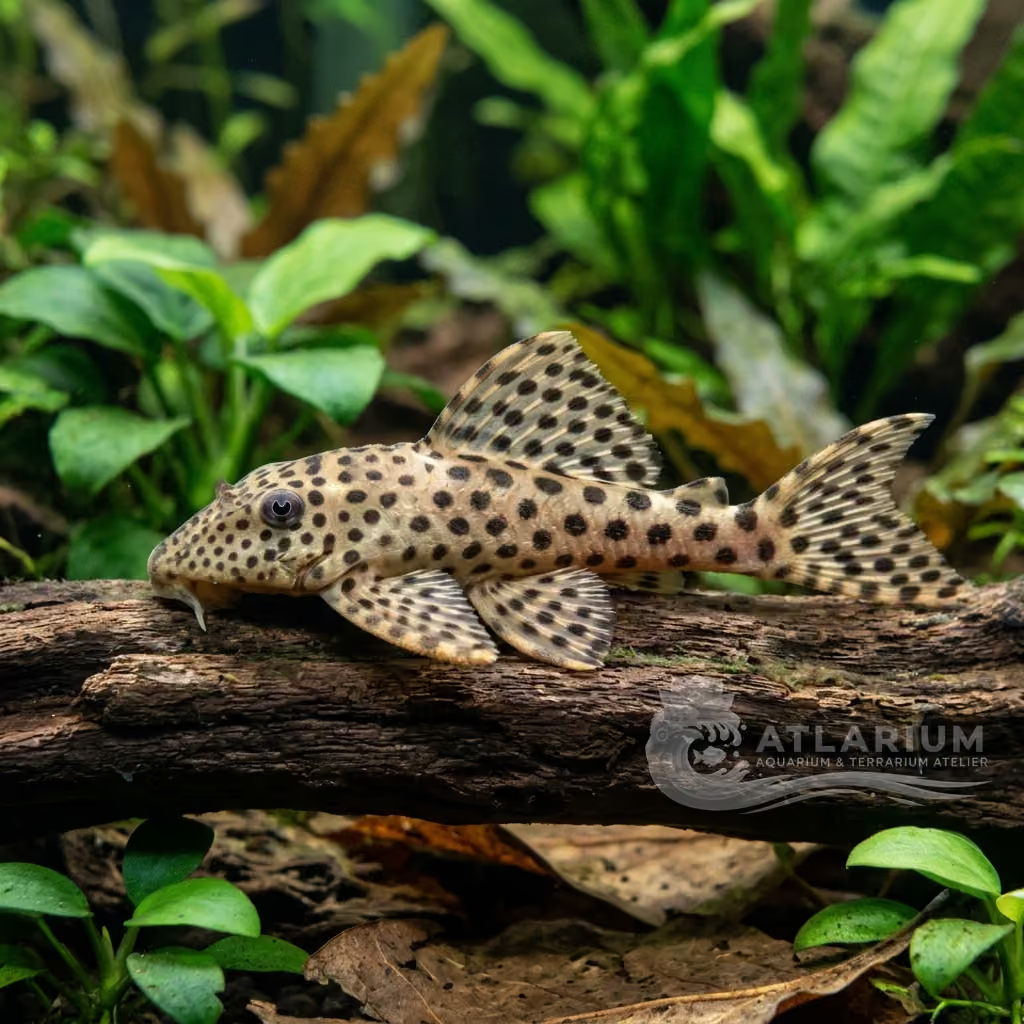
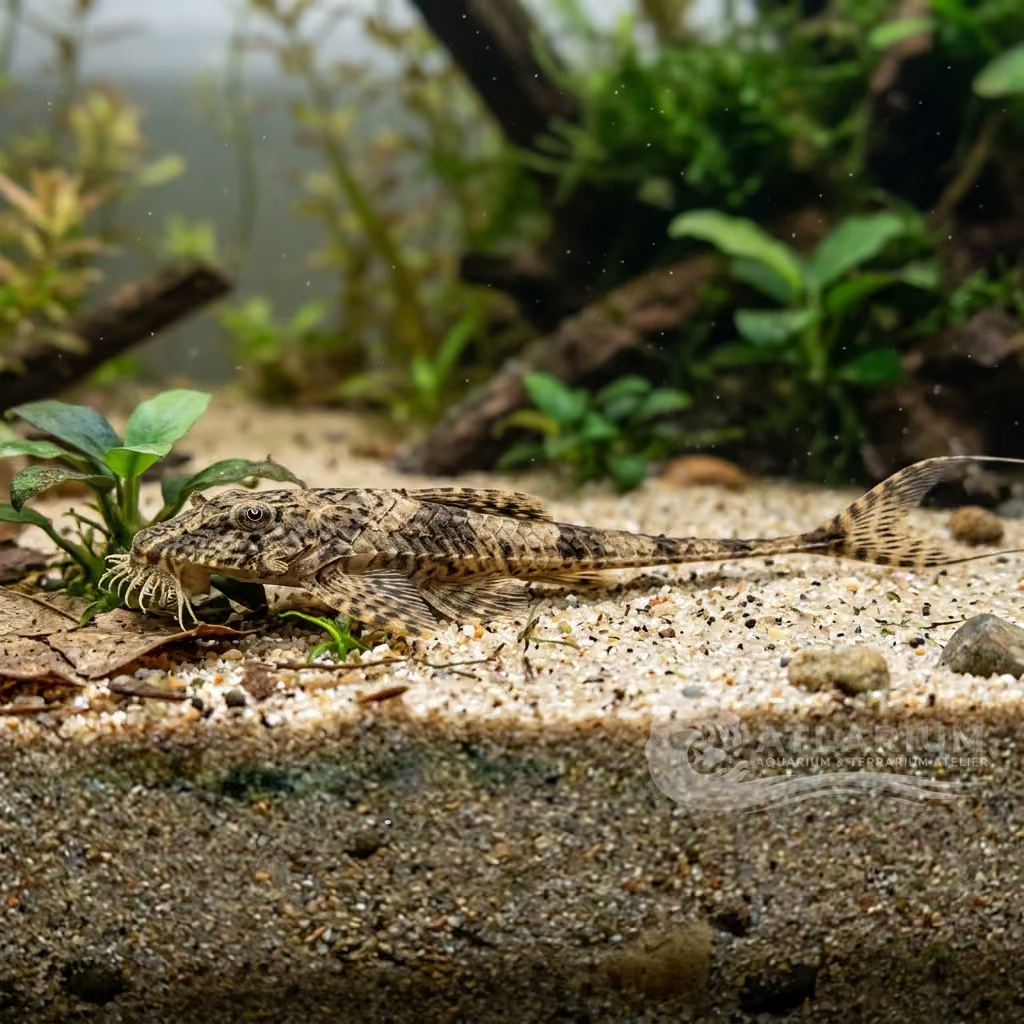
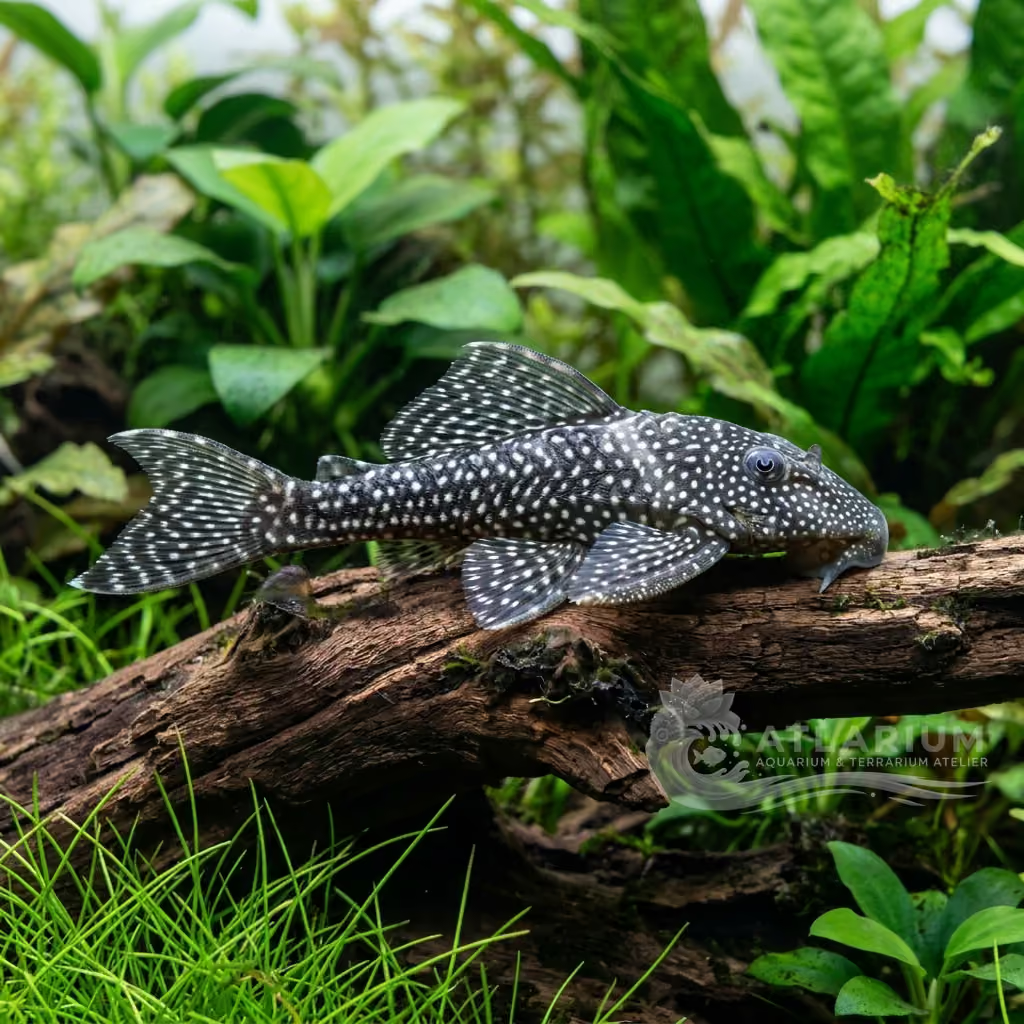
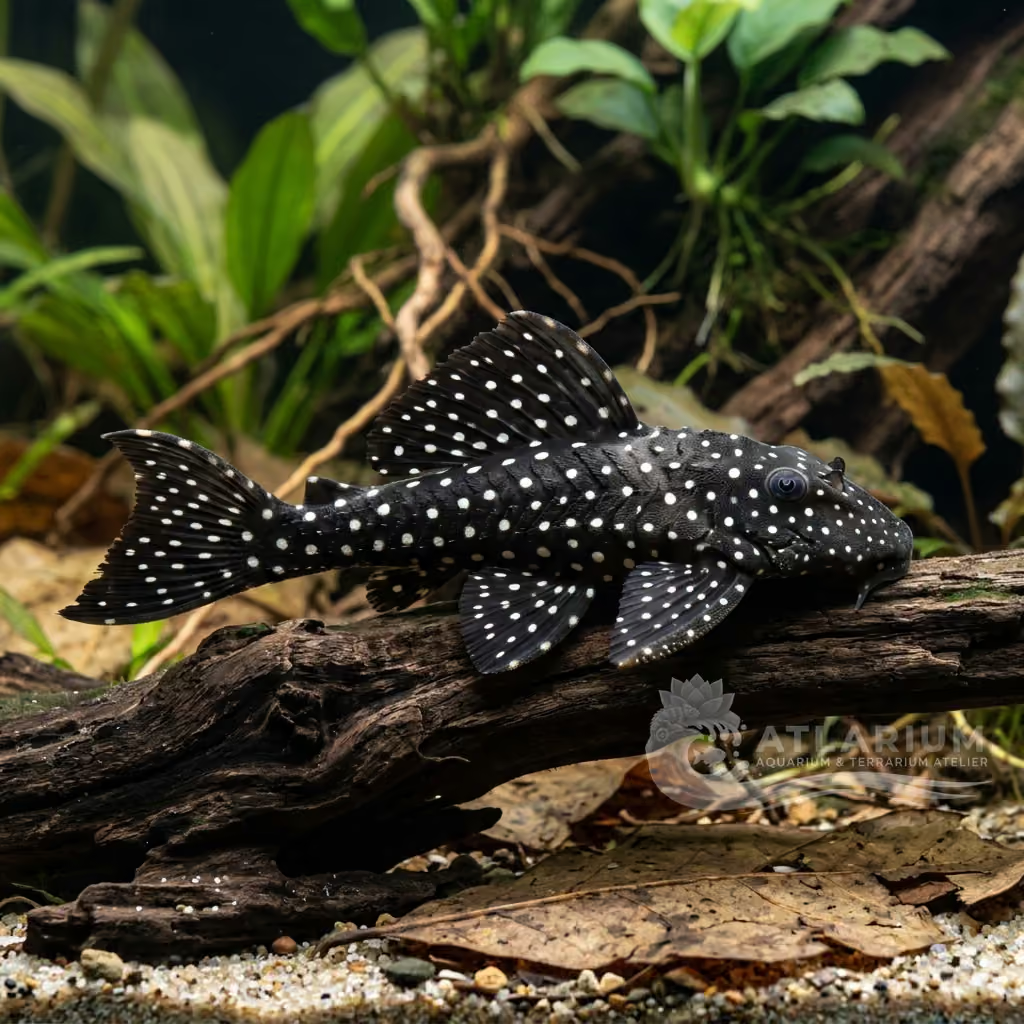
Mango Pleco
Baryancistrus chrysolomus
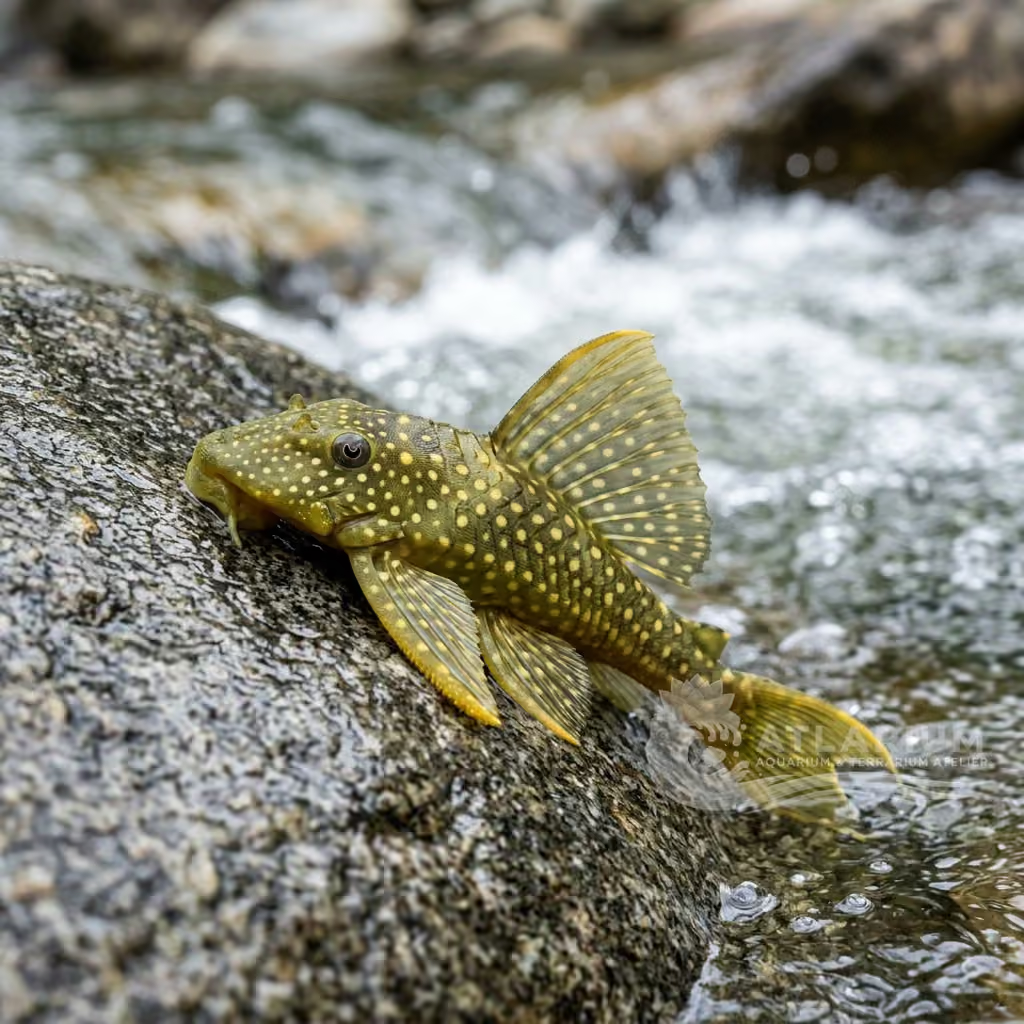
Known as L047 or 'Mango Pleco', it flaunts a dark body with a splendid and extensive yellow-orange bordering on the fins. A thermophilic species that needs pure running waters.
Temperatura da água
27 - 32 °C
Valor de pH
6 - 7.4
Tipo de água
Água doce
Nível do tanque
Parte inferior
Tamanho adulto
25 cm
Volume mínimo do tanque
>= 300 L
Grupo mínimo
>= 1
GH
2 - 12 dGH
KH
1 - 6 dKH
TDS
40 - 240 ppm
Condutividade
63 - 375 uS/cm

Descrição da espécie
Geographical Origin and Habitat: Endemic to the Rio Xingu in Brazil (Altamira and Belo Monte area). Typical inhabitant of rheophilic zones: lives wedged under rounded granite boulders or huge rock slabs in impetuous and warm currents.
Taxonomy and Morphology: Mango Pleco / Magnum Pleco (L047 / Baryancistrus chrysolomus). Possesses the stocky body typical of Baryancistrus, a huge oral disk with robust teeth for scraping. The dorsal fin is very long and connects to the adipose fin.
Social Behavior: Extremely territorial towards conspecifics and other bottom plecos. Claims a "master cave" and attacks with violent shoulder barges, using the interopercular odontodes (cheek spines) as weapons to injure rivals.
Coloration and Sexual Dimorphism: Uniform dark gray-green body, broken by spectacular and wide bright yellow or intense "mango" margins that completely border the dorsal fin and the caudal fin. Males more squared with longer spines on the cheeks.

Cuidado, criação e companheiros de tanque
Aquarium Setup: Needs huge overlapping smooth rocks that create deep dark tunnels where to hide. Filtration must be titanic to handle its enormous organic load (woody feces). Hyper-oxygenated water via powerful movement pumps.
Diet and Feeding: Omnivorous Auffuchs-grazer. Scrapes rocks for algae and microfauna. Provide balanced bottom tablets (spirulina and krill), soft woods to munch on, and sweet potatoes or zucchini. Rarely eats floating food.
Water Quality: Demands high and constant tropical temperatures (27-32°C / 81-90°F). Temperatures below 26°C (79°F) stop its metabolism, leading it to a lethal lethargy in which it stops feeding and dies of starvation.
Compatibility and Cohabitation: Ideal with surface or mid-water fish resistant to extreme heat (Discus, Geophagus, Uaru, large characins). Avoid introducing other territorial plecos in the same tank unless you have a bottom footprint greater than 150 cm (60 inches).
Aquarium Breeding: Rare and difficult reproduction, obtained in narrow caves (terracotta tubes) with very strong direct current. The male traps the female, fertilizes the huge cluster of yellow eggs and obsessively fans them for weeks.
Risks and Diseases: Very high post-importation mortality rate. They often arrive with completely hollow bellies. NEVER use copper-based medications (they suck up the residues from the bottom), and avoid thermal shocks during water changes.

Origem e distribuição geográfica
Endemic to the Rio Xingu in Brazil (Altamira and Belo Monte area). Typical inhabitant of rheophilic zones: lives wedged under rounded granite boulders or huge rock slabs in impetuous and warm currents.
Origem
Extra-Amazônica América do SulAmérica do Norte

Perfil de peixe
- Temperamento
- Semi-aggressive
- Juveniles of this species are relatively peaceful, but adults become highly territorial and aggressive toward conspecifics or other bottom-dwellers. They will aggressively defend their preferred hiding spots and grazing territories from any perceived rivals. They are generally peaceful toward fish that inhabit the middle and upper water columns, making them suitable for community tanks with appropriate tankmates.
- Dieta
- Omnivore
- This species is an omnivorous grazer that primarily feeds on algae, biofilm, diatoms, and small aquatic invertebrates in the wild. In the aquarium, their diet should consist of high-quality sinking algae wafers, fresh vegetables like zucchini and cucumber, and gel foods. Occasional protein treats such as frozen bloodworms, brine shrimp, or chopped prawns should also be provided to round out their nutrition.
- Expectativa de vida
- 10-15 years
- Tamanho adulto
- 25 cm
- Proporção sexual
- Harem
- Due to their highly territorial nature as adults, it is recommended to keep only a single specimen per aquarium. If attempting to keep multiple individuals, the tank must be exceptionally large, with a ratio of one male to several females (harem style) or a small group. Ample physical barriers, caves, and driftwood must be provided to minimize aggressive territorial disputes between males.
- Frequência de alimentação
- Twice daily
- Due to their active grazing behavior and relatively high metabolic rate, they should be fed once or twice daily. Newly imported or acclimating specimens may require several smaller meals throughout the day to recover their strength. Allowing green algae and biofilm to grow on rocks and glass surfaces will provide them with natural foraging opportunities between feedings.
- Carga biológica
- High
- The Mango Pleco is a large and heavy-bodied species that produces a substantial amount of organic waste, requiring robust filtration. An efficient canister filter with a turnover rate of at least 5 to 10 times the tank volume per hour is highly recommended to manage the waste. Regular weekly water changes of 40% to 70% are mandatory to keep the nitrate levels low and maintain the pristine water quality they need.
- Fluxo
- Stagnant
- Hailing from the fast-flowing rapids of the Rio Xingu, this species requires strong water flow and high dissolved oxygen levels. The use of powerheads, wavemakers, or additional filter outlets is essential to simulate their natural whitewater habitat. Inadequate current and low oxygenation can lead to severe stress, respiratory distress, and long-term health issues.
- Risco de salto
- No
- Reprodução
- Oviparous
- Reproduction in captivity is extremely rare and remains largely undocumented in the aquarium hobby. In their natural habitat, they are cave spawners where the male guards the eggs and fry inside a tight crevice. Successfully breeding them would require pristine water quality, strong currents, specialized breeding caves, and conditioning the parents with high-protein foods.
- Compatibilidade e companheiros de tanque
- With caution
- They are compatible with fast-moving, medium-to-large fish that inhabit the middle and upper water levels, such as tetras, silver dollars, and geophagine cichlids. They should not be housed with other territorial plecos, large bottom-dwellers, or conspecifics unless the aquarium is exceptionally large. Avoid slow-moving or long-finned tankmates that could be harassed or compete directly for benthic resources.
- Nível do tanque
- Bottom
- This species is strictly a bottom-dweller, spending almost all of its time on the substrate, rocks, or inside caves. Juveniles tend to shelter in shallower, slower-flowing margins, while adults prefer the deeper riverbeds under large, flat rocks. It is essential to decorate the lower levels of the tank with flat stones and slate to replicate their natural benthic microhabitat.

Modelos e parâmetros científicos
FishBase
Acesso aos dados científicos oficiais da espécie
FishBase v25.04Dados sincronizados em: 15/06/2026
- Resiliência
- Média (1,4 - 4,4 anos)
- Unicidade filogenética (PD50)
- 0.5039
- Relação bayesiana comprimento-peso
- a = 0.01549, b = 3
- VulnerabilidadeVulnerabilidade baixa (20 / 100)

Espécies relacionadas
Recomendações agrupadas por parentes próximos, escolhas de acompanhantes e cuidados semelhantes.