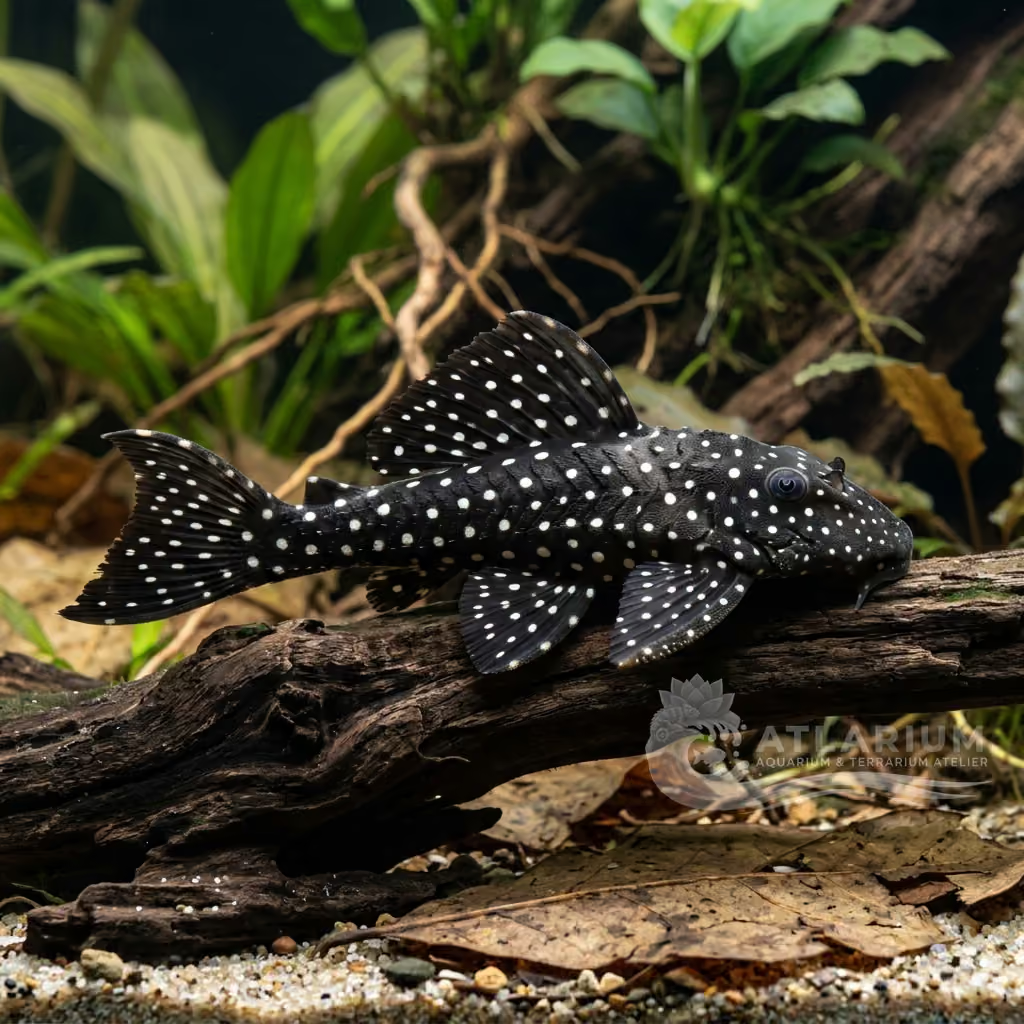
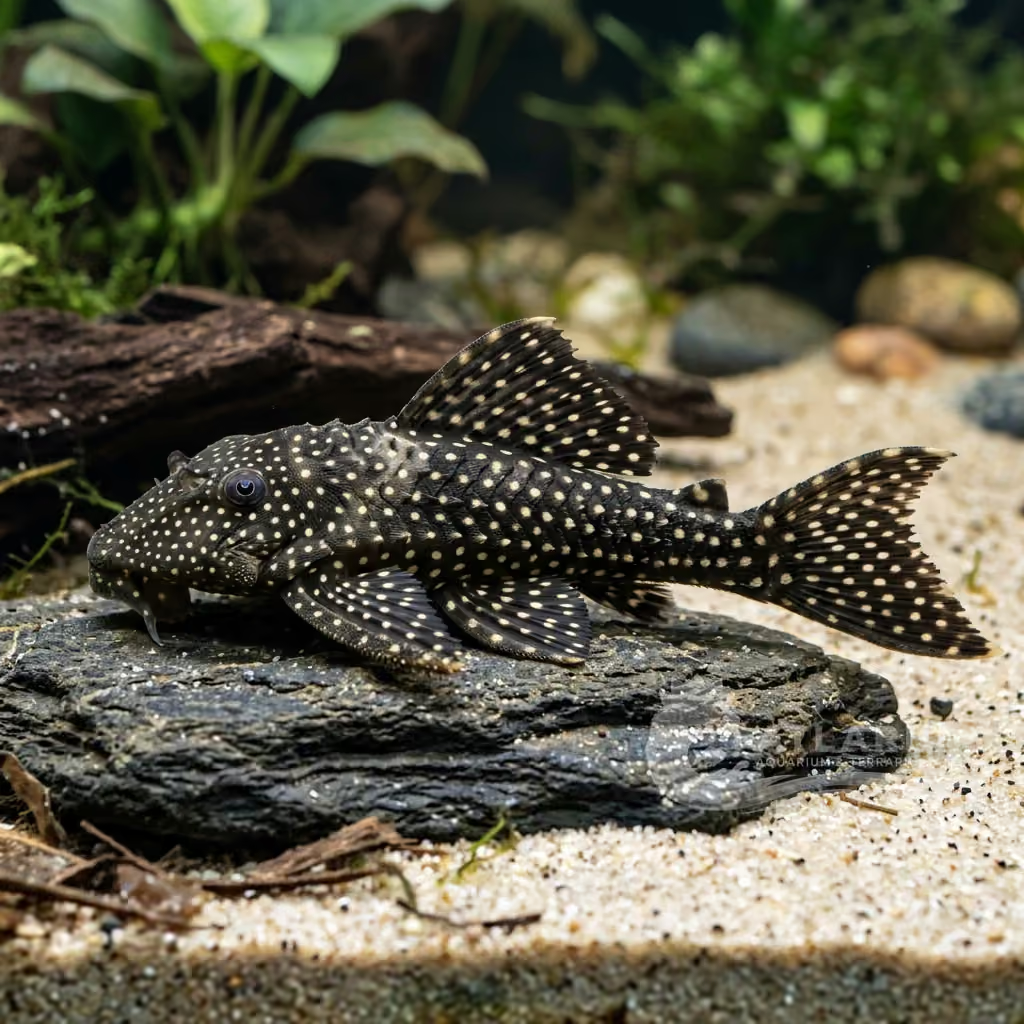
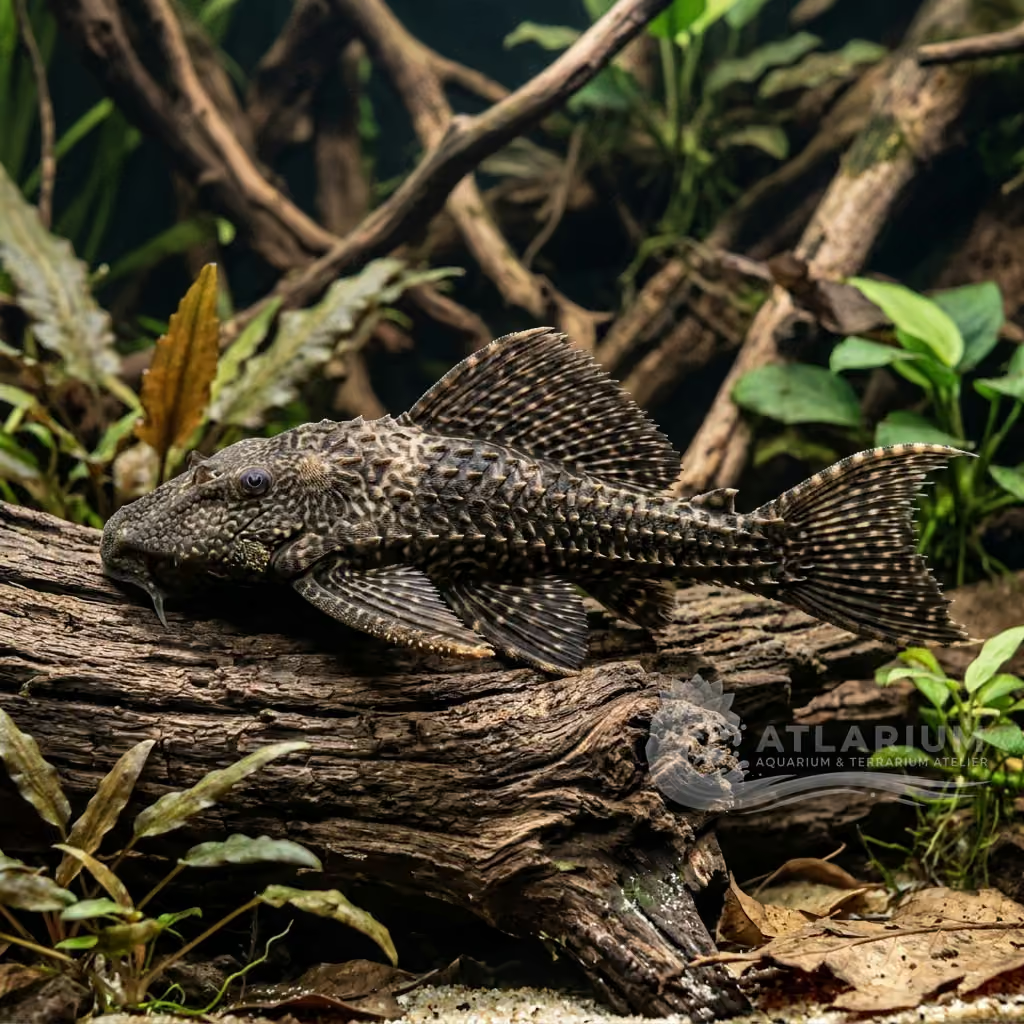
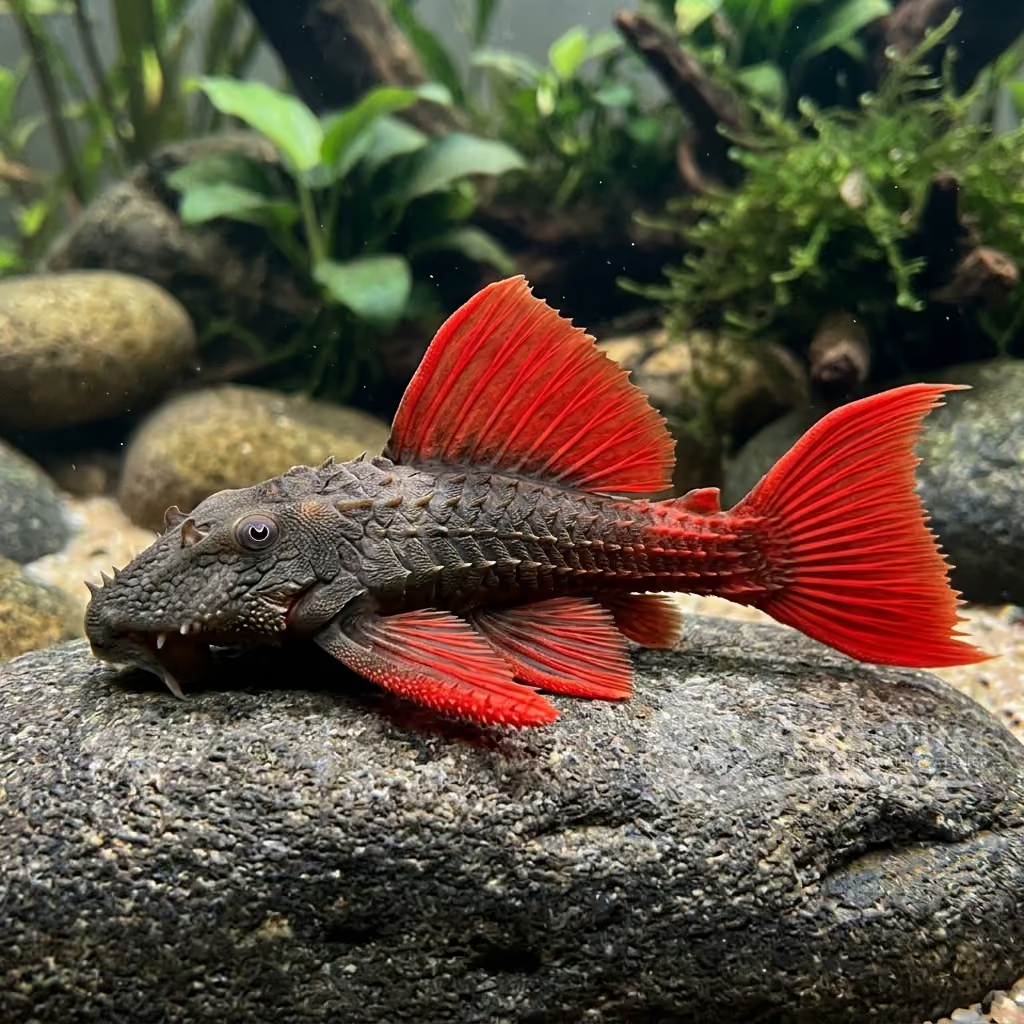
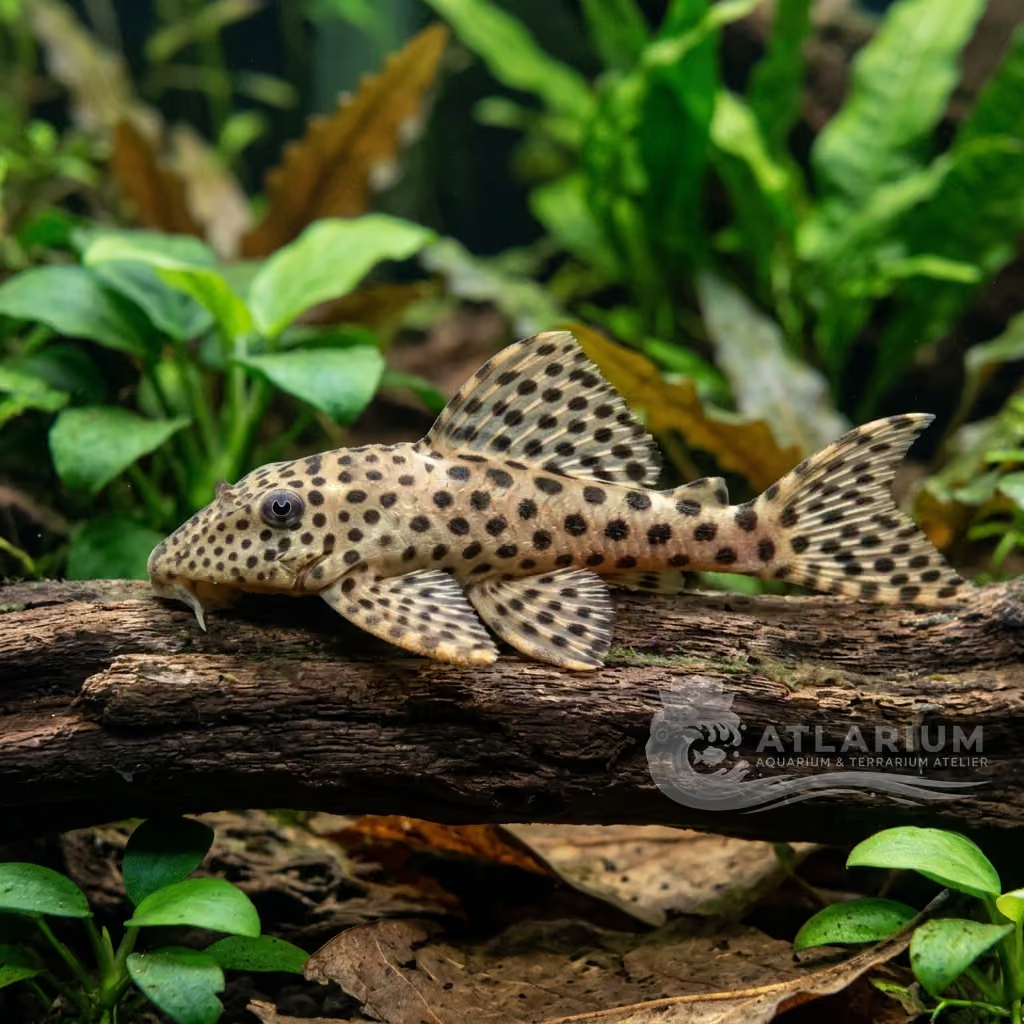
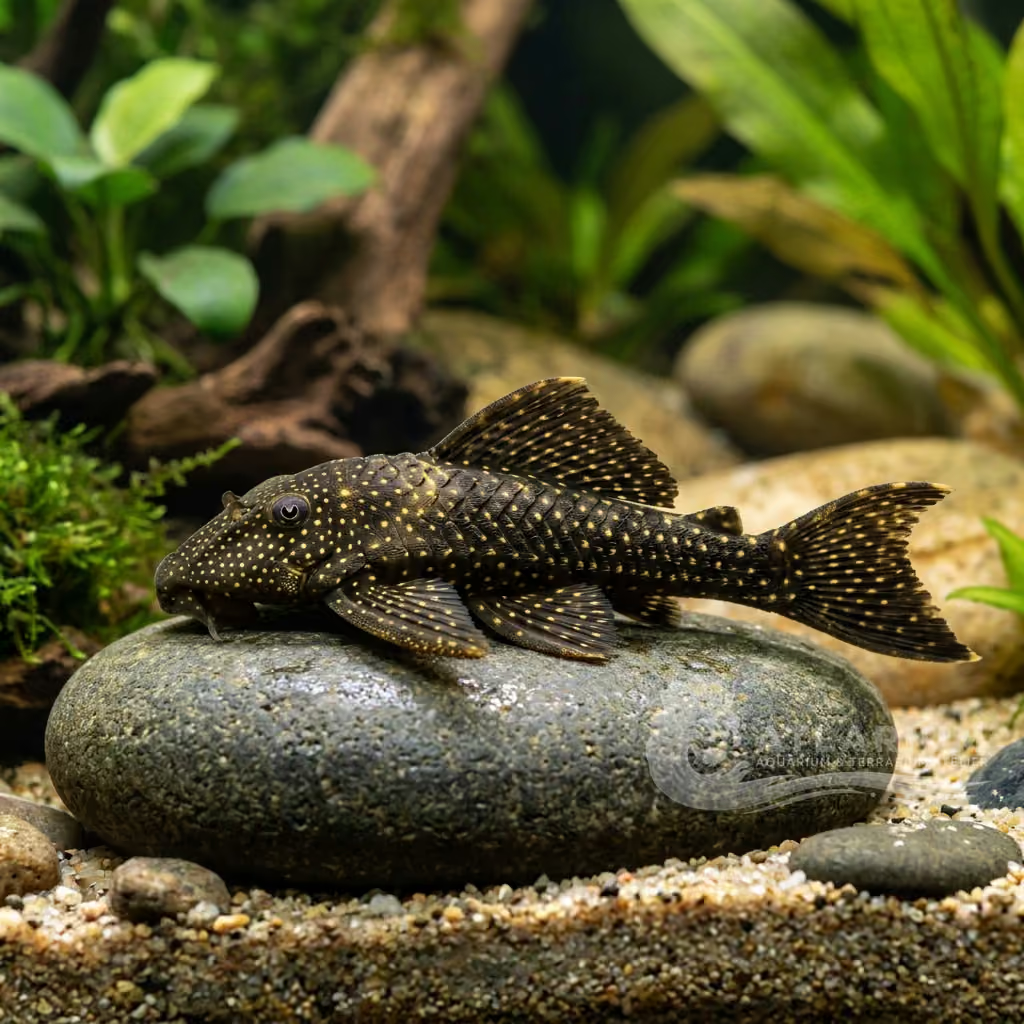
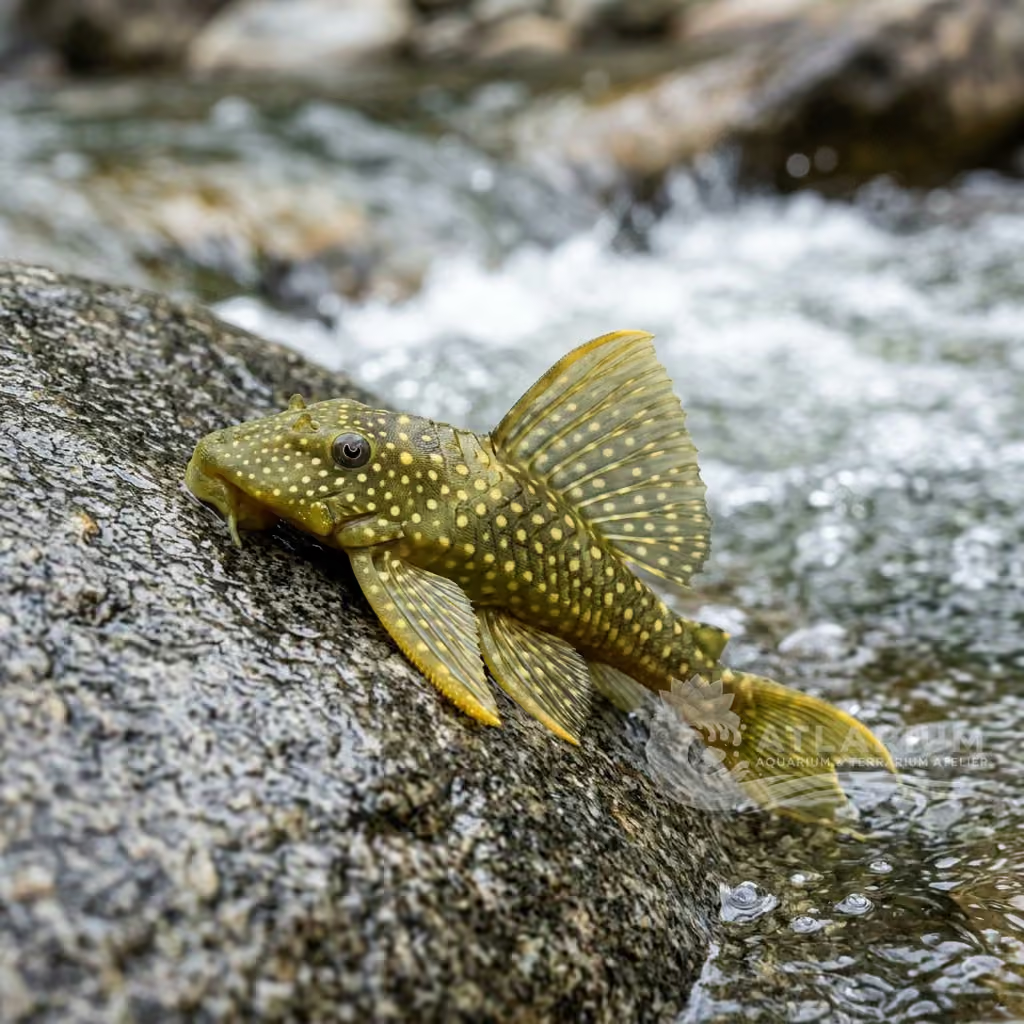
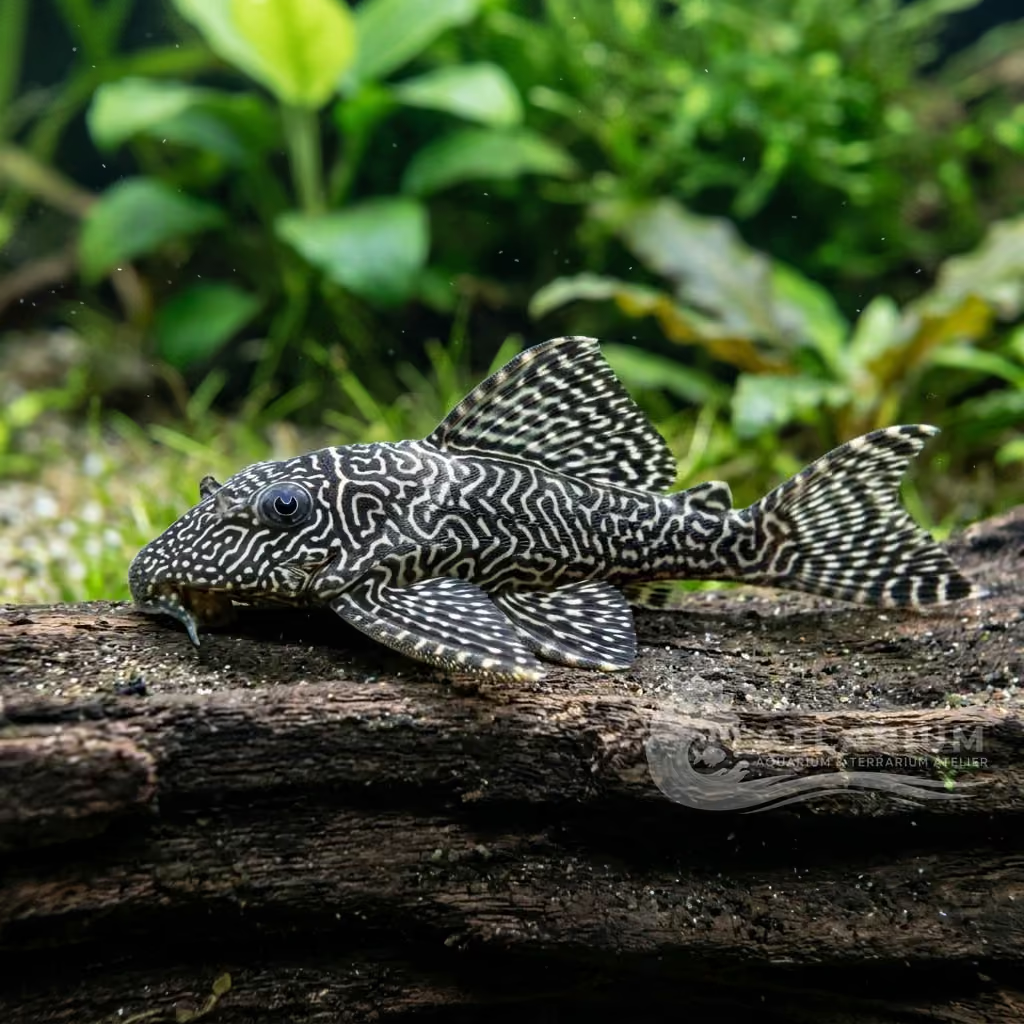
Leopard Cactus Pleco (L114)
Pseudacanthicus leopardus
A stunning leopard-patterned pleco from South America, showcasing vivid red-orange fin lobes and requiring excellent water flow.
Temperatura da água
25 - 29 °C
Valor de pH
6 - 7.2
Tipo de água
Água doce
Nível do tanque
Parte inferior
Tamanho adulto
25 cm
Volume mínimo do tanque
>= 450 L
Grupo mínimo
>= 1
GH
2 - 12 dGH
KH
2 - 10 dKH
TDS
50 - 280 ppm
Condutividade
78 - 438 uS/cm

Descrição da espécie
Geographical Origin and Habitat: Branco River basin (tributary of the Rio Negro) between southern Brazil and Guyana. Rheophile of the rapids: lives in crystal clear and extremely turbulent rivers, hiding among stacked granitic rock formations.
Taxonomy and Morphology: Leopard Cactus Pleco (L114 / Pseudacanthicus leopardus). The genus name "Pseudacanthicus" refers to the heavy and enormous odontodes (spines) on most of the body and pectoral fins ("Cactus pleco"). Massive and armored.
Social Behavior: Extremely territorial and aggressive. Will furiously guard its den expelling any bottom intruder. Highly discouraged to keep more than one specimen per tank, unless you have public-sized aquariums (> 1000L / 250 gallons).
Coloration and Sexual Dimorphism: Brownish-golden background covered by large circular black spots (leopard-like). Spectacular vivid red-orange color on the lobes of the caudal and dorsal fins. Males develop a wider snout and a riot of spines on their flanks.

Cuidado, criação e companheiros de tanque
Aquarium Setup: Cyclopean dimensions (150-200 cm / 60-80 inches tank). Installation of strong circulation pumps and a "river manifold" is mandatory. Insert massive, immovable ceramic tubular dens. No plants, given the fury of the darts and the size.
Diet and Feeding: Carnivore (predator/scavenger). Vigorous chewer: cracks snails and crustaceans. Offer abundant shrimp meat, mussel, earthworms, krill, and high-protein sinking tablets. Ignores algae wafers.
Water Quality: Warm (25-29°C / 77-84°F), purest, and artificially oxygenated to saturation. The very high carnivorous metabolism produces a lot of organic load; a mammoth biological filtration and titanic weekly water changes are necessary.
Compatibility and Cohabitation: Excellent bottom cleaner for "Monster" tanks: coexists easily with Arowanas, large river Rays (Potamotrygon), Oscars, or large Datnioides. Dangerous (can kill them) with Loricariids of similar size and competing nature.
Aquarium Breeding: Difficult and exclusive prerogative of experts. Occurs in sealed PVC caves. The male violently blocks the female inside for days. The larvae consume gigantic yolk sacs for almost two weeks.
Risks and Diseases: Apart from the risk of lethal physical clashes in undersized tanks, Pseudacanthicus tolerate bacterial alterations of the bottom (accumulation of waste) very poorly, which cause fatal hemorrhagic septicemia.

Origem e distribuição geográfica
Branco River basin (tributary of the Rio Negro) between southern Brazil and Guyana. Rheophile of the rapids: lives in crystal clear and extremely turbulent rivers, hiding among stacked granitic rock formations.
Origem
Amazônia, Orinoco e Guianas

Perfil de peixe
- Temperamento
- Semi-aggressive
- Territorial and potentially aggressive towards other bottom-dwelling species. They have sharp odontodes and can cause damage in fights. Generally ignore fish in higher water column levels.
- Dieta
- Carnivore
- Primarily carnivorous, unlike many other plecos. They require a diet rich in meaty foods such as shrimp, mussels, bloodworms, and carnivore pellets. They will graze on wood but it is not their main food source.
- Expectativa de vida
- 10-12 years
- Tamanho adulto
- 25 cm
- Proporção sexual
- Solitary
- Best kept as a single specimen or in a group with a higher ratio of females to males if the tank is very large. Males are extremely territorial towards each other. Visual sexing is difficult until mature.
- Frequência de alimentação
- Twice daily
- Feed once daily, preferably in the evening as they are primarily nocturnal. Ensure food reaches the bottom where they can access it. Monitor their intake to avoid overfeeding.
- Carga biológica
- Medium
- High bioload due to their large adult size and heavy protein-rich diet. They generate substantial waste. Robust filtration and diligent maintenance are necessary.
- Fluxo
- Stagnant
- Appreciate moderate to strong water flow. This replicates their natural riverine habitats. Good oxygenation is crucial, especially at higher temperatures.
- Risco de salto
- No
- Reprodução
- Oviparous
- Breeding is possible but challenging, requiring a large tank and excellent water conditions. They are cave spawners, and the male will guard the eggs and fry. Conditioning with high-quality protein is necessary.
- Compatibilidade e companheiros de tanque
- With caution
- Generally peaceful with mid and top-dwelling fish. However, they can be highly territorial and aggressive towards other bottom dwellers, especially conspecifics. Provide ample hiding spots to minimize conflict.
- Nível do tanque
- Bottom
- Strict bottom dwellers. They will spend most of their time in caves or under driftwood. Provide a complex hardscape to satisfy their need for shelter.

Modelos e parâmetros científicos
FishBase
Acesso aos dados científicos oficiais da espécie
FishBase v25.04Dados sincronizados em: 15/06/2026
- Resiliência
- Média (1,4 - 4,4 anos)
- Unicidade filogenética (PD50)
- 0.5039
- Relação bayesiana comprimento-peso
- a = 0.01549, b = 2.96
- VulnerabilidadeVulnerabilidade baixa (10 / 100)

Espécies relacionadas
Recomendações agrupadas por parentes próximos, escolhas de acompanhantes e cuidados semelhantes.