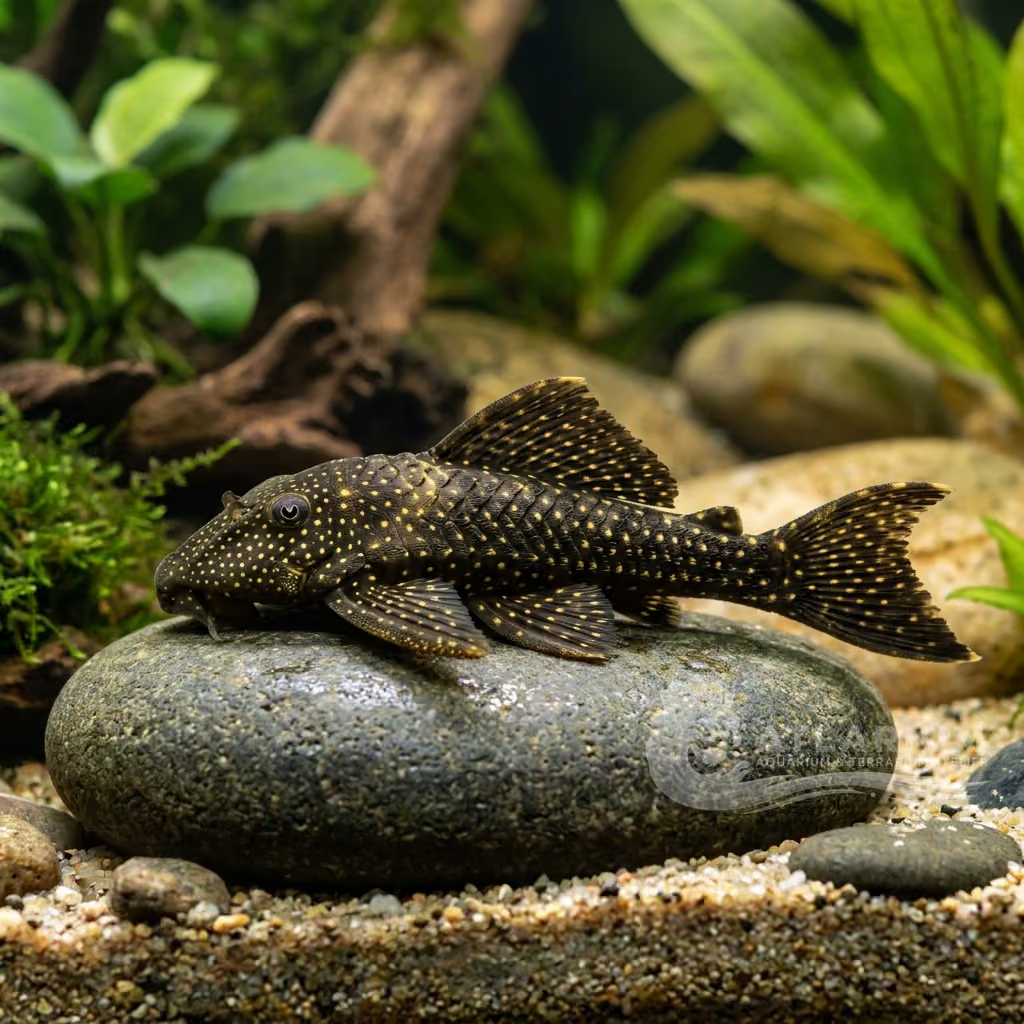
Orinoco Twig Catfish
Farlowella mariaelenae
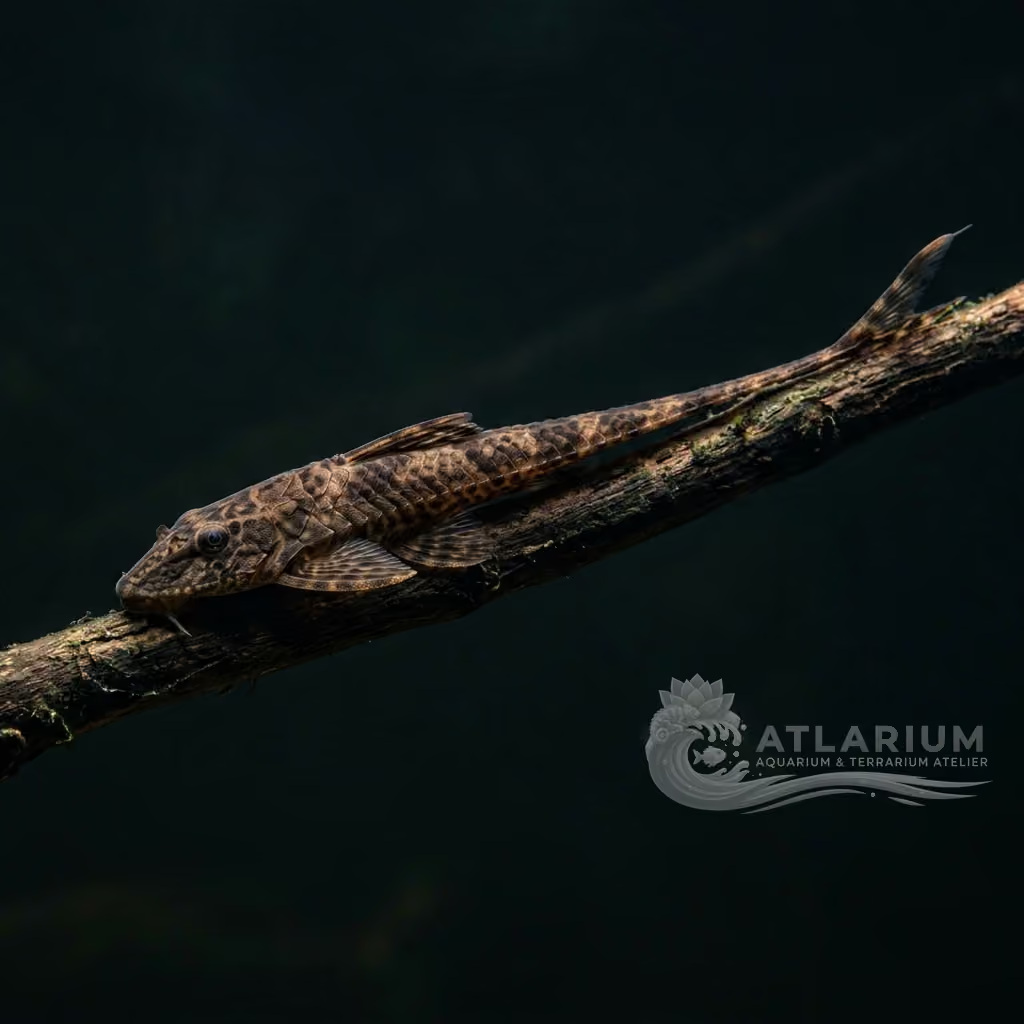
Extraordinary evolutionary miracle, this Farlowella perfectly imitates a dry twig fallen into the water. It spends its days motionless resting vertically on submerged branches.
Temperatura da água
24 - 28 °C
Valor de pH
6 - 7.5
Tipo de água
Água doce
Nível do tanque
Parte inferior e intermediária
Tamanho adulto
15 cm
Volume mínimo do tanque
>= 120 L
Grupo mínimo
>= 1
GH
2 - 12 dGH
KH
1 - 6 dKH
TDS
40 - 240 ppm
Condutividade
63 - 375 uS/cm

Descrição da espécie
Geographical Origin and Habitat: Endemic to the Orinoco River and Llanos basins in Venezuela and Colombia. Frequents flooded areas, swamps, and margins of slow-flowing, richly vegetated rivers, with an abundance of submerged roots and branches.
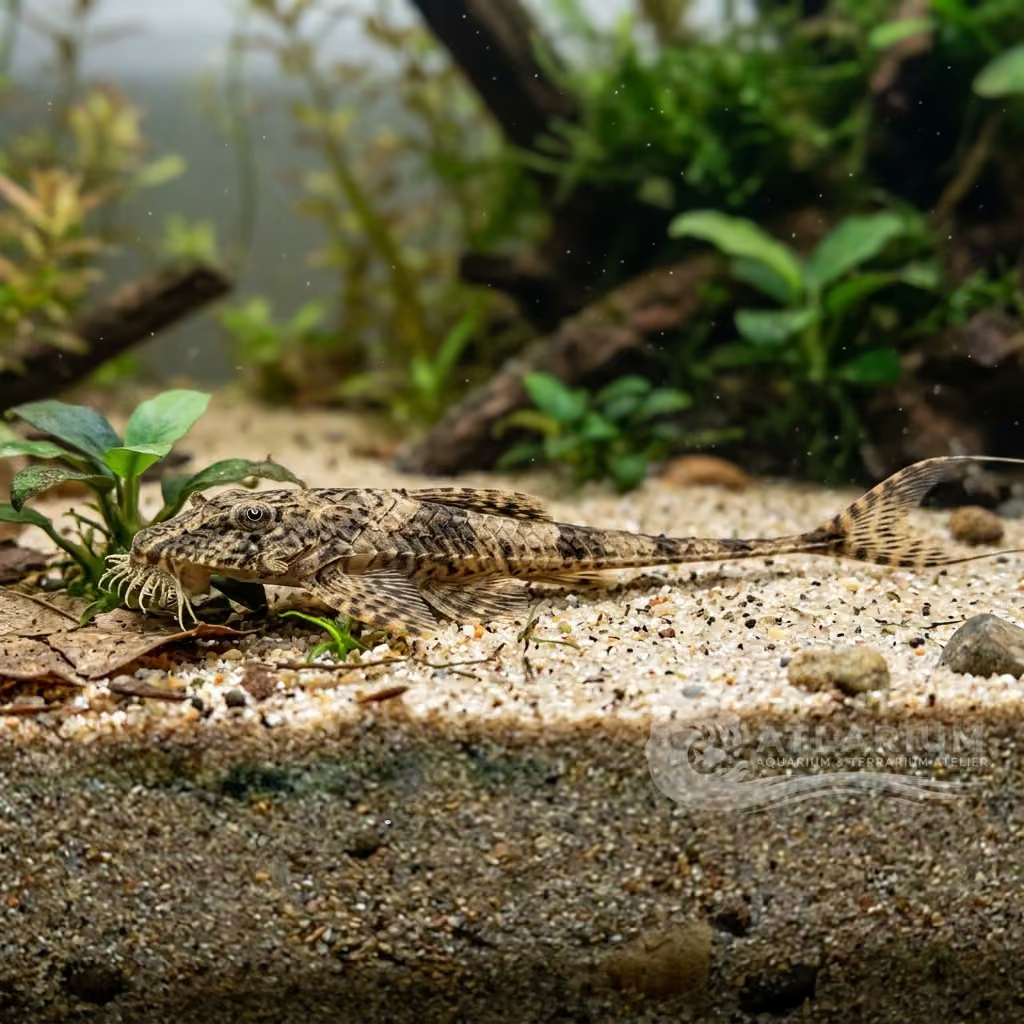
Taxonomy and Morphology: Maria Elena's Twig Catfish (Farlowella mariaelenae). Loricariid with an incredibly needle-like body, designed to blend in perfectly among twigs. It possesses a long pointed rostrum (snout) and bony plate scales that make it rigid.
Social Behavior: Extremely peaceful, shy, and almost inactive during the day. Spends hours motionless, adhering vertically to branches or stems of long plants, blending into the environment. At night it moves slowly scraping surfaces.
Coloration and Sexual Dimorphism: Camouflage coloration ranging from light brown to olive green with a dark lateral stripe. Mature males develop very pronounced odontodes (similar to spiny fuzz) on the sides of the snout (rostrum).

Cuidado, criação e companheiros de tanque
Aquarium Setup: Essential a mature tank rich in broad-leaved plants (e.g. Echinodorus), bamboo canes, and intricate branches arranged vertically or diagonally. Gentle water movement and abundant oxygenation. Does not need specific substrates.
Diet and Feeding: Herbivore/Algae eater. Needs a well-established aquarium with a constant growth of soft algae (Aufwuchs). Must be supplemented with blanched vegetables (zucchini, cucumber, spinach) and pure Spirulina-based sinking wafers.
Water Quality: Very sensitive to nitrogenous pollutants and value fluctuations. Keep water warm (24-28°C / 75-82°F), soft, and slightly acidic (pH 6.0-7.5). Frequent partial water changes are crucial.
Compatibility and Cohabitation: Unsuitable for turbulent tanks. Must coexist with small and peaceful fish (small South American Characins, dwarf Corydoras, Otocinclus). Fast tankmates (e.g. Barbs, Cichlids) would not give it time to feed, causing it to starve.
Aquarium Breeding: Possible in optimal waters. The male cleans a smooth surface (often the glass or a broad leaf). The female lays clear adhesive eggs, and the male carefully guards them for 6-10 days until hatching.
Risks and Diseases: Starvation is the #1 cause of death in captivity: often new specimens are malnourished. They do not tolerate systemic medications, especially copper or malachite green. Their rigid bodies make them fragile if stuck.

Origem e distribuição geográfica
Endemic to the Orinoco River and Llanos basins in Venezuela and Colombia. Frequents flooded areas, swamps, and margins of slow-flowing, richly vegetated rivers, with an abundance of submerged roots and branches.
Origem
Oceanos tropicais e recifesAmazônia, Orinoco e Guianas

Perfil de peixe
- Temperamento
- Semi-aggressive
- They are incredibly docile, highly cryptic, and rely entirely on their stick-like camouflage for protection. They are completely non-aggressive and will not bother any other inhabitants, even tiny shrimp. They can be easily outcompeted and stressed by active, boisterous tank mates.
- Dieta
- Herbivore
- They are dedicated herbivores that spend their entire day rasping soft algae and biofilm from wood. Their diet requires constant supplementation with blanched spinach, zucchini, and high-quality spirulina sinking wafers. Protein-rich foods should be strictly avoided to prevent severe digestive blockages.
- Expectativa de vida
- 5-10 years
- Tamanho adulto
- 15 cm
- Proporção sexual
- Solitary
- They are completely indifferent to conspecifics and can be kept in any sex ratio without aggression. Keeping a small group is visually striking, provided the tank is large enough to supply adequate algae. A single specimen will also do perfectly fine on its own.
- Frequência de alimentação
- Twice daily
- Due to their slow feeding habits, they need constant access to grazing surfaces or vegetable supplements. Providing fresh vegetable slices overnight ensures they can eat peacefully without competition. Uneaten food must be removed promptly the next morning to avoid ammonia spikes.
- Carga biológica
- Medium
- Mariaelena's twig catfish produces a minor bioload, typical of small, specialized grazing Loricariids. They are extremely intolerant of fluctuating water parameters and require highly stable, pristine conditions. Gentle but effective filtration with rigorous weekly water changes is absolutely mandatory.
- Fluxo
- Stagnant
- They prefer a gentle, steady, and highly oxygenated water flow simulating calm river tributaries. Violent currents will stress them and make it difficult for them to cling to vertical surfaces. A spray bar attachment is highly recommended to distribute the filter return gently.
- Risco de salto
- No
- Reprodução
- Oviparous
- Breeding this specific species is rare but follows the typical Farlowella pattern of egg deposition on flat surfaces. The male takes full responsibility for guarding and cleaning the eggs until they hatch. The fry are incredibly sensitive and require microscopic green water and biofilm immediately.
- Compatibilidade e companheiros de tanque
- Vulnerable
- They are completely peaceful and utterly defenseless against any moderately aggressive or fast-moving fish. They thrive only in very peaceful community tanks with small rasboras, tetras, or dwarf shrimp. Avoid keeping them with active bottom-feeders that will steal their food.
- Nível do tanque
- Middle/Bottom
- They are specialized structural dwellers, spending their time clinging vertically to tall plants or driftwood. They rarely rest directly on the substrate unless moving between perches. An aquarium heavily decorated with vertical branches and tall Vallisneria is highly recommended.

Modelos e parâmetros científicos
FishBase
Acesso aos dados científicos oficiais da espécie
FishBase v25.04Dados sincronizados em: 15/06/2026
- Nível trófico
- 2,5 ± 0,2 se
- Resiliência
- Média (1,4 - 4,4 anos)
- Unicidade filogenética (PD50)
- 0.5
- Relação bayesiana comprimento-peso
- a = 0.00398, b = 3.11
- VulnerabilidadeVulnerabilidade baixa (11 / 100)

Espécies relacionadas
Recomendações agrupadas por parentes próximos, escolhas de acompanhantes e cuidados semelhantes.