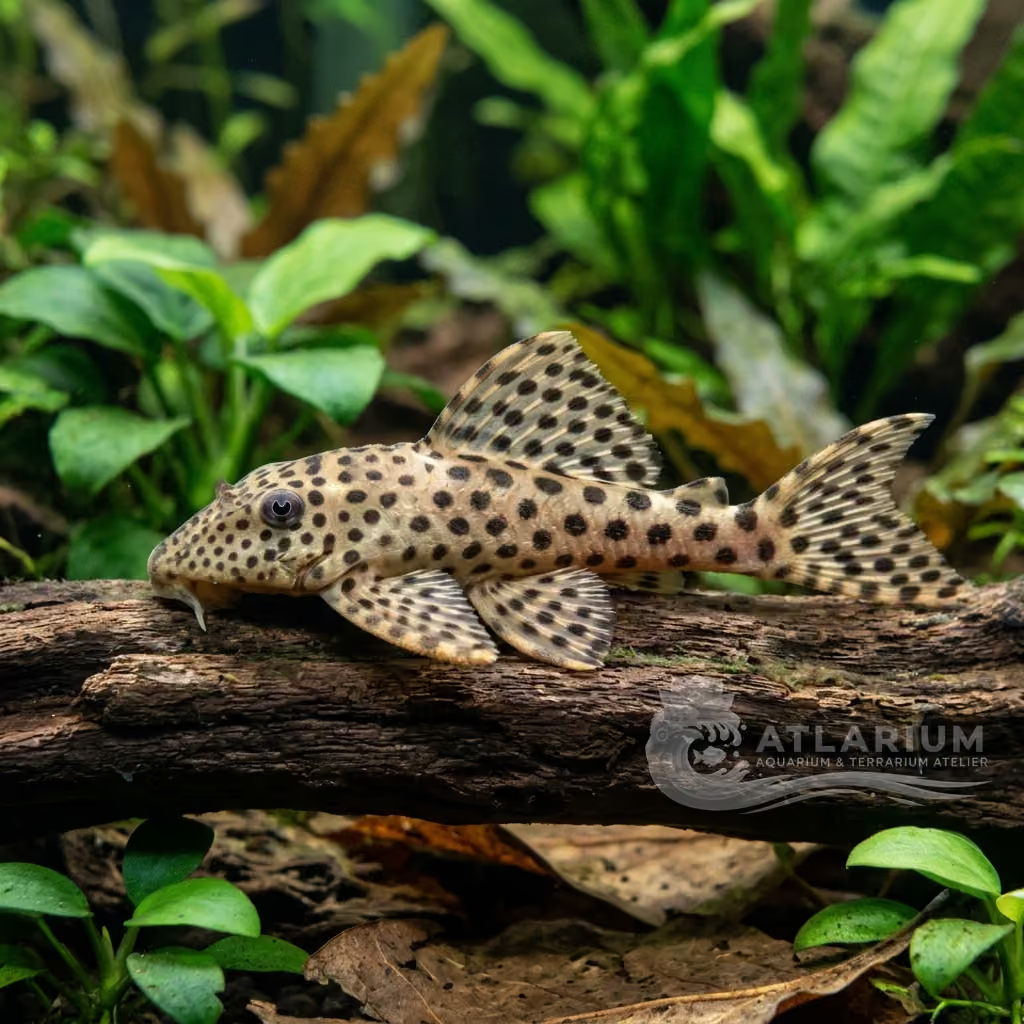
Megasema Eartheater
Geophagus megasema
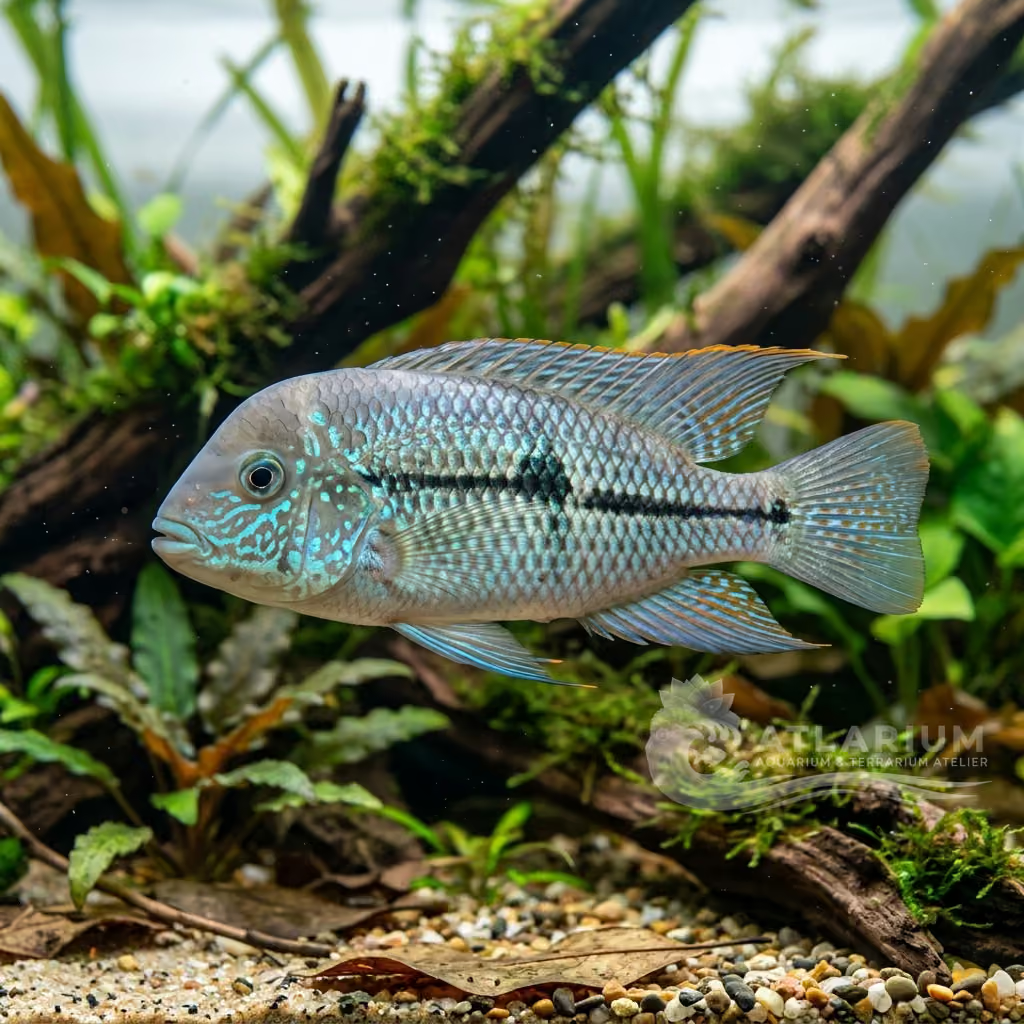
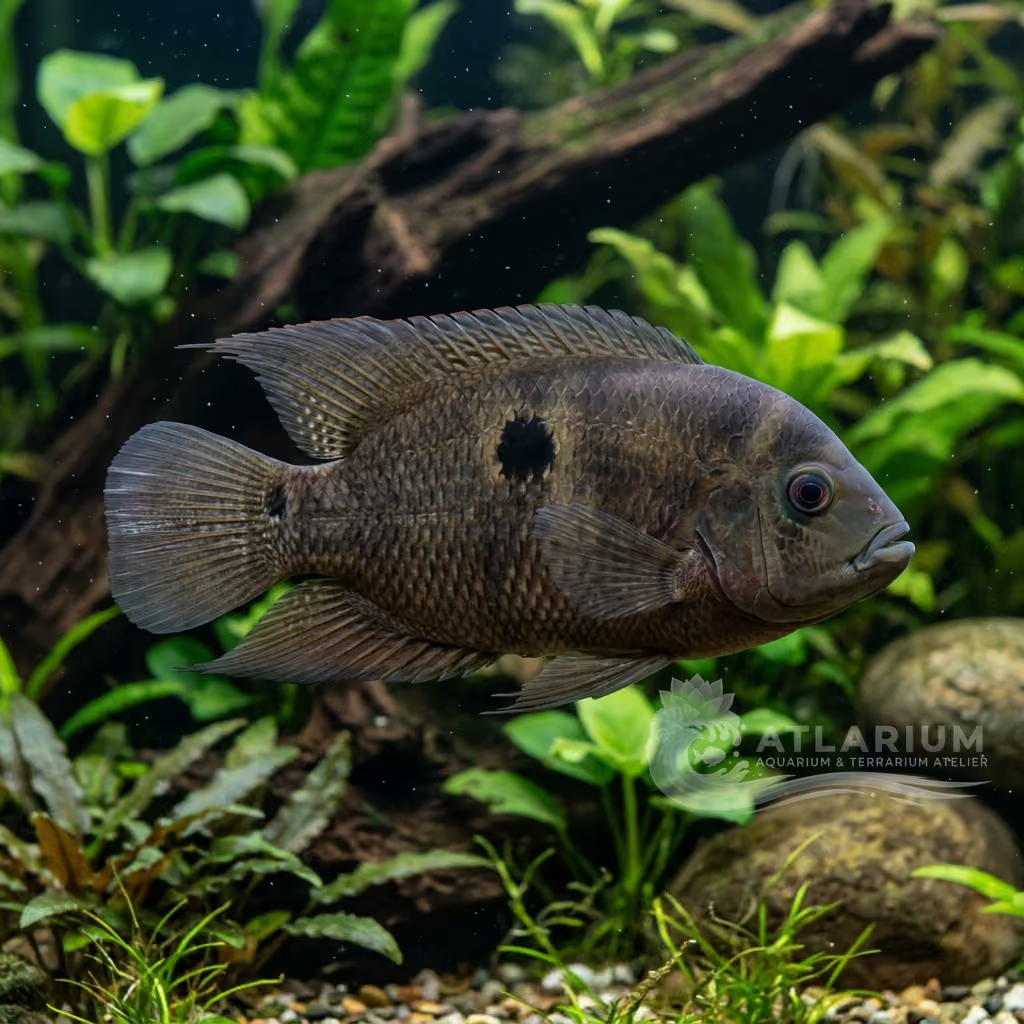
The 'Large Spotted Eartheater' (18-20 cm). Eartheater cichlid of formidable beauty and moderate size, endemic to the Rio Madeira. It stands out, as the scientific name suggests, for a titanic black 'blotch' on the flank, disproportionately vast compared to other Geophagus. Wonderfully peaceful towards other species, it requires very fine sand, high temperatures and crystalline waters. Classic biparental oral incubator breeder.
Temperatura da água
24 - 28 °C
Valor de pH
6 - 7.5
Tipo de água
Água doce
Nível do tanque
Parte inferior
Tamanho adulto
20 cm
Volume mínimo do tanque
>= 180 L
Grupo mínimo
>= 1
GH
2 - 12 dGH
KH
1 - 6 dKH
TDS
40 - 240 ppm
Condutividade
63 - 375 uS/cm

Descrição da espécie
Geographical Origin and Habitat: Endemic species of the Guaporé River basin (Bolivia and Brazil). Lives in rivers with moderate currents and boundless bottoms of light sand or clay to sift.
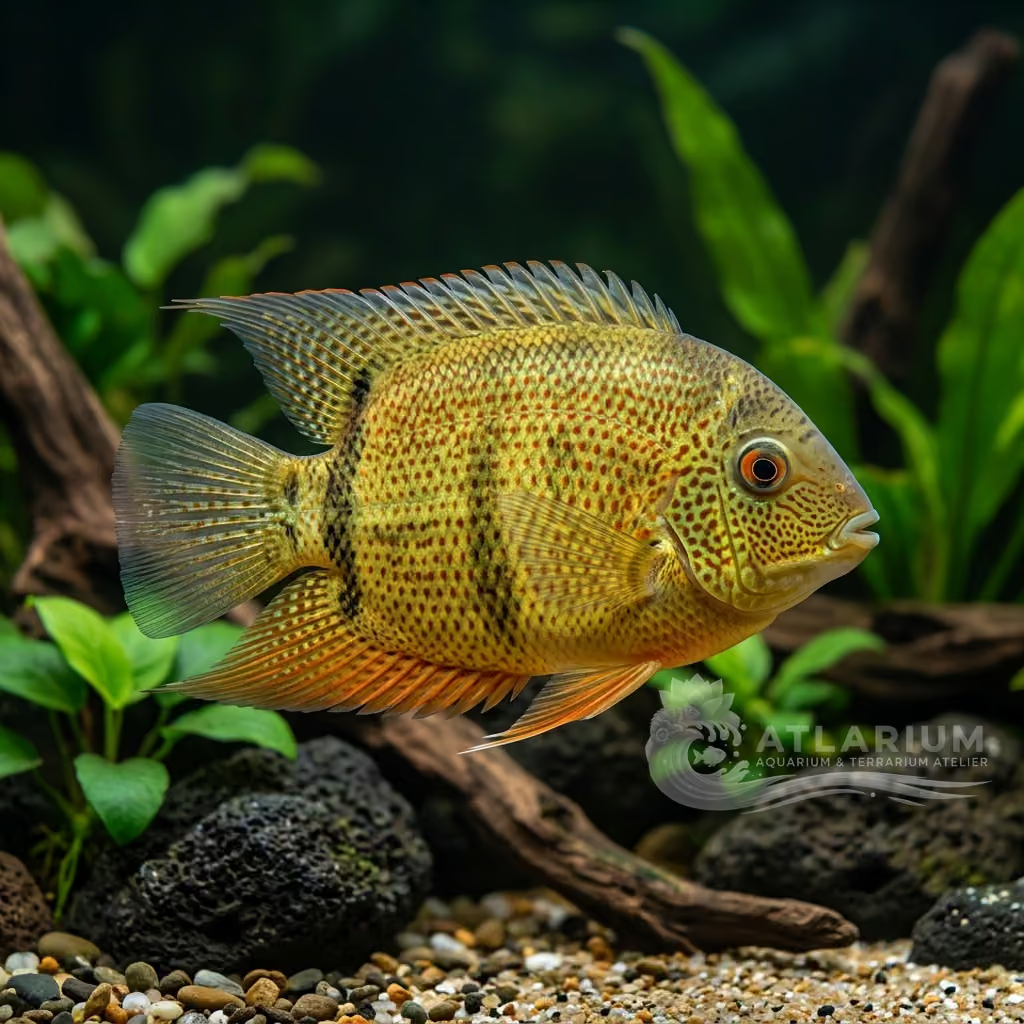
Taxonomy and Morphology: Megasema Eartheater (Geophagus megasema). Robust but elegant South American cichlid. Belonging to the "surinamensis" group, it is distinguished by a gigantic ("mega") ocellar spot ("sema") on the flanks and an imposing muscular profile.
Social Behavior: Distinctly gregarious fish; keeping singles or pairs leads to chronic shyness. To mitigate inter-male aggression, they need to be kept in schools of at least 5-8 specimens. Dominants develop nuchal humps.
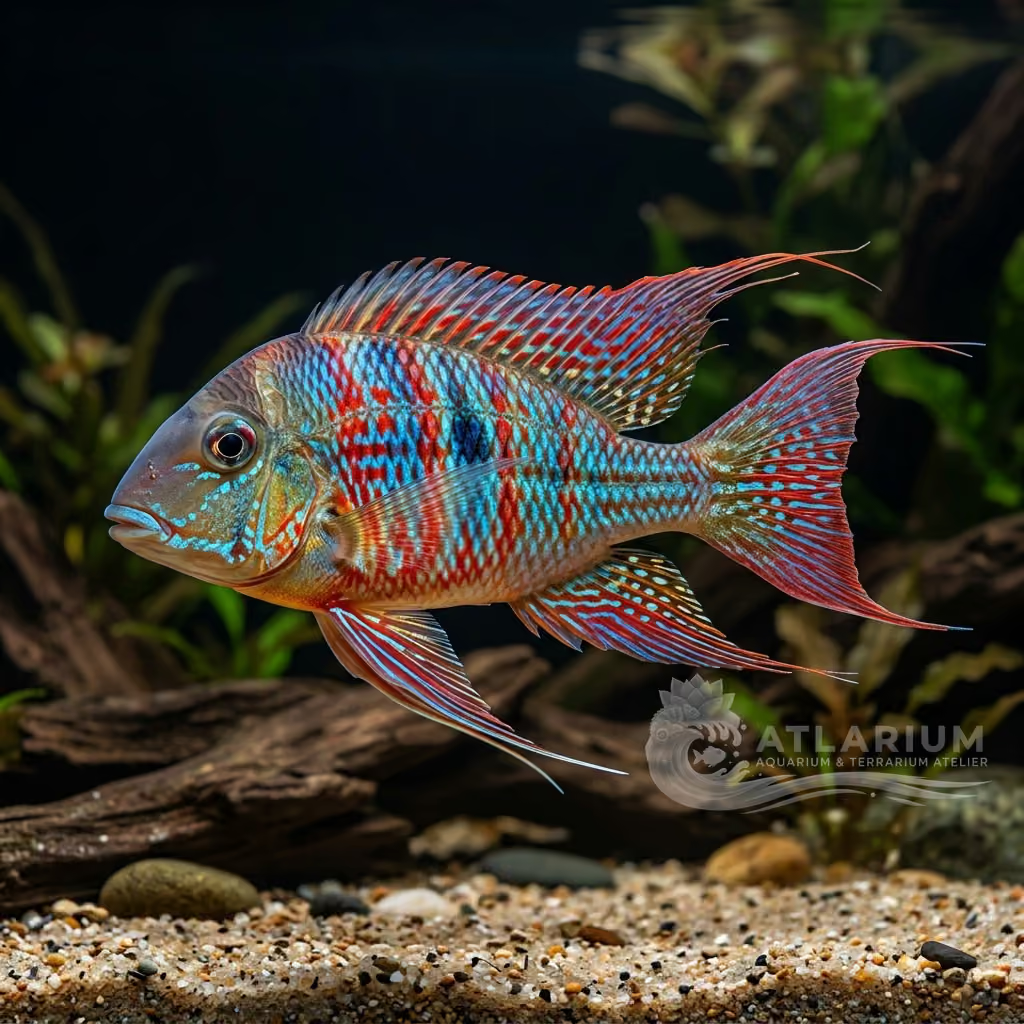
Coloration and Sexual Dimorphism: Coppery/sand background, with the unmistakable (very wide) black spot on the flank. The fins are a cascade of turquoise, red and golden lattices with very long filaments at the end of the tail in mature males.

Cuidado, criação e companheiros de tanque
Aquarium Setup: A 150 cm (60 inches) tank is needed. Only true absolute rule: the bottom must be a thick layer of pure sand (sugar-grade, or washed building sand). Do not insert medium quartz: they spit it out, but they flay their gills.
Diet and Feeding: Geophagous ("earth eater"). Takes shovelfuls of sand, swallowing them and sifting with the food through the gills. Provide a fast-sinking omnivorous cichlid pellet and rain down bloodworms and brine shrimp.
Water Quality: Despite their size, they are sensitive to an excessive load of nitrates. So as not to slow down their growth or develop the hole-in-the-head scourge (HITH), change at least 40% of water a week with excellent siphoning.
Compatibility and Cohabitation: Formidable pairings with schools of large South American tetras (Penguin tetra, Buenos Aires tetra) which reassure the group by staying on the surface. Excellent with Loricariids, terrible and unsuitable with biting cichlids like Jack Dempsey or Midas.
Aquarium Breeding: Larvophile mouthbrooders. The pairs lay on a clean flat stone, but as soon as the young hatch from the egg (2-3 days), both parents put them in their mouths in turns protecting them for over 2 weeks.
Risks and Diseases: Sharp gravel and nitrate accumulations cause the onset of the lethal Hexamita (Hole-in-the-head disease) on the head. Food competition with fast surface fish (e.g. sharks or large barbs) makes them lose weight dramatically.

Origem e distribuição geográfica
Endemic species of the Guaporé River basin (Bolivia and Brazil). Lives in rivers with moderate currents and boundless bottoms of light sand or clay to sift.
Origem
Amazônia, Orinoco e GuianasAmérica Central e Caribe

Perfil de peixe
- Temperamento
- Semi-aggressive
- It is a mild-mannered cichlid. Unprovoked aggression is very rare. It is a wonderful centerpiece fish.
- Dieta
- Omnivore
- It is an eartheater. Feed sinking pellets and frozen bloodworms. A fine sand substrate is mandatory.
- Expectativa de vida
- 10 years
- Tamanho adulto
- 20 cm
- Proporção sexual
- Pair
- Keep them in groups. This diffuses natural aggression. Pairs will emerge as they mature.
- Frequência de alimentação
- Twice daily
- It constantly sifts the sand. Feed multiple small meals daily. This mimics natural continuous foraging.
- Carga biológica
- High
- This fish produces a high bioload. Robust biological filtration is essential. Frequent water changes are necessary.
- Fluxo
- Stagnant
- It originates from riverine environments. It prefers moderate water flow. Provide resting areas with calm water.
- Risco de salto
- Yes
- It is a bottom dweller. It can jump if startled. A secure lid is always recommended.
- Reprodução
- Oviparous
- Many are mouthbrooders. Parents fiercely guard eggs and fry. Breeding pairs form naturally over time.
- Compatibilidade e companheiros de tanque
- Semi-aggressive
- It is generally peaceful. It fits well in community tanks. It becomes territorial during spawning.
- Nível do tanque
- Bottom
- It stays at the bottom. It continuously sifts the sand. A large footprint is required.

Modelos e parâmetros científicos
FishBase
Acesso aos dados científicos oficiais da espécie
FishBase v25.04Dados sincronizados em: 15/06/2026
- Nível trófico
- 2,3 ± 0,1 se
- Resiliência
- Alta (menos de 15 meses)
- Unicidade filogenética (PD50)
- 0.5
- Relação bayesiana comprimento-peso
- a = 0.02512, b = 3.02
- VulnerabilidadeVulnerabilidade baixa (13 / 100)

Espécies relacionadas
Recomendações agrupadas por parentes próximos, escolhas de acompanhantes e cuidados semelhantes.