Severum Cichlid
Heros efasciatus
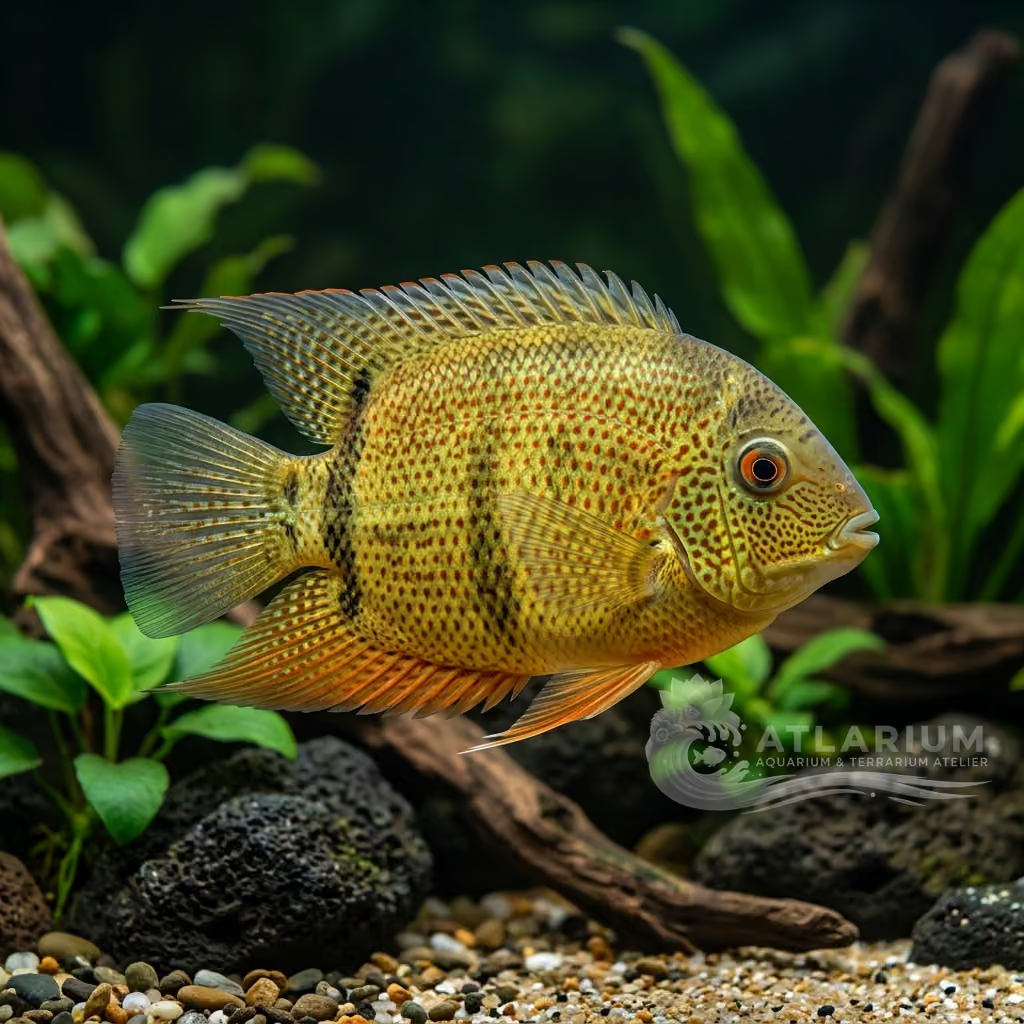
The 'Poor man's Discus': a tall, laterally compressed body like a disc, with patterns of red, orange, and green dots and bands. Reaches 20 cm but has a surprisingly mild temperament for a cichlid of this size. Varieties: green (wild), red, gold, super red. One of the few large cichlids compatible with plants — doesn't dig or destroy the setup. Long-lived: up to 10 years.
Temperatura da água
22 - 29 °C
Valor de pH
6 - 7
Tipo de água
Água doce
Nível do tanque
Parte inferior e intermediária
Tamanho adulto
25 cm
Volume mínimo do tanque
>= 200 L
Grupo mínimo
>= 2
GH
1 - 10 dGH
KH
1 - 5 dKH
TDS
25 - 200 ppm
Condutividade
39 - 313 uS/cm

Descrição da espécie
Geographical Origin and Habitat: Amazon and Ucayali river basin, South America. Settles in flooded forests and river meanders where the current slows down and large deposits of fallen trunks are created (Black/Clear water).
Taxonomy and Morphology: Severum Cichlid (Heros efasciatus). Often called "The Poor Man's Discus" for the discoidal shape of its very tall and compressed body, but it has dozens of times superior robustness and a protruding snout to "tear".
Social Behavior: The gentle giant! Unlike Central American cichlids, the Efasciatus is an extremely mild, phlegmatic and non-predatory fish, which swims gracefully. The only timid skirmishes occur if two pairs spawn close to each other.
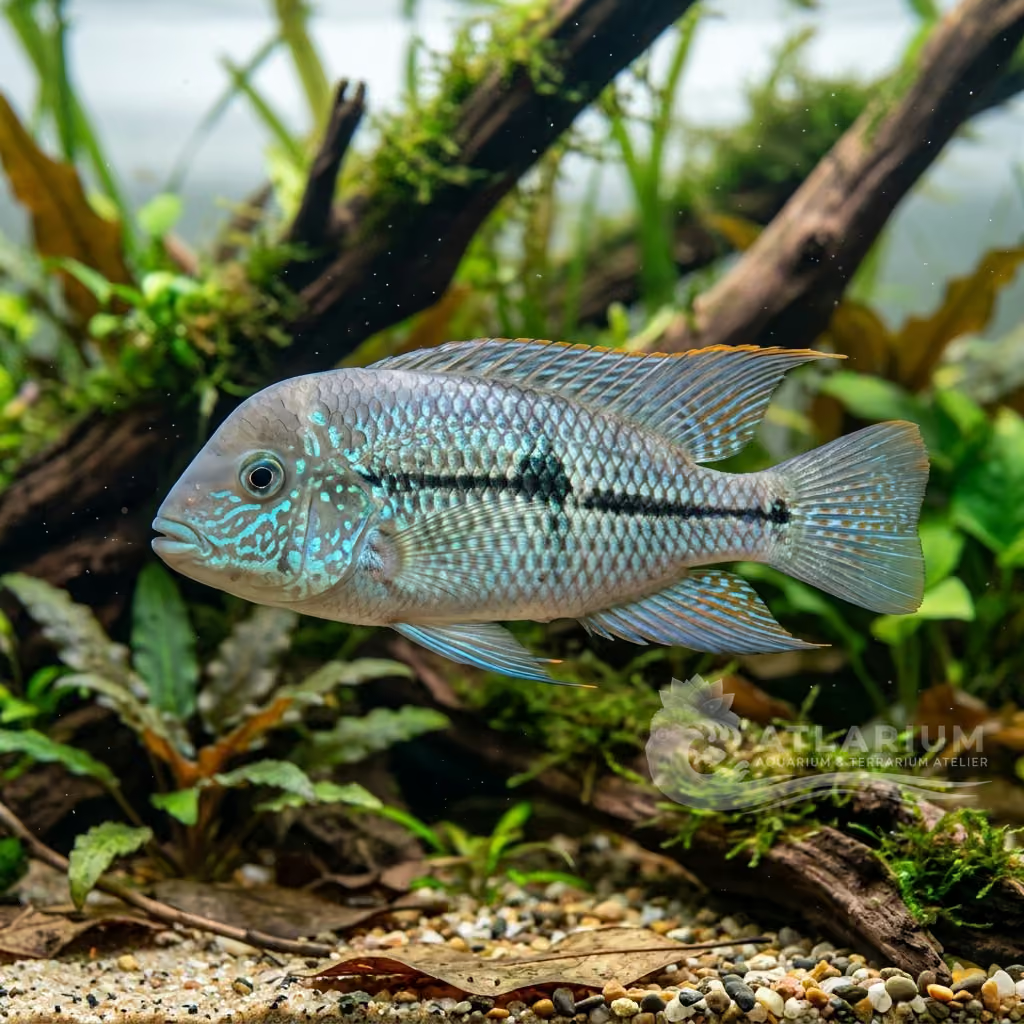
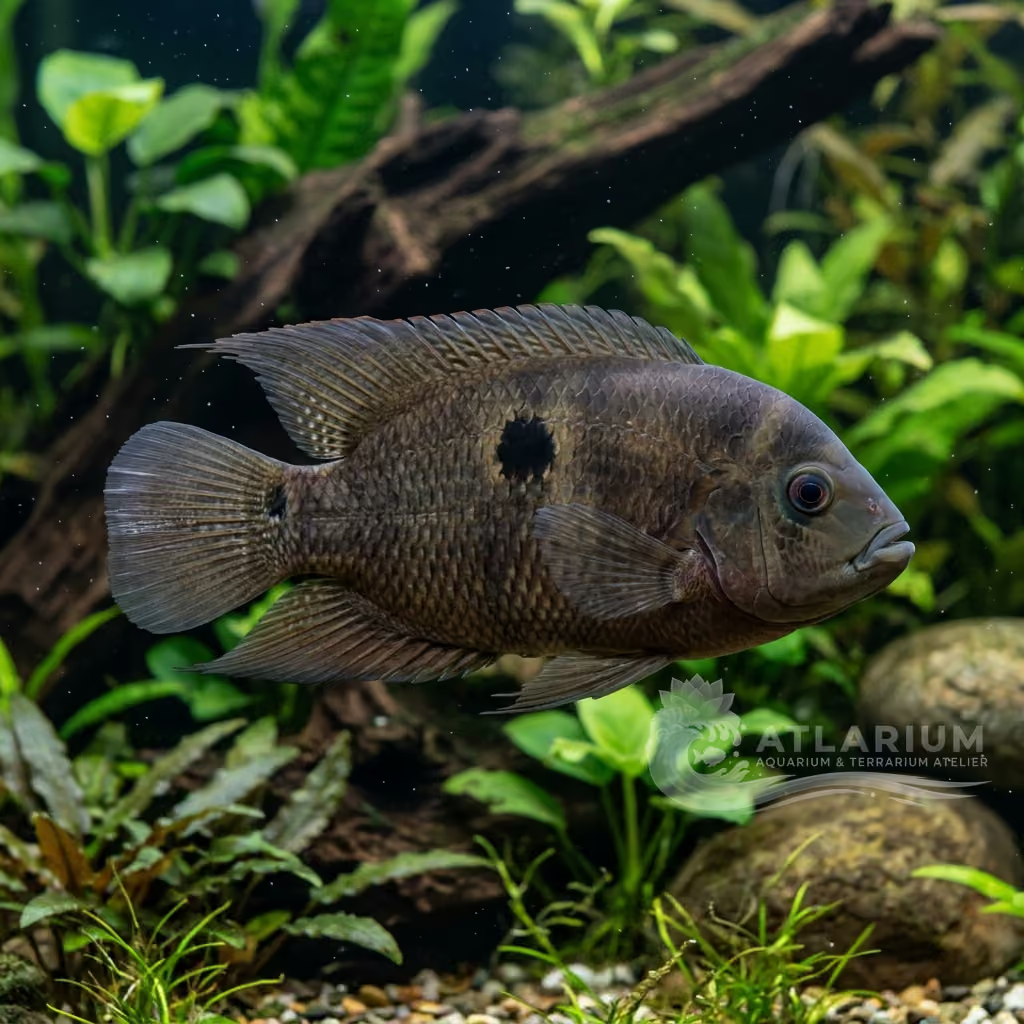
Coloration and Sexual Dimorphism: Natural morphology: dark greenish/olive, crossed by weak vertical black bands. On the market, chromatically modified variants explode (Gold Severum, Red Spotted Severum, which is pink/yellow with dots). Males have elaborate dotting (worming) on the face.

Cuidado, criação e companheiros de tanque
Aquarium Setup: Large tank, minimum 150 cm (60 inches) for adults. Huge crossed roots and very little light. NO PLANTS. Not even armored Anubias will resist more than two nights to the very powerful herbivorous bites (they tear the leaves to pieces and digest them).
Diet and Feeding: Herbivore/Omnivore (strongly leaning towards vegetables). Vegetable flakes and spirulina are its life; it will devour peas, zucchini, boiled lettuce and occasionally krill/earthworms but meat must not abound or they swell (Bloat).
Water Quality: Excellent tolerance and great adaptability to dechlorinated tap water. They love tannins, so peat releases or Catappa leaves keep them healthy and shiny. Downward pH swings induce them to mate.
Compatibility and Cohabitation: Among the best community Cichlids in the world. They can be kept together with Silver Dollars, Uaru, Geophagus, Discus or schools of large Tetras (e.g. Congo, Bleeding Heart). They will also leave small Corydoras alone.
Aquarium Breeding: Flat substrate breeder, they often clean woods and lay pinkish eggs (up to 1000). They are very sweet parents who never stop cleaning and assisting the fry for weeks even when they swim scattered.
Risks and Diseases: Hole in the Head disease (HITH). A Heros fed solely on proteins, beef or kept in water loaded with nitrates will see its skull literally crumble and will die of infections.

Origem e distribuição geográfica
Amazon and Ucayali river basin, South America. Settles in flooded forests and river meanders where the current slows down and large deposits of fallen trunks are created (Black/Clear water).
Origem
Amazônia, Orinoco e Guianas

Perfil de peixe
- Temperamento
- Semi-aggressive
- They are renowned for their peaceful, almost dog-like temperament and intelligence. Severums quickly learn to recognize their owners and will often beg for food at the front of the glass. While peaceful, they have a robust build and will firmly defend themselves if bothered by aggressive fish. Their calm demeanor makes them a favorite among South American cichlid enthusiasts.
- Dieta
- Omnivore
- Severums are omnivorous with a strong preference for plant matter in their daily diet. They will readily consume high-quality cichlid pellets, spirulina flakes, and fresh blanched vegetables like zucchini or peas. Meaty foods such as bloodworms and brine shrimp should be offered sparingly as treats. Live aquarium plants are often viewed as a food source and may be eagerly consumed.
- Expectativa de vida
- 10-15 years
- Tamanho adulto
- 25 cm
- Proporção sexual
- Group
- Sexing severums can be challenging, but mature males often develop distinct facial markings and extended fin trailers. Females are generally slightly smaller and have a plainer facial pattern without the intense worm-like markings. They are best kept in pairs or as a single focal point fish in a community setting. Keeping multiple males may lead to mild territorial posturing in smaller tanks.
- Frequência de alimentação
- Twice daily
- These cichlids thrive when fed one to two times a day with a carefully balanced diet. Offer only what they can consume within a few minutes to prevent food decay and water fouling. Growing juveniles can be fed slightly more often to support healthy development. Providing a scheduled fasting day once a week can help prevent digestive issues.
- Carga biológica
- Medium to High
- Severums are substantial fish that produce a considerable amount of waste as they grow. Adequate filtration, such as a large canister filter, is necessary to maintain excellent water quality. Weekly water changes of at least thirty percent are recommended to keep nitrates low. Proper tank maintenance ensures these cichlids do not suffer from stress-related illnesses.
- Fluxo
- Moderate
- They prefer gentle to moderate water flow, mimicking the sluggish rivers and calm lakes of their native South America. Overly turbulent water can cause them stress and make it difficult for them to swim naturally. Standard filtration flow is usually adequate without the need for additional powerheads. Ensure there are calm areas decorated with driftwood for them to rest.
- Risco de salto
- No
- Reprodução
- Oviparous
- Depending on the exact species, severums are either substrate spawners or specialized mouthbrooders. They form strong monogamous pairs and display intense parental care during the breeding process. Substrate spawners will clean a flat rock to lay eggs, while mouthbrooders will protect the fry inside their mouths. Breeding pairs can become territorial, so a separate breeding tank is often recommended.
- Compatibilidade e companheiros de tanque
- Peaceful
- Unlike many large cichlids, severums are remarkably peaceful and make great additions to large community tanks. They can be safely housed with other peaceful to semi-aggressive fish of similar size. They generally ignore smaller fish, though extremely tiny species might occasionally be eaten by large adults. They pair well with peaceful catfish, large tetras, and other mild-mannered cichlids.
- Nível do tanque
- Middle/Bottom
- Severums are versatile swimmers that utilize the middle and lower levels of the water column. They enjoy navigating through complex environments made of submerged branches, roots, and smooth rocks. They will occasionally venture to the surface during feeding time. Providing vertical structures gives them a sense of security and encourages natural behavior.

Modelos e parâmetros científicos
FishBase
Acesso aos dados científicos oficiais da espécie
FishBase v25.04Dados sincronizados em: 15/06/2026
- Nível trófico
- 2,7 ± 0,41 se
- Resiliência
- Alta (menos de 15 meses)
- Unicidade filogenética (PD50)
- 0.5312
- Relação bayesiana comprimento-peso
- a = 0.03631, b = 3.11
- VulnerabilidadeVulnerabilidade baixa (11 / 100)

Galeria de imagens
Imagens licenciadas vinculadas à espécie ou, quando marcadas, ao táxon representativo mais próximo.

Espécies relacionadas
Recomendações agrupadas por parentes próximos, escolhas de acompanhantes e cuidados semelhantes.