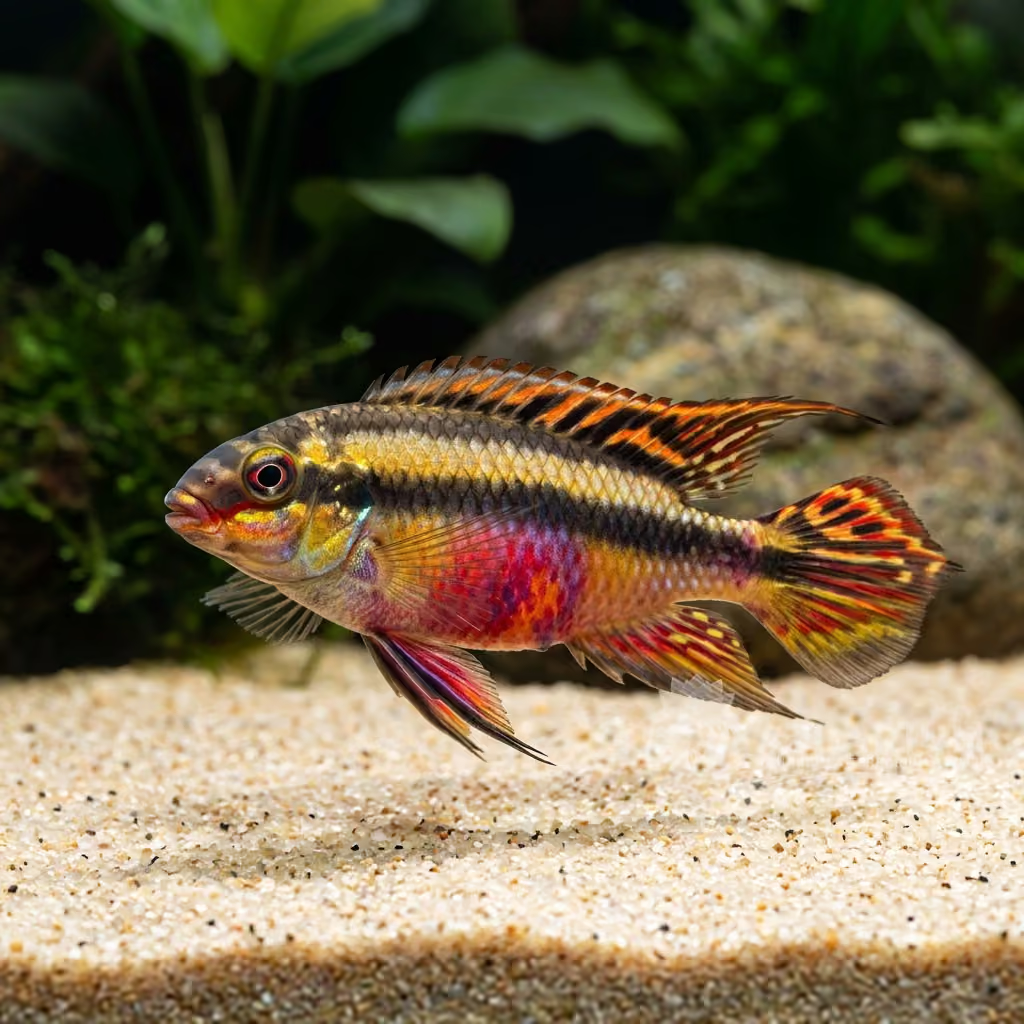
Mazaruni Cichlid
Mazarunia mazarunii
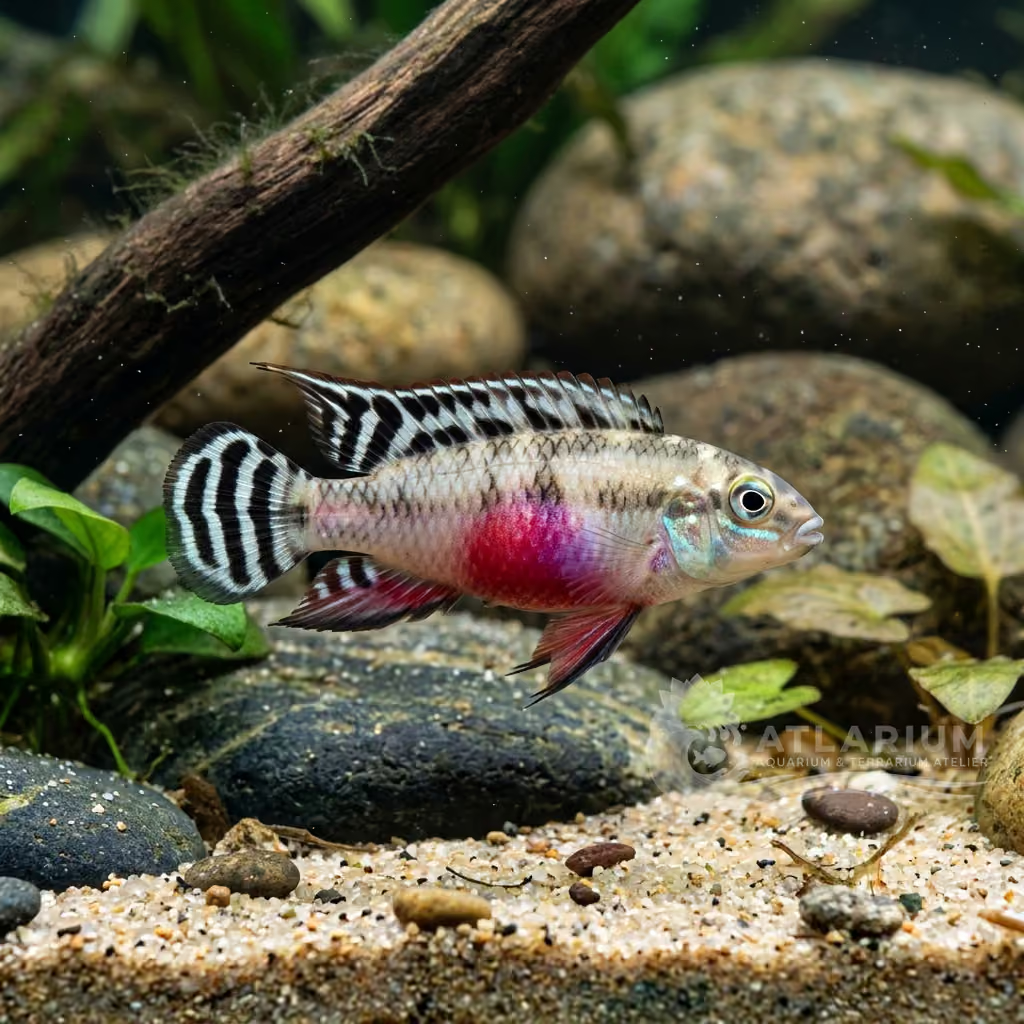
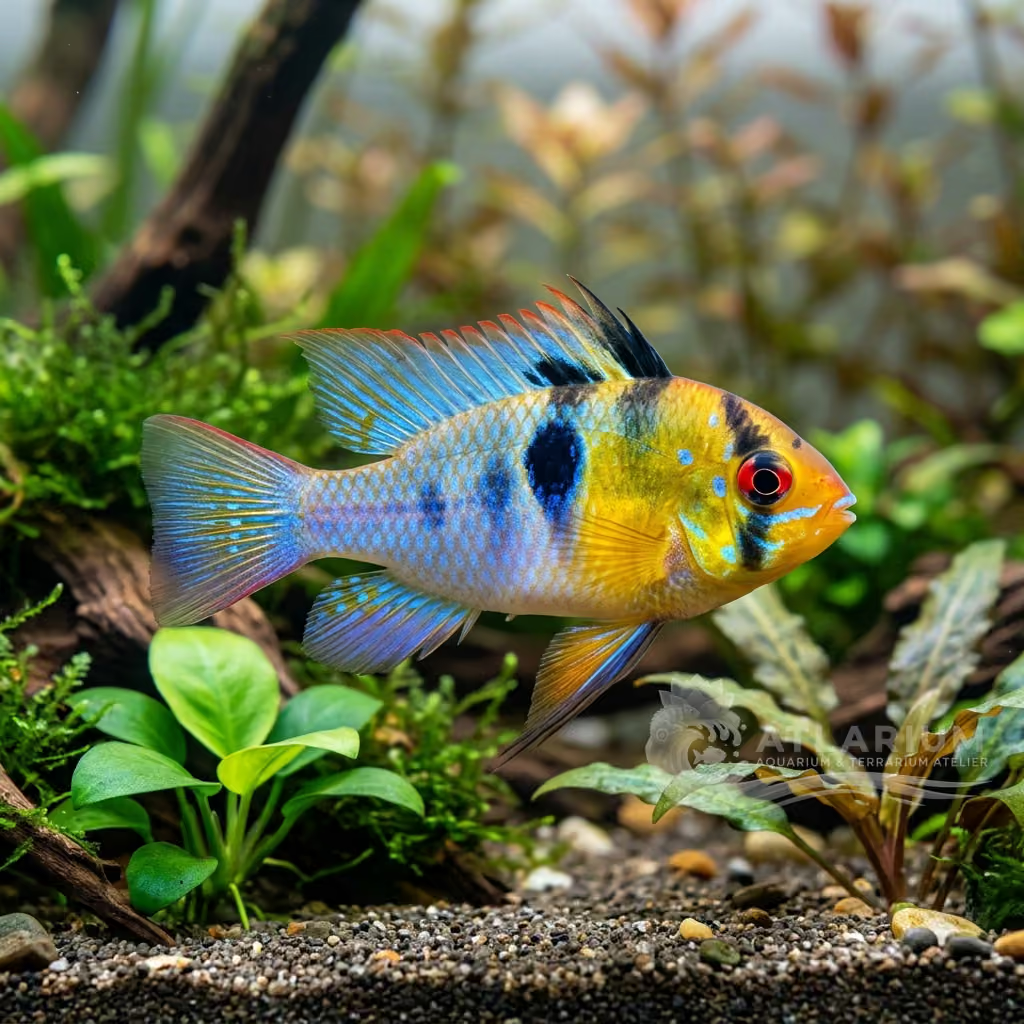
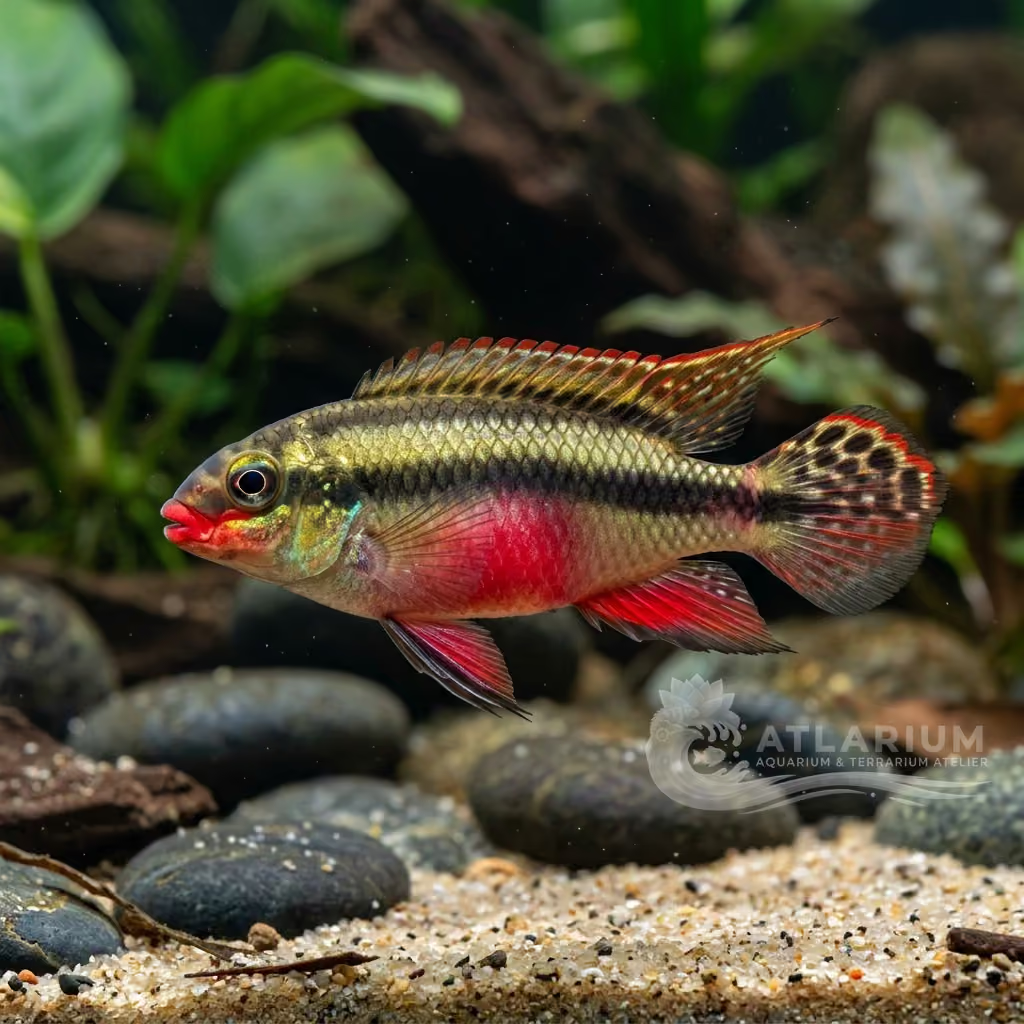
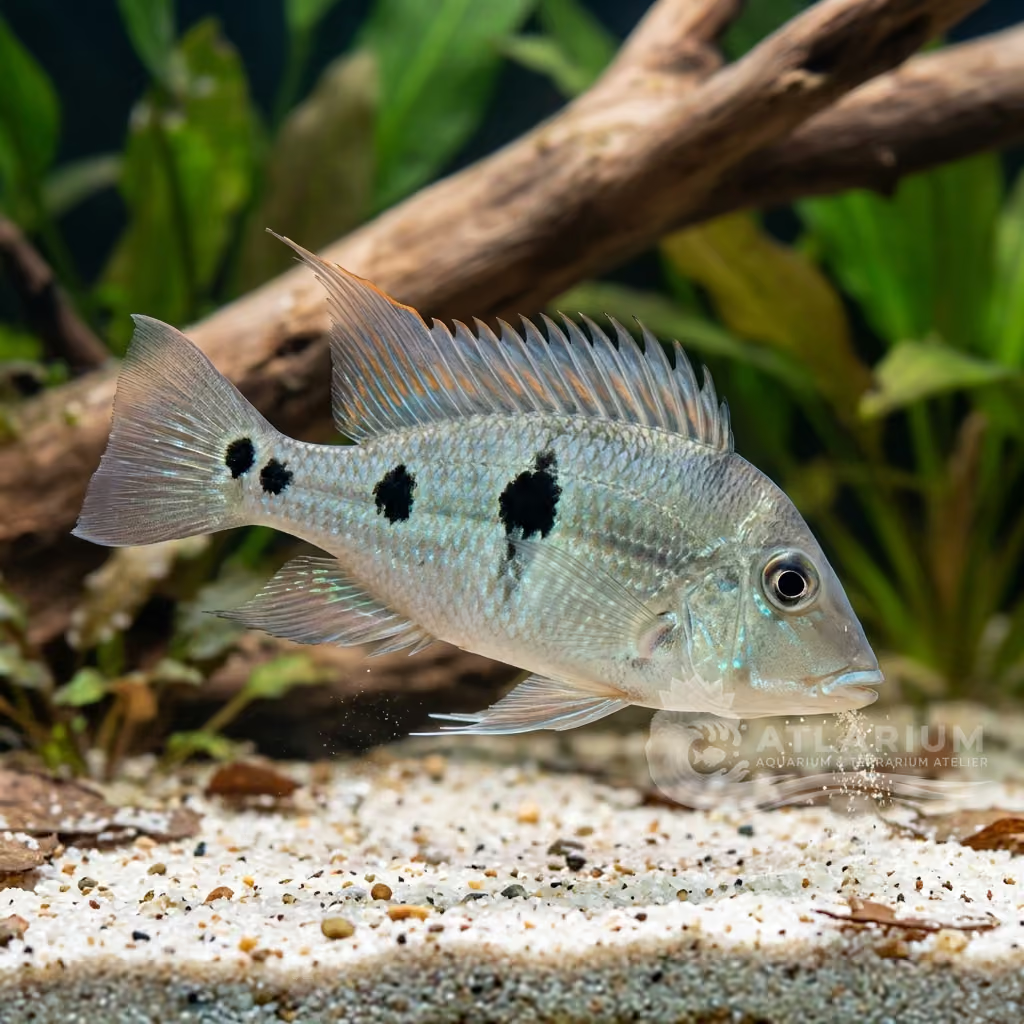
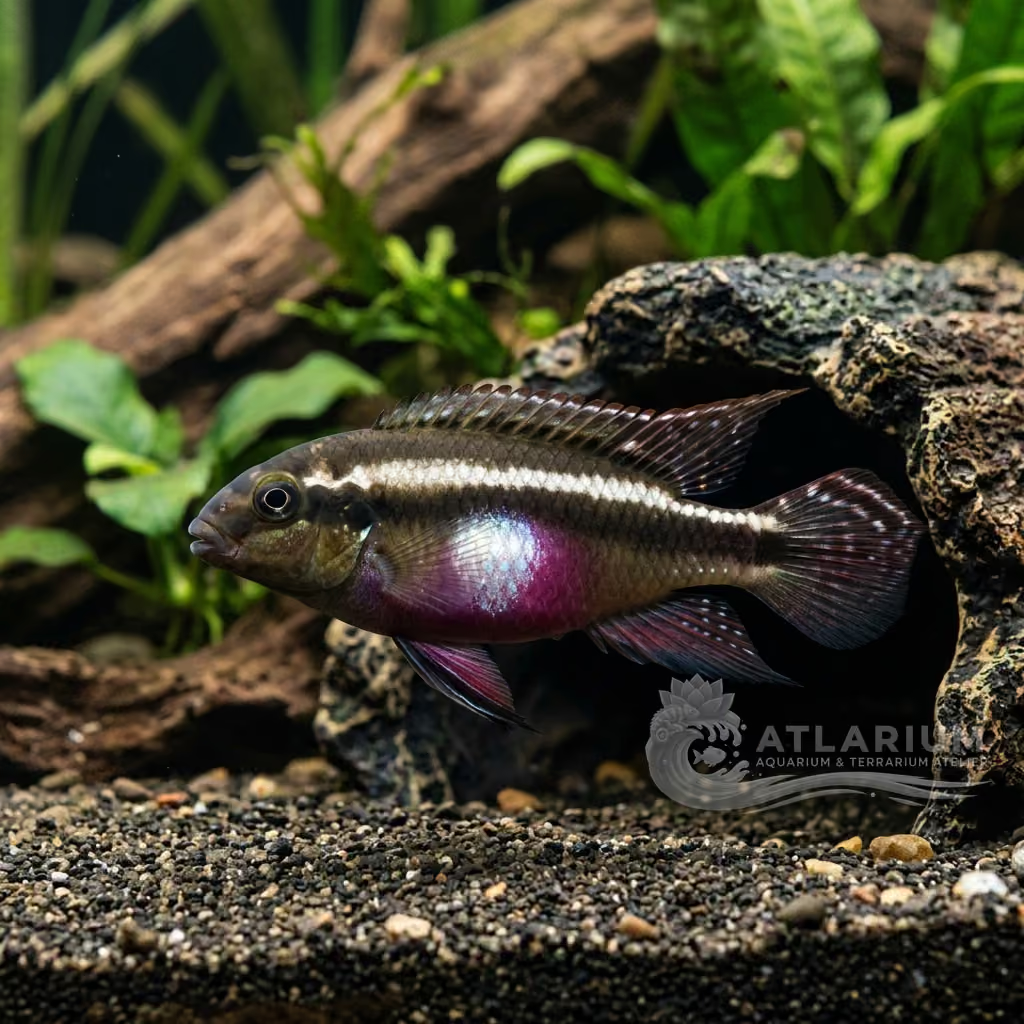
The priceless 'Jewel of the Mazaruni' (6-8 cm). This tiny and primordial species of dwarf cichlid is one of the most spectacular and unattainable endemics of the Guiana Shield. Similar in appearance (but not in close relation) to Apistogrammas and Nannacaras, it shows off a very compressed oval body, astounding silvery iridescences and conspicuous dark vertical bands. Peaceful but territorially demanding at the bottom, the Mazarunia mazarunii is the secret dream of biologists and the nightmare of beginners: it imperatively requires crystalline and swirling, hyper-oxygenated and cool waters, typical of the cold and rapid Guianan cliffs.
24 - 28 °C
5.5 - 6.5
Água doce
Parte inferior
8 cm
>= 100 L
>= 1
1 - 5 dGH
1 - 2 dKH
25 - 95 ppm
39 - 148 uS/cm

Descrição da espécie

Cuidado, criação e companheiros de tanque

Origem e distribuição geográfica
Origem

Perfil de peixe
- Temperamento
- Semi-aggressive
- This cichlid boasts a bold, assertive, and sometimes highly aggressive temperament. They are intelligent fish that will quickly learn to recognize their owner and beg for food. They are infamous for their earth-moving capabilities, often uprooting plants and moving gravel to redecorate the tank. Their dynamic and interactive nature makes them a captivating pet for experienced aquarists.
- Dieta
- Omnivore
- This species is largely omnivorous with a strong preference for meaty foods in their diet. They will readily accept high-quality cichlid pellets, sticks, and flakes as a staple. Their diet should be generously supplemented with frozen foods like bloodworms, krill, and chopped earthworms. Occasional vegetable matter, such as spirulina or blanched spinach, helps maintain digestive health.
- Expectativa de vida
- 3-5 years
- Tamanho adulto
- 8 cm
- Proporção sexual
- Pair
- They are best kept as a single compatible pair, which often requires purchasing a group of juveniles and letting them pair off naturally. Once a pair has formed, the remaining individuals must usually be removed to prevent them from being killed. Unpaired males will fight fiercely over territory and dominance. In very large setups, multiple territories can sometimes support more than one pair.
- Frequência de alimentação
- Twice daily
- Adults should be fed once or twice daily with portions they can completely consume in a few minutes. Overfeeding can quickly foul the water due to their messy eating habits. Juveniles require more frequent feedings, up to three times a day, to support their rapid growth rate. A varied feeding schedule ensures optimal health and coloration.
- Carga biológica
- Low to Medium
- The Mazaruni Cichlid produces a significant bioload typical of medium-to-large cichlids. A robust filtration system is essential to handle the waste they generate and maintain pristine water conditions. Regular and substantial water changes are necessary to keep nitrate levels in check. Consistent maintenance helps prevent disease and keeps their colors vibrant.
- Fluxo
- Stagnant
- They appreciate moderate water flow that ensures excellent oxygenation without creating stressful turbulence. The filter output should facilitate good circulation to sweep away solid waste from the bottom. They often prefer having quieter zones in the aquarium where they can retreat and rest. Proper flow mimicking a slow river environment brings out their best behaviors.
- Risco de salto
- Yes
- While not notorious jumpers, they can easily leap out of the tank if startled, bullied, or chasing prey. A sturdy and secure lid is strongly recommended for any aquarium housing cichlids. Heavy glass or acrylic canopies work well to prevent accidental escapes. Ensure that the lid covers the entire tank, including the spaces around equipment.
- Reprodução
- Oviparous
- They are biparental substrate spawners, laying their adhesive eggs on flat rocks, wood, or inside caves. The parents aggressively defend the spawning site, eggs, and subsequent fry against all intruders. Breeding triggers often include large water changes and a high-protein diet. Raising the fry is relatively straightforward as the parents provide extended care and protection.
- Compatibilidade e companheiros de tanque
- Community
- They are moderately aggressive and highly territorial, especially during spawning periods. They are best kept with other similarly sized, robust cichlids or large fast-moving dither fish. Small, peaceful community fish will likely be bullied, attacked, or eaten. Providing plenty of visual barriers and separate territories reduces aggression in a mixed tank.
- Nível do tanque
- Bottom
- They primarily inhabit the lower to middle levels of the water column. They spend a significant amount of time near the substrate, digging and rearranging the hardscape to their liking. Caves, driftwood tangles, and rock formations are essential to provide them with a sense of security. They will venture higher up during feeding time but quickly return to their established territories.

Modelos e parâmetros científicos
Acesso aos dados científicos oficiais da espécie
- Nível trófico
- 3,1 ± 0,5 se
- Resiliência
- Alta (menos de 15 meses)
- Unicidade filogenética (PD50)
- 0.625
- Relação bayesiana comprimento-peso
- a = 0.0302, b = 3.03
- VulnerabilidadeVulnerabilidade baixa (10 / 100)

Espécies relacionadas
Recomendações agrupadas por parentes próximos, escolhas de acompanhantes e cuidados semelhantes.