Marilyn's Pencilfish
Nannostomus marilynae
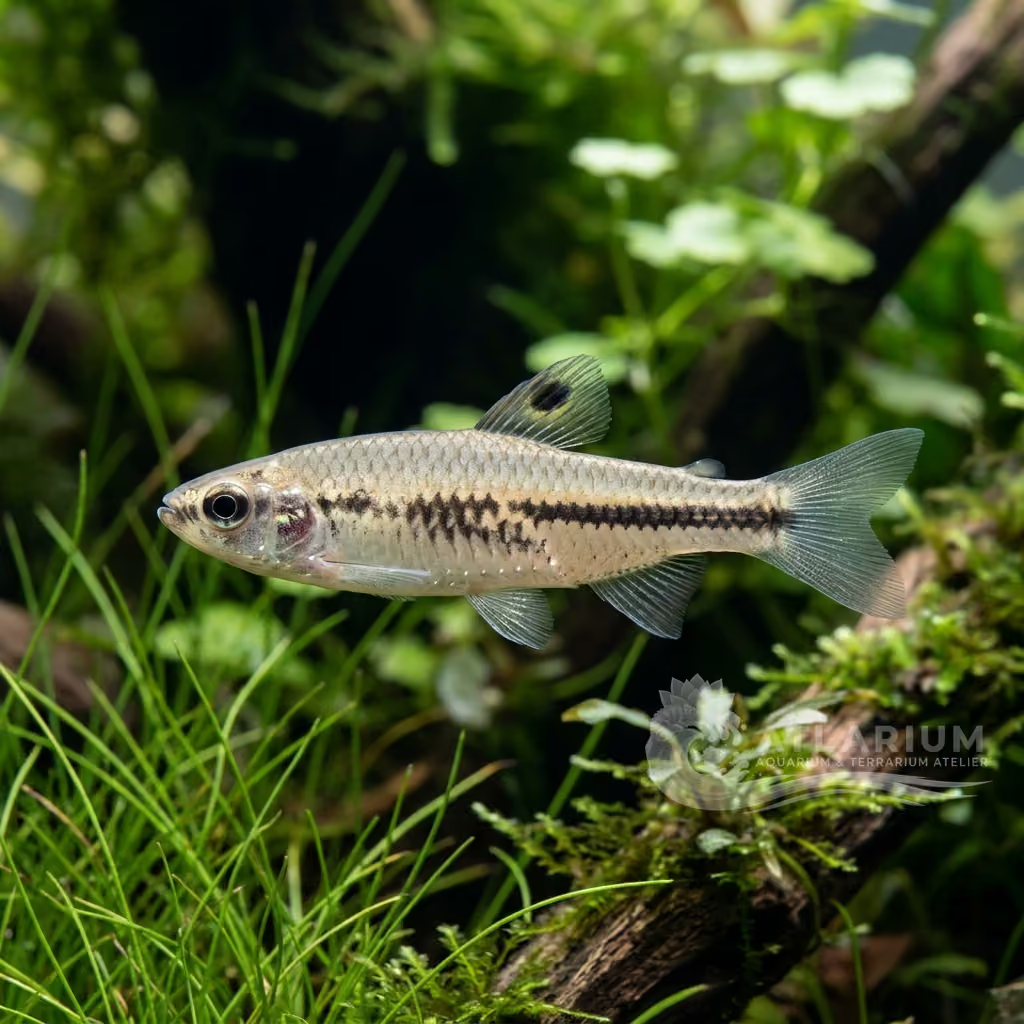
Marilyn's Pencilfish is a splendidly colored miniature boasting bright silvery-golden flanks. Extremely timid, it requires a nano setup with soft, acidic water and peaceful tankmates.
Temperatura da água
24 - 28 °C
Valor de pH
5.5 - 7
Tipo de água
Água doce
Nível do tanque
Superfície e meio
Tamanho adulto
3 cm
Volume mínimo do tanque
>= 60 L
Grupo mínimo
>= 6
GH
1 - 8 dGH
KH
1 - 4 dKH
TDS
25 - 160 ppm
Condutividade
39 - 250 uS/cm

Descrição da espécie
Geographical Origin and Habitat: Amazon basin (Upper Rio Negro, Rio Vaupés, Rio Inírida). Lives in the classic "Igapó" (flooded forests) formed by extremely pure black waters and carpeted with a dense layer of decaying leaves and branches.
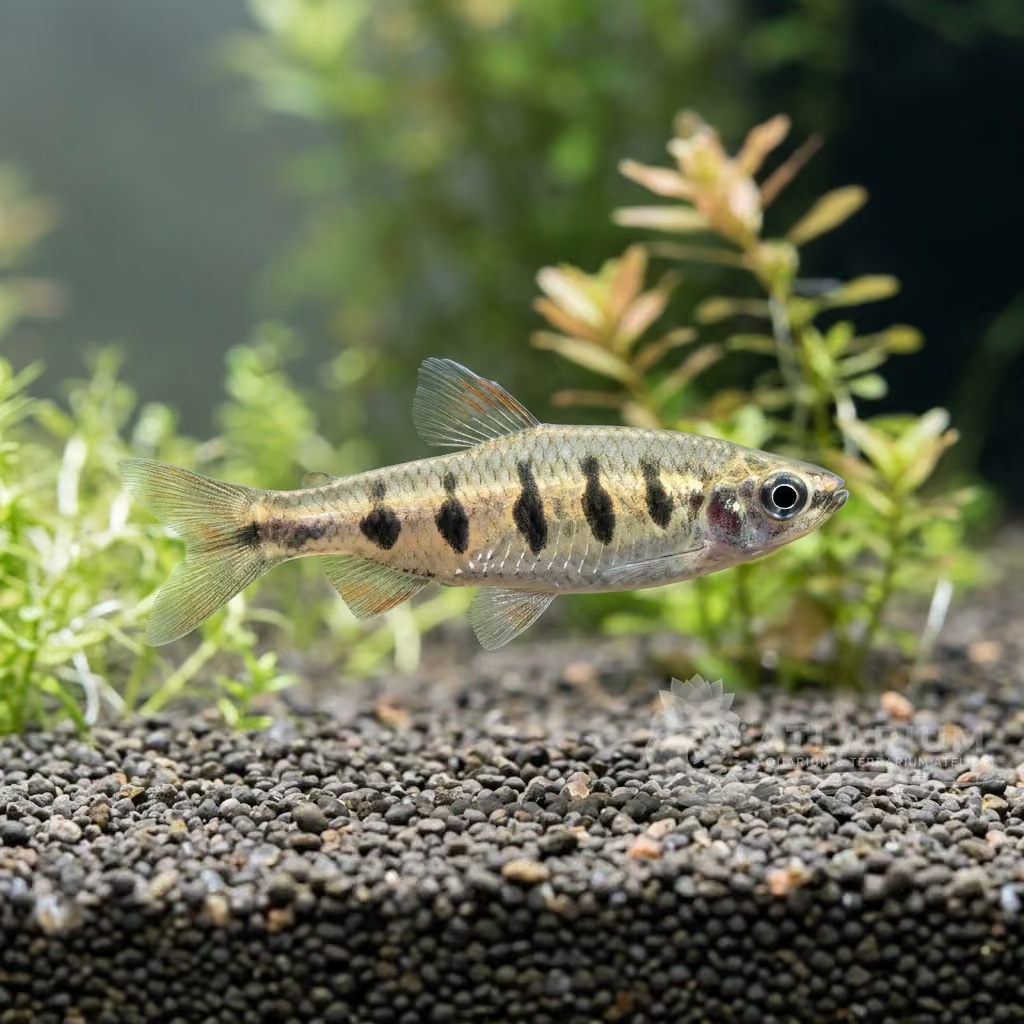
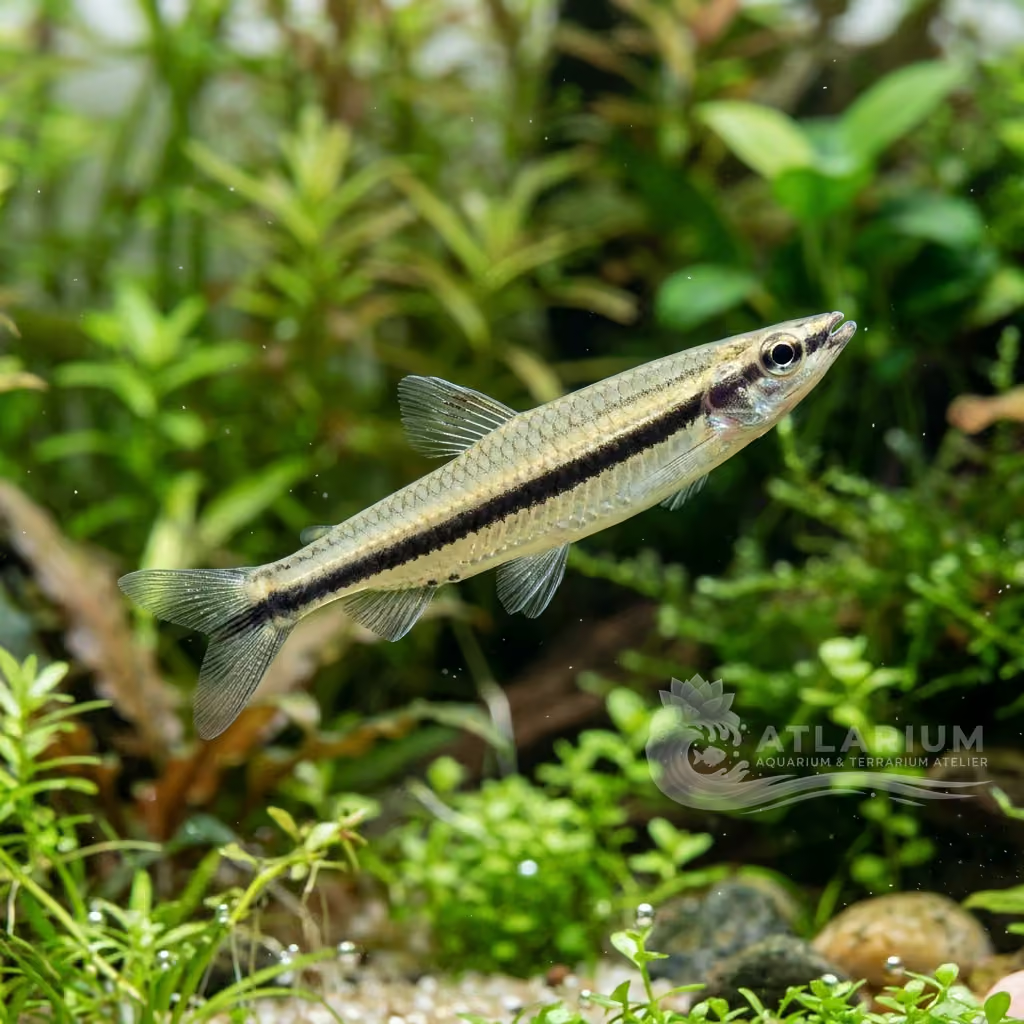
Taxonomy and Morphology: Marilyn's Pencilfish / Green Pencilfish (Nannostomus marilynae). Tiny pencilfish (3 cm / 1.2 inches). Visually differs from beckfordi by the much more pointed and filiform profile, almost needle-like.
Social Behavior: Very timid and gregarious (Shoaling fish). Males establish very small and temporary mobile territories among the clumps of plants, where they attract females with body vibrations.
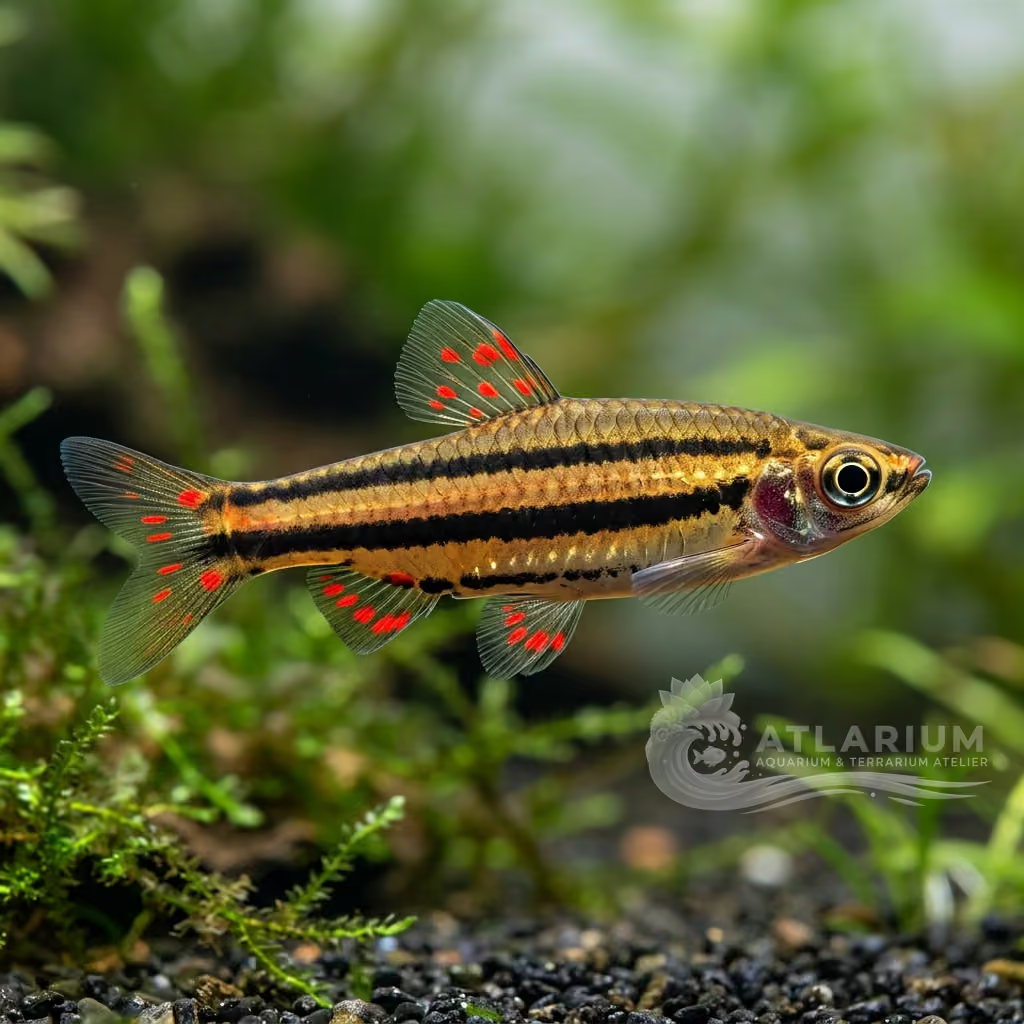
Coloration and Sexual Dimorphism: Often labeled as "Green Pencilfish". Silver-golden background with a single defined black horizontal line running from snout to tail. Males have lime green/gold nuances along the line and a distinct red blush on the anal and lower caudal fin.

Cuidado, criação e companheiros de tanque
Aquarium Setup: Nano tank (min. 60 cm / 24 inches). Slow filtration with active peat and dim lighting is essential. Recreate visual barriers with floating plants (Salvinia) and thickets of Cabomba or Echinodorus.
Diet and Feeding: Mid-water micropredator. Rarely adapts immediately to dry feed. Requires brine shrimp nauplii, copepods, rotifers and microworms. If it accepts dry food, it must be reduced to a very fine powder.
Water Quality: Very sensitive. Tolerates nitrates very badly. The water must be strictly soft (GH below 8) and acidic (optimal pH 6.0-6.5) to avoid fungal infections.
Compatibility and Cohabitation: Absolutely unsuitable for lively communities. To be paired exclusively with peaceful fish of its own size or smaller: Boraras, Corydoras pygmaeus or Otocinclus. Cichlids and large characins will terrify it.
Aquarium Breeding: Very difficult (rare spontaneous reproductions documented). Scatters eggs (about 30-50 per brood) among fine mosses. Microscopic fry require paramecia and unicellular algae (green water) for the first week.
Risks and Diseases: Copper poisoning. Like many small wild blackwater characins, marilynae is lethally sensitive to the copper contained in fish medications (e.g. copper sulfate-based ich treatments); dose at half strength or use organic alternatives.

Origem e distribuição geográfica
Amazon basin (Upper Rio Negro, Rio Vaupés, Rio Inírida). Lives in the classic "Igapó" (flooded forests) formed by extremely pure black waters and carpeted with a dense layer of decaying leaves and branches.
Origem
Amazônia, Orinoco e GuianasEuropa, Mediterrâneo e Ásia Ocidental

Perfil de peixe
- Temperamento
- Semi-aggressive
- They are very peaceful, slightly shy, and highly captivating when settled. They require plenty of hiding spaces among plants to feel confident. In the right environment, they are active and peacefully interactive with their own kind.
- Dieta
- Carnivore
- They are micro-predators requiring fine, high-quality foods that fit in their small mouths. Crushed flakes, micro-pellets, and live foods like microworms are readily accepted. Variety is crucial for keeping their immune systems strong and colors bright.
- Expectativa de vida
- 3-5 years
- Tamanho adulto
- 3 cm
- Proporção sexual
- School
- A mixed-sex school of at least six to eight individuals is ideal. Males are slightly more colorful and will spar playfully for dominance. Keeping a larger group diffuses any potential stress and encourages natural behaviors.
- Frequência de alimentação
- Twice daily
- Feed them small amounts two times a day to maintain their energy levels. Because they eat slowly and methodically, ensure the food remains suspended in the water column. Avoid large, infrequent feedings which can pollute the water before they finish.
- Carga biológica
- Low
- Marilyn's Pencilfish produces a very small bioload due to its diminutive size. They are excellent for heavily planted tanks where water parameters are highly stable. Their minimal waste makes tank maintenance straightforward and easy.
- Fluxo
- Stagnant
- They originate from slow-moving streams and prefer a gentle, diffused water flow. High currents will severely stress them and prevent them from hovering naturally. A spray bar or sponge filter provides the perfect mild water movement.
- Risco de salto
- Yes
- They are prone to jumping when startled or during spirited male displays. A properly fitted aquarium cover is strictly necessary to keep them safe. Floating vegetation helps dim the light and makes them feel more secure.
- Reprodução
- Oviparous
- Breeding is uncommon and requires a dedicated soft-water breeding tank. They scatter eggs among fine-leaved plants and offer absolutely no parental care. To successfully raise fry, the adults must be removed immediately after spawning.
- Compatibilidade e companheiros de tanque
- Peaceful
- They are highly peaceful community fish best kept with other small, gentle species. Small rasboras, peaceful tetras, and dwarf corydoras make excellent companions. Do not house them with boisterous fish that could easily outcompete them for food.
- Nível do tanque
- Top/Middle
- They generally occupy the upper and middle sections of the water column. They enjoy hovering near plant leaves, constantly searching for microscopic organisms. They rarely venture to the extreme bottom of the tank.

Modelos e parâmetros científicos
FishBase
Acesso aos dados científicos oficiais da espécie
FishBase v25.04Dados sincronizados em: 15/06/2026
- Nível trófico
- 3,3 ± 0,4 se
- Unicidade filogenética (PD50)
- 0.5
- Relação bayesiana comprimento-peso
- a = 0.00646, b = 3.13
- VulnerabilidadeVulnerabilidade baixa (10 / 100)

Espécies relacionadas
Recomendações agrupadas por parentes próximos, escolhas de acompanhantes e cuidados semelhantes.