Barred pencilfish
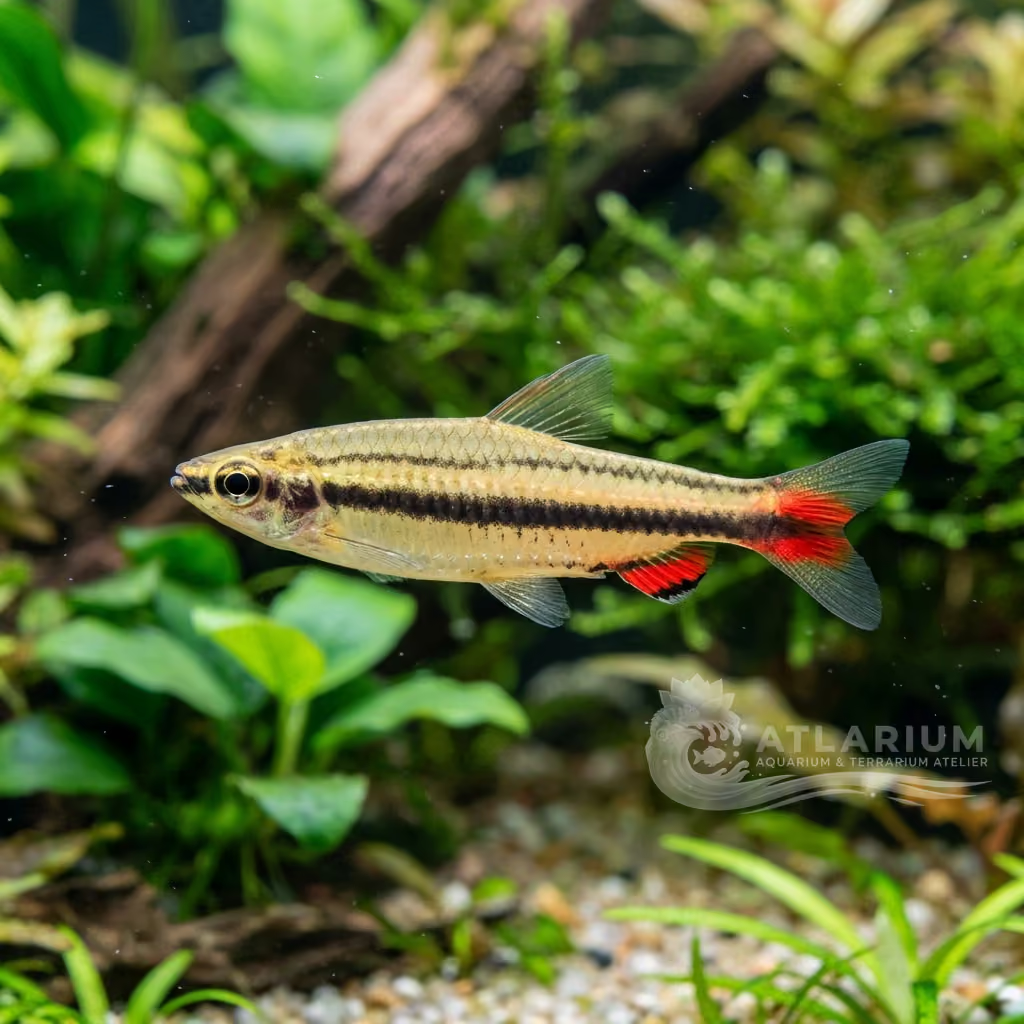
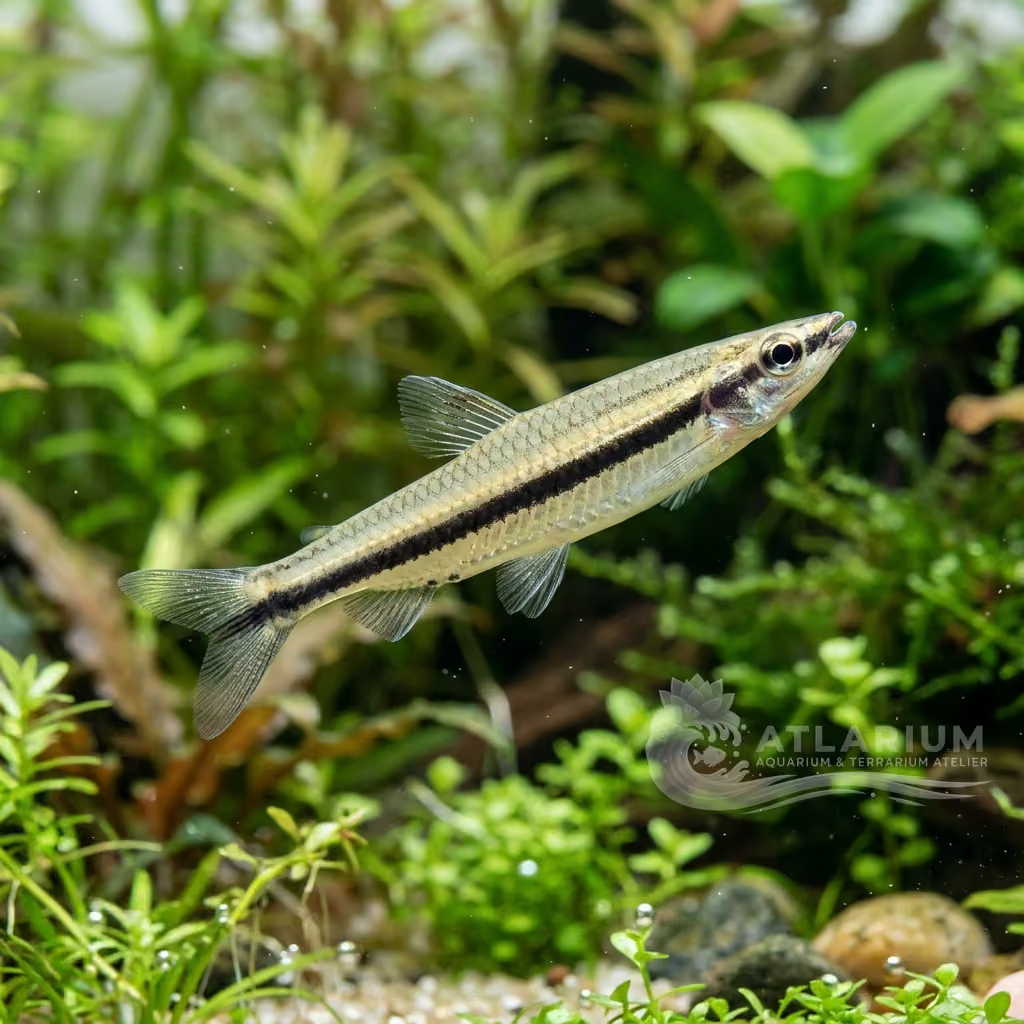
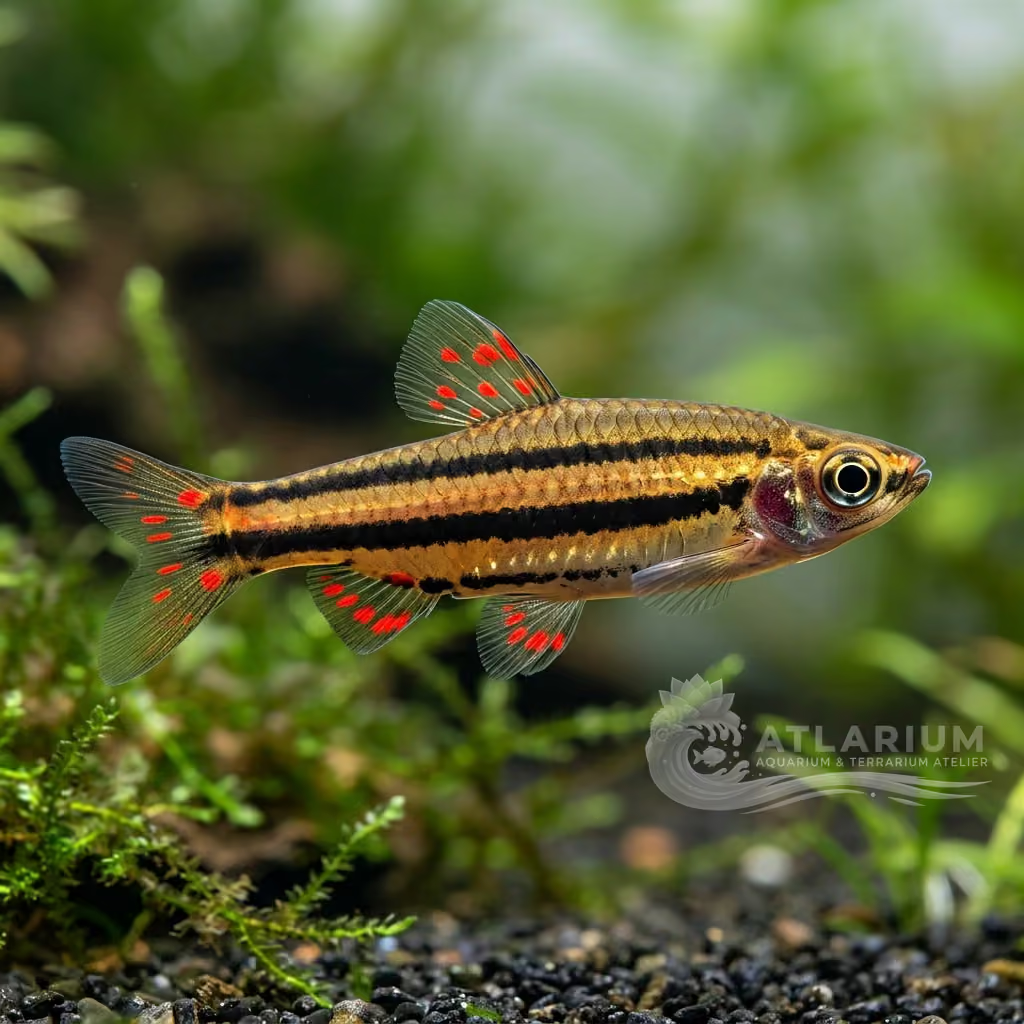
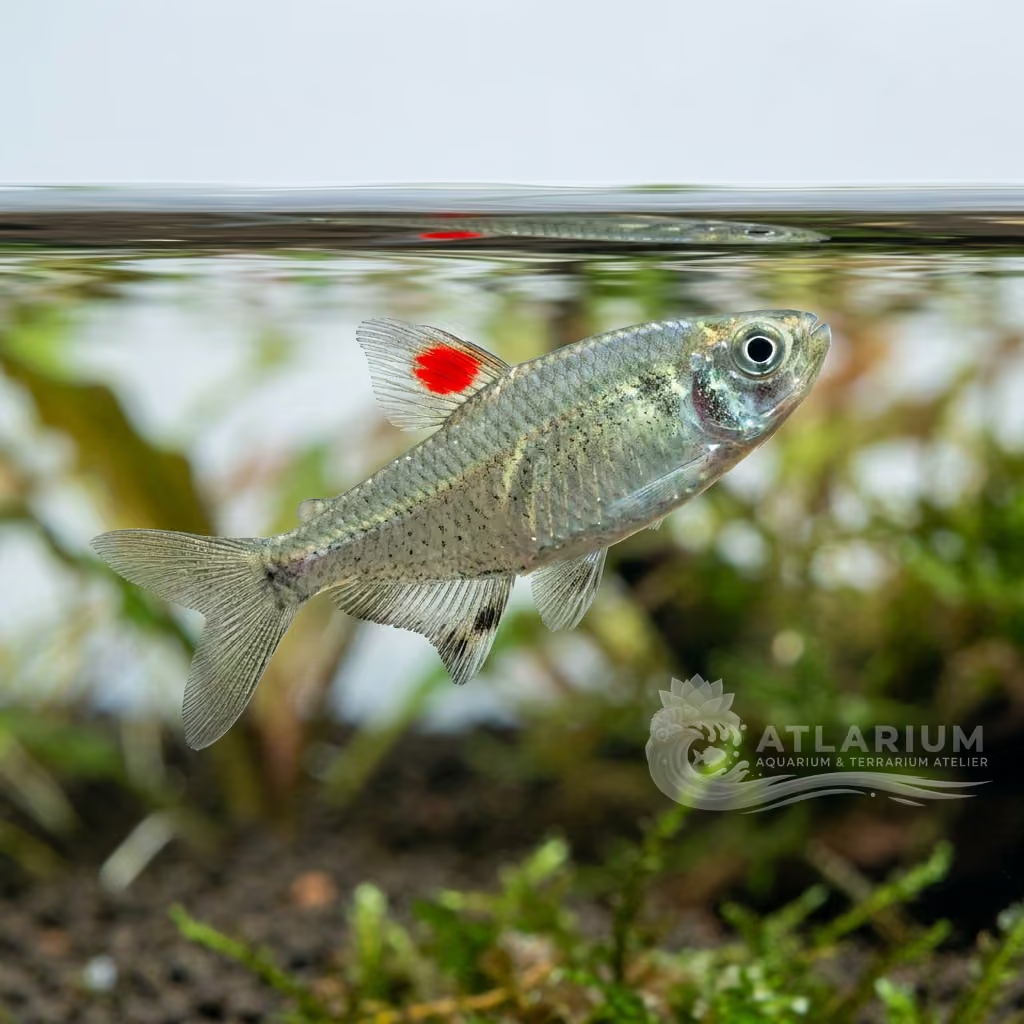
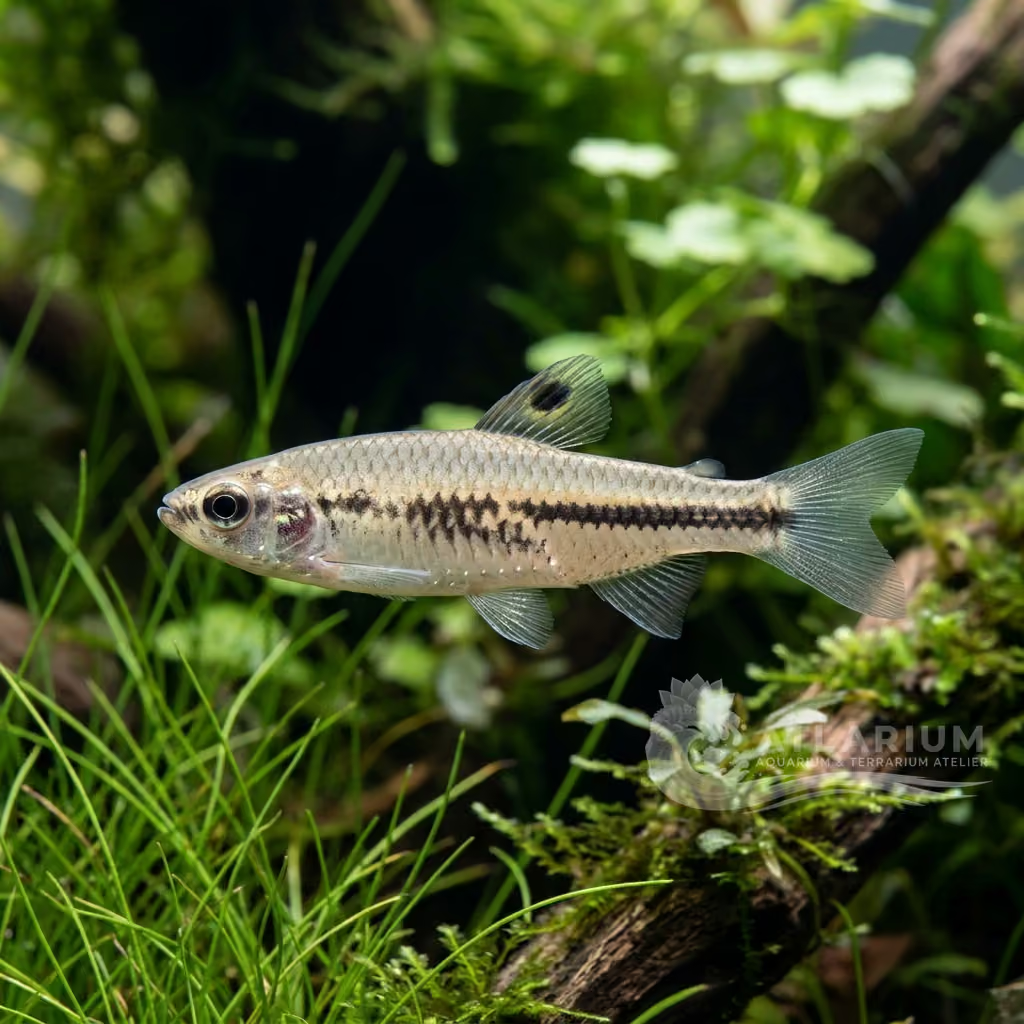
Nannostomus espei
A rare, sought-after pencilfish from the Mazaruni River system in Guyana, from blackwater habitats with extreme pH (4.0–6.5). The body is crossed by alternating dark vertical bars giving it a unique pattern in the genus. Extremely shy: needs schools of at least 8–12 in mature, quiet tanks. Species-only tank strongly recommended. Requires live or frozen food daily — dry food alone is insufficient. Never add to uncycled tanks.
24 - 28 °C
5.5 - 7
Água doce
Meio
3,5 cm
>= 40 L
>= 8
1 - 8 dGH
1 - 4 dKH
25 - 160 ppm
39 - 250 uS/cm

Descrição da espécie

Cuidado, criação e companheiros de tanque

Origem e distribuição geográfica
Origem

Perfil de peixe
- Temperamento
- Peaceful
- They are remarkably peaceful, somewhat shy, and easily stressed by boisterous activity. Providing ample plant cover gives them the confidence to swim openly. Once settled, their distinctive comma-shaped markings and calm demeanor are beautiful.
- Dieta
- Carnivore
- They are micro-predators requiring appropriately sized, high-quality foods. Crushed premium flakes, micro-pellets, and baby brine shrimp are excellent choices. Live cultures like microworms are highly beneficial for their overall vitality.
- Expectativa de vida
- 3-5 years
- Tamanho adulto
- 3.5 cm
- Proporção sexual
- School
- Keeping a mixed-sex group of at least six individuals is recommended. Males may engage in harmless lateral displays to establish a mild hierarchy. A larger group helps them feel secure and displays their natural schooling behaviors.
- Frequência de alimentação
- Twice daily
- Feed them very small amounts two to three times a day. Their tiny mouths and digestive systems cannot process large, infrequent meals. Careful feeding ensures all individuals in the school receive adequate nutrition.
- Carga biológica
- Low
- Espe's Pencilfish produces a very low bioload, similar to other micro fish. They are well-suited for smaller, biologically established aquariums with pristine conditions. A gentle filtration system easily handles their minimal waste production.
- Fluxo
- Strong
- They prefer calm, slow-moving waters characteristic of their natural habitats. Strong currents from powerheads or large filters will quickly tire them out. A sponge filter provides the perfect balance of gentle flow and filtration.
- Risco de salto
- No
- Reprodução
- Oviparous
- Breeding Espe's Pencilfish is a rare achievement requiring highly specific water parameters. They are egg scatterers that lay their eggs among fine-leaved aquatic mosses. The parents will consume the eggs, so immediate separation is necessary.
- Compatibilidade e companheiros de tanque
- Community
- They are highly peaceful and do well in communities of small, non-aggressive fish. Ideal tank mates include dwarf rasboras, small peaceful tetras, and shrimp. Larger fish will easily intimidate them and outcompete them for food.
- Nível do tanque
- Middle
- They primarily inhabit the middle to upper levels of the aquarium. They appreciate tanks with tall background plants that reach the surface. They rarely descend to the bottom substrate during normal daylight hours.

Modelos e parâmetros científicos
Acesso aos dados científicos oficiais da espécie
- Nível trófico
- 3,3 ± 0,4 se
- Resiliência
- Alta (menos de 15 meses)
- Unicidade filogenética (PD50)
- 0.5
- Relação bayesiana comprimento-peso
- a = 0.00646, b = 3.13
- VulnerabilidadeVulnerabilidade baixa (10 / 100)

Galeria de imagens
Imagens licenciadas vinculadas à espécie ou, quando marcadas, ao táxon representativo mais próximo.

Espécies relacionadas
Recomendações agrupadas por parentes próximos, escolhas de acompanhantes e cuidados semelhantes.