Água doceFácil
©AI Generated·Proprietary
Otocinclus hoppei — Hoppe's otocinclus

Hoppe's otocinclus

Otocinclus hoppei

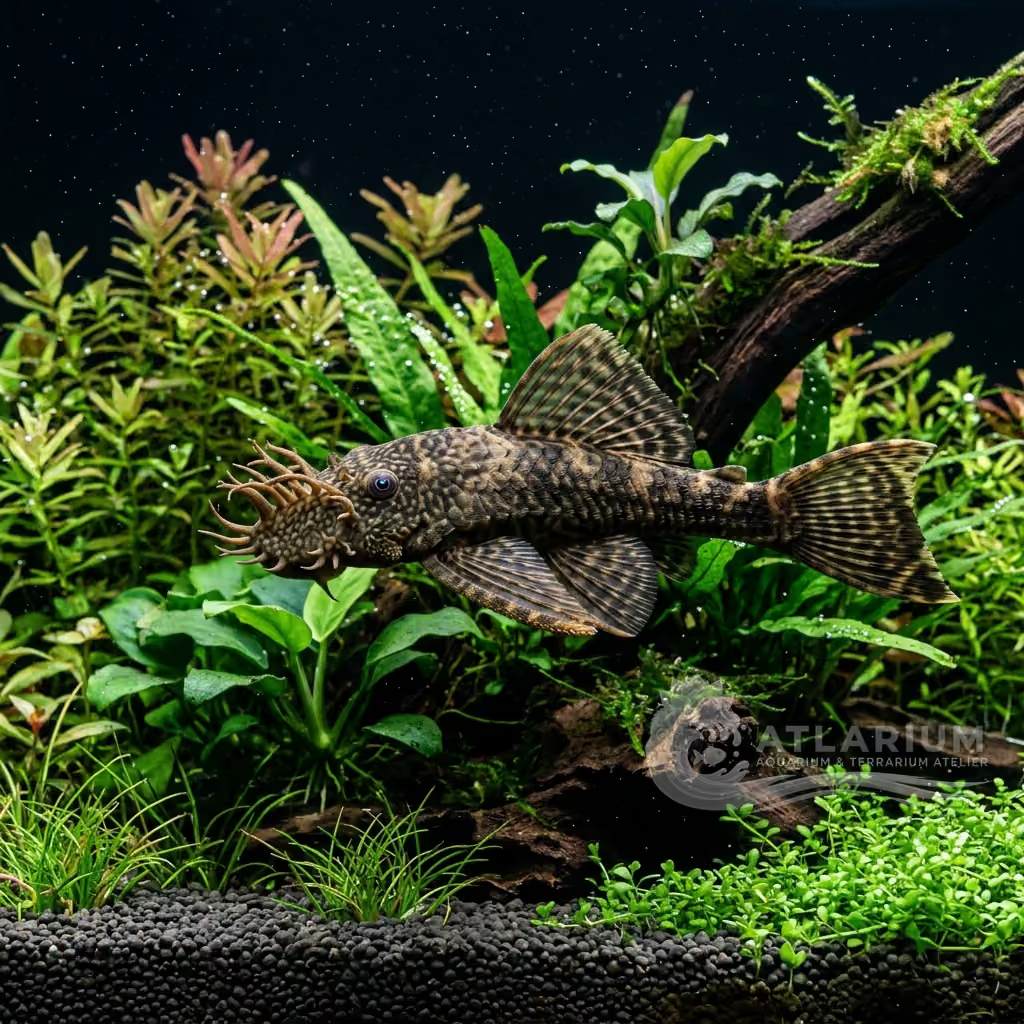
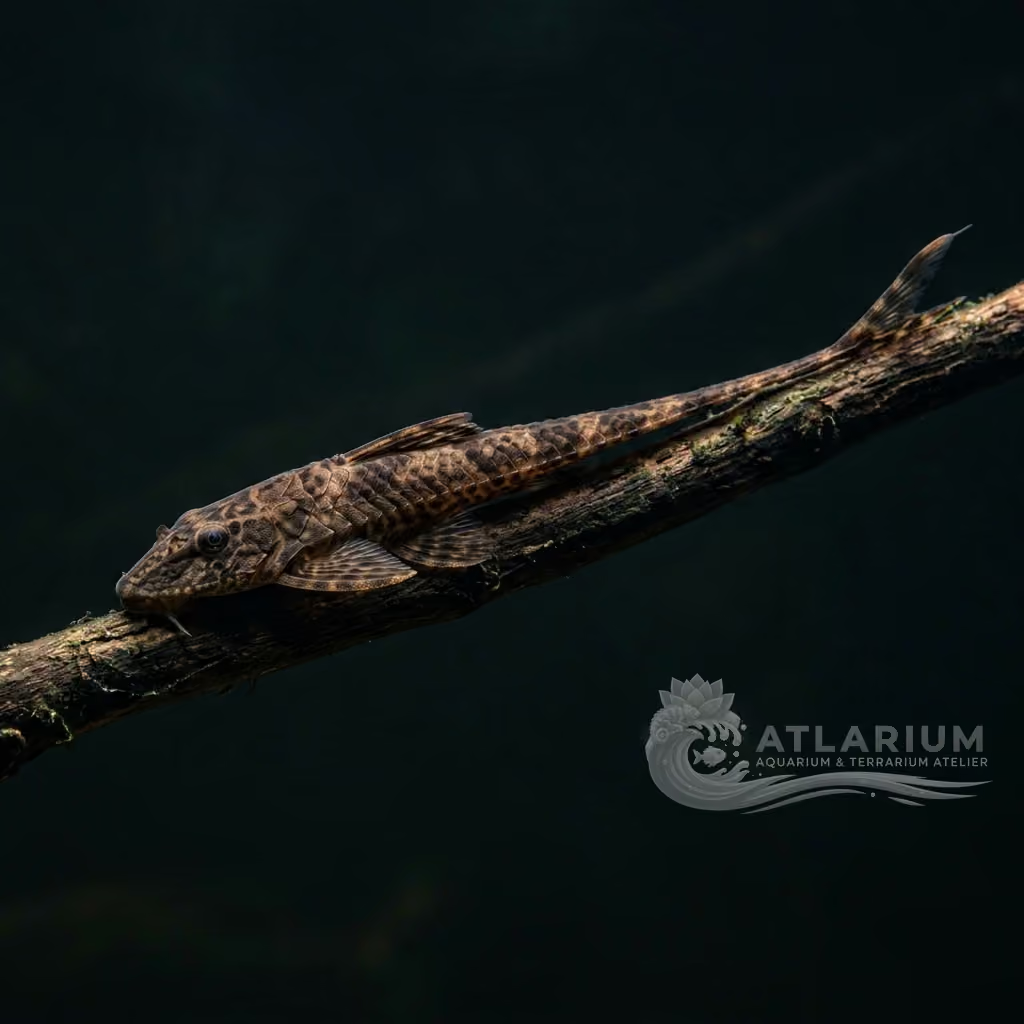
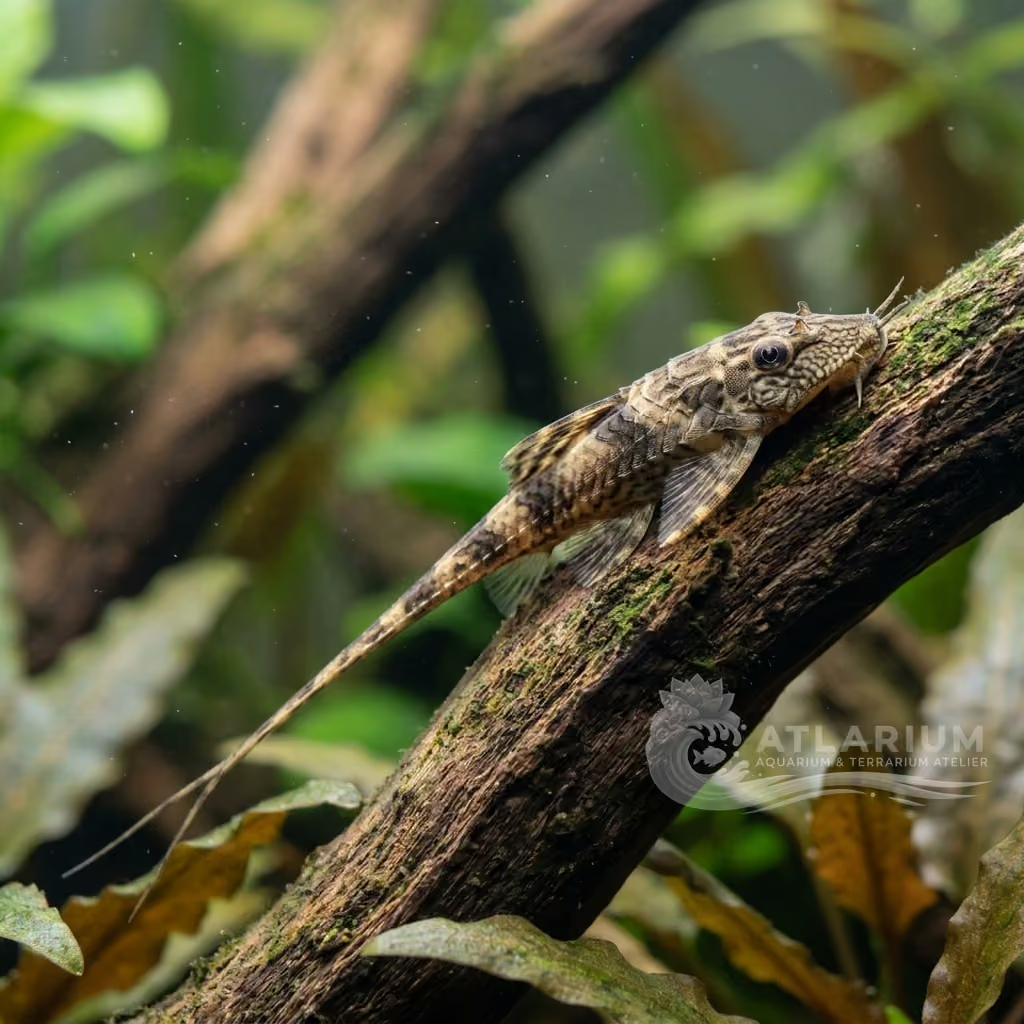
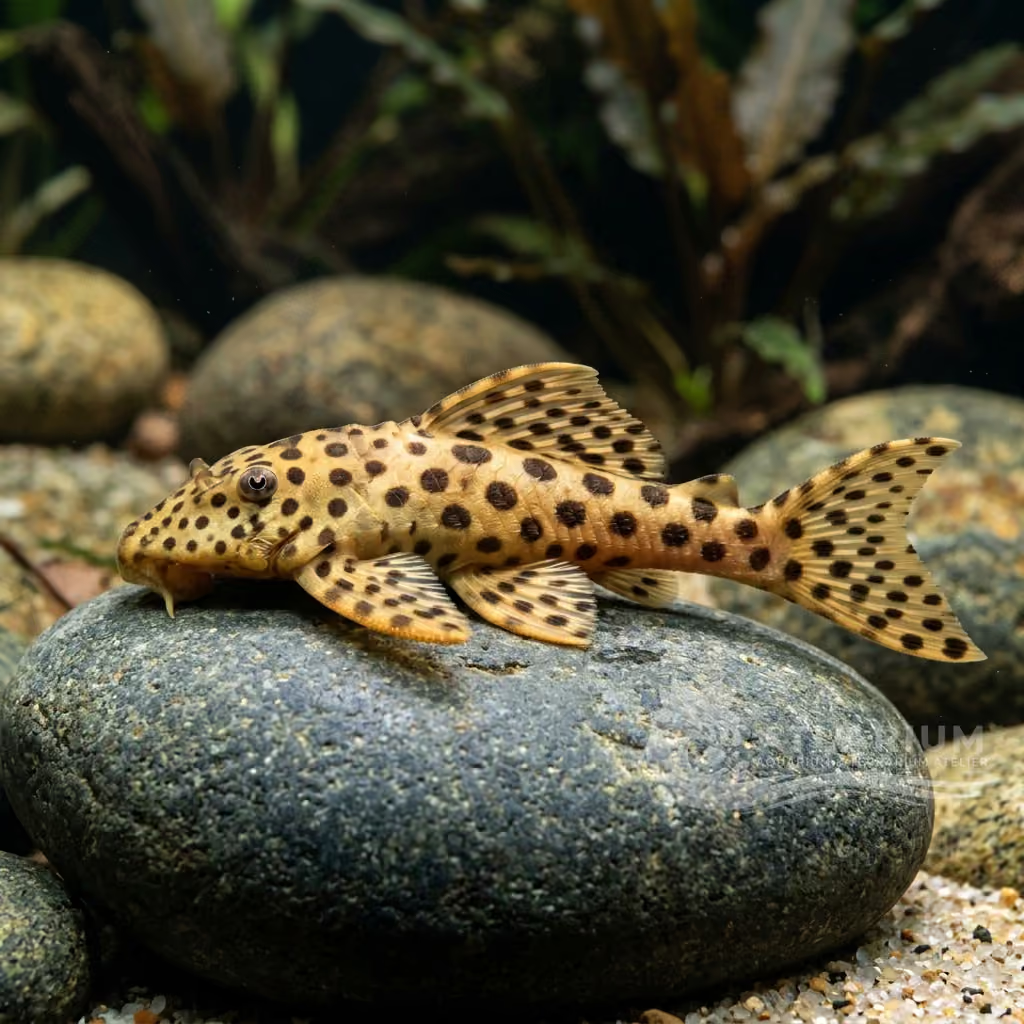
A small loricariid catfish from Brazil (Tocantins, Madeira and Paraguay basins): streamlined body of just 3 cm with a sucker mouth for clinging to surfaces and scraping algae and biofilm. Like cousin O. cocama, it is a tireless, peaceful algae grazer that represents the perfect cleaning crew for planted aquariums. Must be kept in groups of at least 6 in mature tanks with established algae. Often arrives malnourished: supplement with zucchini and wafers. Copper and water quality sensitive.

Temperatura da água

21 - 26 °C

Valor de pH

6 - 7.5

Tipo de água

Água doce

Nível do tanque

Parte inferior e intermediária

Tamanho adulto

4 cm

Volume mínimo do tanque

>= 40 L

Grupo mínimo

>= 6

GH

2 - 15 dGH

KH

0 - 12 dKH

TDS

30 - 345 ppm

Condutividade

47 - 539 uS/cm

Descrição da espécie

Geographical Origin and Habitat: Endemic exclusively to the vast, incredibly complex lower Amazon River basin, specifically heavily concentrated around the pristine, fast-flowing, and highly oxygenated clearwater tributaries near Belém and the Tocantins River in Brazil, South America. Otocinclus hoppei (universally known as Hoppe's Oto or the Dwarf Suckermouth Catfish) natively colonizes the shallow, sun-drenched margins of these rivers. These specific micro-habitats are completely choked with massive, dense forests of submerged aquatic vegetation, thick layers of periphyton (algae), and massive tangles of submerged roots.
Taxonomy and Morphology: Scientifically classified within the Loricariidae family (the armored suckermouth catfishes), it is a spectacular, deeply specialized, and unbelievably tiny micro-scavenger. Morphologically, fully mature adults rarely exceed 3.5 to 4.5 centimeters (1.4-1.8 inches) in length, making them one of the smallest Loricariids in the world. It possesses a deeply robust, heavily armored, bullet-shaped body profile. Its absolute defining anatomical feature is its specialized, downward-facing "suckermouth" perfectly evolved for stripping microscopic diatoms and soft green algae from broad leaves and smooth river stones.
Social Behavior: They are exceptionally peaceful, deeply timid, and absolutely obligate shoaling micro-catfish. Unlike large Plecos which are solitary and territorial, Otocinclus are highly gregarious. They strictly MUST be kept in a sizable group (absolute minimum 6, but 10-20+ is vastly superior to observe their natural confidence). In the aquarium, they possess a hyper-active, nervous energy, spending their entire day frantically darting from leaf to leaf, completely plastered against the glass or broad plants, relentlessly scrubbing surfaces for microscopic food.
Coloration and Sexual Dimorphism: Sexual dimorphism is subtle and impossible to determine from above; mature females are noticeably broader and plumper when viewed from below, while males remain distinctly slimmer. The coloration of Hoppe's Oto is a brilliant evolutionary camouflage (mimicking a shadow on a leaf): the base body is a pale, silvery-grey, faint olive, or yellowish-brown. Its absolute defining feature is a massive, incredibly stark, pitch-black horizontal stripe running straight from the snout, through the eye, terminating at the base of the tail.

Cuidado, criação e companheiros de tanque

Aquarium Setup: The aquarium architecture MUST flawlessly replicate a sunlit, heavily planted, and highly oxygenated Amazonian clearwater tributary. A minimum 60-liter (15-gallon) tank is required for a small school. The absolute most critical requirement is overwhelming, dense vegetation and established surfaces. The tank MUST be densely packed with broad-leaved plants (like Anubias or Amazon Swords) to provide massive grazing surfaces. The tank MUST be fully mature and seasoned for at least 3-4 months before introducing Otocinclus to ensure a massive, established microscopic biofilm exists.
Diet and Feeding: They are highly specialized, absolutely obligate algivores (algae-eaters) and biofilm grazers. This is the single most critical aspect of their care. They physically require a constant, massive supply of soft green algae and microscopic diatoms to survive. Because they are wildly efficient, they will completely strip a pristine tank of algae in days and rapidly starve to death. You MUST heavily supplement their diet daily with blanched vegetables (zucchini, cucumber, spinach) and high-quality sinking algae wafers.
Water Quality: Originating from pristine, fast-flowing Amazonian clearwater, they strictly demand highly stable, immaculate, intensely oxygenated, and soft water. They thrive in warm tropical temperatures (23-28°C / 73-82°F). Crucially, they require soft to moderately hard water (GH 2-10) and a slightly acidic to neutral pH (6.0 - 7.5). They possess absolute zero tolerance for dissolved organic waste, Ammonia, or Nitrites; rigorous weekly water changes are absolutely mandatory. The water flow MUST be moderate to strong to ensure maximum oxygen saturation.
Compatibility and Cohabitation: Compatibility is excellent, provided tankmates are exceptionally peaceful, small, and share their requirement for soft, clean water. They are the absolute perfect, totally harmless algae-cleaning crew for a delicate planted aquascape. Excellent companions include tiny Tetras, Rasboras, peaceful Dwarf Cichlids (like Apistogramma), and small Corydoras. They MUST NEVER be housed with fast, aggressive, or large predatory fish (like Angelfish, Cichlids, or large Barbs) that will easily swallow them whole or bully them away from food.
Aquarium Breeding: Breeding is exceptionally rare, highly rewarding, and typically occurs entirely by accident in perfectly pristine, heavily planted setups. They are continuous egg-scatterers that provide zero parental care. Breeding is triggered by heavy feeding of high-quality greens and massive, cool water changes mimicking the rainy season. The female deposits tiny, highly adhesive eggs individually on the underside of broad leaves or directly on the aquarium glass. The fry are microscopic and require established infusoria and massive amounts of soft algae to survive.
Risks and Diseases: The absolute greatest physical risk is lethal starvation; they are so efficient at eating algae that they will rapidly strip a new tank clean and die within weeks if not heavily supplemented with blanched vegetables and wafers. The tank MUST be mature. The second major risk is severe physiological collapse caused by poor water quality; they are incredibly sensitive to Ammonia spikes. Finally, they are highly vulnerable to being swallowed by larger tankmates due to their tiny size.

Origem e distribuição geográfica

Endemic exclusively to the vast, incredibly complex lower Amazon River basin, specifically heavily concentrated around the pristine, fast-flowing, and highly oxygenated clearwater tributaries near Belém and the Tocantins River in Brazil, South America. Otocinclus hoppei (universally known as Hoppe's Oto or the Dwarf Suckermouth Catfish) natively colonizes the shallow, sun-drenched margins of these rivers. These specific micro-habitats are completely choked with massive, dense forests of submerged aquatic vegetation, thick layers of periphyton (algae), and massive tangles of submerged roots.

Origem

Amazônia, Orinoco e Guianas

Perfil de peixe

Temperamento
Peaceful
They are extremely shy, peaceful, and easily startled. Providing dense planting and driftwood gives them needed security. They will hide immediately if they feel threatened.
Dieta
Herbivore
They are obligate herbivores that graze continuously. Natural biofilm and soft green algae are absolutely essential. Zucchini and sinking algae wafers make excellent supplemental foods.
Expectativa de vida
3-5 years
Tamanho adulto
4 cm
Proporção sexual
School
Sex ratios are generally unimportant for this schooling fish. They should always be kept in groups of six or more. Larger groups help them feel significantly more confident.
Frequência de alimentação
Continuous
They need constant access to algae-covered surfaces. Grazing is a full-time activity for this species. Offer fresh vegetables at least twice a week.
Carga biológica
Low
This small catfish contributes a very minimal bioload. They produce barely any noticeable biological waste. Standard filtration is more than sufficient for their needs.
Fluxo
Strong
They enjoy moderate to moderately strong water currents. High levels of dissolved oxygen are crucial for their survival. A well-placed filter outlet simulates their natural river habitats.
Risco de salto
No
Reprodução
Oviparous
Captive breeding is extremely uncommon and difficult. It usually requires specialized setups with dense vegetation. The female deposits adhesive eggs on flat plant leaves.
Compatibilidade e companheiros de tanque
Community
They are completely peaceful toward all other tank inhabitants. They do best in serene community tanks with tiny fish. Cichlids and other large predators must be completely avoided.
Nível do tanque
Middle/Bottom
They dwell primarily in the lower to middle zones. They love resting on broad-leaved aquatic plants. You will frequently see them grazing on the aquarium glass.

Modelos e parâmetros científicos

FishBase

Acesso aos dados científicos oficiais da espécie

FishBase v25.04Dados sincronizados em: 15/06/2026
Unicidade filogenética (PD50)
0.5
Relação bayesiana comprimento-peso
a = 0.00977, b = 3.06
VulnerabilidadeVulnerabilidade baixa (10 / 100)