Red-Fin Otocinclus
Parotocinclus maculicauda
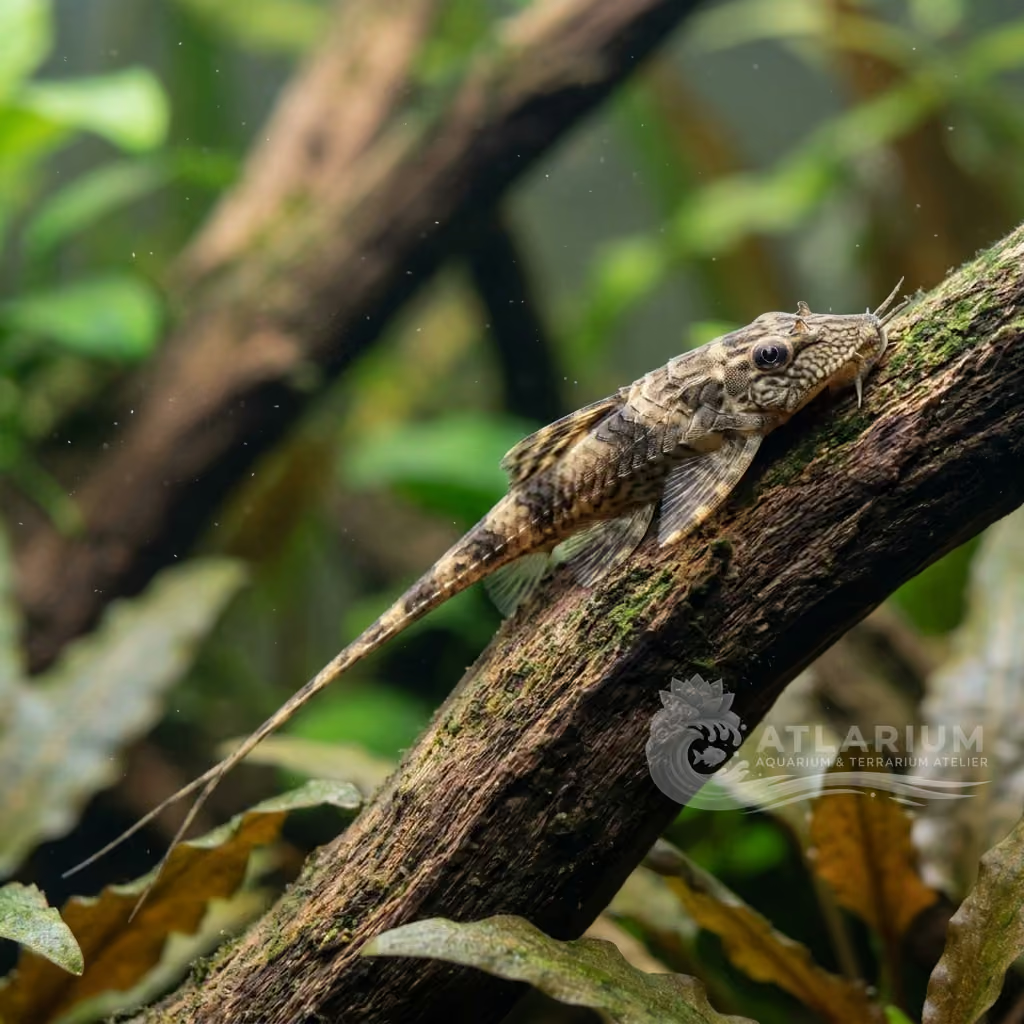
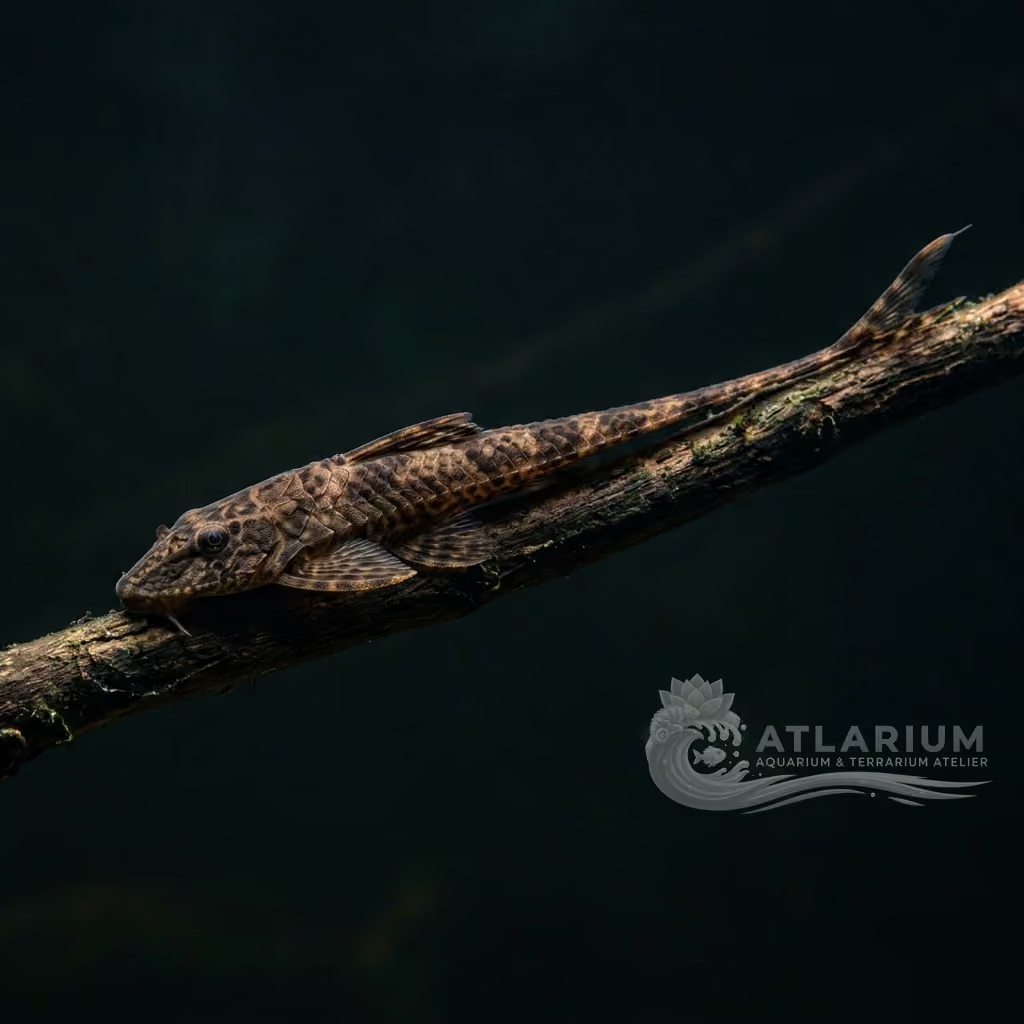
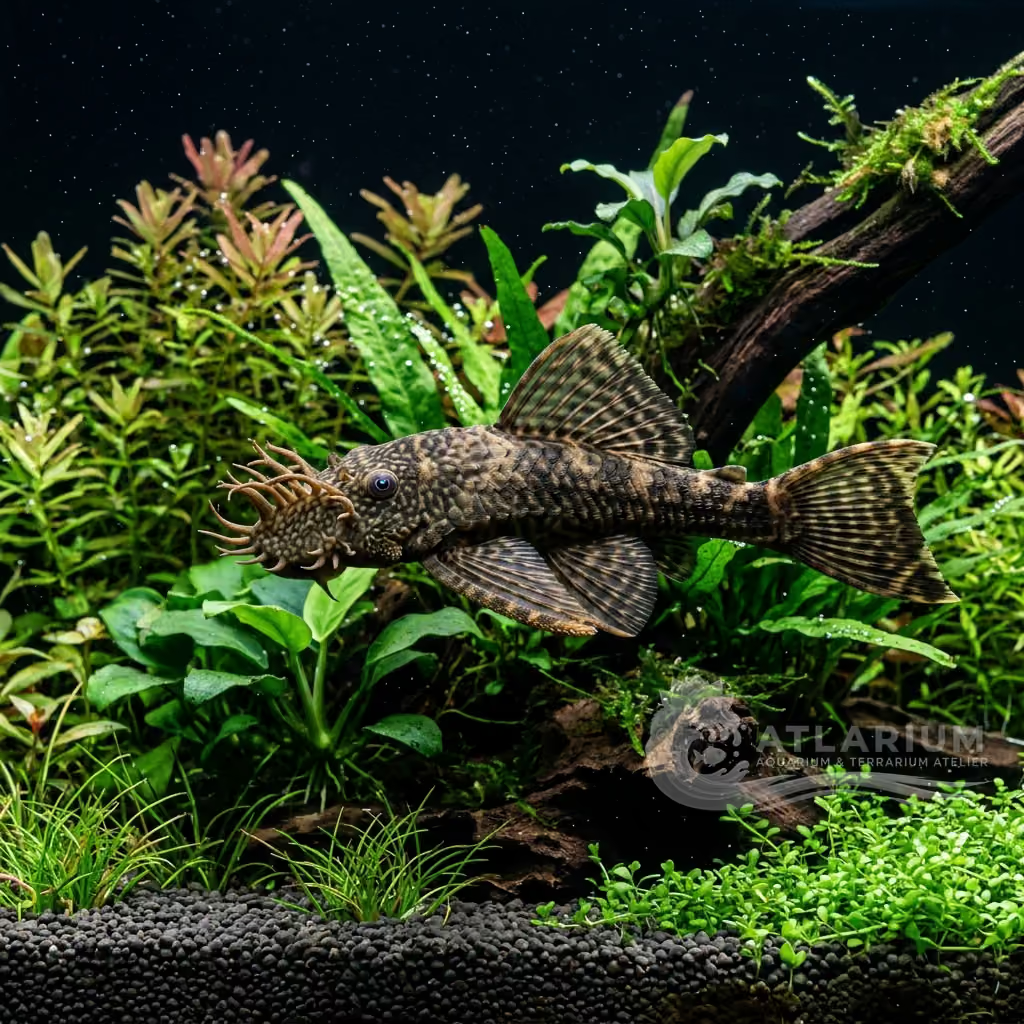
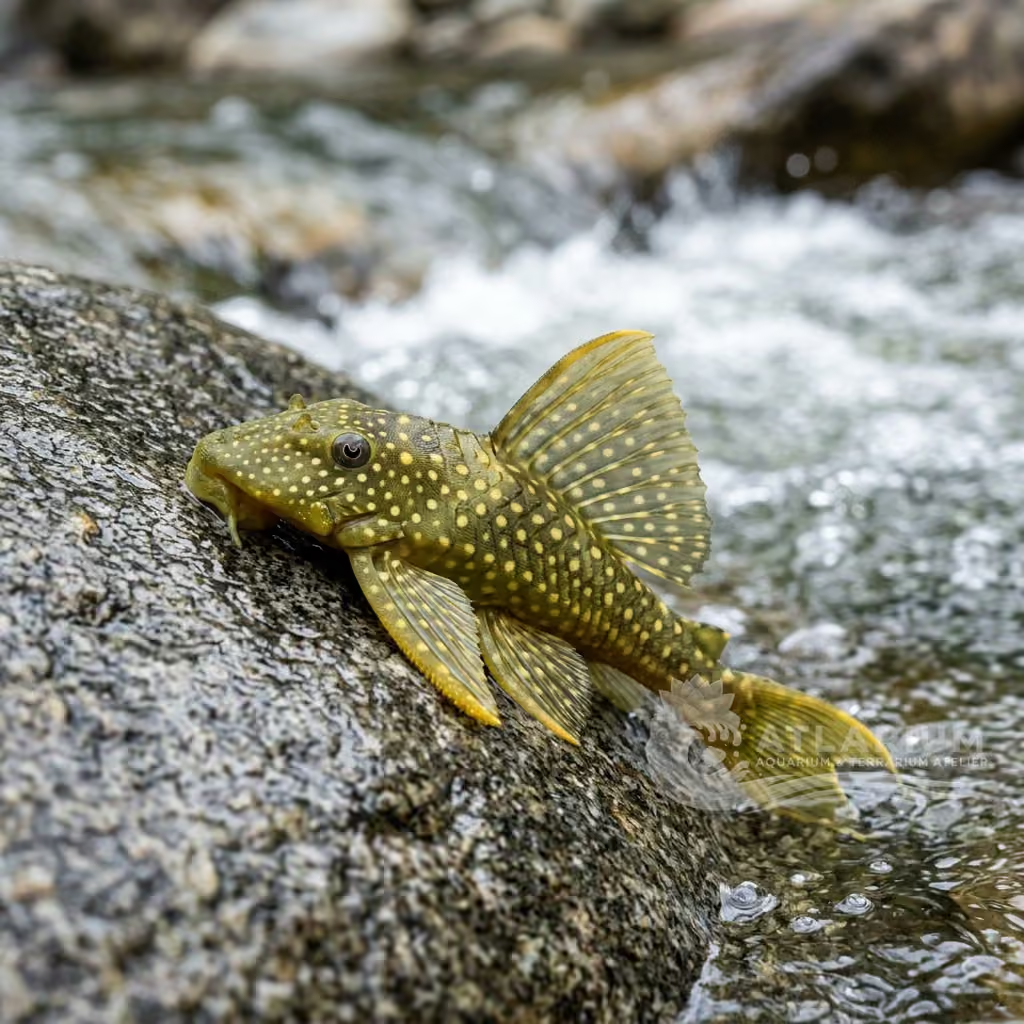
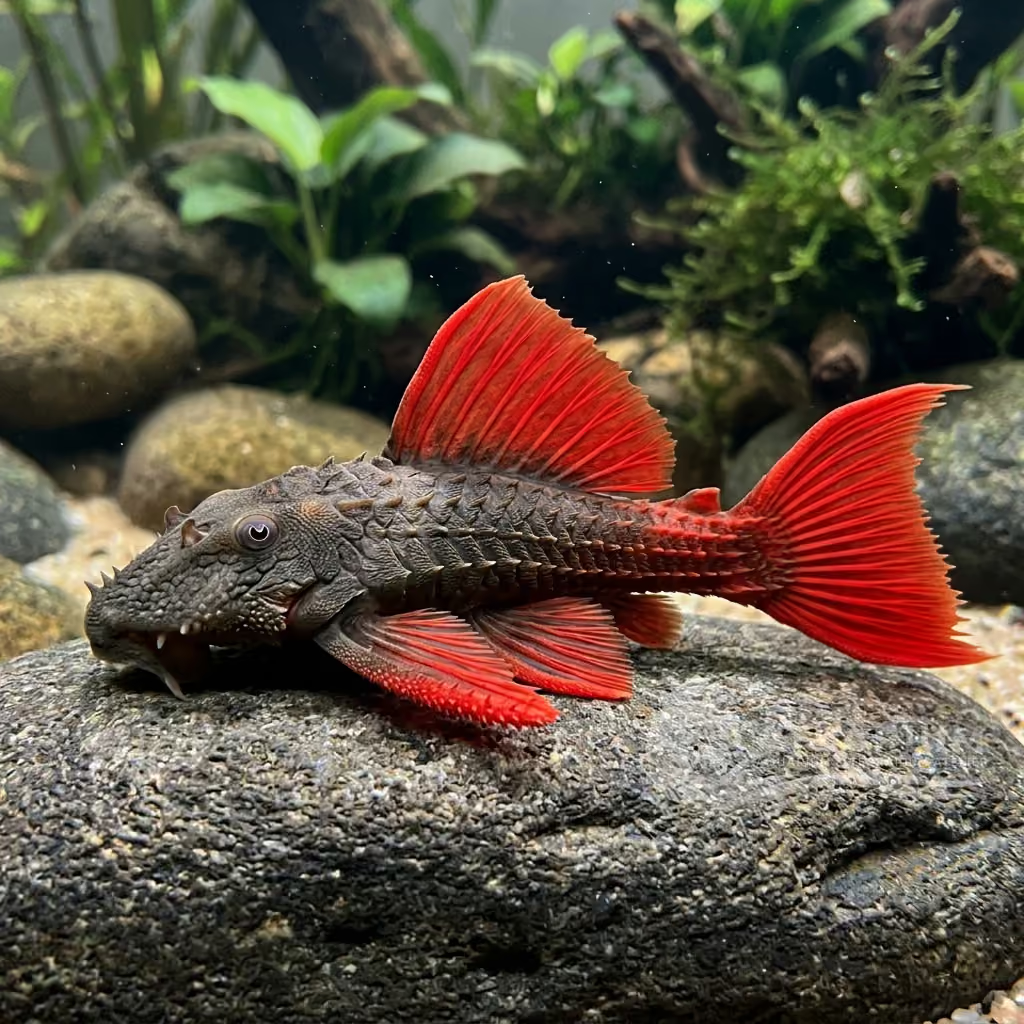
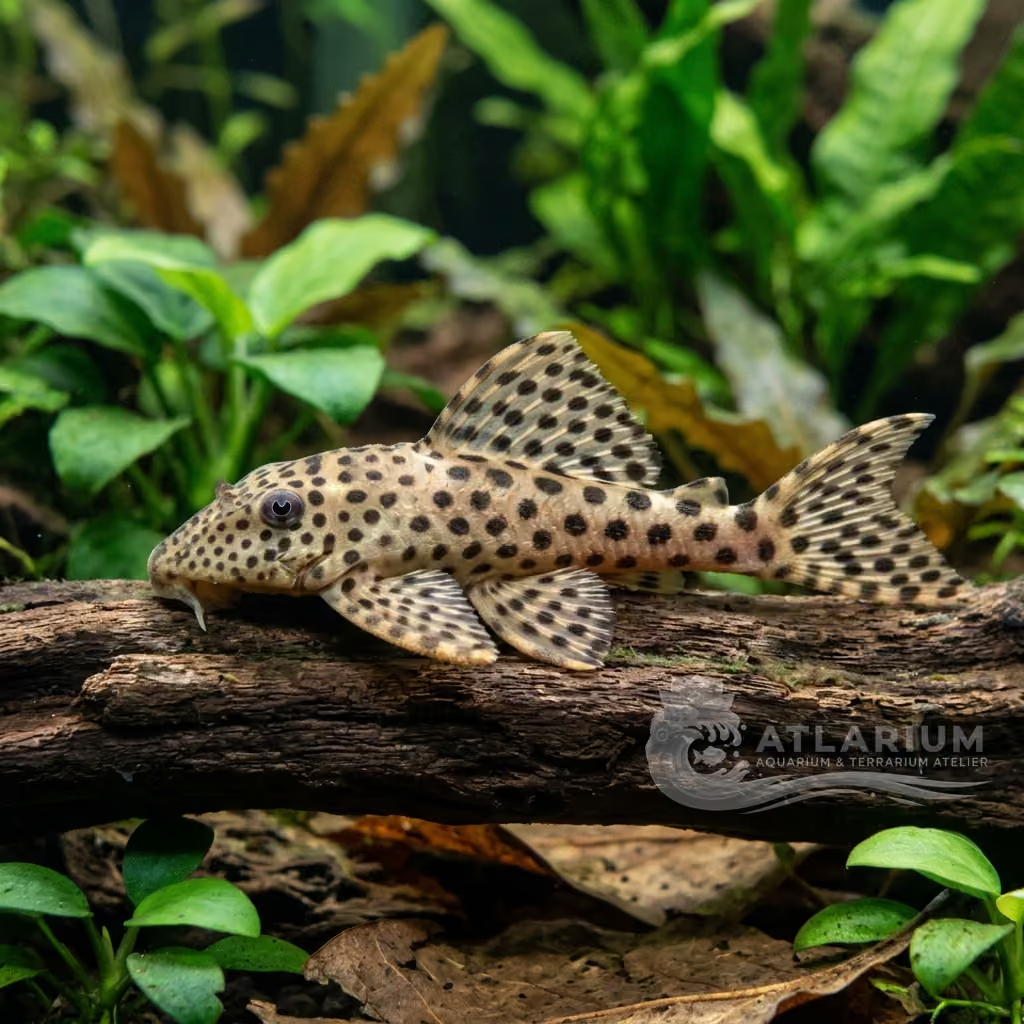
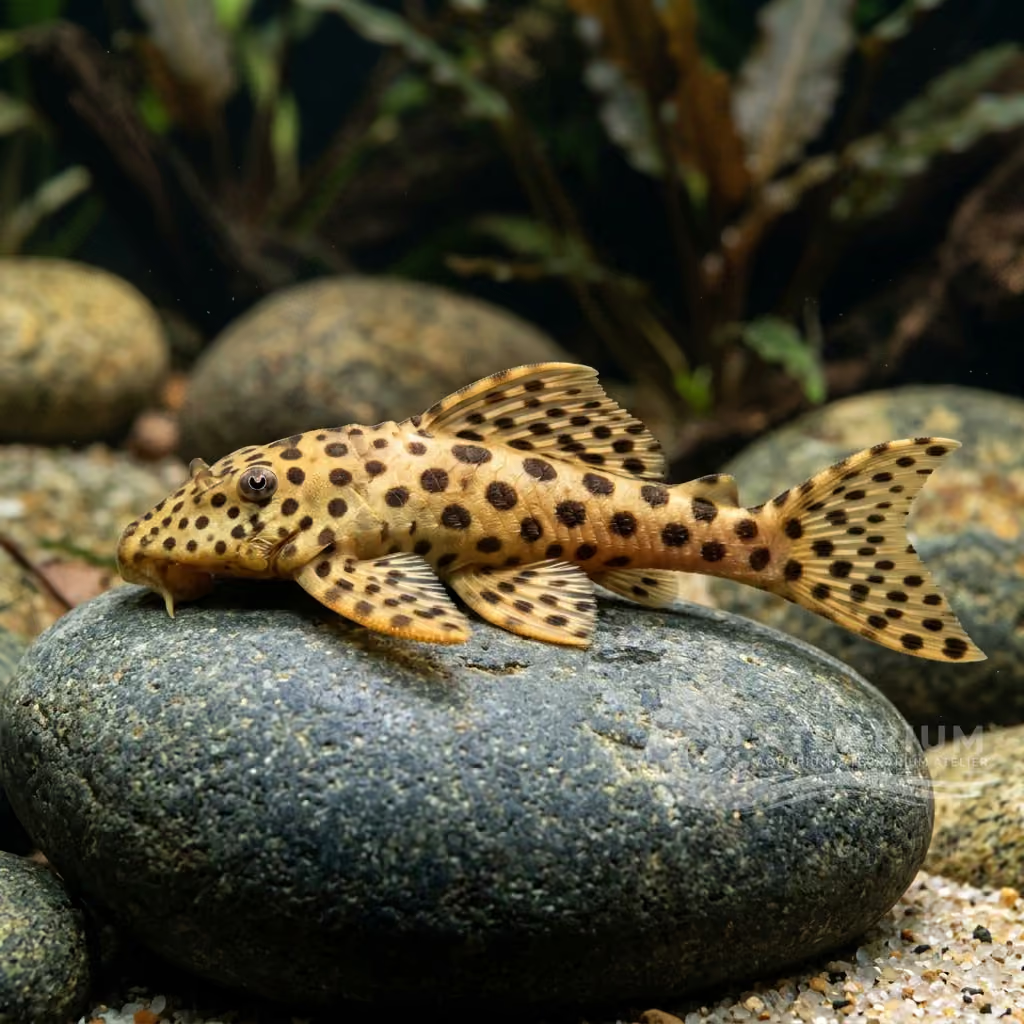
Splendid pygmy loricariid (5 cm) with bright red tinted fins. More lively than the classic Otocinclus, requires mature tanks and very oxygenated, cooler water.
Temperatura da água
20 - 25 °C
Valor de pH
6.5 - 7.5
Tipo de água
Água doce
Nível do tanque
Parte inferior
Tamanho adulto
5 cm
Volume mínimo do tanque
>= 60 L
Grupo mínimo
>= 1
GH
4 - 15 dGH
KH
2 - 7 dKH
TDS
80 - 295 ppm
Condutividade
125 - 461 uS/cm

Descrição da espécie
Geographical Origin and Habitat: South Brazilian species from coastal basins (Paraná, Santa Catarina). Inhabits clear, cold streams flowing over rocks, gravel, and sand, with strong currents and dense marginal vegetation washed by the water.
Taxonomy and Morphology: Dwarf Loricariid. Similar to a large, stout, and compact Otocinclus. Reaches barely 5 cm (2 inches). Unlike Otocinclus, it possesses a tiny adipose fin (small fleshy bump on the back before the tail). Inferior sucker mouth suitable for continuous scraping.
Social Behavior: Extremely lively for a suckerfish. Always in diurnal motion, methodically grazes rocks and large leaves. Obligate gregarious fish: needs schools (minimum 6-8) or will die of stress. Harmless to the rest of the community.
Coloration and Sexual Dimorphism: Magnificent brown/gold or gold-dusted sand base, dark marbled. The tail and dorsal fin have spots (hence maculicauda) of a beautiful brick orange or bright blood red. Mature females noticeably rounder on the belly than slim males.

Cuidado, criação e companheiros de tanque
Aquarium Setup: Small group suitable for tanks from 60 cm (24 inches) up. Set up in 'stream' style: intricately branched wood, scattered river pebbles, compact vegetation, and a very STRONG CURRENT. Insert exclusively in mature aquariums (over 6 months old) and saturated with natural soft micro-algae.
Diet and Feeding: Aufwuchs and biofilm. Without the organic film of aseptic glass, it dies. Supplement the diet by offering sunken cucumber rounds and vegetable spirulina flakes moistened and stuck to stones.
Water Quality: THE CRITICAL FACTOR IS THE COLD: coming from the extreme south of Brazil, it does not tolerate or quickly wastes away in tropical heat. Vital temperature between 20°C and 25°C (68-77°F) maximum, perfect without a heater in the house. Very demanding in oxygen, with tolerant pH 6.5-7.5.
Compatibility and Cohabitation: Golden roommate for small cold-stream fish like neons, panda corydoras, small characins, and cyprinids (danios and rasboras). Strictly prohibited with large cichlids and hot Amazonian Discus tanks.
Aquarium Breeding: Difficult to stimulate on purpose, but they spawn on glass or broad leaves in the presence of hyper-abundant food. As with corydoras, no post-spawning parental care.
Risks and Diseases: Lethal fulminating mortality if inserted in hot tanks over 27 degrees (80°F) (suffocation by organic anoxia) or if inserted in sterile starter cubes without massive algae production on the glass.

Origem e distribuição geográfica
South Brazilian species from coastal basins (Paraná, Santa Catarina). Inhabits clear, cold streams flowing over rocks, gravel, and sand, with strong currents and dense marginal vegetation washed by the water.
Origem
Extra-Amazônica América do Sul

Perfil de peixe
- Temperamento
- Semi-aggressive
- The temperament of Parotocinclus maculicauda is largely peaceful, especially towards tank mates. While they mind their own business mostly, they may become defensive during specific periods. Providing visual barriers and adequate space mitigates most behavioral issues.
- Dieta
- Omnivore
- Parotocinclus maculicauda is primarily herbivorous and enjoys a diverse diet. In captivity, they eagerly accept high-quality prepared foods, and appropriate frozen or live foods. Providing a varied menu ensures they receive all necessary nutrients for vibrant colors and health.
- Expectativa de vida
- 3-5 years
- Tamanho adulto
- 5 cm
- Proporção sexual
- Group
- Maintaining a proper sex ratio of mixed group is advisable for this species. Males tend to be visually distinct from females in certain aspects, making sexing possible in mature specimens. In breeding setups, close monitoring is essential to prevent excessive harassment.
- Frequência de alimentação
- Twice daily
- It is recommended to feed Parotocinclus maculicauda moderate portions twice a day. Only offer an amount they can completely consume within a few minutes to prevent water fouling. Occasional fasting days can also be beneficial for their digestive system.
- Carga biológica
- Low
- The bioload produced by Parotocinclus maculicauda is low due to their small size and metabolic rate. They require robust filtration to keep water parameters stable and pristine. Regular water changes are highly recommended to ensure their optimal health.
- Fluxo
- Stagnant
- This fish prefers moderate water currents that mimic its natural habitat. Proper water flow is crucial for maintaining adequate oxygenation levels. Position filter outlets or powerheads carefully to provide both flowing and calmer resting areas.
- Risco de salto
- Yes
- Parotocinclus maculicauda poses a low risk of jumping from the aquarium if startled. It is strictly advised to keep a secure, tight-fitting lid on the enclosure at all times. Extra care should be exercised during tank maintenance to prevent unexpected escapes.
- Reprodução
- Oviparous
- Breeding Parotocinclus maculicauda in captivity is challenging and requires specific water parameters. They are egg spawners and often exhibit fascinating courtship behaviors. Providing ample suitable structures will significantly increase the survival rate of the fry.
- Compatibilidade e companheiros de tanque
- With caution
- This species is generally peaceful and makes a specific addition to a home aquarium. They can be housed with other compatible species that occupy different water levels. Caution should be taken when selecting tank mates to avoid any conflicts.
- Nível do tanque
- Bottom
- These fish predominantly occupy the bottom levels of the aquarium. They enjoy exploring their surroundings and often interact with the tank decor. Ensuring sufficient space in their preferred zone is absolutely important for their well-being.

Modelos e parâmetros científicos
FishBase
Acesso aos dados científicos oficiais da espécie
FishBase v25.04Dados sincronizados em: 15/06/2026
- Resiliência
- Alta (menos de 15 meses)
- Unicidade filogenética (PD50)
- 0.5
- Relação bayesiana comprimento-peso
- a = 0.01122, b = 3.08
- VulnerabilidadeVulnerabilidade baixa (10 / 100)

Espécies relacionadas
Recomendações agrupadas por parentes próximos, escolhas de acompanhantes e cuidados semelhantes.