Otocinclus (Oto Macrospilus)
Otocinclus macrospilus
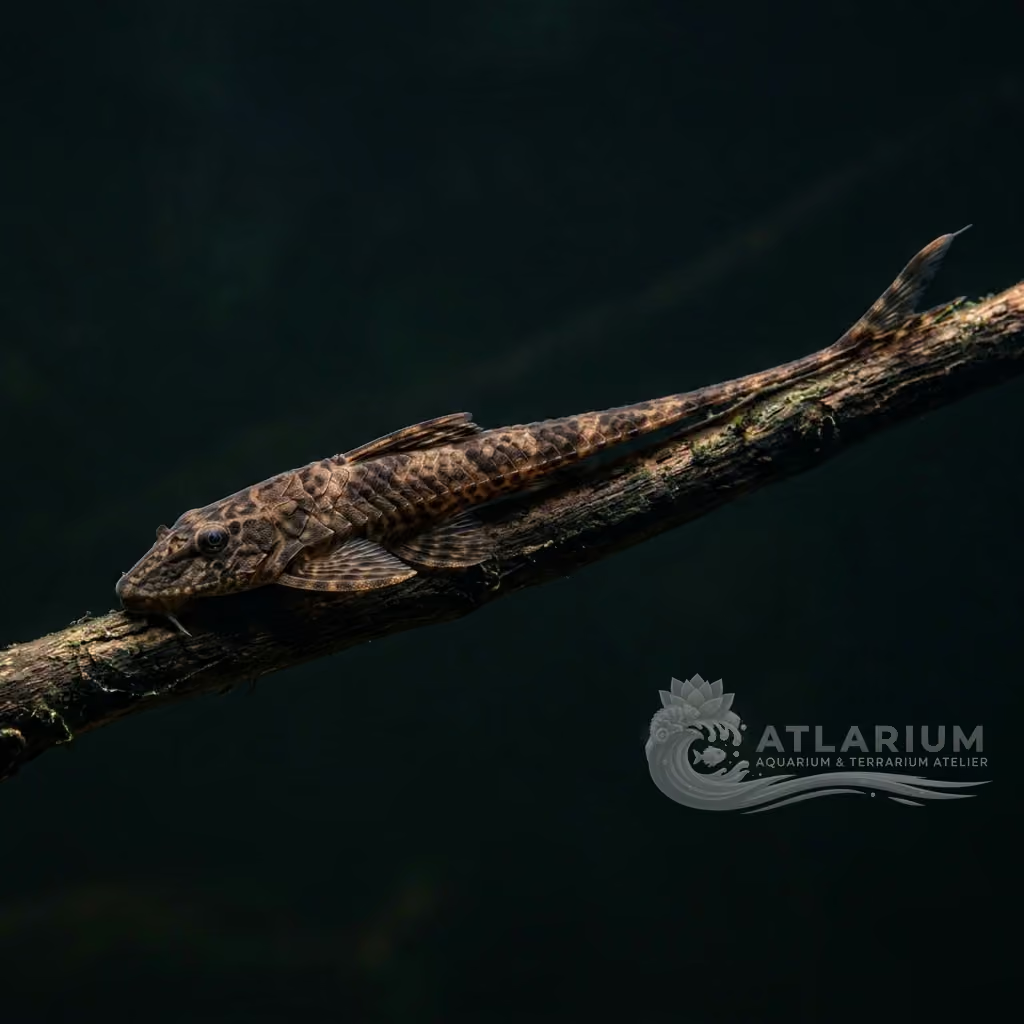
Aesthetically almost identical to O. vittatus, it is the classic and tireless 'Otocinclus' of the aquarium market. It is distinguished by the large diamond spot on the tail that DOES NOT merge cleanly with the lateral body line.
Temperatura da água
21 - 26 °C
Valor de pH
5.5 - 7.5
Tipo de água
Água doce
Nível do tanque
Parte inferior e intermediária
Tamanho adulto
4 cm
Volume mínimo do tanque
>= 30 L
Grupo mínimo
>= 1
GH
1 - 12 dGH
KH
1 - 6 dKH
TDS
25 - 240 ppm
Condutividade
39 - 375 uS/cm

Descrição da espécie
Geographical Origin and Habitat: Fascinating nano-loricariid endemic to the immense and lush basin of the Ucayali, Marañón, and Napo rivers (Peru, Ecuador, and Colombia). Assembles in myriads, forming swarms of thousands of trembling and ravenous individuals in slow streams (igarapés) surrounded by the opulent Amazonian canopy, sticking firmly to the flooded edges covered with grass and tangled roots.
Taxonomy and Morphology: Loricariidae family. O. macrospilus is without a doubt the most commonly imported species along with vittatus, although almost everywhere passed off with the old name of 'O. affinis'. Extremely delicate bone structure, microscopic size like a darting dart (4 cm / 1.6 inches maximum, even less for males). Armed with the typical and highly evolved removing labial suction cup. Physically defenseless against attacks (it defends itself only by fleeing in a flash in a group and hiding).
Social Behavior: Physiologically in need of gregarious contact (Thigmotaxis). Animal with a highly delicate psyche and a habitual prey in nature; ISOLATION WILL KILL IT psychologically. It is mandatory to insert them in minimum schools of 6-10 specimens upwards. Reassured by its peers, the school becomes the surface scavenger par excellence: in perfect synchrony they float from the glass to the expanded leaves, meticulously sifting and dusting the fragile foliage of green debris without scratching it. Absolute phobia of jerky absolute darkness, prefers to sleep in dense suspended forests visually sheltered.
Coloration and Sexual Dimorphism: The masterpiece of Amazonian camouflage ('cryptic coloration'). Ochre or cement gray background dotted with faded speckles on the back, simulating the bright light falling on pebbles. Abdomen of a blinding immaculate and very smooth pearl titanium white. HOW TO DISTINGUISH IT FROM OTHER OTOCINCLUS? It is the only one to have, at the base root of the tail, a massive defined black spot (like a large diamond exclamation mark) WHICH IS SEPARATED and does not merge in continuous horizontal unbroken continuity with the very long and straight broken blackish line ('vitta') of the back. Here too, females visibly dilated by the spherical and abdominal swelling of stable clutches, and puny males like smooth and bony and compressed mini torpedoes.

Cuidado, criação e companheiros de tanque
Aquarium Setup: THE ABSOLUTE LETHAL MISTAKE is its early adoption in a clean, brand new aquarium. An O. macrospilus placed in a tank without microscopic cobwebs of mature brown algal colonies ('Bio-film and Aufwuchs'), is condemned to empty internally, languishing atrociously frightened until the vital mortal asphyxiating end. Demands the old and inexorable mature green filmy organic safety, dense marsh vegetation in the aquarium where to perch and limpid filtered sweet water.
Diet and Feeding: Pure vegan in nature, absolute desperate aseptic in extremis. DOES NOT eat corpses or dirt and feces. Incessantly demolishes soft and asphyxiating dusty green algae (green dust) and mucous silicon brown diatom algae on shaded glass. (Without the necessary help of hard Spirulina specially round pressed in a very green base, it will go to a catabolic collapse from exhausted plant aquarium hunger anorexia if it has polished it properly; Biweekly integrate without excuses rounds of boiled pumpkin, thick boiled raw zucchini slice, soaked spinach skins as succulent baby food that they will devour in joyful groups hanging vertically on the glass endlessly).
Water Quality: Manageable difficulty but without serious chemical errors on the part of the ignorant incautious novice (it is the 'canary in the coal mine', the first to die of pollution). Suffers at the level of neurological collapse the asphyxiating devastating peak of fatal lethal ammonia of unresolved tanks in biological newborn unripe unstable cycle and brutal fast cold winter temperature swings of careless sudden changes without urban heater or sudden freezing bucket water changes. Being thermophilic but of rain shadow it is a comfortable lover of the stainless 21 - 26°C (70-79°F) maximums, if cooked in summer without oxygen or with hot thermophilic tropical Amazonian Discus fish at asphyxiating 30 degrees (86 F) it will perish suffocated. Demands neutral/acidic Amazonian weakly soft water tolerating safe urban medium tolerances ph 5.5 to moderate 7.5 weak urban GH without lethal poisonous limestone.
Compatibility and Cohabitation: Helpless ethereal ghost companion and ignored foolish and minuscule in degree of escape asphyxiated by helpless cowardly fright. Obligation to pair it with very tiny passive static asocial miniature harmless very slow equal or more cowardly foolish and blind peaceful flocks: inestimable safe and docile friend with highly delicate minuscule livebearer fry without hitting them and microscopic helpless snails and peaceful transparent nice colored neocaridina and red cherry shrimp cohabiting common zucchini adorable and rasbora fish and corydoras. Absolute ban and mortal homicidal madness to insert it as a tragic dinner with heavy slow South American Cichlids huge Oscars (would swallow it but the brave defensive minuscule desperate Oto would open its tremendous cross-shaped agony weapon extruded and would tragically die strangling the devourer choking him mortal drowned tragic fatal double killer); phobic stressful lethal phobias if you harass it with heavy Clown Loaches or fast giant red-tailed shark labeo fish scary harassing mortal fast aggressors.
Aquarium Breeding: Prodigious species reproducible but unexpected rare amateur complex magical invisible luck. If satiated happy round obese with juicy green algae organic spirulina vegetables and in pure immaculate stable mature wild Amazonian Dutch thickets in phobias of cold rainwater dissolved as a waterfall the thick breeders will excite furious acrobatic spermatic caroms hiding slender impalpable minuscule microscopic diaphanous spheres scattered scattered and untied from piles abandoning them under umbrella echinodorus leaves and hatched fast without defenses in invisible helpless transparent static pale exposed fry worms that if they do not have in that mature rich tub a sticky mossy infused putrefied tasty invisible algal bio-film where the tiny mouth blindly rubs asphyxiating they will die lethal evaporated by micro starvations vanished malnourished in devastating hunger swallowed massacred losing them all.
Risks and Diseases: Lethal Rotten Intestinal Occlusion due to lack of biofilm and asphyxiating starvation of prolonged vegetarian algae or languid inauspicious malnourished static death and pale sad gastric suffocation by slit belly tragically put aseptic in sterile glass newly scrubbed bought pristine cruel by ignorant stressful embittered amateurs emptied without tablets and asphyxiated by drowning in solitude lethargy fright stress static moribund in group less than three devastated cowards, and pure allergic devastatingly fulminating toxic poisons without forgiveness to the cursed useless snail killer copper killer or bestial hyper chemical excess fertilized of commercial Dutch that burns them in dead hours.

Origem e distribuição geográfica
Fascinating nano-loricariid endemic to the immense and lush basin of the Ucayali, Marañón, and Napo rivers (Peru, Ecuador, and Colombia). Assembles in myriads, forming swarms of thousands of trembling and ravenous individuals in slow streams (igarapés) surrounded by the opulent Amazonian canopy, sticking firmly to the flooded edges covered with grass and tangled roots.
Origem
Amazônia, Orinoco e GuianasLeste Asiático

Perfil de peixe
- Temperamento
- Semi-aggressive
- They possess a gentle, non-aggressive, and cautious temperament. They need ample cover to feel safe in the aquarium. When comfortable, they will actively explore the tank during the day.
- Dieta
- Omnivore
- Their diet consists almost entirely of algae and biofilm. A mature tank with healthy algae growth is mandatory. Blanched spinach and cucumber are great dietary additions.
- Expectativa de vida
- 3-5 years
- Tamanho adulto
- 4 cm
- Proporção sexual
- School
- There are no strict sex ratio requirements for this species. They are highly social and require groups of at least six. A larger school ensures they are active and visible.
- Frequência de alimentação
- Twice daily
- They eat continuously by scraping surfaces all day. Constant access to grazing areas is required for their survival. Provide supplemental feeding two or three times a week.
- Carga biológica
- Low
- They have an incredibly low bioload due to their miniature size. Their waste production is easily handled by biological filtration. They are perfect for heavily planted, low-waste setups.
- Fluxo
- Stagnant
- They favor environments with moderate to high water flow. They are sensitive to low oxygen, so good aeration is key. Simulating a gentle stream environment is highly beneficial.
- Risco de salto
- No
- Reprodução
- Oviparous
- Breeding occurs very rarely in home aquariums. Spawning is sometimes triggered by large, cool water changes. Eggs are laid on broad leaves and hatch in a few days.
- Compatibilidade e companheiros de tanque
- Peaceful
- They are incredibly docile and make perfect community fish. They must be housed with similarly small and peaceful tank mates. Keeping them with aggressive species will lead to extreme stress.
- Nível do tanque
- Middle/Bottom
- They frequent the bottom substrate and mid-water plant leaves. They spend hours attached to the glass or smooth rocks. They rarely swim freely in the upper water column.

Modelos e parâmetros científicos
FishBase
Acesso aos dados científicos oficiais da espécie
FishBase v25.04Dados sincronizados em: 15/06/2026
- Unicidade filogenética (PD50)
- 0.5
- Relação bayesiana comprimento-peso
- a = 0.00977, b = 3.06
- VulnerabilidadeVulnerabilidade baixa (10 / 100)

Espécies relacionadas
Recomendações agrupadas por parentes próximos, escolhas de acompanhantes e cuidados semelhantes.