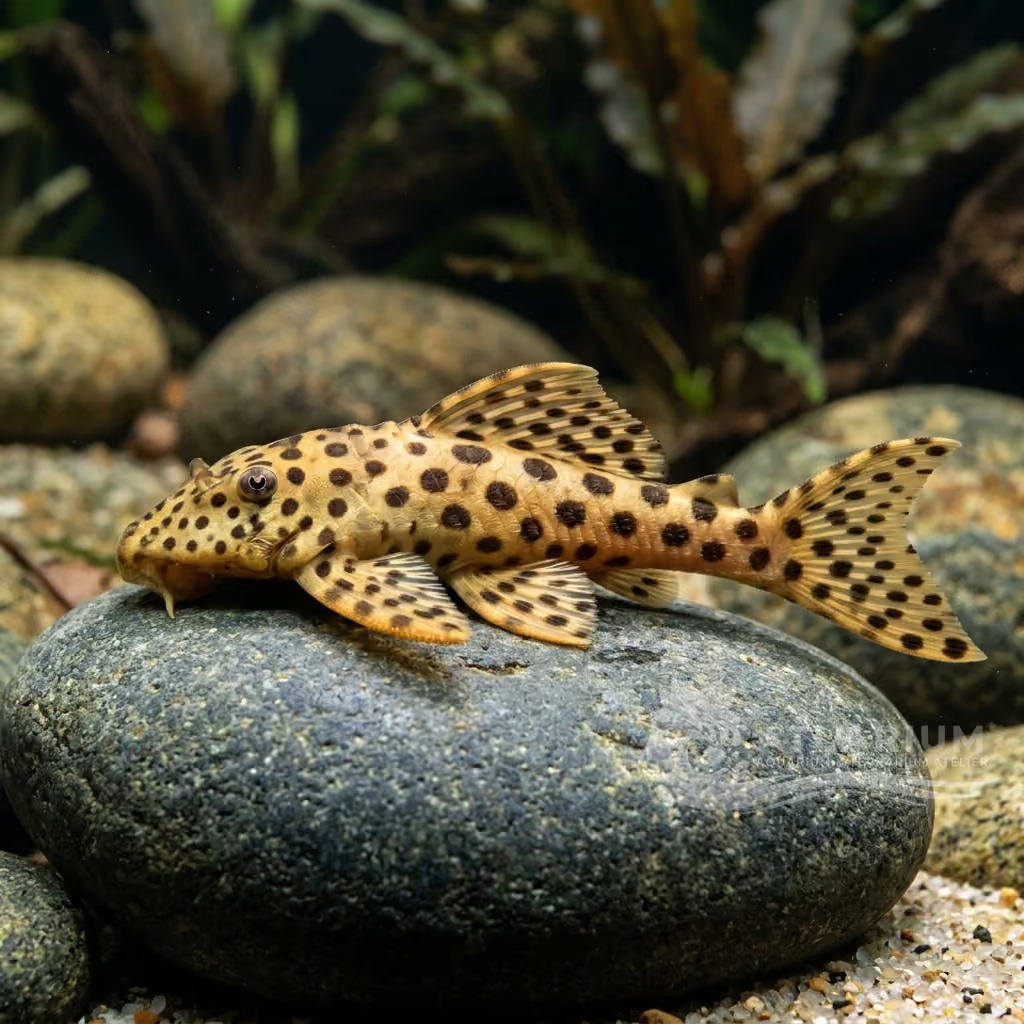
Zebra otocinclus
Otocinclus cocama
The 'designer' version of Otocinclus: the body is adorned with alternating dark vertical bands and light zones giving it the look of a miniature zebra — the most decorative of algae-cleaning fish. Like all Otos, it is a specialized algae grazer that feeds incessantly on surfaces. Extremely peaceful and gregarious: must be kept in groups of at least 6. Critical: never add to new tanks — requires mature tanks with established biofilm and soft algae. Often arrives malnourished from trade: immediate food access is vital. Copper-sensitive.
0 - 27 °C
5 - 7
Água doce
Parte inferior e intermediária
4,4 cm
>= 40 L
>= 6
0 - 27 dGH
1 - 13 dKH
10 - 535 ppm
16 - 836 uS/cm

Descrição da espécie

Cuidado, criação e companheiros de tanque

Origem e distribuição geográfica
Origem

Perfil de peixe
- Temperamento
- Peaceful
- They exhibit a very timid and shy temperament. They rely on camouflage and hiding to feel secure. Providing plenty of hiding spots reduces their stress significantly.
- Dieta
- Herbivore
- They are primarily strict herbivores. Biofilm and soft algae make up their main diet. Supplemental feeding with blanched vegetables is highly recommended.
- Expectativa de vida
- 3-5 years
- Tamanho adulto
- 4.4 cm
- Proporção sexual
- School
- A specific sex ratio is not strictly necessary. They thrive best in large mixed groups. Keeping at least six individuals promotes natural schooling behavior.
- Frequência de alimentação
- Continuous
- They should have constant access to food. Algae grazing occurs naturally throughout the entire day. Supplemental foods can be offered a few times weekly.
- Carga biológica
- Low
- This species produces a very small bioload. It contributes minimal waste to the water column. Filtration requirements are relatively low for this fish.
- Fluxo
- Strong
- They prefer moderate to high water flow. Good oxygenation is strictly required for their health. A small powerhead can help simulate their natural streams.
- Risco de salto
- No
- Reprodução
- Oviparous
- Breeding in captivity is generally very rare. They require heavily planted environments to induce spawning. Eggs are usually deposited on broad plant leaves.
- Compatibilidade e companheiros de tanque
- Community
- It is highly peaceful and excellent for community tanks. Best kept with small, non-aggressive species. Large or boisterous fish should be completely avoided.
- Nível do tanque
- Middle/Bottom
- They predominantly occupy the bottom and middle levels. You will often find them resting on plant leaves. They also cling to the aquarium glass frequently.

Modelos e parâmetros científicos
Acesso aos dados científicos oficiais da espécie
- Unicidade filogenética (PD50)
- 0.5
- Relação bayesiana comprimento-peso
- a = 0.00977, b = 3.06
- VulnerabilidadeVulnerabilidade baixa (10 / 100)

Galeria de imagens
Imagens licenciadas vinculadas à espécie ou, quando marcadas, ao táxon representativo mais próximo.

Espécies relacionadas
Recomendações agrupadas por parentes próximos, escolhas de acompanhantes e cuidados semelhantes.