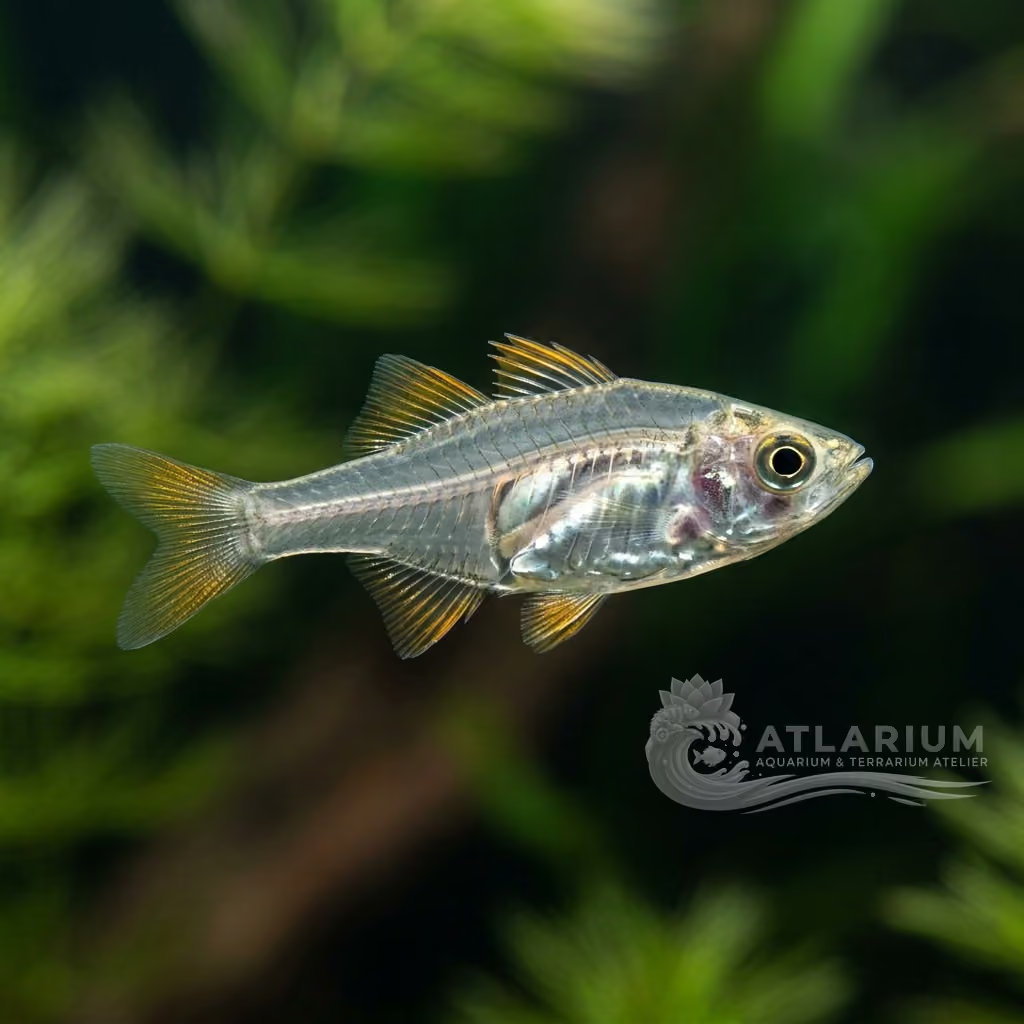
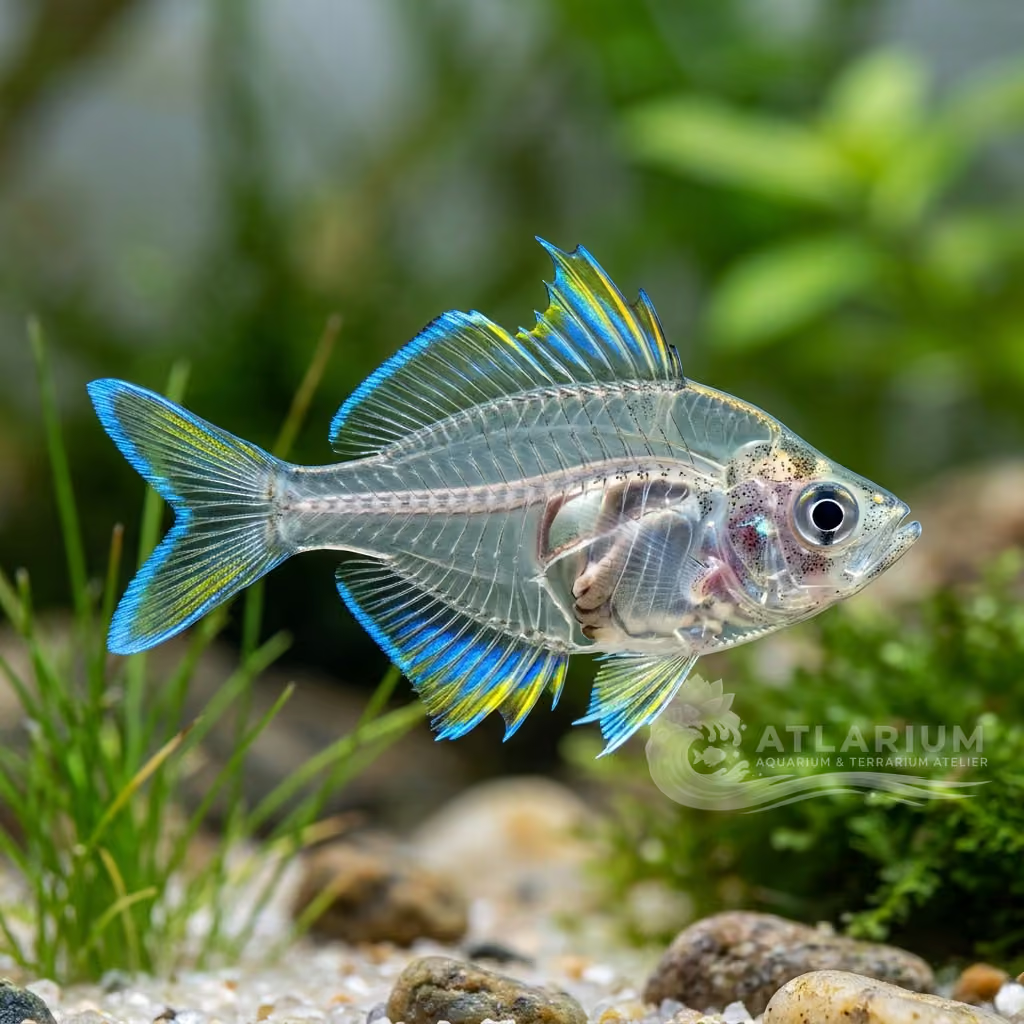
Humphead glassfish
Chanda pulcinella
A glassfish with a prominent bony cranial hump that makes it immediately recognizable — the 'Pulcinella' of aquarium fish. Native to the fast-flowing, oxygenated streams of Myanmar (Ataran and Salween basins). Requires strong current and highly oxygenated water — one of the few aquarium fish that needs high filter turnover (~8x volume/hour). Gregarious: schools of 6–10+. Carnivorous predator preferring live or frozen food. Males develop the larger cranial hump. Breeding rare in captivity.
0 - 27 °C
6.5 - 7.5
Água doce
Meio
8 cm
>= 80 L
>= 6
0 - 27 dGH
1 - 13 dKH
10 - 535 ppm
16 - 836 uS/cm

Descrição da espécie

Cuidado, criação e companheiros de tanque

Origem e distribuição geográfica
Origem

Perfil de peixe
- Temperamento
- Territorial
- They are generally timid, peaceful, and somewhat sensitive fish. They thrive when kept in groups of their own kind. If kept solitary, they will hide constantly and easily succumb to stress.
- Dieta
- Carnivore
- They are naturally micropredators feeding on small insects and crustaceans. They prefer live or frozen foods like bloodworms and daphnia. With patience, they can typically be trained to accept high-quality flakes.
- Expectativa de vida
- 5-8 years
- Tamanho adulto
- 8 cm
- Proporção sexual
- School
- They are schooling fish and the exact sex ratio is relatively unimportant. Keeping a mixed group of at least six provides the best social structure. Males may occasionally display without causing harm.
- Frequência de alimentação
- Twice daily
- They should be offered small meals once or twice a day. Ensure that boisterous tank mates do not outcompete them. Monitoring their feeding is essential to make sure they get enough nutrition.
- Carga biológica
- Medium
- They have a relatively moderate bioload but require very clean water. Effective biological filtration is necessary to keep nitrate levels low. Regular water changes are critical to maintain their delicate immune systems.
- Fluxo
- Strong
- They prefer moderate water flow that mimics their natural riverine habitats. A gentle current from a canister filter provides an oxygenated environment. Make sure there are calm resting spots among plants.
- Risco de salto
- No
- Reprodução
- Rare / not documented
- Breeding in captivity is quite rare and moderately difficult. They are egg scatterers that lay eggs among fine-leaved aquatic plants. Parents exhibit no care and will eat the eggs if not removed.
- Compatibilidade e companheiros de tanque
- Community
- These are peaceful schooling fish that do well in community aquariums. They can be safely kept with peaceful loaches and small rasboras. Avoid keeping them with aggressive or fin-nipping species.
- Nível do tanque
- Middle
- They predominantly occupy the middle and lower-middle levels of the water column. They enjoy hovering together in loosely organized schools. Dense planted areas give them a sense of security.

Modelos e parâmetros científicos
Acesso aos dados científicos oficiais da espécie
- Nível trófico
- 3,5 ± 0,4 se
- Resiliência
- Alta (menos de 15 meses)
- Unicidade filogenética (PD50)
- 0.5
- Relação bayesiana comprimento-peso
- a = 0.01349, b = 2.98
- VulnerabilidadeVulnerabilidade baixa (10 / 100)

Galeria de imagens
Imagens licenciadas vinculadas à espécie ou, quando marcadas, ao táxon representativo mais próximo.

Espécies relacionadas
Recomendações agrupadas por parentes próximos, escolhas de acompanhantes e cuidados semelhantes.