Montezuma dwarf crayfish
Cambarellus (Cambarellus) montezumae
The Aztec dwarf crayfish: a compact crustacean native to Mexico with proportionate claws and lively exploratory behavior. Opportunistic scavenger that sifts the bottom. Relatively peaceful for a crayfish — but can be territorial with conspecifics and opportunistic with very slow fish. Many hiding spots essential, especially during molting when vulnerable. Eats its own exoskeleton after molting (calcium source). Easy breeding. Longevity 2–3 years.
Temperatura da água
16 - 24 °C
Valor de pH
6.5 - 8
Tipo de água
Água doce
Tipo invertebrado
Crayfish
Tamanho adulto
5 cm
Grupo mínimo
>= 2
GH
3 - 25 dGH
KH
1 - 15 dKH
TDS
55 - 525 ppm
Papel ecológico
Scavenger
Sensibilidade ao cobre
High
Descrição da espécie
Geographical Origin and Habitat: Endemic exclusively to the volcanic crater lakes, specifically Lake Chapala and surrounding highland ponds, and sluggish, heavily vegetated shallow streams in the central volcanic belt of Mexico. Cambarellus montezumae (universally celebrated as the Mexican Dwarf Crayfish or Montezuma Dwarf Crayfish) natively colonizes the intensely structured, muddy, and heavily planted littoral (shoreline) margins of these waterways. These specific micro-habitats are completely choked with impenetrable tangles of submerged roots, dense stands of aquatic reeds, and massive accumulations of decomposing leaf litter.
Taxonomy: Scientifically classified within the Cambaridae family, it is a spectacular, biologically fascinating, and robust true dwarf crayfish. Morphologically, fully mature adults reach a maximum of roughly 3.0 to 4.0 centimeters (1.2-1.6 inches) in length, making them significantly smaller and vastly less destructive than standard aquarium crayfish. It possesses a deeply compact, heavily armored, lobster-like exoskeleton. Its absolute defining anatomical feature is its fully functional, albeit tiny, pair of front pincers (chelipeds) used for foraging and mild territorial defense, rather than hunting.
Social Behavior: They are highly intelligent, boldly active, and intensely curious benthic invertebrates. Unlike their massive, highly aggressive cousins (like Procambarus), Mexican Dwarf Crayfish are relatively peaceful, though they are strictly solitary and mildly territorial toward each other. They establish a very mild pecking order over premium hiding caves. In the aquarium, they possess a fascinating, fearless, and highly active scavenging lifestyle. They will spend their entire day boldly marching across the substrate, scaling plants, and relentlessly picking through the gravel with their tiny claws.
Coloration and Sexual Dimorphism: Sexual dimorphism is absolute but requires flipping the crayfish over to examine its underside; mature males possess specialized, rigid, forward-pointing appendages (gonopods) just behind their last pair of walking legs, while females possess a small circular receptacle (annulus ventralis). The coloration of the wild-type Montezuma Dwarf Crayfish is highly cryptic and variable. The base body can shift between a mottled, highly textured grayish-brown, dark olive green, or rusty tan. They frequently display two stark, dark longitudinal stripes running continuously down the entire length of their back.
Cuidado, criação e companheiros de tanque

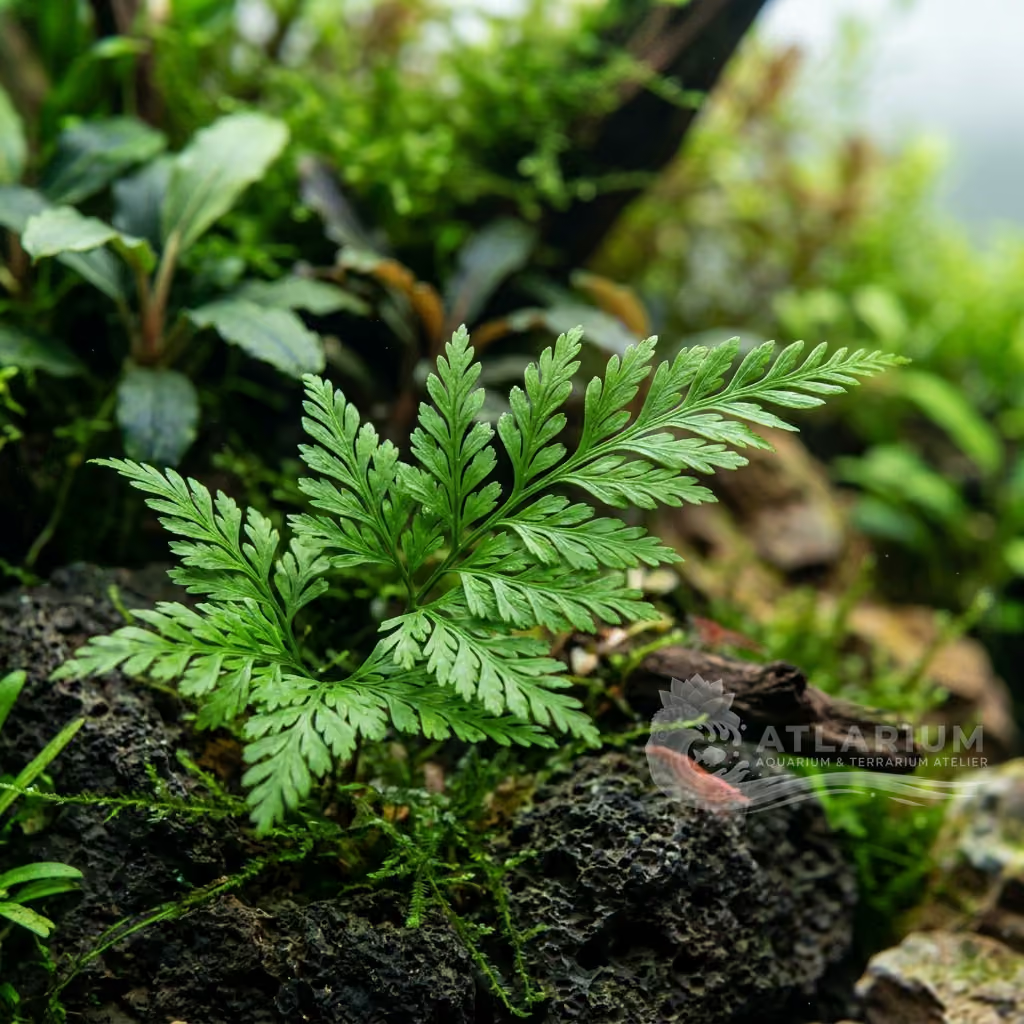
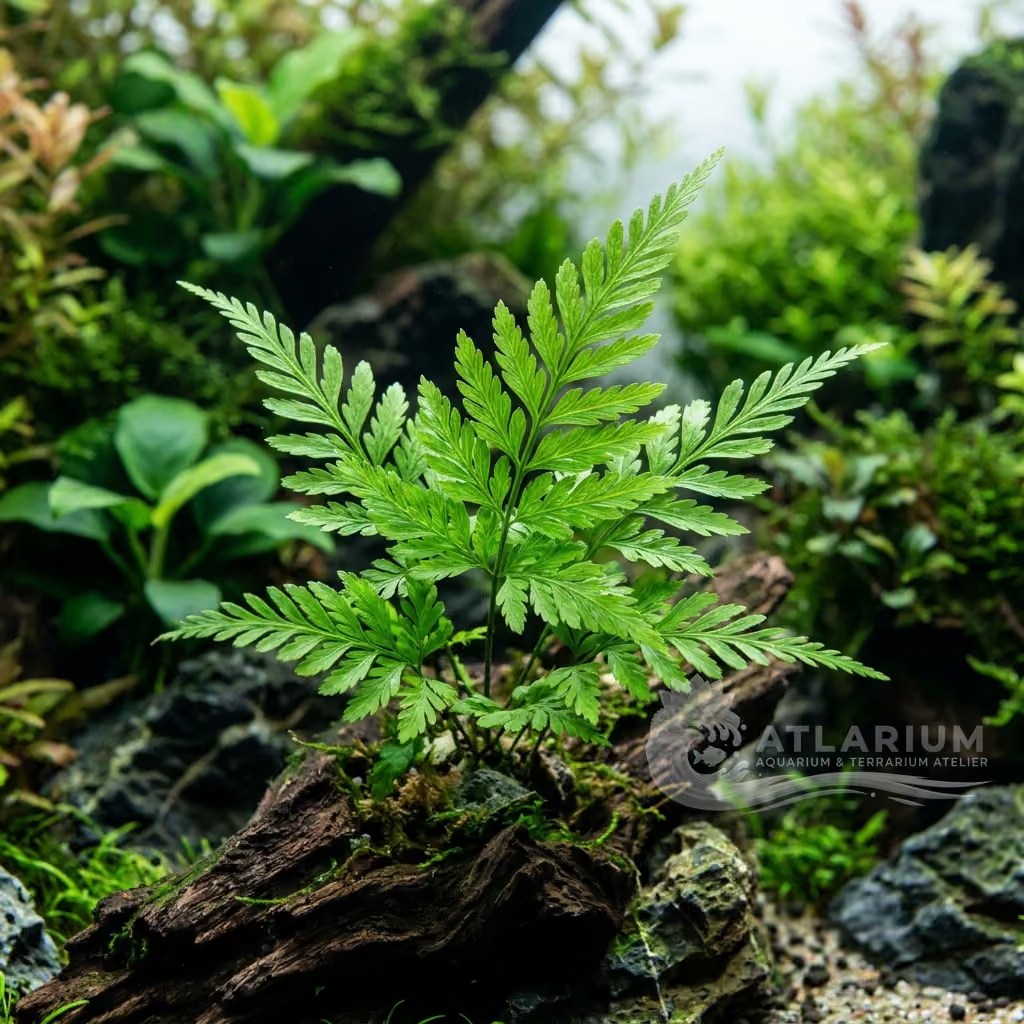
Tank Setup: The aquarium architecture MUST flawlessly accommodate their benthic, territorial nature and require significant climbing structures. A minimum 40-liter (10-gallon) tank (with a large footprint) is perfectly suitable for a small group (e.g. 1 male, 2 females). The absolute most critical requirement is overwhelming, massive structural cover; the tank MUST feature dozens of tiny, tight-fitting caves (ceramic tubes, coconut shells) to allow them to molt safely without being cannibalized. Dense thickets of robust plants (Java Fern, Anubias) and driftwood are mandatory. A tight-fitting lid is unconditionally mandatory; they are notorious escape artists.
Diet and Feeding: They are highly active, deeply voracious omnivorous scavengers that will eat absolutely anything that hits the substrate. In the aquarium, they possess a massive, bottomless appetite. While they constantly graze on decaying plant matter and biofilm, they strictly MUST be target-fed a heavily meaty diet to prevent them from actively hunting their tankmates. Daily offerings of high-quality sinking crustacean pellets, sinking algae wafers, frozen bloodworms, and blanched vegetables (peas, zucchini) are absolutely mandatory.
Water Quality: Originating from Mexican highland lakes, they are highly adaptable but demand immaculate, well-oxygenated conditions. They thrive in standard, stable tropical temperatures (20-25°C / 68-77°F). Crucially, they absolutely require moderately hard to very hard water (GH 8-15) and an alkaline pH (7.2 - 8.0) to successfully build and shed their rigid exoskeletons; keeping them in soft, acidic water will cause fatal molting failures. They possess zero tolerance for dissolved organic waste, Ammonia, or Nitrites; rigorous weekly water changes are absolutely mandatory.
Compatibility and Tankmates: Compatibility requires careful planning due to their opportunistic nature and tiny pincers. While vastly more peaceful than large crayfish, they are NOT completely reef-safe. Excellent companions include fast-swimming, mid-to-top water schooling fish (like Zebra Danios or Hatchetfish) that never sleep on the bottom. They MUST NEVER be housed with slow-moving, long-finned fish (like Bettas) which will have their fins shredded at night, nor with tiny dwarf shrimp (like Neocaridina) which they will actively hunt and eat. They MUST NEVER be housed with large, predatory Cichlids that will eat them.
Aquarium Breeding: Breeding is highly prolific and completely straightforward in a pristine, heavily structured setup. They are direct developers. Triggered by a massive protein diet and clean water, the male will flip the female over and mate. The female then hides in a dark cave, carrying 30-50 dark eggs securely under her tail (pleopods) for roughly 3-4 weeks. When they hatch, the babies emerge as perfect, microscopic, fully formed crayfish. The tank MUST contain massive amounts of Java Moss, as the adults will actively cannibalize their own young.
Risks and Diseases: The absolute greatest physical risk is rapid, lethal toxicity; they possess absolute zero tolerance for Copper, heavy metals, or chemical fish medications (especially Ich treatments), which will kill them instantly. The second major risk is lethal physical injury (cannibalism) during the molting process; providing dozens of tight, dark hiding caves is unconditionally mandatory to protect the soft, newly molted crayfish. Finally, keeping them in soft, acidic water will rapidly dissolve their exoskeleton, leading to catastrophic molting failure and death.
Origem e distribuição geográfica
Endemic exclusively to the volcanic crater lakes, specifically Lake Chapala and surrounding highland ponds, and sluggish, heavily vegetated shallow streams in the central volcanic belt of Mexico. Cambarellus montezumae (universally celebrated as the Mexican Dwarf Crayfish or Montezuma Dwarf Crayfish) natively colonizes the intensely structured, muddy, and heavily planted littoral (shoreline) margins of these waterways. These specific micro-habitats are completely choked with impenetrable tangles of submerged roots, dense stands of aquatic reeds, and massive accumulations of decomposing leaf litter.
Origem
América Central e CaribeAmérica do NorteLeste Asiático
Perfil de invertebrados
- Dieta
- Omnivore
- The diet of Cambarellus montezumae typically reflects its natural foraging behavior as a freshwater dwarf crayfish. It thrives on a varied diet that can include specialized commercial foods, naturally occurring biofilm, and appropriately sized organic matter. Providing a balanced nutritional profile ensures robust health, strong coloration, and proper energy levels. Supplemental feeding should be adjusted based on the maturity of the tank and the presence of natural food sources.
- Papel ecológico
- Scavenger
- In its native habitat and the home aquarium, Cambarellus montezumae plays a vital ecological role. It contributes significantly to the processing of organic waste and the maintenance of a balanced micro-ecosystem. By engaging in natural behaviors like scavenging, grazing, or sifting, it helps prevent the accumulation of detritus. This species is often considered a crucial component of a comprehensive clean-up crew.
- Tamanho adulto
- 5 cm
- Risco de salto
- Yes
- Despite being aquatic, Cambarellus montezumae can present a flight or jump risk under certain conditions. Many invertebrates will attempt to climb out of the water if parameters drop off, oxygen is low, or they are harassed by tank mates. A tightly fitting lid or screen top is highly recommended to prevent accidental desiccation. Ensuring ideal water conditions is the best deterrent to escape attempts.
- Sensibilidade ao choque
- Medium
- Sudden shifts in water parameters can trigger severe osmotic shock in Cambarellus montezumae. It requires slow, careful acclimation, preferably using the drip method over several hours. Rapid changes in temperature, salinity, or pH can lead to immediate stress, failed molts, or mortality. Maintaining absolute stability in the tank is more important than chasing specific target values.
- Cálcio e minerais
- Medium
- Adequate calcium levels are absolutely essential for the structural integrity and growth of Cambarellus montezumae. For crustaceans and snails, it facilitates proper shell and exoskeleton development, while for corals, it builds the skeletal structure. Aquarists must regularly monitor calcium concentration alongside alkalinity and magnesium. Supplementation through specialized products or mineral-rich foods may be necessary in depleted systems.
- Muda
- Regular
- If applicable to this species, the molting process is a highly vulnerable period for Cambarellus montezumae. During this time, the animal will hide while its new exoskeleton hardens, requiring peace and stable water chemistry. The discarded molt should generally be left in the tank, as it provides a valuable source of recycled minerals. A lack of iodine or calcium can lead to fatal molting issues, often referred to as the 'white ring of death'.
- Reprodução
- Oviparous
- The reproductive strategy of Cambarellus montezumae can range from simple cloning and fragmentation to complex larval stages requiring varying water conditions. Successful captive breeding often signifies excellent water quality and a well-balanced environment. While some species will readily multiply and populate the tank, others may require specialized rearing setups for the offspring to survive. Researching their specific larval development phase is critical for aquarists aiming to breed them.
- Compatibilidade e companheiros de tanque
- With caution
- When selecting tank mates for Cambarellus montezumae, cautious planning is imperative to avoid predation or aggressive competition. Small or peaceful invertebrates should not be housed with aggressive fish, loaches, or large crabs that might view them as food. Conversely, some specialized invertebrates form symbiotic relationships that can be highlighted in a community setup. A heavily planted or intricately rock-scaped tank often provides necessary refuges.

Galeria de imagens
Imagens licenciadas vinculadas à espécie ou, quando marcadas, ao táxon representativo mais próximo.