Blyxa aubertii
Blyxa aubertii
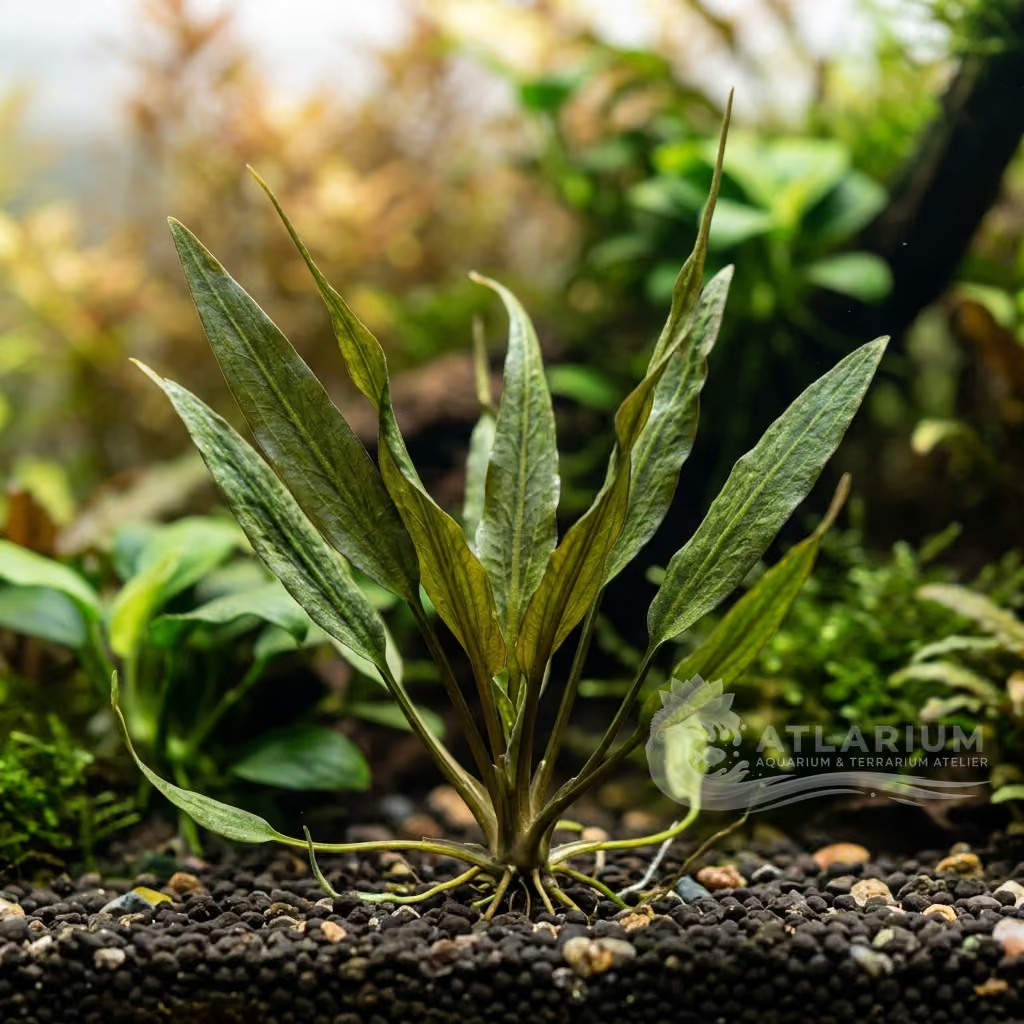
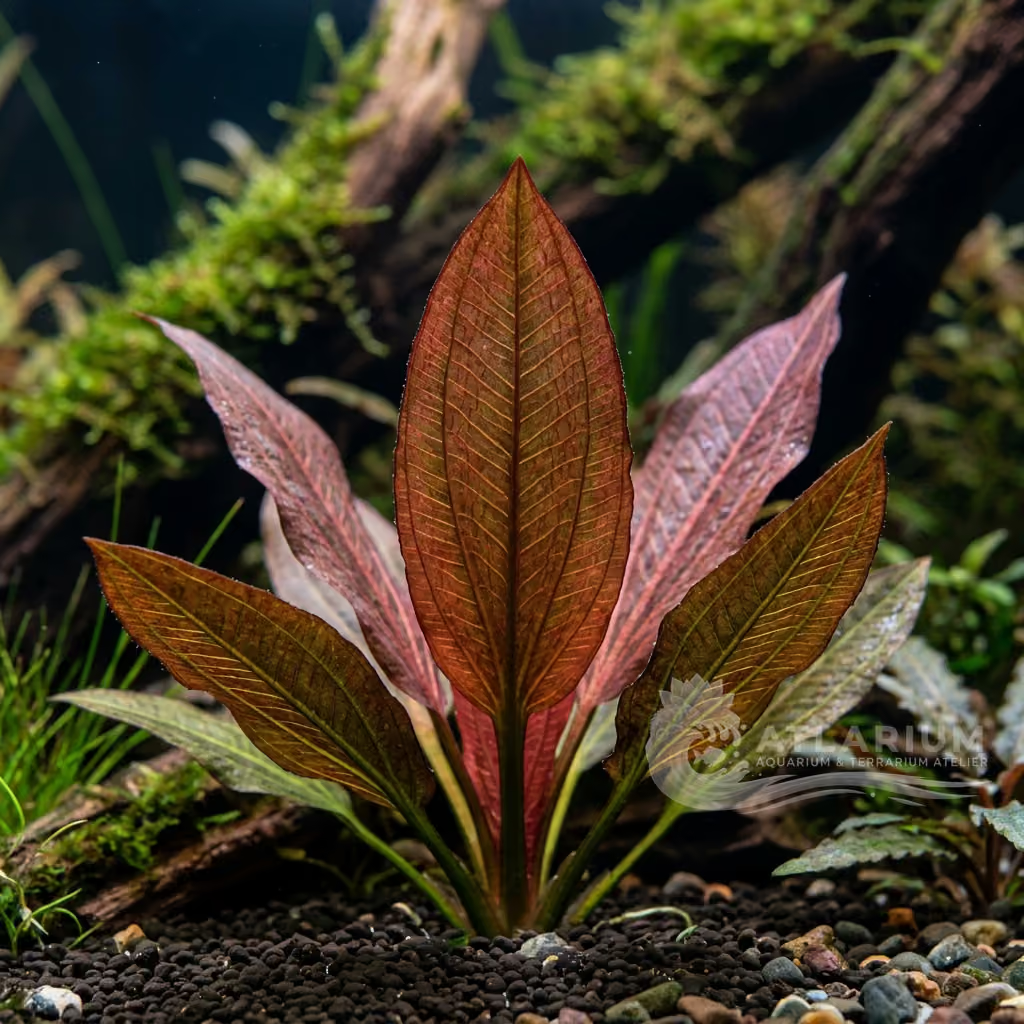
A fast-growing midground rosette plant with long, thin leaves transitioning from green to deep reddish-brown under high illumination and CO2.
Temperatura da água
16 - 32 °C
Valor de pH
5 - 7.5
Tipo de água
Água doce
Luz
Média - Alta
CO2
Média - Alta
Altura esperada
35 cm
Largura esperada
20 cm
GH
4 - 15 dGH
KH
0 - 14 dKH

Descrição da espécie
Geographical Origin and Habitat: Blyxa aubertii is widely distributed across the tropical and subtropical zones of Asia, Australia, and Eastern Africa (including Madagascar). It grows fully submerged in warm, shallow waters such as paddy fields, swamps, ditches, and slow-moving rivers. It is highly adaptable and often colonizes sunlit habitats.
Taxonomy & Genetics: Belonging to the family Hydrocharitaceae, it differs from other popular Blyxa species by growing in a classic rosette structure rather than an elongated stem. It displays genetic variability that affects leaf length and the intensity of reddish
Color & Texture: ation under specific environments.
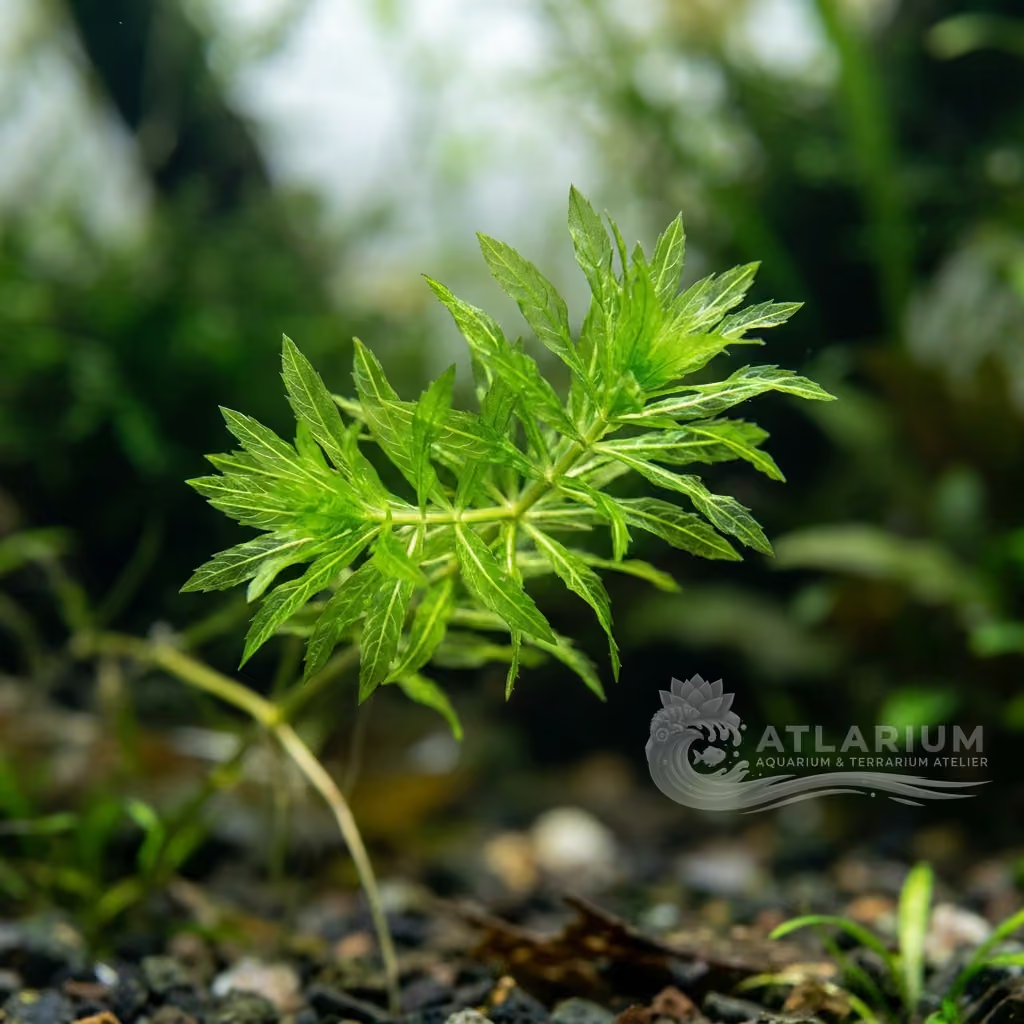
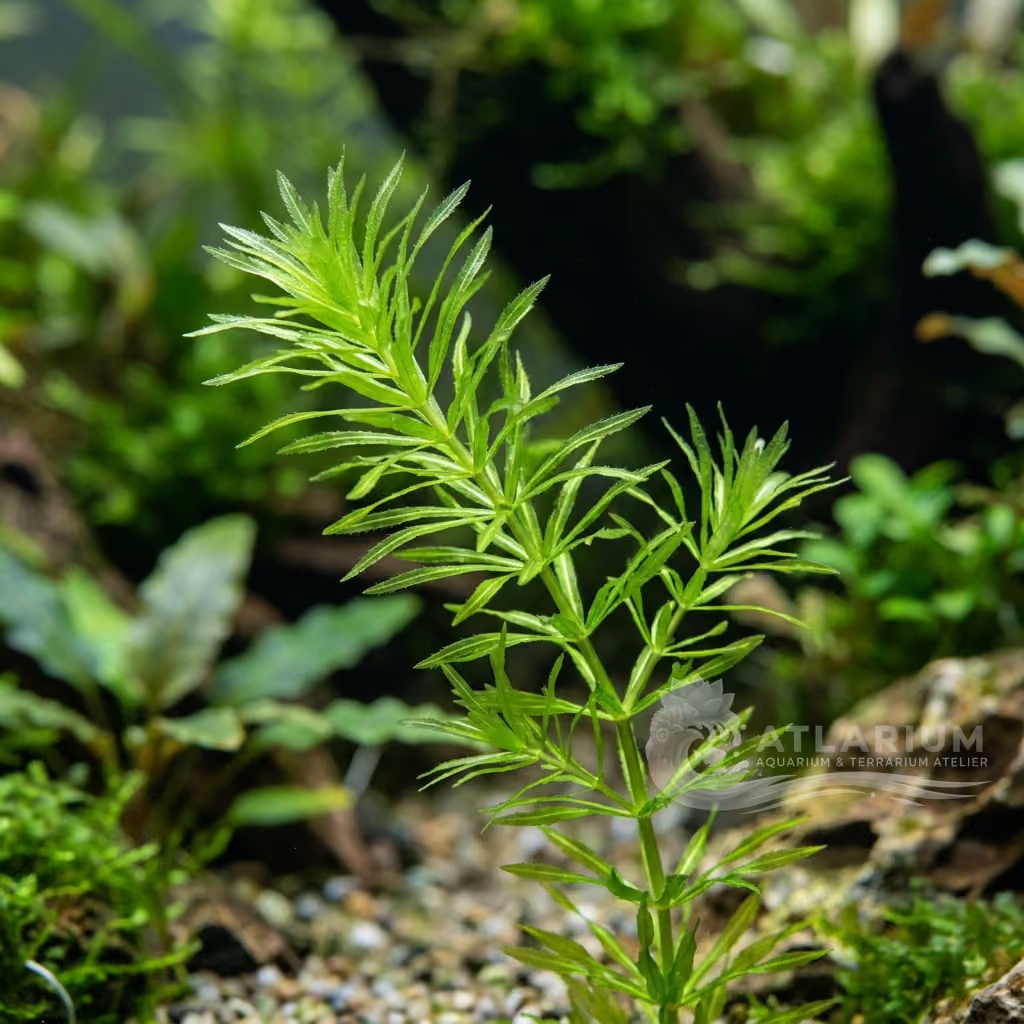
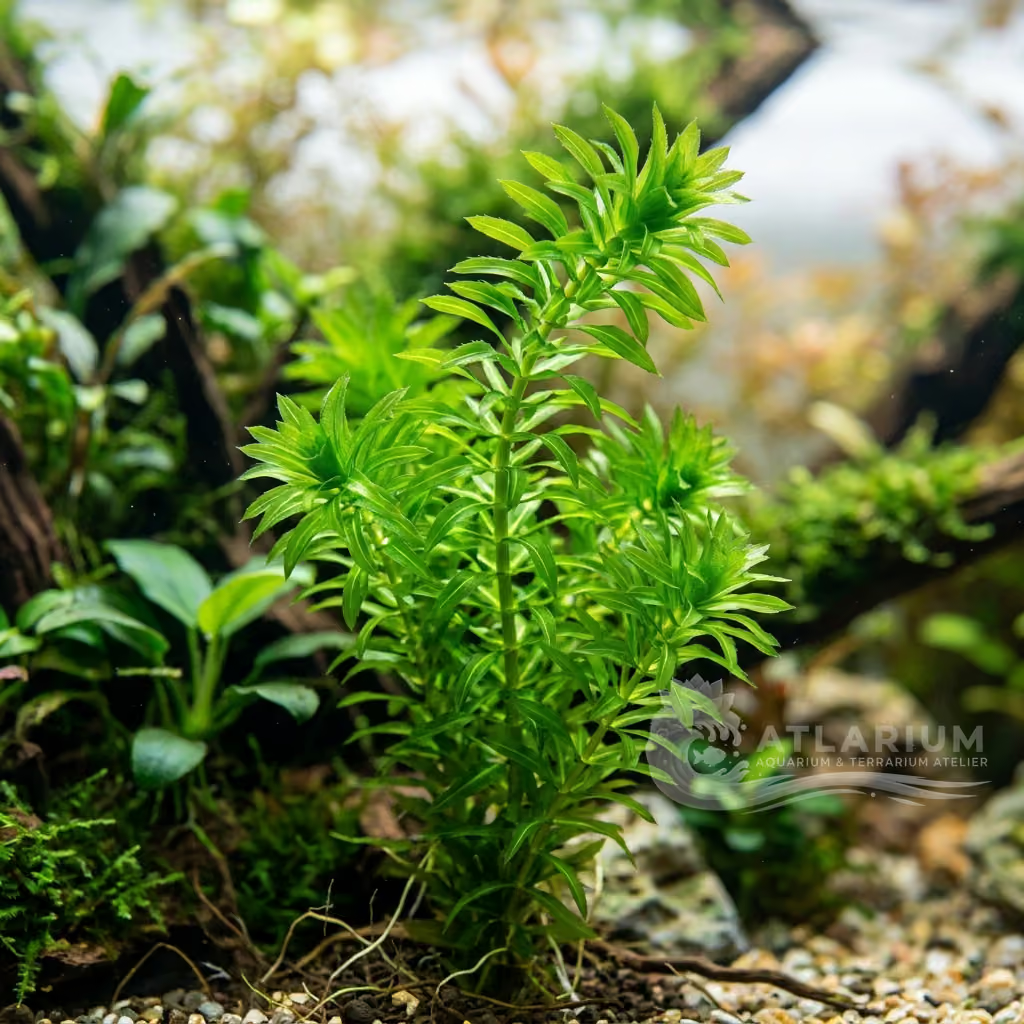
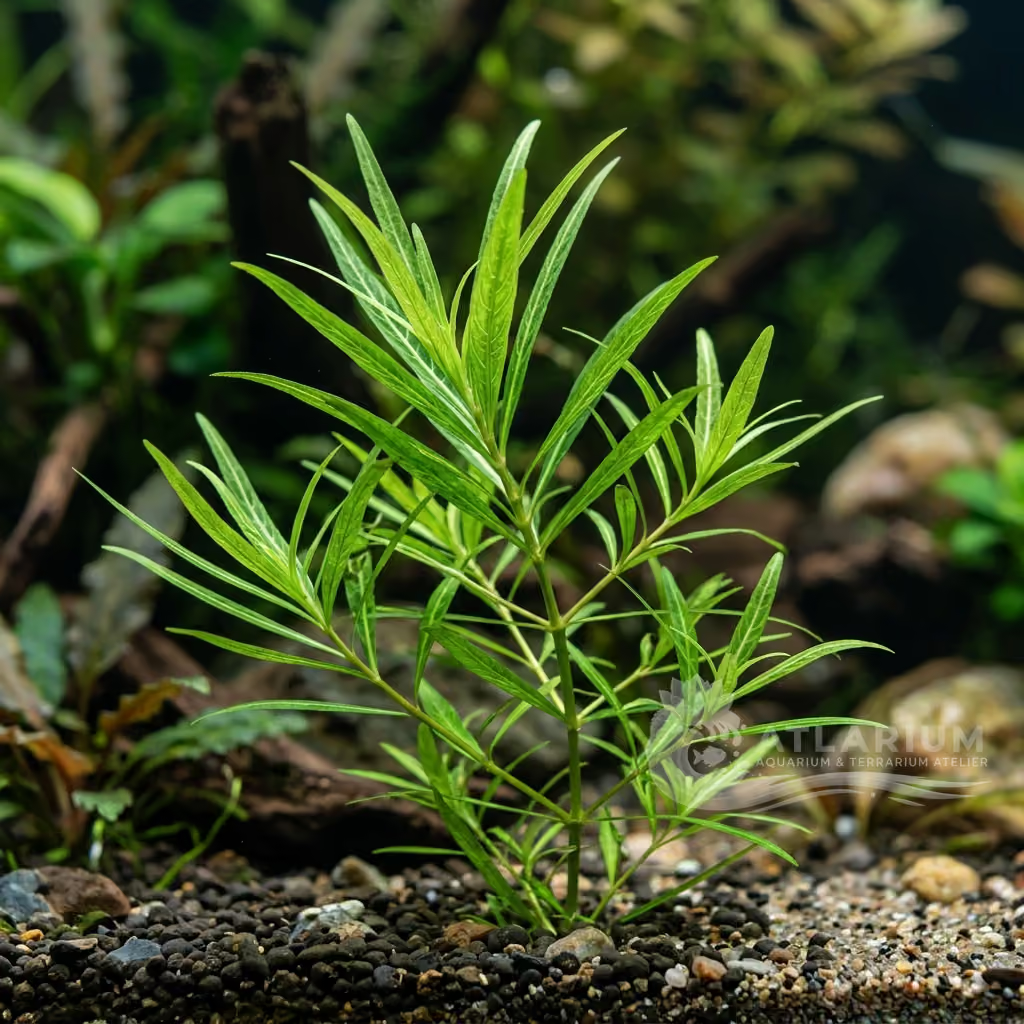
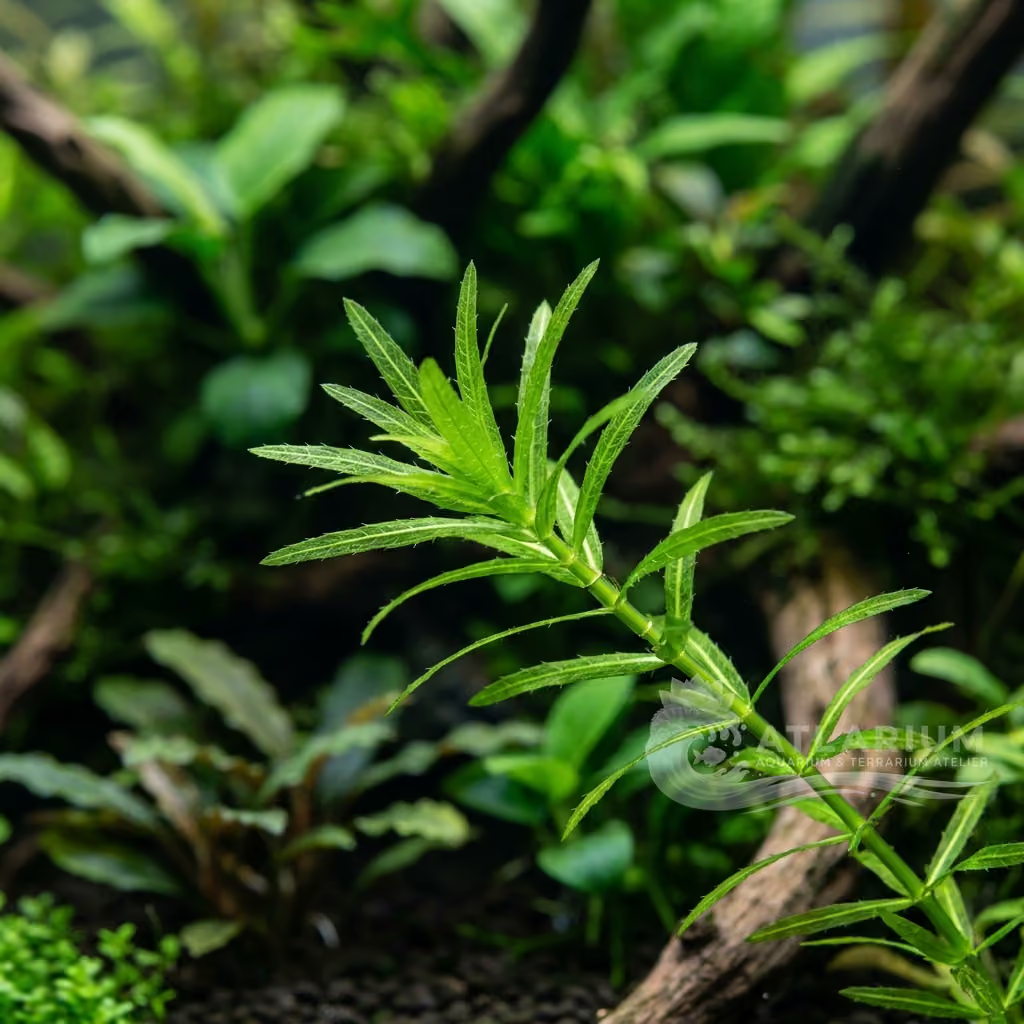
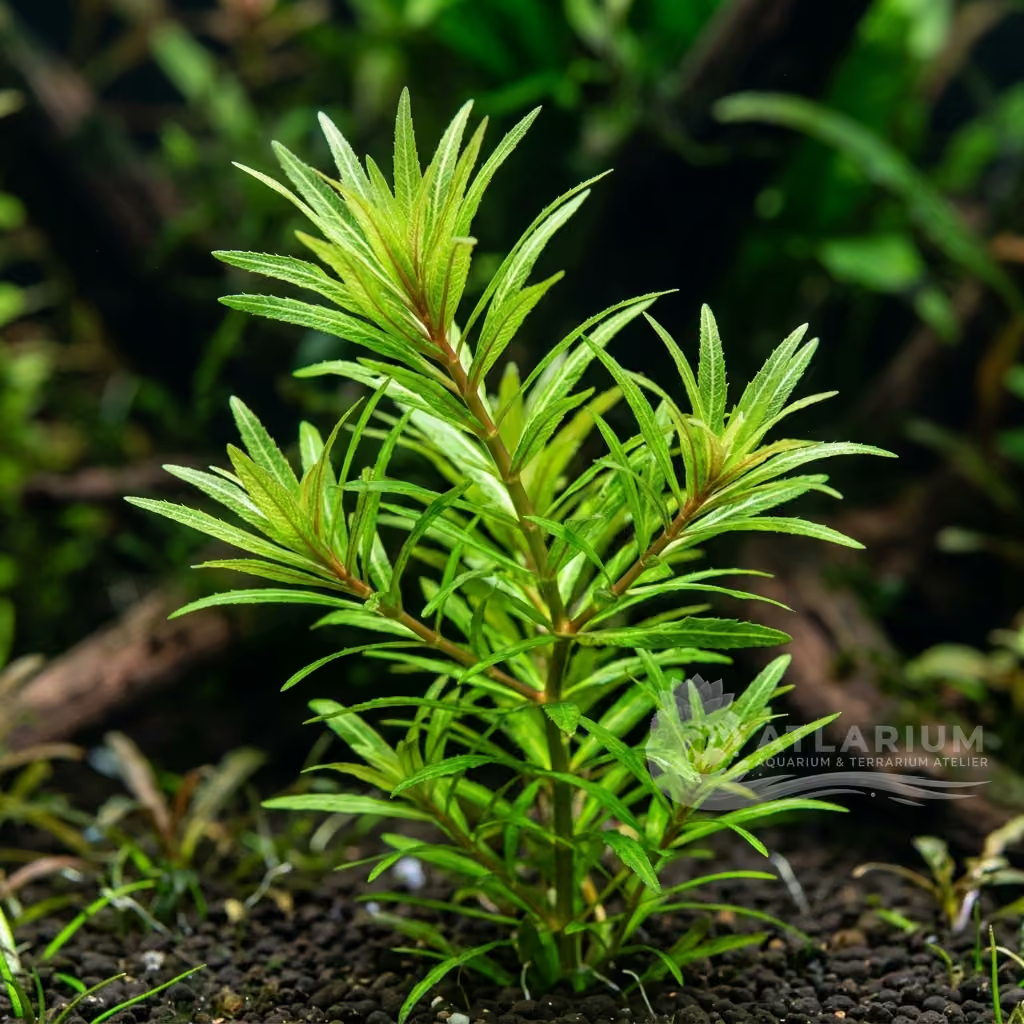
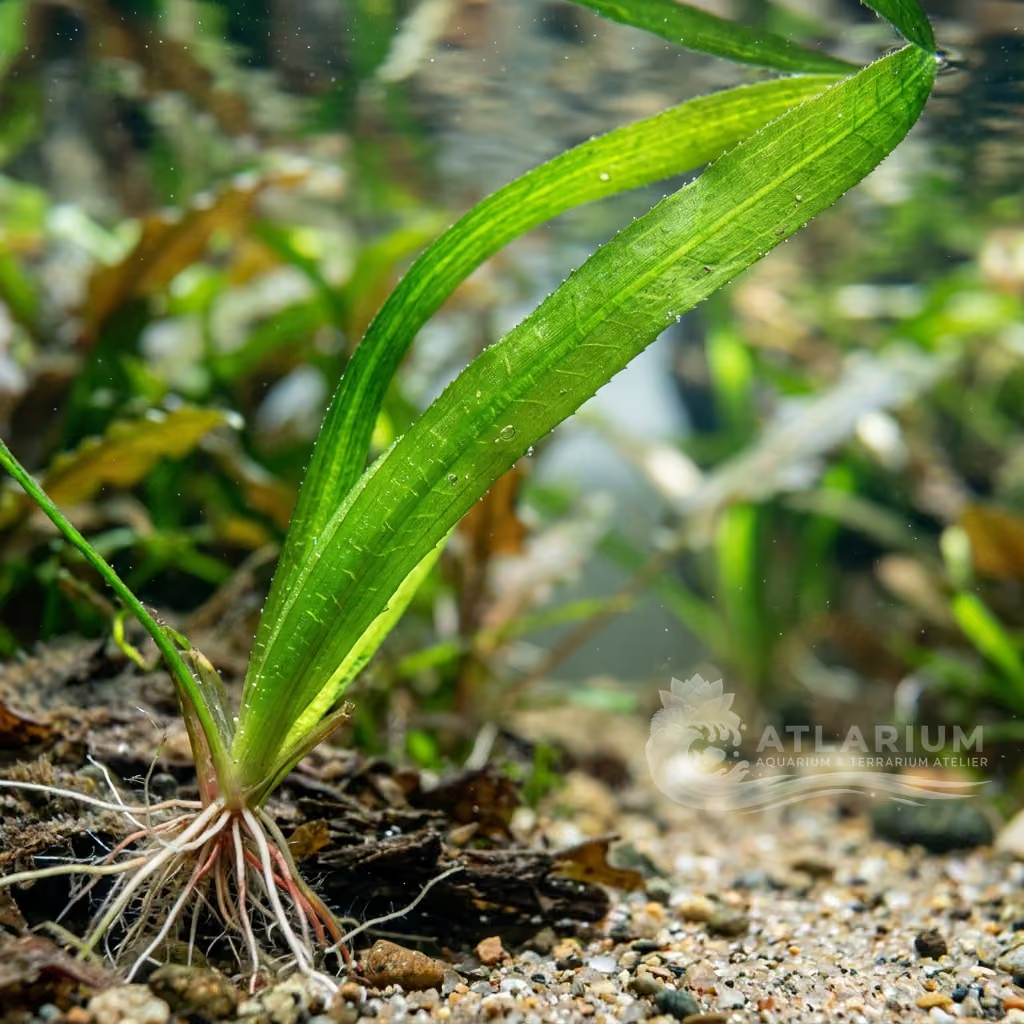
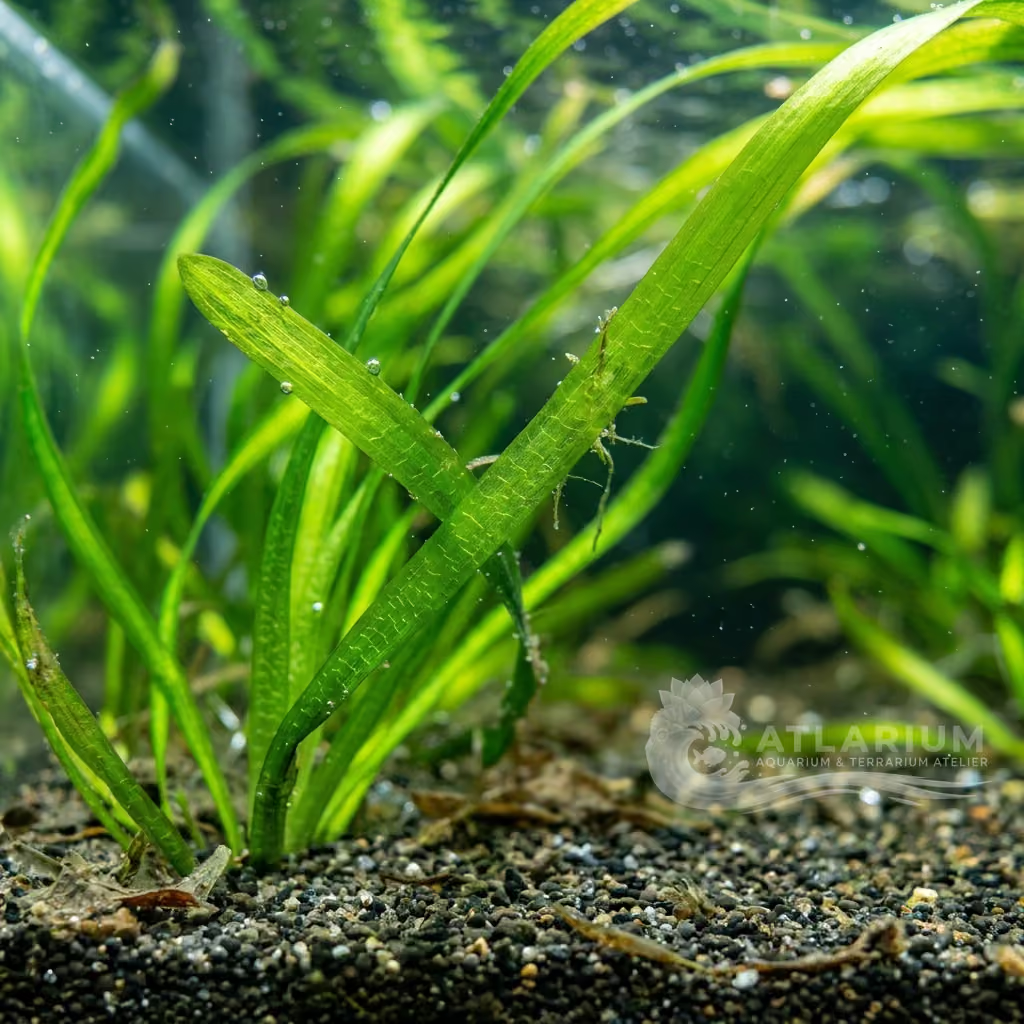
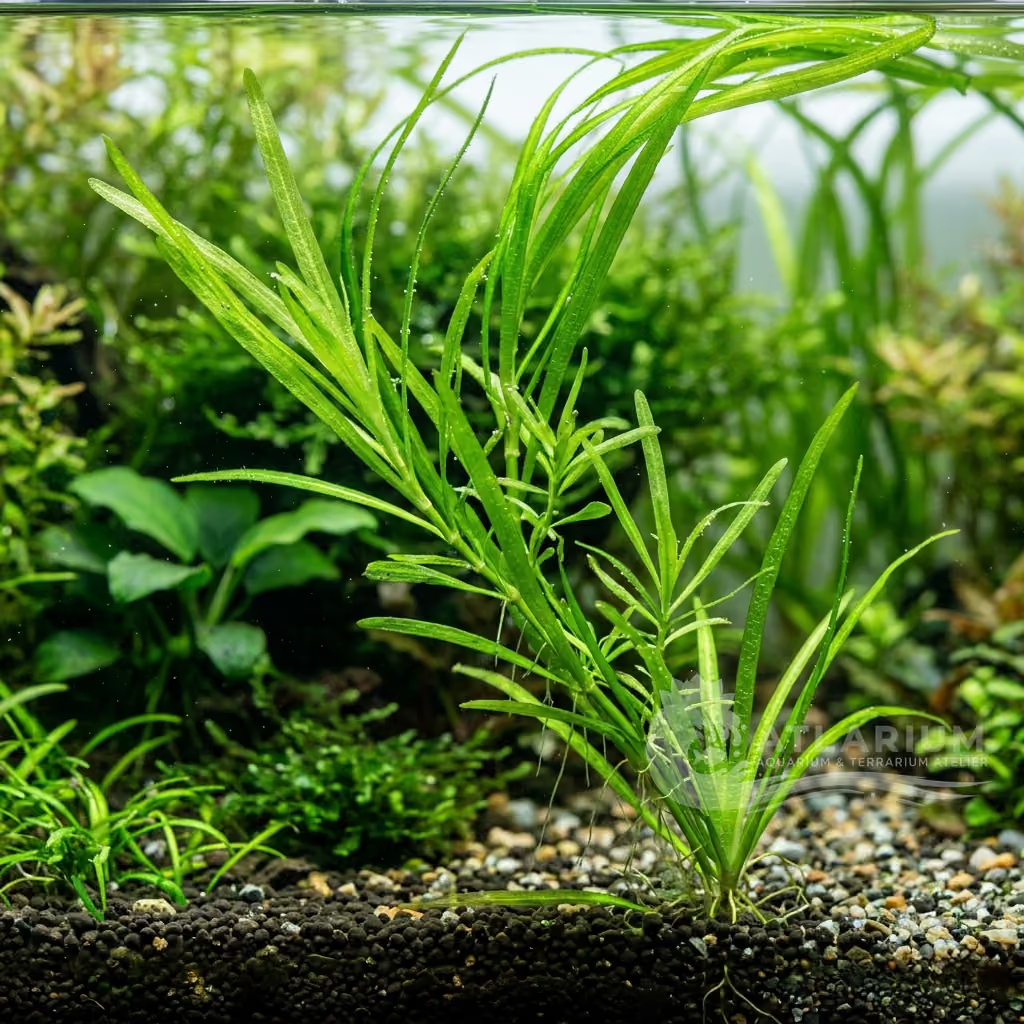
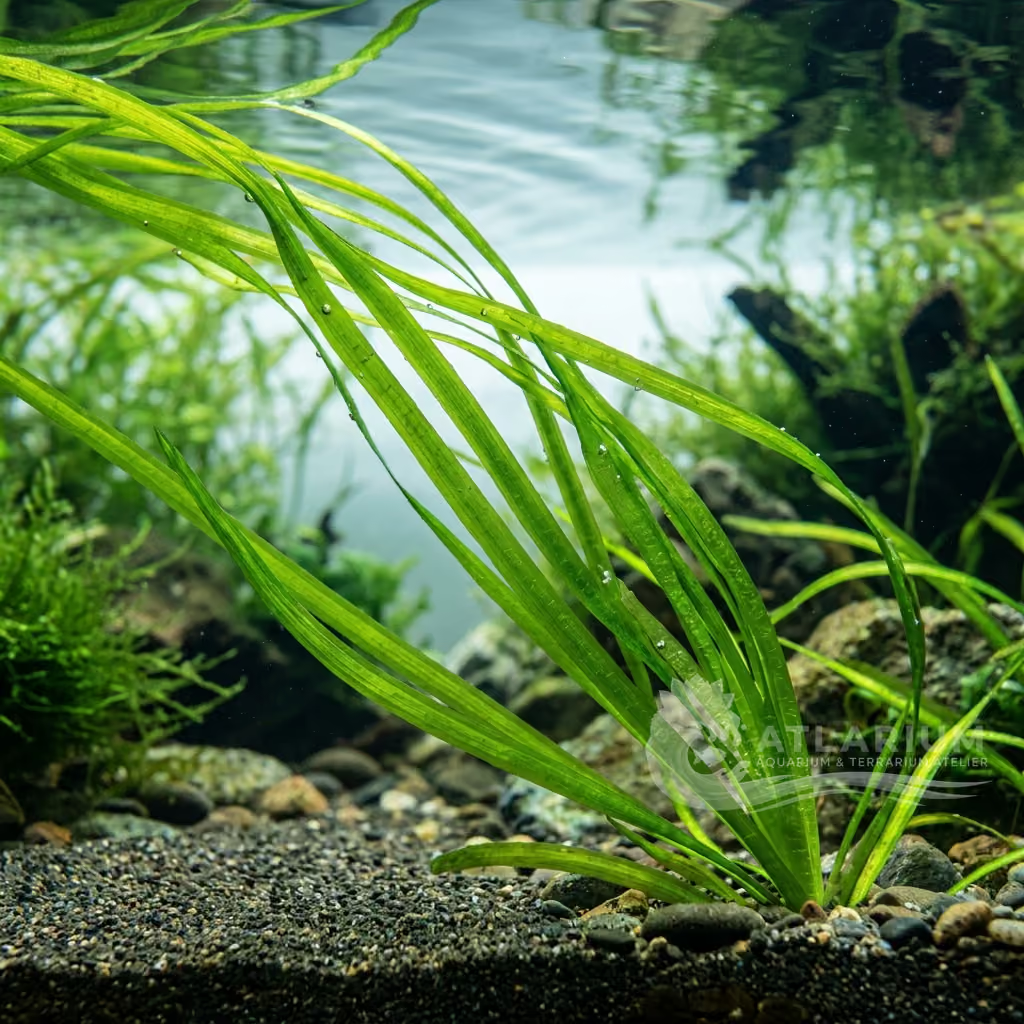
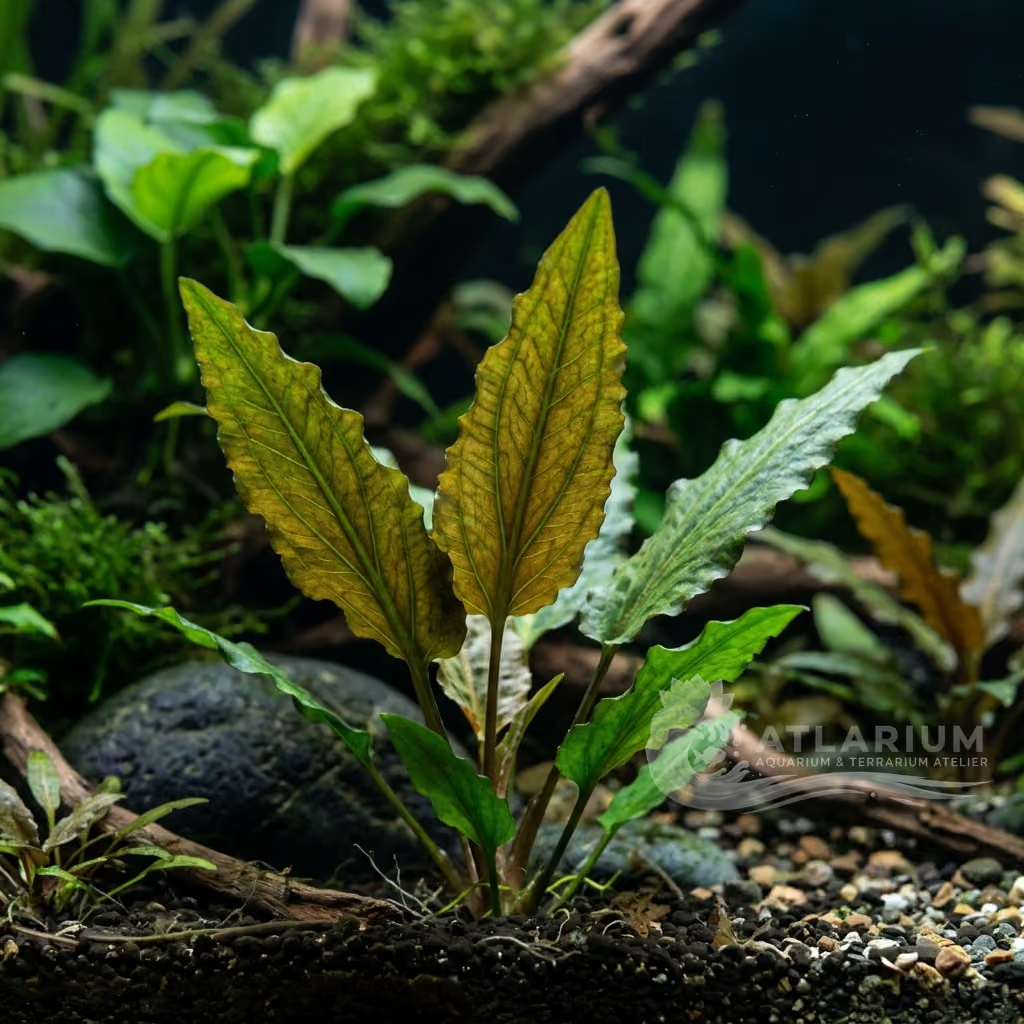
Physical Structure: It forms a dense, stemless rosette consisting of numerous ribbon-like, narrow, and pointed leaves arising directly from the root base. It grows significantly larger than Blyxa japonica, with leaves that can exceed 30 centimeters in length, making it suitable for the midground or background.
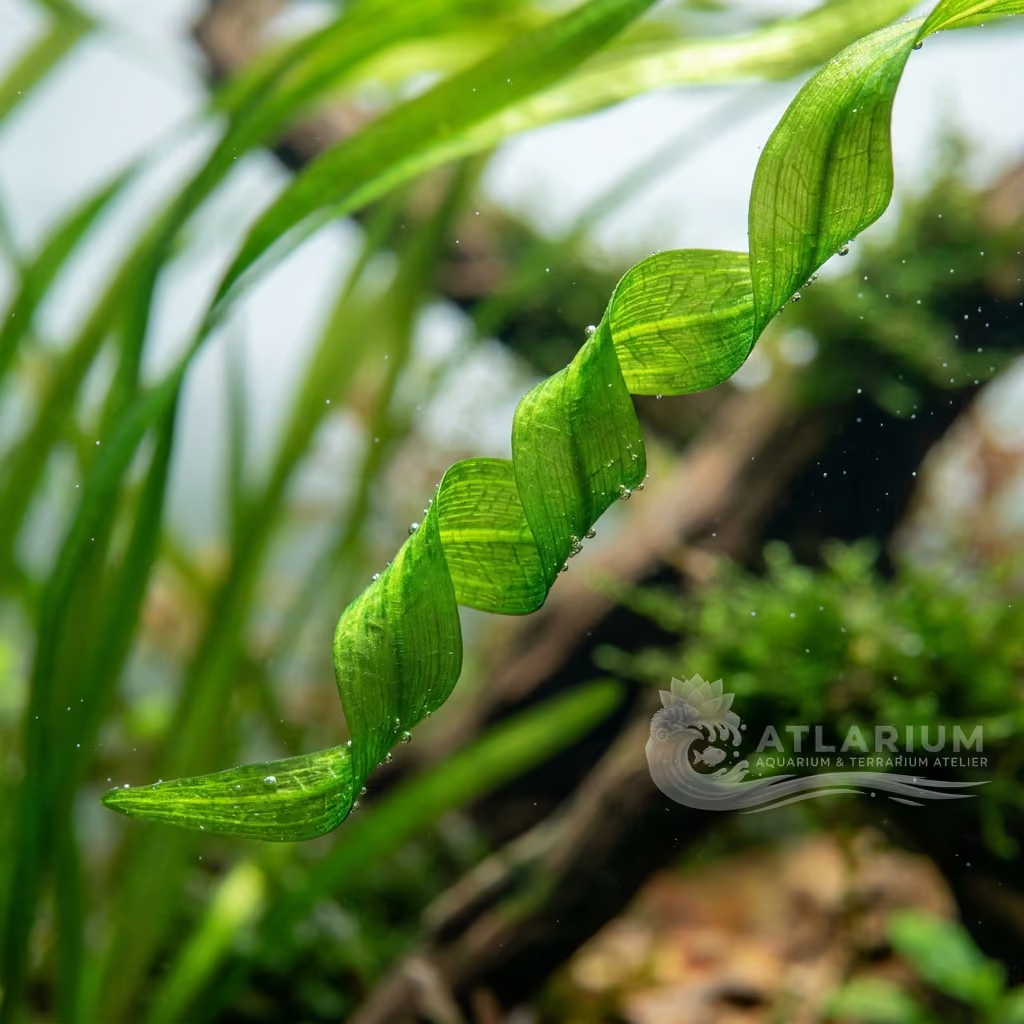
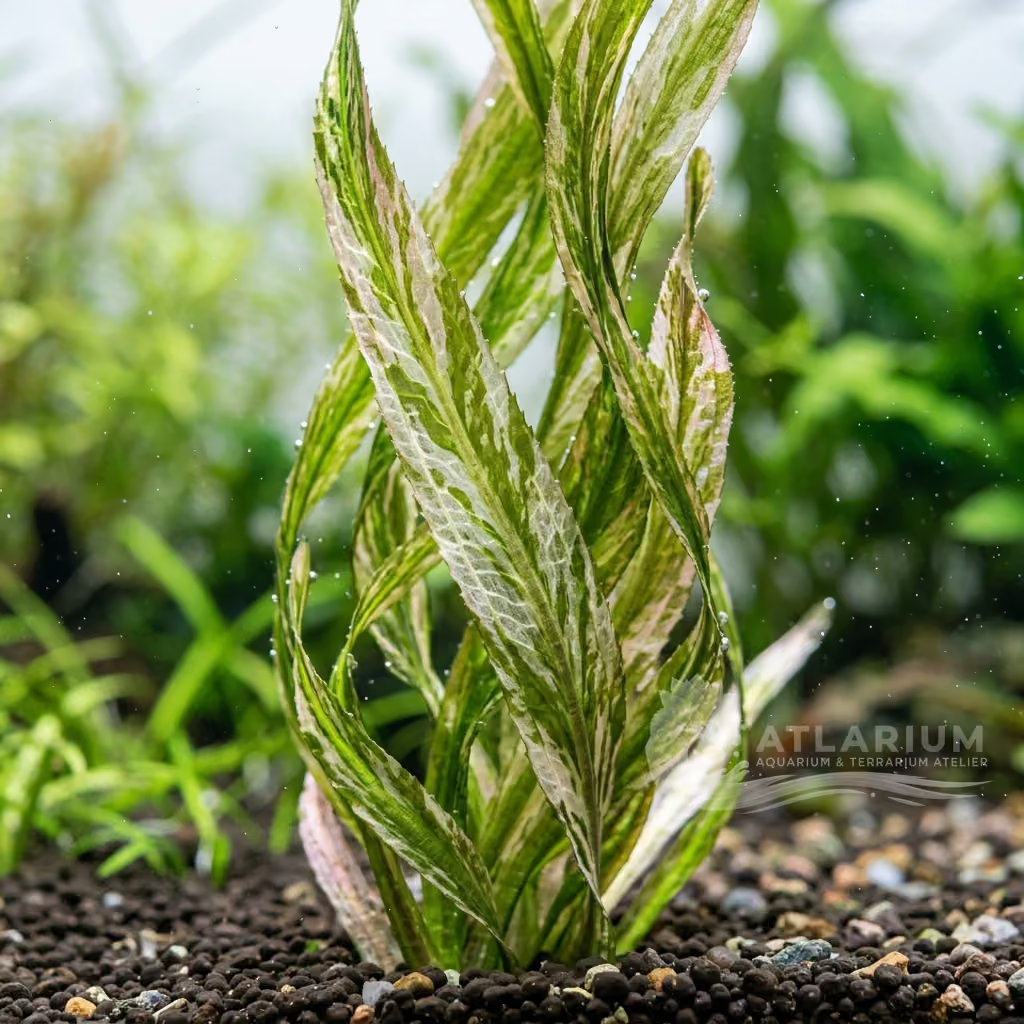
Color & Texture: Leaf color ranges from bright olive green to deep bronze or reddish-brown under high light intensity and proper iron supplementation. The leaf blades are thin, semi-translucent, and patterned with visible longitudinal veins, giving the plant a refined and natural appearance.

Cuidado, criação e companheiros de tanque
Lighting & CO2: It requires medium to high light levels to display its best colors and maintain a tight rosette shape. CO2 injection (15-20 mg/L) is highly recommended to promote robust, fast growth and to prevent the long leaves from becoming brittle or translucent.
Nutrition & Substrate: Because it is a heavy root feeder, a rich, fertile substrate is essential for its development. Liquid column dosing should be stable, but placing root tabs containing iron and potassium directly under the plant will greatly enhance its growth and coloration.
Water Chemistry: Compared to other Blyxa species, it is more tolerant of harder water and wider pH levels, ranging from 5.0 to 7.5. It thrives in temperatures between 16°C and 32°C. Efficient filtration and weekly water changes are needed to keep the dense rosette clear of organic debris.
Space Management & Placement: Best suited as a focal point in the midground or background of medium to large aquariums. Plant it as a single specimen or in small groups, ensuring it has enough space around it so it doesn't block light from smaller surrounding plants.
Pruning: Pruning is done by removing older, damaged, or decaying leaves at the base of the rosette using sharp shears. This improves water flow through the crown. To propagate, carefully split the lateral runner plants that develop at the base of the parent rosette.
Risks & Diseases: It is sensitive to transplant shock and sudden shifts in water chemistry, which can cause leaf melting. Insufficient substrate nutrition leads to stunted growth and pale foliage. Debris caught in the dense leaves can invite hair or spot algae.

Origem e distribuição geográfica
Blyxa aubertii is widely distributed across the tropical and subtropical zones of Asia, Australia, and Eastern Africa (including Madagascar). It grows fully submerged in warm, shallow waters such as paddy fields, swamps, ditches, and slow-moving rivers. It is highly adaptable and often colonizes sunlit habitats.
Origem
Sul e Sudeste AsiáticoÁfrica e MadagascarAustrália, Nova Guiné e Oceania

Perfil da planta
- Posicionamento
- Plano intermediário
- Due to its potential size, it is best suited as a midground to background plant. It forms a substantial, flowing bush that looks incredibly natural among hardscape. It should be given plenty of space to spread its long leaves.
- Forma botânica
- Roseta
- It forms a large, dense rosette of long, narrow, grassy leaves. The leaves are typically a bright, fresh green, though they can show slight reddish tints under intense light. It grows into a massive, single clump.
- Crescimento
- Rápida
- The growth rate is moderate to fast when provided with ideal conditions. It will continuously produce new leaves from the center, increasing the density of the clump. Without adequate nutrients, its growth slows significantly.
- Substrato
- Alta
- Blyxa aubertii develops an incredibly thick and deeply penetrating root structure that demands a high-quality, nutrient-rich substrate. A deep layer of active aqua soil is essential to supply the heavy macronutrients required to support its large, dramatic rosette of long leaves. If planted in plain sand or shallow gravel, the plant will fail to anchor properly and will suffer from severe nutrient deficiencies.
- Fertilização de coluna
- Recomendada
- Supplemental liquid fertilization is beneficial, ensuring a steady supply of trace elements. However, it should not be the sole source of nutrients. Maintaining balanced macronutrients in the water helps keep the foliage clean.
- Fertilização radicular
- Recomendada
- A deep, nutrient-rich substrate is vital for Blyxa aubertii to reach its full potential. The frequent addition of high-quality root tabs will significantly boost its growth. It develops a very extensive root system.
- Corte
- Ocasional
- Maintenance involves carefully removing older, outer leaves that have become damaged. Cut the leaves off as close to the base as possible. Do not cut the leaves across the middle.
- Propagação
- Divisão
- Propagation is achieved by separating the small basal shoots that occasionally form. This can be a slow process, as it does not throw out long runners. Gently tease the plantlets apart.
- Sensibilidade
- Moderada
- It is relatively hardy once established but can be prone to melting if uprooted. It prefers stable water parameters and may suffer if CO2 levels fluctuate wildly. Its fine leaves can be a magnet for thread algae.
- Função de layout
- Plano intermediário, Fundo
- It serves as a fantastic structural plant, creating large, grassy focal points. Its flowing leaves add a sense of movement and natural grace to the aquascape. It contrasts exceptionally well with broad-leaved plants.

Espécies relacionadas
Recomendações agrupadas por parentes próximos, escolhas de acompanhantes e cuidados semelhantes.