Vallisneria gigantea 'Curly'
Vallisneria gigantea
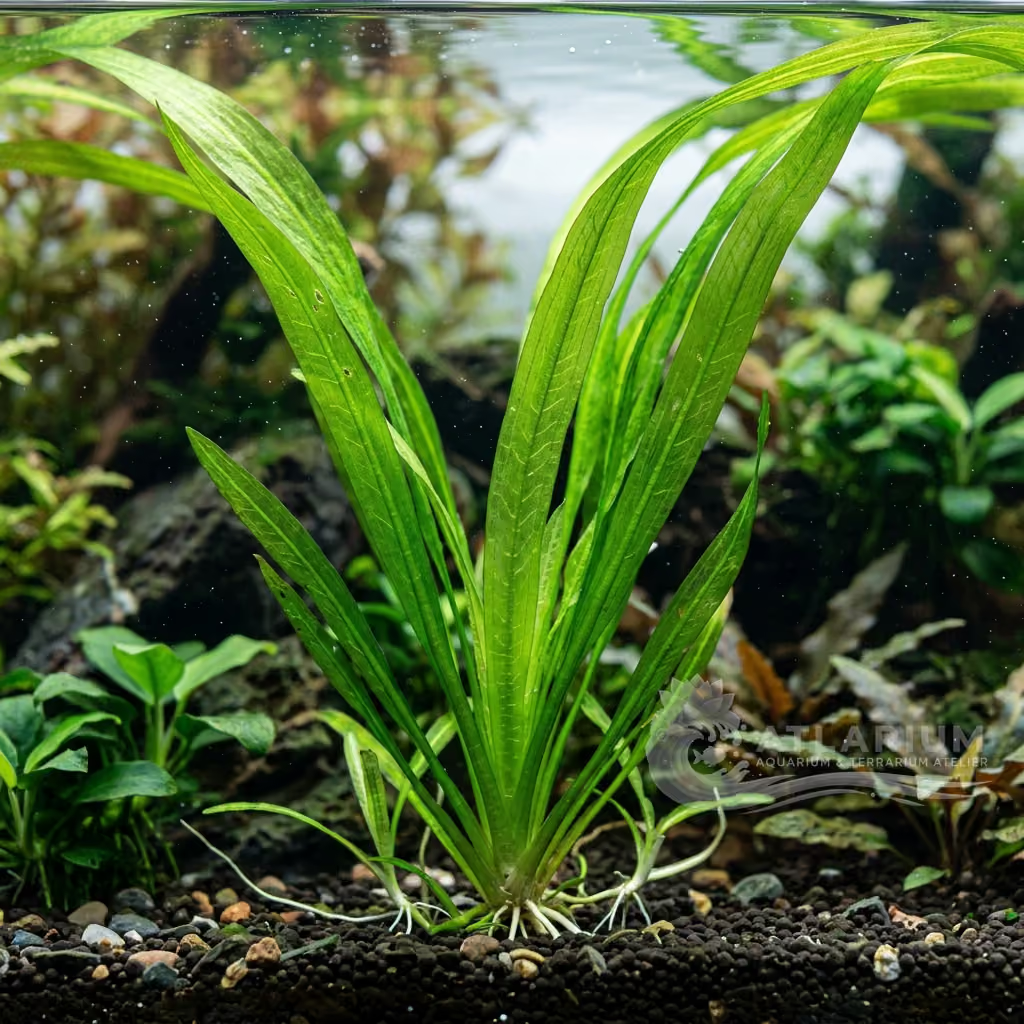
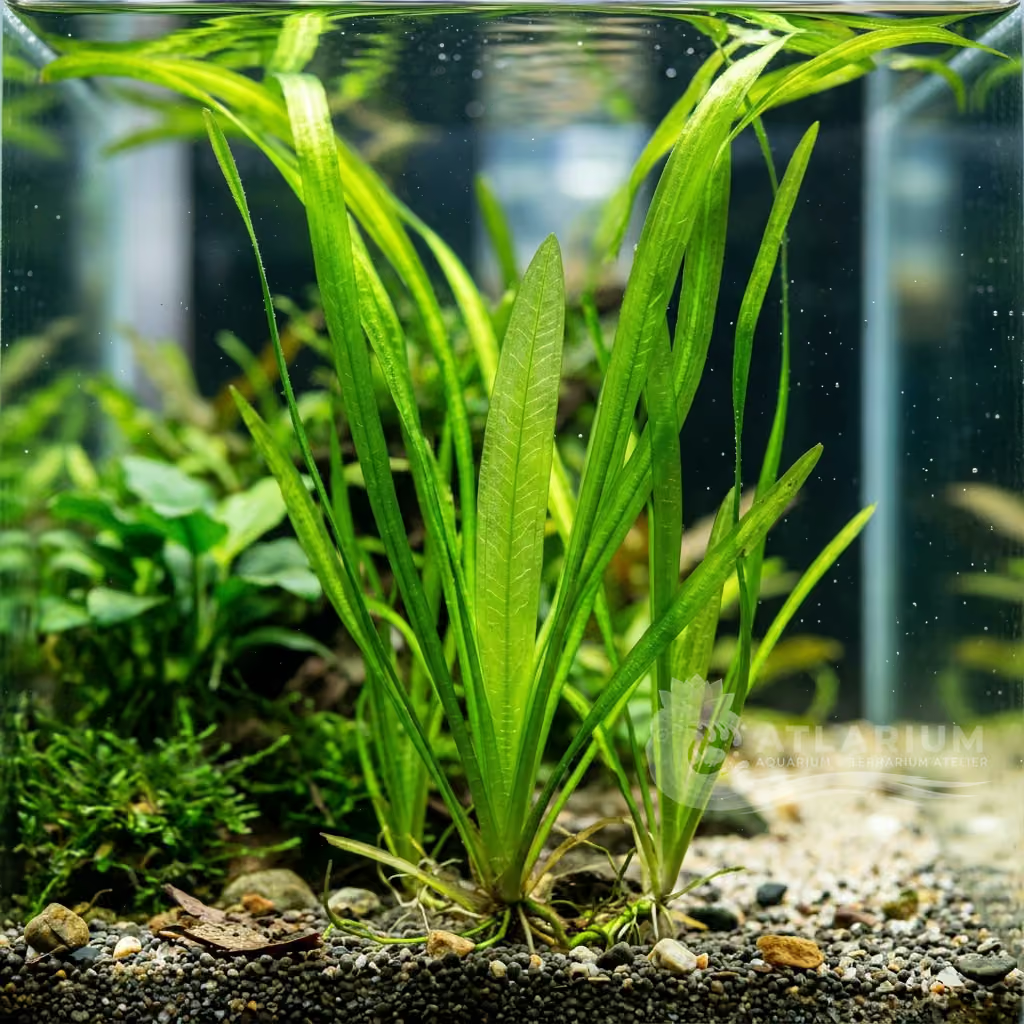
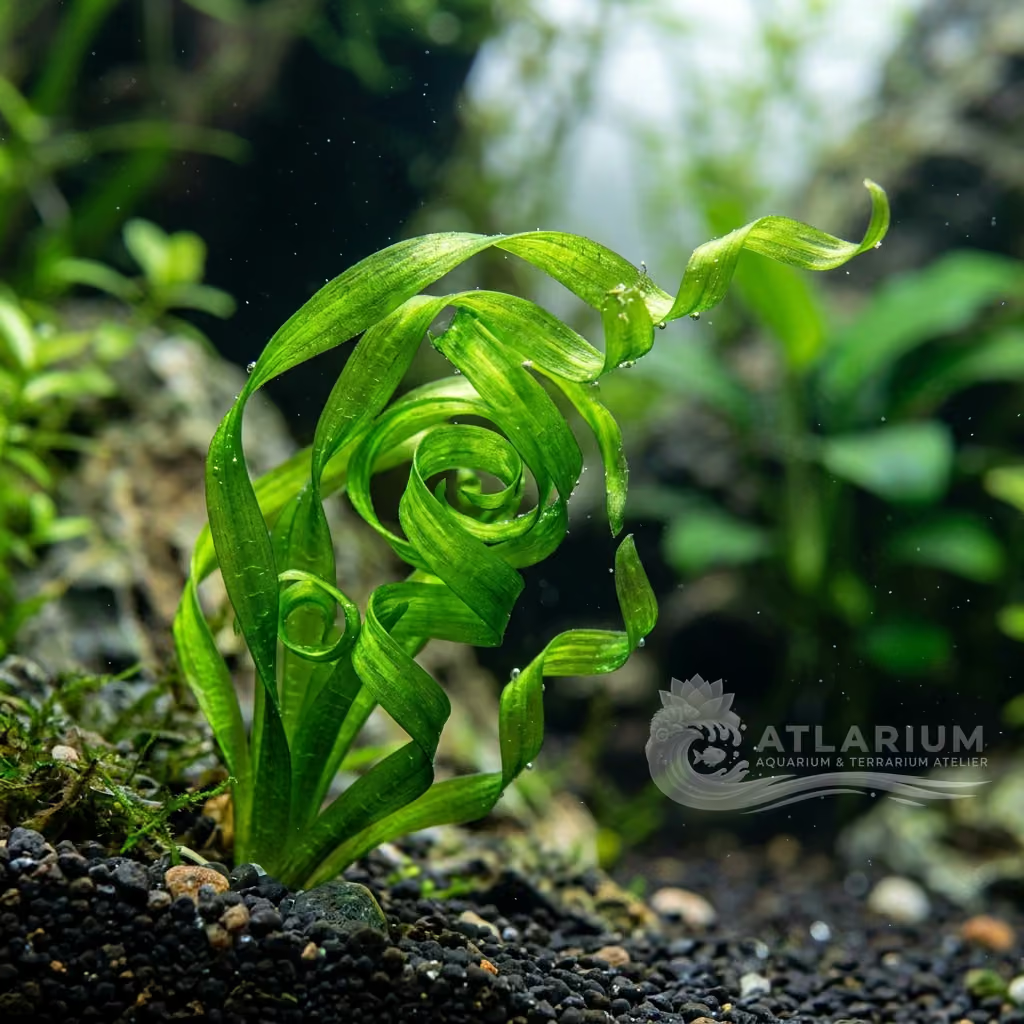
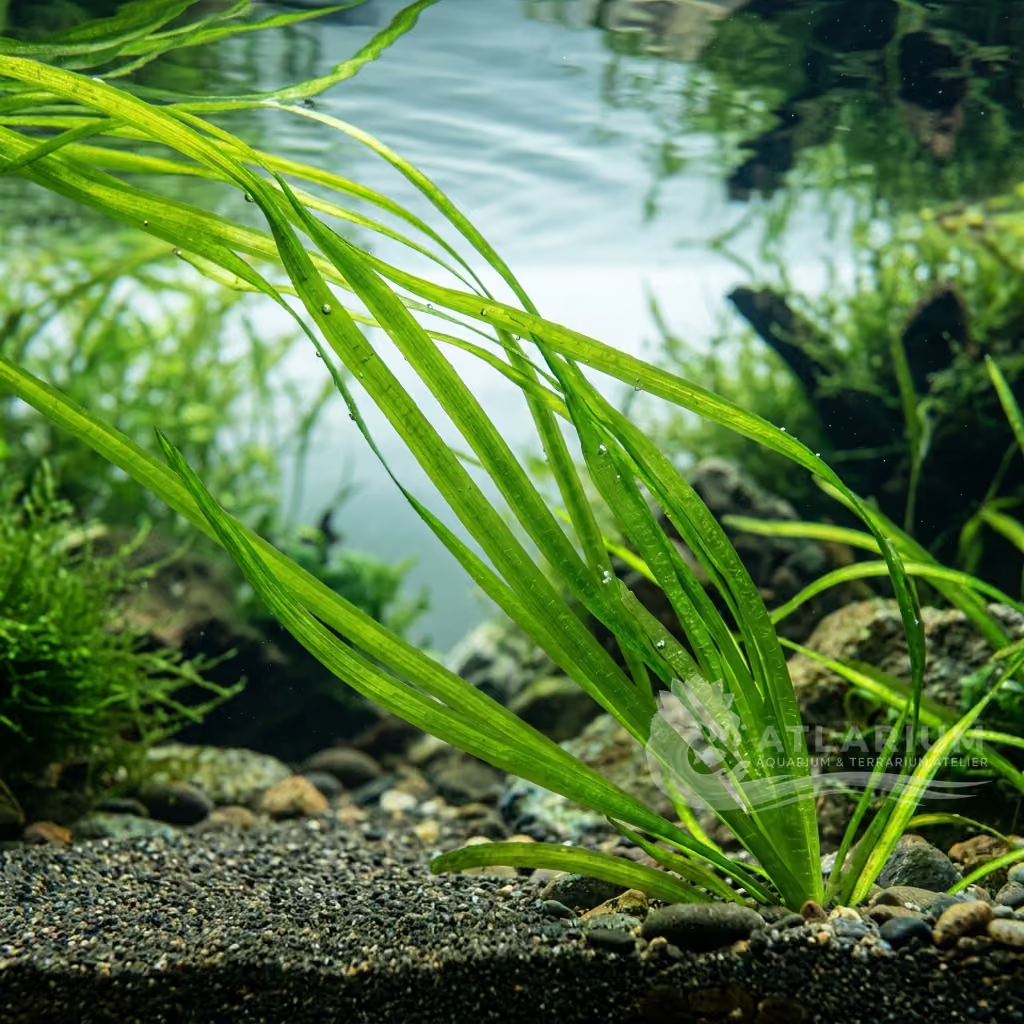
Vallisneria gigantea 'Curly' is a robust, medium-growing aquarium plant ideal for midground or background placement, where its distinctly curled leaves create a unique vertical texture and lush green curtain.
Temperatura da água
20 - 28 °C
Valor de pH
6 - 7.5
Tipo de água
Água doce
Luz
Média - Alta
CO2
Média - Alta
KH
2 - 10 dKH

Descrição da espécie
Geographical Origin and Habitat:
Taxonomy & Genetics:
Physical Structure:
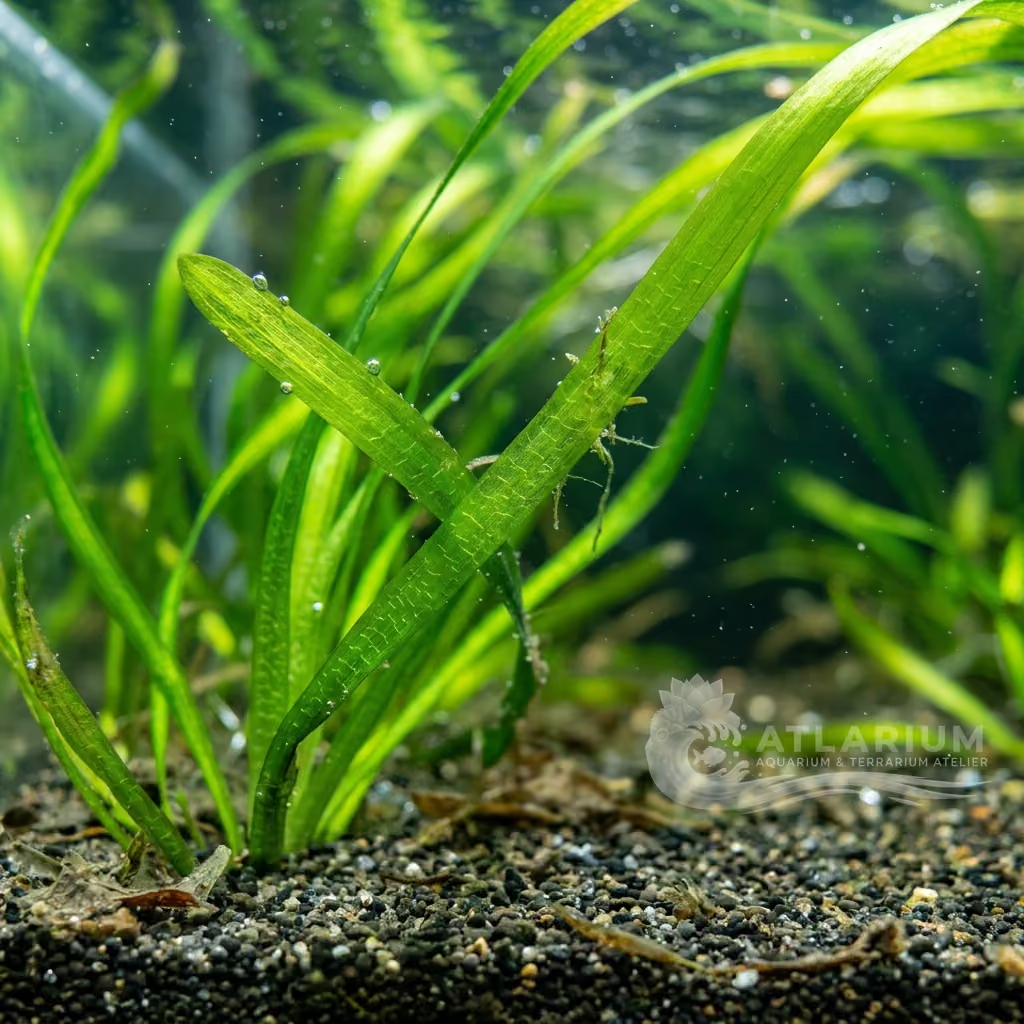
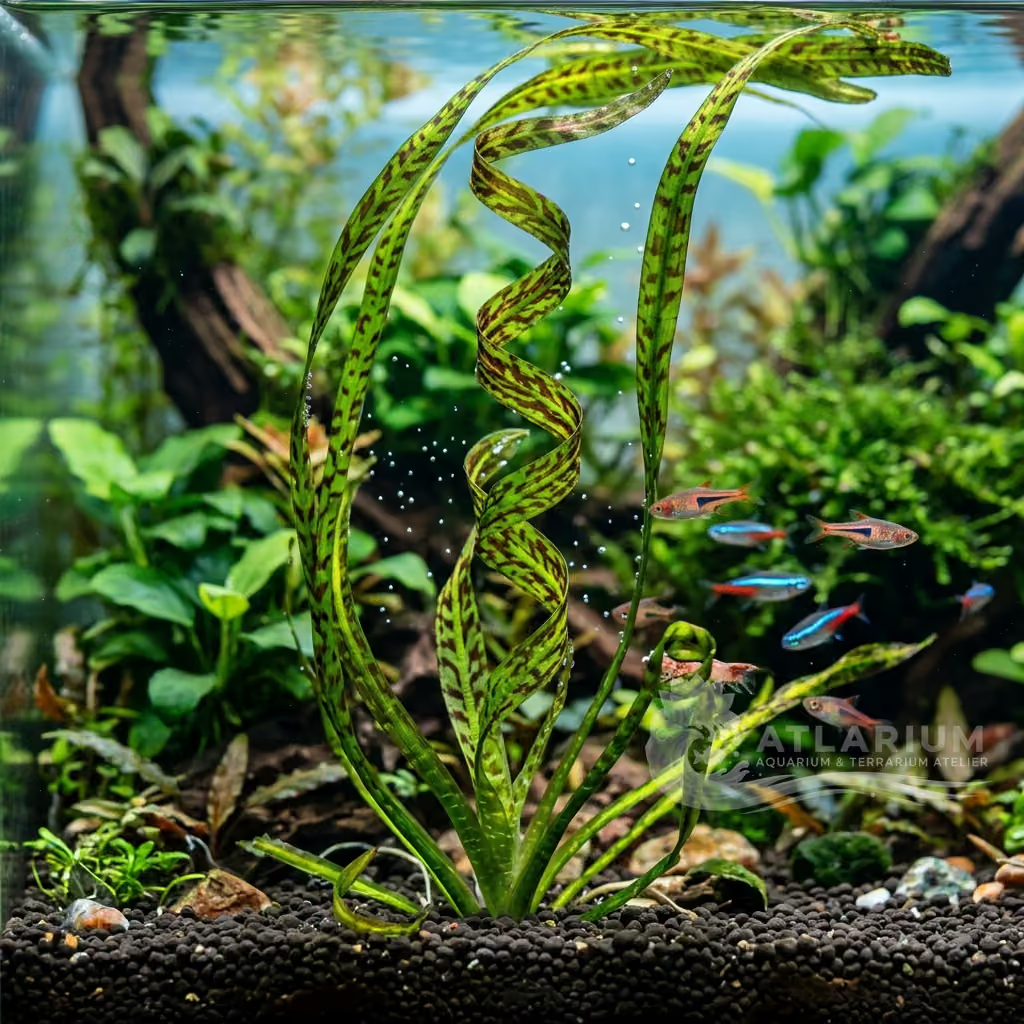
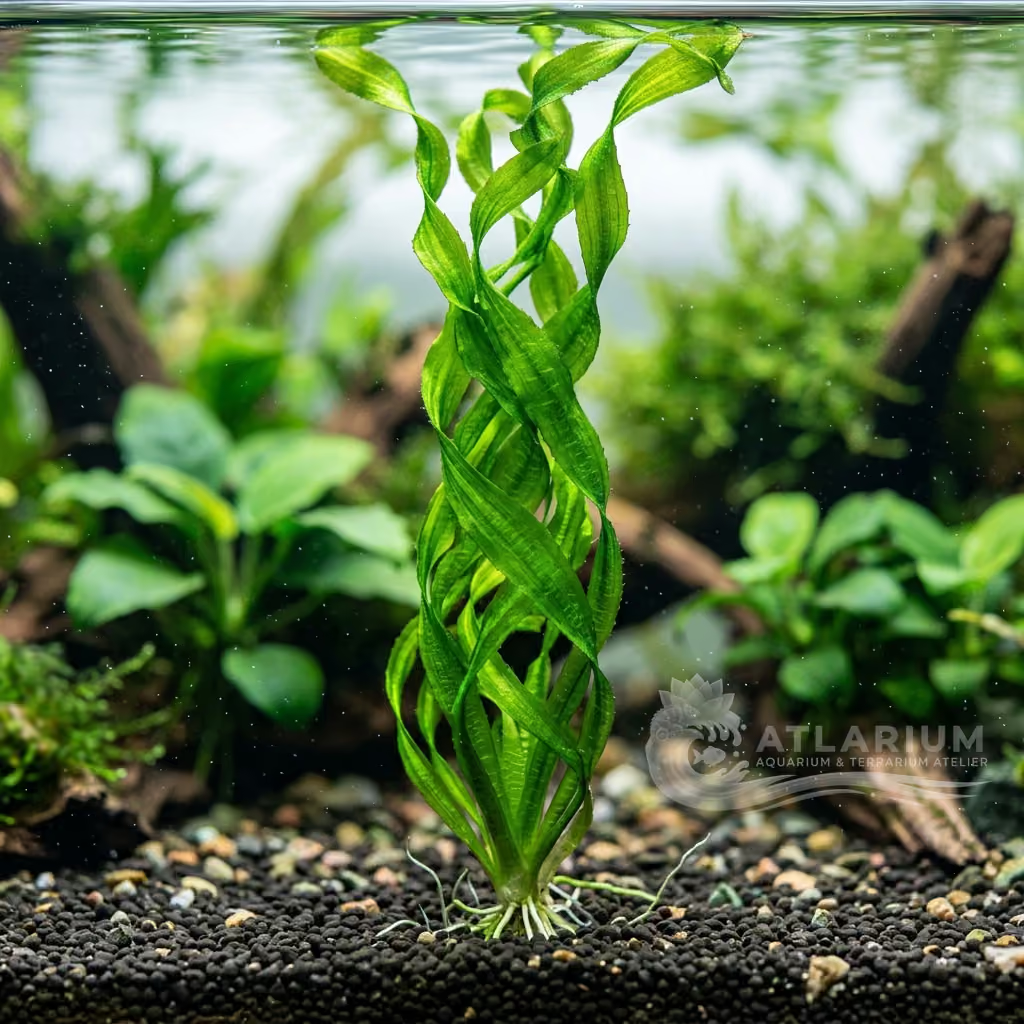
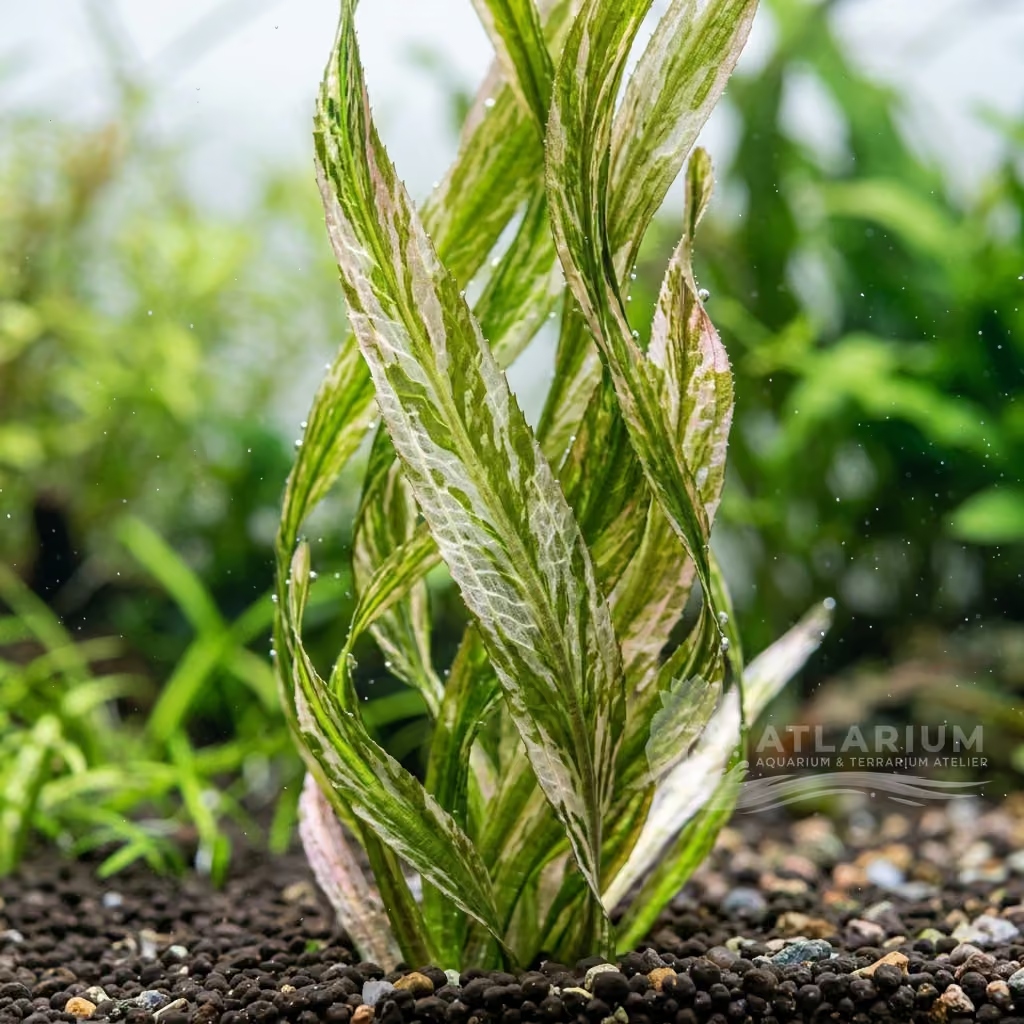
Color & Texture: The leaves of *Vallisneria gigantea 'Curly'* display a vibrant green hue that can range from bright lime green to deep dark green, depending on light intensity and nutrient availability. Their surface is smooth and slightly glossy underwater, but it is their spiraled or strongly undulating form that confers an exceptional visual texture. This particular morphology creates a dynamic, three-dimensional effect within the aquarium, adding depth and contrast compared to plants with more linear leaves. The density of the curly leaves can also provide excellent shelter and hiding spots for small fish and invertebrates.

Cuidado, criação e companheiros de tanque
Lighting & CO2: Vallisneria gigantea 'Curly' thrives under medium intensity lighting, typically equating to about 0.5-0.7 watts per liter or a PAR of 20-40 μmol/m²/s for 8-10 hours daily. Insufficient light can slow growth and cause leaves to lose their vibrant color, while excessive intensity may encourage algal growth on its broad leaf surfaces. Although not strictly necessary, CO2 supplementation can significantly boost more vigorous growth and richer coloration, promoting thicker leaves and enhancing the plant's overall resilience.
Nutrition & Substrate: As a vigorous root feeder, *Vallisneria gigantea 'Curly'* greatly benefits from a nutrient-rich substrate, such as aquasoil or fertile substrates enriched with clay and peat. The use of root tabs inserted into the substrate near the roots every 3-6 months is highly recommended to ensure a constant supply of essential macro and micronutrients. While it also absorbs nutrients from the
Water Chemistry: The *Vallisneria gigantea 'Curly'* is remarkably adaptable to a wide range of water parameters, though it thrives best in stable conditions. The ideal water temperature ranges from 20 to 28 °C (68-82 °F), with a slight preference for warmer temperatures. The pH should be maintained between 6.0 and 7.5, while carbonate hardness (KH) can vary from 2 to 12 dKH. It is crucial to avoid drastic fluctuations in these parameters, as the plant can show signs of stress or "melt" if environmental conditions change abruptly.
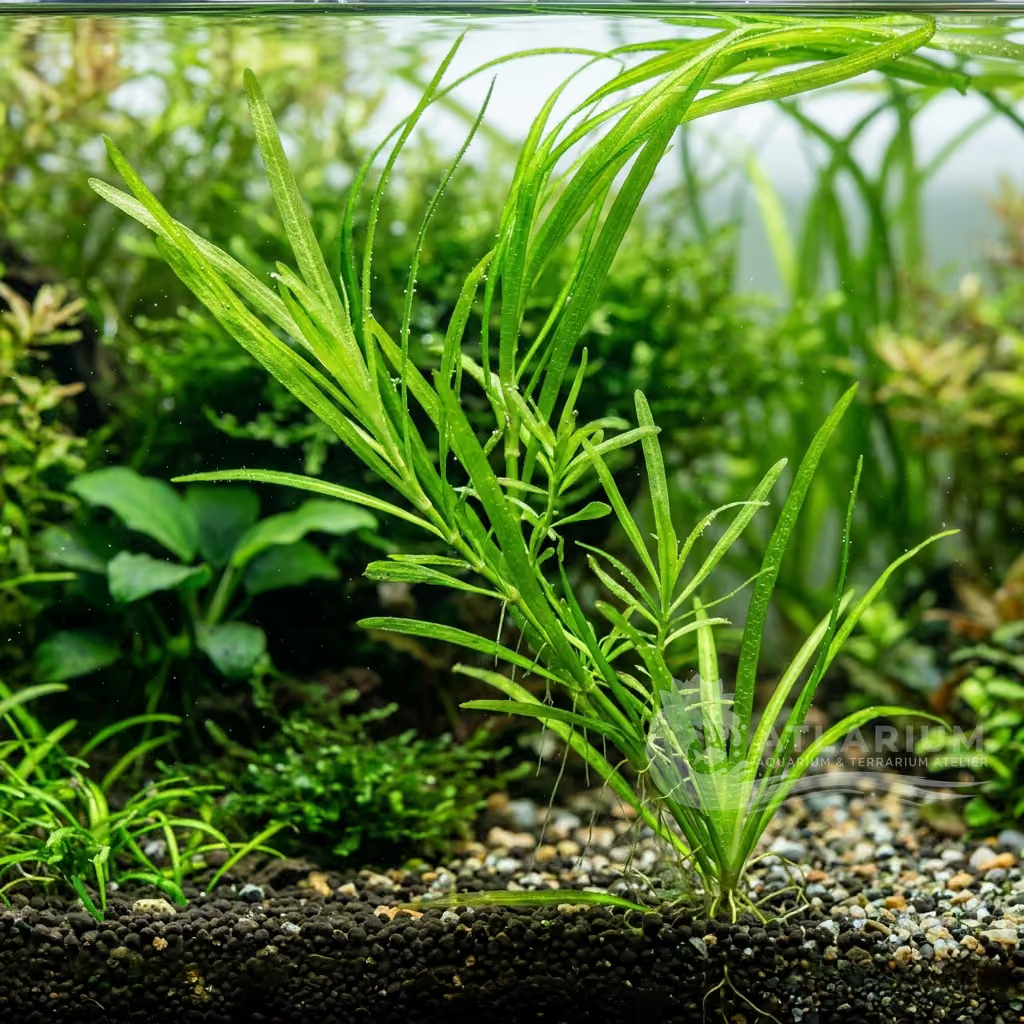
Space Management & Placement: Despite its classification as a "midground" plant, *Vallisneria gigantea 'Curly'* can reach considerable heights even with its curled leaves, making it suitable as a background element in medium to large aquariums. For midground placement, it is ideal for creating a visual barrier or a vertical focal point that adds depth and texture. It is advisable to plant it in groups to achieve a more lush and natural effect, allowing it to spread via runners to form a dense green curtain that can conceal equipment or create sheltered areas for aquatic life.
Pruning: Pruning *Vallisneria gigantea 'Curly'* is relatively straightforward but requires care to avoid damaging the plant. Older outer leaves and those showing signs of deterioration or algal growth should be removed at the base, close to the rhizome, using sharp scissors. This not only improves the aquarium's aesthetics but also directs the plant's energy towards producing new, healthy leaves. It is crucial to avoid trimming the tips of healthy leaves, as this can induce necrosis of the leaf from the cut point and subsequent "melting" of the leaf blade.
Risks & Diseases: Vallisneria gigantea 'Curly' is generally a robust plant, but it is sensitive to abrupt changes in water conditions and the introduction of certain chemicals. It may undergo a "melting" process (leaf disintegration) if environmental conditions change drastically, as often happens after introduction to a new aquarium. It is also particularly vulnerable to copper-based medications and certain algaecides, which can cause rapid deterioration of its leaves. Micronutrient deficiencies, especially iron, can manifest as yellowing of younger leaves, while potassium deficiency may lead to holes or yellowed edges on older leaves.

Origem e distribuição geográfica
Esta espécie é originária de: Asia sud-orientale, Oceania, Cultivar.
Origem
Sul e Sudeste AsiáticoAustrália, Nova Guiné e OceaniaMelhoramento seletivo e cultivares

Perfil da planta
- Posicionamento
- Plano intermediário
- Like its straight-leaved counterpart, it is strictly a background plant for large aquariums. Its twisted leaves add a unique architectural element as they reach for the surface. Place it where the curly foliage can be fully appreciated without overcrowding.
- Forma botânica
- Roseta
- It possesses the impressive size of V. gigantea but with a distinct, striking mutation: the wide leaves are tightly twisted or curled along their entire length. This spiraling effect creates a beautiful, corkscrew-like appearance. The leaves remain tough and leathery.
- Crescimento
- Média
- It grows relatively fast, though slightly slower than the standard Vallisneria gigantea due to its mutated leaf structure. It will readily produce runners and expand its territory if given enough light and nutrients. Regular pruning is necessary to maintain an orderly appearance.
- Substrato
- Alta
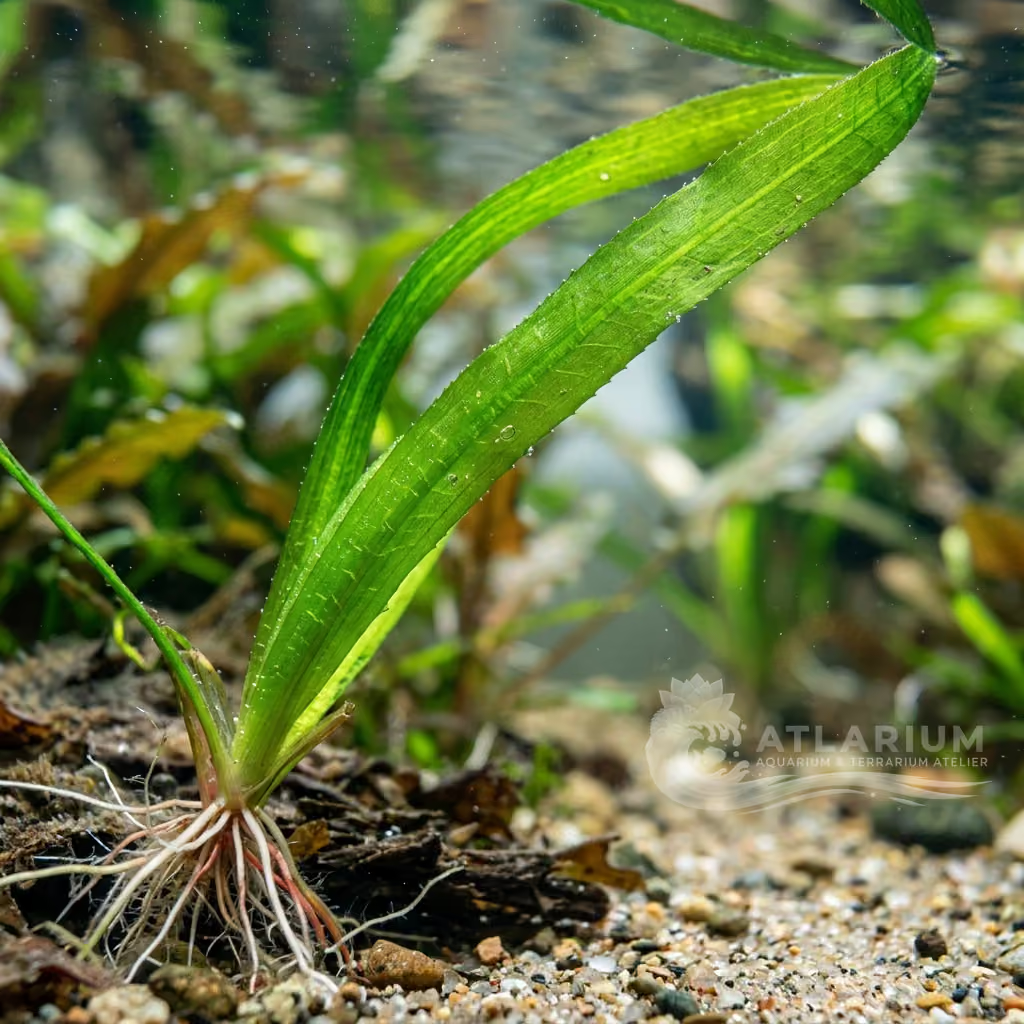
- To support its twisted, towering foliage, *Vallisneria gigantea* 'Curly' relies on an expansive root system that demands a nutrient-dense substrate like aqua soil or heavily fertilized sand. A deep substrate bed of 3 inches (8 cm) or more is vital for anchoring the large plant and giving its thick runners room to spread across the aquarium floor. It is an aggressive root feeder, taking up essential minerals primarily through its buried roots rather than the water column.
- Fertilização de coluna
- Recomendada
- Liquid fertilization is important to prevent yellowing or nutrient deficiencies in the rapidly growing foliage. A balanced liquid fertilizer with iron will keep the curly leaves vibrant and healthy. It efficiently absorbs nutrients across its large leaf surface area.
- Fertilização radicular
- Recomendada
- It demands a deep and fertile substrate to anchor its large root system. Adding root tabs regularly will encourage thicker, more deeply coiled leaves. Proper root feeding is key to preventing the lower portions of the plant from deteriorating.
- Corte
- Ocasional
- Trim by removing the oldest, outermost leaves at the very base of the crown. Never cut across the twisted leaf blade, as the remaining portion will die and look unsightly. Thin out the plant by removing excess daughter plants from the runners.
- Propagação
- Estolões
- It propagates vigorously through the continuous production of runners along the substrate. The daughter plants will inherit the curly leaf trait from the mother plant. Once the new plants have a good root system, the connecting runner can be severed.
- Sensibilidade
- Moderada
- It shares the typical Vallisneria sensitivity to liquid carbon products and should not be exposed to glutaraldehyde. It thrives in medium to hard water and may struggle to maintain its form in extremely soft water. It is otherwise a very robust and adaptable plant.
- Função de layout
- Plano intermediário, Fundo
- It serves as a captivating focal point in the background, adding an unusual texture to the aquascape. The twisted leaves provide an excellent contrast to standard, straight-leaved background plants. It is highly effective at hiding aquarium equipment while offering visual interest.

Espécies relacionadas
Recomendações agrupadas por parentes próximos, escolhas de acompanhantes e cuidados semelhantes.