Vallisneria sp. 'Mini Twister'
Vallisneria sp. 'Mini Twister'
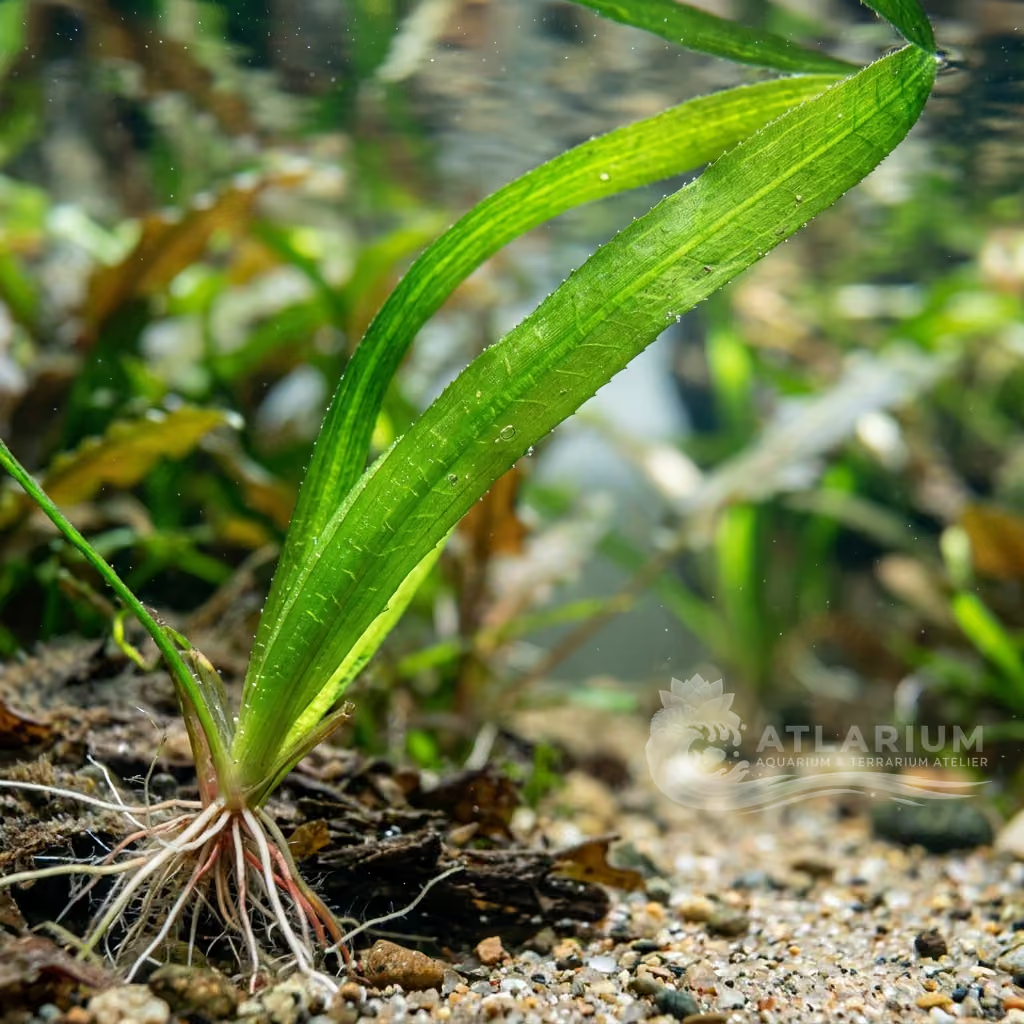
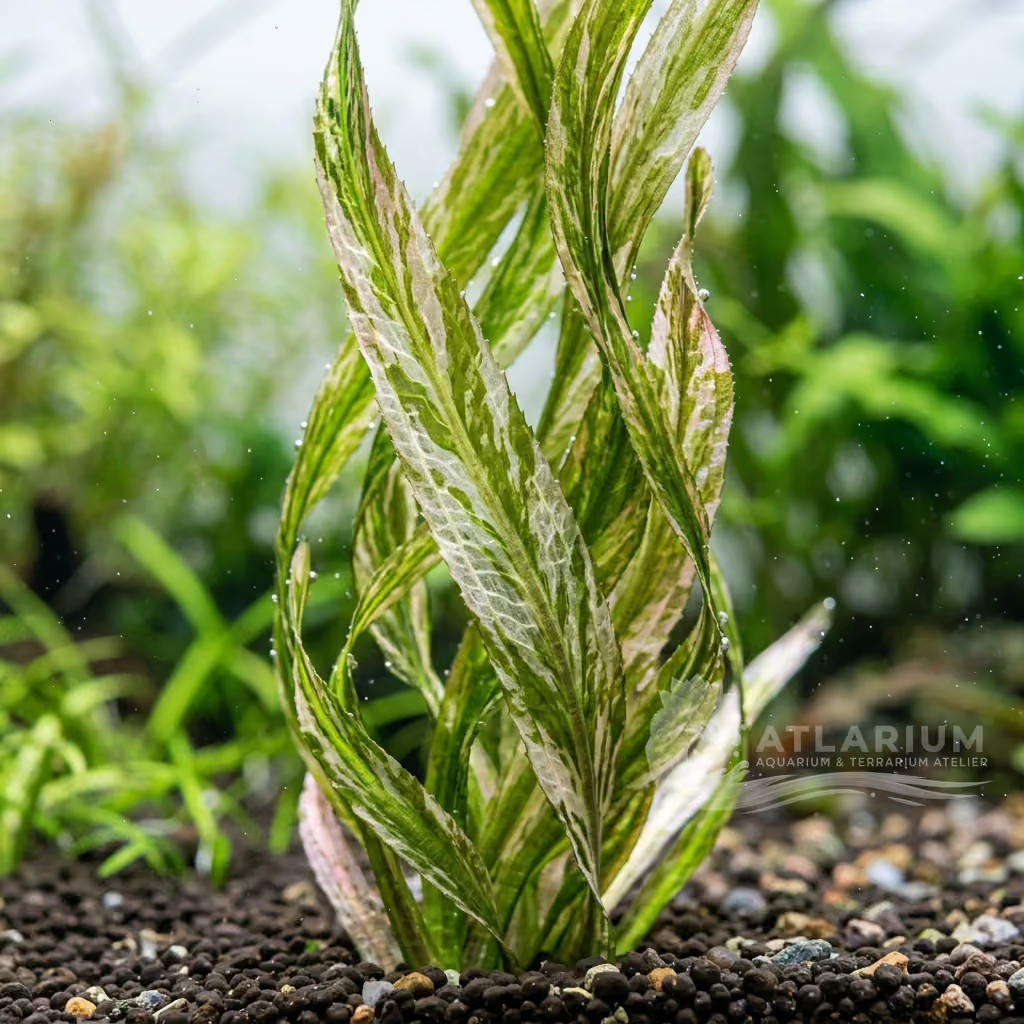
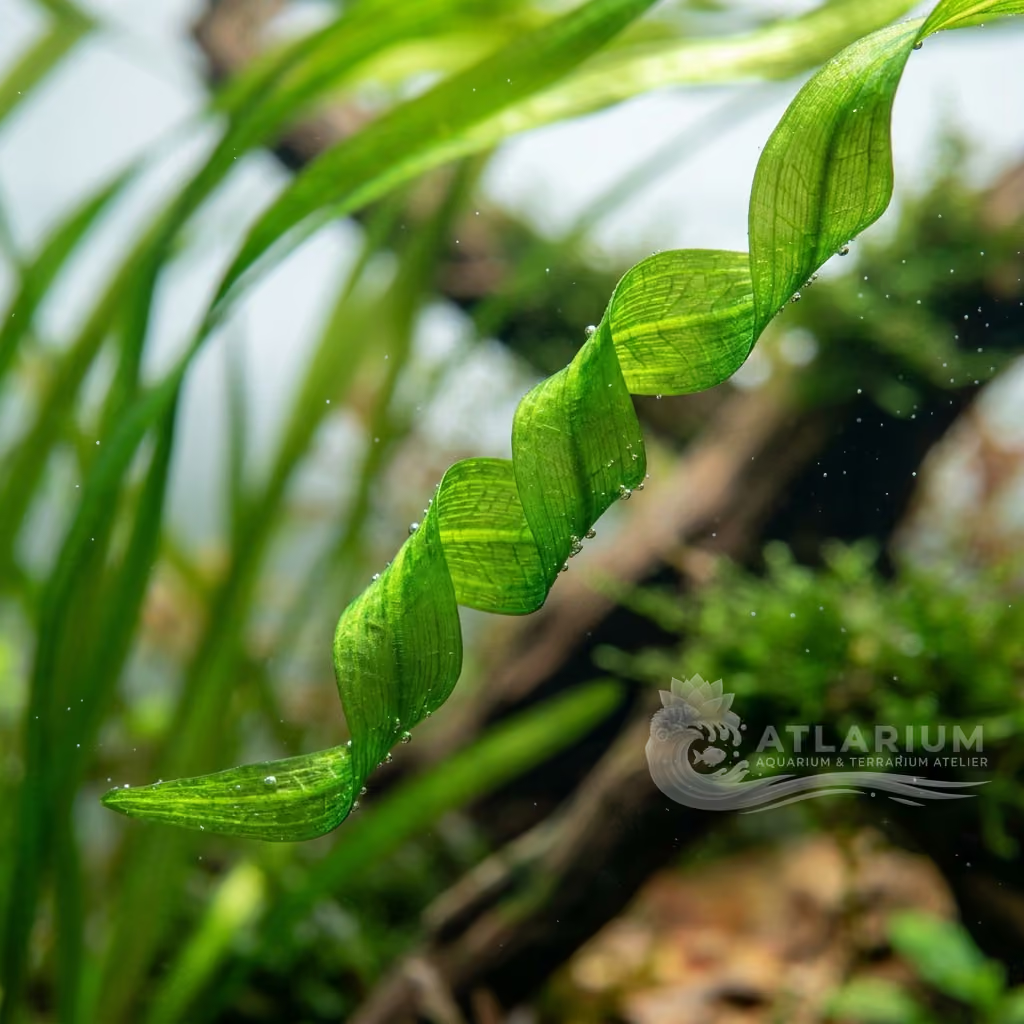
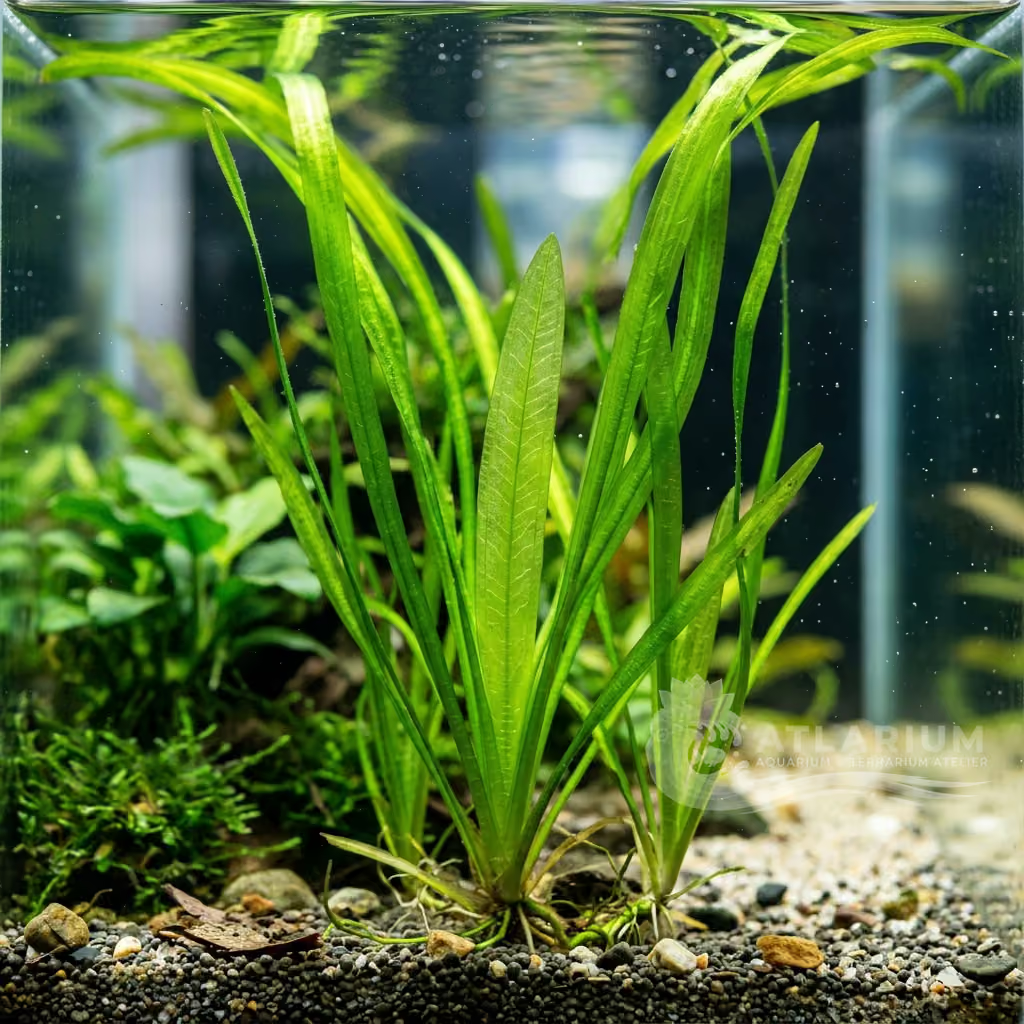
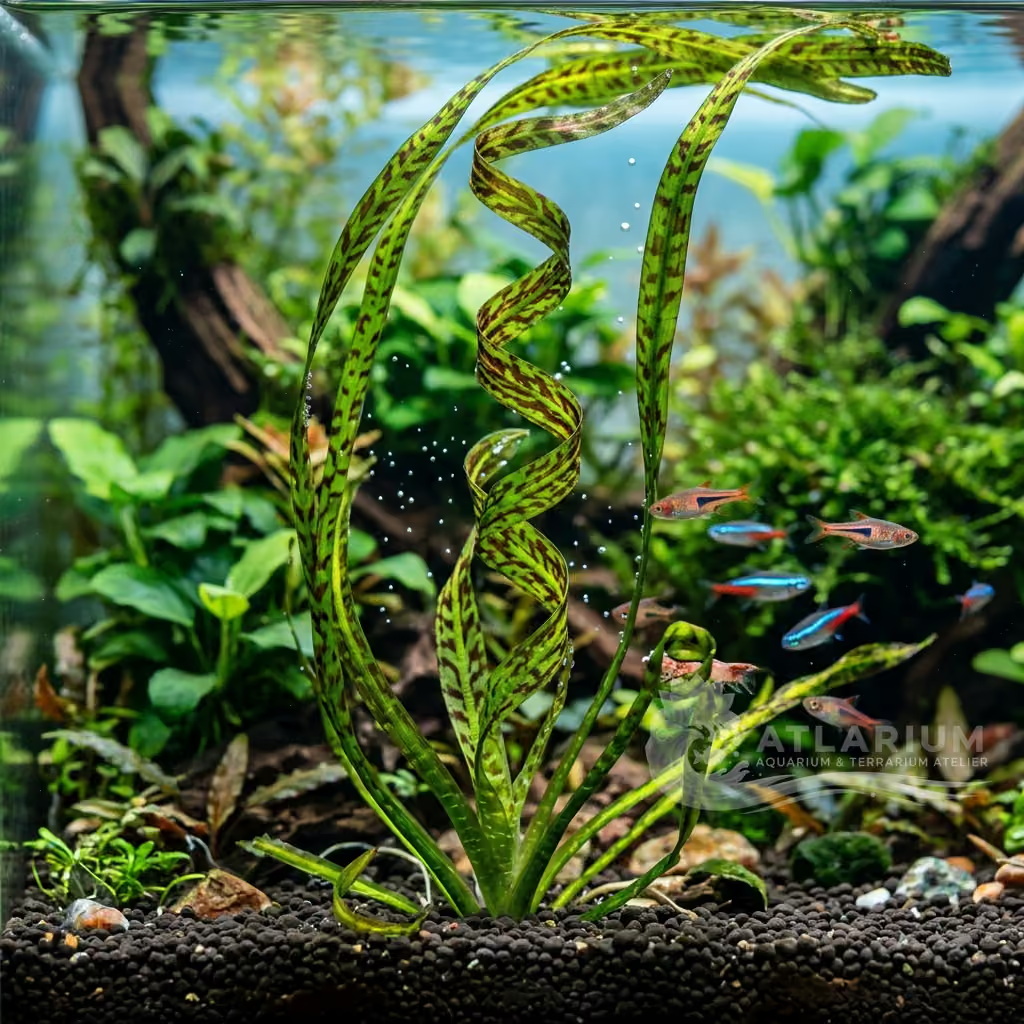
Vallisneria sp. 'Mini Twister' is a captivating foreground plant known for its compact size and uniquely spiraled, ribbon-like leaves. Its medium growth rate and ease of propagation make it an excellent choice for creating a lush, dynamic green carpet or accent in the foreground of an aquascape.
Temperatura da água
5 - 30 °C
Valor de pH
6 - 8
Tipo de água
Água doce
Luz
Medium to High
CO2
Baixa - Alta
Altura esperada
15 cm
Largura esperada
15 cm
KH
2 - 21 dKH

Descrição da espécie
Geographical Origin and Habitat: While Vallisneria species are naturally found in diverse freshwater environments across tropical and subtropical regions worldwide, Vallisneria sp. 'Mini Twister' is a cultivated variety developed for its unique aesthetic appeal. Its wild ancestors typically thrive in slow-moving rivers, lakes, and marshes where they can establish extensive submerged colonies in nutrient-rich substrates. This cultivated form inherits the robust adaptability of its genus, flourishing when provided with stable water conditions reminiscent of its naturalistic origins.
Taxonomy & Genetics: Belonging to the Hydrocharitaceae family, Vallisneria sp. 'Mini Twister' is part of a genus renowned for its submerged aquatic plants, often referred to as "tape grass." The "sp." designation indicates it is either an unclassified species or, more commonly in the aquarium trade, a cultivar whose precise species lineage may not be fully resolved or is a hybrid. Its distinctive 'Mini Twister' epithet highlights its smaller stature and characteristic spiraling leaf structure, a genetic trait specifically selected and propagated for its ornamental value in aquascaping.
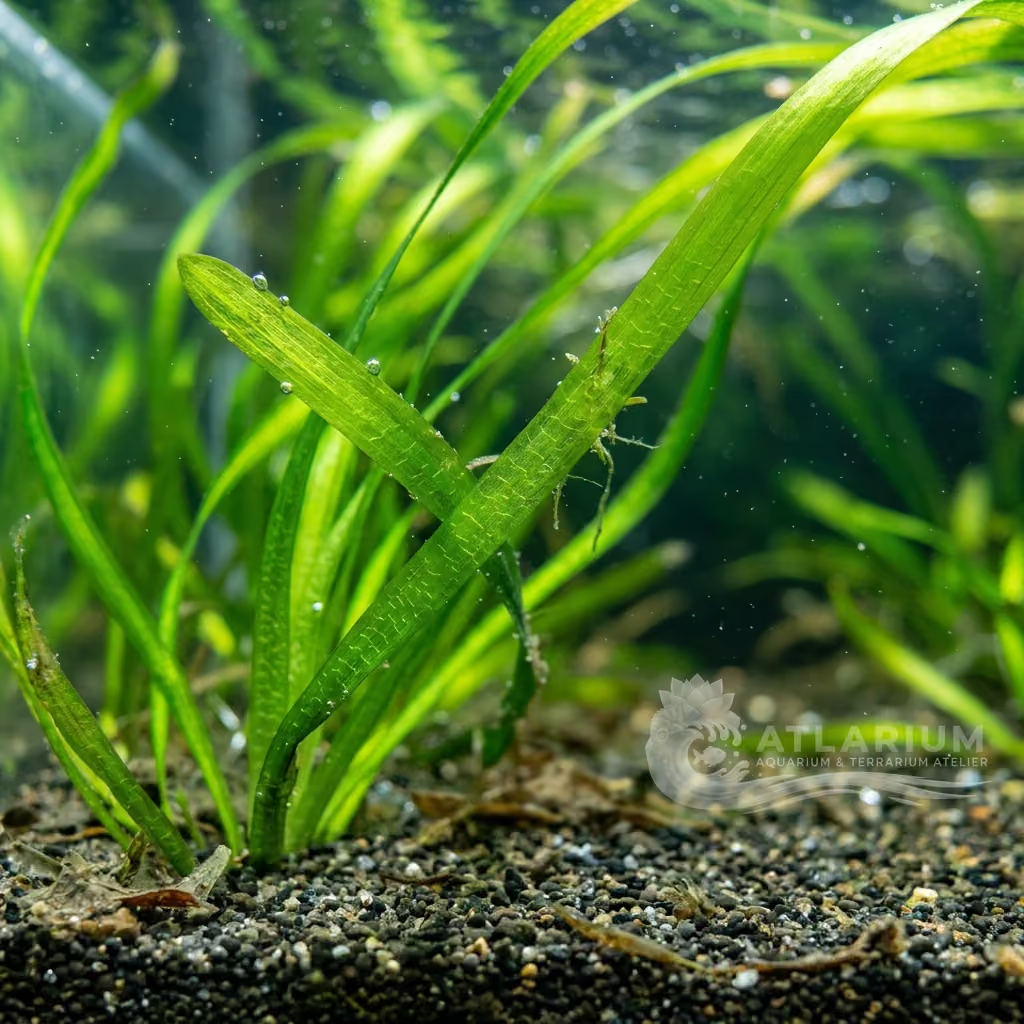
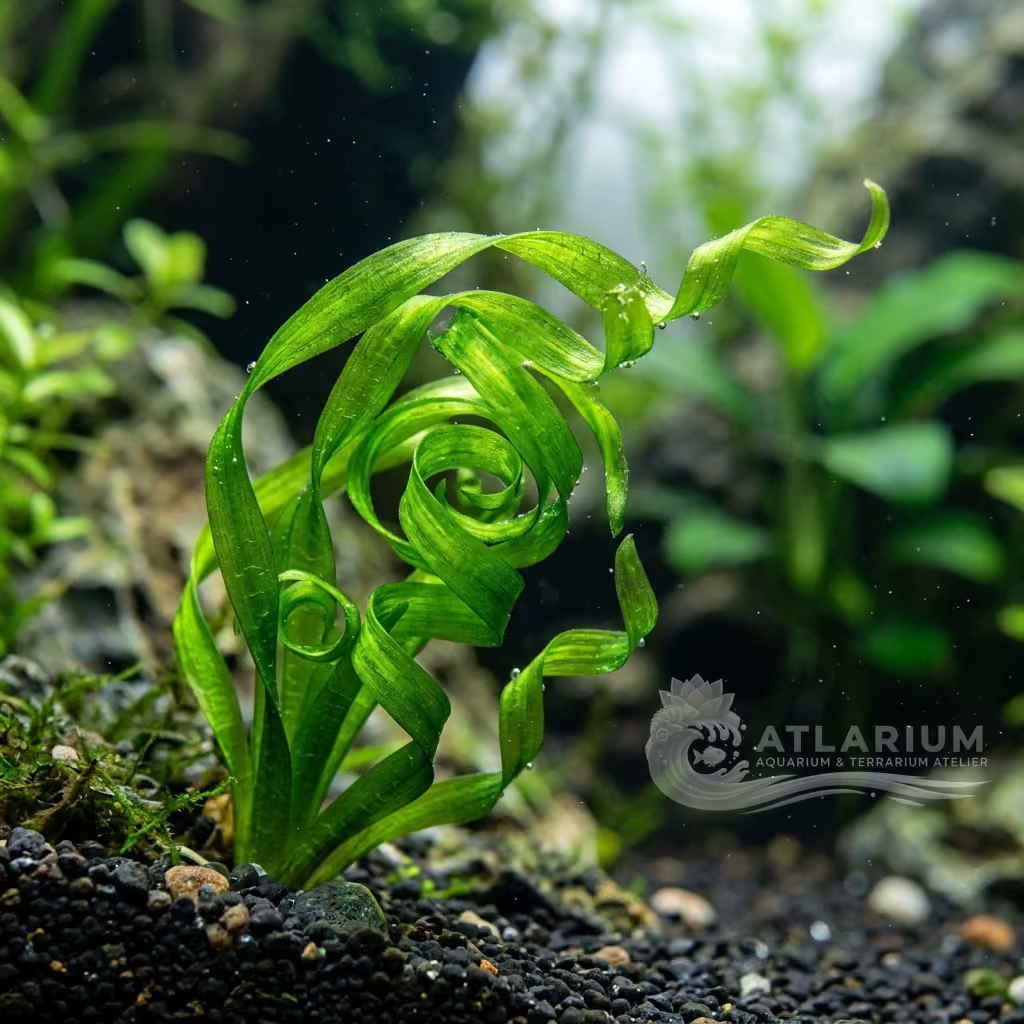
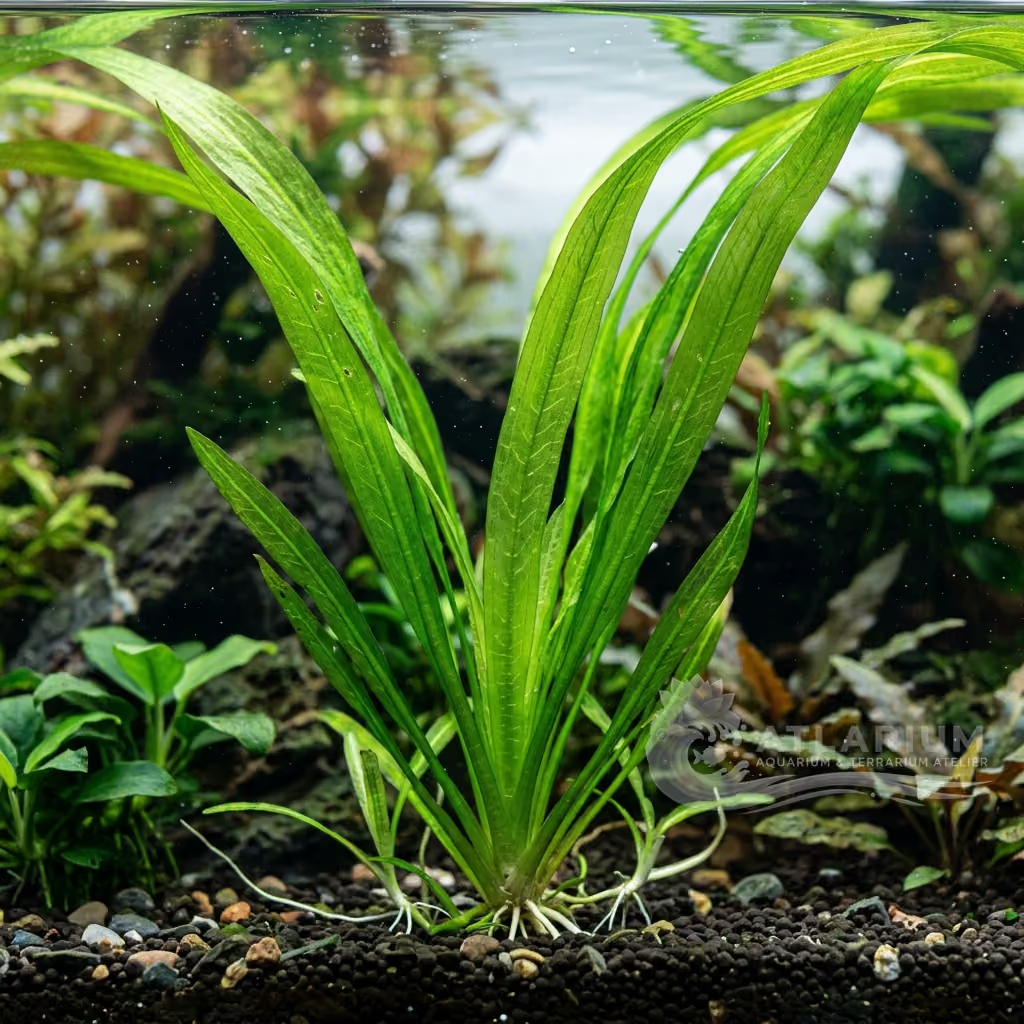
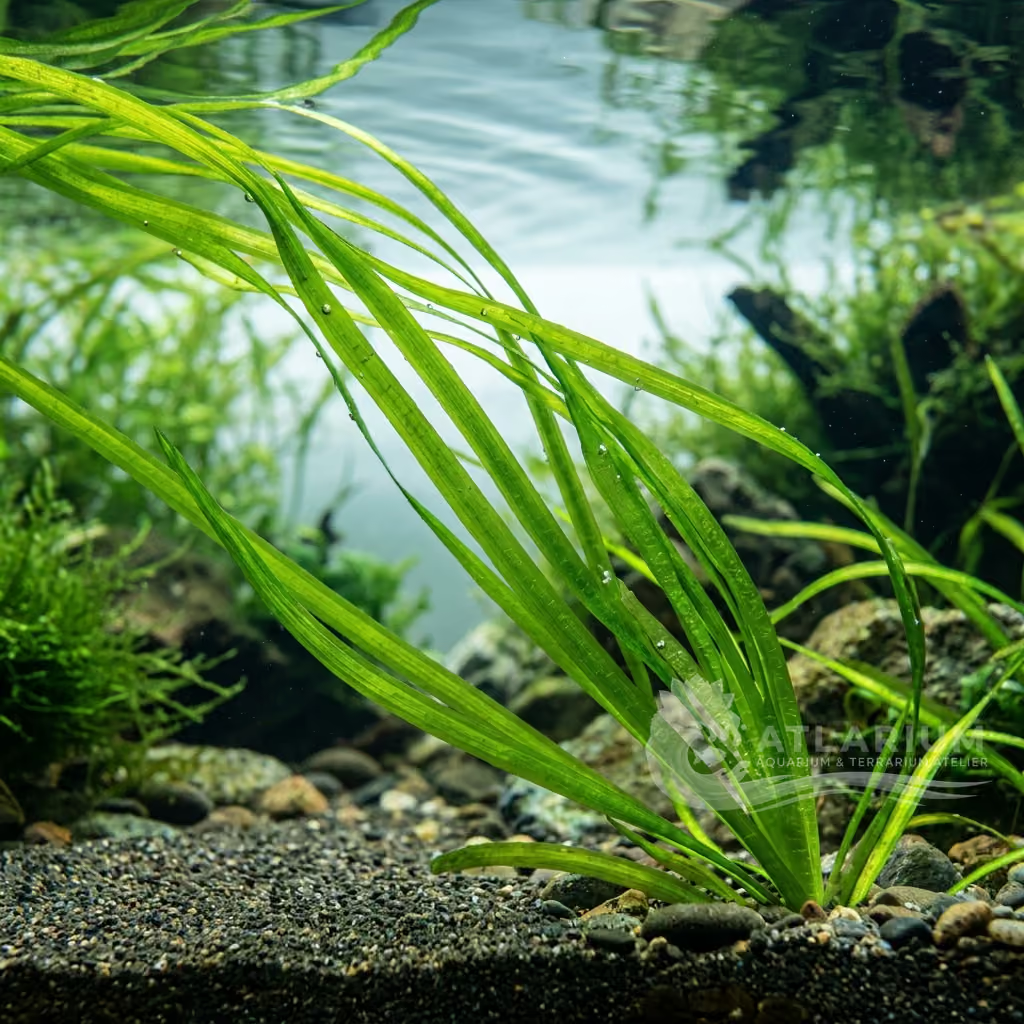
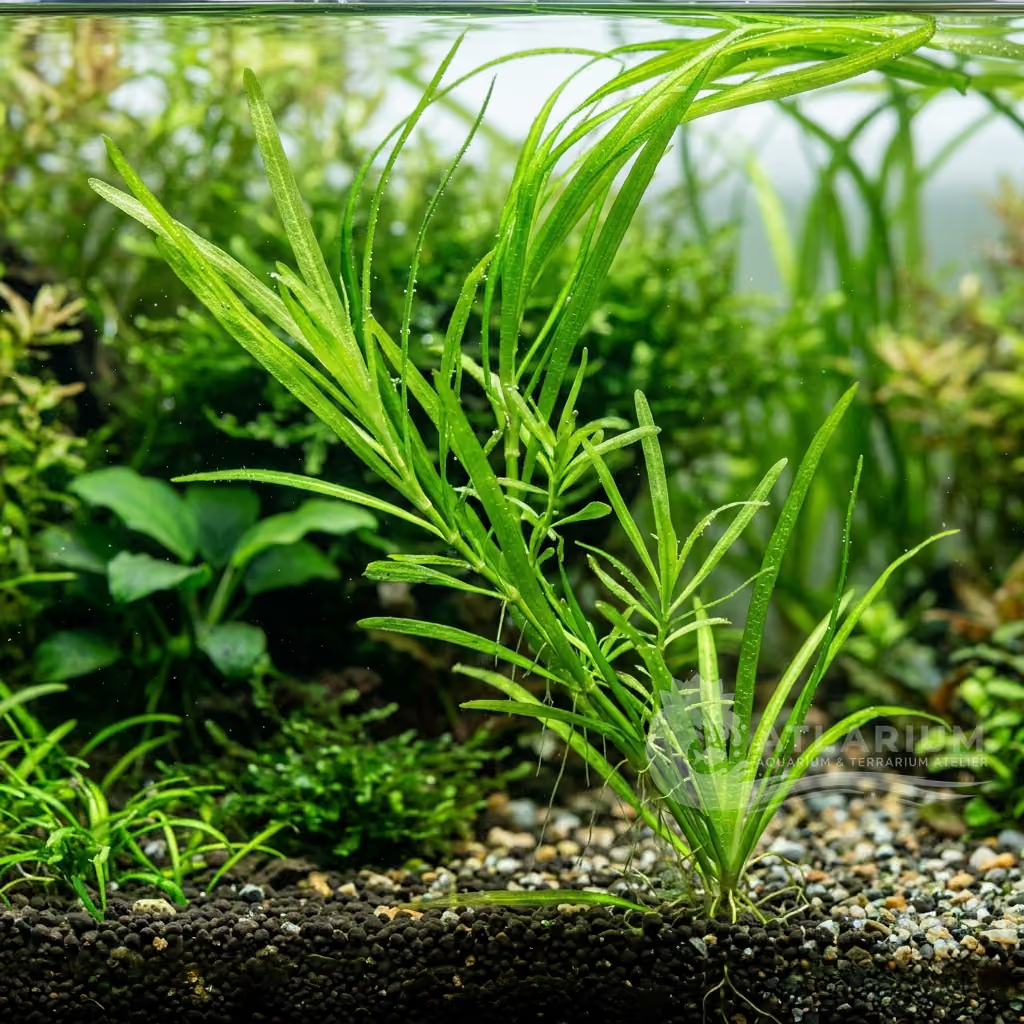
Physical Structure: This miniature Vallisneria cultivar is distinguished by its compact growth habit and remarkable spiraling leaves, making it ideal for foreground placement. Unlike its larger relatives that grow straight, long leaves, 'Mini Twister' produces short, ribbon-like foliage that elegantly twists and curls as it matures, reaching heights typically between 5-15 cm. It forms dense clumps from a central rosette and actively propagates via prolific runners, sending out new plantlets horizontally through the substrate to quickly colonize an area.
Color & Texture: The foliage of Vallisneria sp. 'Mini Twister' exhibits a vibrant, fresh green hue, which can intensify under optimal lighting and nutrient conditions. The leaves possess a smooth, somewhat delicate texture, contrasting beautifully with their distinctive helical shape. This combination of bright green coloration and dynamic twisted form adds significant visual interest and a sense of movement to the aquascape, creating a lively foreground element.

Cuidado, criação e companheiros de tanque
Lighting & CO2: Vallisneria sp. 'Mini Twister' thrives under medium to high lighting conditions, which are crucial for encouraging its vibrant green coloration and dense growth. While it can tolerate lower light, higher intensity will promote faster growth and more pronounced twisting of the leaves. Although CO2 supplementation is not strictly necessary for survival, injecting CO2 will significantly enhance its growth rate, lead to more robust plant development, and support a more luxurious, carpet-like appearance in the foreground.
Nutrition & Substrate: As a classic root feeder, Vallisneria sp. 'Mini Twister' benefits immensely from a nutrient-rich substrate or the regular application of root tabs placed near its root system. Essential macro and micronutrients, particularly iron, are vital for maintaining its healthy green color and preventing chlorosis. While it absorbs some nutrients from the
Water Chemistry: This highly adaptable plant demonstrates remarkable tolerance to a broad range of water parameters, making it suitable for many aquarium setups. It flourishes in temperatures between 5.0 and 30.0 °C, pH values from 6.0 to 8.0, and a KH range of 2.0 to 21.0. While it is tolerant, stable parameters within these ranges, ideally slightly alkaline to neutral, will support its most vigorous growth and minimize stress. Avoid extreme or sudden fluctuations in water chemistry to ensure its continued health.
Space Management & Placement: Vallisneria sp. 'Mini Twister' is specifically categorized for foreground placement due to its diminutive size and compact growth habit. To create a natural-looking, dense carpet or an interesting border, plant individual rosettes a few centimeters apart, allowing them space to send out runners and fill in the gaps. Regularly managing its prolific runners is important to prevent it from overgrowing other foreground elements or encroaching upon midground areas.
Pruning: Regular pruning is essential to maintain the desired aesthetic and prevent overcrowding from Vallisneria sp. 'Mini Twister'. This primarily involves trimming back its extensive runners to control its spread and remove older, yellowing, or damaged leaves from the base of the plant. When trimming leaves, always use sharp scissors to make a clean cut near the rhizome, being careful not to damage the main growing point of the mother plant.
Risks & Diseases: While generally robust, Vallisneria sp. 'Mini Twister' can occasionally experience melting, particularly upon initial introduction to a new aquarium or after drastic environmental changes. Algae can sometimes grow on its leaves if nutrient imbalances or excessive lighting are present. Nutrient deficiencies, such as a lack of iron, can lead to yellowing leaves, indicating the need for targeted fertilization to restore its vibrant green hue.

Origem e distribuição geográfica
While Vallisneria species are naturally found in diverse freshwater environments across tropical and subtropical regions worldwide, Vallisneria sp. 'Mini Twister' is a cultivated variety developed for its unique aesthetic appeal. Its wild ancestors typically thrive in slow-moving rivers, lakes, and marshes where they can establish extensive submerged colonies in nutrient-rich substrates. This cultivated form inherits the robust adaptability of its genus, flourishing when provided with stable water conditions reminiscent of its naturalistic origins.
Origem
Melhoramento seletivo e cultivares

Perfil da planta
- Posicionamento
- Primeiro plano
- Unlike its larger relatives, 'Mini Twister' is ideally suited for the midground or even the foreground in larger aquariums. Its shorter stature allows it to be placed forward without obscuring the background. It looks best planted in small clusters amongst hardscape materials.
- Forma botânica
- Roseta
- This variant features remarkably twisted, corkscrew-like leaves that remain much shorter than the standard species. The tight spirals provide an incredible structural contrast against flat-leaved plants. It typically forms dense, compact rosettes that stay confined to the midground.
- Crescimento
- Média
- The growth rate is exceptionally fast, especially when the roots have established in a mature substrate. It continuously sends out runners to colonize available space. Frequent maintenance may be required to keep it from shading the entire tank.
- Substrato
- Alta
- Despite its more compact size, *Vallisneria* sp. 'Mini Twister' requires a nutrient-dense substrate to establish a healthy, anchoring root network. A minimum depth of 4 to 5 cm of fine gravel or aquatic soil is recommended to allow its roots to spread and securely hold the spiraling foliage in place. Because it draws a significant portion of its nourishment from beneath the soil, using root fertilizer tabs will highly benefit its development. A properly enriched bed promotes steady growth and the continuous formation of new side shoots.
- Fertilização de coluna
- Recomendada
- Liquid fertilization is beneficial as a supplement but not the primary driver of growth. Regular dosing ensures the leaves remain vibrant and free of nutrient deficiencies. However, it will adapt well even in setups with minimal water column fertilization if the roots are fed.
- Fertilização radicular
- Nenhuma
- Root fertilization is paramount for the long-term success and vitality of this species. It develops a massive root system that rapidly depletes substrate nutrients. Providing root tabs or a rich aquasoil will dramatically improve leaf size and overall health.
- Corte
- Ocasional
- Trimming leaves by cutting them across the middle can lead to tissue decay at the cut site. It is better to remove older, overgrown leaves completely at the base. To control spreading, simply sever the runners and remove the unwanted daughter plants.
- Propagação
- Estolões
- Propagation is incredibly easy and happens naturally via lateral runners. A healthy mother plant will continuously push out runners that root nearby to form new plants. These can be separated with sharp scissors once the daughter plant has established a few leaves.
- Sensibilidade
- Moderada
- Like many tapegrasses, it is notoriously sensitive to liquid carbon supplements like glutaraldehyde. Dosing these products frequently causes the plant to melt away completely. It is otherwise very hardy and tolerates a wide range of water parameters and temperatures.
- Função de layout
- group, Primeiro plano, Plano intermediário, Nano
- It is a quintessential background plant that adds height and vertical motion to the aquascape. The trailing leaves create beautiful overhead shading that mimics natural river margins. It is also excellent for concealing hardware like filters and heaters at the back.

Espécies relacionadas
Recomendações agrupadas por parentes próximos, escolhas de acompanhantes e cuidados semelhantes.