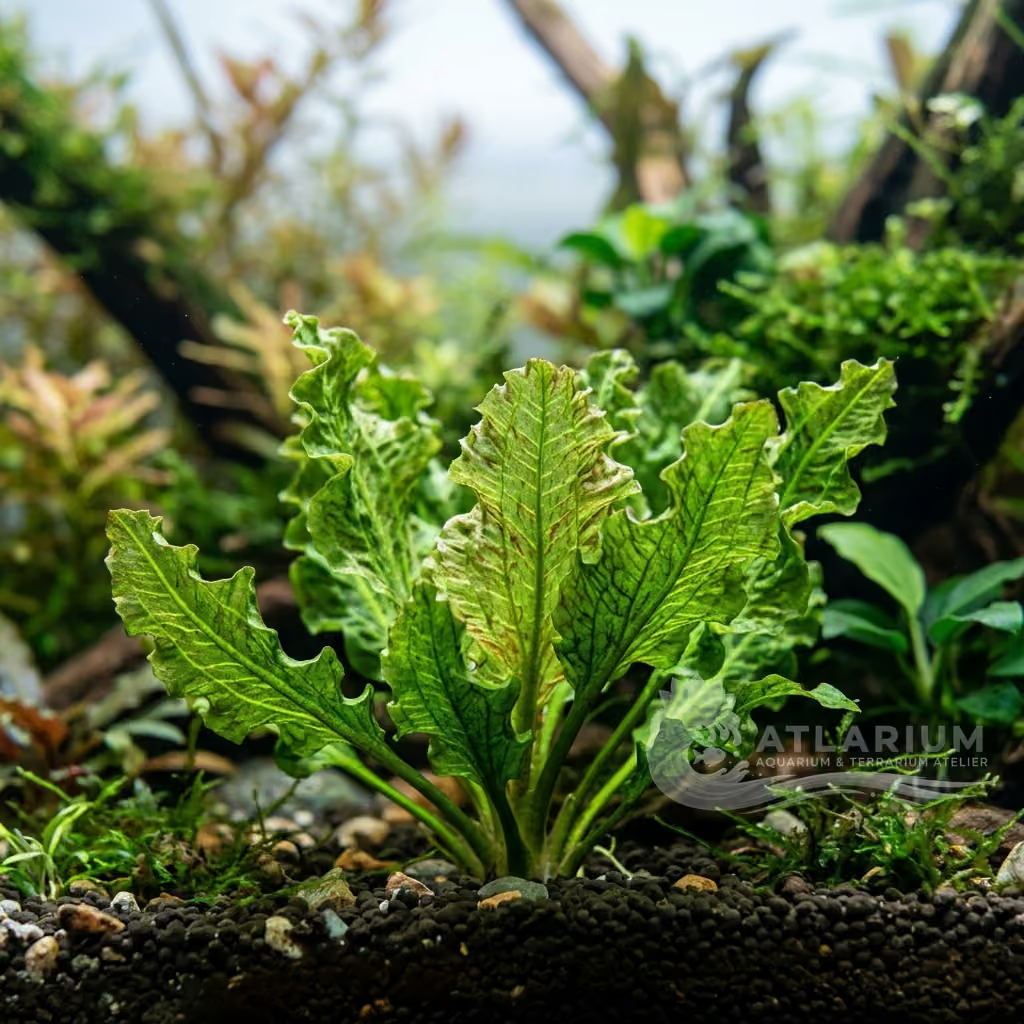
Vallisneria asiatica var. biwaensis
Vallisneria natans
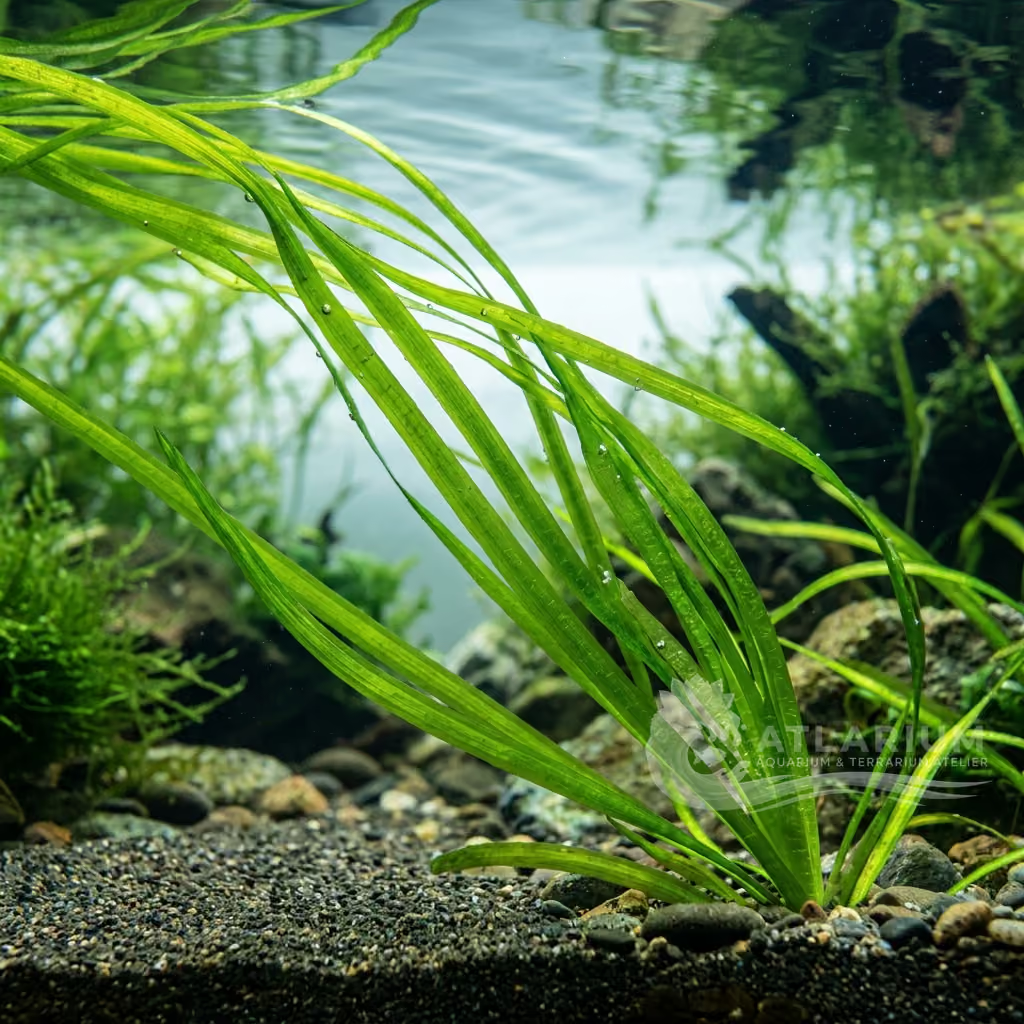
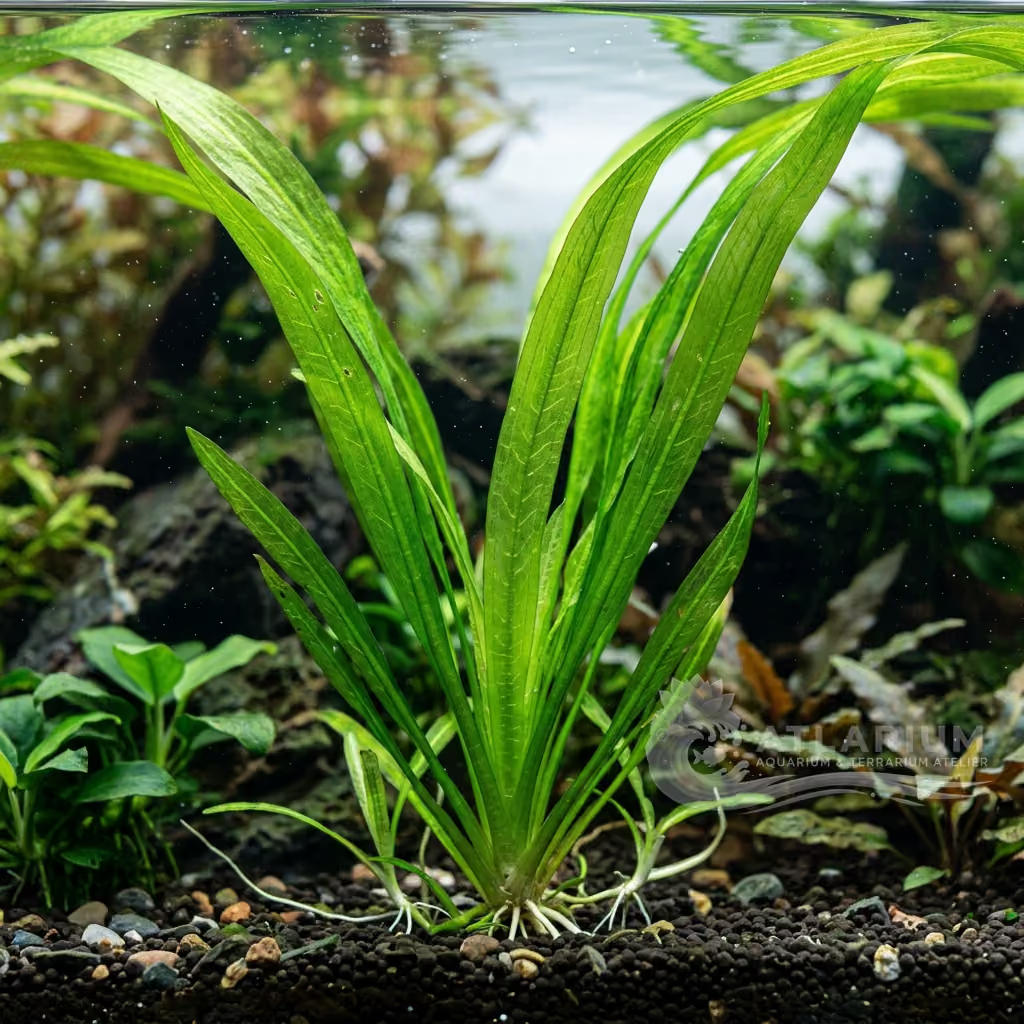
Vallisneria asiatica var. biwaensis is a fast-growing aquatic plant ideal for midground placement, characterized by its elegant, wavy foliage. This Vallisneria variety provides dense greenery and excellent shelter, enhancing the overall aesthetic and biological balance of the aquarium.
Temperatura da água
4 - 28 °C
Valor de pH
6 - 8
Tipo de água
Água doce
Luz
Medium to High
CO2
Baixa - Alta
Altura esperada
40 cm
KH
2 - 21 dKH

Descrição da espécie
Geographical Origin and Habitat: Vallisneria asiatica var. biwaensis originates from Lake Biwa in Japan, the largest freshwater lake in the country, from which it derives its specific name. In its natural habitat, it thrives in clear, often relatively calm waters, rooting firmly in sandy or silty substrates at various depths. Its presence in such a significant lake environment highlights its adaptability to a wide range of aquatic conditions, making it a robust species for aquariums. This native environment has endowed it with remarkable tolerance to temperature fluctuations and water parameters.
Taxonomy & Genetics: Belonging to the Hydrocharitaceae family, Vallisneria asiatica var. biwaensis is a distinct variety of the species Vallisneria asiatica. This family is renowned for its submerged or floating aquatic plants, often characterized by ribbon-like leaves. The "biwaensis" designation not only indicates its specific origin from Lake Biwa but also emphasizes its genetic uniqueness within the genus Vallisneria, distinguishing it from other regional variants. Its classification reflects its evolutionary adaptation to specific aquatic ecosystems.
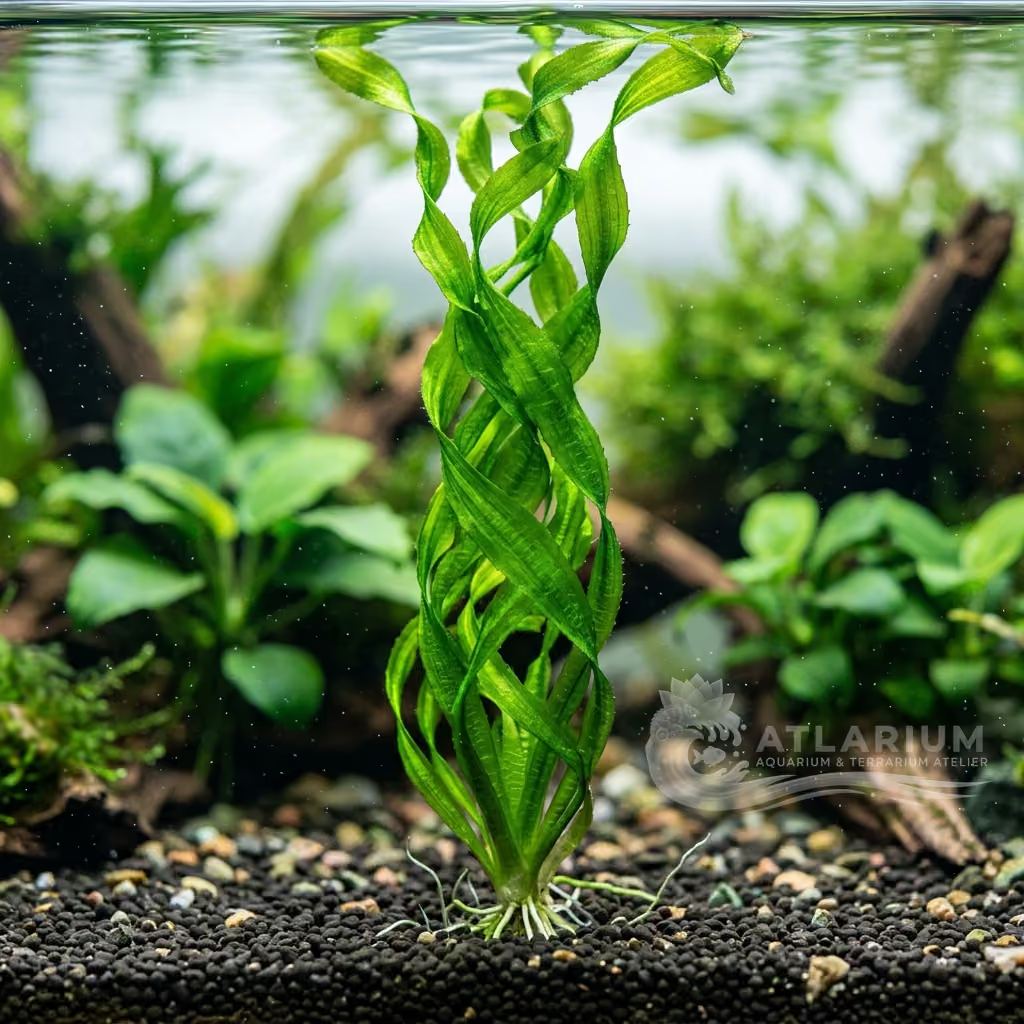
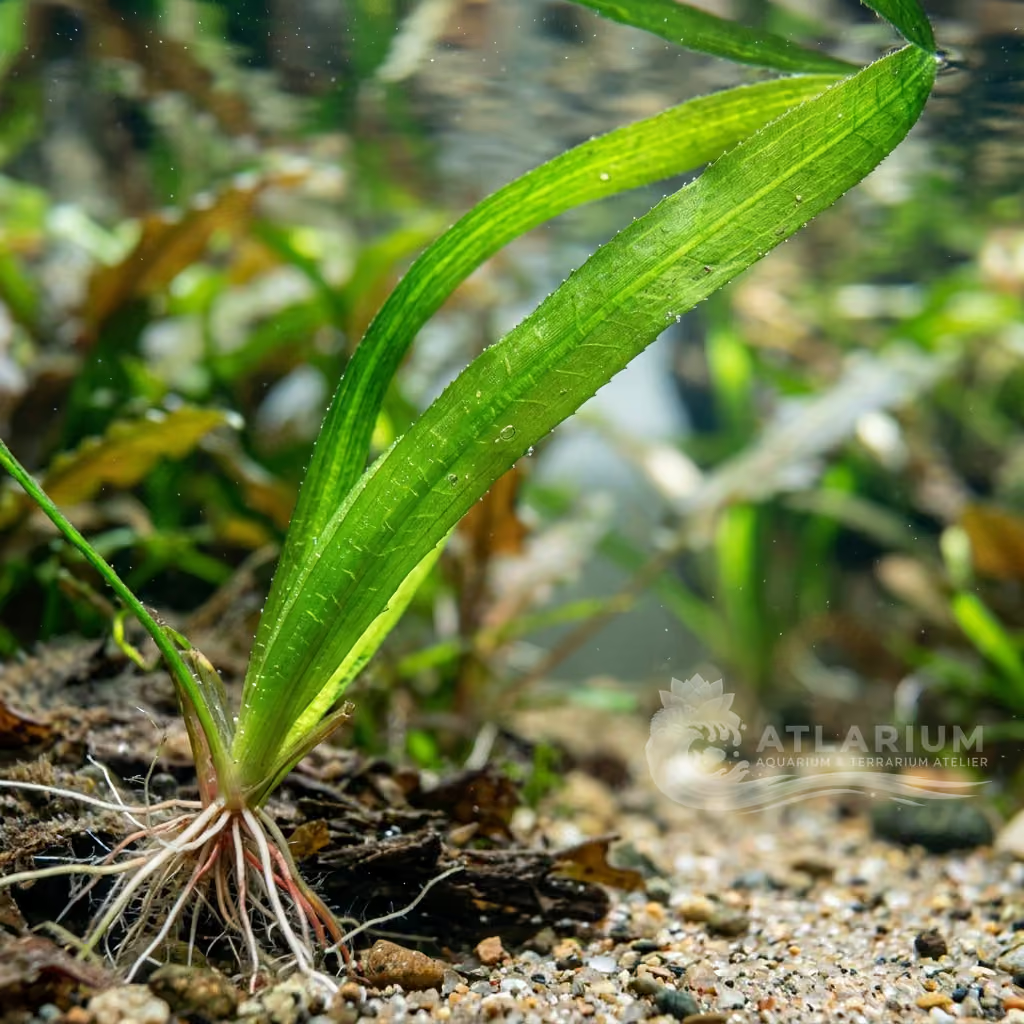
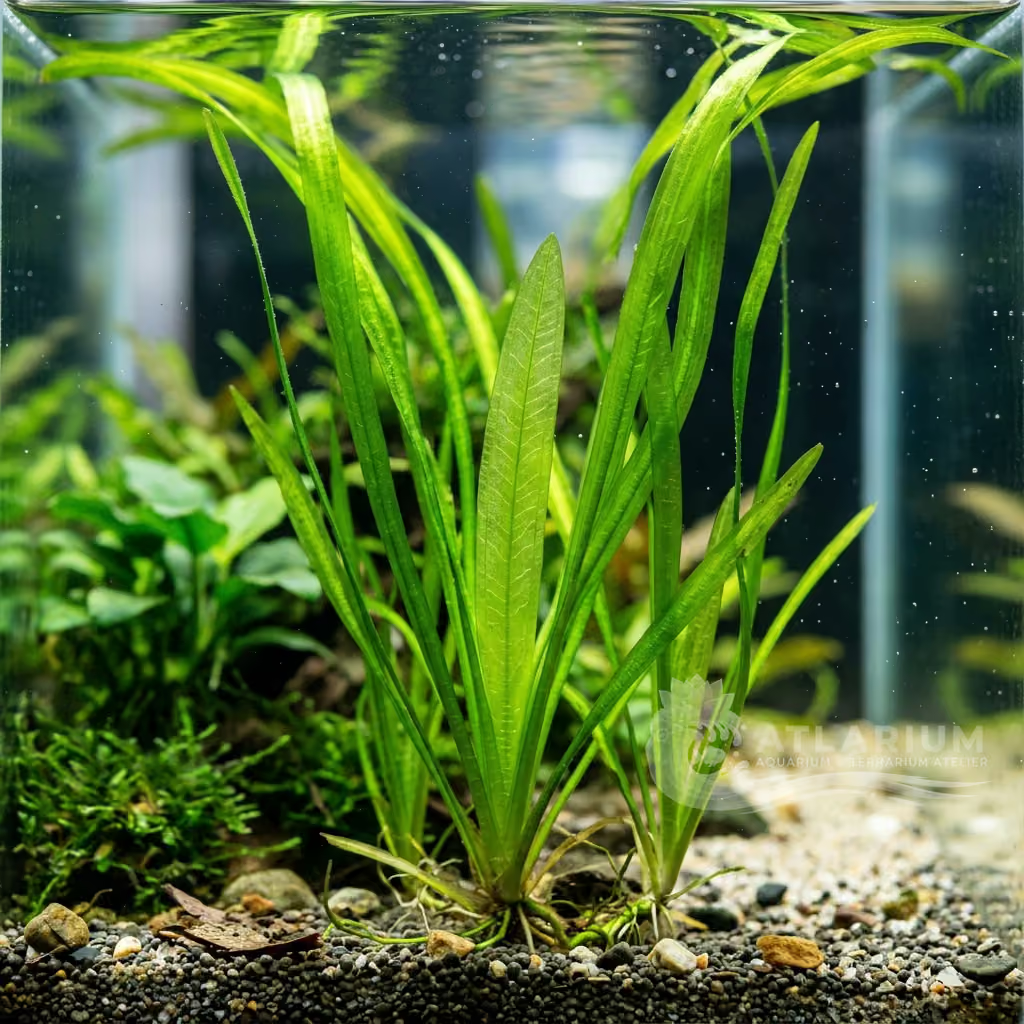
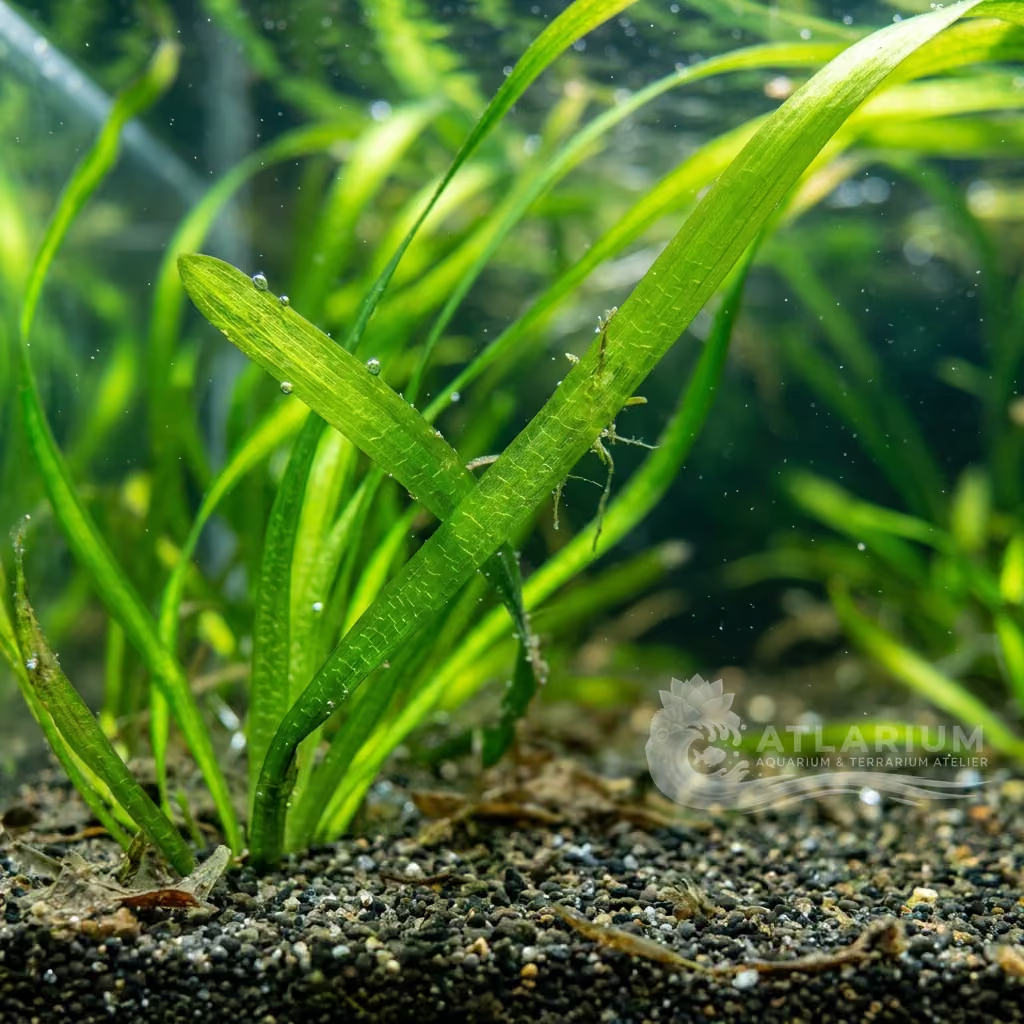
Physical Structure: The physical structure of Vallisneria asiatica var. biwaensis is characterized by long, ribbon-like leaves that emerge from a basal rosette, rooting firmly in the substrate. The leaves can reach considerable lengths, typically within the range of 30-60 cm (12-24 inches) under optimal conditions, though size can vary. This plant actively propagates via stolons, or runners, which extend horizontally through the substrate and produce new plantlets, allowing for rapid colonization of available space. Its vigorous growth makes it excellent for creating a submerged "jungle" effect.
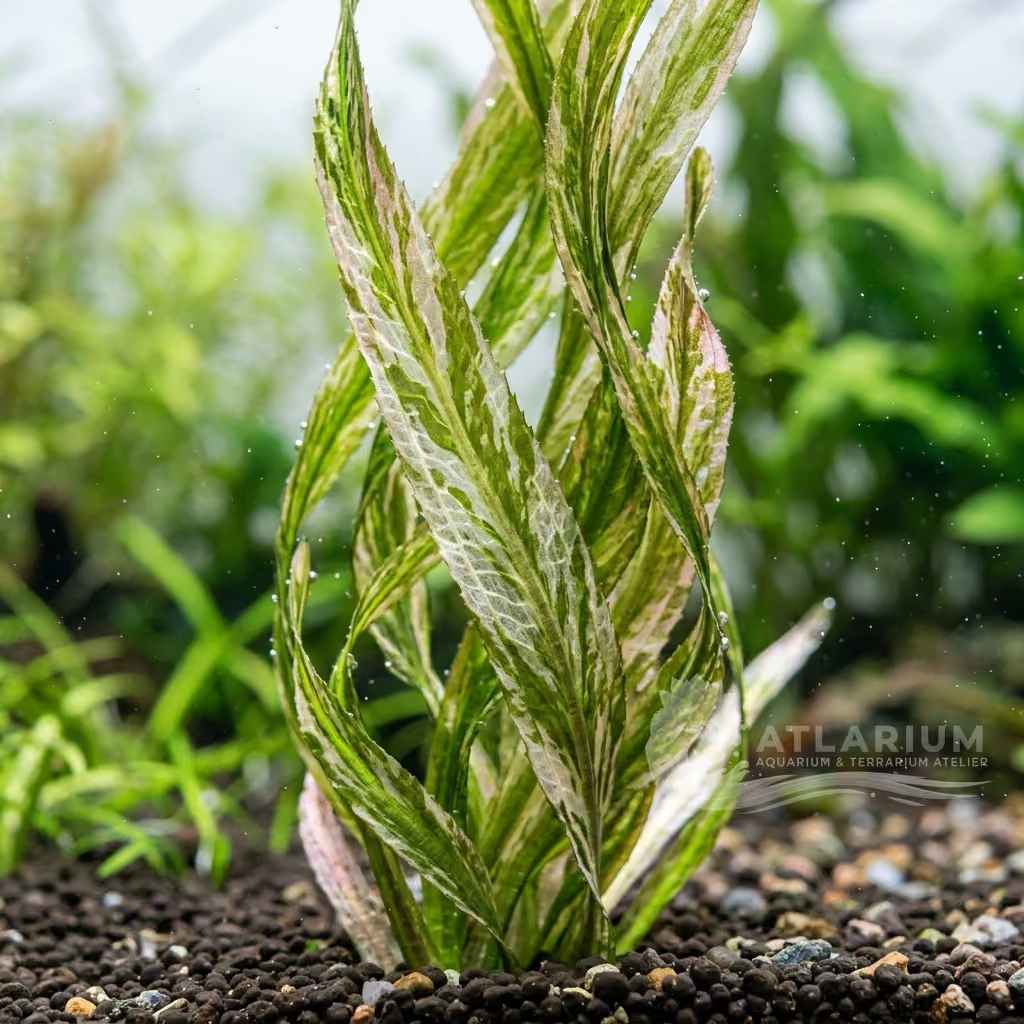
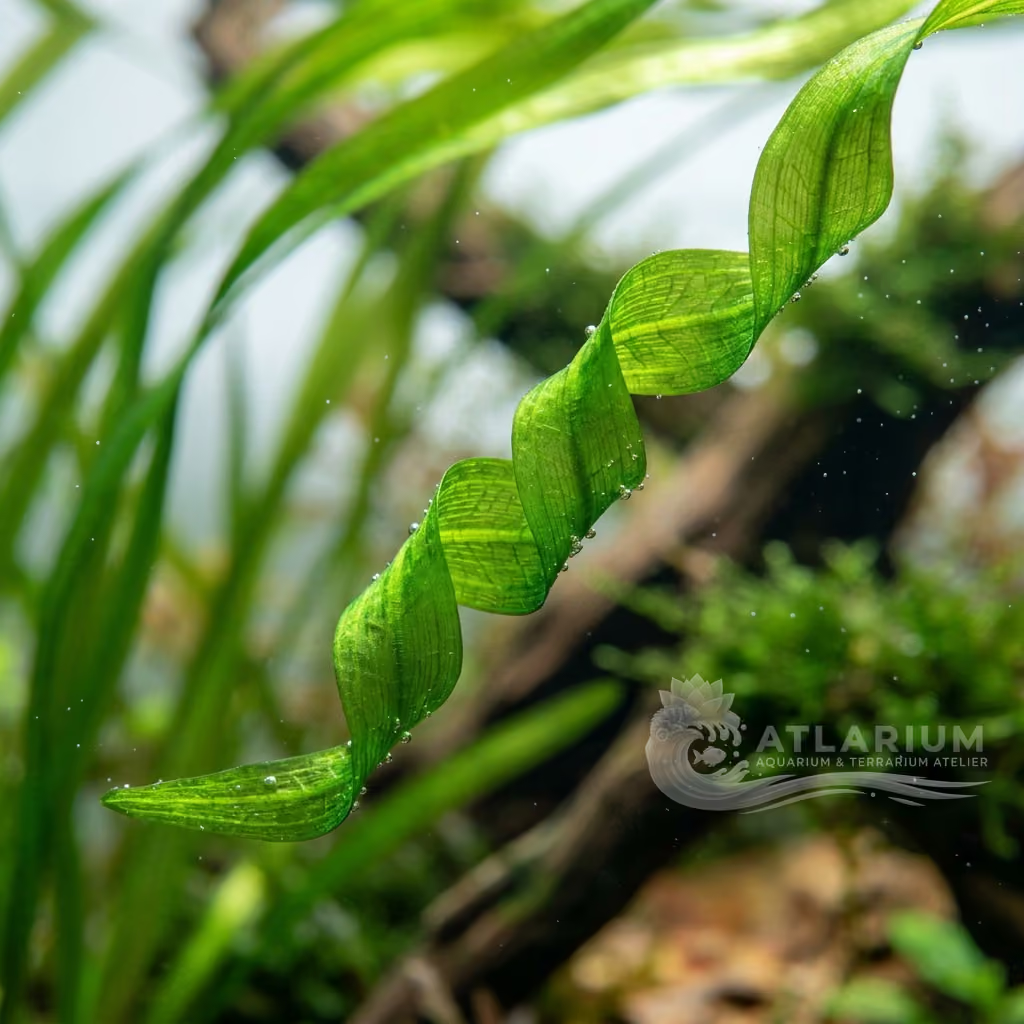
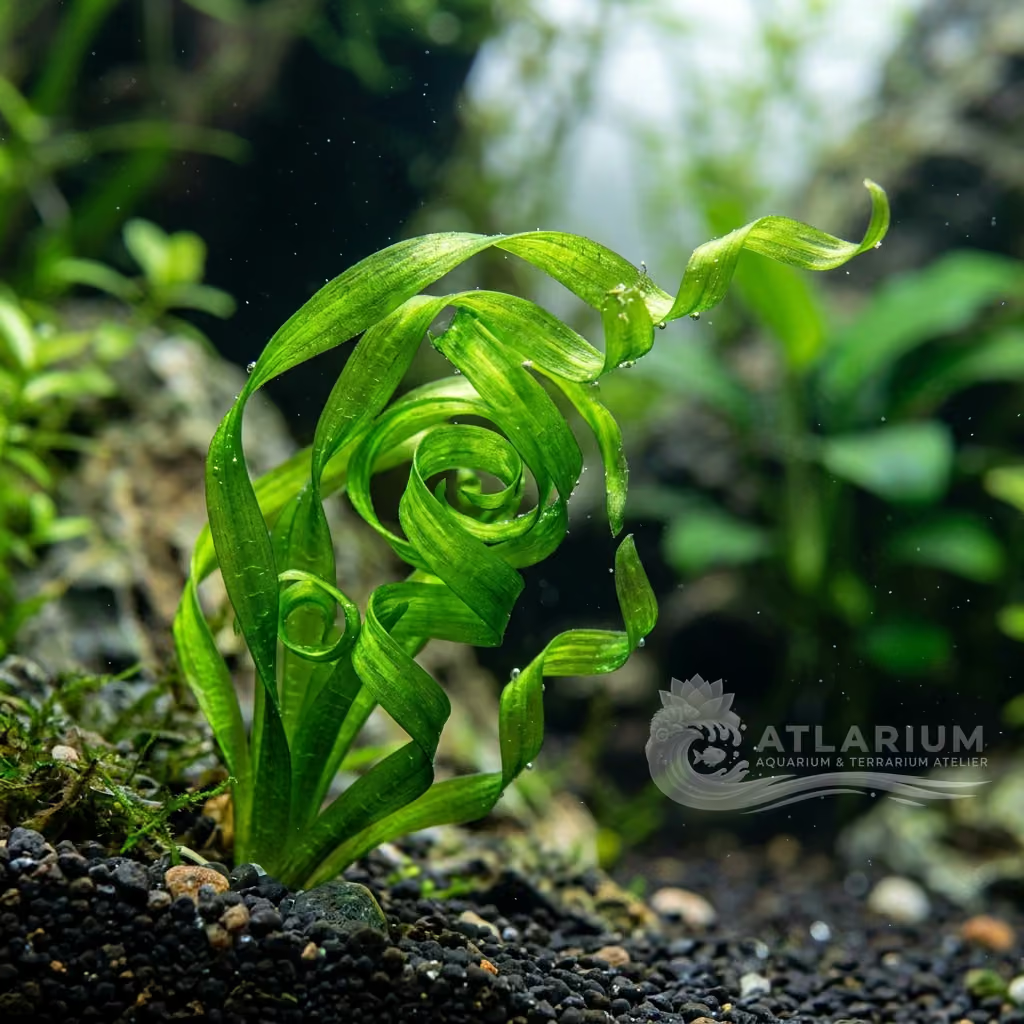
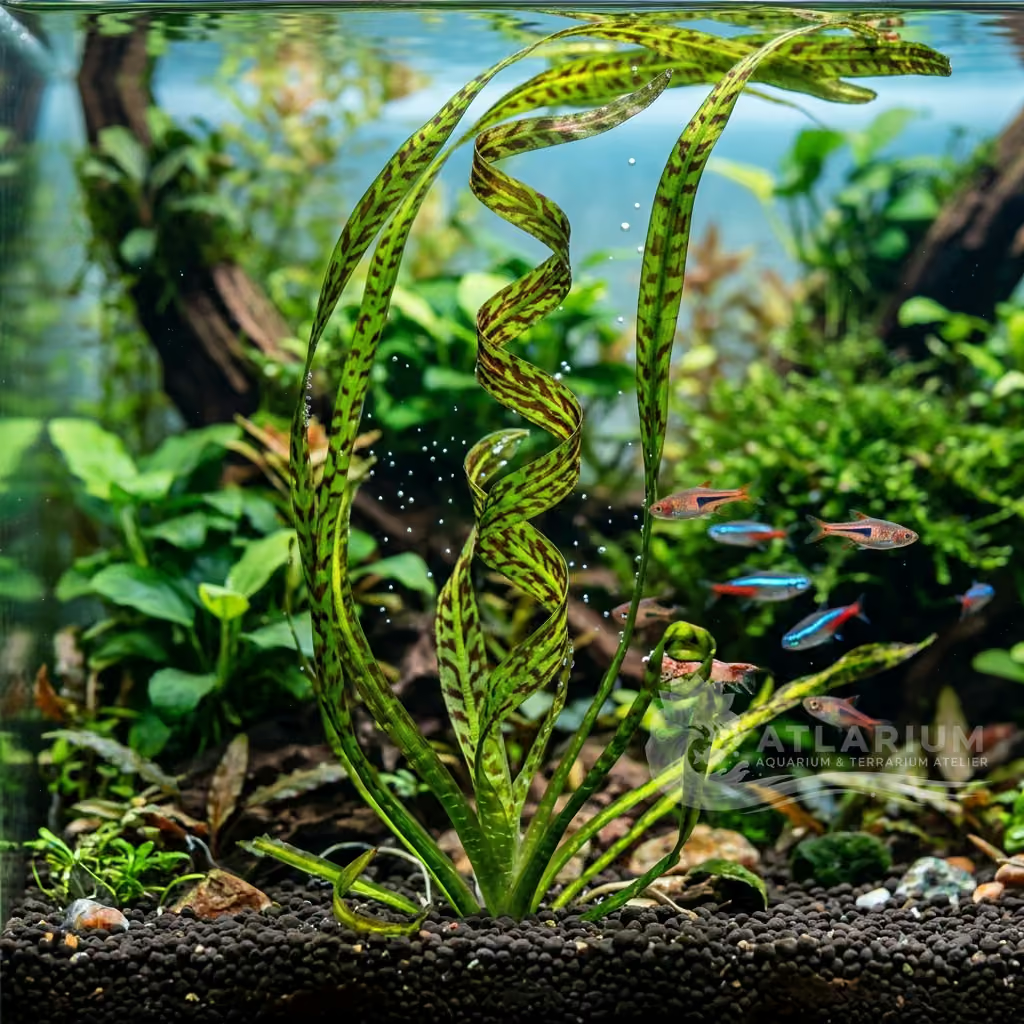
Color & Texture: The leaves of Vallisneria asiatica var. biwaensis exhibit a vibrant bright green to medium green color, which can vary in intensity depending on light conditions and nutrient availability. One of its most distinctive features is the wavy or slightly crinkled texture of its leaf margins, which lends it a dynamic and elegant appearance. This particular morphology adds visual interest to the aquarium, distinguishing it from other Vallisneria species with smoother leaves. The leaf surface is generally smooth to the touch, reflecting a cuticle adapted for submerged life.

Cuidado, criação e companheiros de tanque
Lighting & CO2: Vallisneria asiatica var. biwaensis thrives under medium to high lighting, which promotes robust growth and a vibrant green coloration. While it can tolerate moderate light conditions, higher light intensity encourages faster and denser growth. CO2 injection is not strictly necessary for survival, but it is highly recommended to maximize growth rates and prevent lime deposition on leaves, especially in hard
Water Chemistry: environments. A good supply of carbon dioxide supports intense photosynthesis, resulting in healthier and more luxuriant plants.
Nutrition & Substrate: As a primarily root-feeding plant, Vallisneria asiatica var. biwaensis greatly benefits from a nutrient-rich substrate. The integration of fertilizer tabs or capsules directly into the substrate near the roots is highly recommended to ensure a constant supply of essential micronutrients. A good aquatic plant substrate should be porous and rich in iron and potassium, which are crucial elements for leaf health and preventing deficiencies. Although it absorbs some nutrients from the water column, the majority of its nutritional needs are met through a fertile substrate.
Water Chemistry: This Vallisneria variety is remarkably tolerant of a wide range of water parameters, making it suitable for various aquarium setups. It prefers water temperatures between 4.0 and 28.0 °C (39-82 °F), though for optimal growth, a range of 20-26 °C (68-79 °F) is recommended. The ideal pH level is between 6.0 and 8.0, and carbonate hardness (KH) can range from 2.0 to 21.0. Stability in parameters is more crucial than hitting exact extreme measurements; avoiding abrupt fluctuations will help the plant thrive without stress.
Space Management & Placement: Given its rapid growth potential and ability to spread via stolons, Vallisneria asiatica var. biwaensis is ideal for midground or background placement in medium to large aquariums. Its long, flowing leaves create an "underwater wave" effect, providing excellent visual contrast and a sense of depth. It is crucial to allow sufficient space for its expansion, as it can quickly form dense patches. Strategic placement is essential to avoid overshadowing smaller plants or impeding water circulation.
Pruning: Regular pruning of Vallisneria asiatica var. biwaensis is essential to control its rapid growth and maintain the aquarium's aesthetics. Older or damaged leaves should be removed by cutting them at their base, close to the substrate, to encourage the growth of new, healthy foliage. It is also important to manage its spread via stolons by severing them and removing excess plantlets to prevent the plant from overwhelming other species or spreading into undesirable areas. This careful management prevents excessive shading and maintains the overall vitality of the plant group.
Risks & Diseases: Vallisneria asiatica var. biwaensis is generally robust, but it can be susceptible to nutrient deficiencies, manifesting as yellowing or decaying leaves if the substrate is poor. Excessive algae growth on its long leaves can inhibit photosynthesis; good water circulation and nutrient balance help prevent this issue. Although resilient, sudden changes in water parameters or the use of certain harsh chemical treatments can cause shock and partial "melting" of the leaves. A stable environment is the best defense against most risks.

Origem e distribuição geográfica
Vallisneria asiatica var. biwaensis originates from Lake Biwa in Japan, the largest freshwater lake in the country, from which it derives its specific name. In its natural habitat, it thrives in clear, often relatively calm waters, rooting firmly in sandy or silty substrates at various depths. Its presence in such a significant lake environment highlights its adaptability to a wide range of aquatic conditions, making it a robust species for aquariums. This native environment has endowed it with remarkable tolerance to temperature fluctuations and water parameters.
Origem
Leste Asiático

Perfil da planta
- Posicionamento
- Plano intermediário
- These plants are overwhelmingly utilized as background vegetation due to their towering leaf span. They should be planted directly into the substrate at the rear of the aquarium. The leaves will gracefully arch across the water surface, creating a dynamic visual flow.
- Forma botânica
- Roseta
- Originating from Lake Biwa, this variety is distinct for its intensely spiraled, highly decorative leaves. The narrow, twisted blades curl elegantly from base to tip, providing an unusual texture. It remains slightly more compact than typical tapegrasses, making it versatile.
- Crescimento
- Rápida
- The growth rate is exceptionally fast, especially when the roots have established in a mature substrate. It continuously sends out runners to colonize available space. Frequent maintenance may be required to keep it from shading the entire tank.
- Substrato
- Alta
- *Vallisneria asiatica* var. biwaensis demands a thick, fertile substrate layer to support its robust root growth and characteristic corkscrew leaves. A substrate depth of roughly 5 to 7 centimeters gives the roots ample room to stretch and securely grip the bottom. Because the plant pulls the bulk of its nutrition directly from the soil, a high-quality aqua soil or regular additions of root tabs are necessary. This localized nutrient availability prevents nutrient deficiencies and promotes rapid vegetative reproduction along the substrate surface.
- Fertilização de coluna
- Recomendada
- Liquid fertilization is beneficial as a supplement but not the primary driver of growth. Regular dosing ensures the leaves remain vibrant and free of nutrient deficiencies. However, it will adapt well even in setups with minimal water column fertilization if the roots are fed.
- Fertilização radicular
- Nenhuma
- Root fertilization is paramount for the long-term success and vitality of this species. It develops a massive root system that rapidly depletes substrate nutrients. Providing root tabs or a rich aquasoil will dramatically improve leaf size and overall health.
- Corte
- Ocasional
- Trimming leaves by cutting them across the middle can lead to tissue decay at the cut site. It is better to remove older, overgrown leaves completely at the base. To control spreading, simply sever the runners and remove the unwanted daughter plants.
- Propagação
- Estolões
- Propagation is incredibly easy and happens naturally via lateral runners. A healthy mother plant will continuously push out runners that root nearby to form new plants. These can be separated with sharp scissors once the daughter plant has established a few leaves.
- Sensibilidade
- Moderada
- Like many tapegrasses, it is notoriously sensitive to liquid carbon supplements like glutaraldehyde. Dosing these products frequently causes the plant to melt away completely. It is otherwise very hardy and tolerates a wide range of water parameters and temperatures.
- Função de layout
- Plano intermediário, Fundo
- It is a quintessential background plant that adds height and vertical motion to the aquascape. The trailing leaves create beautiful overhead shading that mimics natural river margins. It is also excellent for concealing hardware like filters and heaters at the back.

Galeria de imagens
Imagens licenciadas vinculadas à espécie ou, quando marcadas, ao táxon representativo mais próximo.

Espécies relacionadas
Recomendações agrupadas por parentes próximos, escolhas de acompanhantes e cuidados semelhantes.