Jungle Val
Vallisneria spiralis
Vallisneria spiralis is a classic, hardy background plant. Cosmopolitan in nature, it thrives under moderate to high light, spreading quickly via runners.
Temperatura da água
18 - 30 °C
Valor de pH
6.5 - 8.5
Tipo de água
Água doce
Luz
Media
CO2
Bassa
Altura esperada
80 cm
Largura esperada
10 cm
GH
8 - 25 dGH
KH
4 - 18 dKH

Descrição da espécie
Geographical Origin and Habitat: Vallisneria spiralis is a cosmopolitan species naturally distributed throughout temperate, subtropical, and tropical regions worldwide, with a long-established presence in the Mediterranean basin, Africa, Asia, and Australia. It inhabits permanent, slow-moving freshwater bodies such as slow rivers, irrigation canals, lakes, and ponds. It grows in dense submerged beds on sandy or muddy substrates, often in shallow to moderately deep waters where light can effectively reach the bottom.
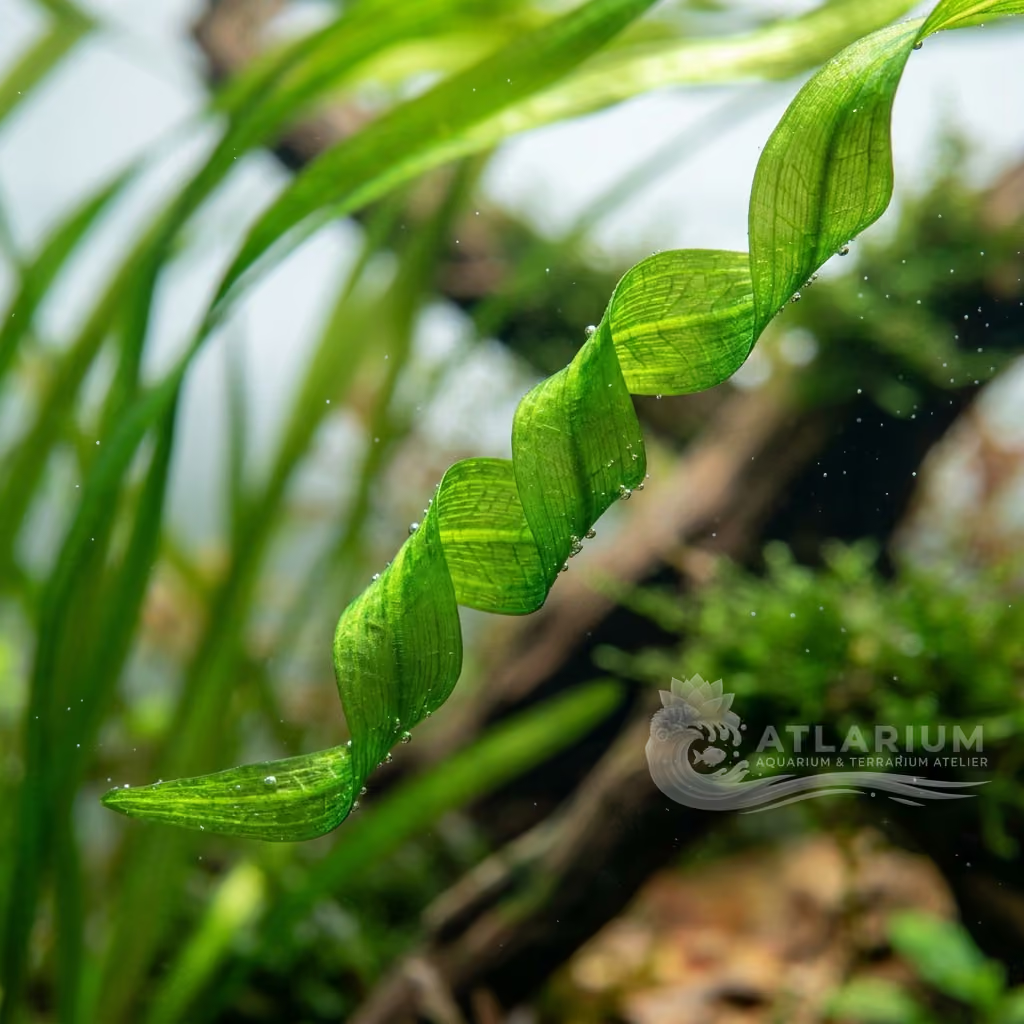
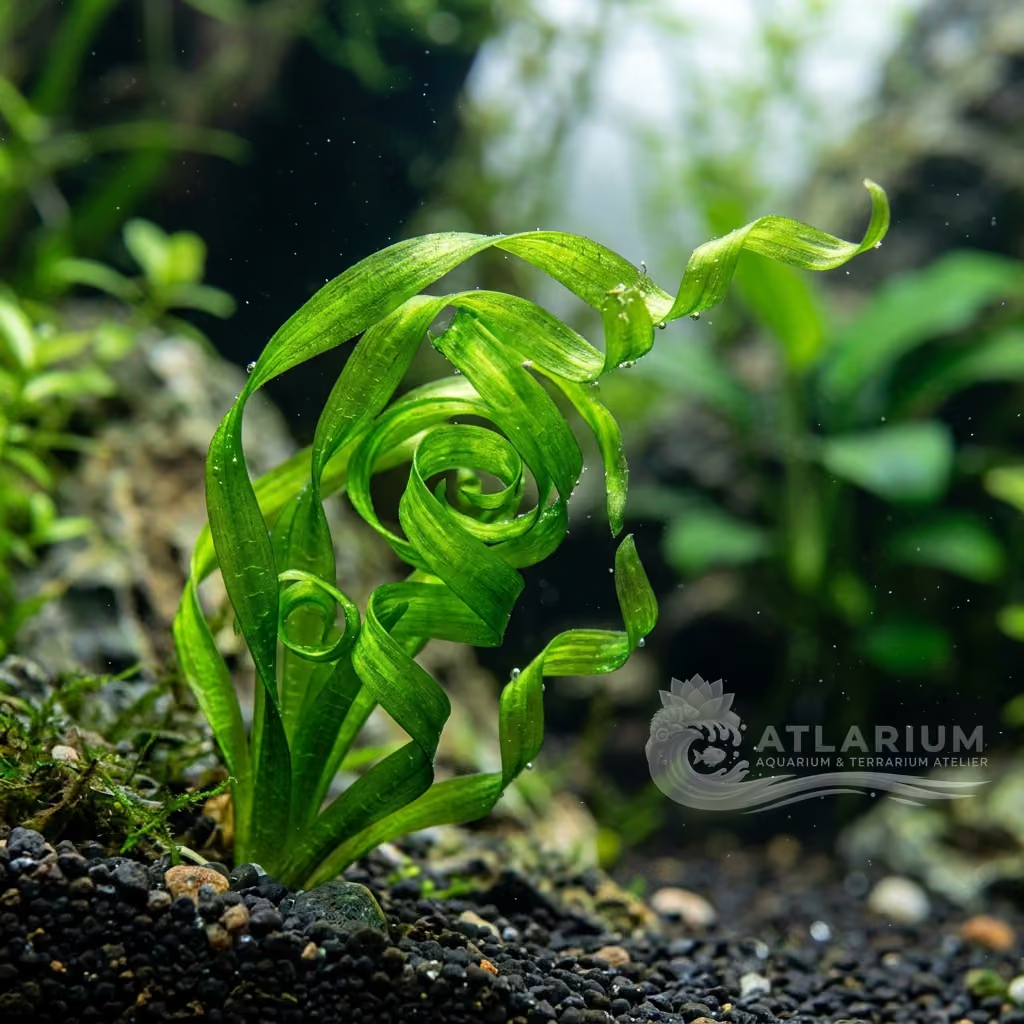
Taxonomy & Genetics: Belonging to the Hydrocharitaceae family, Vallisneria spiralis is the type species of the genus Vallisneria, originally described by Carl Linnaeus. The specific name "spiralis" does not refer to the shape of the leaves (which are straight and ribbon-like) but to the spiraling of the female flower stalk after pollination, a unique evolutionary adaptation that pulls the flower beneath the water surface for seed maturation.
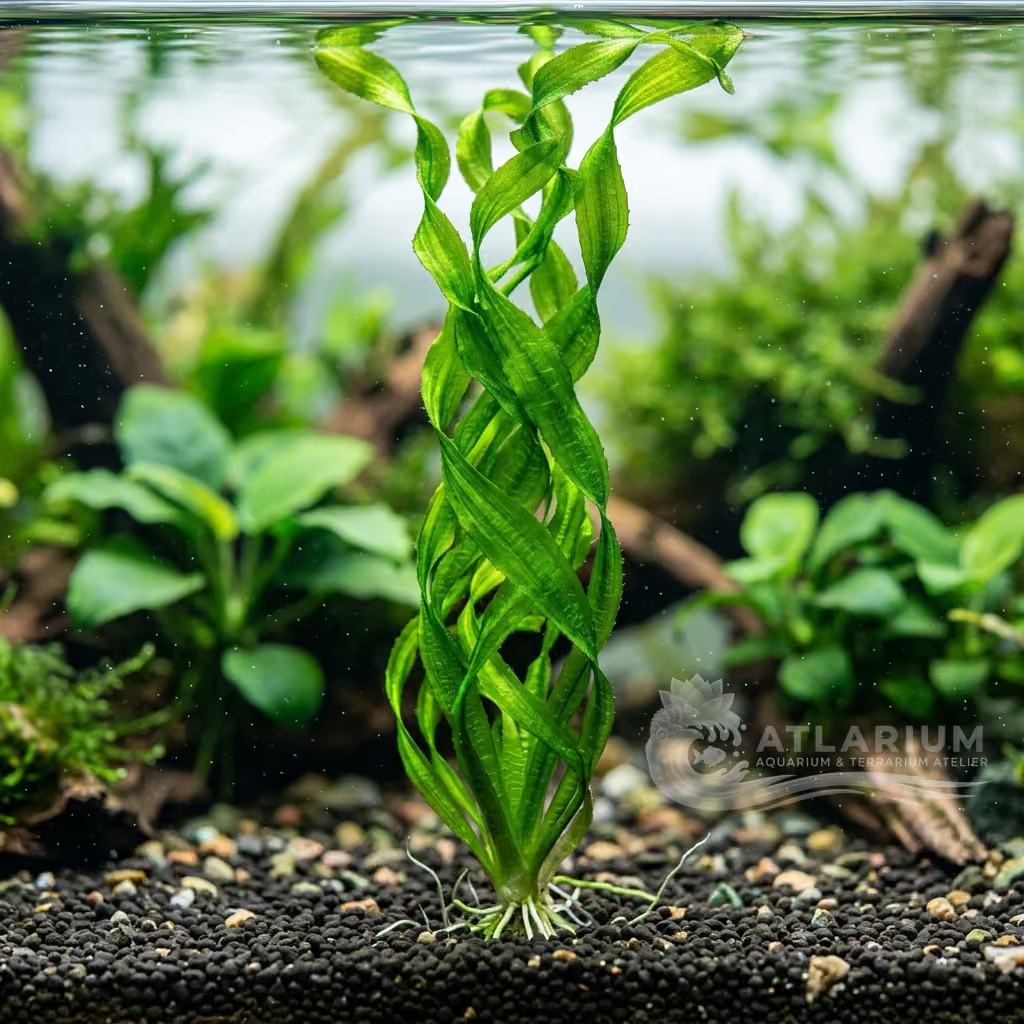
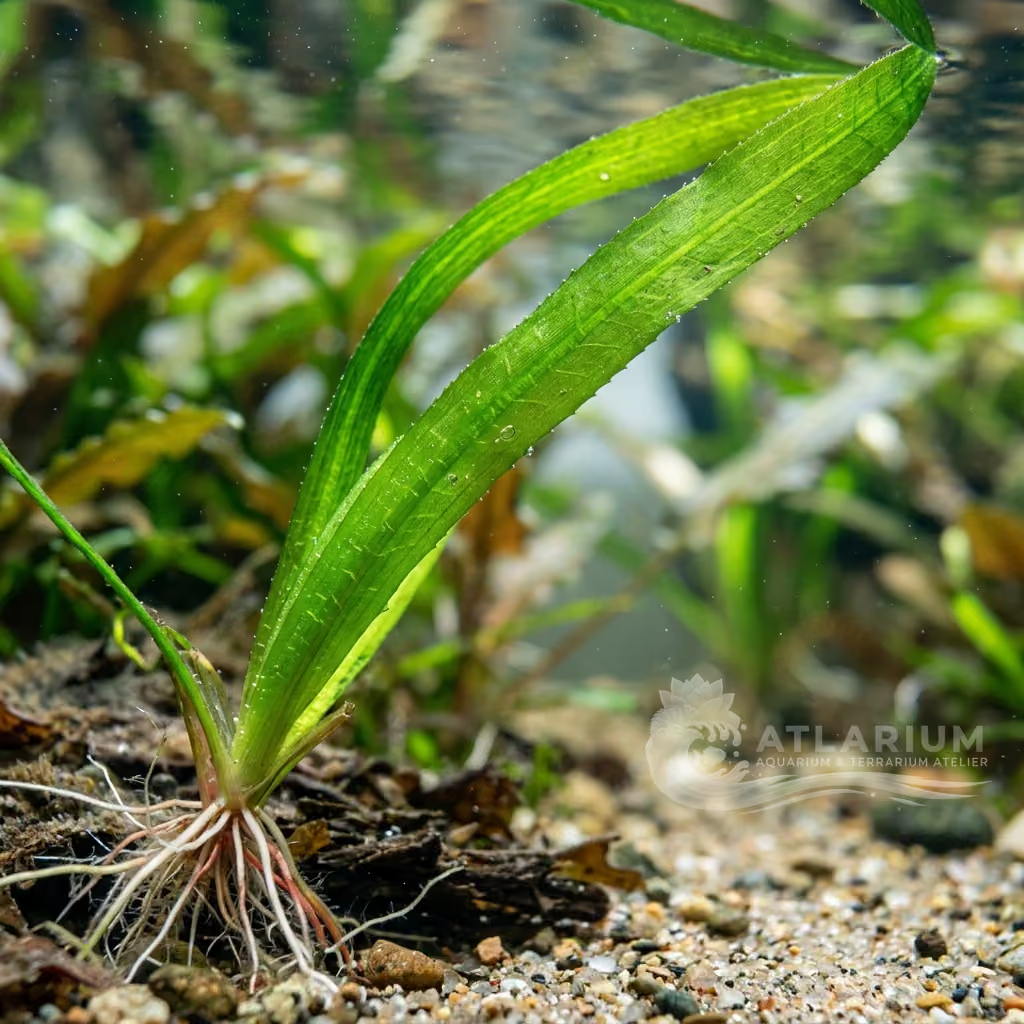
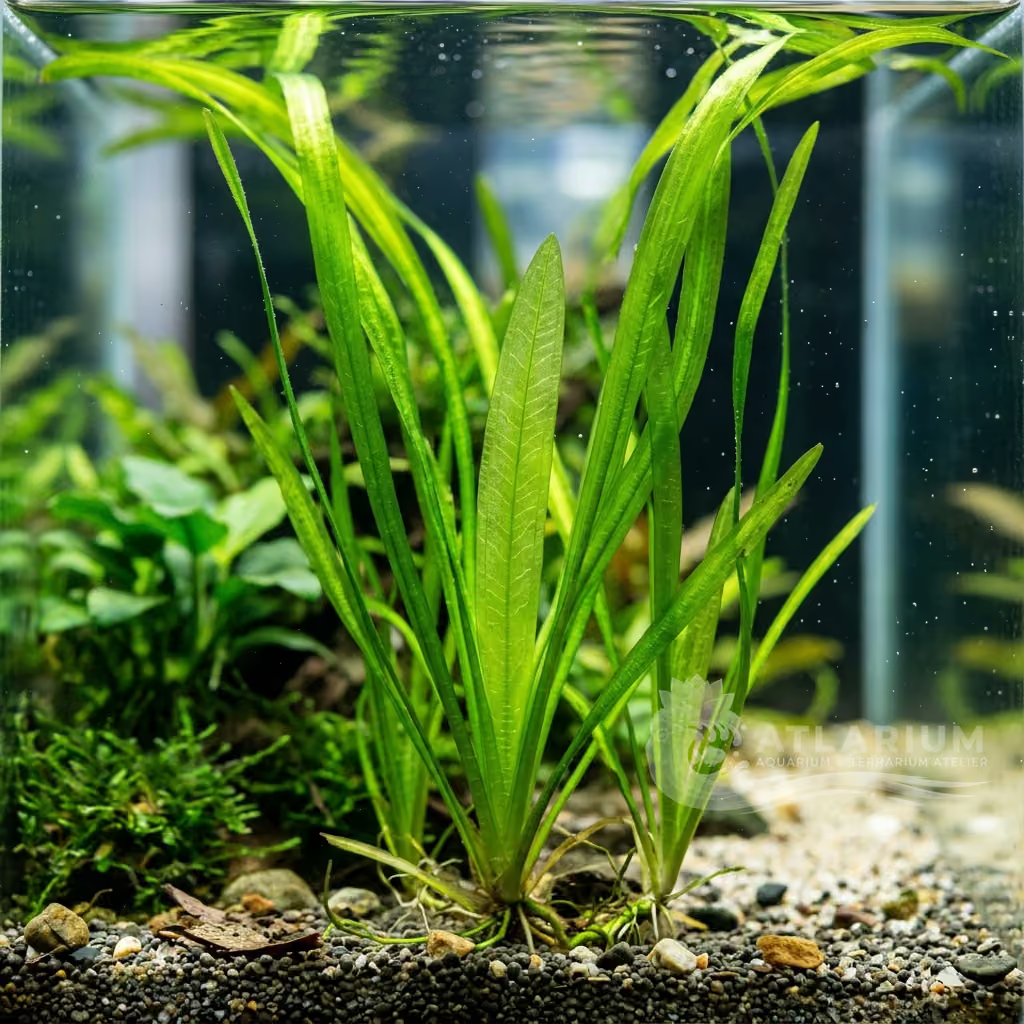
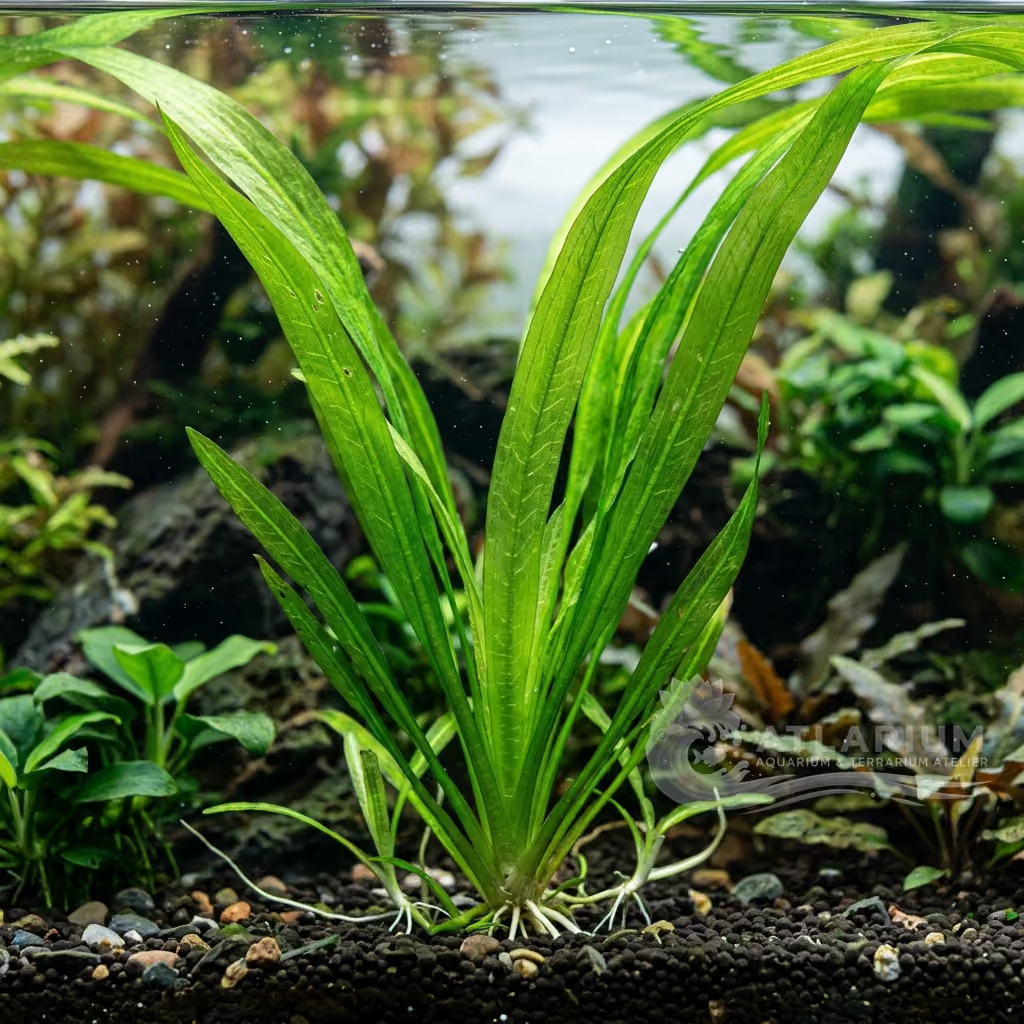
Physical Structure: The plant has a rosette growth habit. It features long, ribbon-like, flexible yet tough leaves without petioles, rising directly from a central crown. The root system consists of thick, whitish, fibrous roots that are exceptionally long and strong, designed to anchor the plant firmly in sandy substrates against water currents. Vegetative reproduction occurs via horizontal runners (stolons) that sprout new daughter rosettes.
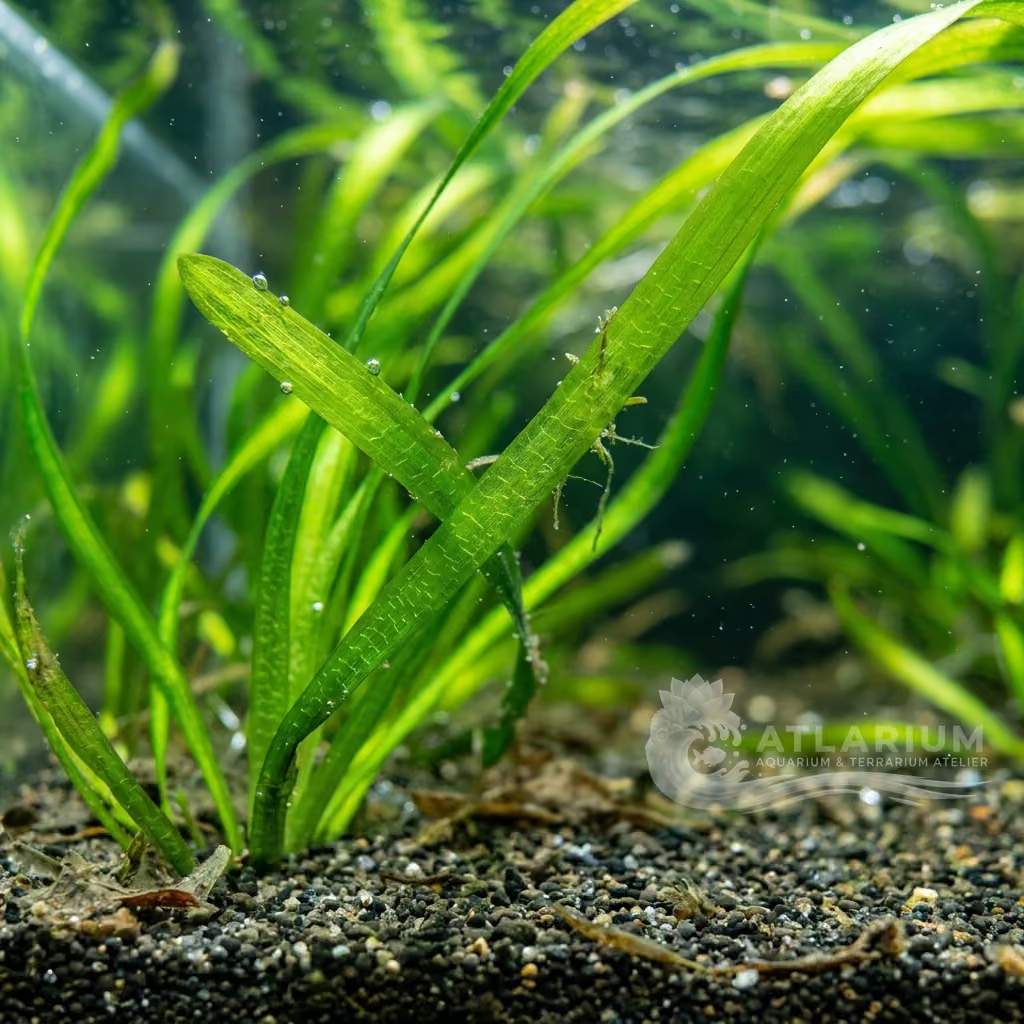
Color & Texture: The leaves are translucent, ranging from light green to vibrant emerald green. The leaf texture features prominent, parallel longitudinal veins running the entire length of the blade, connected by faint cross-veins. The leaf margins may show microscopic serrations near the tips. The leaves are flexible but have enough structural integrity to flow gracefully in currents without folding or collapsing.

Cuidado, criação e companheiros de tanque
Lighting & CO2: It requires moderate to high light levels to stimulate fast and healthy growth. CO2 injection is not strictly necessary for successful cultivation, as it can efficiently utilize inorganic carbon from dissolved bicarbonates in the water (biogenic decalcification). However, CO2 supplementation encourages much faster growth and produces thicker, more robust leaves.
Nutrition & Substrate: This species is a heavy root feeder. While it can absorb nutrients from the water column, it requires a deep, nutrient-rich substrate to develop its extensive root system. Using a premium aquasoil or a sandy bed regularly enriched with root tabs containing iron and macronutrients is highly recommended. Growth will stall significantly in inert, nutrient-poor substrates.
Water Chemistry: It prefers moderately hard to hard water, with a neutral to alkaline pH (6.5 - 8.5) and a very broad temperature range (18°C - 30°C). It exhibits a strong sensitivity to liquid carbon sources (glutaraldehyde) commonly used as algaecides; exposure even to small doses can cause rapid melting and decay of the entire foliage.
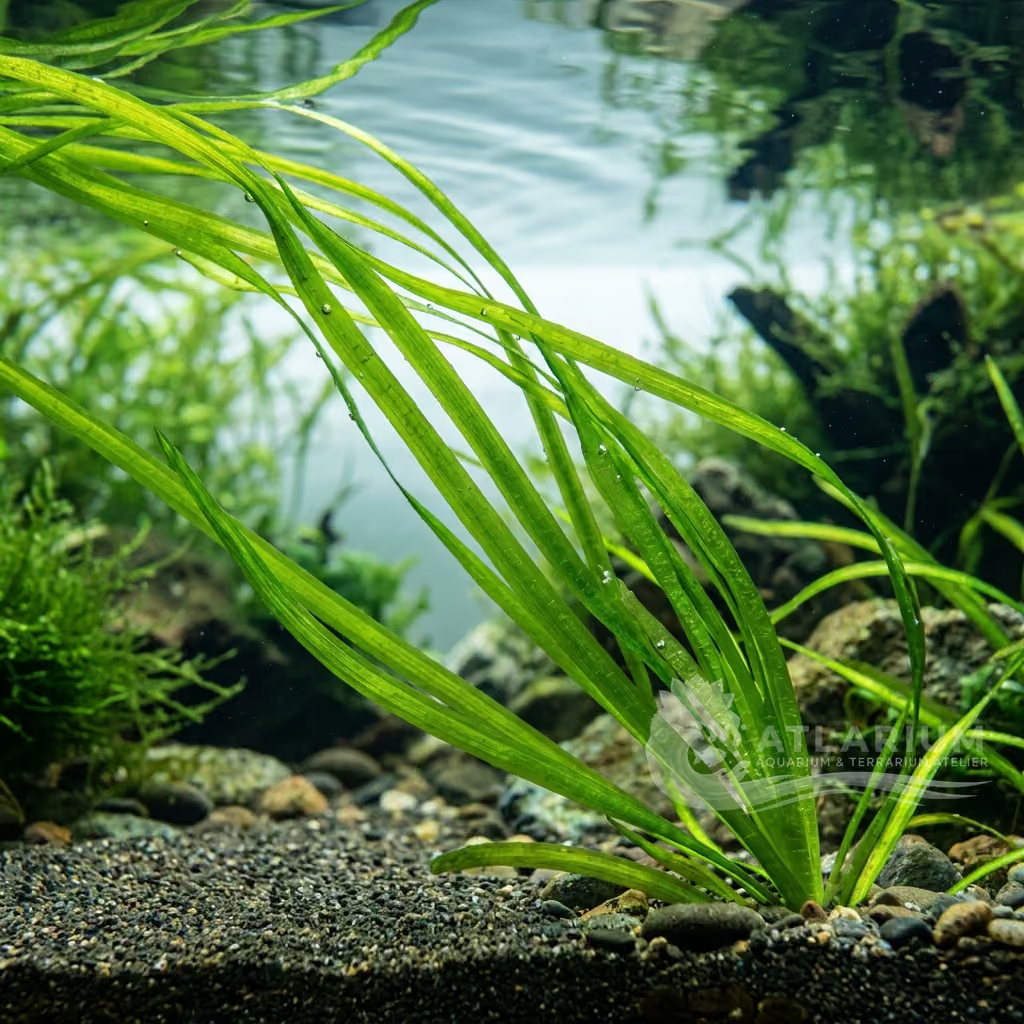
Space Management & Placement: Due to the substantial height its leaves can reach (often exceeding 80 cm), it should be positioned exclusively in the background or along the sides of the aquarium. The leaves will float along the water surface, creating shaded areas that can shelter shy fish but may block light for demanding foreground plants. When planting, it is crucial not to bury the white crown to prevent rot.
Pruning: Pruning should be performed by trimming the entire leaf off at the base of the rosetta. It is not recommended to cut leaves in half, as the severed tips will turn yellow, decay, and slowly rot back to the base. To control its spread, simply cut the runners connecting unwanted daughter plants to the mother plant and pull them out.
Risks & Diseases: The main risk is crown rot caused by planting the rosette too deeply in the substrate. Another common issue is leaf melting when introduced to new aquariums with unstable parameters or when exposed to glutaraldehyde-based products. Iron deficiencies are quickly indicated by new leaves growing pale, yellow, or translucent.

Origem e distribuição geográfica
Vallisneria spiralis is a cosmopolitan species naturally distributed throughout temperate, subtropical, and tropical regions worldwide, with a long-established presence in the Mediterranean basin, Africa, Asia, and Australia. It inhabits permanent, slow-moving freshwater bodies such as slow rivers, irrigation canals, lakes, and ponds. It grows in dense submerged beds on sandy or muddy substrates, often in shallow to moderately deep waters where light can effectively reach the bottom.
Origem
Cosmopolita ou apresentado

Perfil da planta
- Posicionamento
- Fundo
- Due to its potential size, Vallisneria spiralis is best suited for the background of the aquarium. Its tall leaves can reach the surface and beautifully trail along the water flow. It provides excellent shelter for shy fish species and breeding pairs. Placing it in groups creates a stunning, natural-looking aquatic jungle.
- Forma botânica
- Roseta
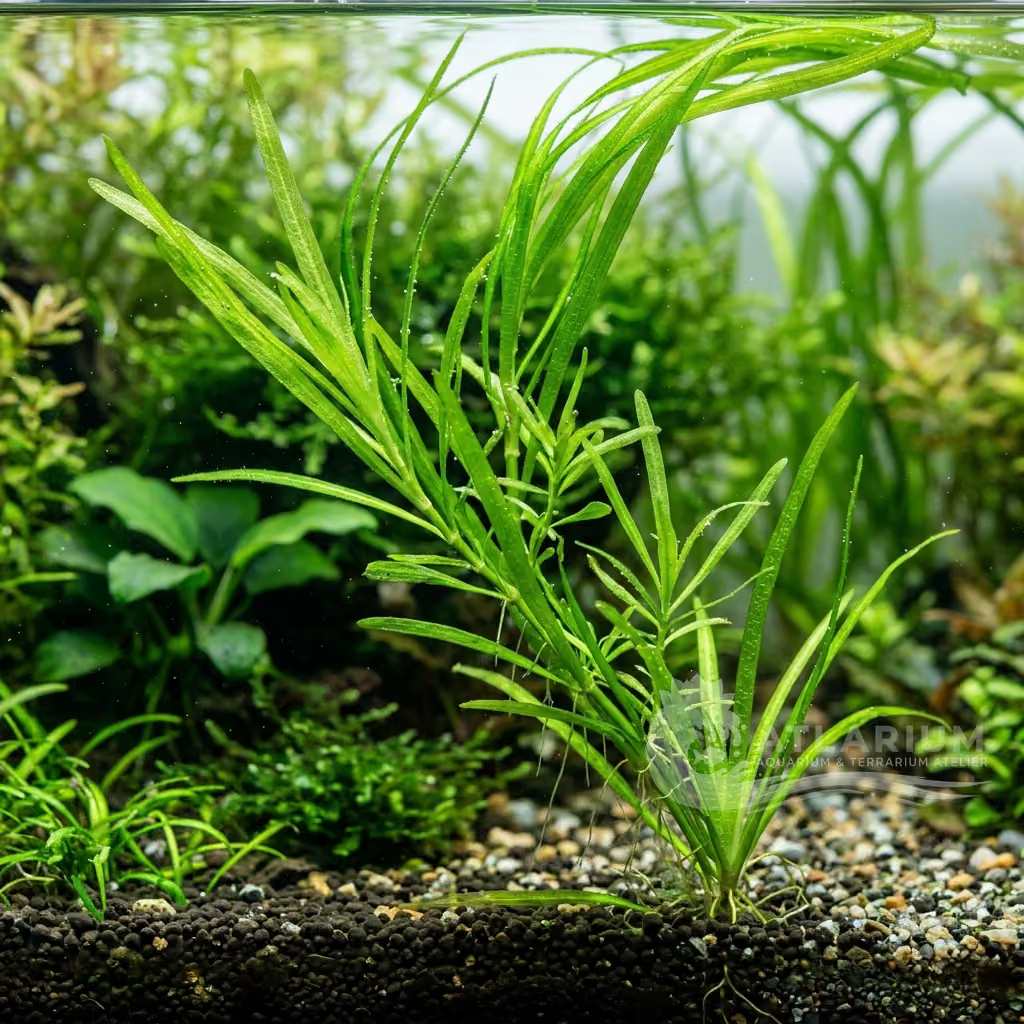
- This plant features long, ribbon-like foliage characteristic of the genus. Its leaves originate from a central basal rosette, growing upwards towards the light. The classic straight, narrow leaves make it a captivating focal point in any layout. The slightly translucent quality of the leaves adds depth to the aquascape.
- Crescimento
- Invasiva
- Vallisneria spiralis exhibits a fast to very fast growth rate under optimal conditions. Once acclimated, it quickly sends out runners to colonize available space. CO2 injection and strong lighting can further accelerate this explosive growth. Regular maintenance is required to prevent it from overtaking slower-growing plants.
- Substrato
- Alta
- Jungle Val (Vallisneria spiralis) relies heavily on its extensive root network, requiring a deep substrate bed of roughly 2 to 3 inches for proper anchorage. It is a heavy root feeder that thrives in nutrient-rich aquasoils, which fuel its rapid upward growth and runner production. If planted in plain sand or gravel, the substrate must be heavily supplemented with root tabs to meet its high nutritional demands. A deep, rich substrate ensures the plant remains securely rooted despite its towering size and natural buoyancy.
- Fertilização de coluna
- Opcional
- Water column dosing of liquid fertilizers is beneficial for Vallisneria spiralis. It readily takes in dissolved potassium, iron, and trace elements through its leaves. A balanced all-in-one liquid fertilizer applied weekly ensures the leaves remain vibrant and healthy. Avoid copper-based medications as they can harm the plant.
- Fertilização radicular
- Necessária
- Root fertilization is extremely important for the long-term success of Vallisneria spiralis. Inserting root tabs containing nitrogen, phosphorus, and iron near the base promotes thick root development. A rich soil substrate like aquasoil will provide sustained nourishment over many months. This prevents the leaves from melting and supports the production of healthy runners.
- Corte
- Ocasional
- Trimming Vallisneria spiralis requires cutting the longest leaves near the base of the plant. Avoid cutting the leaves mid-way, as the cut ends will eventually decay and turn brown. Regularly remove old, decaying, or algae-covered leaves to maintain the aesthetic appeal. Managing the runner network by snipping connecting stems keeps the spread in check.
- Propagação
- Estolões
- Propagation of Vallisneria spiralis occurs naturally and rapidly via side shoots or runners. A healthy parent plant will send out numerous runners across the substrate. Once a new plantlet develops several leaves and its own root system, the connecting runner can be severed. These new plantlets can then be relocated to other areas of the aquarium.
- Sensibilidade
- Moderada
- Vallisneria spiralis is notoriously sensitive to liquid carbon supplements like glutaraldehyde. Overdosing these chemicals can lead to immediate and severe leaf melt. It also prefers stable water parameters and may suffer during extreme fluctuations in pH or temperature. Ensuring good water flow helps prevent detritus buildup at the basal rosette.
- Função de layout
- Fundo
- Vallisneria spiralis is an archetypal background plant that adds verticality and motion to the layout. Its gracefully arching leaves create a soothing, natural curtain along the back glass. It is highly effective at hiding equipment such as heaters and filter intakes. By letting the classic straight, narrow leaves flow at the surface, it provides a shadowed, tranquil environment below.

Espécies relacionadas
Recomendações agrupadas por parentes próximos, escolhas de acompanhantes e cuidados semelhantes.