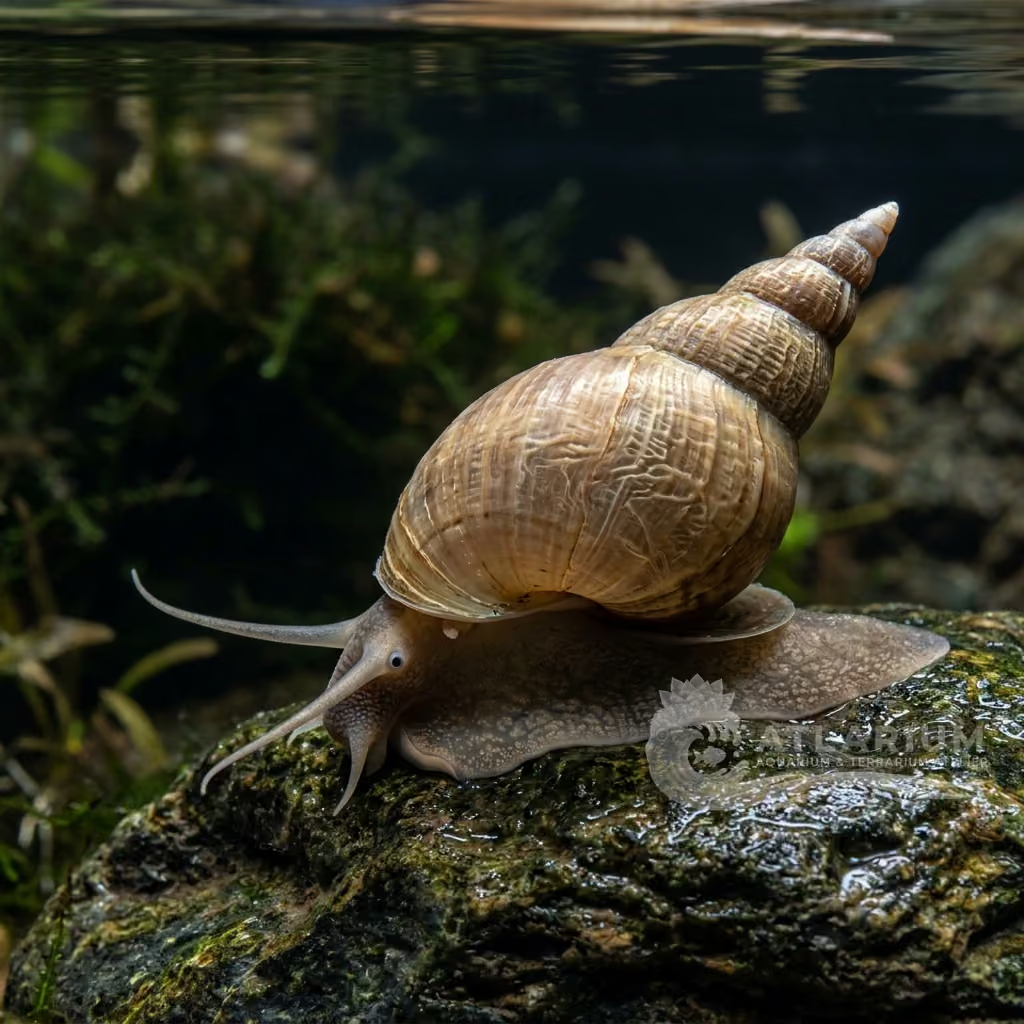
Zebra apple snail
Asolene spixii
The Zebra Apple Snail is a patterned freshwater gastropod from South America. It needs a soft substrate and a secure lid, enjoying heavily vegetated environments.
Temperatura da água
20 - 28 °C
Valor de pH
7 - 8.4
Tipo de água
Água doce
Tipo invertebrado
Freshwater snail
Tamanho adulto
3 cm
Grupo mínimo
>= 1
GH
6 - 20 dGH
KH
3 - 15 dKH
TDS
120 - 450 ppm
Papel ecológico
Scavenger
Sensibilidade ao cobre
High

Descrição da espécie
Geographical Origin and Habitat: The Zebra Apple Snail (*Asolene spixi*) is a highly unique, beautifully patterned freshwater gastropod natively endemic to the massive, warm, slow-moving river basins and heavily vegetated floodplains of South America, primarily within the Paraná River system in Brazil, Argentina, and Paraguay. Their natural biotope is defined by heavily planted, sluggish waters over soft mud and sandy substrates, where they forage extensively among dense roots and submerged vegetation.
Taxonomy: Scientifically classified within the Ampullariidae (Apple Snail) family, they are the significantly smaller cousins to the massive Mystery Snails (*Pomacea diffusa*). Fully mature adults generally only reach 3.0 to 4.0 centimeters (1.2-1.6 inches) in shell length. They feature a smooth, rounded, globe-like shell that lacks a sharp conical point. Like all Apple Snails, they possess a lung, gills, a long breathing siphon, and a tough operculum (trapdoor). Their sensory tentacles are incredibly long.
Social Behavior: They are peaceful, highly active, and exceptionally curious scavengers. Unlike their massive *Pomacea* cousins, the Zebra Apple Snail is frequently active during both day and night. They spend their time rapidly gliding across the substrate and climbing plant stems. They are famous in the aquarium hobby for a very specific predatory behavior: while completely peaceful toward fish and adult shrimp, they will actively hunt and consume Hydra, as well as the eggs of other snail species (like Ramshorns).
Coloration and Sexual Dimorphism: Sexual dimorphism is visually non-existent; male and female reproductive organs are internal. Their primary draw is their spectacular, unmistakable shell coloration. The smooth, rounded shell features a highly saturated, bright yellow or pale gold base color, which is densely wrapped with perfectly contrasting, sharply defined, dark brown or pitch-black horizontal "zebra" stripes. Their fleshy body and exceptionally long tentacles are a pale, ghostly grey-white or pale yellow.

Cuidado, criação e companheiros de tanque
Tank Setup: The aquarium architecture must accommodate their active nature and need for atmospheric air. A minimum 40-liter (10-gallon) tank is required. The substrate should be soft sand or fine gravel to prevent injury to their foot. Because they possess a lung and utilize a breathing siphon, an exposed air gap of 1-2 inches above the waterline is unconditionally mandatory. A tight-fitting lid is absolutely required, as they are notorious escape artists that will climb out and dry up on the floor.
Diet and Feeding: They are highly effective omnivores and specialized predators of micro-organisms.
CRITICAL WARNING: Unlike the plant-safe Mystery Snail, a starving *Asolene spixi* CAN and WILL consume soft, delicate aquarium plants. To protect your plants, their appetite must be fueled daily. They eagerly consume sinking omnivore wafers, blanched vegetables (zucchini, carrots), and frozen bloodworms. They provide a massive biological benefit by actively hunting and eating Hydra and "pest" snail eggs.
Water Quality: Originating from the warm basins of South America, they strictly require stable tropical heat (22-28°C / 72-82°F). Keeping them in cold water will cause lethargy and death. To maintain their beautiful, striped shells, they STRICTLY require hard, alkaline water (GH 8-15, pH 7.2 - 8.2) rich in dissolved calcium. Keeping them in soft, acidic water (below pH 7.0) is absolutely forbidden; it will rapidly pit, whiten, and dissolve their shells, exposing their internal organs and causing death.
Compatibility and Tankmates: Compatibility is generally excellent for peaceful community tanks. They are fantastic companions for small Tetras, Rasboras, and Corydoras. While they will not hunt adult Neocaridina shrimp, they are opportunistic and may consume freshly laid shrimp eggs if they find them. They MUST NEVER be housed with aggressive, snail-eating predators (massive Loaches, large Cichlids, Pufferfish). They are actively used as biological control to slowly reduce populations of "pest" Ramshorn and Bladder snails.
Aquarium Breeding: Breeding the Zebra Apple Snail is unique among the Ampullariidae family. Unlike Mystery Snails that lay hard pink egg clutches completely above the water, *Asolene spixi* lays gelatinous, transparent egg masses completely UNDERWATER, attached to plant leaves, glass, or hardscapes. The eggs take 2-3 weeks to hatch into fully formed, tiny replicas of the adults. They breed slowly and steadily, rarely causing the massive, explosive population booms associated with "pest" snails.
Risks and Diseases: The absolute greatest physical risk is slow, agonizing death from massive shell degradation (pitting and whitening) caused by keeping them in soft, acidic water lacking calcium; hard, alkaline water is unconditionally mandatory. The second major risk is death by desiccation; if a tight lid is not used, they will climb out of the tank and dry up. Finally, they pose a moderate risk to delicate aquatic plants if they are not provided with enough vegetables and sinking wafers.

Origem e distribuição geográfica
The Zebra Apple Snail (*Asolene spixi*) is a highly unique, beautifully patterned freshwater gastropod natively endemic to the massive, warm, slow-moving river basins and heavily vegetated floodplains of South America, primarily within the Paraná River system in Brazil, Argentina, and Paraguay. Their natural biotope is defined by heavily planted, sluggish waters over soft mud and sandy substrates, where they forage extensively among dense roots and submerged vegetation.
Origem
Extra-Amazônica América do SulAmérica do Norte

Perfil de invertebrados
- Dieta
- Biofilm grazer
- The diet of Asolene spixii typically reflects its natural foraging behavior as a freshwater snail. It thrives on a varied diet that can include specialized commercial foods, naturally occurring biofilm, and appropriately sized organic matter. Providing a balanced nutritional profile ensures robust health, strong coloration, and proper energy levels. Supplemental feeding should be adjusted based on the maturity of the tank and the presence of natural food sources.
- Papel ecológico
- Scavenger
- In its native habitat and the home aquarium, Asolene spixii plays a vital ecological role. It contributes significantly to the processing of organic waste and the maintenance of a balanced micro-ecosystem. By engaging in natural behaviors like scavenging, grazing, or sifting, it helps prevent the accumulation of detritus. This species is often considered a crucial component of a comprehensive clean-up crew.
- Tamanho adulto
- 3 cm
- Risco de salto
- Yes
- Despite being aquatic, Asolene spixii can present a flight or jump risk under certain conditions. Many invertebrates will attempt to climb out of the water if parameters drop off, oxygen is low, or they are harassed by tank mates. A tightly fitting lid or screen top is highly recommended to prevent accidental desiccation. Ensuring ideal water conditions is the best deterrent to escape attempts.
- Sensibilidade ao choque
- High
- Sudden shifts in water parameters can trigger severe osmotic shock in Asolene spixii. It requires slow, careful acclimation, preferably using the drip method over several hours. Rapid changes in temperature, salinity, or pH can lead to immediate stress, failed molts, or mortality. Maintaining absolute stability in the tank is more important than chasing specific target values.
- Cálcio e minerais
- High
- Adequate calcium levels are absolutely essential for the structural integrity and growth of Asolene spixii. For crustaceans and snails, it facilitates proper shell and exoskeleton development, while for corals, it builds the skeletal structure. Aquarists must regularly monitor calcium concentration alongside alkalinity and magnesium. Supplementation through specialized products or mineral-rich foods may be necessary in depleted systems.
- Muda
- Shell growth
- If applicable to this species, the molting process is a highly vulnerable period for Asolene spixii. During this time, the animal will hide while its new exoskeleton hardens, requiring peace and stable water chemistry. The discarded molt should generally be left in the tank, as it provides a valuable source of recycled minerals. A lack of iodine or calcium can lead to fatal molting issues, often referred to as the 'white ring of death'.
- Reprodução
- Variable
- The reproductive strategy of Asolene spixii can range from simple cloning and fragmentation to complex larval stages requiring varying water conditions. Successful captive breeding often signifies excellent water quality and a well-balanced environment. While some species will readily multiply and populate the tank, others may require specialized rearing setups for the offspring to survive. Researching their specific larval development phase is critical for aquarists aiming to breed them.
- Compatibilidade e companheiros de tanque
- Peaceful
- When selecting tank mates for Asolene spixii, cautious planning is imperative to avoid predation or aggressive competition. Small or peaceful invertebrates should not be housed with aggressive fish, loaches, or large crabs that might view them as food. Conversely, some specialized invertebrates form symbiotic relationships that can be highlighted in a community setup. A heavily planted or intricately rock-scaped tank often provides necessary refuges.

Galeria de imagens
Imagens licenciadas vinculadas à espécie ou, quando marcadas, ao táxon representativo mais próximo.

Espécies relacionadas
Recomendações agrupadas por parentes próximos, escolhas de acompanhantes e cuidados semelhantes.