Clinopodium brownei
Clinopodium brownei
An amphibious plant from the Americas with compact, round leaves on upright stems. It requires medium to high light to maintain density and adapts beautifully to both submerged and emersed conditions.
Temperatura da água
10 - 30 °C
Valor de pH
5 - 7.5
Tipo de água
Água doce
Luz
Medium to High
CO2
Baixa - Alta
Altura esperada
30 cm
Largura esperada
15 cm
KH
0 - 14 dKH

Descrição da espécie
Geographical Origin and Habitat: Native to warm, subtropical regions of the Americas, including the southern United States, Mexico, Central America, and the Caribbean. It colonizes muddy banks, wet meadows, canals, and temporarily flooded wetlands, growing in both submerged and emersed states.
Taxonomy & Genetics: Belongs to the Lamiaceae family (mint family) and the genus Clinopodium (formerly Micromeria). It is genetically equipped to synthesize aromatic essential oils, giving it a strong and pleasant mint fragrance when the leaves are crushed or pruned.
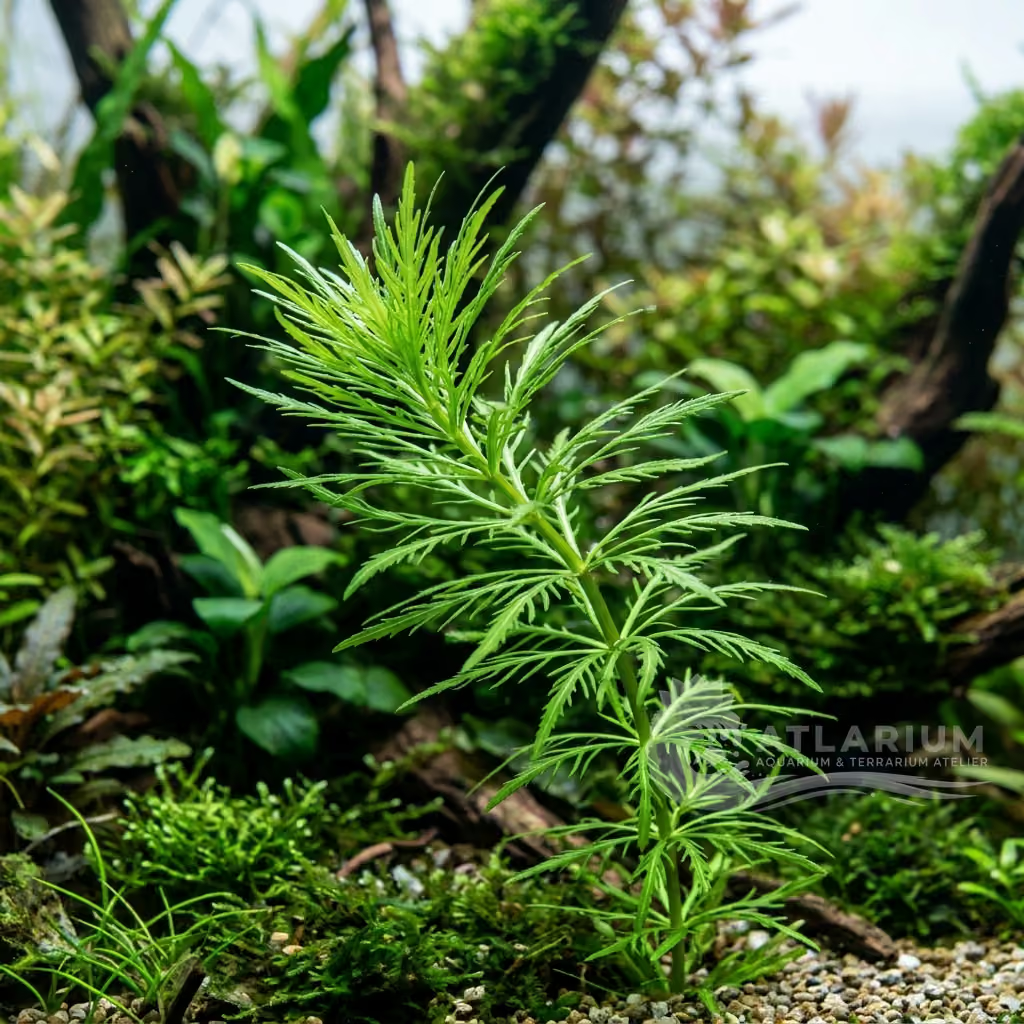
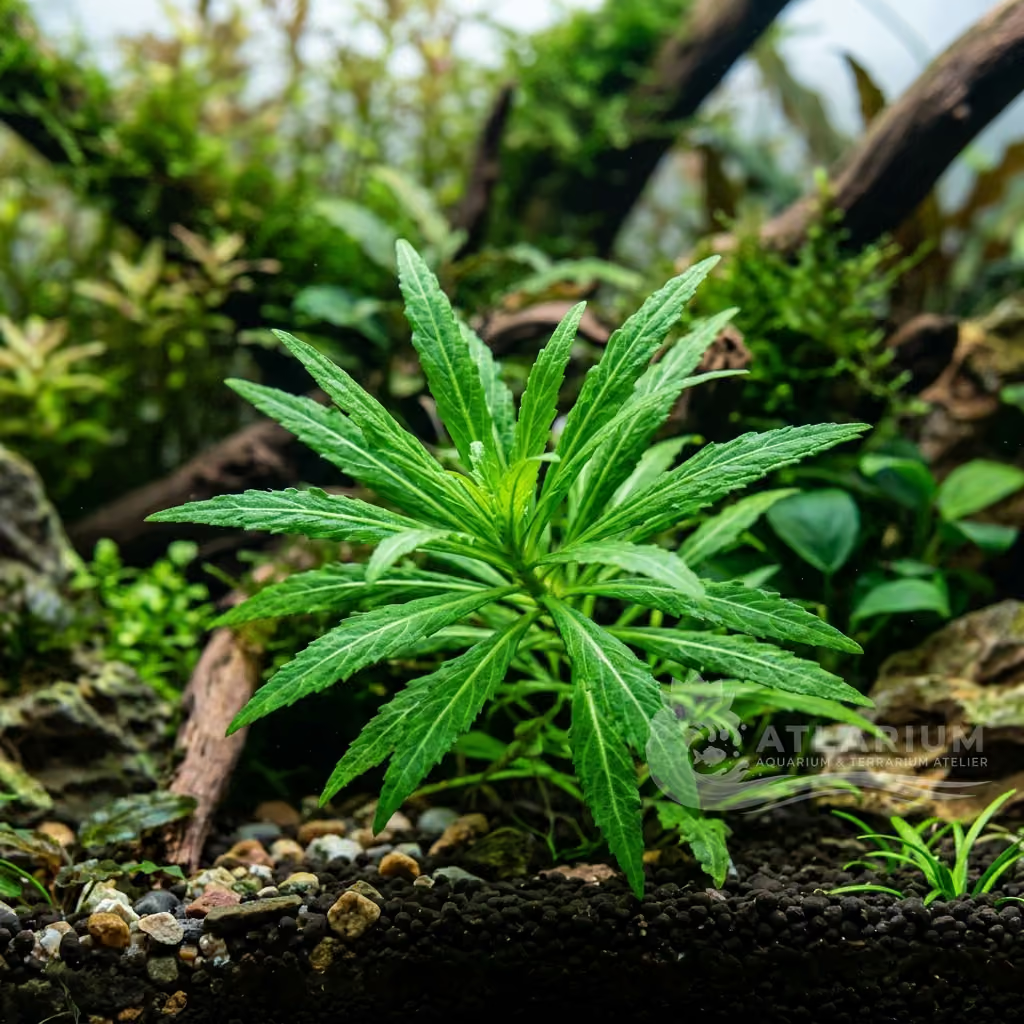
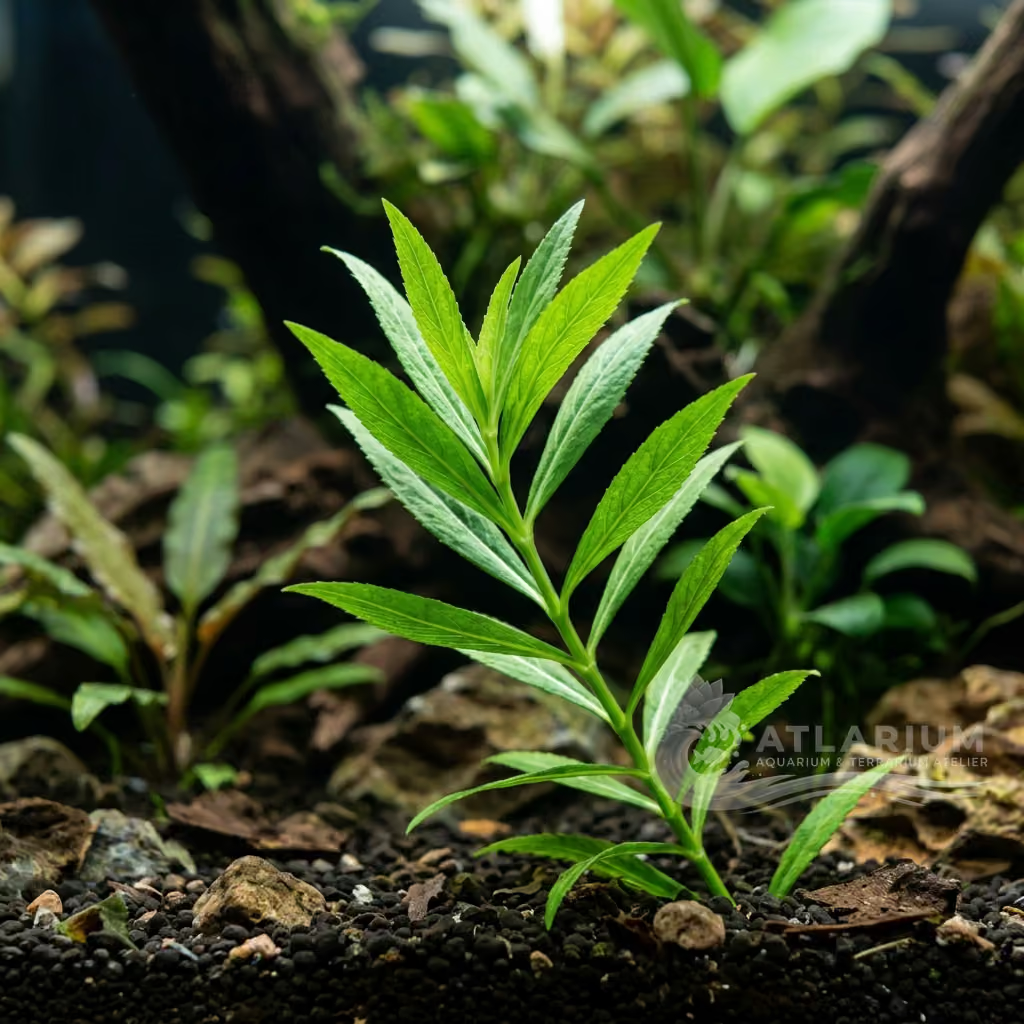
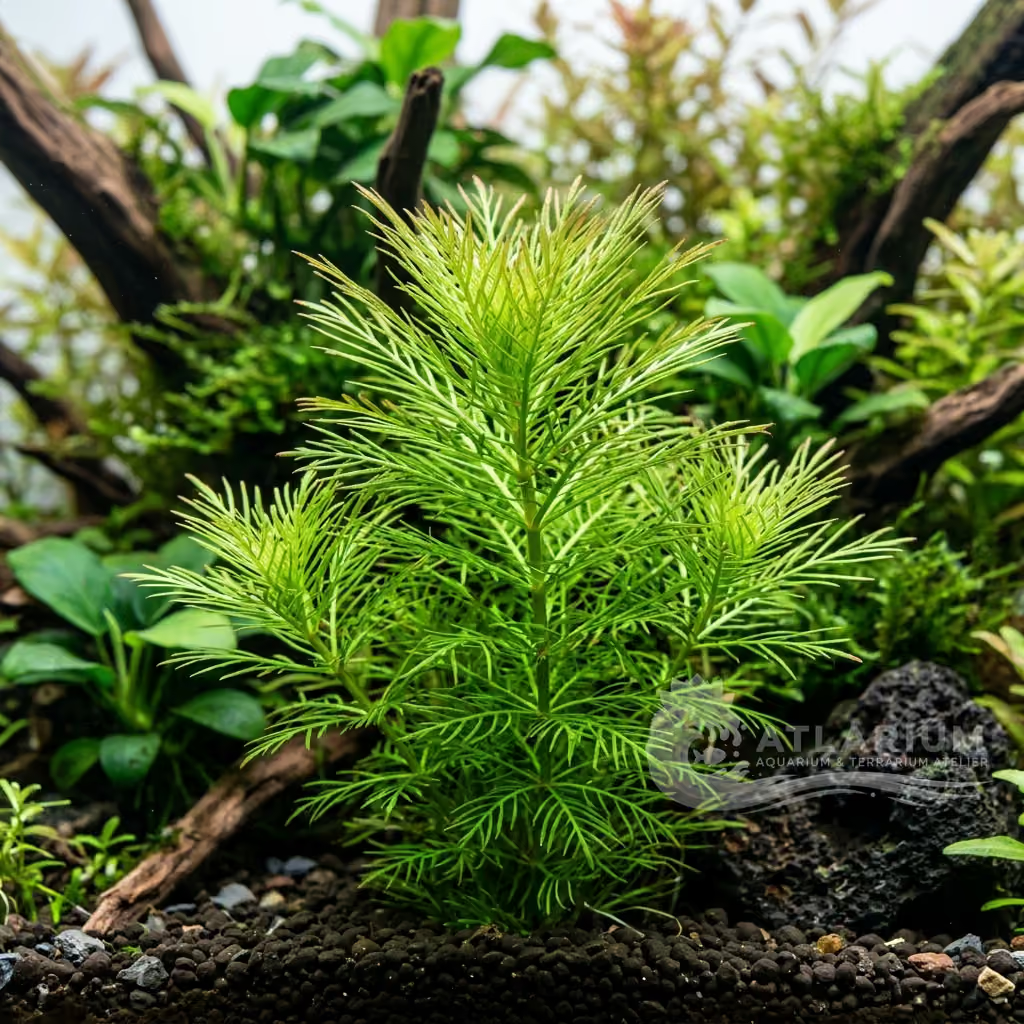
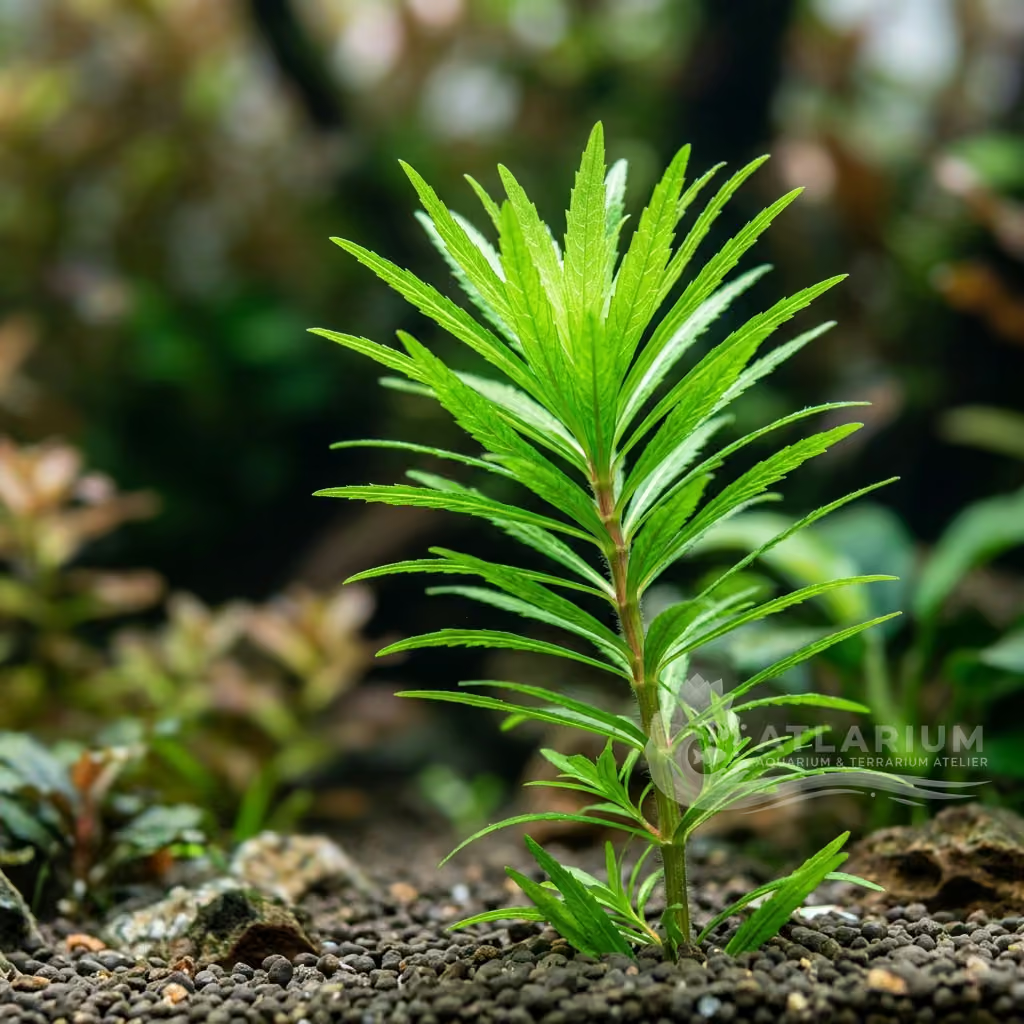
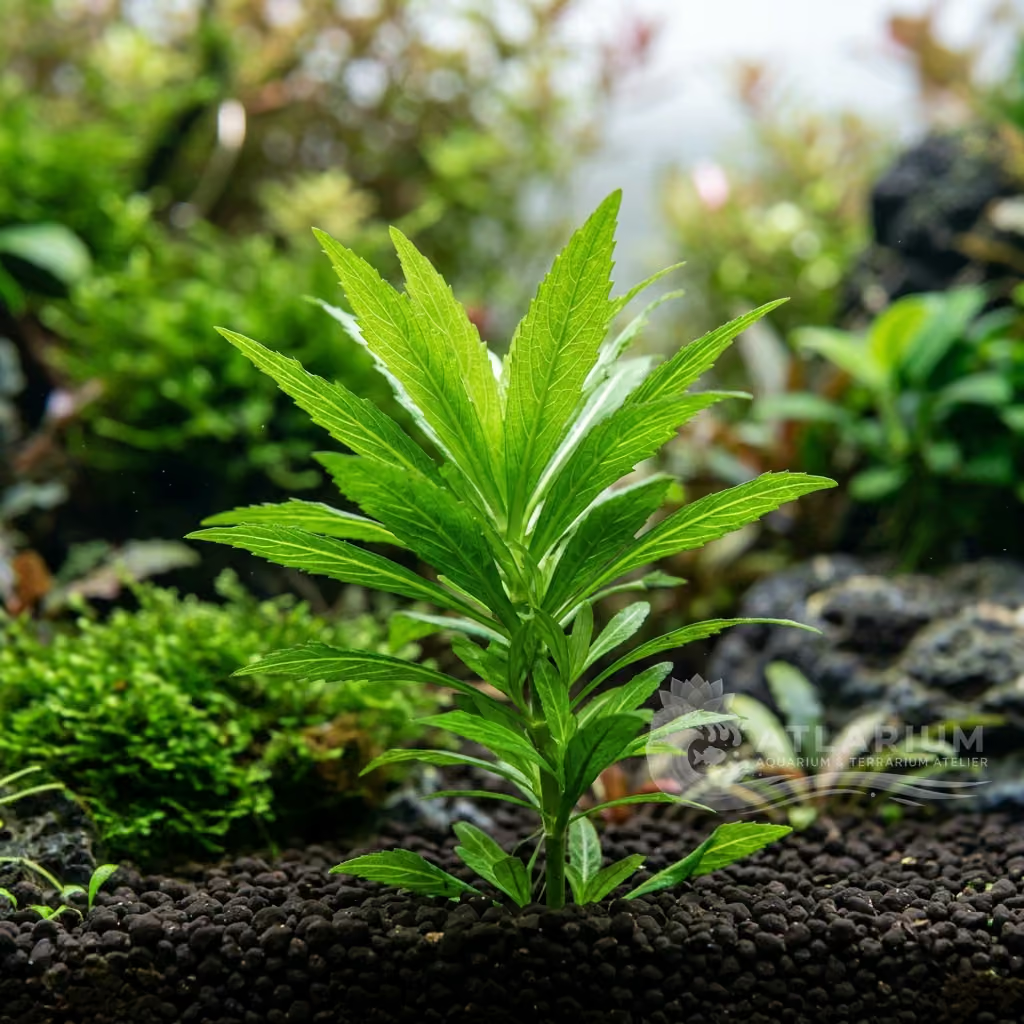
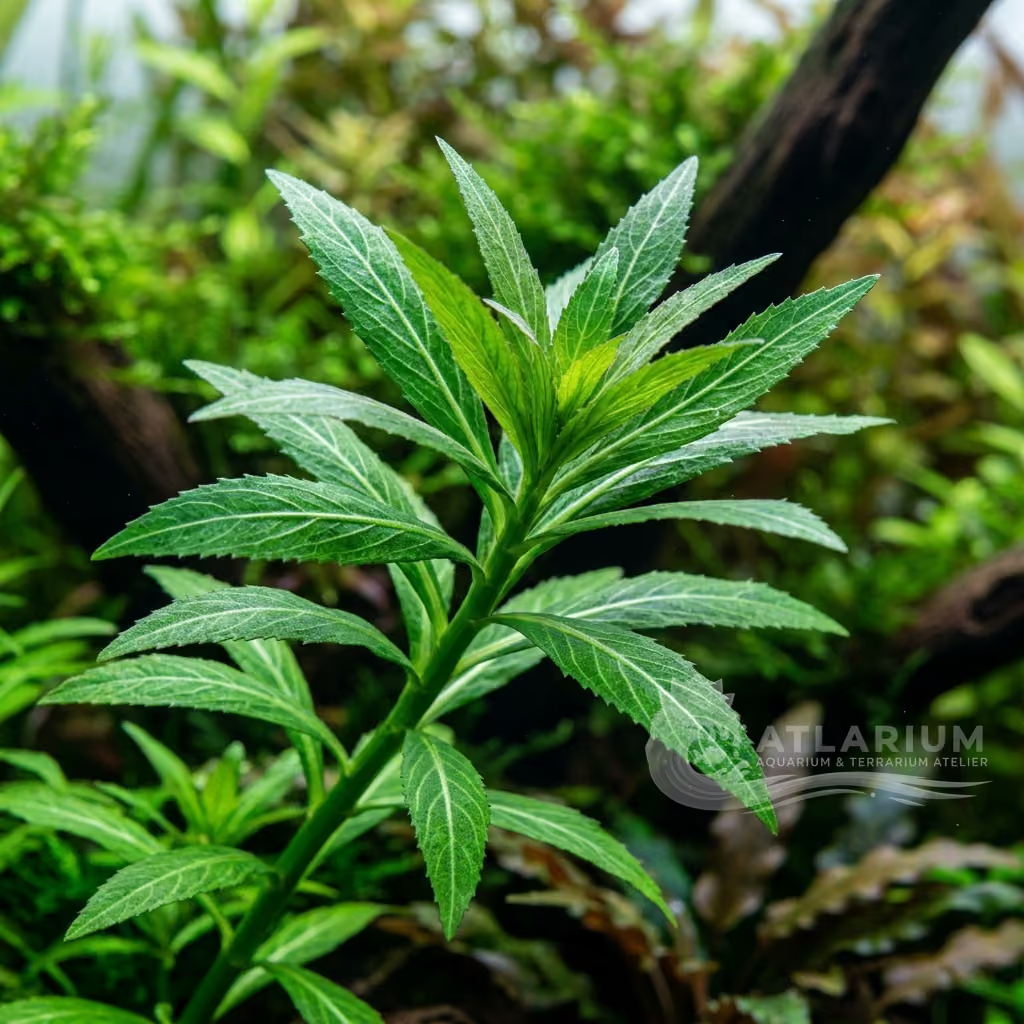
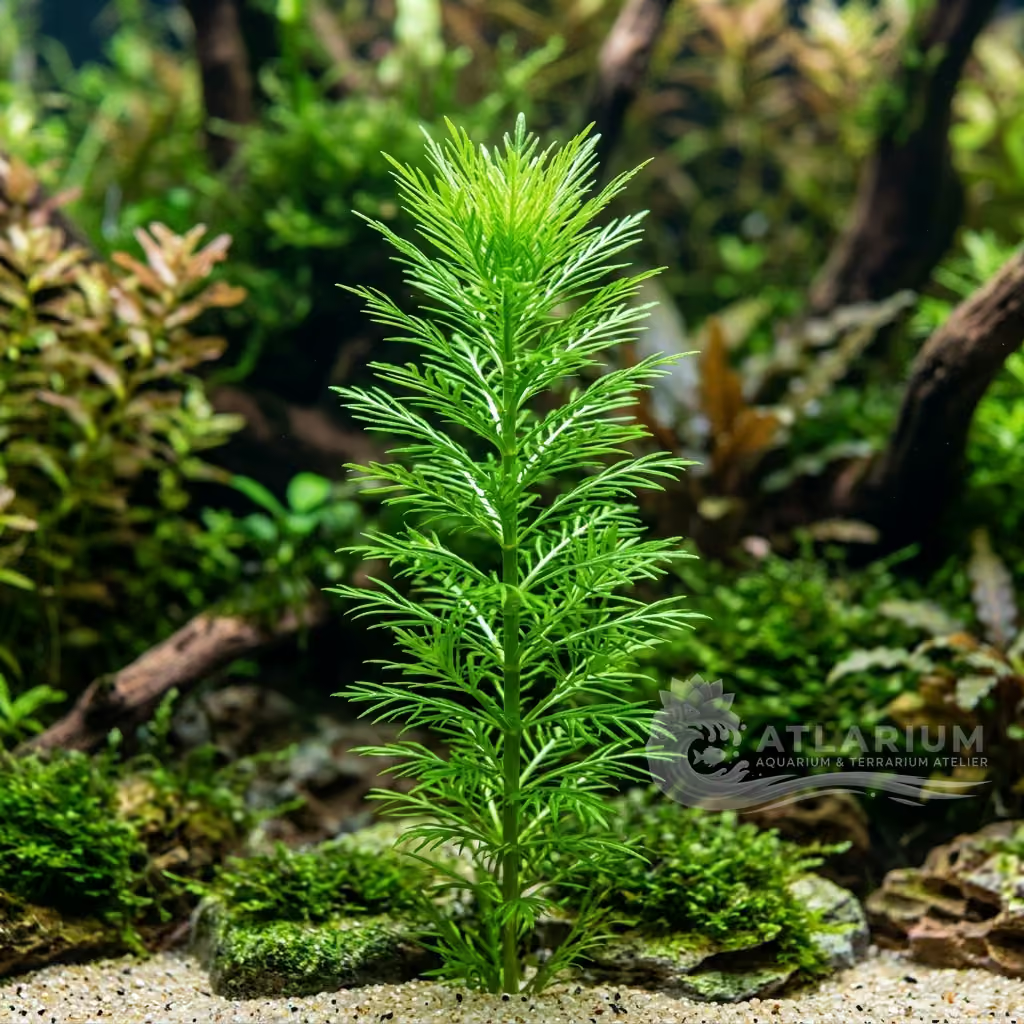
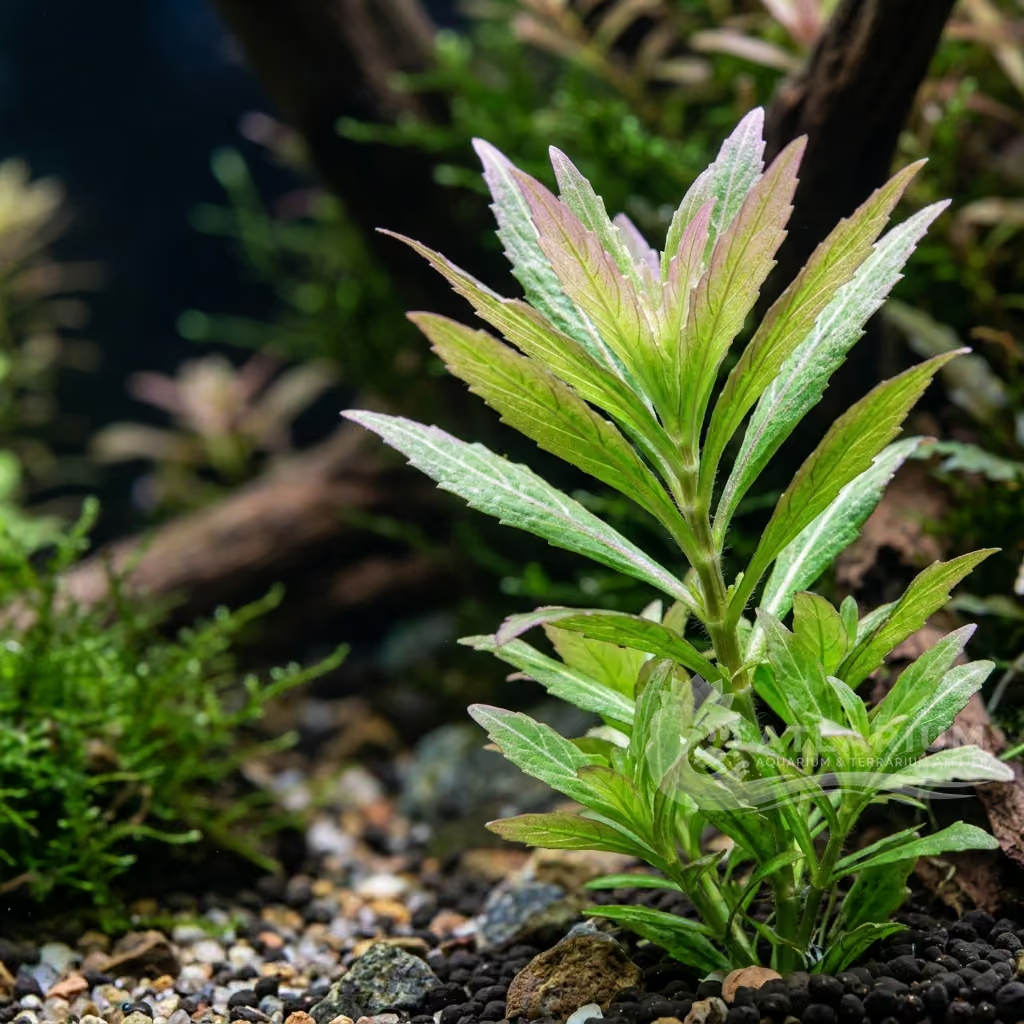
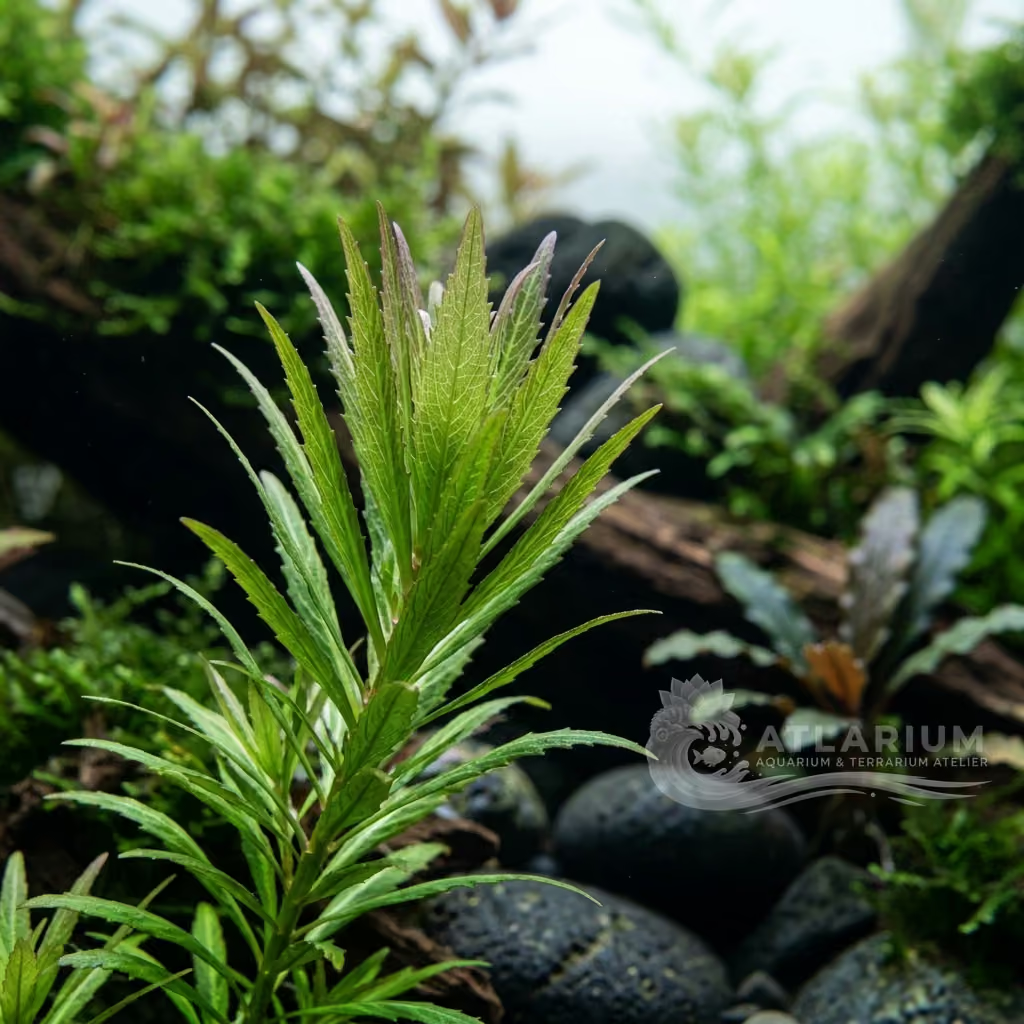
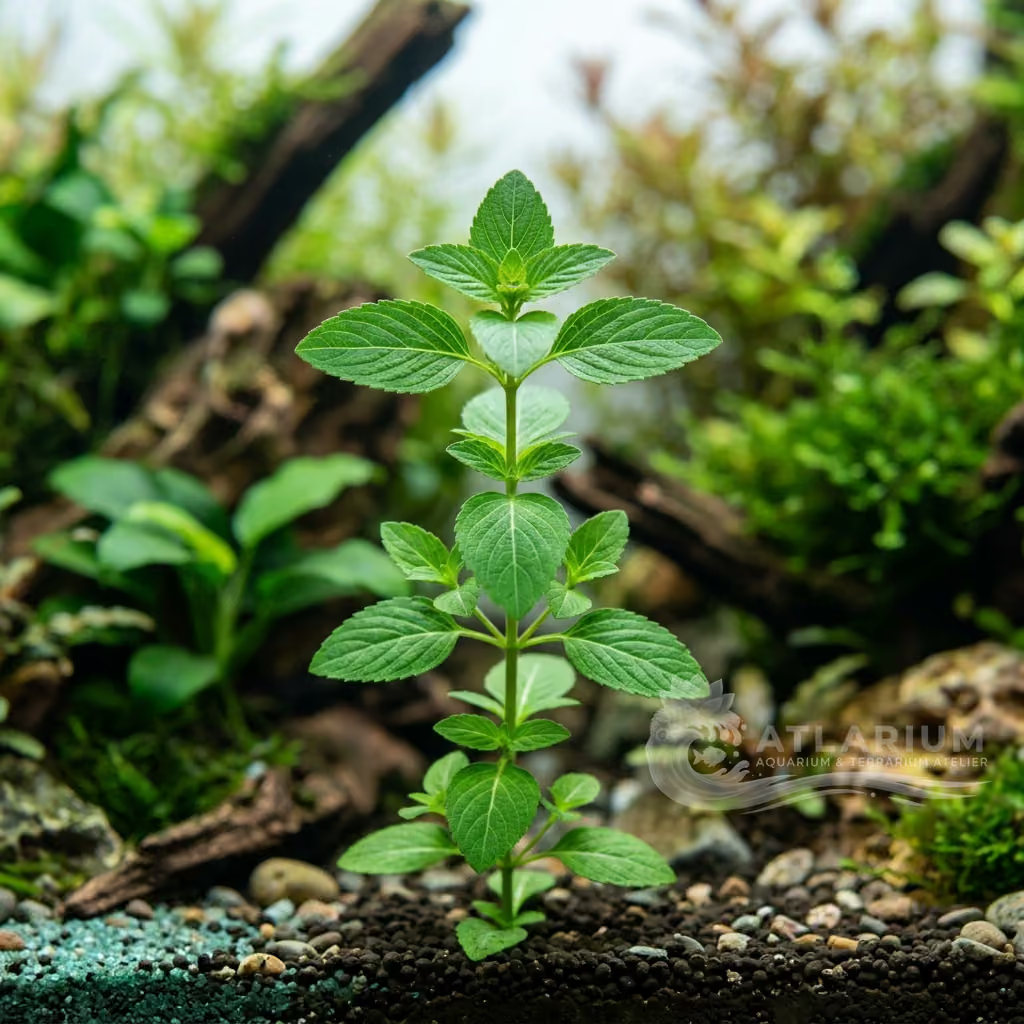
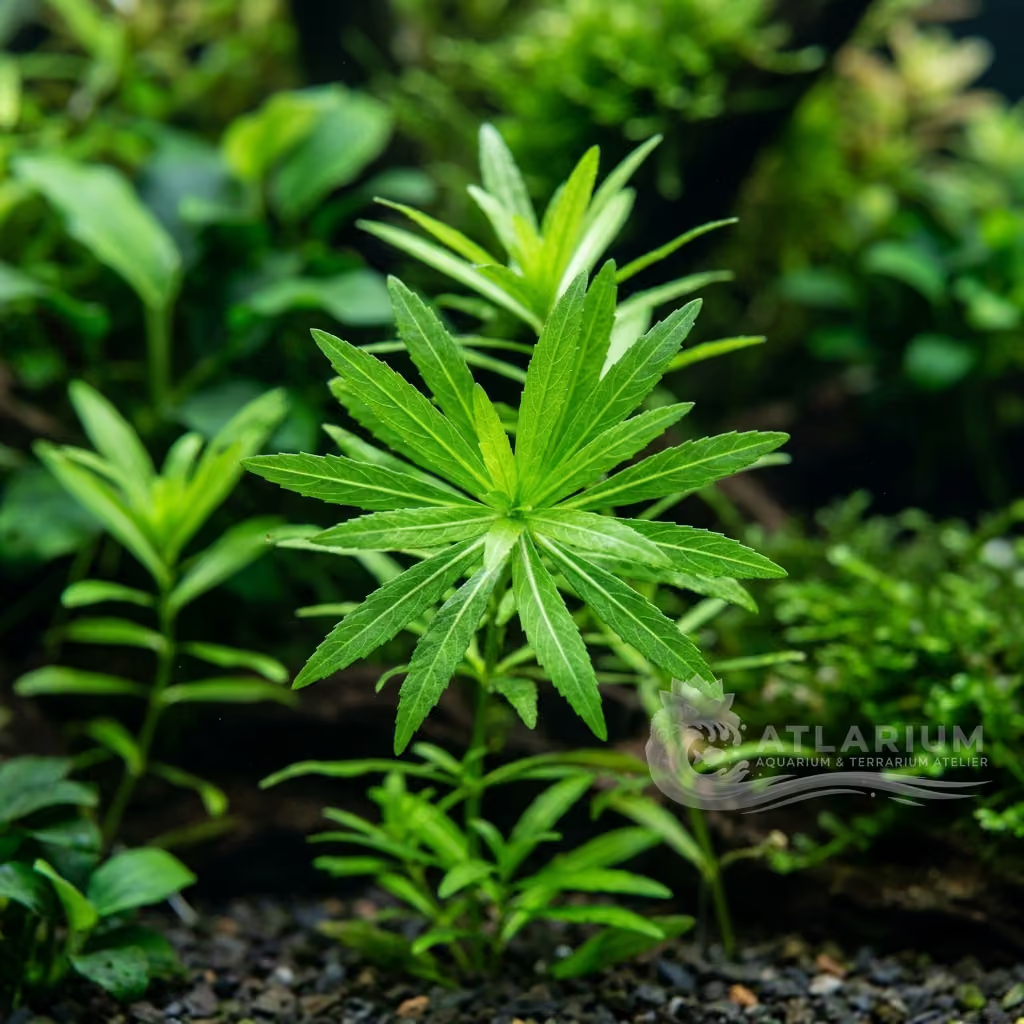
Physical Structure: Features creeping or erect, quadrangular, and branched stems. The leaves are small, opposite, rounded or ovate, with slightly toothed margins. In its emersed form, it produces charming tubular white or lavender flowers in the leaf axils.
Color & Texture: Bright apple green or lime green, offering a very fresh appearance. The leaf texture is soft and delicate, with flexible stems that tend to form dense cascading or creeping bushes if left to grow freely.

Cuidado, criação e companheiros de tanque
Lighting & CO2: Requires medium to high lighting to maintain compact stems and prevent the internodes from stretching. CO2 injection is not mandatory but promotes significantly denser submerged growth and larger leaves.
Nutrition & Substrate: Benefits greatly from a fertile substrate (aquasoil or root tabs) to support its branched root system, combined with a balanced liquid column fertilization containing macro and micronutrients.
Water Chemistry: Highly adaptable, tolerating temperatures from 10 to 30°C. Prefers soft to moderately hard water (KH 0-14) and a pH range of 5.0 to 7.5. It is suitable for both coldwater and tropical aquariums.
Space Management & Placement: Perfect for the midground or foreground if pruned regularly as a low bush, or as a background plant in small tanks. It is outstanding for paludariums or ripariums, where it grows out of the water, cascading down rocks or submerged wood.
Pruning: Pruning is done by topping the stems at the desired height. This stimulates the plant to produce numerous lateral shoots, thickening the bush. The cut tops can be easily replanted.
Risks & Diseases: A robust plant, but it can suffer from excessive leggy growth and drop its lower leaves if lighting is too weak. The tender leaves can be eaten by herbivorous fish.

Origem e distribuição geográfica
Native to warm, subtropical regions of the Americas, including the southern United States, Mexico, Central America, and the Caribbean. It colonizes muddy banks, wet meadows, canals, and temporarily flooded wetlands, growing in both submerged and emersed states.
Origem
América do NorteAmérica Central e Caribe

Perfil da planta
- Posicionamento
- Plano intermediário
- This plant is best suited for the midground or background, depending on the frequency of trimming. Because of its tendency to grow rapidly towards the light, it is excellent for creating dense, bushy thickets. It has a slightly sprawling habit, so it needs adequate lateral space to prevent it from tangling with smaller foreground plants.
- Forma botânica
- Caule
- It features opposite, rounded to slightly mint-like leaves arranged along a somewhat delicate, square-shaped stem. The leaves are a bright, cheerful light green, emitting a distinct, pleasant minty fragrance when crushed or trimmed. When allowed to grow emerged, it will produce tiny, attractive white or pale purple flowers.
- Crescimento
- Rápida
- Clinopodium brownei exhibits a fast to very fast growth rate when provided with intense lighting and CO2 injection. Under these conditions, it requires weekly pruning to maintain a desirable shape and prevent it from reaching the surface and blocking light. In low-tech tanks without CO2, its growth is more manageable, though the internodes will be wider.
- Substrato
- Média
- It prefers a nutrient-rich, soft substrate such as aquasoil, where its fine roots can spread easily. While it can survive in plain sand or fine gravel, its growth will be significantly stunted unless the substrate is aggressively supplemented with root fertilizers. A soft substrate also makes it much easier to replant delicate cuttings during propagation.
- Fertilização de coluna
- Recomendada
- Liquid fertilization is highly recommended, as the plant readily absorbs nutrients through its leaves to support its rapid vertical growth. A steady supply of water column nutrients ensures that the lower leaves remain healthy and do not drop off due to starvation. Regular dosing of an all-in-one fertilizer will keep the entire thicket lush.
- Fertilização radicular
- Nenhuma
- Root feeding is highly beneficial and encourages the plant to establish a strong, anchoring root system. Placing nutrient-rich root tabs at the base of the stems provides a reliable backup source of essential elements, particularly iron and phosphorus. This ensures the plant remains vigorous even if water column dosing is occasionally forgotten.
- Corte
- Ocasional
- Due to its fast growth, frequent trimming is necessary to maintain its shape and prevent it from shading out other plants. To create a bushy appearance, simply top the stems and replant the cuttings; the original stems will produce multiple side shoots. Regular pruning also prevents the lower portions of the stems from becoming bare due to lack of light.
- Propagação
- Estacas
- Propagation is extremely straightforward through standard stem cuttings. Simply cut the top portion of a healthy stem and push it gently into the substrate; it will develop new roots within a few days. The remaining bottom portion will quickly sprout multiple new side shoots, leading to a denser, bushier appearance.
- Sensibilidade
- Moderada
- This plant is relatively hardy and adaptable to a wide range of water parameters, though it prefers slightly acidic to neutral pH. It is sensitive to poor lighting, which will cause it to become leggy and drop its lower leaves. It transitions well between submersed and emersed states, making it very forgiving for aquascapers.
- Função de layout
- Plano intermediário, Fundo
- Clinopodium brownei is highly valued for its bright green color and delicate leaf shape, providing excellent contrast against broad-leaved plants or dark hardscape. It serves well as a midground bush when kept trimmed or as a background filler in taller tanks. In Wabi-Kusa or ripariums, its trailing nature adds a natural, wild aesthetic.

Espécies relacionadas
Recomendações agrupadas por parentes próximos, escolhas de acompanhantes e cuidados semelhantes.