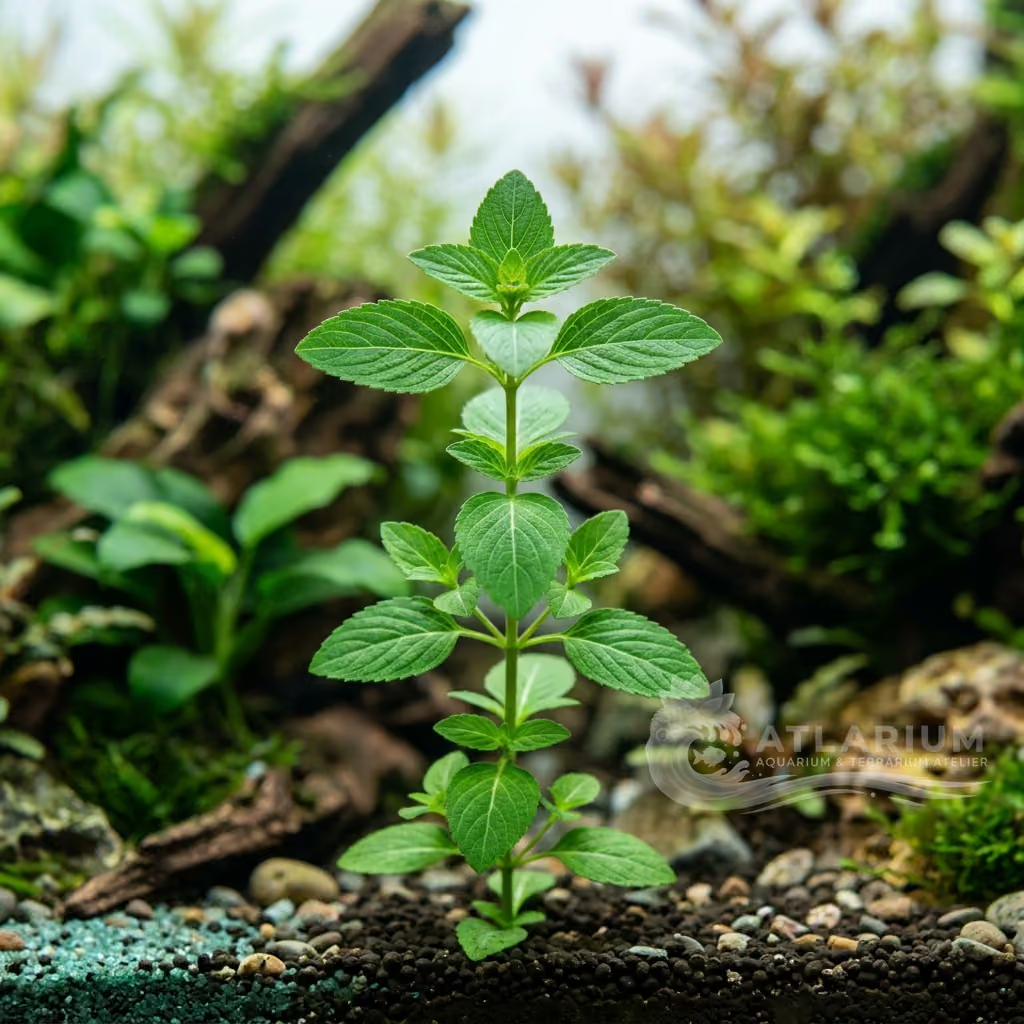
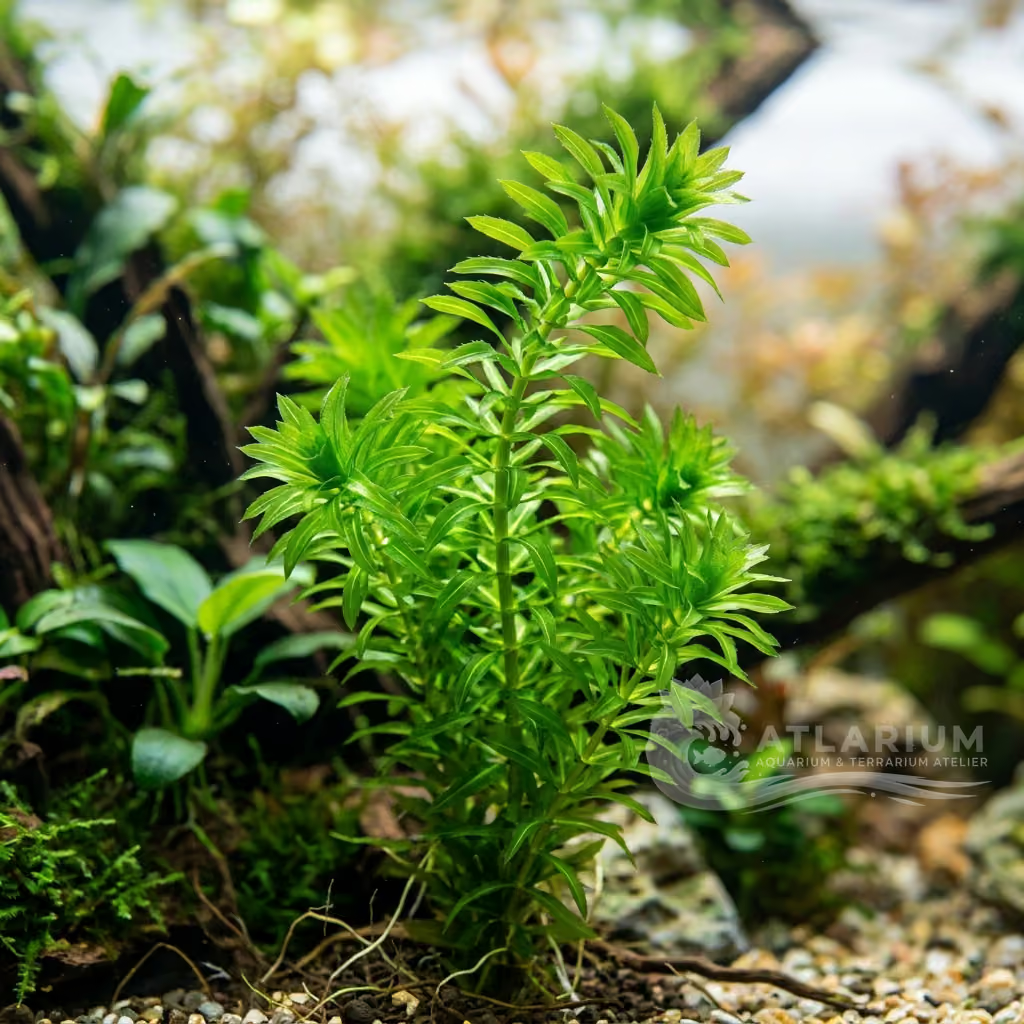
Eichhornia diversifolia
Pontederia diversifolia
Eichhornia diversifolia is an aquarium plant belonging to the Pontederiaceae family, characterized by a fast growth rate and ideal for placement in the midground.
Temperatura da água
18 - 35 °C
Valor de pH
5 - 7
Tipo de água
Água doce
Luz
Média - Alta
CO2
Média - Alta
GH
0 - 20 dGH
KH
0 - 10 dKH

Descrição da espécie
Geographical Origin and Habitat: This fascinating aquatic species has its geographical origin in the warm tropical regions of Asia and South America, where it inhabits clear river systems with weak to moderate current. It is commonly found both submerged and partially emersed along sandy or muddy banks. Additionally, its occurrence is highly associated with shaded banks and shallow water basins.
Taxonomy & Genetics: From a taxonomic point of view, it belongs to the Pontederiaceae family and is assigned to the Eichhornia genus. Its genetics reflect a high degree of adaptation to seasonal variations in water and chemical parameters of its native waters, assuring its resilience.
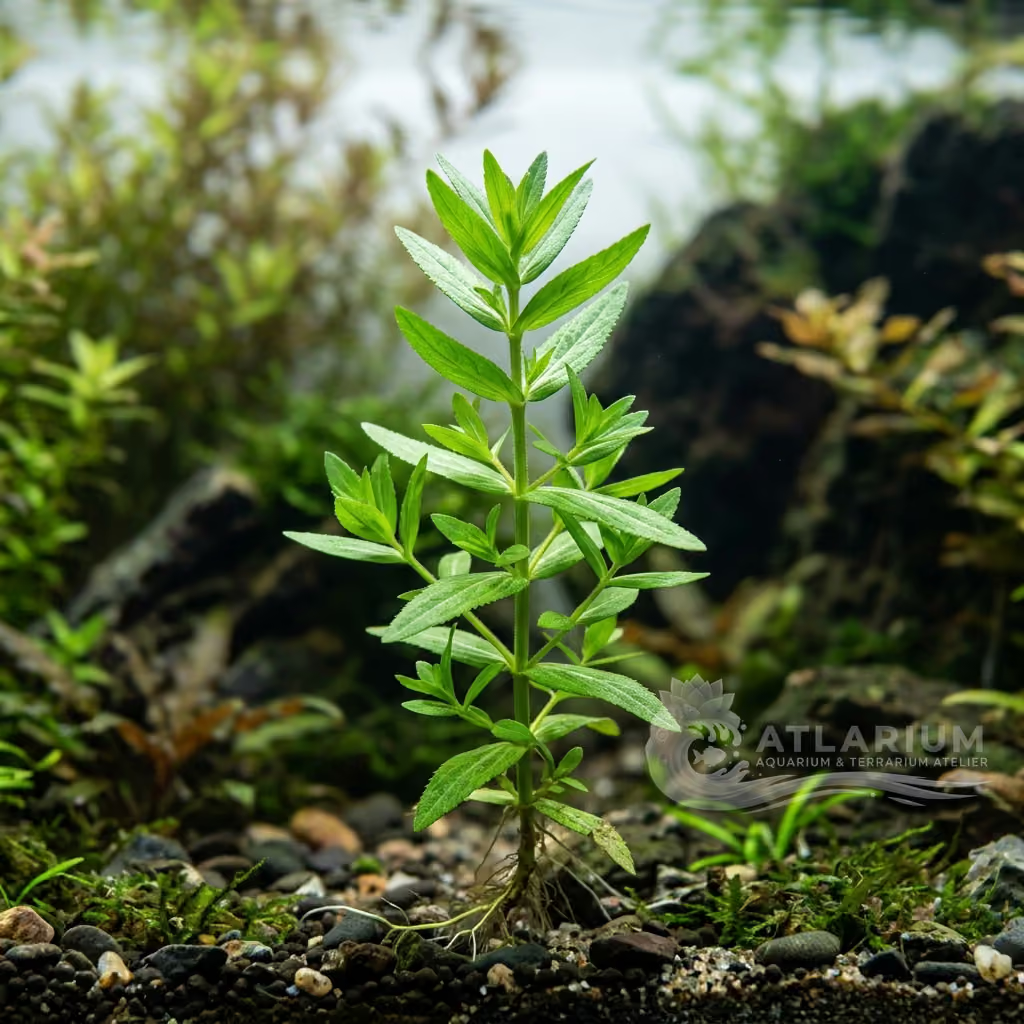
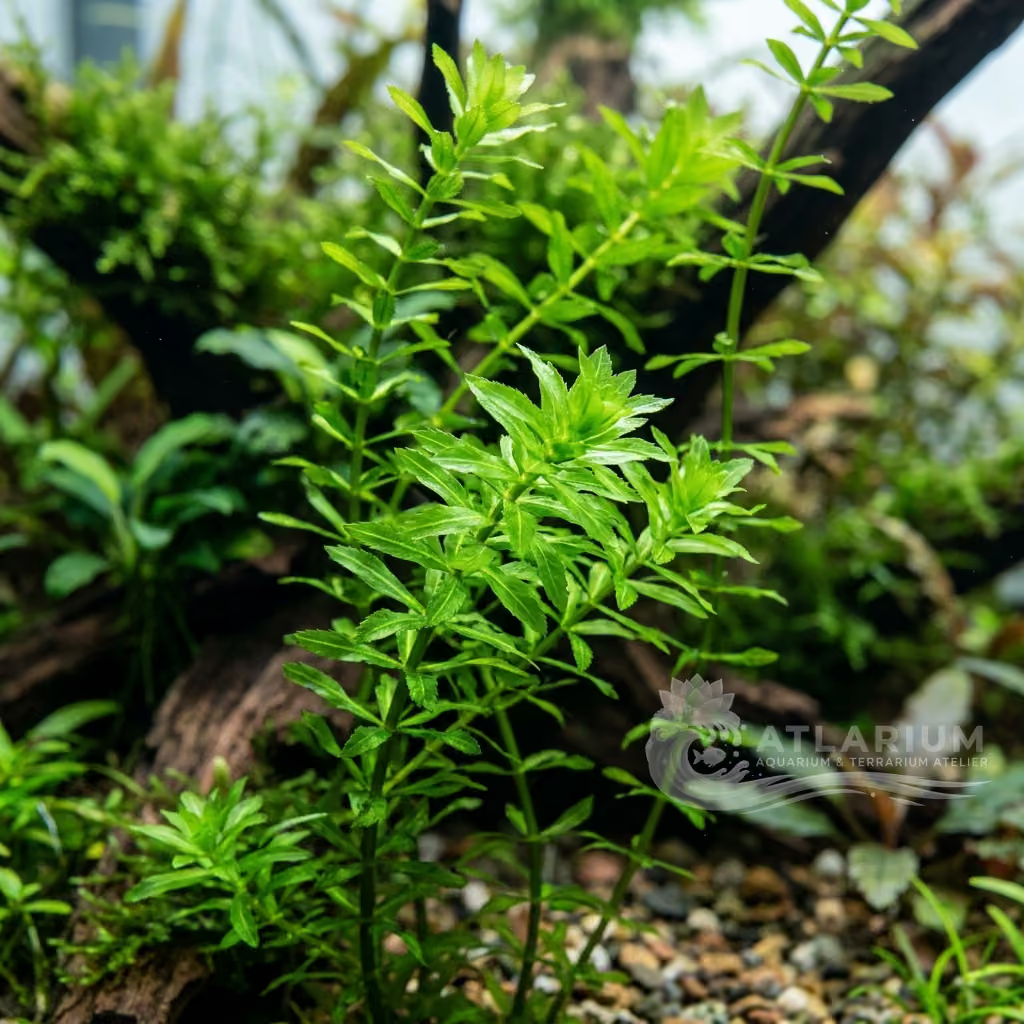
Physical Structure: The physical structure of the plant is characterized by a stem botanical form with well-proportioned and elastic stems or rosettes. Under proper lighting conditions, it develops a stable root system capable of anchoring firmly into the riverbed.
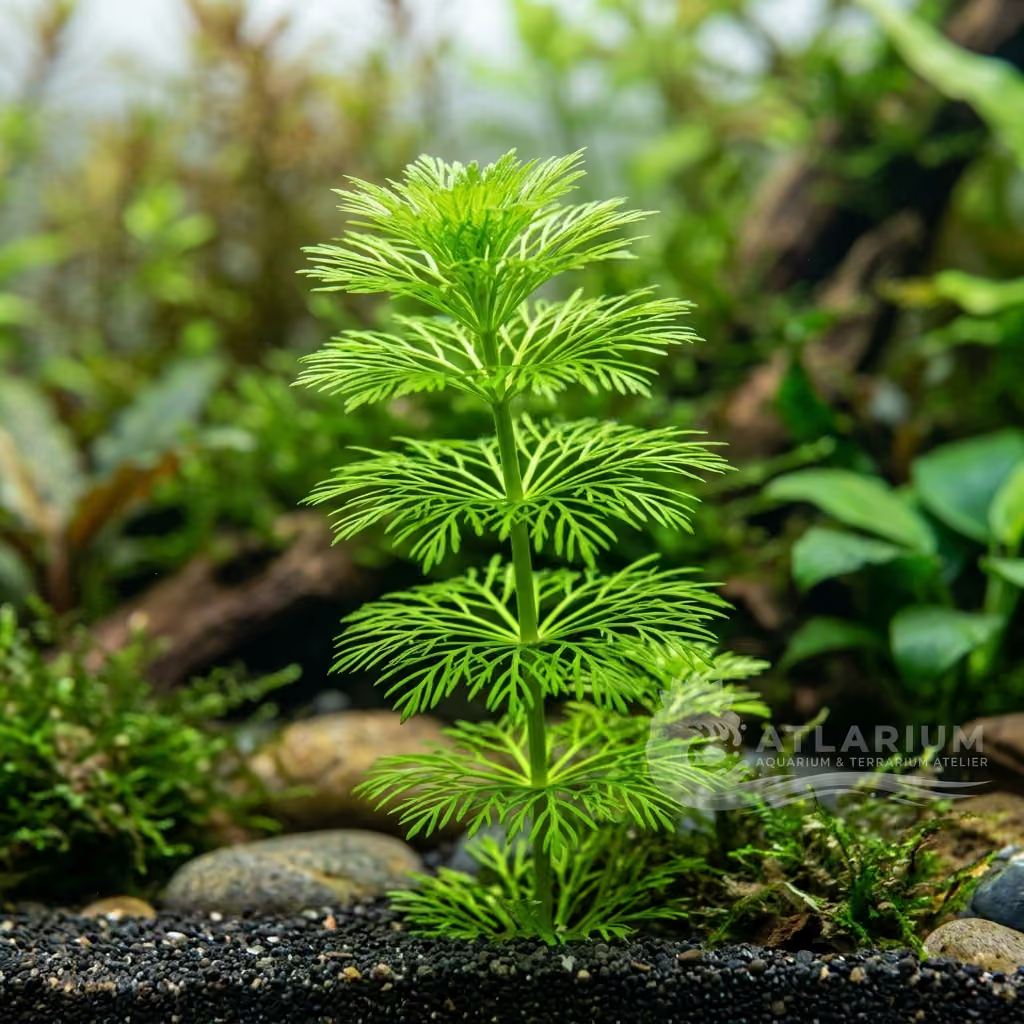
Color & Texture: The color of the leaves presents as a bright and natural green, with translucent shades and fine textures that increase the perception of visual depth. The leaf texture is smooth or slightly wrinkled depending on aquarium conditions.

Cuidado, criação e companheiros de tanque
Lighting & CO2: Optimal lighting to support the plant's development ranges from medium to high, depending on the desired leaf density. Constant CO2 injection is recommended to support effective photosynthesis and prevent tissue decay.
Nutrition & Substrate: The plant benefits from a rich, porous substrate coupled with a balanced liquid fertilization in the
Water Chemistry: The ideal water chemistry includes a slightly acidic or neutral pH (5.0 - 7.0) and a moderate carbonate hardness KH (0.0 - 10.0). The optimal water temperature must be kept stable between 18.0 and 35.0 °C.
Space Management & Placement: Regarding space management, the plant should be positioned in the midground, spacing the stems adequately to avoid shaded areas. It is ideal for creating dynamic layouts in natural aquascaping.
Pruning: Pruning must be performed regularly by topping the upper part or thinning the densest clumps with suitable scissors. Propagation is successfully achieved through cuttings replanted directly into the soil.
Risks & Diseases: The main risks are related to the development of parasitic algae on old leaves and tissue necrosis if essential nutrients are lacking. Good filtration and regular water changes prevent most diseases.

Origem e distribuição geográfica
This fascinating aquatic species has its geographical origin in the warm tropical regions of Asia and South America, where it inhabits clear river systems with weak to moderate current. It is commonly found both submerged and partially emersed along sandy or muddy banks. Additionally, its occurrence is highly associated with shaded banks and shallow water basins.
Origem
Sul e Sudeste AsiáticoAmazônia, Orinoco e GuianasExtra-Amazônica América do Sul

Perfil da planta
- Posicionamento
- Plano intermediário
- This fast-growing stem plant is perfectly suited for the midground or background of the aquarium, depending on the tank's height. It should be planted in small, well-spaced groups to ensure light reaches the lower portions of the stems. If planted too densely, the lower leaves will quickly shade out and die. It requires unimpeded vertical space to grow towards the light.
- Forma botânica
- Caule
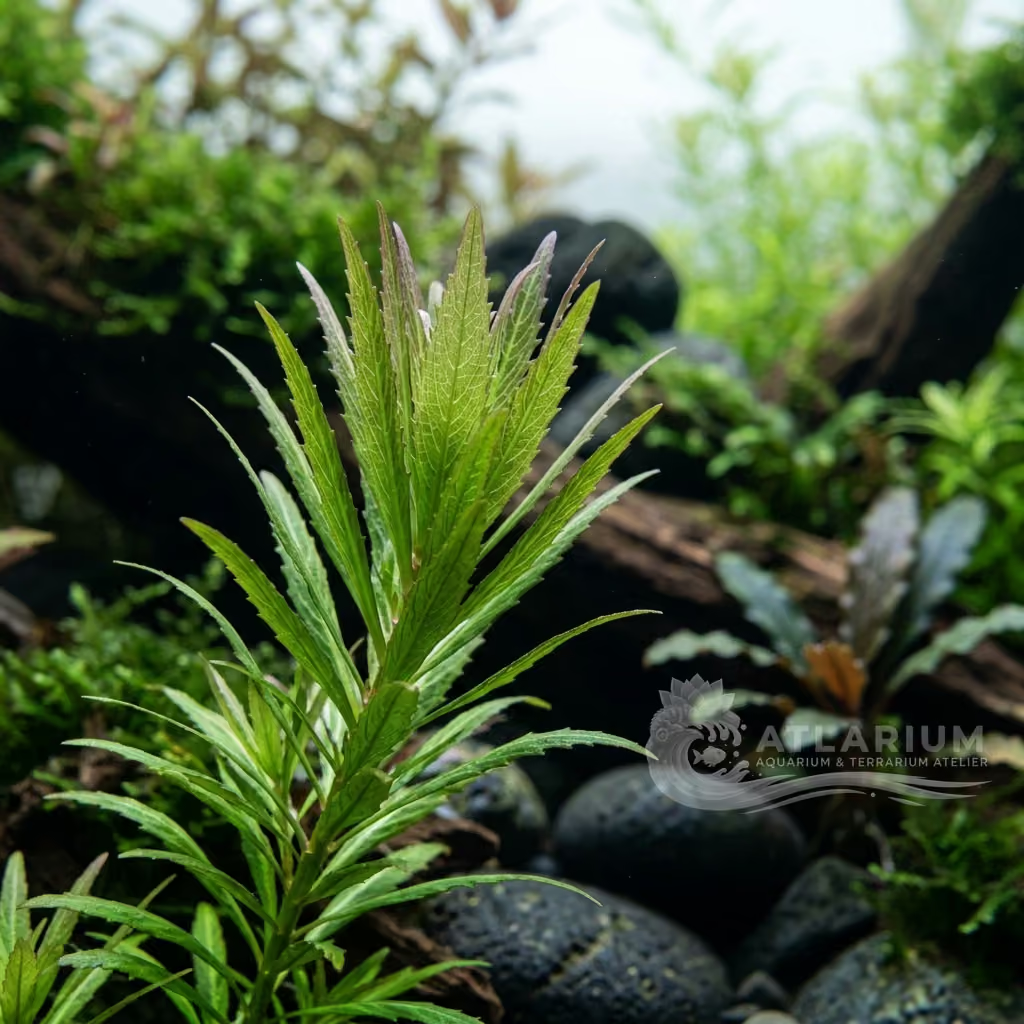
- This unique species exhibits alternate, highly decorative, grass-like to lanceolate submerged leaves that grow densely along a thick, somewhat brittle stem. The leaves are typically a bright, refreshing green. The specific name 'diversifolia' refers to its varying leaf shapes; as it nears the surface, the leaves often become broader and more rounded in preparation for emergent growth.
- Crescimento
- Rápida
- Under the requisite conditions of high light and copious CO2, Eichhornia diversifolia exhibits a very fast growth rate. It requires frequent trimming to prevent it from reaching the surface and casting dense shade over the rest of the aquascape. Its rapid metabolic rate means it acts as a strong consumer of available nutrients. Stunted growth is usually an immediate sign of a nutrient or CO2 deficiency.
- Substrato
- Alta
- Eichhornia diversifolia is a fast-growing stem plant that benefits significantly from a nutrient-rich substrate environment. It develops fine roots that anchor the plant securely while simultaneously drawing up essential elements for growth. Aqua soil with a fine to medium grain size is optimal, allowing the delicate roots to penetrate easily and establish a firm hold. A substrate depth of 4-6 centimeters is sufficient to support its vertical growth and prevent detachment.
- Fertilização de coluna
- Recomendada
- Aggressive liquid column fertilization is absolutely critical for the survival of Eichhornia diversifolia. It pulls the vast majority of its required nutrients directly from the surrounding water via its fine, submerged foliage. A daily dosing routine of a comprehensive fertilizer is often necessary to keep up with its fast growth. Heavy iron dosing helps maintain the bright green hue.
- Fertilização radicular
- Nenhuma
- While it is primarily a water column feeder, providing a nutrient-rich aquasoil will significantly benefit its overall stability and root development. A healthy root system ensures the fast-growing stems remain securely anchored in the substrate. However, root tabs alone are entirely insufficient to sustain this plant without robust column fertilization.
- Corte
- Regular
- Trimming should be done by uprooting the entire stem, cutting off the older, often less attractive lower portion, and replanting the healthy top. Cutting it like a traditional stem plant often results in stunted, unappealing branching from the remaining stump. Replanting the tops ensures the stand always looks fresh and pristine. Regular maintenance is unavoidable with this species.
- Propagação
- Estacas
- Propagation is straightforward and is achieved by taking healthy top cuttings and gently inserting them into the substrate. Occasionally, a healthy main stem will produce lateral shoots which can also be carefully separated and planted. Ensuring the new cuttings have direct, unobstructed access to high-intensity light is vital for their quick establishment.
- Sensibilidade
- Moderada
- Eichhornia diversifolia is notoriously sensitive to shading; even slight light deprivation will cause the lower leaves to immediately blacken and rot away. It is equally intolerant of fluctuating or low CO2 levels, which will stall growth completely. The stems are somewhat brittle and must be handled delicately with tweezers during replanting to avoid crushing them.
- Função de layout
- Plano intermediário, Fundo
- In aquascaping, particularly in Dutch-style layouts, it is utilized to create strong, vertical, bright green visual accents. Its unique, alternating leaf structure provides a beautiful textural contrast when placed next to broad-leaved or red plants. It is a stunning group plant but requires dedication to maintain its pristine appearance in the midground or background.

Espécies relacionadas
Recomendações agrupadas por parentes próximos, escolhas de acompanhantes e cuidados semelhantes.