Gratiola viscidula
Gratiola viscidula
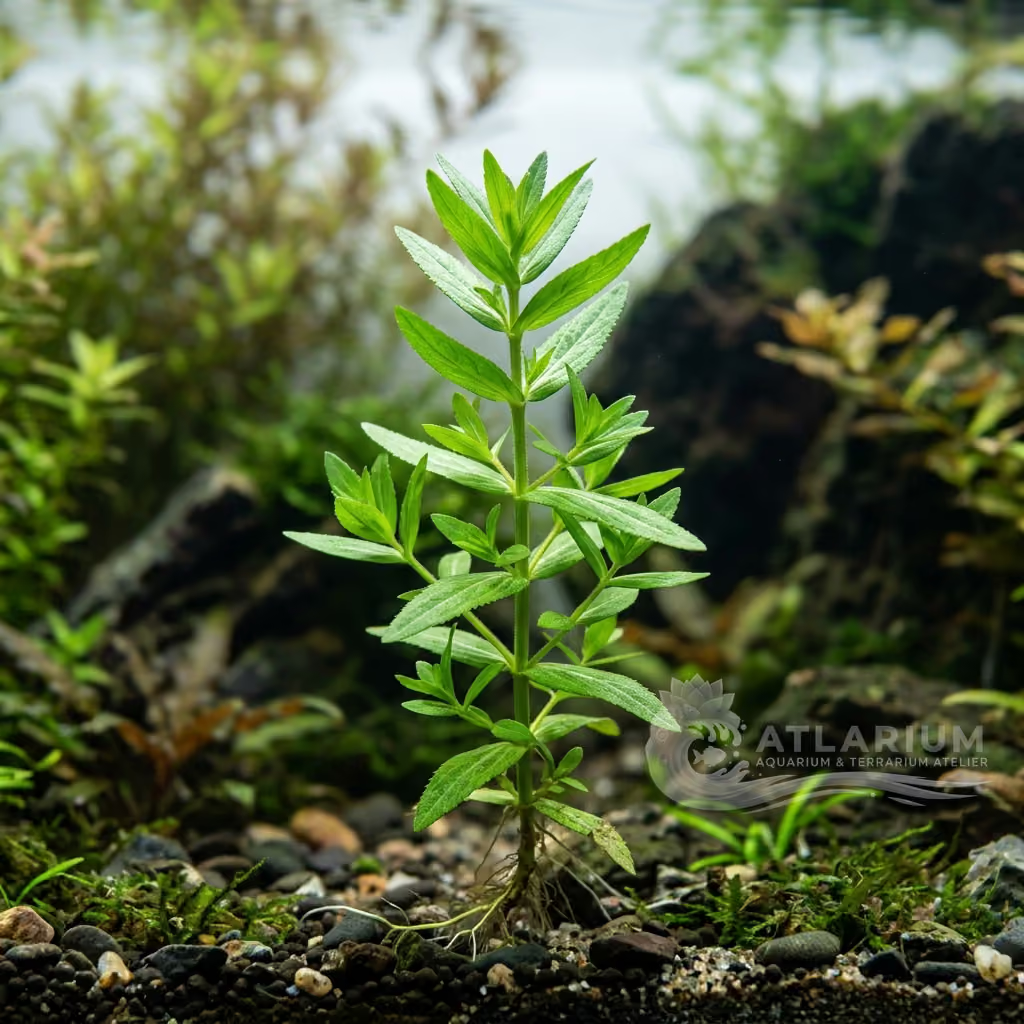
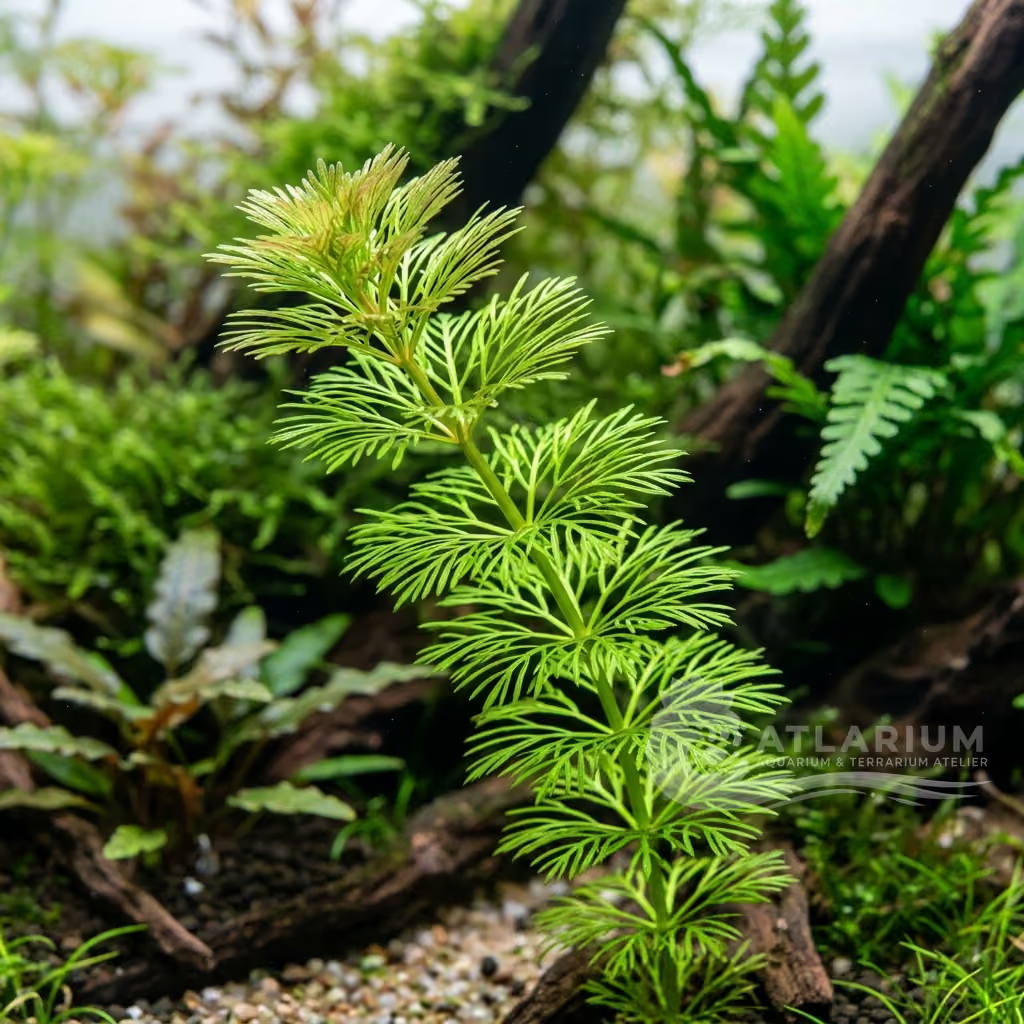
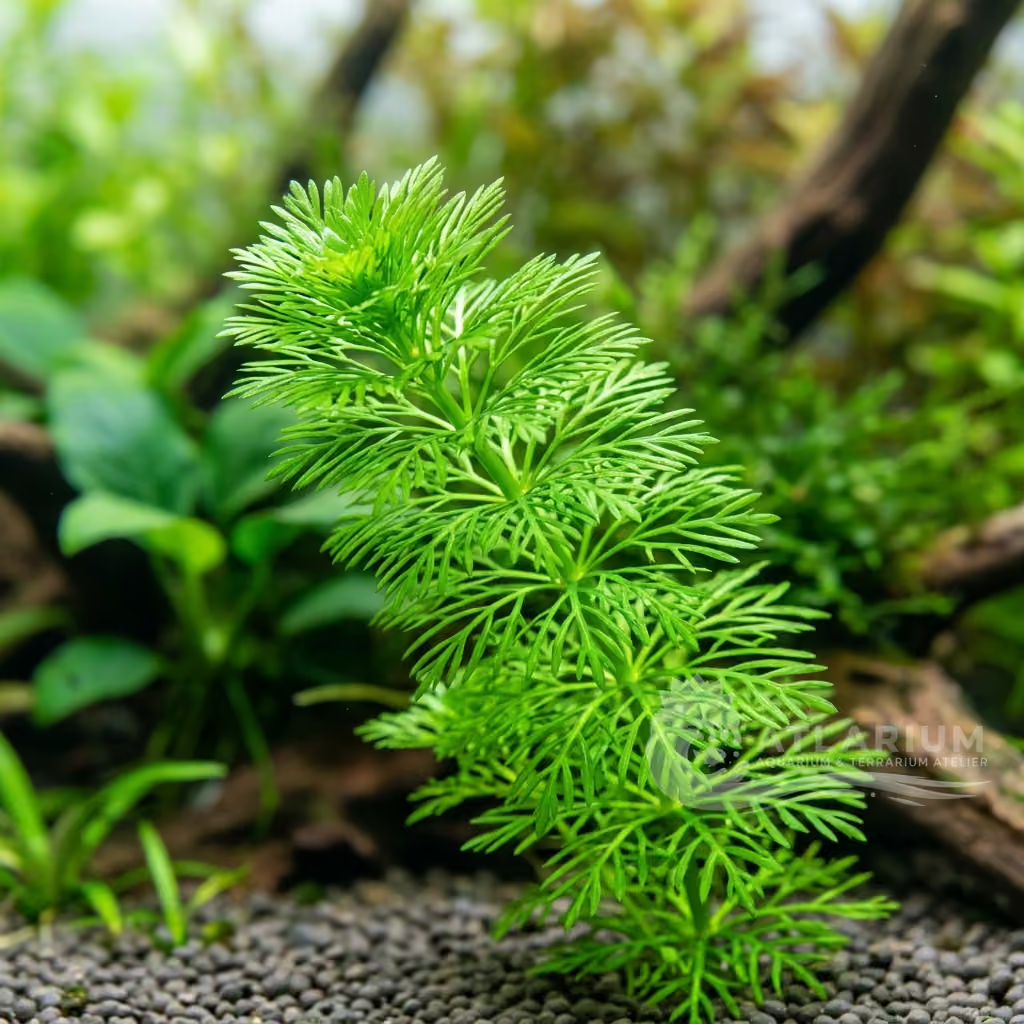
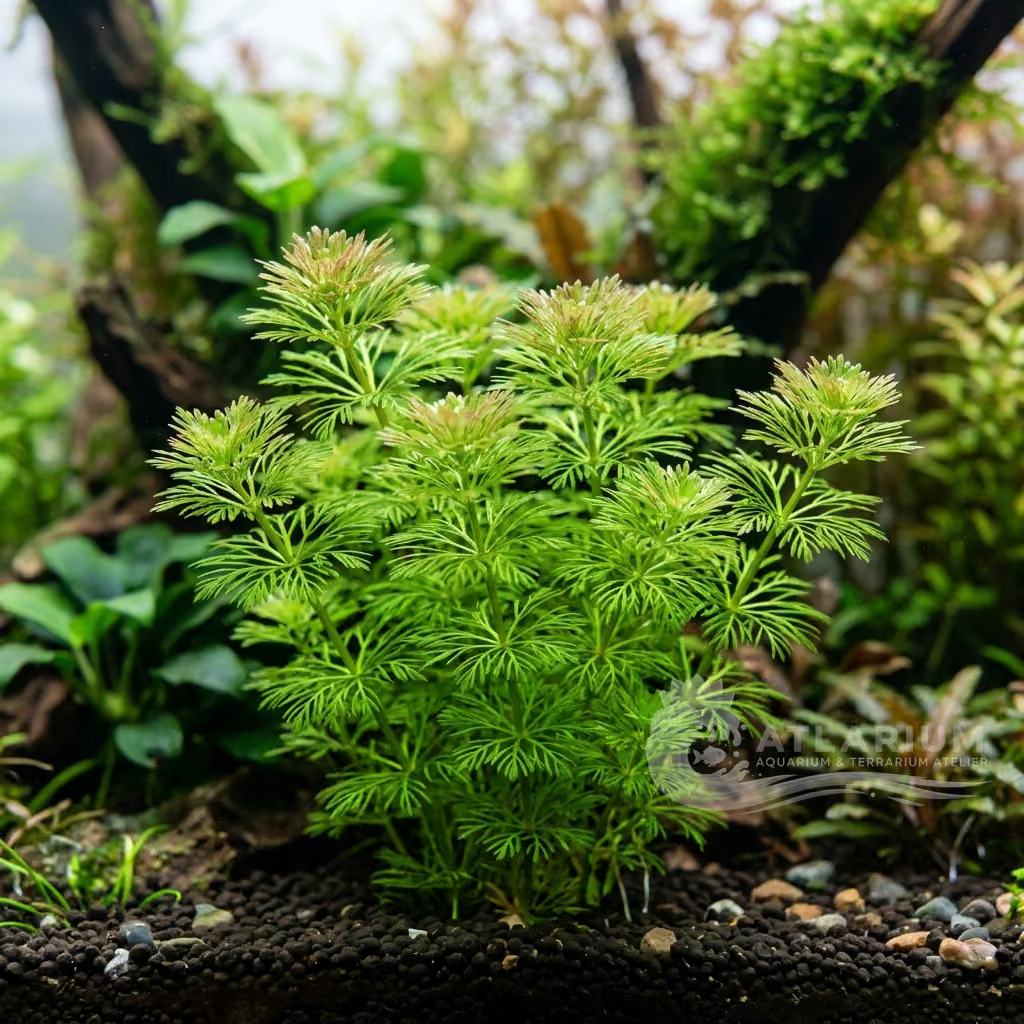
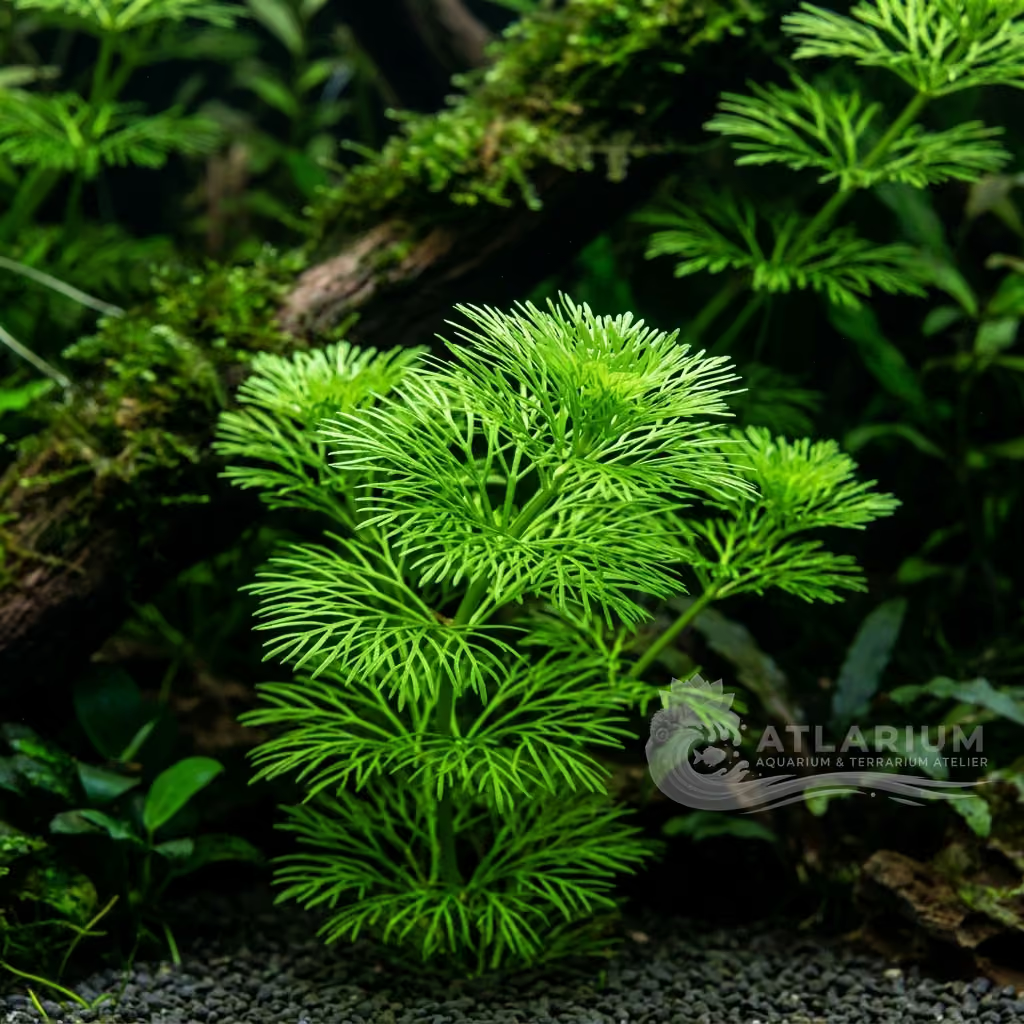
Gratiola viscidula: a unique, compact stem plant for the foreground or midground with a slow growth rate. Forms highly decorative, spiky, light green cushions.
Temperatura da água
18 - 28 °C
Valor de pH
5 - 7.5
Tipo de água
Água doce
Luz
Média - Alta
CO2
Média - Alta
Altura esperada
8 cm
Largura esperada
8 cm
GH
0 - 20 dGH
KH
0 - 14 dKH

Descrição da espécie
Geographical Origin and Habitat: Gratiola viscidula is native to North America, specifically the eastern United States. It grows in transitional wetland environments, sandy or muddy lake and river banks, and temporarily flooded areas. It is adapted to temperate climates with cool winters and warm summers.
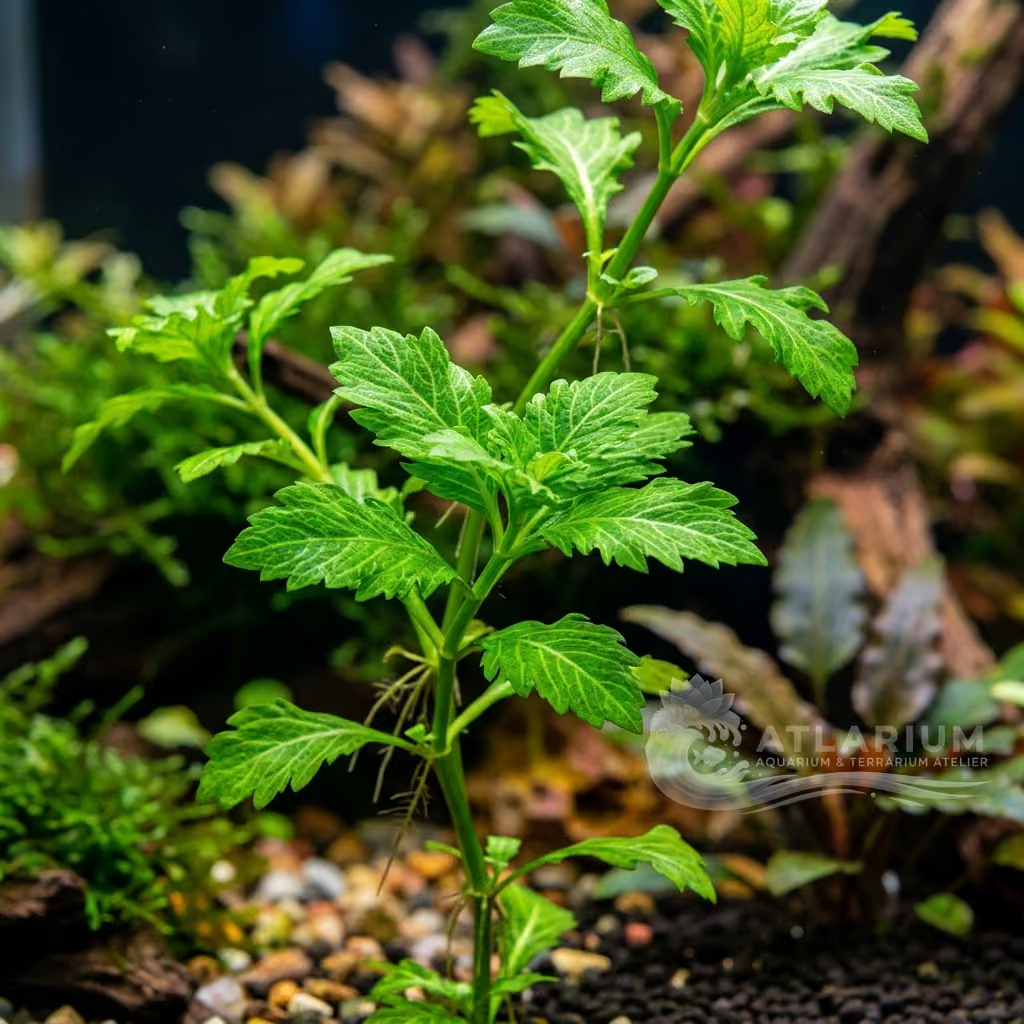
Taxonomy & Genetics: It belongs to the Plantaginaceae family and the genus Gratiola. A genetic peculiarity of this plant is the presence of sticky glandular hairs on its aerial parts, giving it the specific name 'viscidula'. In submerged aquarium culture, this stickiness is greatly reduced, yielding rigid and compact leaves.
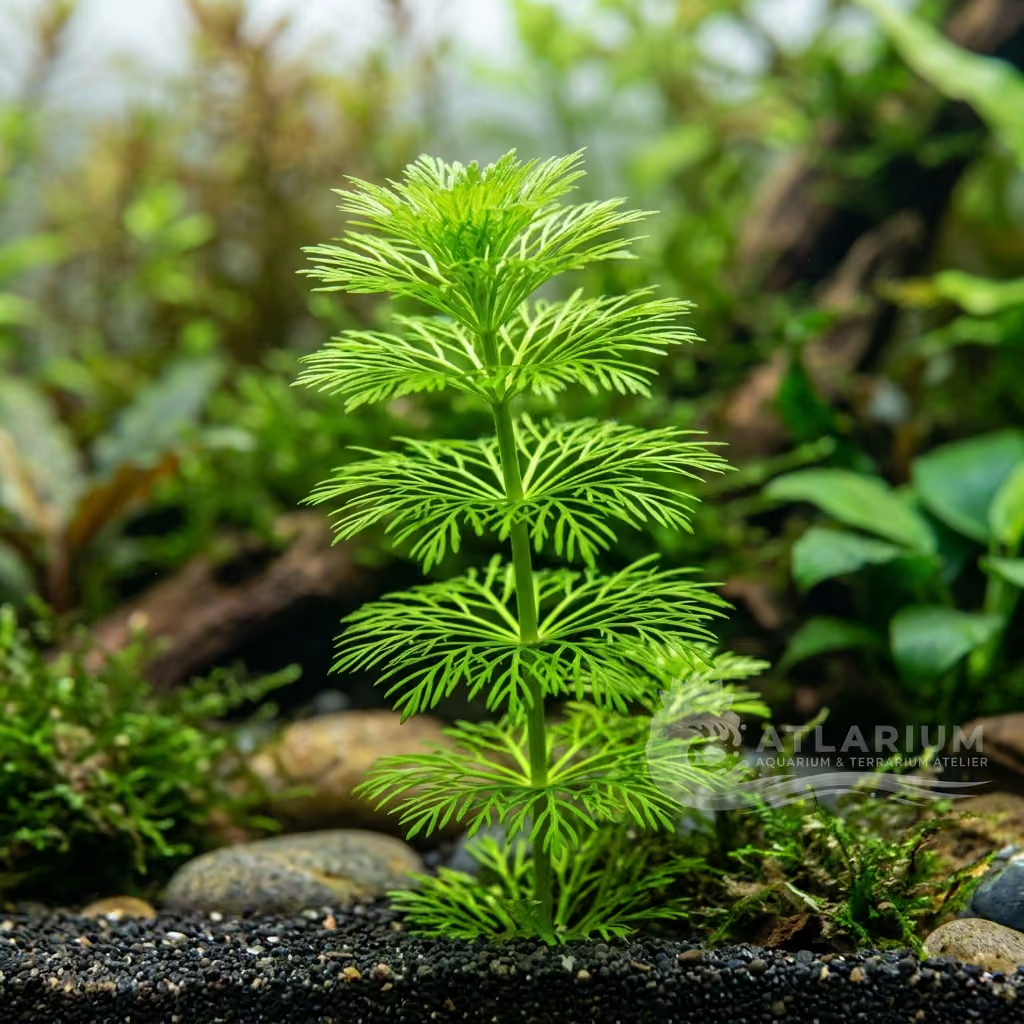
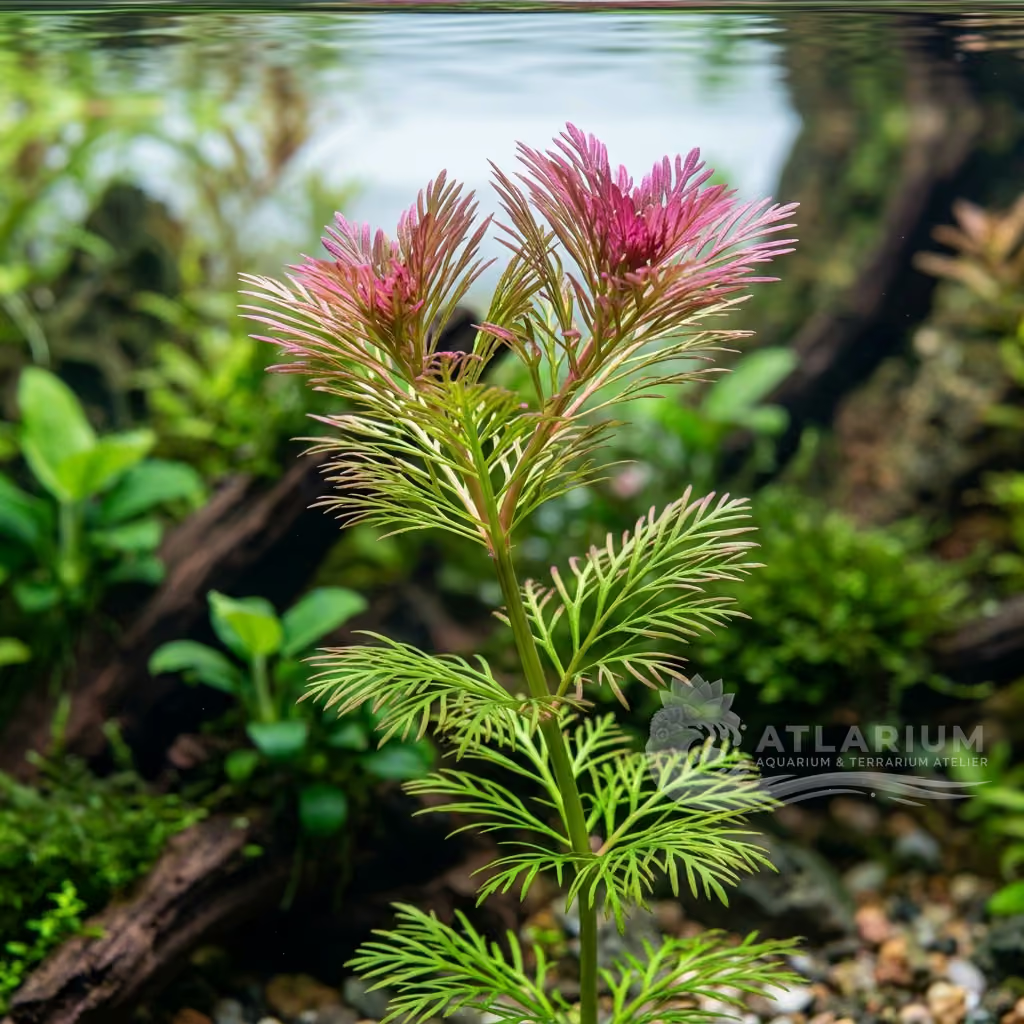
Physical Structure: It features an unusually compact, short, and rigid stem structure. The stems grow mostly erect but short, branching frequently from the base to form very dense bushes. The leaves are tiny, opposite, pointed, and needle-like, giving the plant a distinctive 'spiky' appearance that is soft to the touch.
Color & Texture: The color is a fresh, bright light green that does not vary significantly with lighting. The visual texture is exceptionally dense, geometric, and micro-spiky, offering a unique contrast to classic round or ribbon-like leaf shapes.

Cuidado, criação e companheiros de tanque
Lighting & CO2: Requires moderate to strong lighting to maintain its characteristic compactness and prevent internodes from stretching. CO2 injection is highly recommended; given its slow growth, CO2 helps keep the plant healthy and prevents algae.
Nutrition & Substrate: Prefers a fertile substrate rich in root nutrients, while also absorbing elements from the
Water Chemistry: Adapts to various chemical conditions, preferring soft to moderately hard water with a pH between 6.0 and 7.5. The optimal water temperature is between 15 and 26 °C; it tolerates cooler water well but suffers from excessive heat.
Space Management & Placement: Great for the foreground and midground, especially in small aquariums and nano tanks thanks to its small size and controlled growth. It can be planted in dense small groups or used to define layout borders.
Pruning: Having slow growth, it does not require frequent pruning. Prune by trimming the stems with sharp scissors to shape the bush; the cut tops can be replanted directly to propagate the plant.
Risks & Diseases: Due to its very slow growth, it is particularly susceptible to the establishment of brush or filamentous algae on the tiny leaves if nutrients in the aquarium are not perfectly balanced or if CO2 is unstable.

Origem e distribuição geográfica
Gratiola viscidula is native to North America, specifically the eastern United States. It grows in transitional wetland environments, sandy or muddy lake and river banks, and temporarily flooded areas. It is adapted to temperate climates with cool winters and warm summers.
Origem
América do Norte

Perfil da planta
- Posicionamento
- Primeiro plano
- Its unique, robust appearance makes it an ideal midground plant. It can be shaped into dense bushes that look almost like miniature aquatic conifers. Plant it tightly in groups for the best visual impact.
- Forma botânica
- Caule
- Characterized by stiff, short, thorn-like leaves arranged tightly along a thick, rigid stem. It has a very structured, almost geometric appearance. The plant is incredibly sturdy and feels much tougher than typical aquatic stems.
- Crescimento
- Lenta
- Has a relatively slow to moderate growth rate, which makes it easy to maintain once shaped. It doesn't require the constant trimming that many other stem plants do. Higher light and CO2 will modestly increase its growth speed.
- Substrato
- Média
- Gratiola viscidula develops a short, sturdy root system that anchors firmly in both aquasoils and fine inert gravels. A substrate depth of 4 to 5 centimeters is ideal, allowing its dense, geometric stems to remain upright even during regular trimming. While it can derive a significant portion of its nutrients directly from the water column, a lightly enriched substrate helps maintain the distinctive, rigid structure of its short internodes.
- Fertilização de coluna
- Recomendada
- Responds well to regular liquid fertilization, particularly for maintaining its intense green color. Micronutrient dosing is crucial for proper leaf formation. It absorbs nutrients steadily from the water column without being a massive nutrient hog.
- Fertilização radicular
- Nenhuma
- Greatly benefits from a nutrient-rich substrate like aquasoil. Strong root development is essential for supporting its thick stems. If using sand or gravel, root tabs are highly recommended to ensure long-term vitality.
- Corte
- Ocasional
- Tolerates aggressive trimming very well and responds by branching densely. You can sculpt it into rounded bushes using scissors, similar to hedge trimming. Replant the sturdy tops to create new, healthy stands.
- Propagação
- Estacas
- Propagated by simply cutting the stem and replanting the top. The remaining bottom portion will quickly develop multiple new side shoots. Its stiff stems make it very easy to push into the substrate without damage.
- Sensibilidade
- Moderada
- Extremely robust and resistant to most common plant issues. It is less prone to melting or lower leaf loss than finer-leaved stems. However, it can be susceptible to black beard algae if flow is poor or organics are high.
- Função de layout
- Plano intermediário, Primeiro plano, group
- Provides a highly unique, spiky texture that contrasts beautifully with softer plants. It is perfect for creating dense, structured midground focal points. Its 'pine tree' look is often utilized in diorama-style aquascapes.

Espécies relacionadas
Recomendações agrupadas por parentes próximos, escolhas de acompanhantes e cuidados semelhantes.