Bacopa salzmannii
Bacopa salzmannii
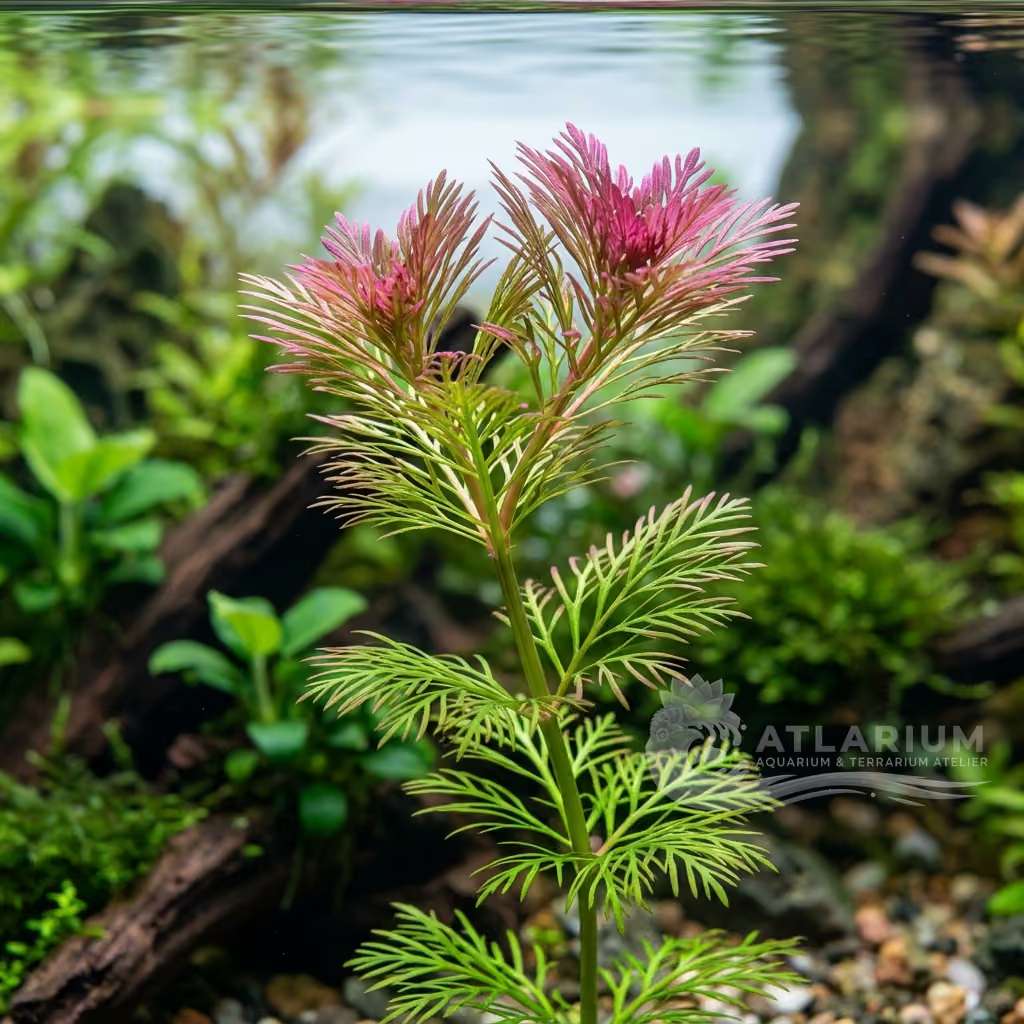
A stunning, fast-growing stem plant that develops an intense, glowing purple hue under strong lighting. Perfect for bold midground or background accents.
Temperatura da água
15 - 30 °C
Valor de pH
5 - 7.5
Tipo de água
Água doce
Luz
Média - Alta
CO2
Baixa - Alta
Altura esperada
30 cm
Largura esperada
10 cm
KH
2 - 18 dKH

Descrição da espécie
Geographical Origin and Habitat: Bacopa salzmannii is native to the tropical and subtropical regions of Central and South America, ranging from southern Mexico down to Brazil. In its natural environment, it grows both submerged in shallow freshwater bodies and emerged along the damp, muddy banks of slow streams, marshes, ditches, and wet meadows. This adaptation allows it to easily withstand seasonal water level fluctuations.
Taxonomy & Genetics: Belonging to the family Plantaginaceae and the genus Bacopa, it is closely related to Bacopa caroliniana. However, it is genetically distinct due to its unique capacity to synthesize deep purple pigments under high light. The sought-after commercial variety, often labeled "Purple" or "SG", is highly valued for this trait. Propagation is done vegetatively via stem cuttings to ensure genetic stability.
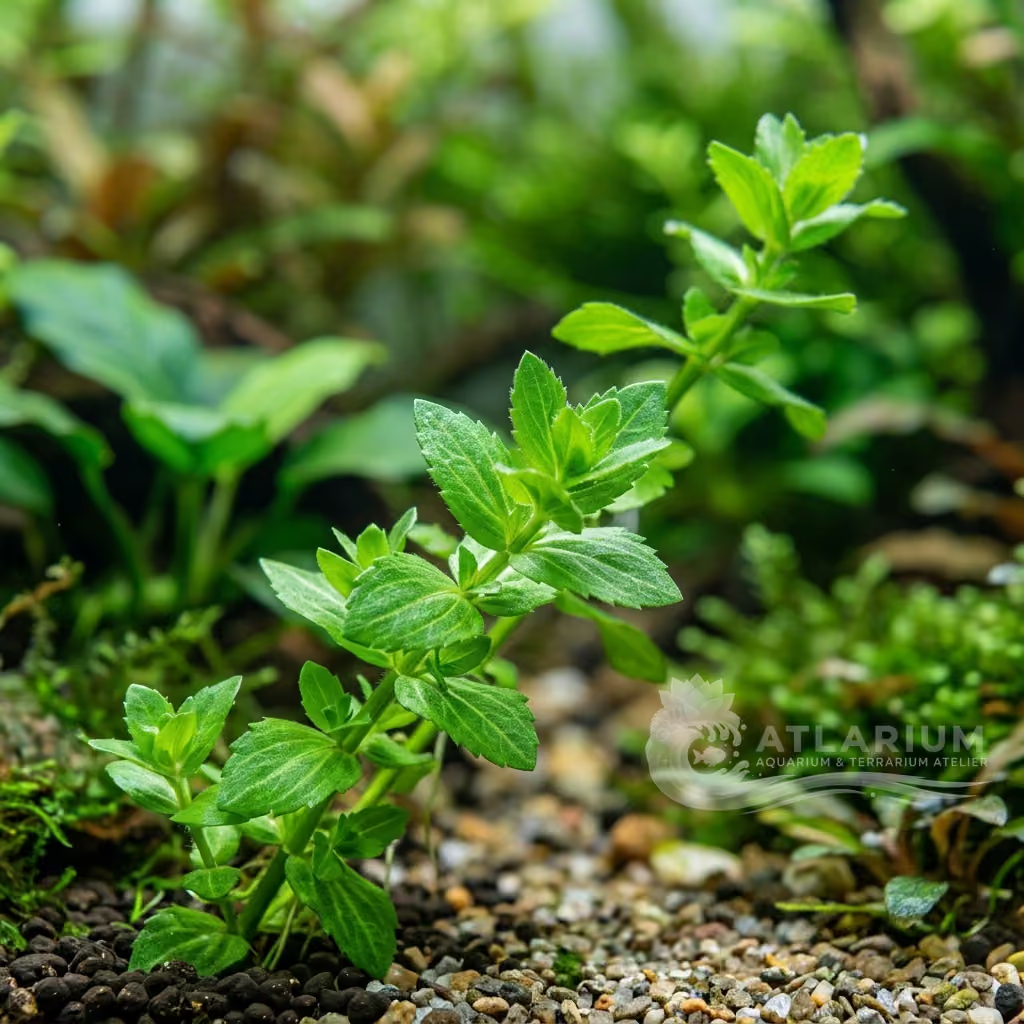
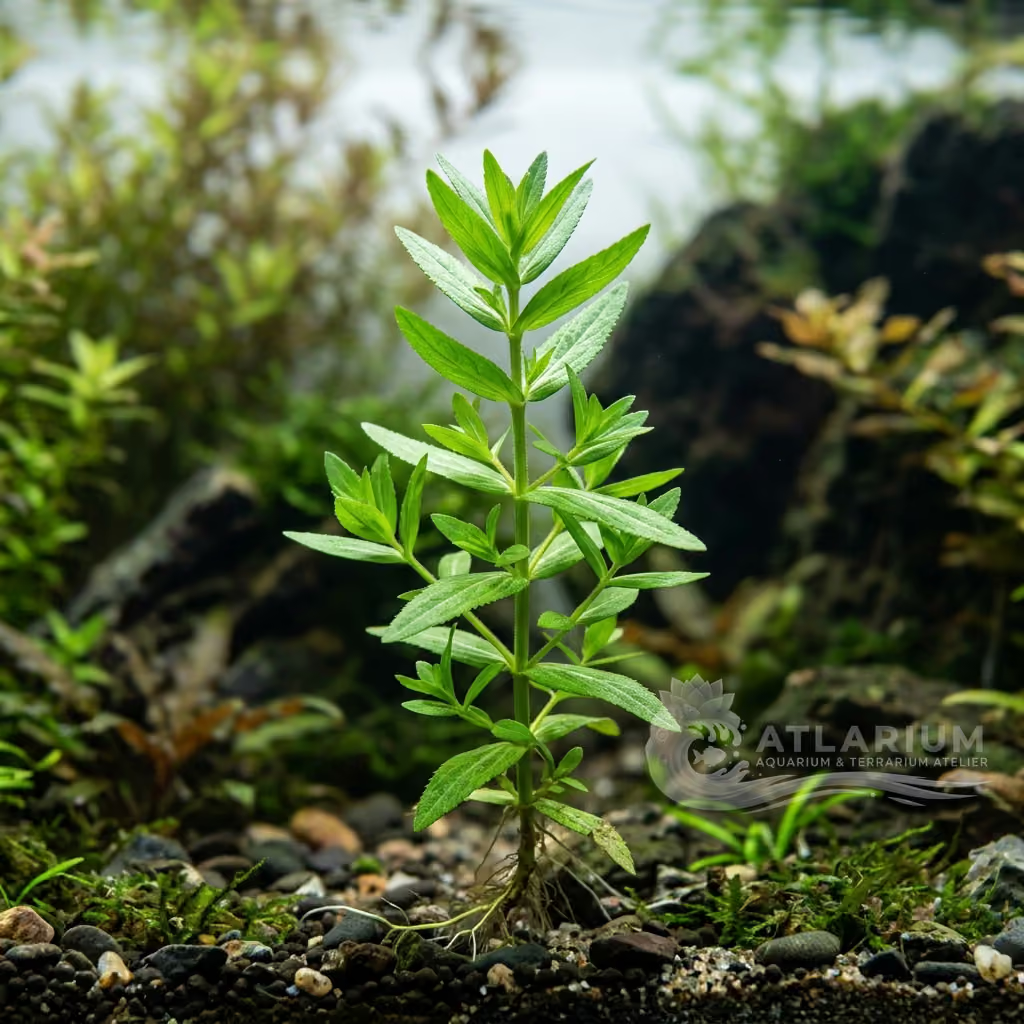
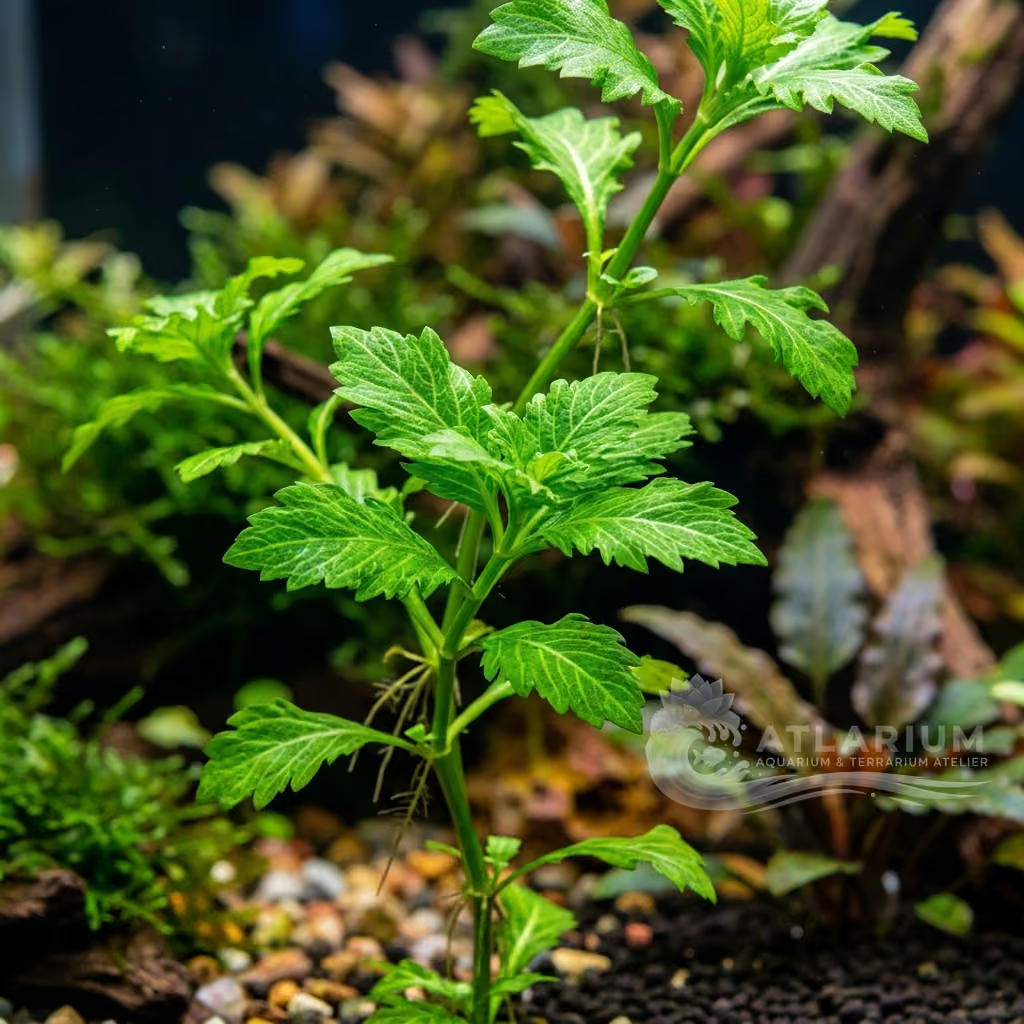
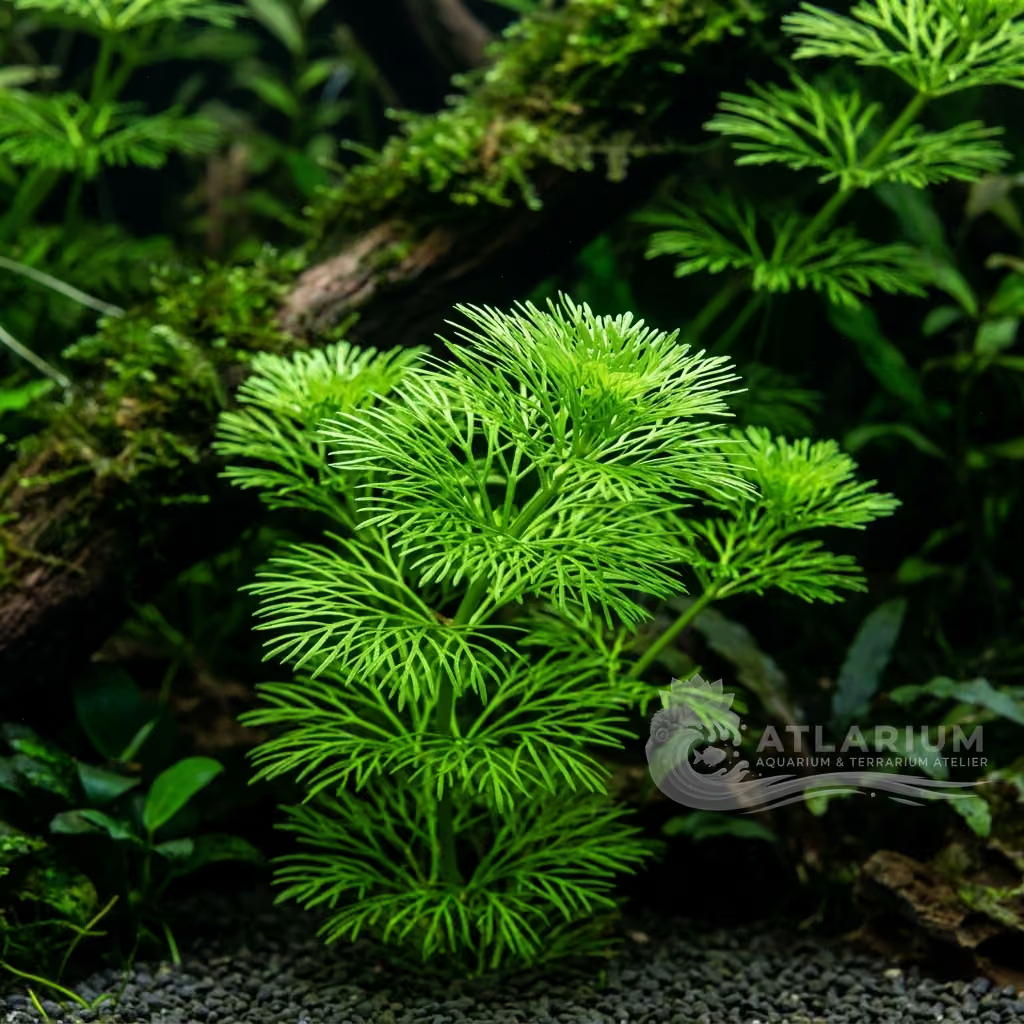
Physical Structure: The plant features an upright, cylindrical, and somewhat fleshy stem structure. The leaves are sessile (stemless), ovate to elliptical, and arranged oppositely in a decussate pattern along the stem. In its emerged form, it produces small purple flowers in the leaf axils. Roots develop rapidly from the lower nodes to anchor the plant in the substrate.
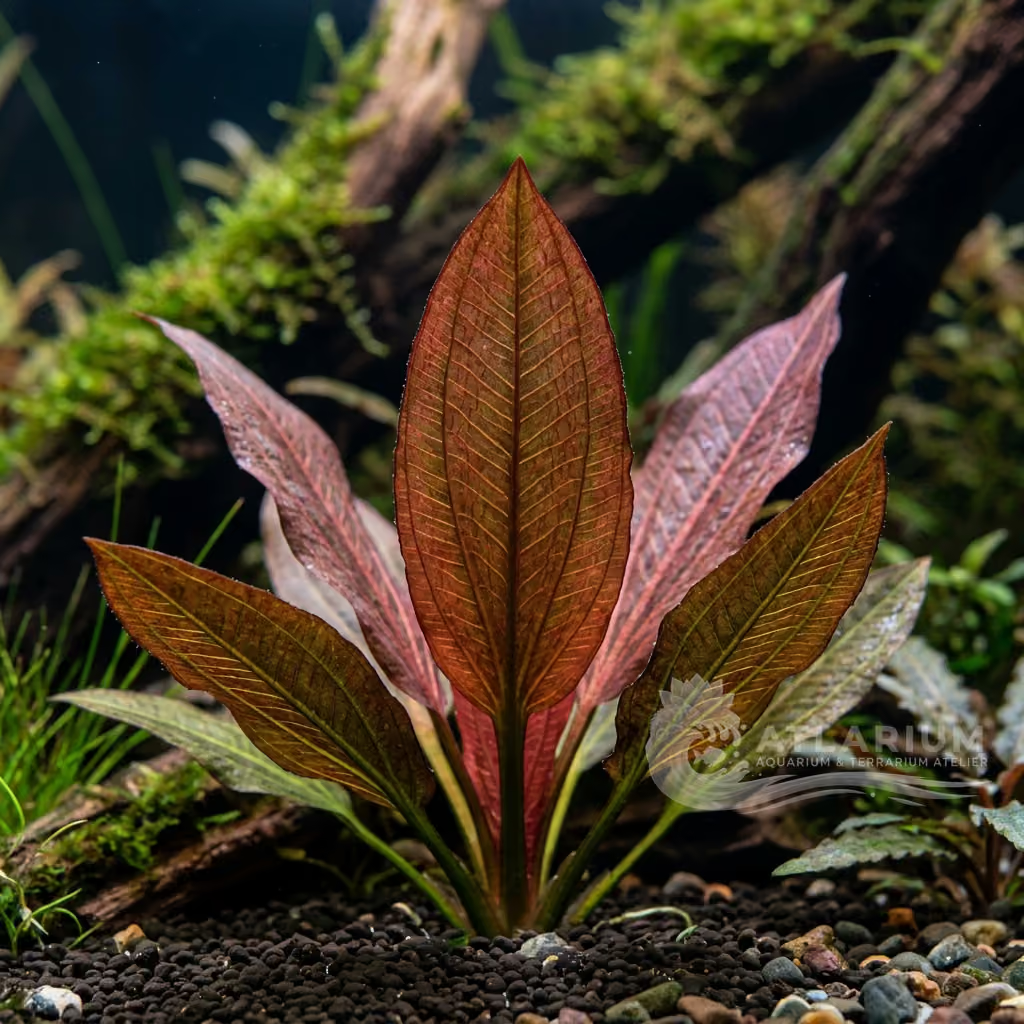
Color & Texture: Under moderate light, leaves remain olive green, but they turn a striking deep purple or reddish-purple under intense lighting combined with proper fertilization. The leaf texture is smooth, waxy, and slightly thick to the touch, with a defined cuticle that gives it a glossy appearance. The color contrast between the reddish stem and purple leaves is highly decorative.

Cuidado, criação e companheiros de tanque
Lighting & CO2: Requires moderate to strong lighting. Intense light is essential to trigger the purple coloration; under weak light, the plant will turn green and stems will stretch. CO2 injection is highly recommended, as it promotes thicker stems, shorter internodes, and robust growth.
Nutrition & Substrate: Thrives in a fertile substrate rich in iron and nutrients, which supports root establishment.
Water Chemistry: Adaptable to water parameters, it grows well within a KH range of 2 to 18 dKH and a pH of 5.0 to 7.5. The suitable temperature range is broad, from 15°C to 30°C. It prefers clean, well-filtered water with moderate flow.
Space Management & Placement: Best suited for the midground or background of the aquarium, depending on the tank size. Stems should be planted individually about 1-2 cm apart to prevent them from shading each other's lower sections.
Pruning: Pruning is done by cutting the stem just above a leaf node. Replant the cut tops directly into the substrate where they will quickly root. The remaining bottom stem will produce multiple lateral shoots, leading to a denser appearance.
Risks & Diseases: The main risk is the loss of its purple coloration under insufficient light or iron levels. Self-shading in overgrown groups can cause lower leaves to rot. It is not highly sensitive to diseases, but tender leaves can be eaten by herbivorous snails.

Origem e distribuição geográfica
Bacopa salzmannii is native to the tropical and subtropical regions of Central and South America, ranging from southern Mexico down to Brazil. In its natural environment, it grows both submerged in shallow freshwater bodies and emerged along the damp, muddy banks of slow streams, marshes, ditches, and wet meadows. This adaptation allows it to easily withstand seasonal water level fluctuations.
Origem
América Central e CaribeExtra-Amazônica América do Sul

Perfil da planta
- Posicionamento
- Plano intermediário
- It is ideally placed in the midground of the aquarium where it can serve as a striking focal point. Because of its intense color, it is best grouped in a dense bush against a green backdrop. Ensure it receives unobstructed light for maximum color expression.
- Forma botânica
- Caule
- It has thick stems and fleshy, ovate leaves that grow opposite each other. Under optimal conditions, the leaves develop deep purple to reddish hues. The overall structure is sturdy and upright, very similar in shape to B. caroliniana but with spectacular coloration.
- Crescimento
- Rápida
- Its growth rate is slow to moderate, making it relatively easy to maintain compared to fast-growing red stem plants. It takes some time to acclimate and begin upward growth after planting. This manageable pace makes it perfect for meticulously planned aquascapes.
- Substrato
- Média
- Bacopa salzmannii displays its best coloration and growth when planted in a moderately nutrient-rich substrate, such as a specialized aqua soil. Its root system establishes firmly within a 4 to 6 centimeter deep bed, functioning both as a strong anchor for its fleshy stems and as a primary conduit for mineral uptake. While it can survive in inert setups if water column fertilization is robust, a fertile bottom greatly enhances the vivid reddish-purple hues often seen in this species. The use of fine to medium-grained substrates is recommended to allow its delicate roots to penetrate effortlessly.
- Fertilização de coluna
- Necessária
- Liquid column fertilization is highly effective, as it absorbs many nutrients through its leaves. A strict dosing regimen of iron and trace elements is necessary to maintain the deep purple tones. Potassium is also crucial for preventing holes in older leaves.
- Fertilização radicular
- Recomendada
- A rich, active soil substrate greatly benefits its overall health and root development. Inserting root tabs at the base of the stems can give it an extra boost during the acclimation phase. Strong roots are necessary to support its thick, heavy stems.
- Corte
- Ocasional
- Trim the plant by cutting the stem just above a healthy leaf node. The trimmed tops can be replanted, while the remaining base will sprout new side shoots. Regular trimming encourages a much denser, bushier form over time.
- Propagação
- Estacas
- Propagation is straightforward through stem cuttings. Take a cutting from the top of the plant and push it gently into the substrate. The cutting will quickly develop roots and continue growing as a new plant.
- Sensibilidade
- LOW
- While somewhat hardy, it will quickly lose its intense colors if light or nutrients are lacking. It does not tolerate heavy shading well, which causes the lower leaves to rot. It is relatively resilient against common algae if the plants are growing healthily.
- Função de layout
- Plano intermediário, Fundo
- Its primary role is to provide a dramatic splash of purple or dark red color in the aquascape. It contrasts beautifully with bright green, fine-leaved background plants. It is highly sought after by aquascapers looking for unique color variations beyond standard reds.

Espécies relacionadas
Recomendações agrupadas por parentes próximos, escolhas de acompanhantes e cuidados semelhantes.