Cuphea anagalloidea
Cuphea anagalloidea
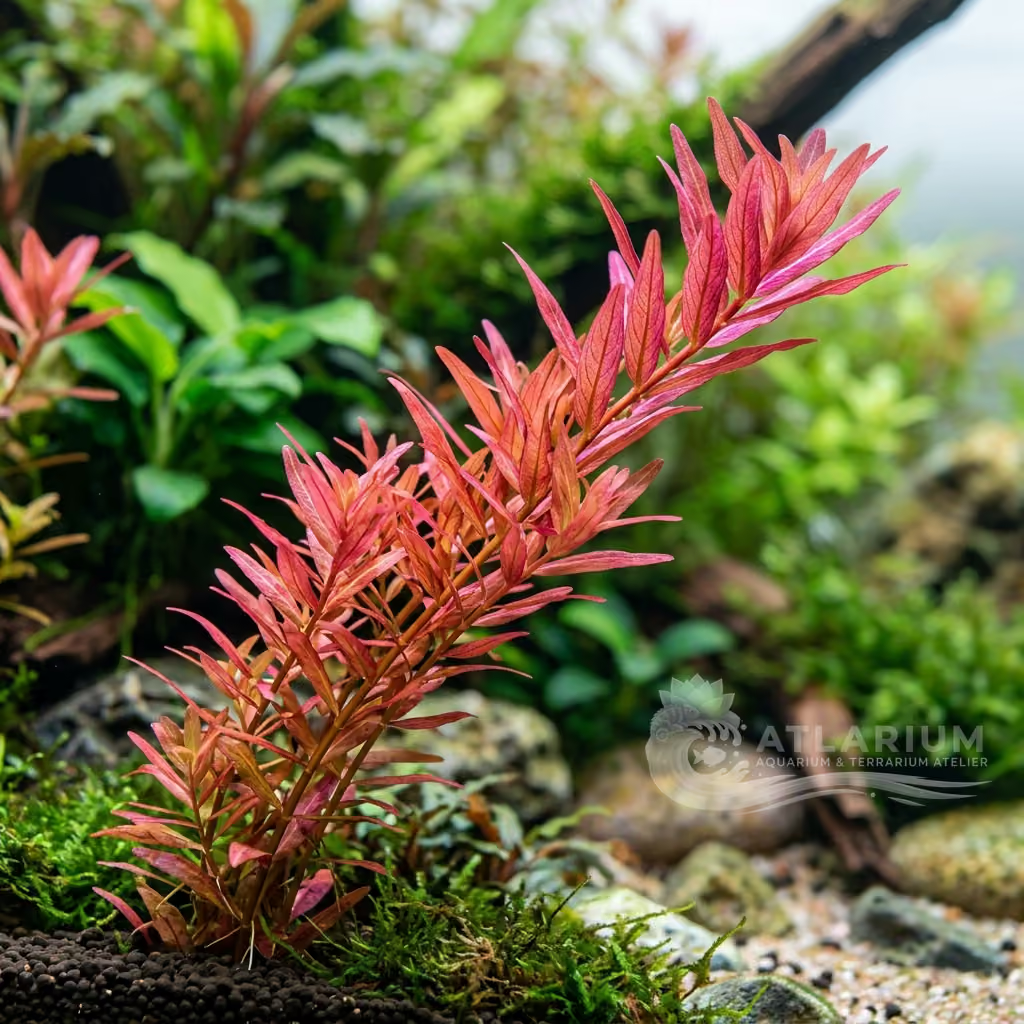
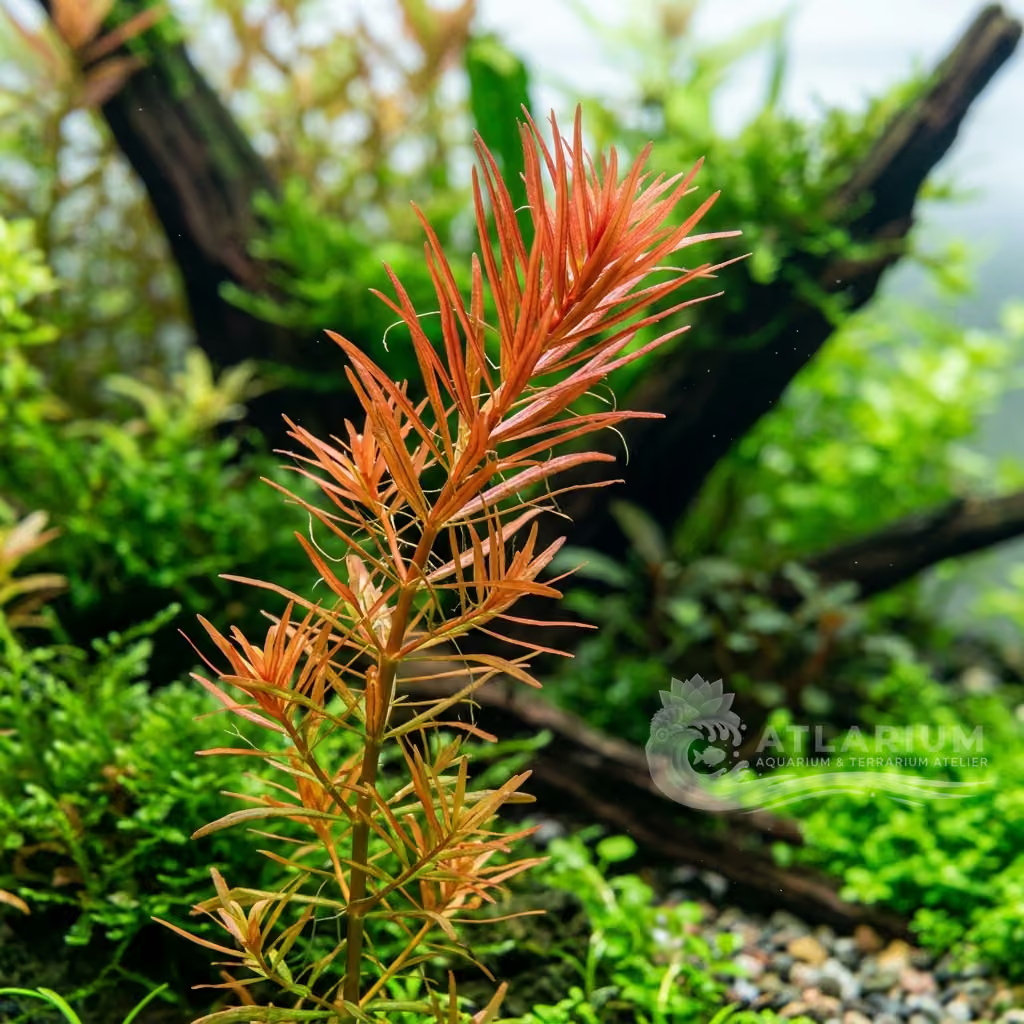
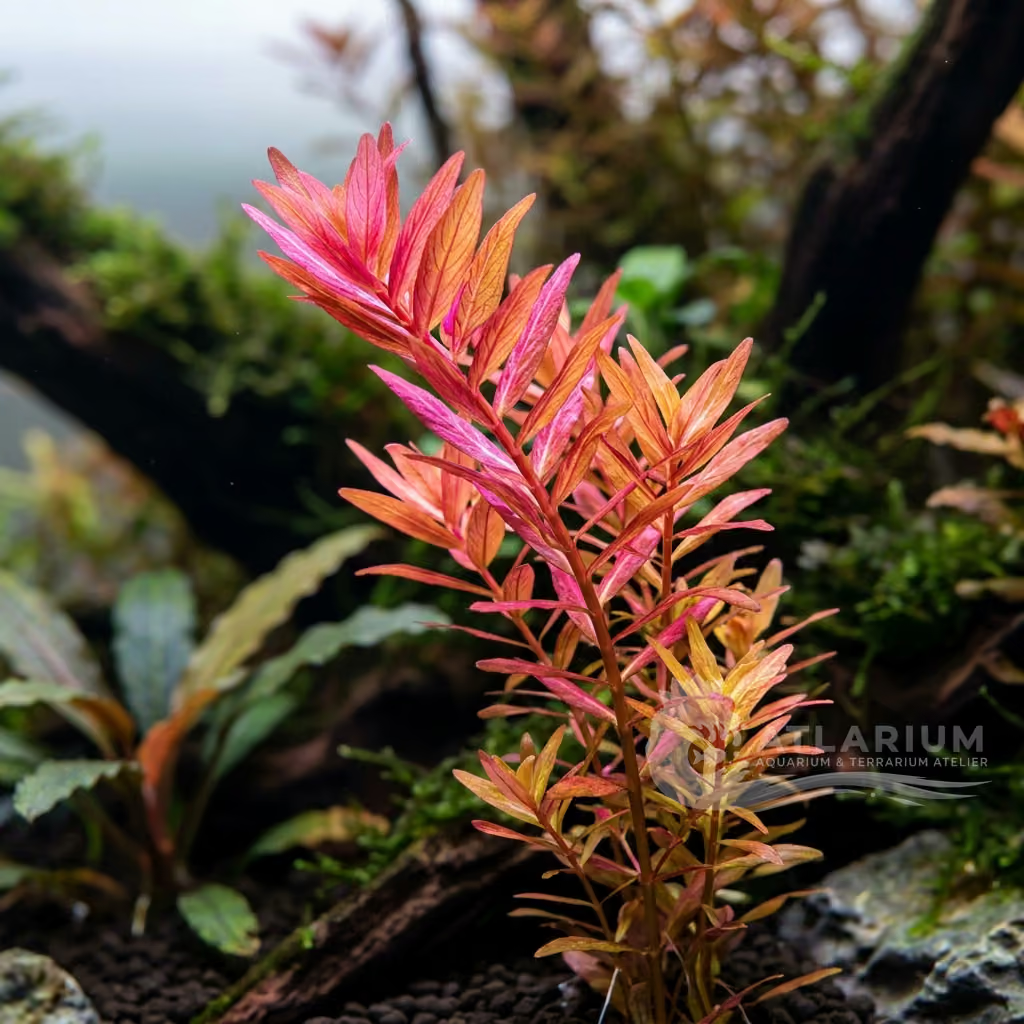
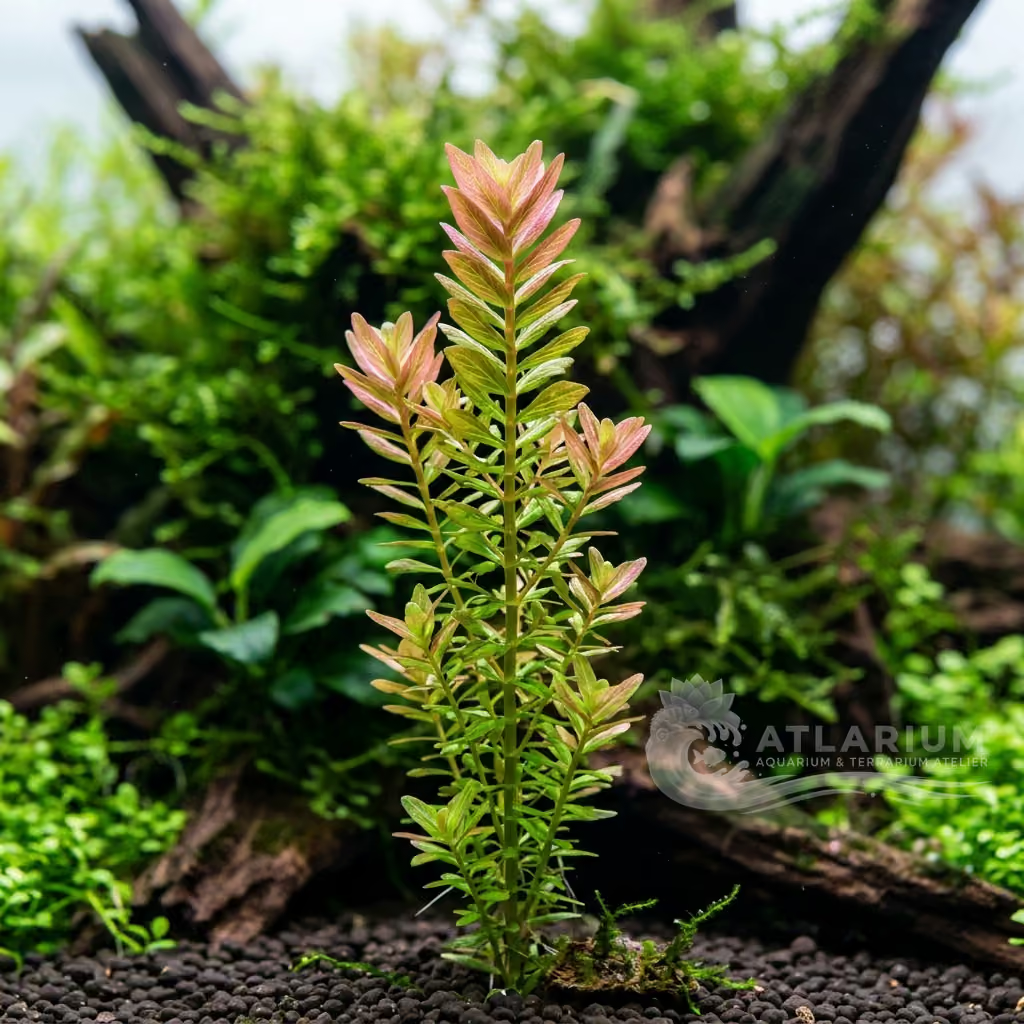
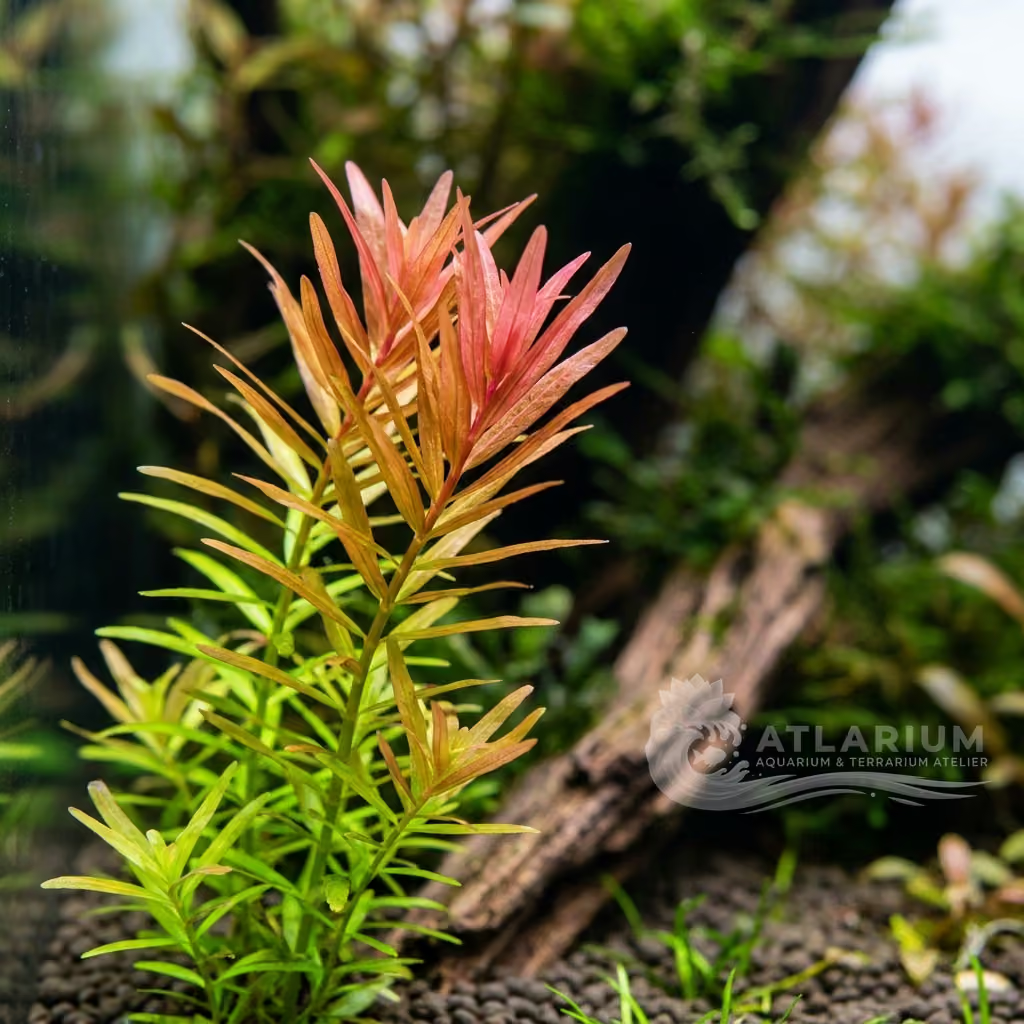
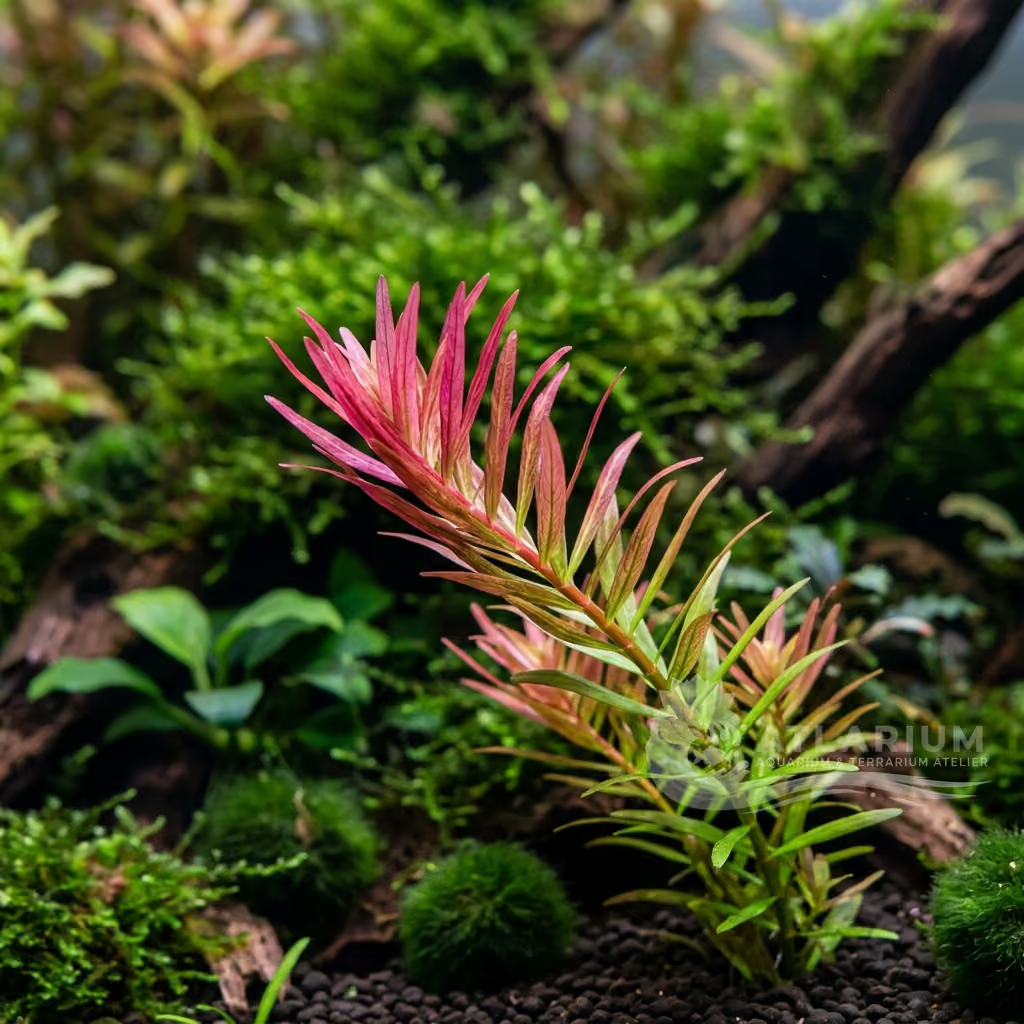
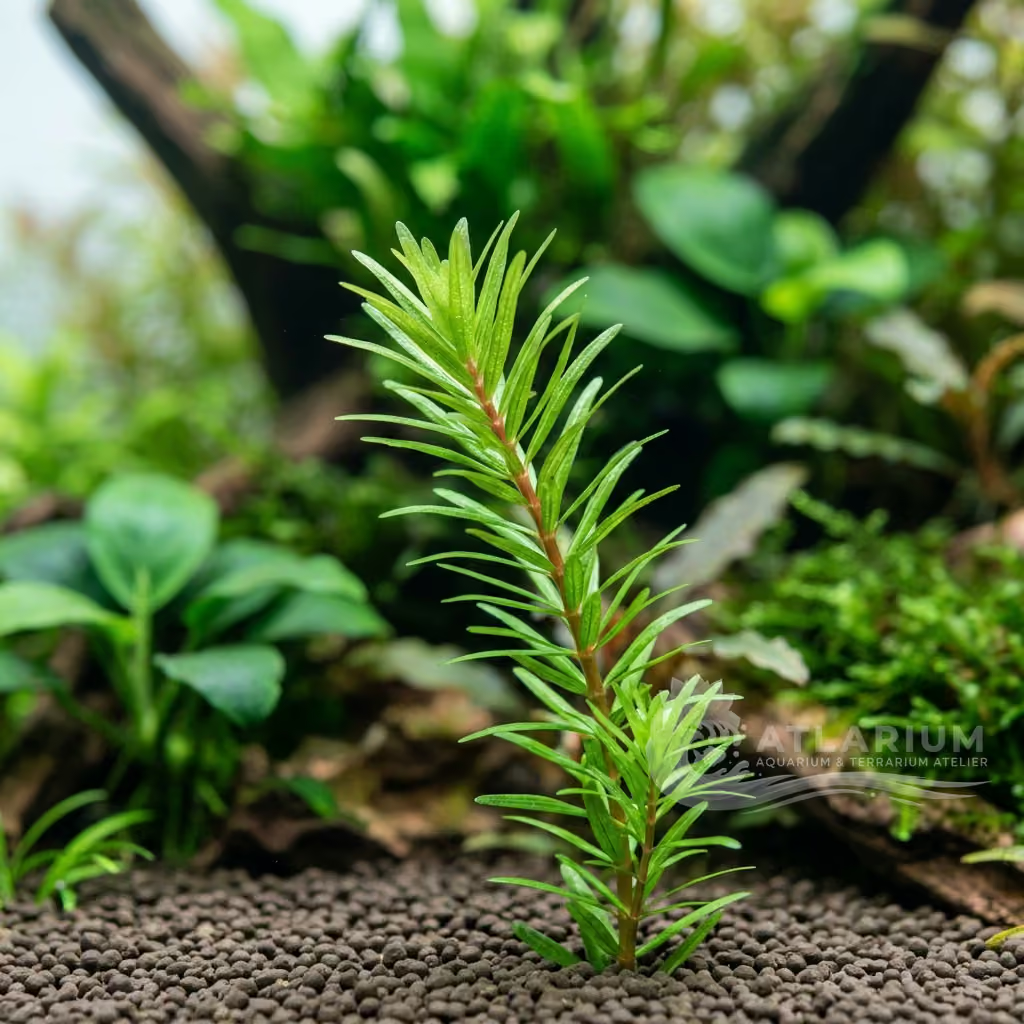
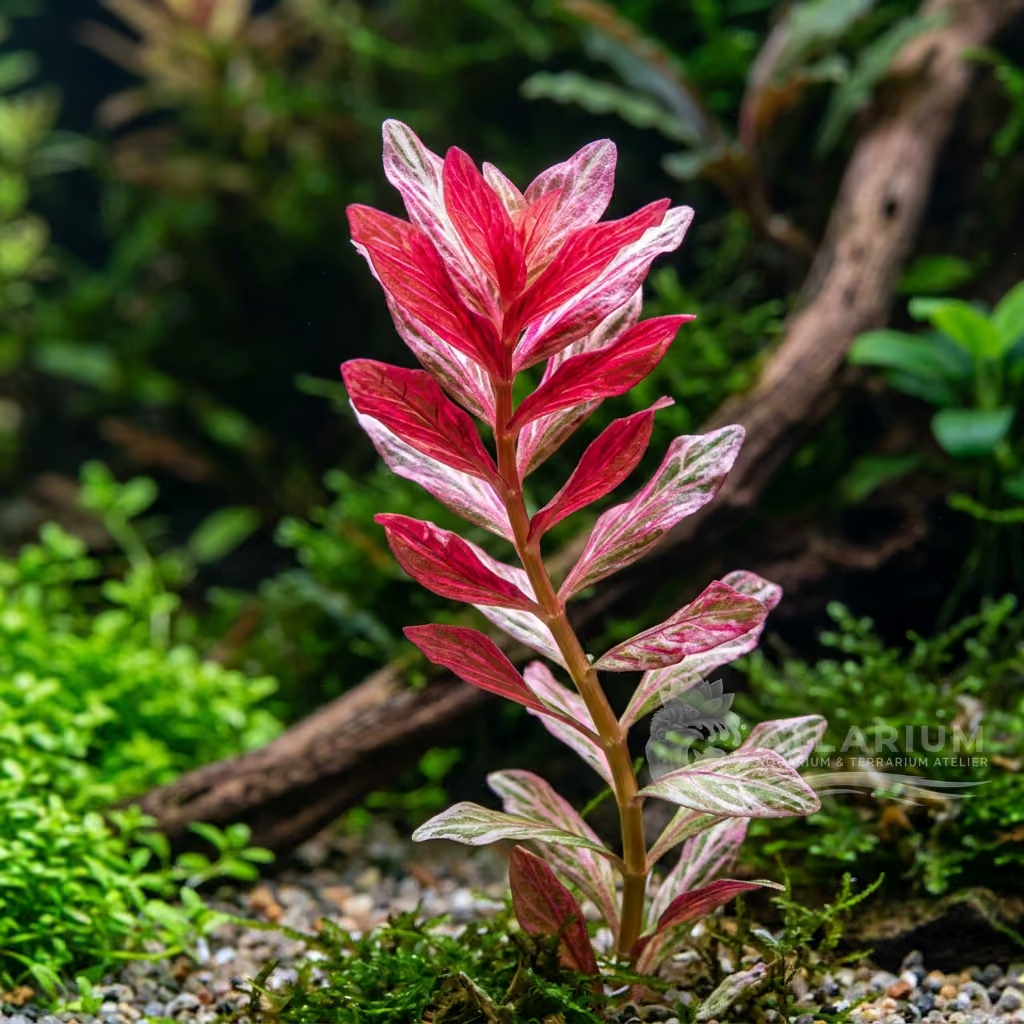
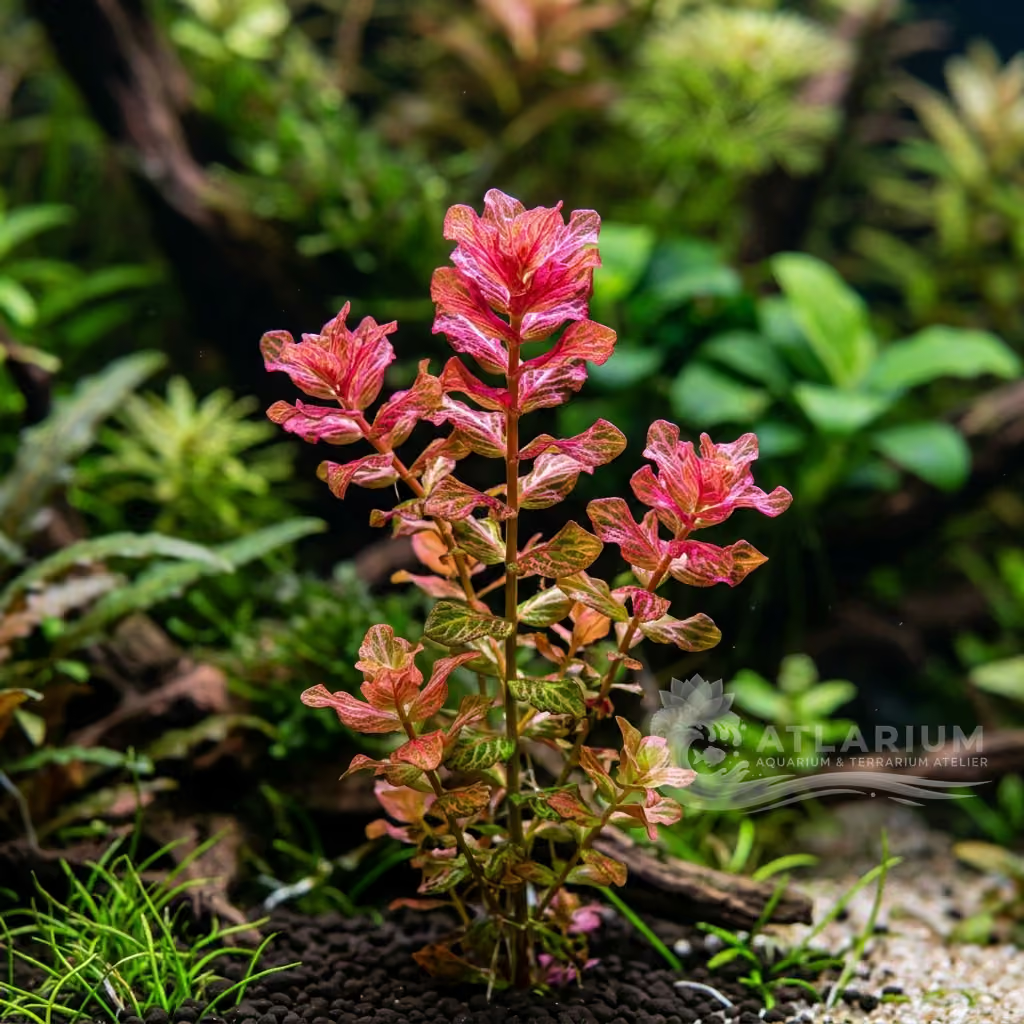
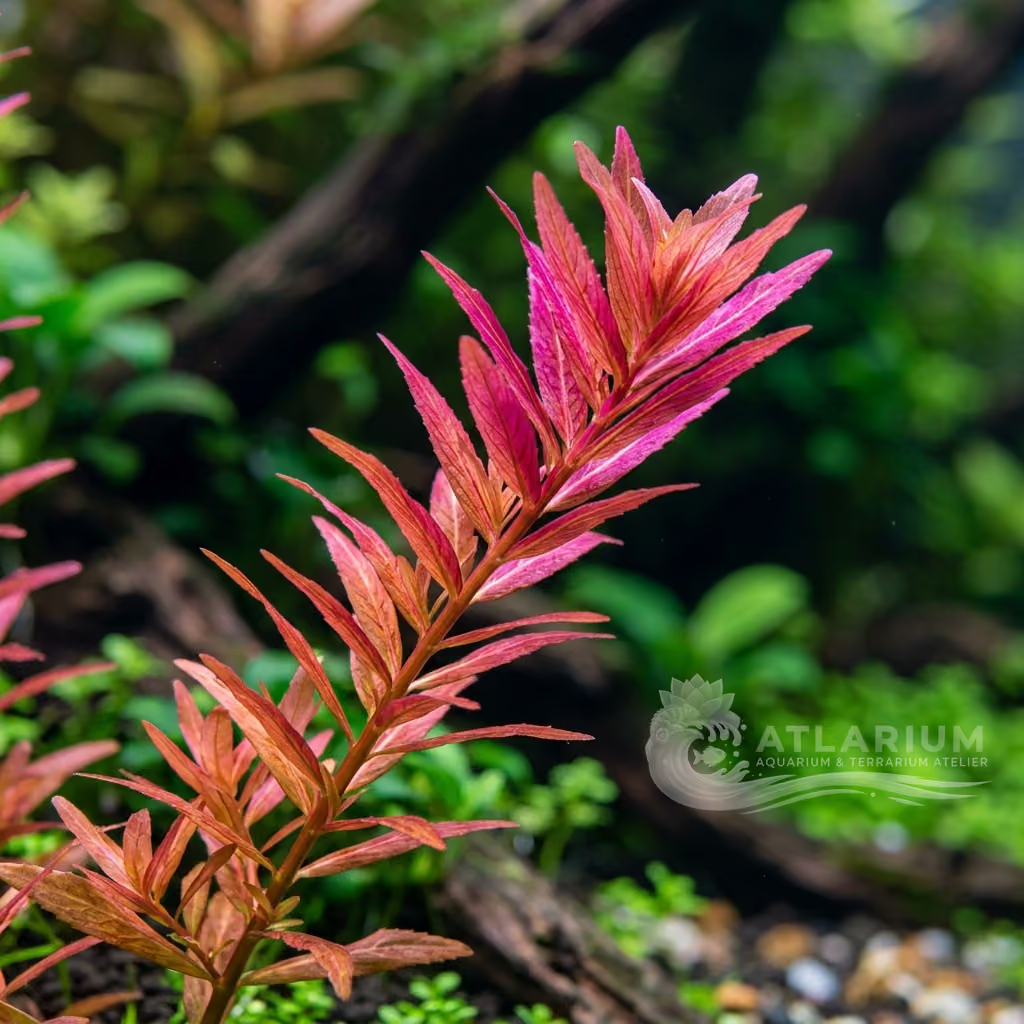
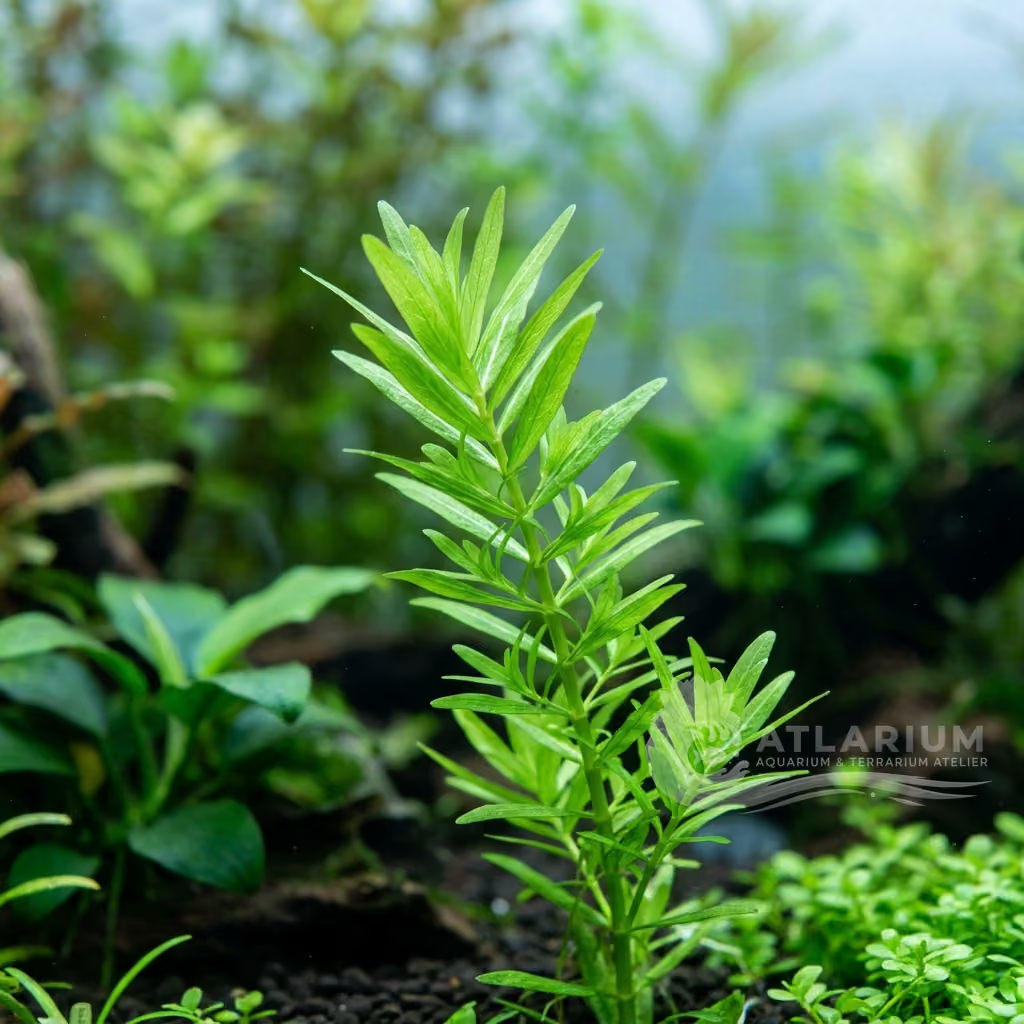
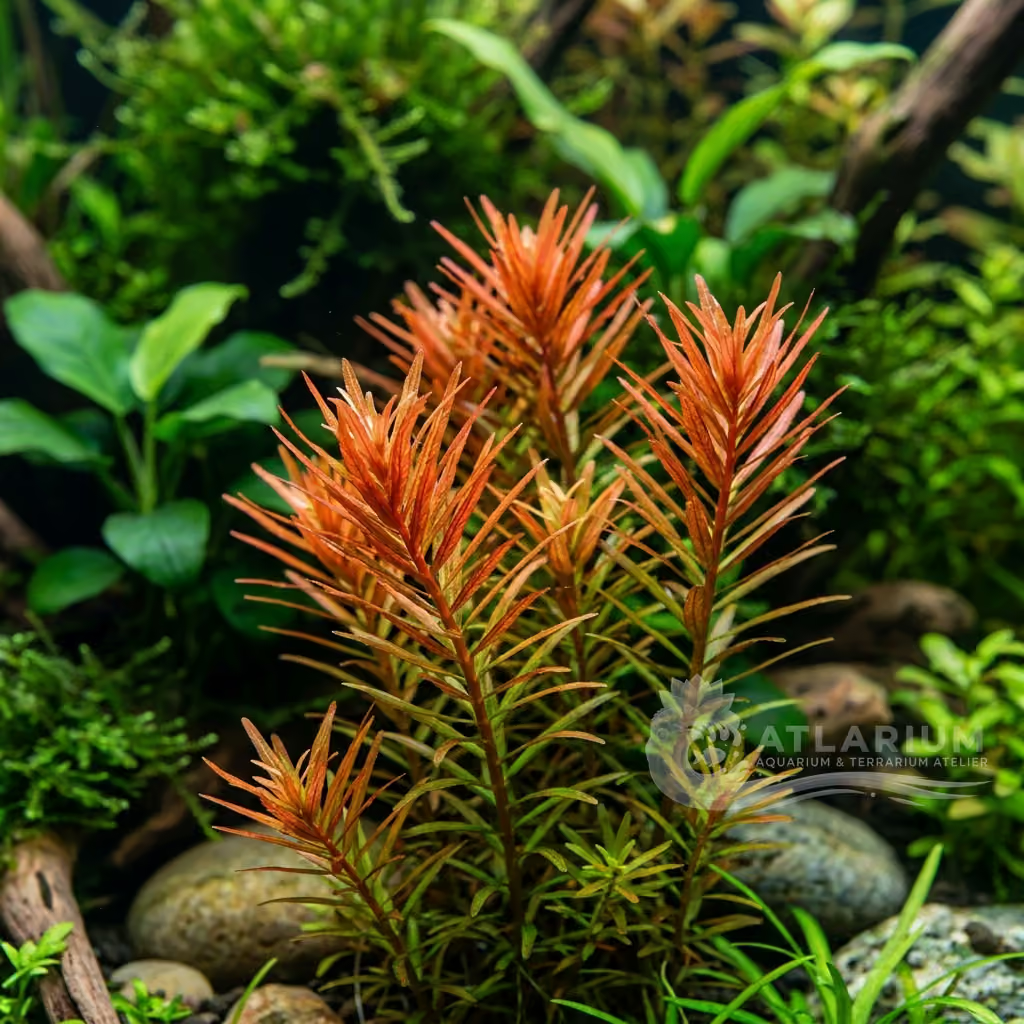
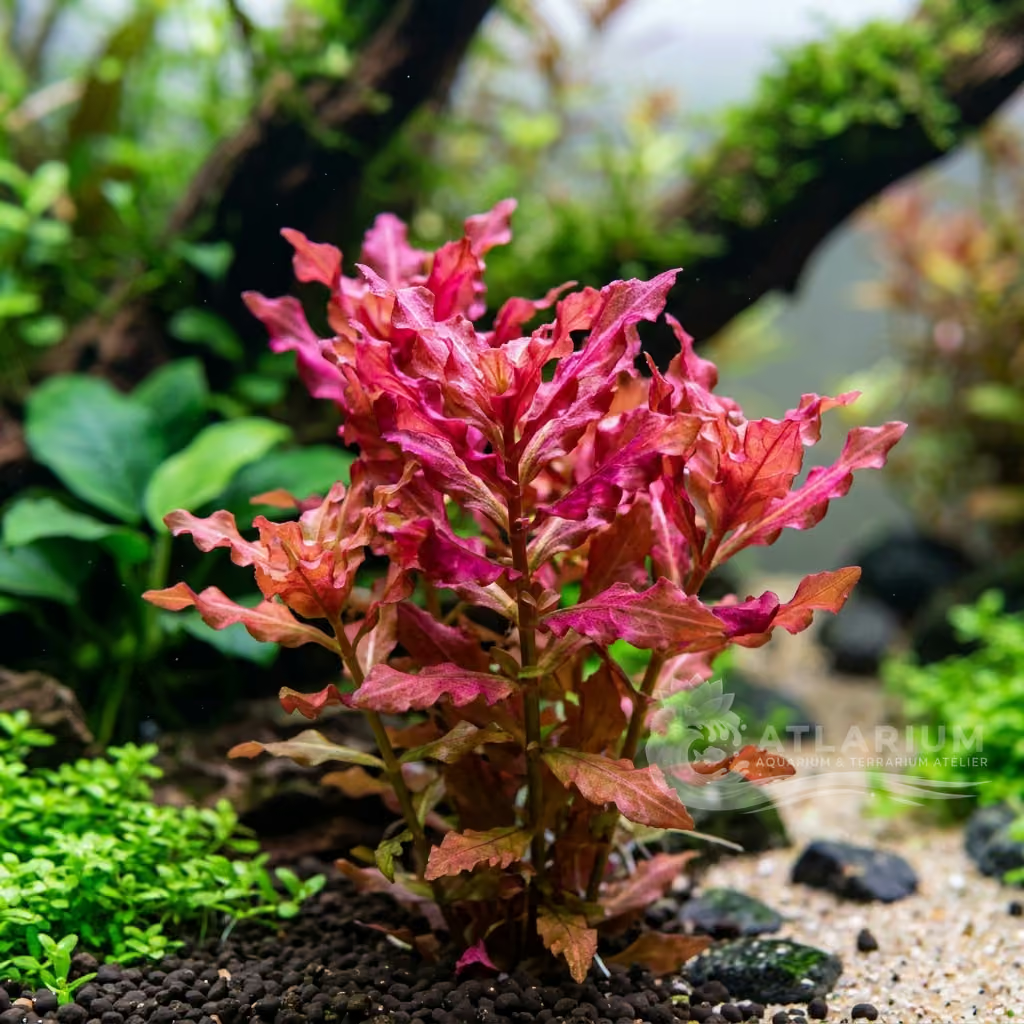
Cuphea anagalloidea is a magnificent, compact stem plant that develops bright orange-red foliage under intense light. Medium growth, perfect as an accent.
Temperatura da água
20 - 26 °C
Valor de pH
4.5 - 7
Tipo de água
Água doce
Luz
Alta
CO2
Baixa - Alta
Altura esperada
15 cm
Largura esperada
10 cm
KH
0 - 7 dKH

Descrição da espécie
Geographical Origin and Habitat: Cuphea anagalloidea is native to the Americas, particularly within the tropical and subtropical regions of Central and South America. In the wild, it colonizes sandy riverbanks, marshlands, and seasonally flooded soils, growing predominantly in emersed form and adapting to submerged life during flood periods. It inhabits clear, soft, acidic, and highly sunlit waters, where direct sunlight stimulates its distinct protective
Color & Texture: ation.
Taxonomy & Genetics: It belongs to the Lythraceae family, genus Cuphea. Sometimes incorrectly commercialized under obsolete synonyms or mistaken for Rotala or Bacopa species, it is a distinct plant characterized by short, opposite leaves. Genetically, its ability to synthesize high concentrations of red pigments (carotenoids and anthocyanins) is a protective adaptation against intense solar radiation in shallow waters.
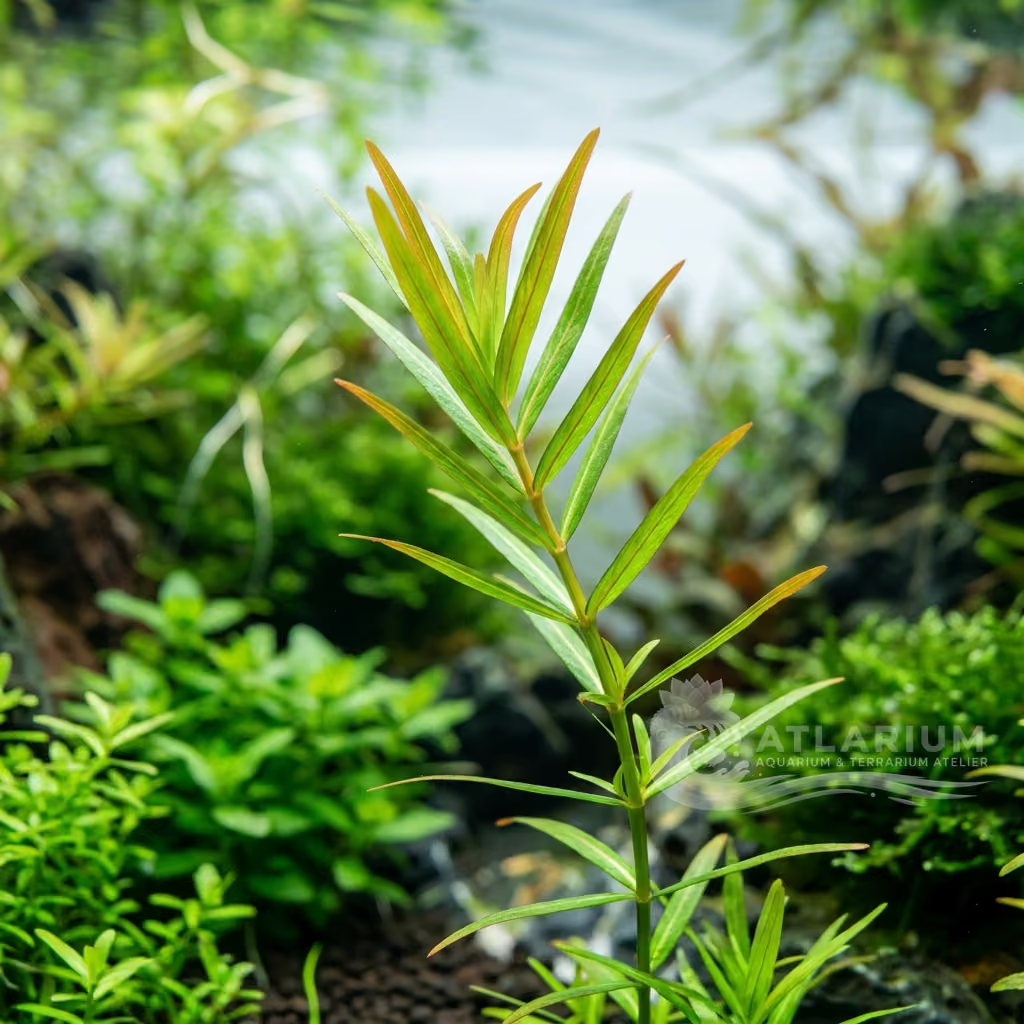
Physical Structure: It features an erect and highly branched stem structure if pruned regularly. The stems are thin but rigid, with opposite and decussate foliage. The leaves are small, sessile, rounded to ovate in shape, and measure just 1-2 cm in length. The root system is fibrous and delicate, serving mainly as anchorage while the plant absorbs most nutrients through its leaves.
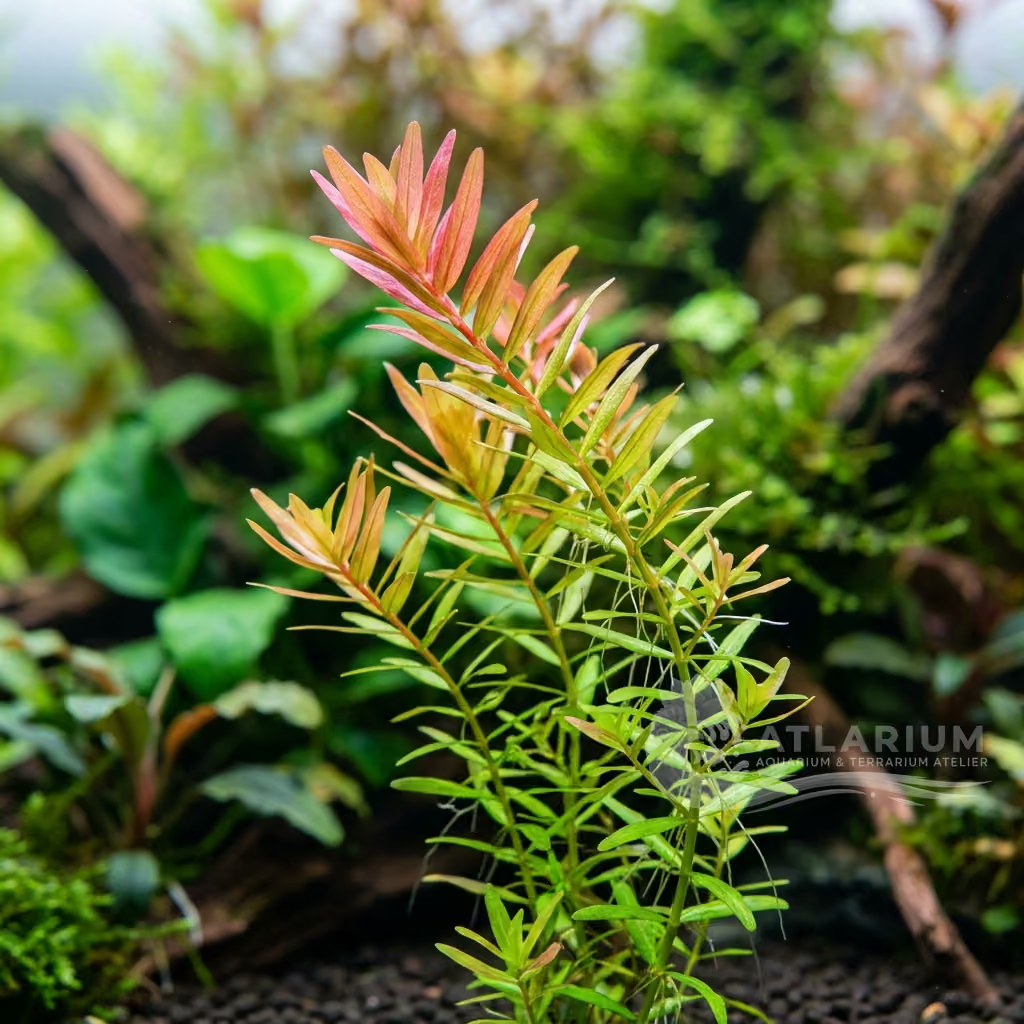
Color & Texture: Under optimal cultivation conditions, the leaves assume a spectacular coloration ranging from golden orange to brick red or bright fiery red, especially near the growing tips. Under weak light or with excess nitrates, the color quickly shifts to yellowish-green. The leaf texture is smooth, soft, and extremely compact, creating a very dense, colorful cushion.

Cuidado, criação e companheiros de tanque
Lighting & CO2: Requires very intense lighting. Without strong light, it loses its red coloration and the stems tend to decay. Constant CO2 injection (at least 20-30 mg/L) is essential to support photosynthesis and ensure healthy, branched development of this demanding species.
Nutrition & Substrate: Nutrient uptake occurs mainly through the
Water Chemistry: Prefers soft, acidic water. The ideal KH is between 0 and 7 dKH, with an acidic or neutral pH (4.5-7.0). It is sensitive to hard, calcareous water. The optimal cultivation temperature is between 20°C and 26°C.
Space Management & Placement: Due to its compact size, it is perfect for the midground or foreground in nano or medium-sized aquariums. It should be planted in dense, small groups, spacing individual stems about 1 cm apart to prevent lower leaves from being shaded. It serves as a fantastic color accent point.
Pruning: Pruning is done by trimming the tops of the main stems. The plant responds by producing numerous lateral shoots that create a bushy growth. The cut tops can be replanted directly into the substrate to propagate, where they will quickly develop new roots.
Risks & Diseases: It is a delicate plant and sensitive to sudden nutrient changes or lack of CO2, which can cause growth stunts and lower leaf loss. The surface of the short leaves can collect dust and organic debris if the water flow is poor, promoting filamentous algae.

Origem e distribuição geográfica
Cuphea anagalloidea is native to the Americas, particularly within the tropical and subtropical regions of Central and South America. In the wild, it colonizes sandy riverbanks, marshlands, and seasonally flooded soils, growing predominantly in emersed form and adapting to submerged life during flood periods. It inhabits clear, soft, acidic, and highly sunlit waters, where direct sunlight stimulates its distinct protective
Origem
Extra-Amazônica América do SulAmérica Central e Caribe

Perfil da planta
- Posicionamento
- Plano intermediário
- Best placed in the midground or foreground depending on the scale of the aquascape. Its creeping, bushy growth habit makes it excellent for draping over hardscape or terraced areas. It should be planted where it receives unobstructed, intense lighting.
- Forma botânica
- Caule
- Features small, narrow, and slightly curved leaves that grow densely along the stems. Under optimal conditions, the foliage develops striking orange, red, and purple hues. The plant naturally tends to grow at an angle or horizontally, creating a unique bushy texture.
- Crescimento
- Média
- Exhibits a slow to moderate growth rate, which makes it relatively easy to maintain once established. The provision of high light, CO2 injection, and rich fertilization is crucial to encourage steady growth. Under suboptimal conditions, its growth can stall completely.
- Substrato
- Média
- Cuphea anagalloidea exhibits moderate substrate demands, growing effectively in a standard fine gravel or specialized aqua soil. Its roots anchor the delicate stem structure firmly, absorbing a balanced mix of nutrients from the base. A substrate depth of 3-4 centimeters is sufficient to support its root development and prevent uprooting. While it can extract some nutrients from the water column, an enriched substrate promotes more vibrant coloration and robust growth.
- Fertilização de coluna
- Recomendada
- Demands comprehensive and regular liquid fertilization to maintain its vibrant coloration and health. Adequate levels of iron and trace elements are especially important for enhancing its reddish pigments. Consistent dosing prevents the lower leaves from deteriorating.
- Fertilização radicular
- Nenhuma
- Greatly benefits from a nutrient-rich substrate, such as aquasoil, which supports its root development. While it absorbs significant nutrients from the water column, root feeding provides a stable nutrient reserve. Supplemental root tabs can be used to boost growth in older setups.
- Corte
- Ocasional
- Requires careful trimming to shape the bush and encourage denser branching. Prune the tops to promote lateral shoots, which enhances its horizontal growth pattern. Replant the healthy cuttings to propagate and thicken the plant grouping.
- Propagação
- Estacas
- Propagated easily by taking stem cuttings and replanting them into the substrate. Ensure that the cuttings are planted with adequate spacing to allow light to reach the lower leaves. The original stems will readily produce side shoots after being trimmed.
- Sensibilidade
- Moderada
- A rather demanding and sensitive plant that requires stable, optimal conditions to thrive. It is highly susceptible to algae growth on its slow-growing leaves if nutrient and CO2 levels are imbalanced. It requires intense lighting and will quickly deteriorate in shaded areas.
- Função de layout
- Nano, accent, Plano intermediário
- Serves as a stunning focal point or color accent in the midground of the aquascape. Its unique creeping habit and vibrant reddish-orange colors provide excellent contrast against green plants. It is highly valued in nature and Dutch-style aquariums for its striking visual impact.

Espécies relacionadas
Recomendações agrupadas por parentes próximos, escolhas de acompanhantes e cuidados semelhantes.