Rotala macrandra 'Green Narrow Leaf'
Rotala macrandra
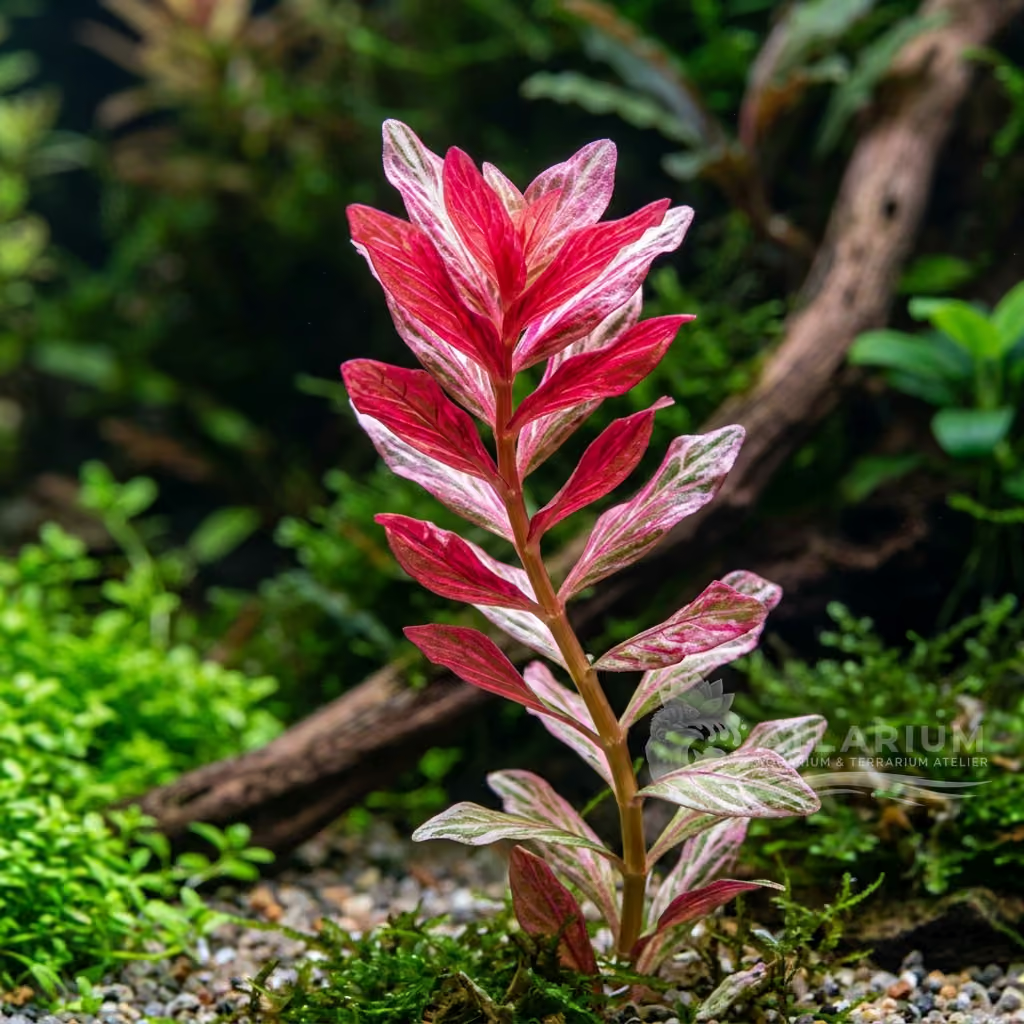
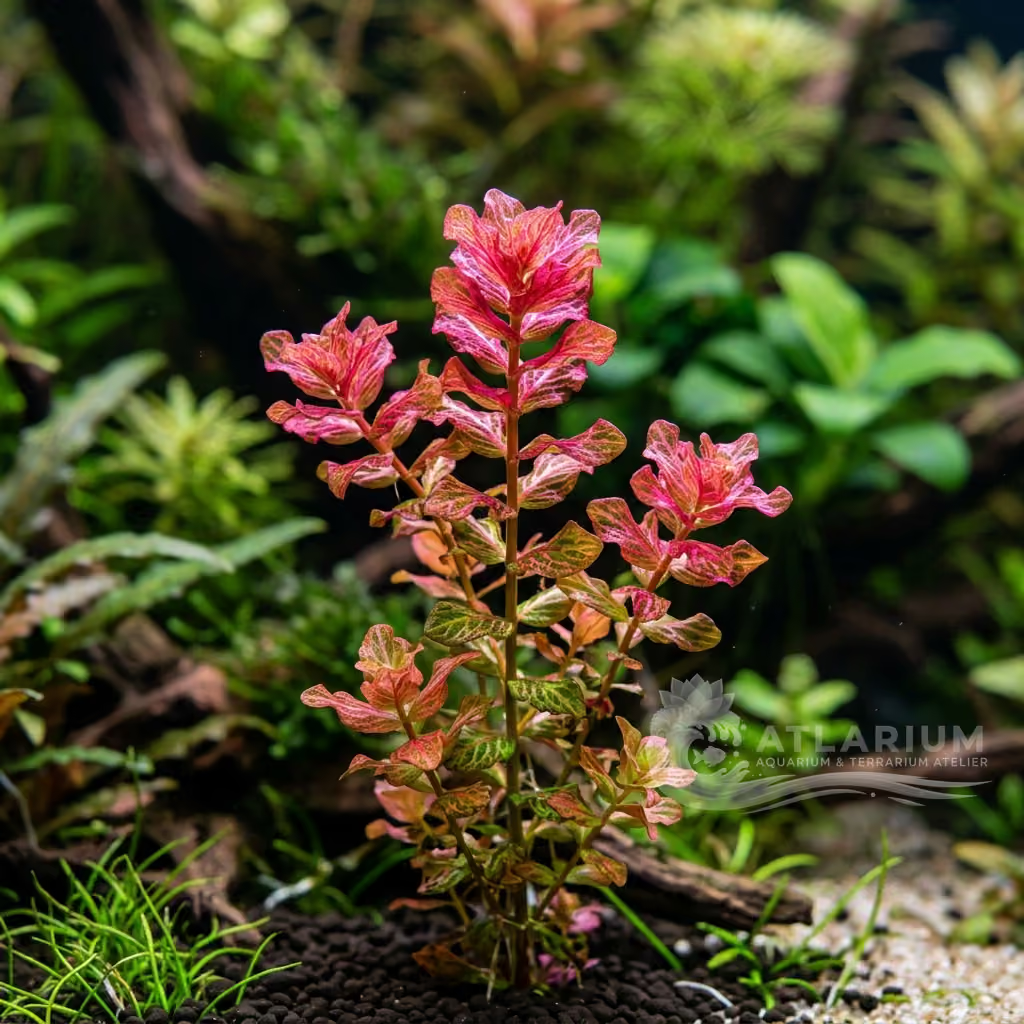
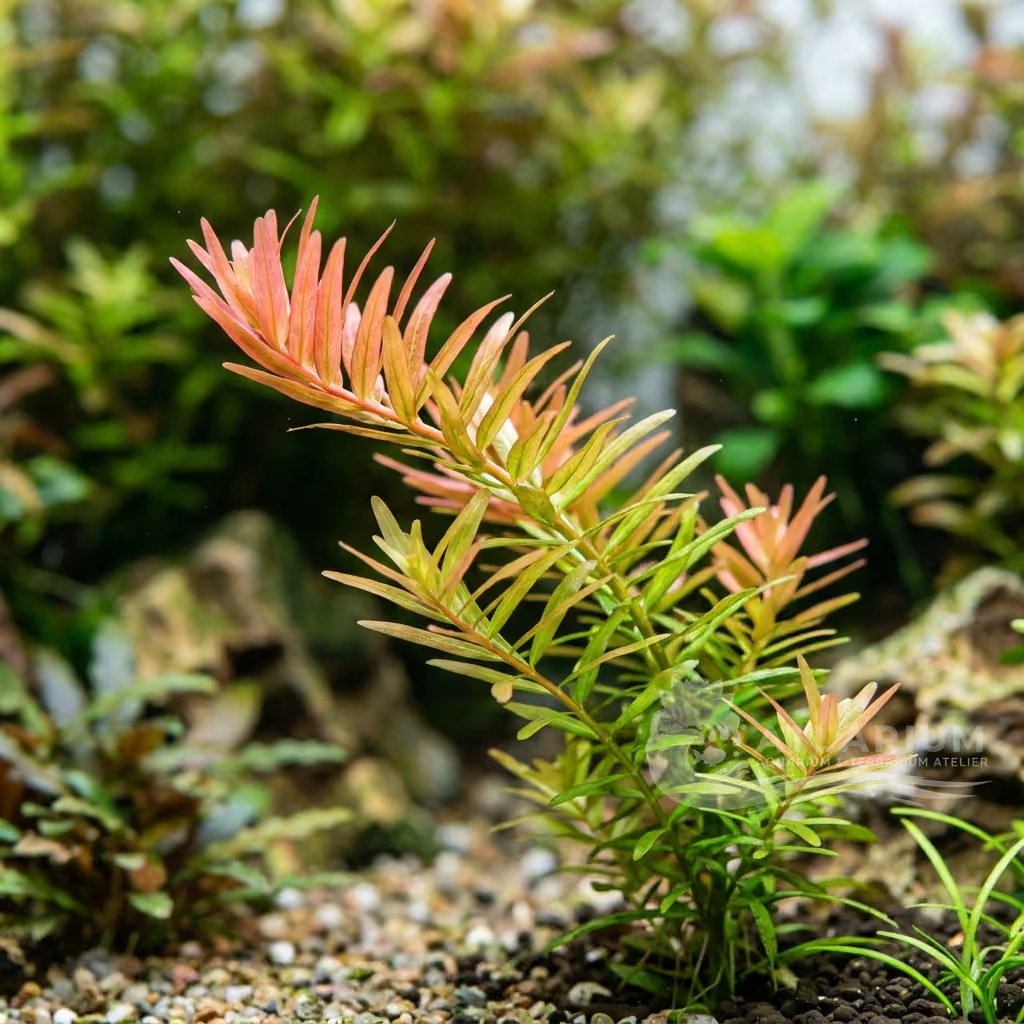
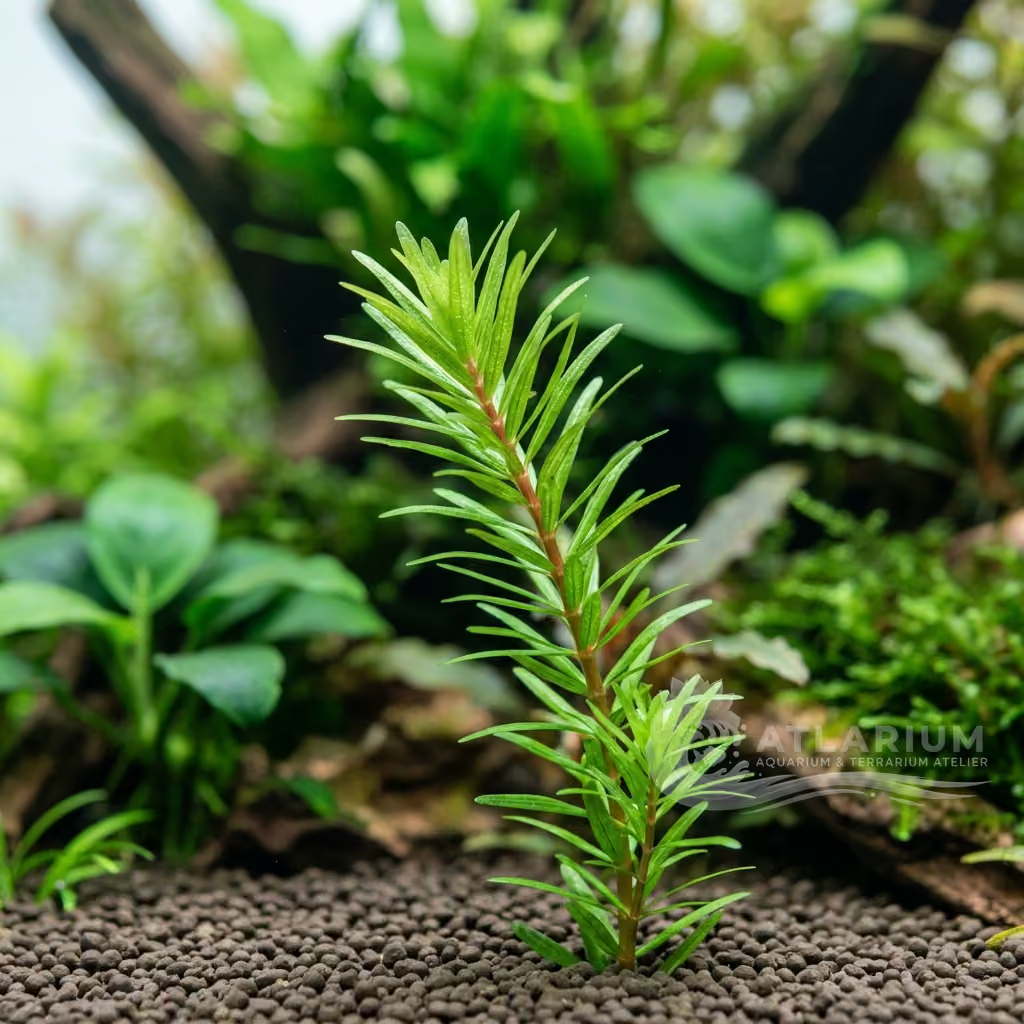
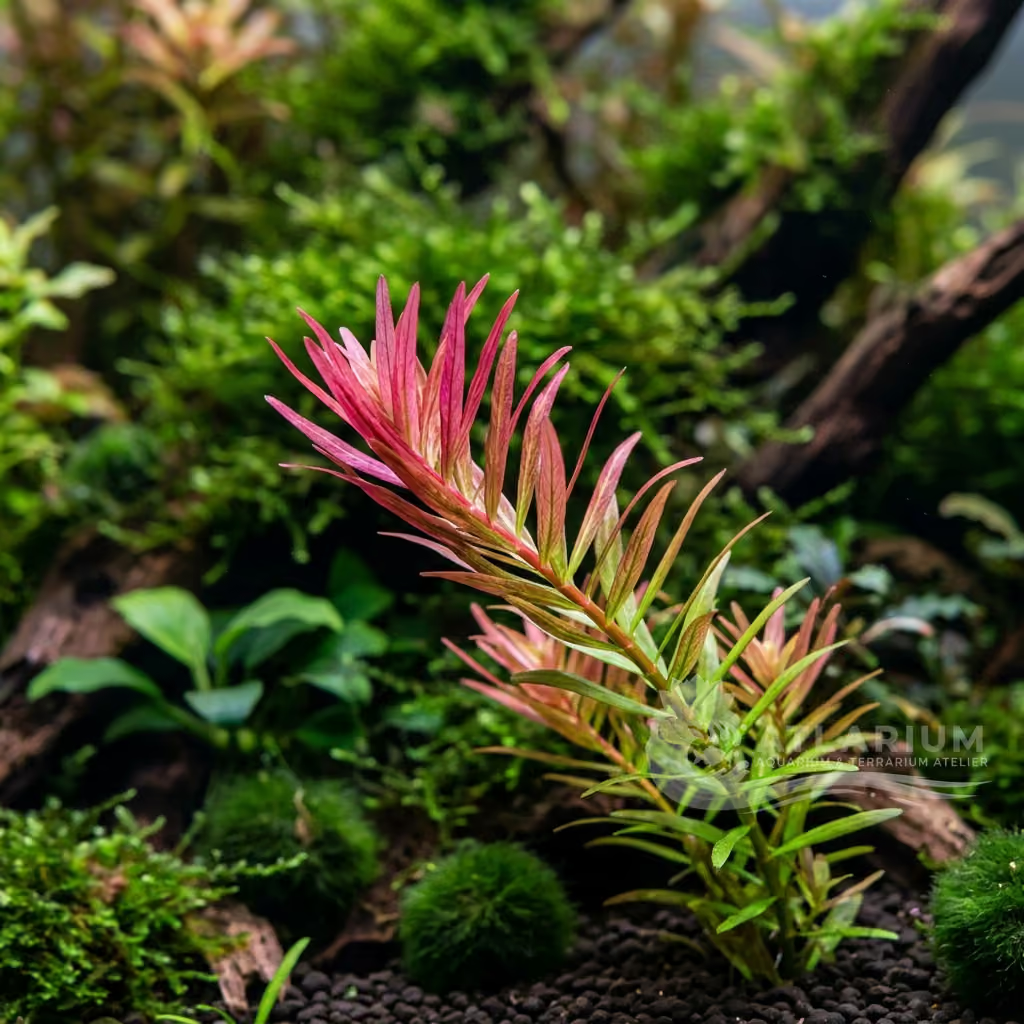
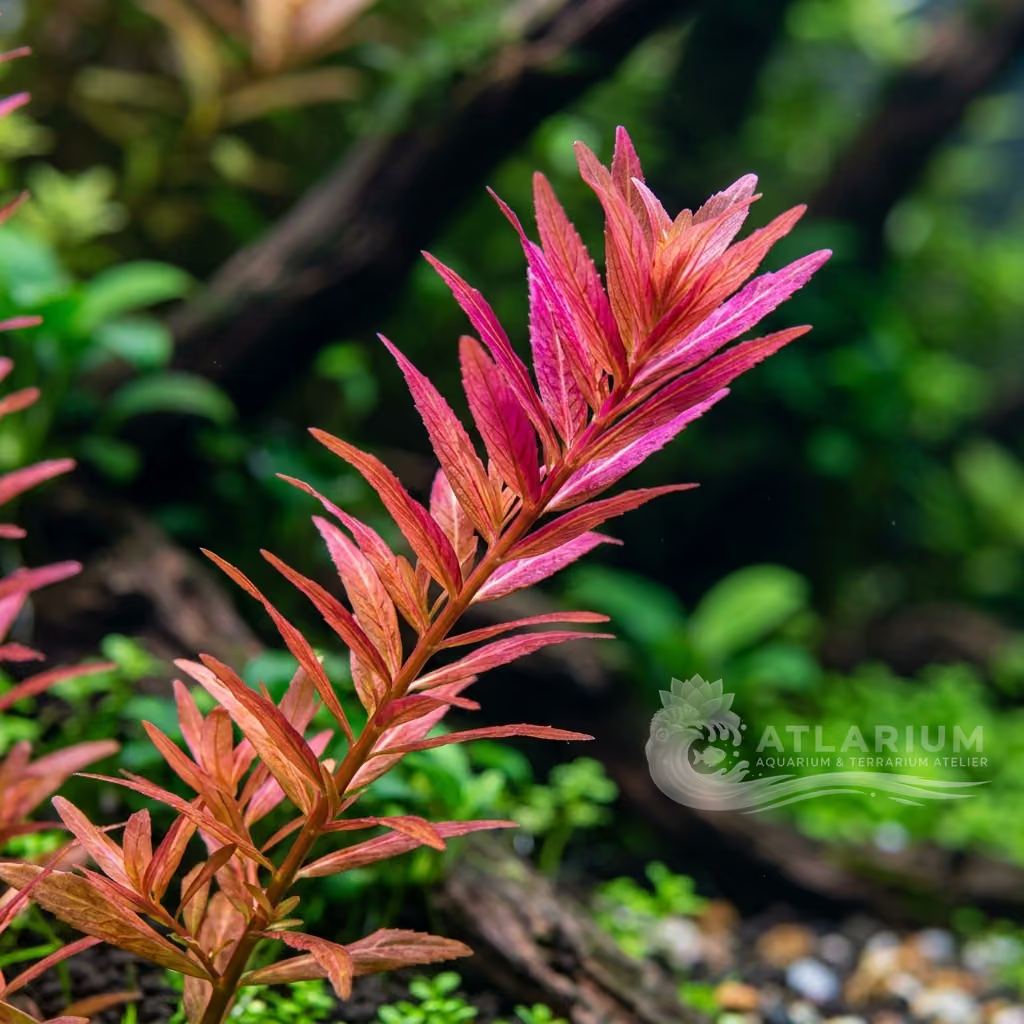
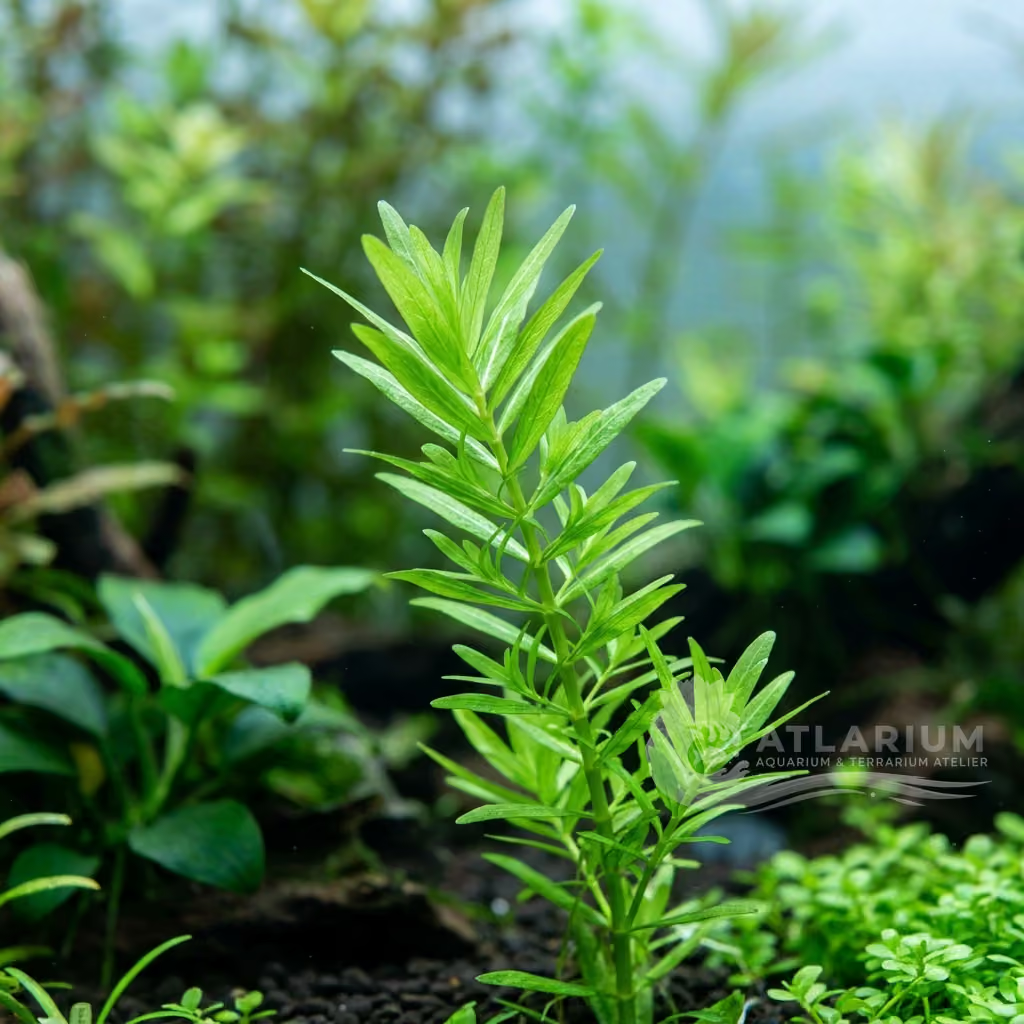
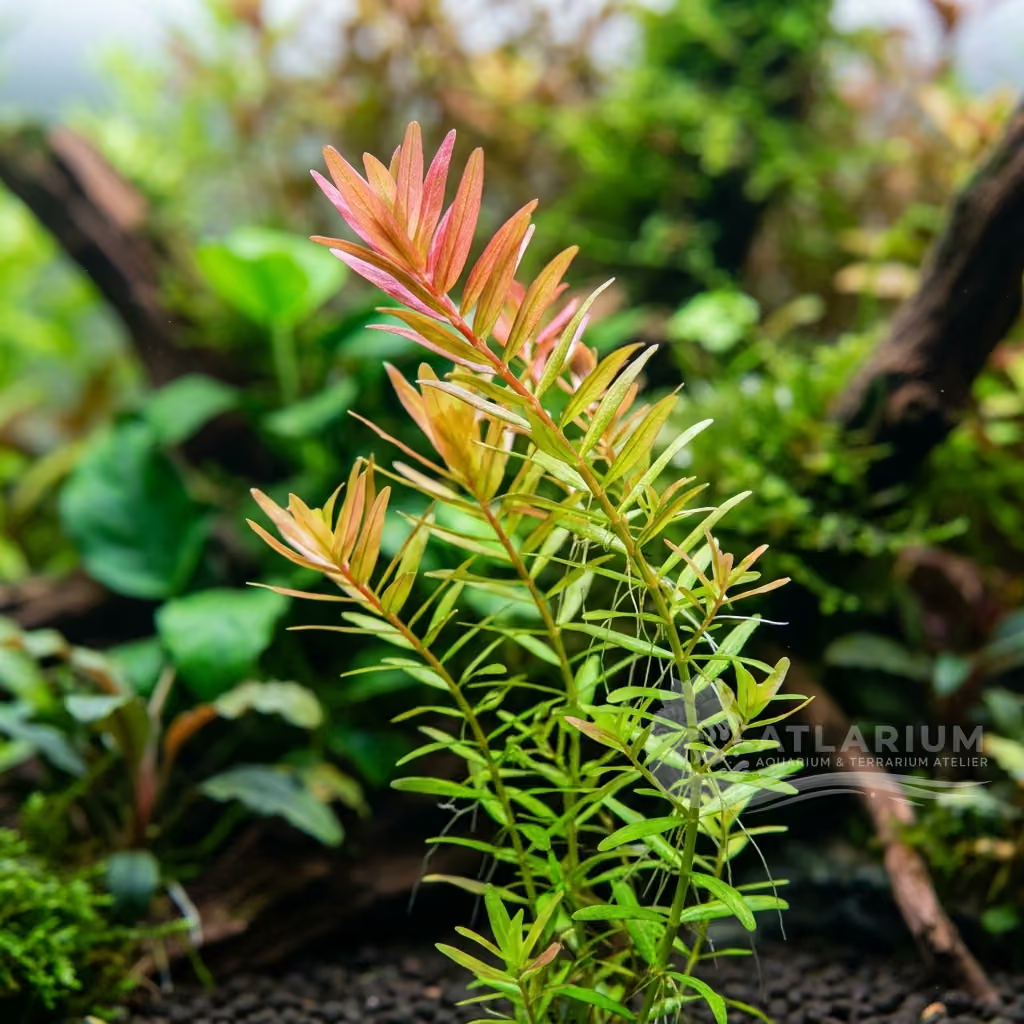
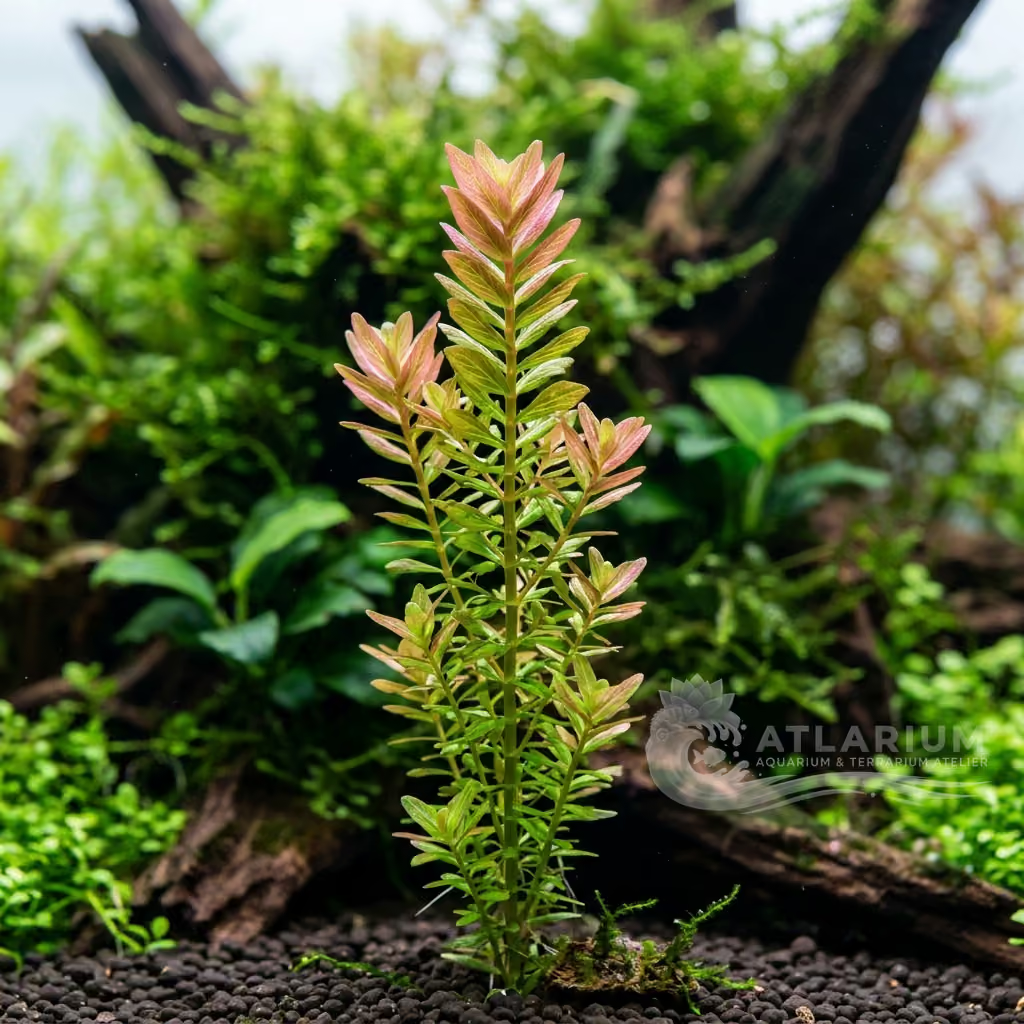
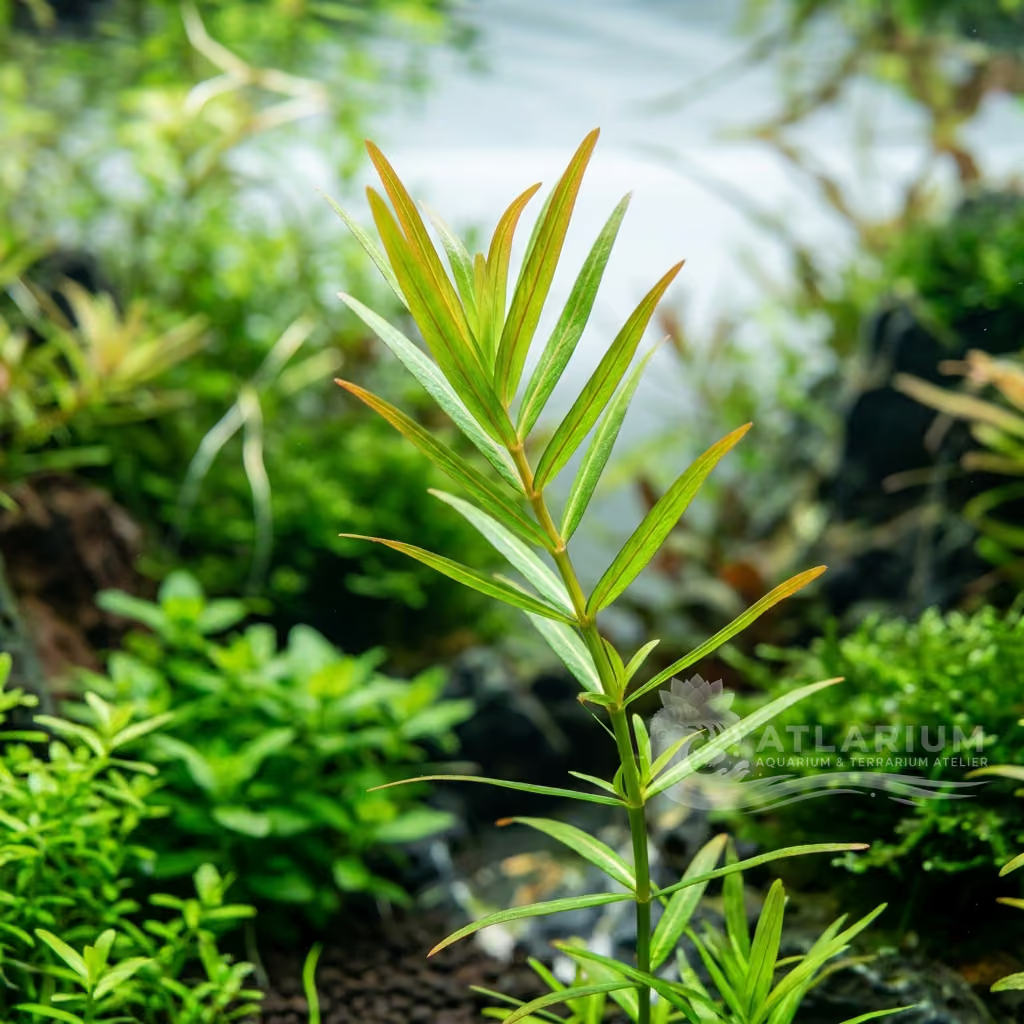
Rotala macrandra 'Green Narrow Leaf' is a fast-growing aquatic plant known for its vibrant green, narrow leaves, making it an excellent choice for midground placement in planted aquariums. This cultivar provides lush texture and a bright focal point, requiring consistent care to thrive.
Temperatura da água
18 - 30 °C
Valor de pH
4.5 - 7
Tipo de água
Água doce
Luz
Medium to High
CO2
Alta
Altura esperada
30 cm
Largura esperada
8 cm
KH
0 - 12 dKH

Descrição da espécie
Geographical Origin and Habitat: The species Rotala macrandra, from which this cultivar originates, is native to tropical regions of Asia, specifically areas with abundant waterways such as swamps, rice paddies, and slow-moving rivers. In these environments, it is often found submerged or semi-submerged, adapting to intense light conditions and nutrient-rich substrates. The specific 'Green Narrow Leaf' cultivar has been selectively bred and propagated in cultivation for its unique morphological characteristics, and is not found as such in nature. The natural habitat of the parent species still informs the optimal cultivation conditions in an aquarium.
Taxonomy & Genetics: Rotala macrandra 'Green Narrow Leaf' belongs to the Lythraceae family, a large group of plants that includes other popular aquatic species. This cultivar is a horticultural variant of the species Rotala macrandra, developed through selective breeding processes to emphasize specific characteristics such as leaf shape and
Color & Texture: Taxonomically, it shares the fundamental genetic characteristics of the species but is distinguished by its unique morphology, which results from natural mutations or deliberate selection. Its genetic stability in captivity is generally good, maintaining its distinctive peculiarities.
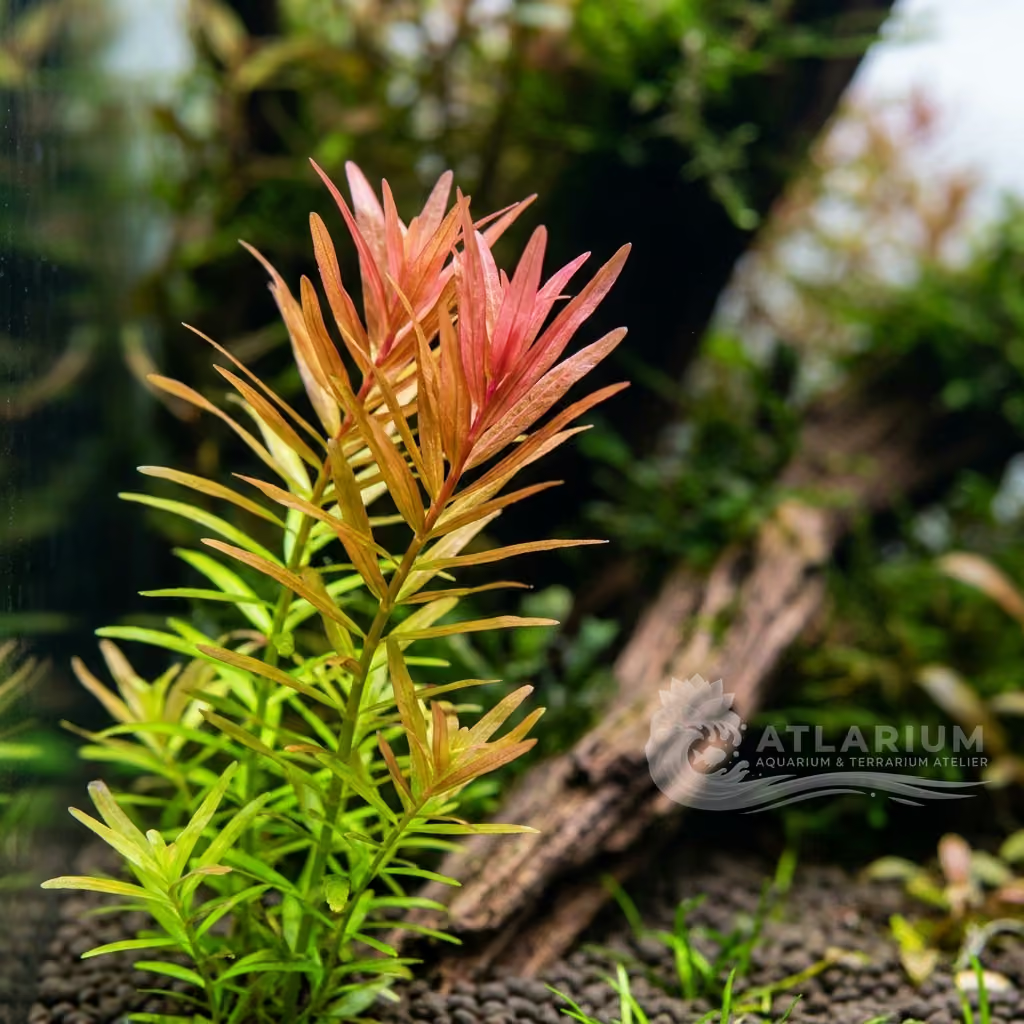
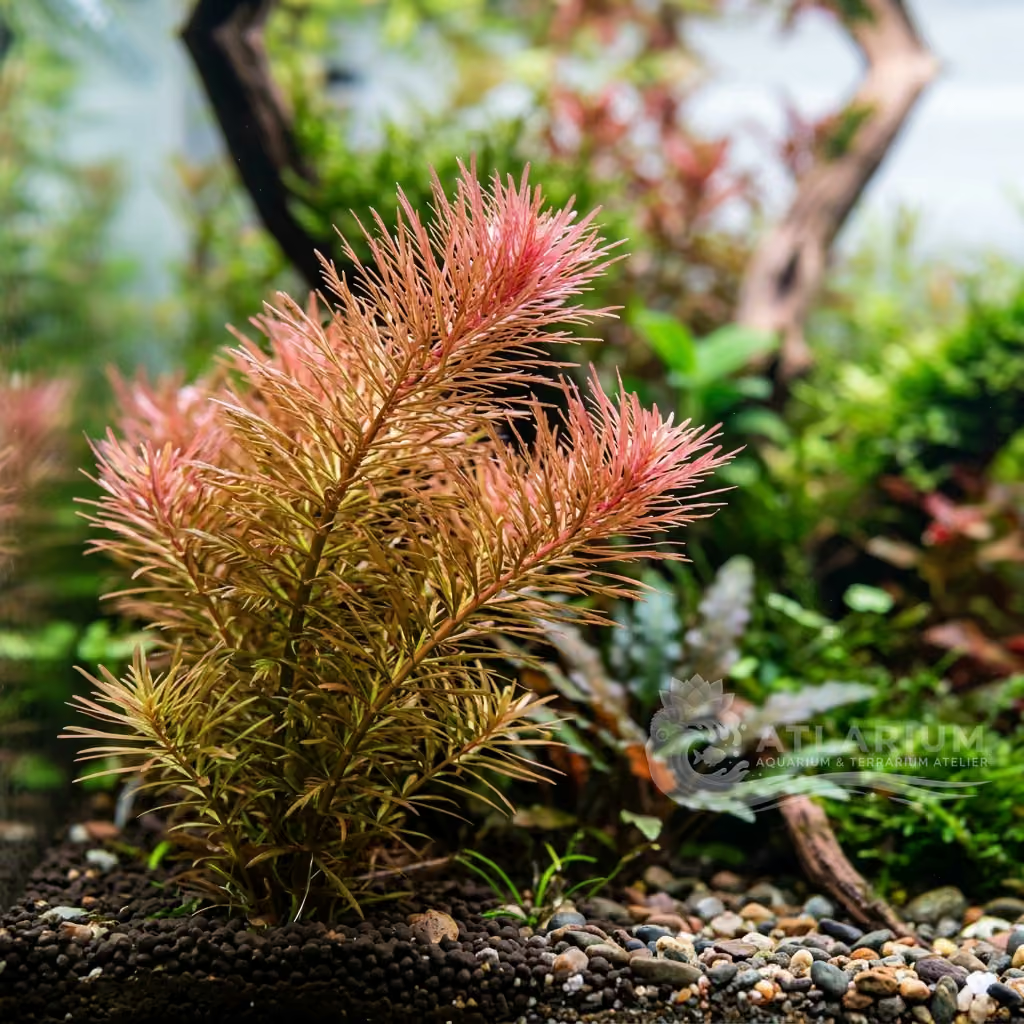
Physical Structure: This cultivar features erect and sturdy stems, typical of the Rotala genus, but with relatively compact internodes that promote dense growth. The leaves are arranged oppositely or in whorls along the stem, characterized by their strictly lanceolate and elongated shape. Their delicate yet resilient structure allows for good interaction with water currents, adding movement to the aquarium. Each stem can reach considerable heights if allowed to grow freely, but responds well to pruning to maintain a more compact and bushy appearance.
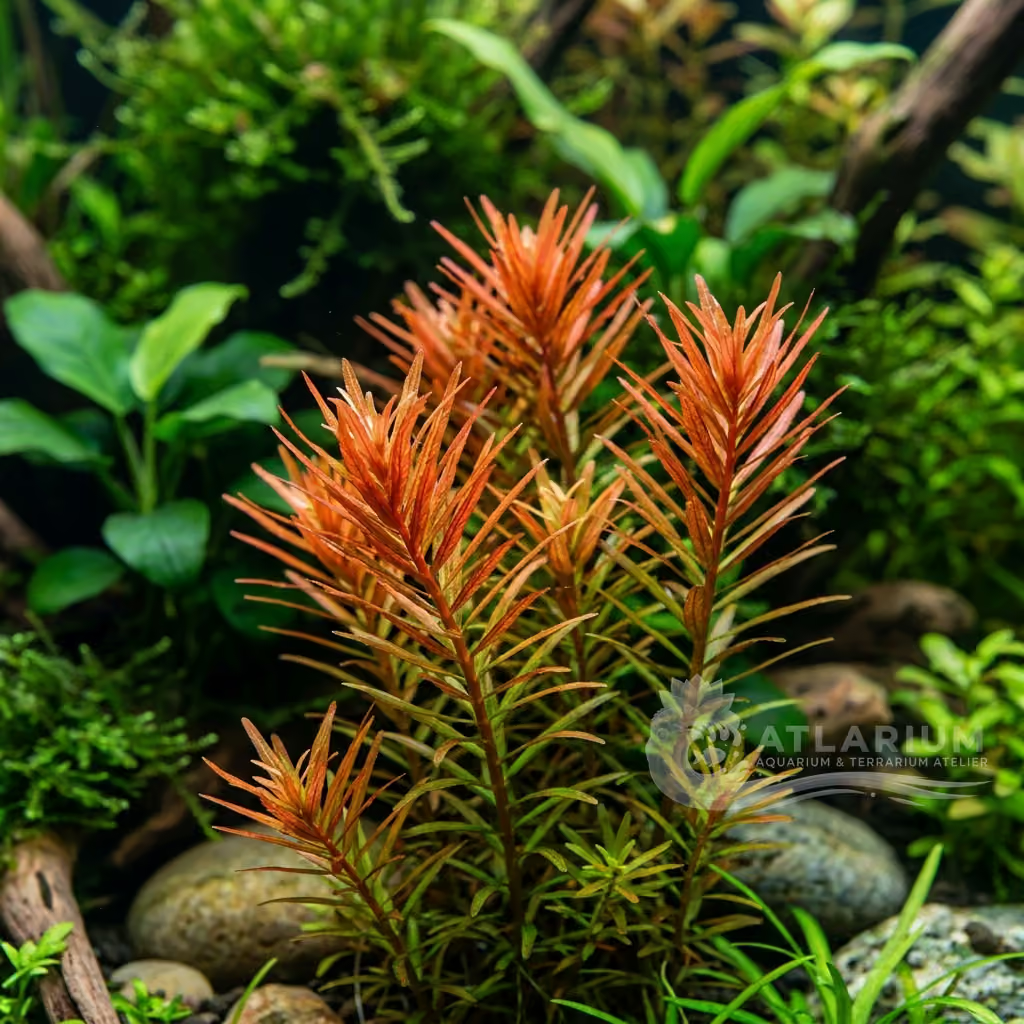
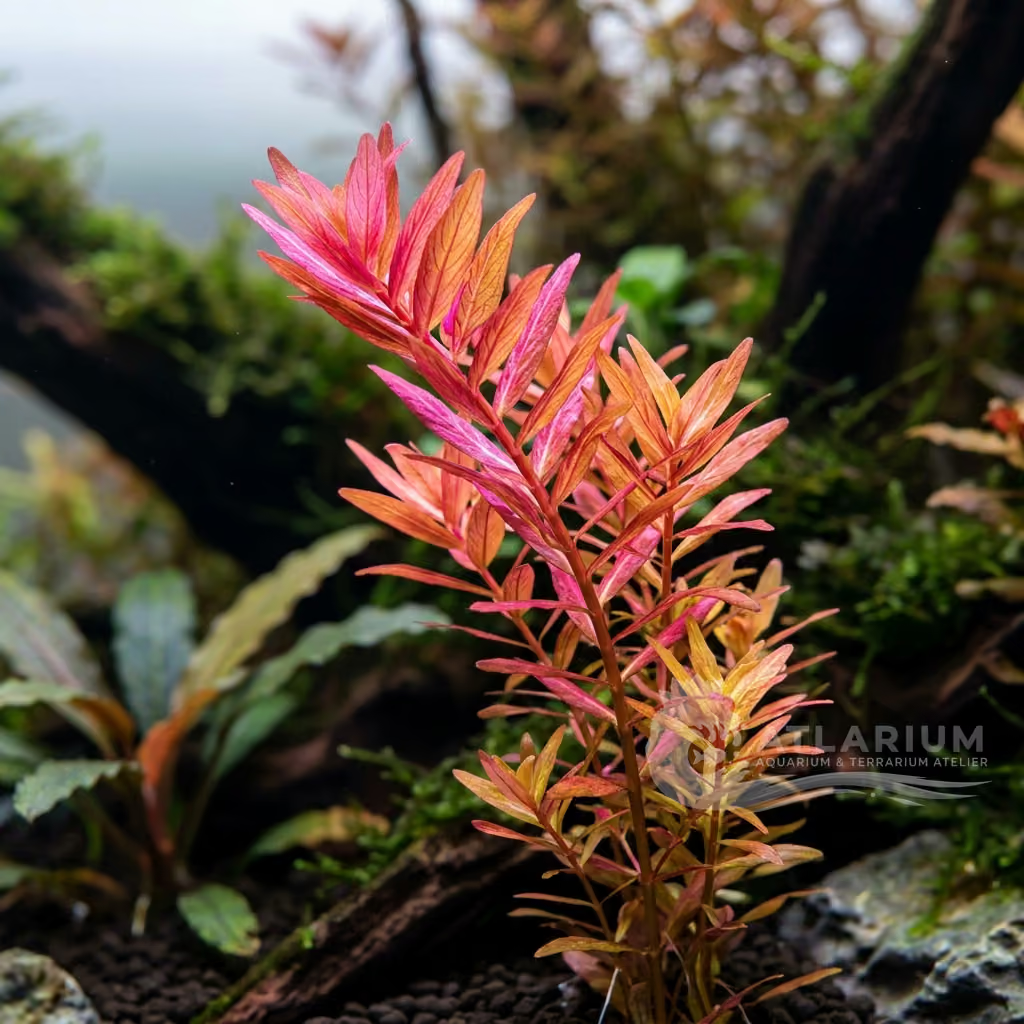
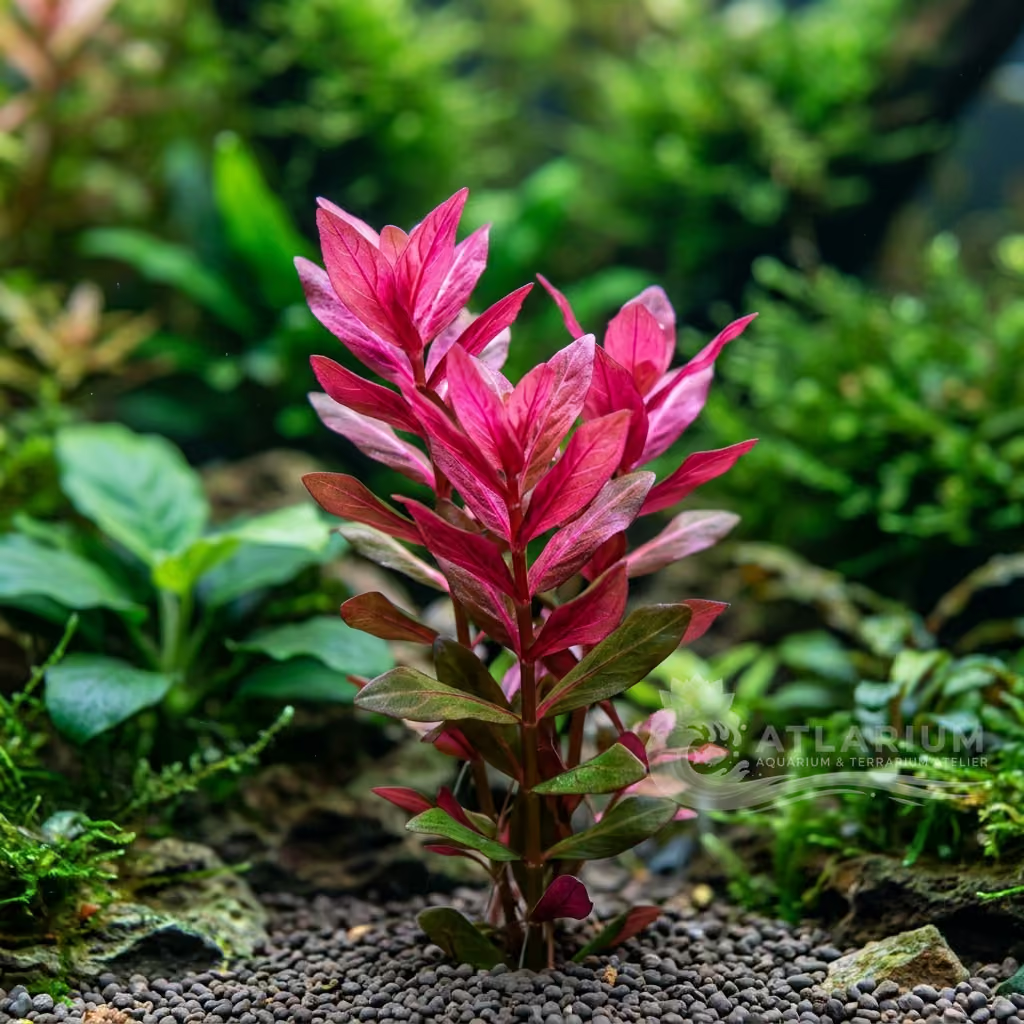
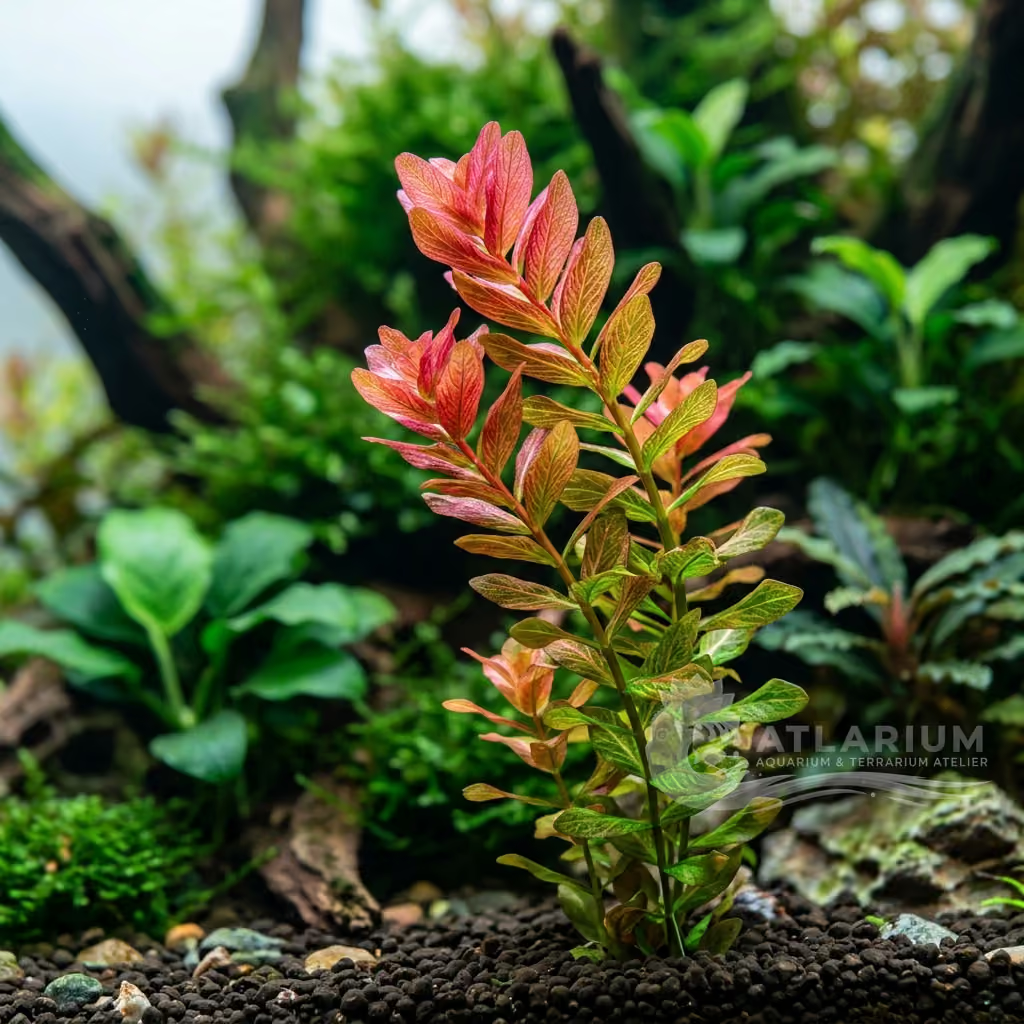
Color & Texture: The distinctive feature of Rotala macrandra 'Green Narrow Leaf' is its intense, bright green color, which does not tend to turn red even under very strong illumination. The leaves are smooth to the touch and exhibit a fine, delicate texture, contributing to an ethereal appearance underwater. This vibrant color offers excellent contrast with red or darker-toned plants, creating visual depth in the aquarium. The consistency of its green hue makes it an excellent choice for highlighting other species and creating visual resting areas.

Cuidado, criação e companheiros de tanque
Lighting & CO2: Rotala macrandra 'Green Narrow Leaf' thrives under medium to high illumination, requiring adequate PAR (Photosynthetically Active Radiation) to express its rapid growth potential and optimal coloration. Insufficient light can lead to elongated internodes and faded coloration, while excessive light without adequate nutrients can promote algal growth. CO2 injection is absolutely essential to support its accelerated metabolism, promoting vigorous growth and preventing deficiencies. A constant supply of carbon dioxide is crucial for its health and foliage density.
Nutrition & Substrate: For optimal growth, Rotala macrandra 'Green Narrow Leaf' requires a fertile substrate, enriched with essential nutrients or supplemented with root tabs. In addition to substrate nutrients, a comprehensive liquid fertilization regimen is crucial, including macroelements like nitrogen, phosphorus, and potassium, and microelements such as iron, manganese, and boron. Iron deficiency, in particular, can manifest as yellowing of new leaves, while a lack of other nutrients can cause stunted growth or necrosis. Regular monitoring and appropriate supplementation are key to keeping the plant healthy and lush.
Water Chemistry: This plant adapts well to a wide range of water temperatures, from 18.0 to 30.0 °C, but prefers milder temperatures around 22-26 °C for consistent and healthy growth. The ideal pH is between 4.5 and 7.0, indicating a preference for slightly acidic to neutral water, while carbonate hardness (KH) can range from 0.0 to 12.0. Although tolerant, softer, slightly acidic water conditions tend to favor more compact growth and better nutrient absorption, limiting osmotic stress on plant cells. Stability of parameters is more important than their exact placement within the given ranges.
Space Management & Placement: Rotala macrandra 'Green Narrow Leaf' is classified as a midground plant, where its rapid growth and ability to form dense bushes make it an excellent filler and focal point. It is advisable to plant it in groups of at least 5-10 stems to achieve a more impactful and natural visual effect. Due to its accelerated growth, it is important to consider its placement within the layout to prevent it from excessively shading other plants or rapidly overgrowing the available space. Strategic placement contributes to creating depth and structure in the aquatic landscape.
Pruning: Regular pruning is essential to maintain Rotala macrandra 'Green Narrow Leaf' in shape and to encourage bushier, denser growth. Without intervention, stems can become too long and bare at the bottom, reducing the overall aesthetic. Trimming the apical tips stimulates the production of new side shoots from the base or lower internodes, making the plant fuller. The cut sections can be replanted to propagate the plant, helping to further fill the aquarium. This process also promotes water circulation among the stems.
Risks & Diseases: Although robust, Rotala macrandra 'Green Narrow Leaf' can be susceptible to various problems if conditions are not optimal. Nutritional deficiencies manifest as chlorosis (yellowing) or stunted growth, while insufficient light or the absence of CO2 can lead to stem elongation and the shedding of lower leaves. Stem rot can occur in conditions of poor water circulation or in the presence of excess organic matter. Meticulous attention to water parameters and nutritional requirements is fundamental to prevent most of these issues.

Origem e distribuição geográfica
The species Rotala macrandra, from which this cultivar originates, is native to tropical regions of Asia, specifically areas with abundant waterways such as swamps, rice paddies, and slow-moving rivers. In these environments, it is often found submerged or semi-submerged, adapting to intense light conditions and nutrient-rich substrates. The specific 'Green Narrow Leaf' cultivar has been selectively bred and propagated in cultivation for its unique morphological characteristics, and is not found as such in nature. The natural habitat of the parent species still informs the optimal cultivation conditions in an aquarium.
Origem
Sul e Sudeste Asiático

Perfil da planta
- Posicionamento
- Plano intermediário
- It is best placed as a focal point in the midground or background, where its bright colors can stand out against green plants. Ensure it is planted in an area with unobstructed, intense lighting. Planting in small, loose groups rather than dense bunches helps ensure that lower leaves receive adequate light and water flow.
- Forma botânica
- Caule
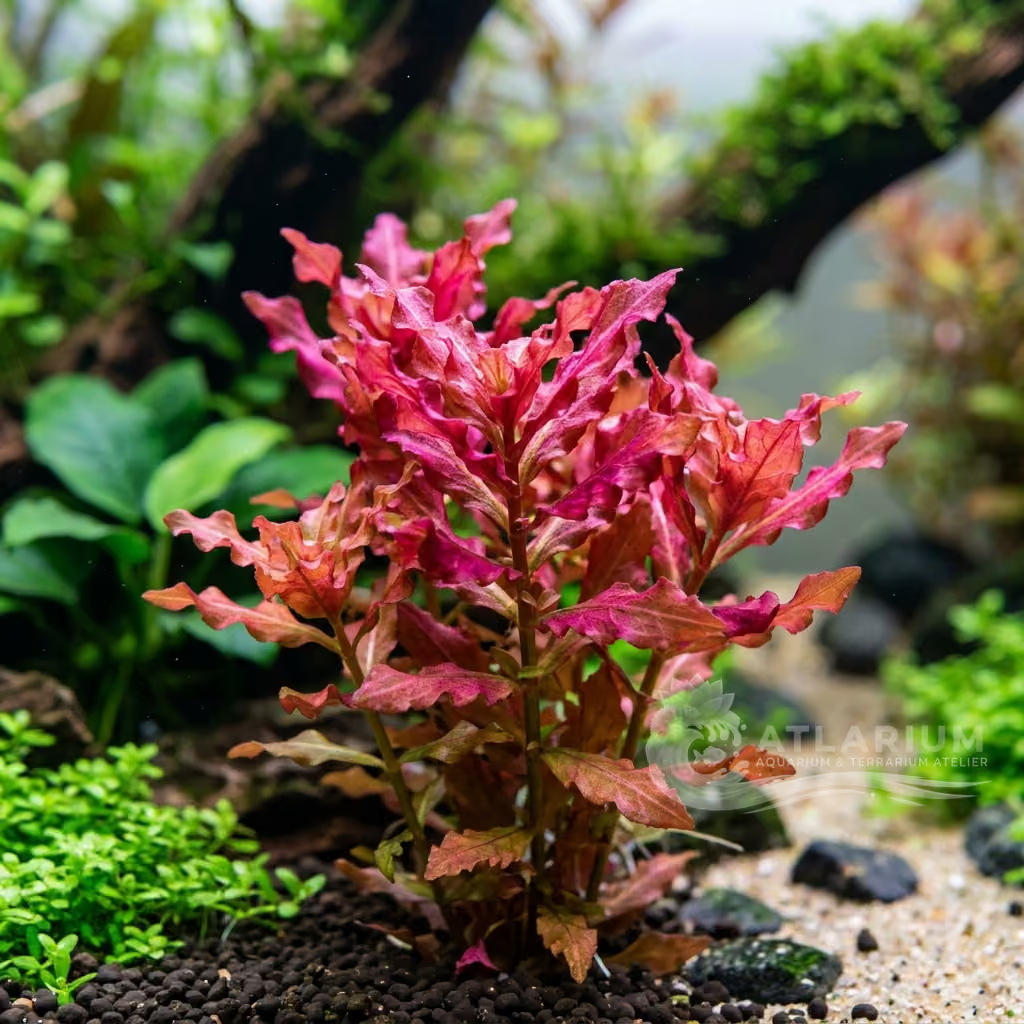
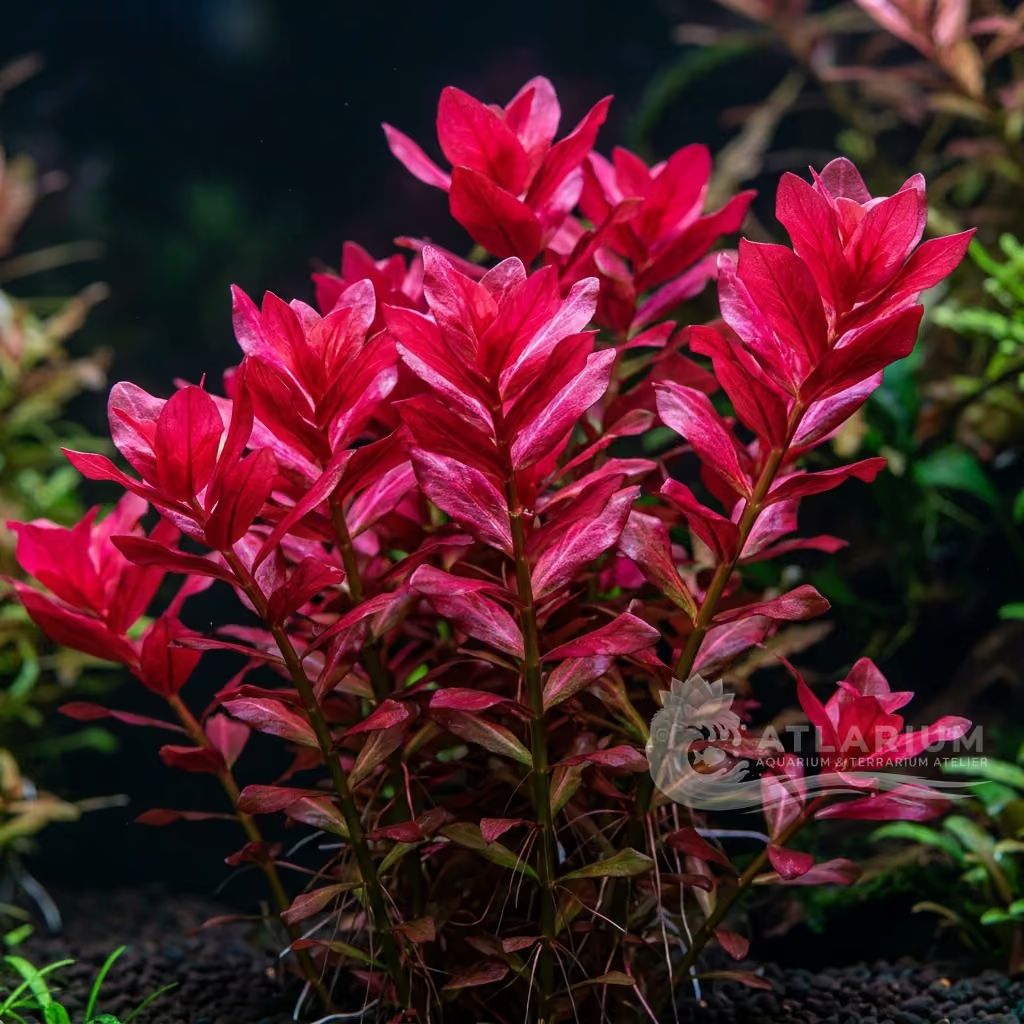
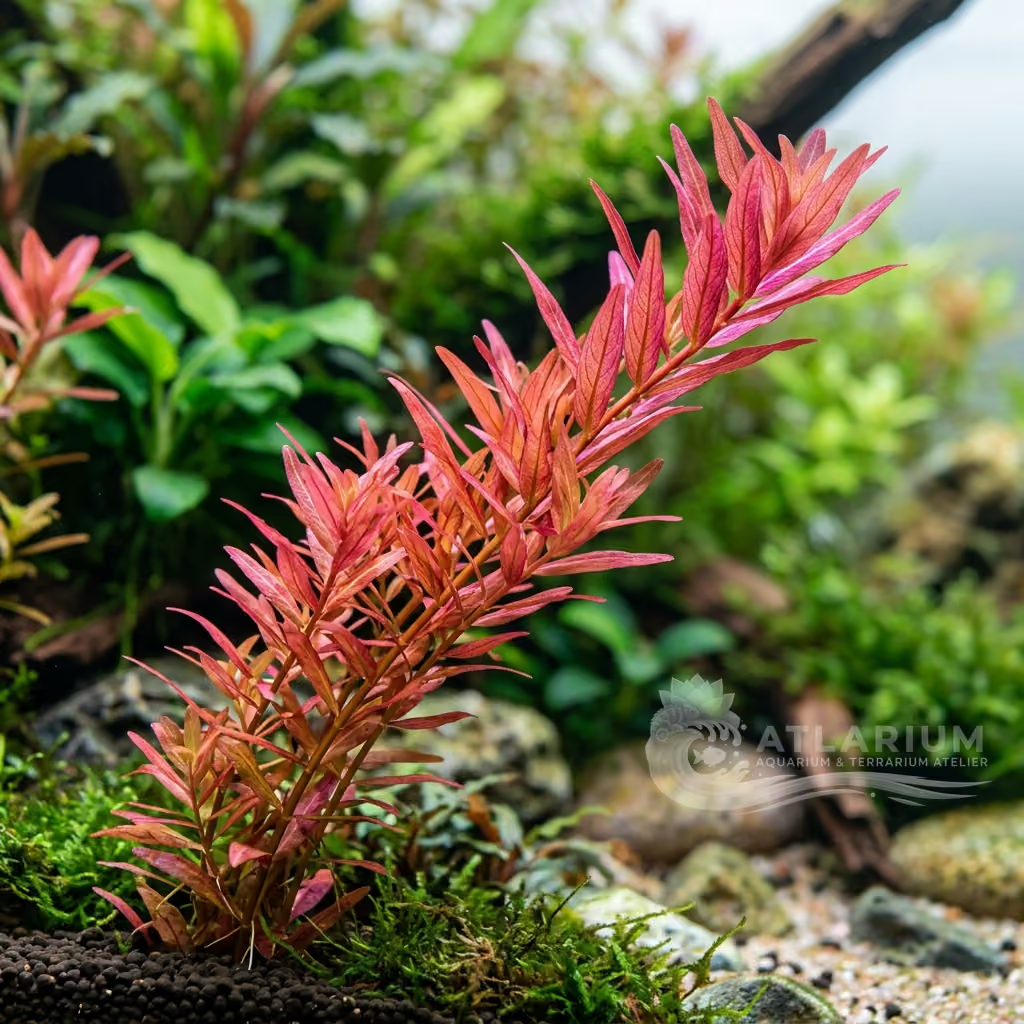
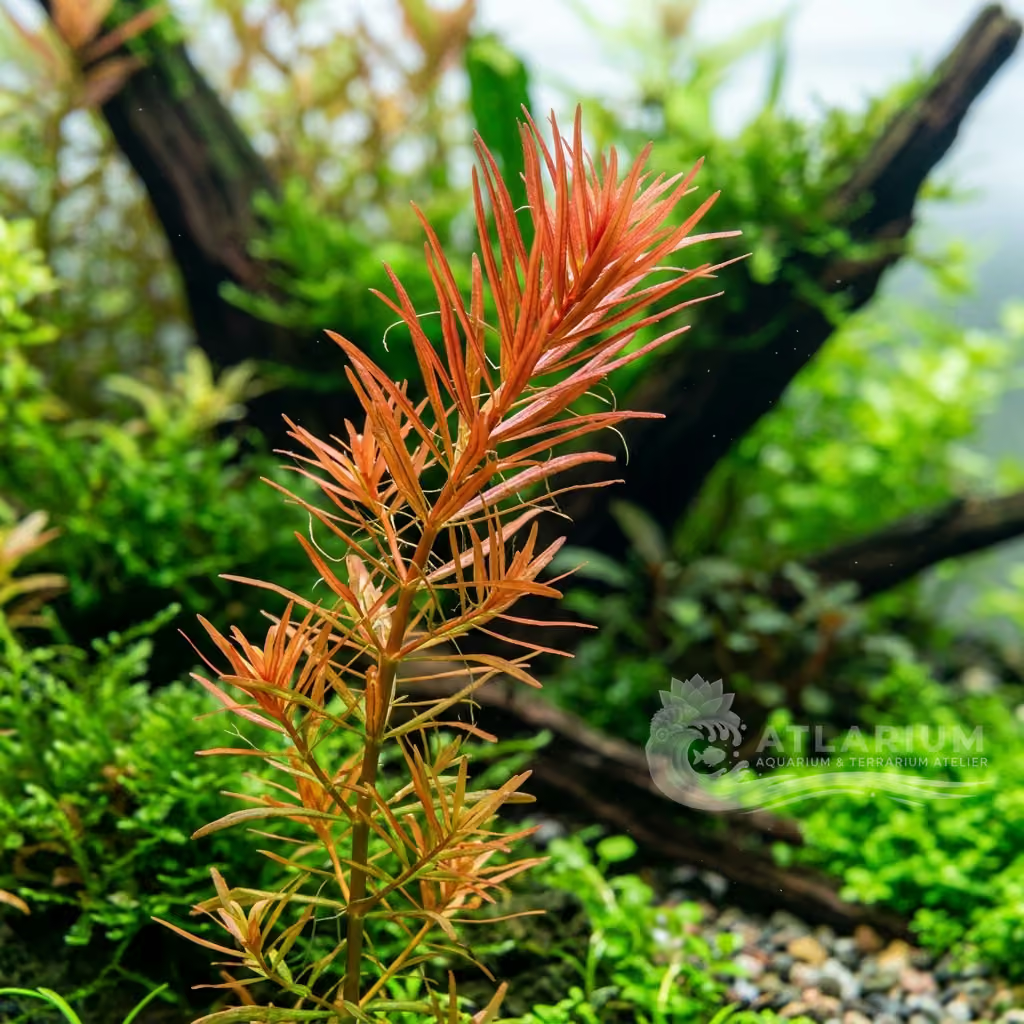
- This 'Green Narrow Leaf' variant features narrow, green with pale pink tips foliage. This species features large, slightly wavy, ovate leaves that develop a deep, translucent red to magenta color under intense light. The stems are fragile and can easily snap if handled roughly. Its large, colorful leaves make it one of the most striking stem plants available in the hobby.
- Crescimento
- Rápida
- Under ideal high-tech conditions, it exhibits a very fast growth rate, quickly reaching the water surface. However, if conditions are sub-optimal, its growth will stall, and the plant will deteriorate rapidly. The fast growth necessitates regular, careful trimming to maintain its shape and health.
- Substrato
- Alta
- For optimal development, *Rotala macrandra* 'Green Narrow Leaf' demands a deep, highly fertile substrate base composed of premium aqua soil. Its fine, fragile root structure requires a soft and porous bed to properly anchor and efficiently channel nutrients up through its slender stems. Maintaining a substrate depth of at least 6 centimeters allows for robust root branching and long-term stability within the aquarium. Without consistent root-level fertilization, this graceful plant may exhibit stunted growth and diminished leaf density.
- Fertilização de coluna
- Recomendada
- Liquid fertilization must be heavily maintained, focusing on a strong supply of micronutrients and iron. It absorbs most of its needed nutrients directly from the water column through its delicate leaves. Maintaining lower nitrate levels relative to phosphate can sometimes enhance its deep red pigmentation.
- Fertilização radicular
- Nenhuma
- While it feeds primarily from the water column, a nutrient-rich active soil substrate is highly recommended. The soft substrate allows its delicate roots to anchor securely and provides a backup source of essential minerals. Root tabs can be beneficial in older setups where the soil has depleted.
- Corte
- Ocasional
- Trimming must be done with extreme care using sharp scissors, as the stems are easily bruised or crushed. Replant the healthy top cuttings to maintain the thicket, as the lower cut stems may sometimes struggle to branch out if light is poor. Removing old, bare lower stems entirely is often preferred to topping.
- Propagação
- Estacas
- Propagation is done by taking top cuttings and carefully planting them into soft, active soil. The cuttings will root within a few days under high light and stable CO2 conditions. Handle the cuttings gently by the very bottom of the stem to avoid crushing the delicate tissues.
- Sensibilidade
- Moderada
- This is one of the most sensitive plants in the hobby, prone to melting if water parameters, CO2, or light levels fluctuate. It easily drops its lower leaves if shaded or if water circulation is inadequate. It is also highly susceptible to algae if the tank's nutrient balance is slightly off.
- Função de layout
- Plano intermediário, Nano, Fundo
- Rotala macrandra is the ultimate red focal point plant for Dutch style and high-tech Nature Aquariums. Its intense coloration and large leaves provide a dramatic contrast against light green carpeting plants or delicate background stems. It requires careful placement to ensure it doesn't overshadow other delicate species.

Espécies relacionadas
Recomendações agrupadas por parentes próximos, escolhas de acompanhantes e cuidados semelhantes.