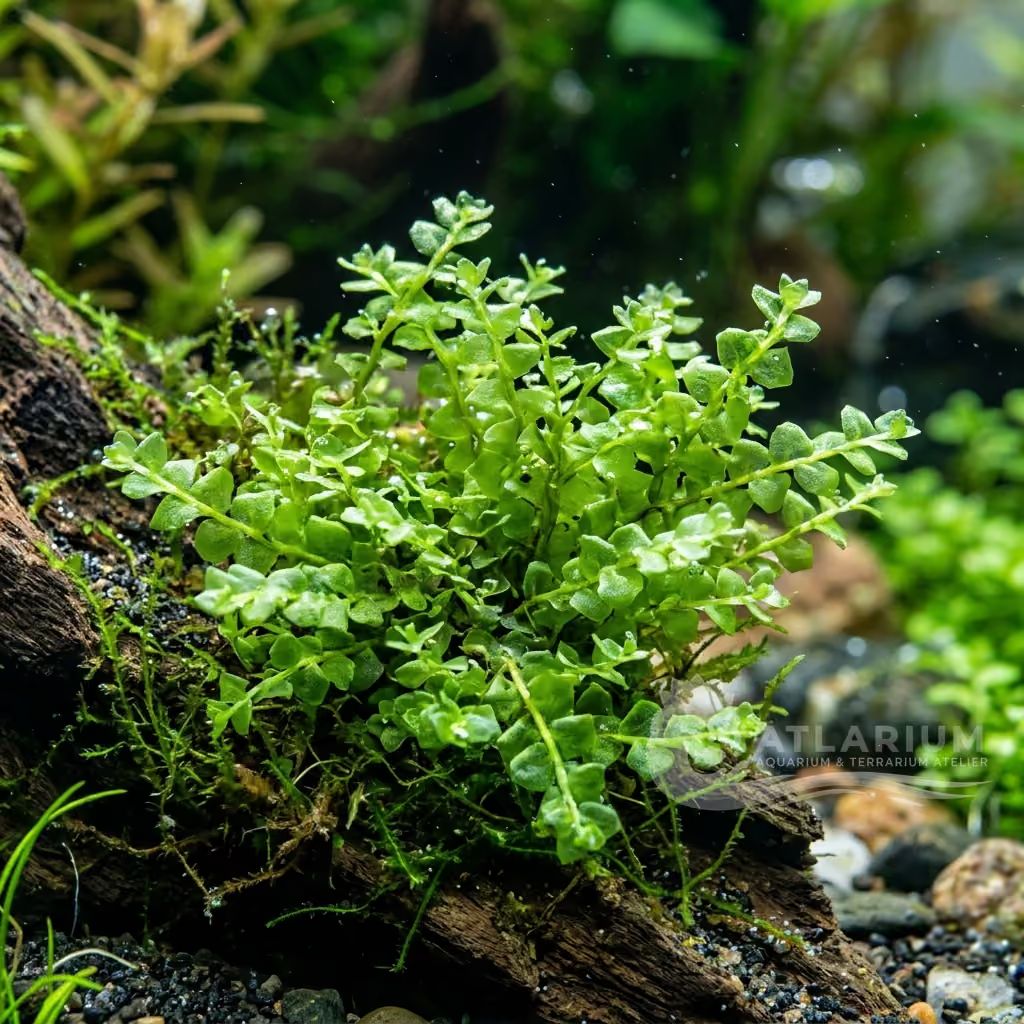
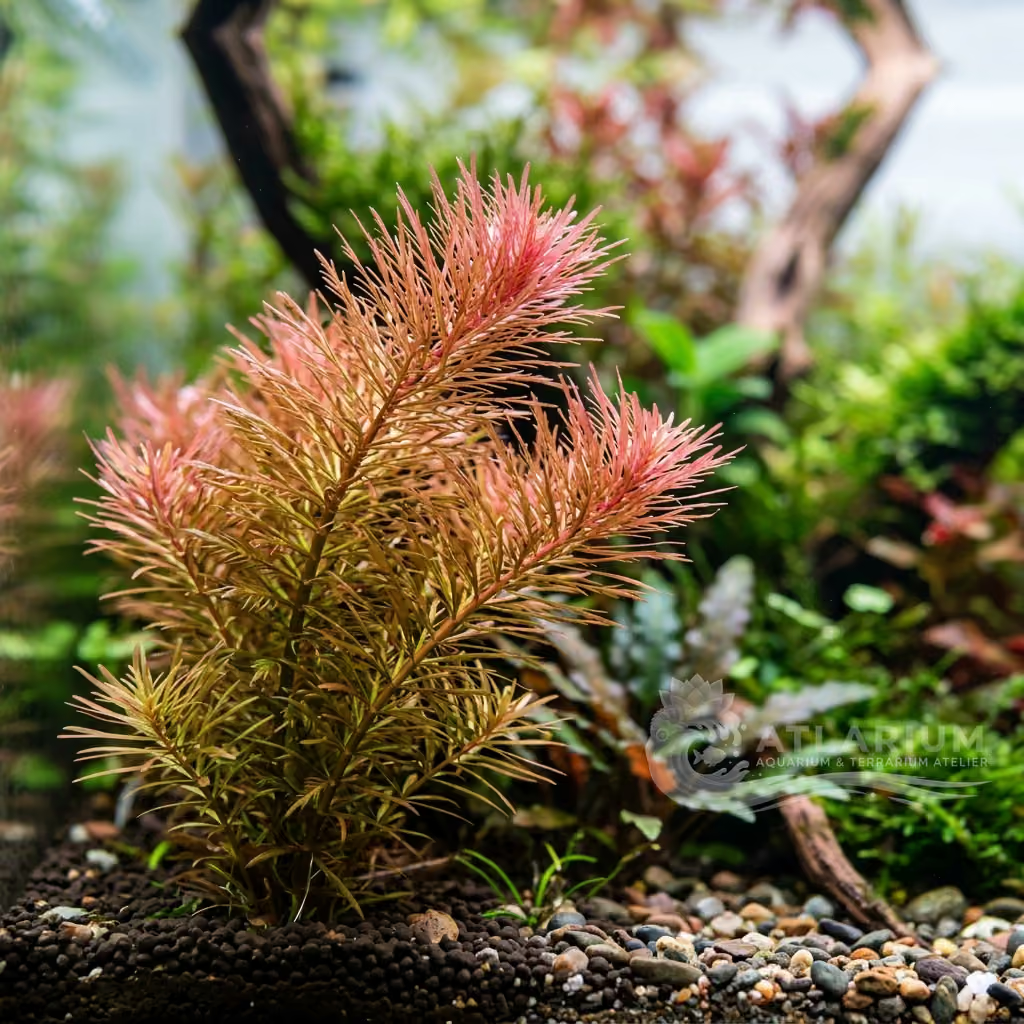
Rotala rotundifolia 'Colorata'
Rotala rotundifolia
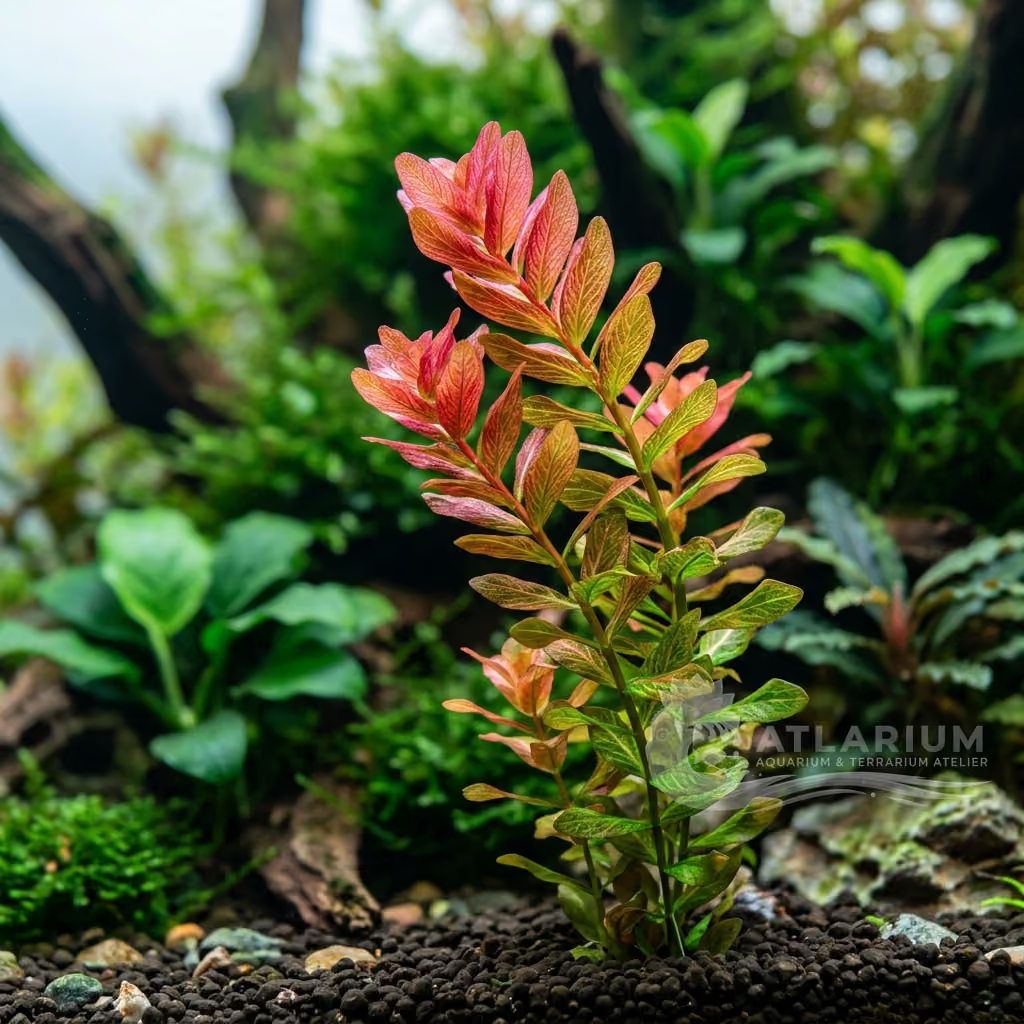
Rotala rotundifolia 'Colorata' is a fast-growing aquatic plant ideal for midground placement, renowned for its vibrant, rich coloration. It adds a dynamic and lush aesthetic to aquascapes, especially under optimal lighting and CO2 conditions.
Temperatura da água
4 - 32 °C
Valor de pH
4.5 - 8
Tipo de água
Água doce
Luz
Medium to High
CO2
Alta
Altura esperada
80 cm
Largura esperada
5 cm
KH
0 - 14 dKH

Descrição da espécie
Geographical Origin and Habitat: Rotala rotundifolia, the parent species of the '
Color & Texture: ata' cultivar, originates from Southeast Asia, thriving in aquatic and semi-aquatic environments such as rice paddies, marshes, and slow-moving riverbanks. This species has adapted to seasonal cycles of submersion and emersion, developing remarkable morphological plasticity. The 'Colorata' variety has been specifically selected and cultivated to enhance its vivid chromatic nuances, making it one of the most sought-after plants by modern aquascapers. Its resilience and adaptability also make it popular for those new to advanced aquascaping.
Taxonomy & Genetics: Rotala rotundifolia belongs to the Lythraceae family, a large group of plants that includes other popular aquatic species. The suffix 'Colorata' denotes a specific cultivar, meaning a botanical variety artificially selected and propagated for its distinctive aesthetic characteristics, in this case, the intensity of its foliage coloration. Although genetically related to wild Rotala rotundifolia, 'Colorata' is the result of careful selection to maximize red and pink pigmentation, making it a superior specimen for aquascaping. This targeted selection does not alter its species classification but enhances a particular trait for ornamental purposes.
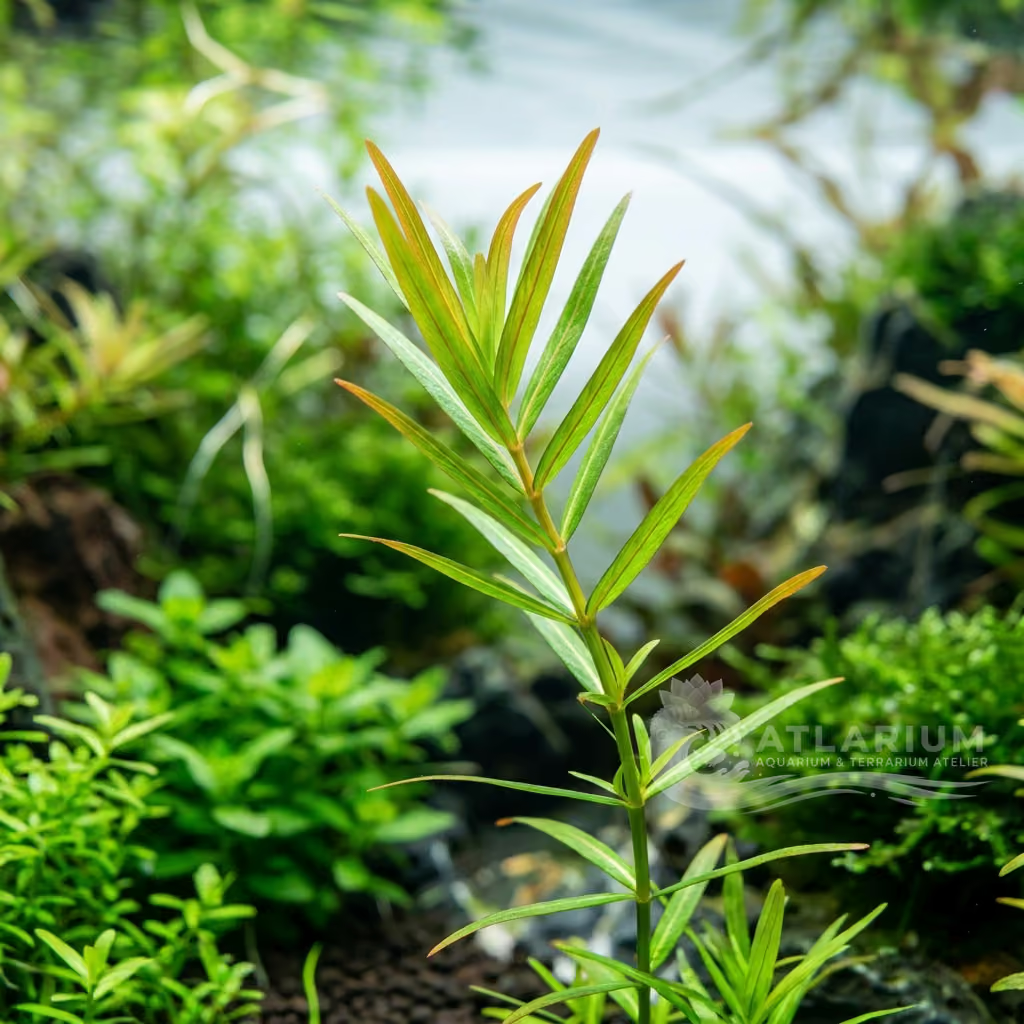
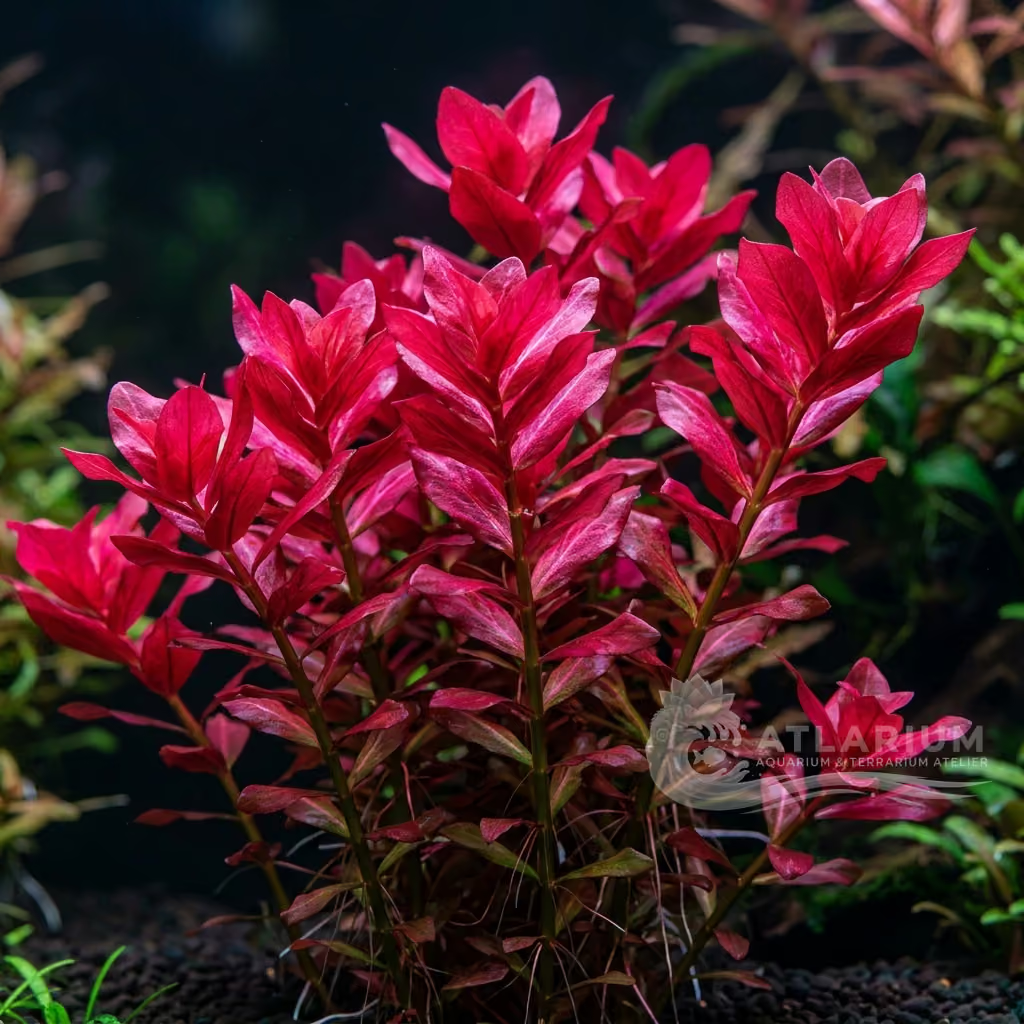
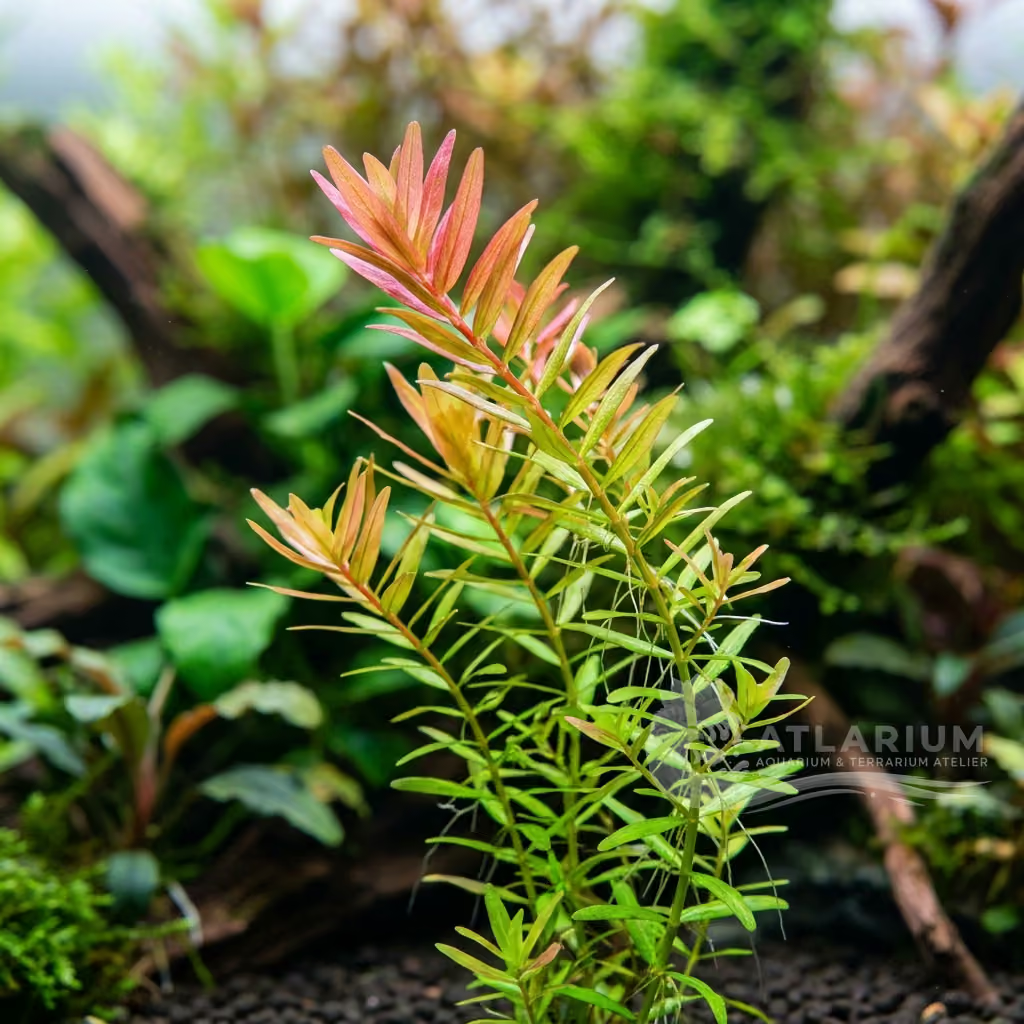
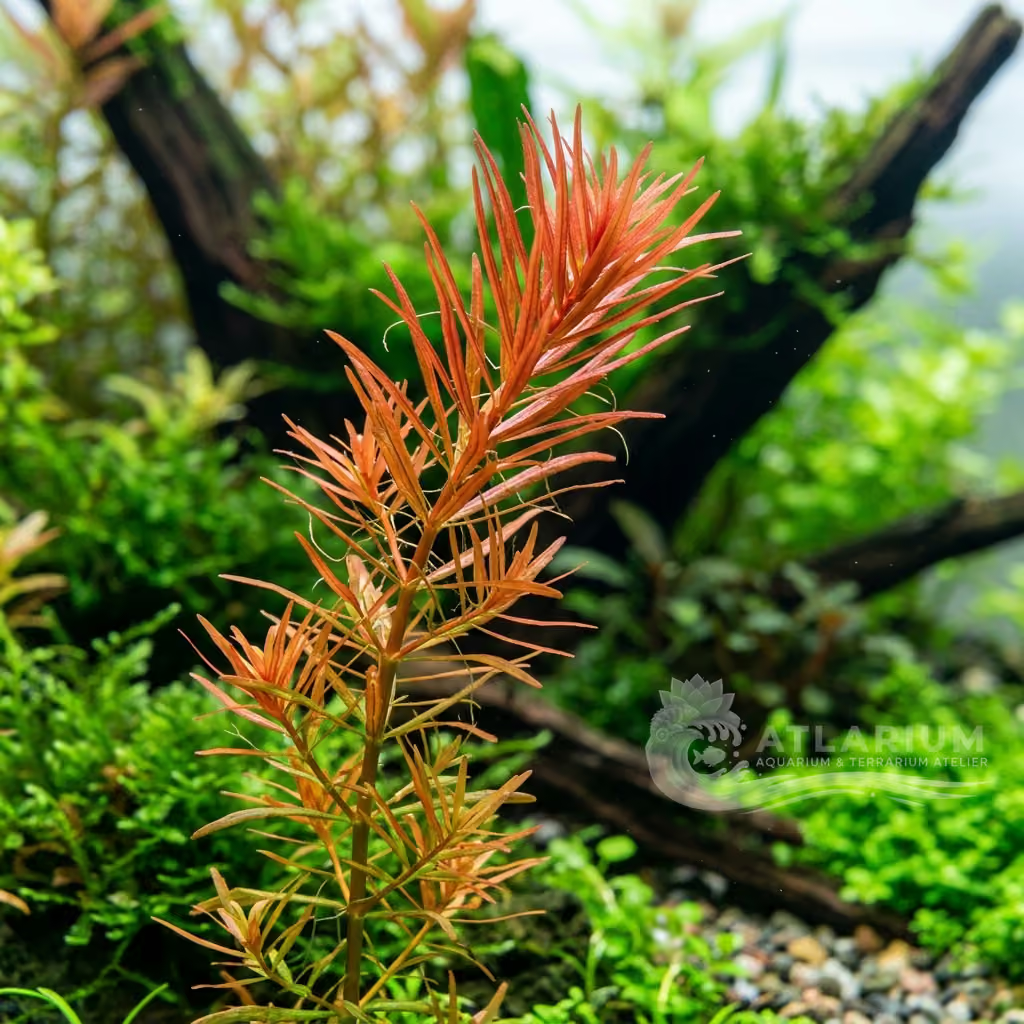
Physical Structure: This plant typically exhibits a slender, robust stem from which leaves are arranged oppositely, though they may appear alternate under denser submerged growth conditions. Under intense lighting and with adequate CO2 supplementation, the stems tend to grow vertically, and the leaves become more compact, creating a dense, colorful mass. In lower light conditions or without CO2, the plant may stretch, and leaves may appear more spaced out, with less intense color. Rhizoids developing along the stem can anchor to the substrate or decorative elements, providing additional stability and nutrient absorption.
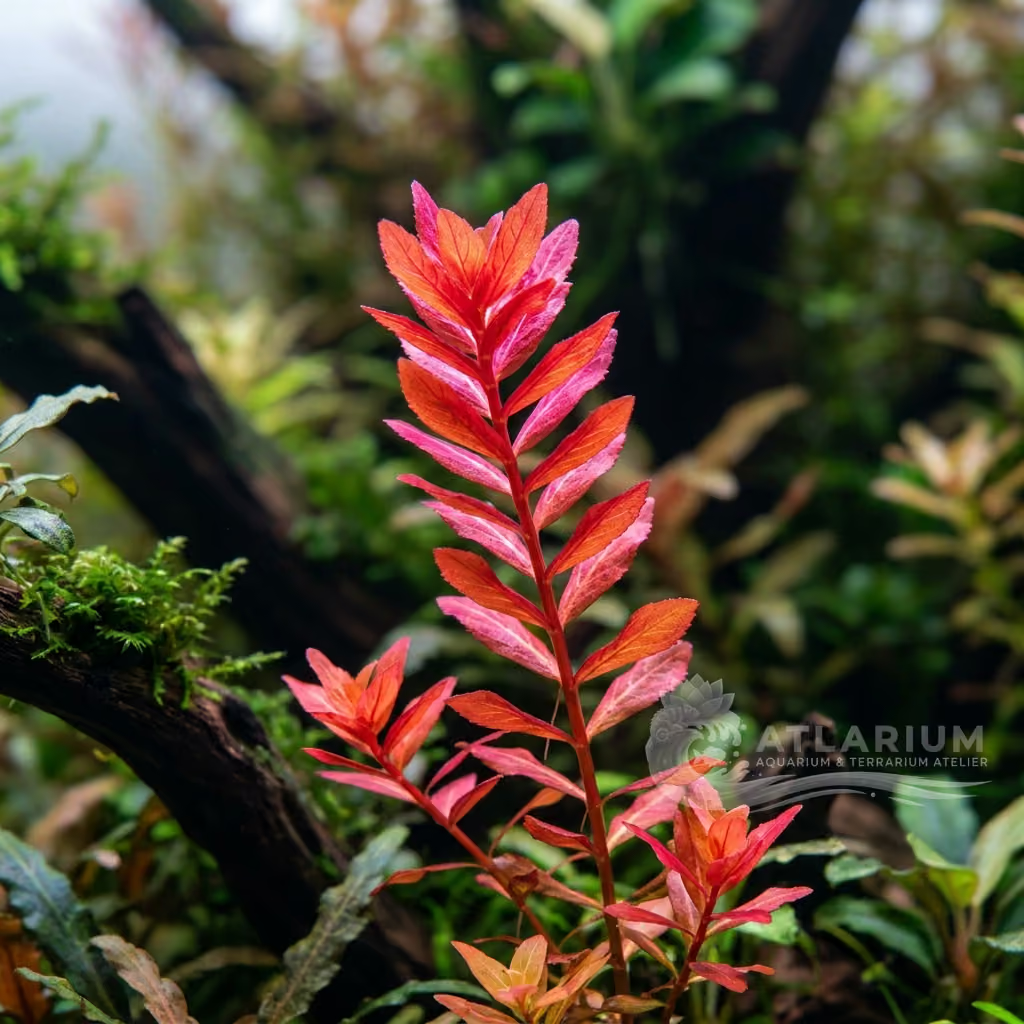
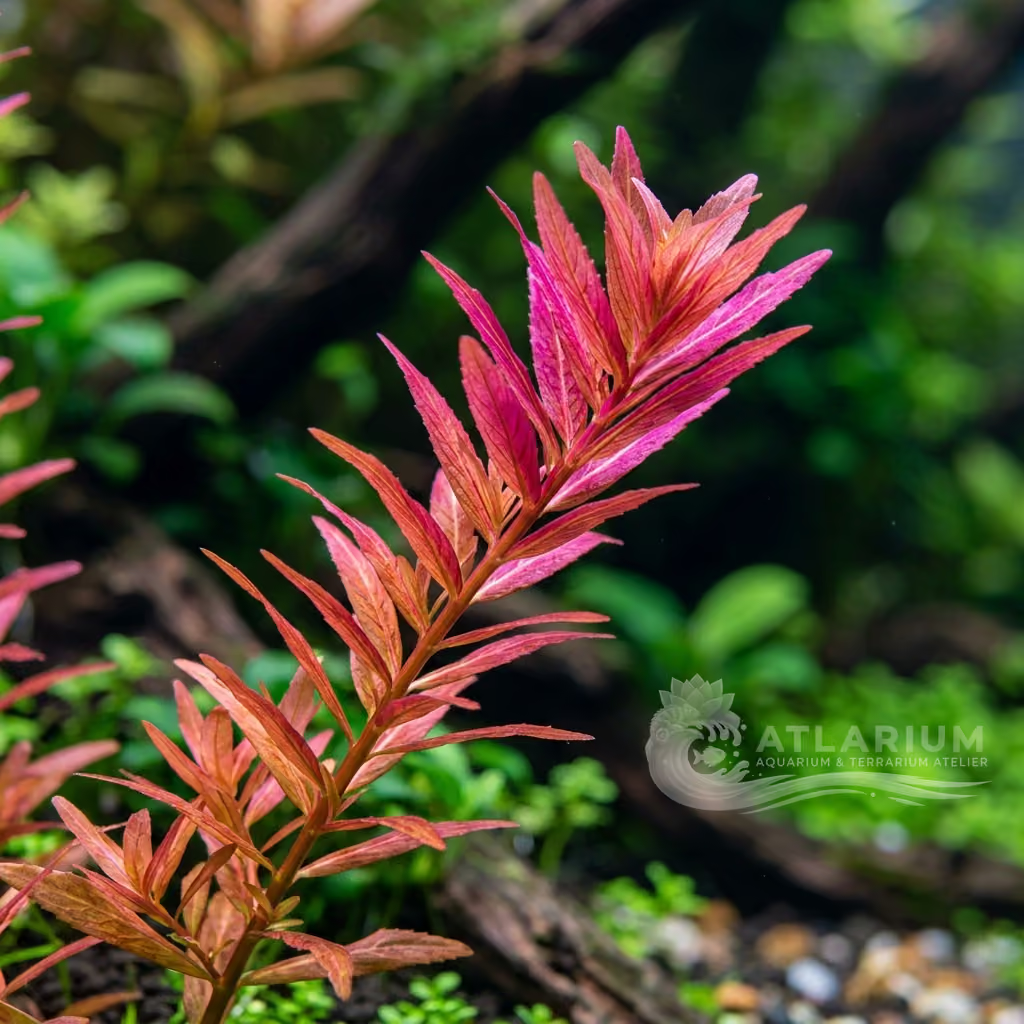
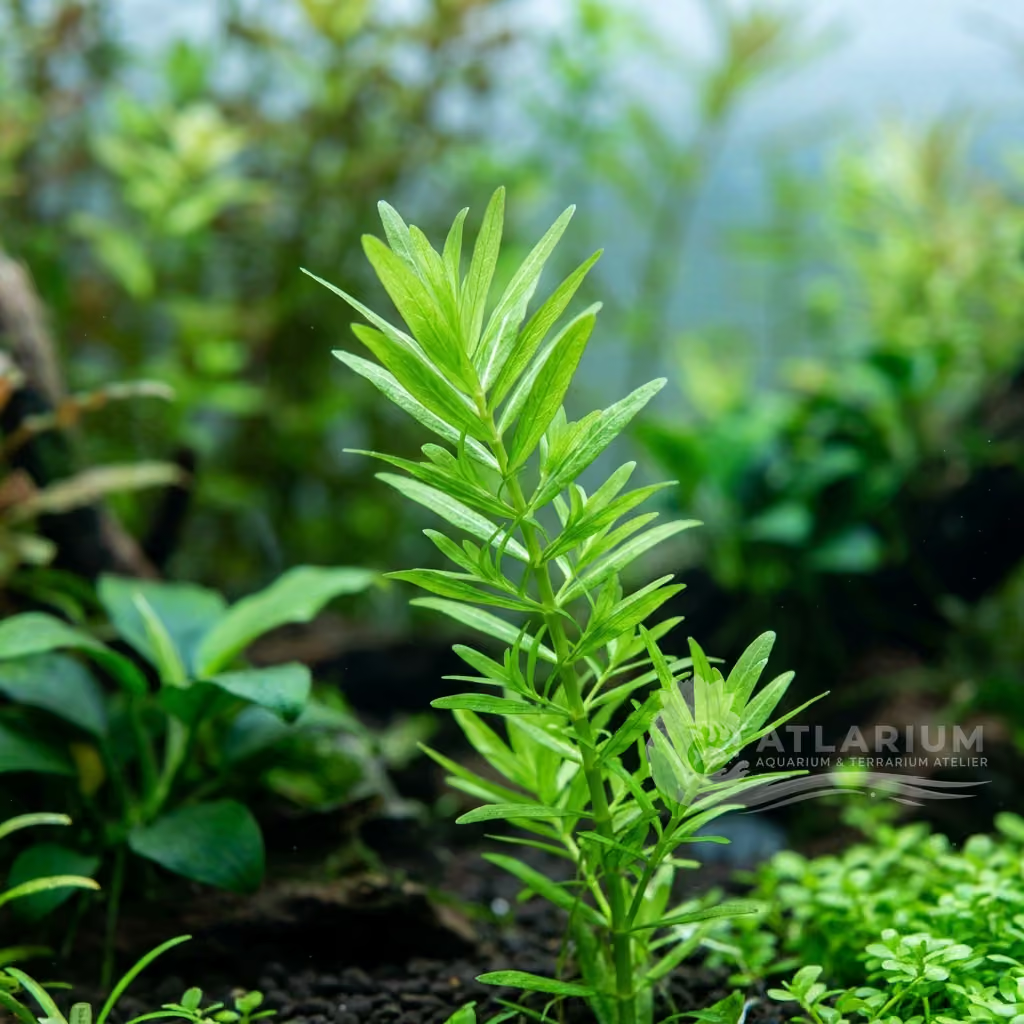
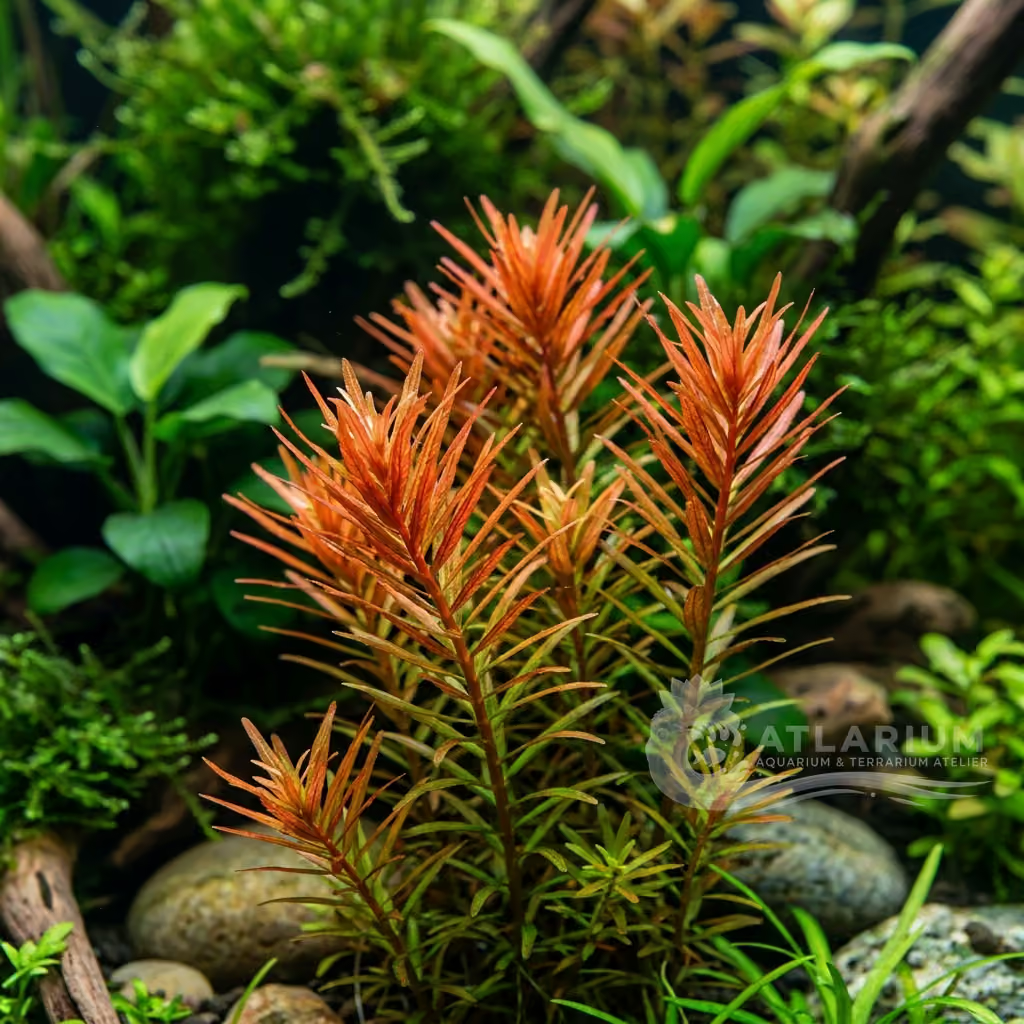
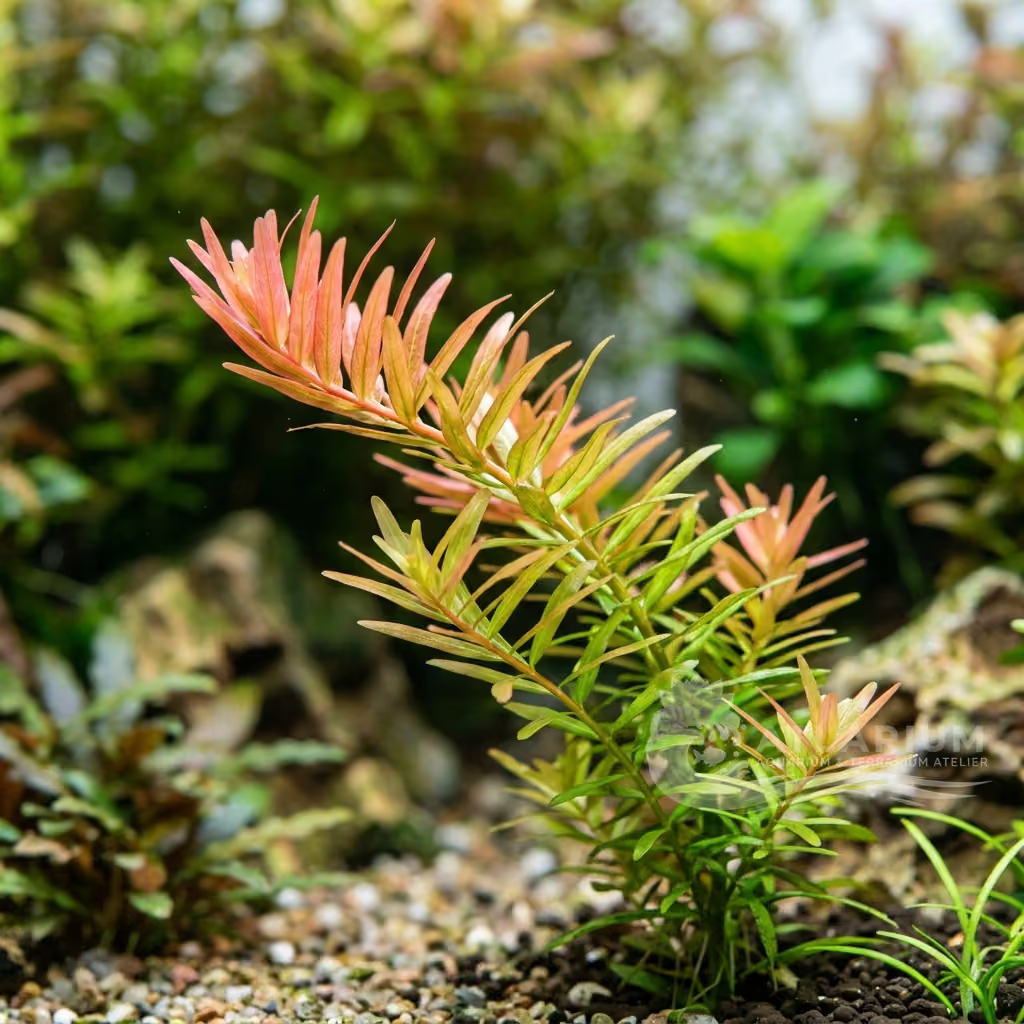
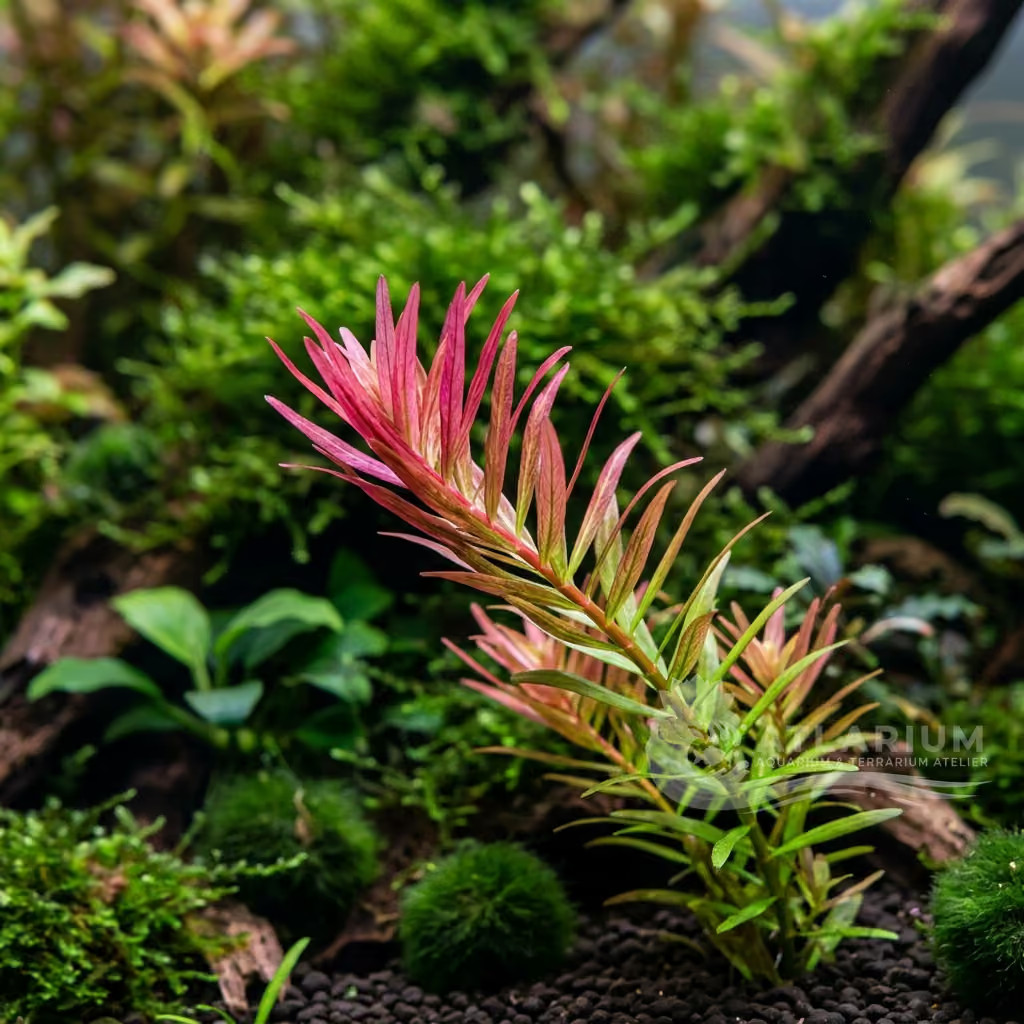
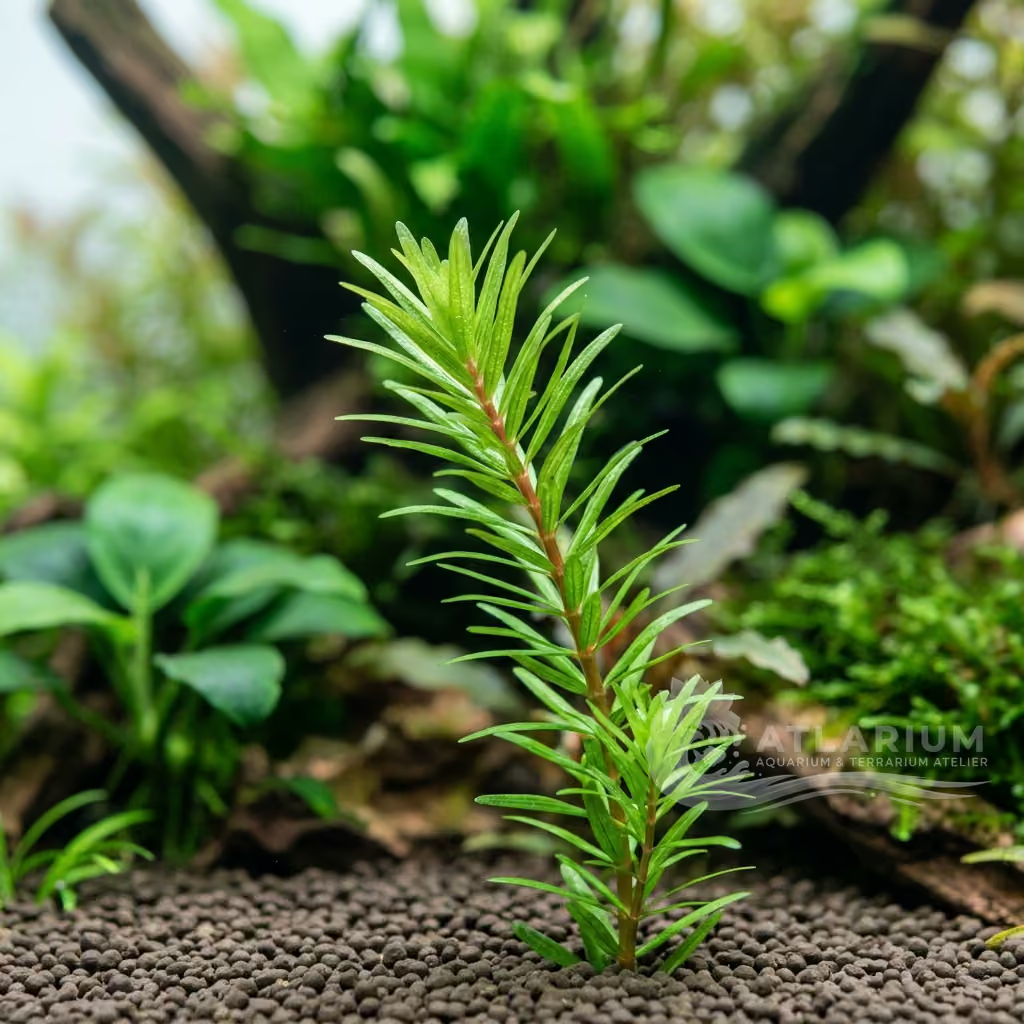
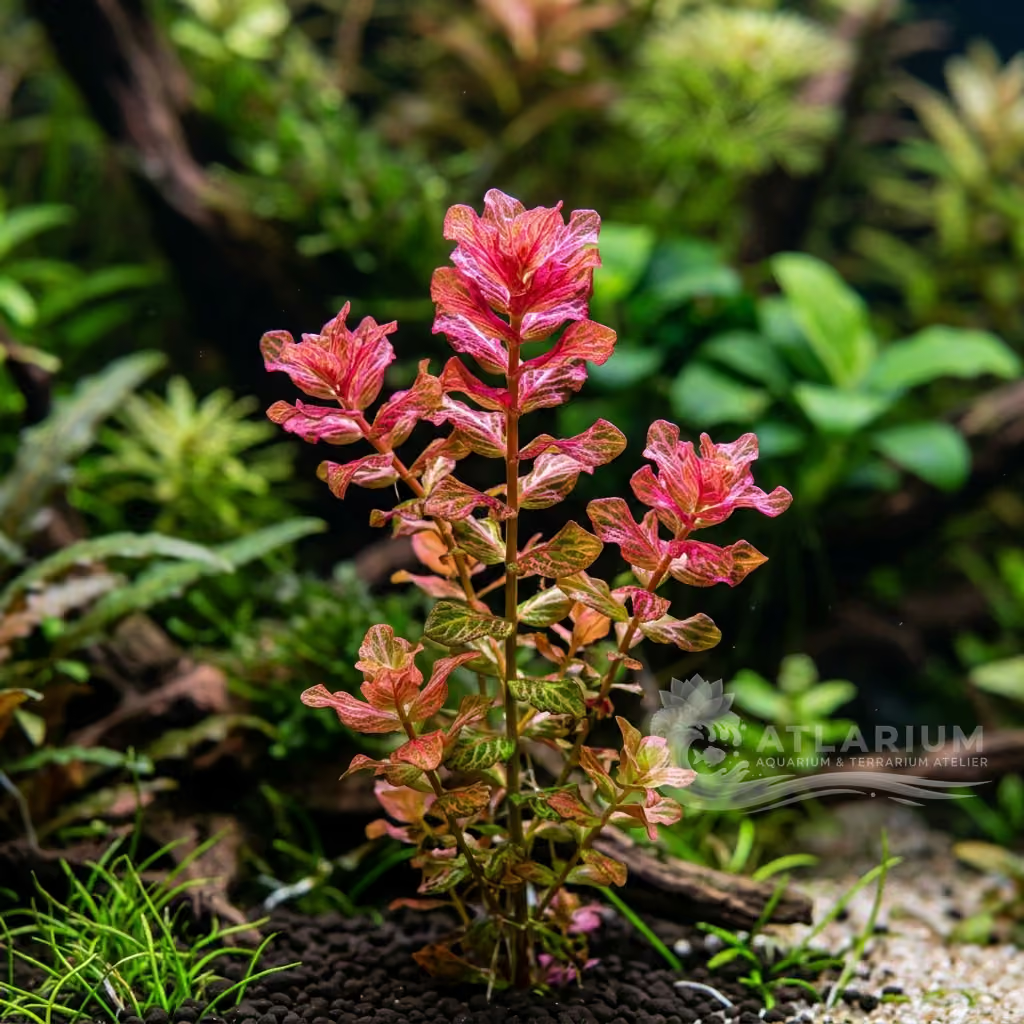
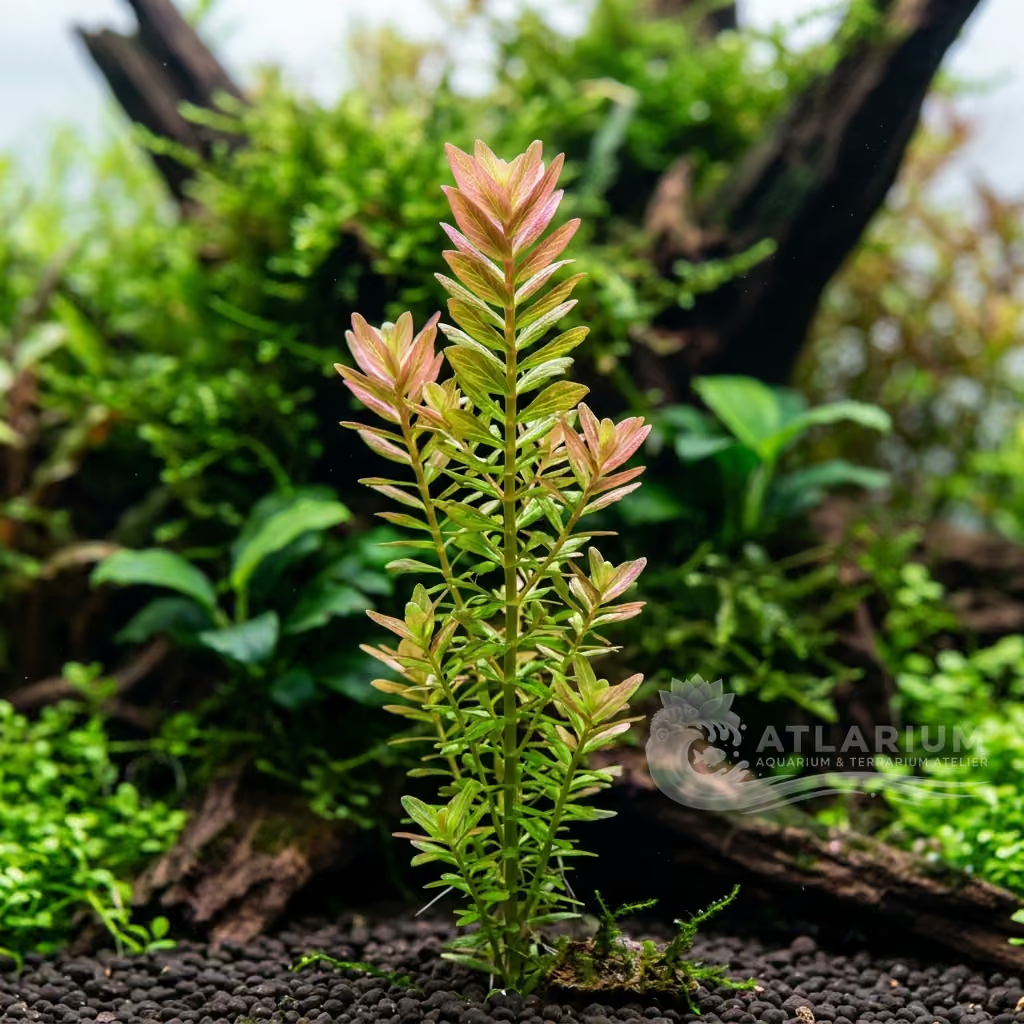
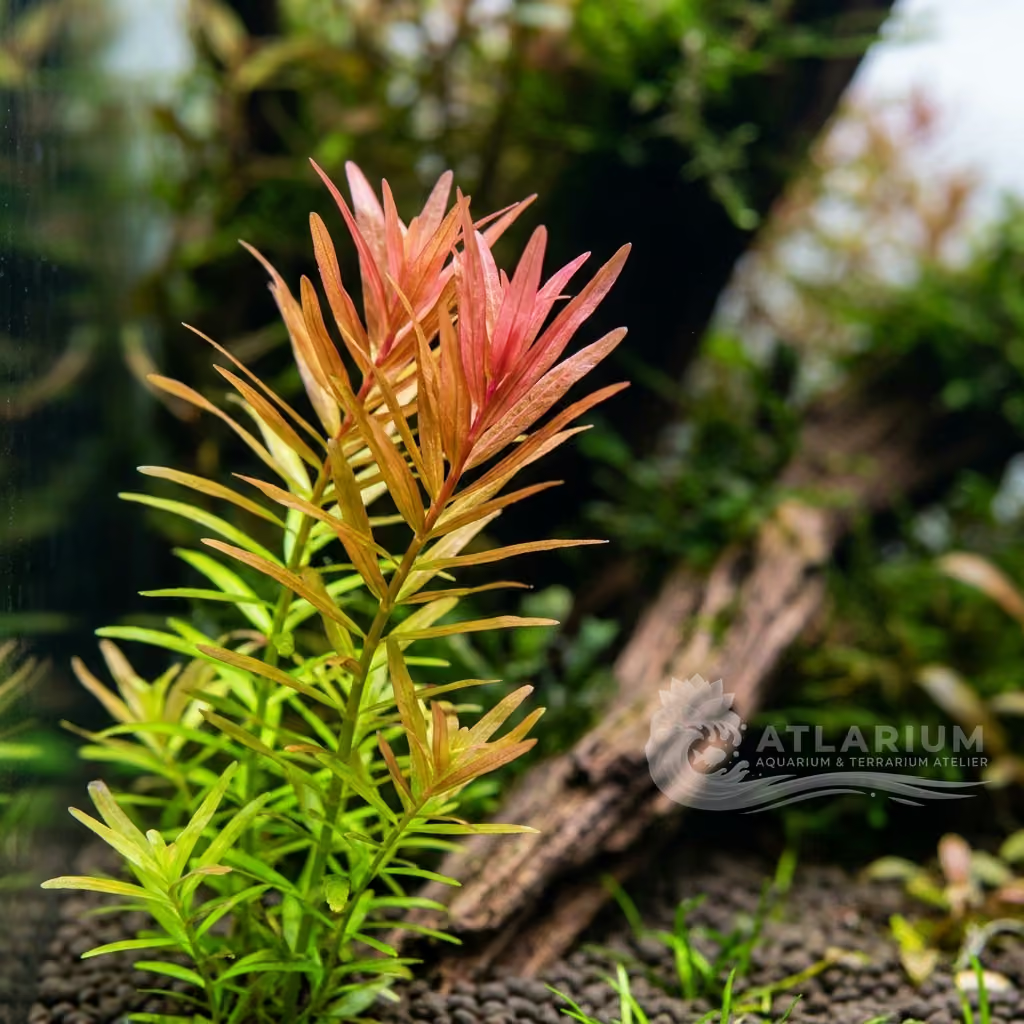
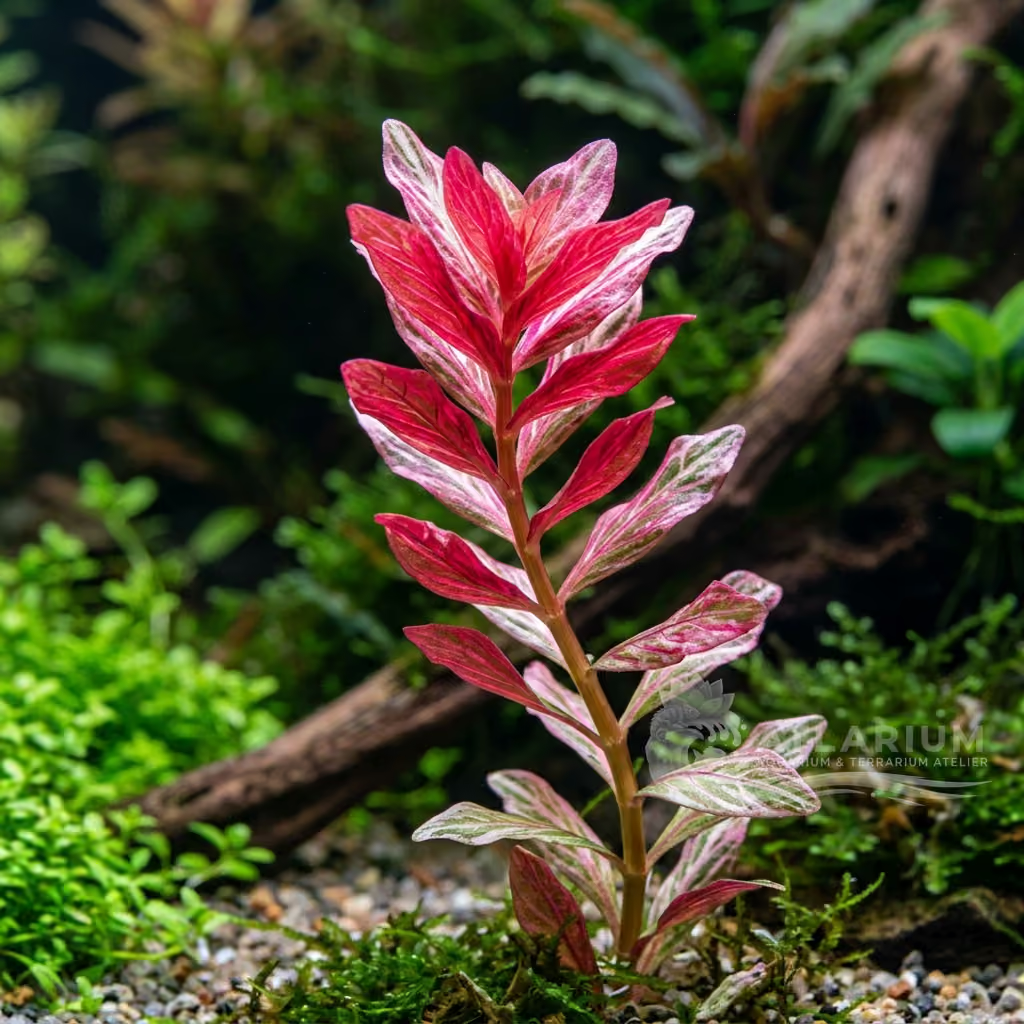
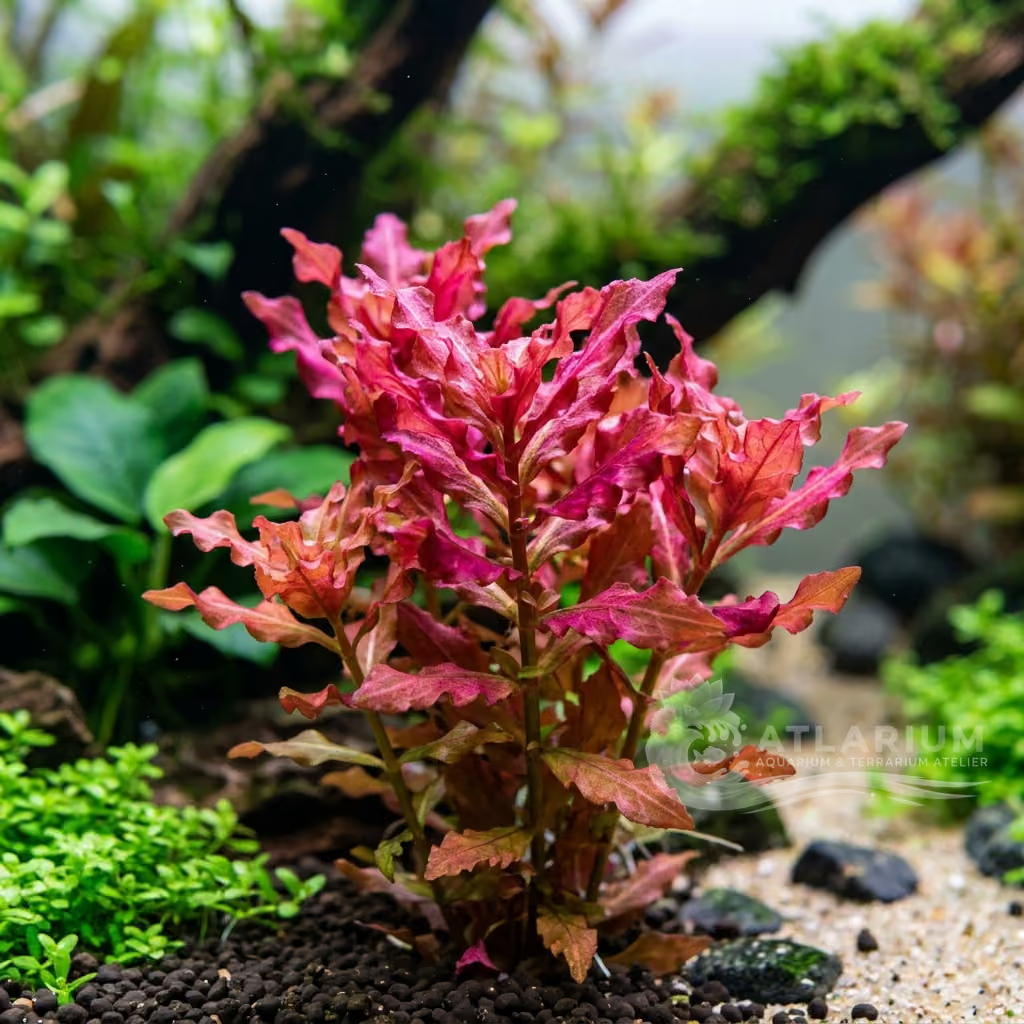
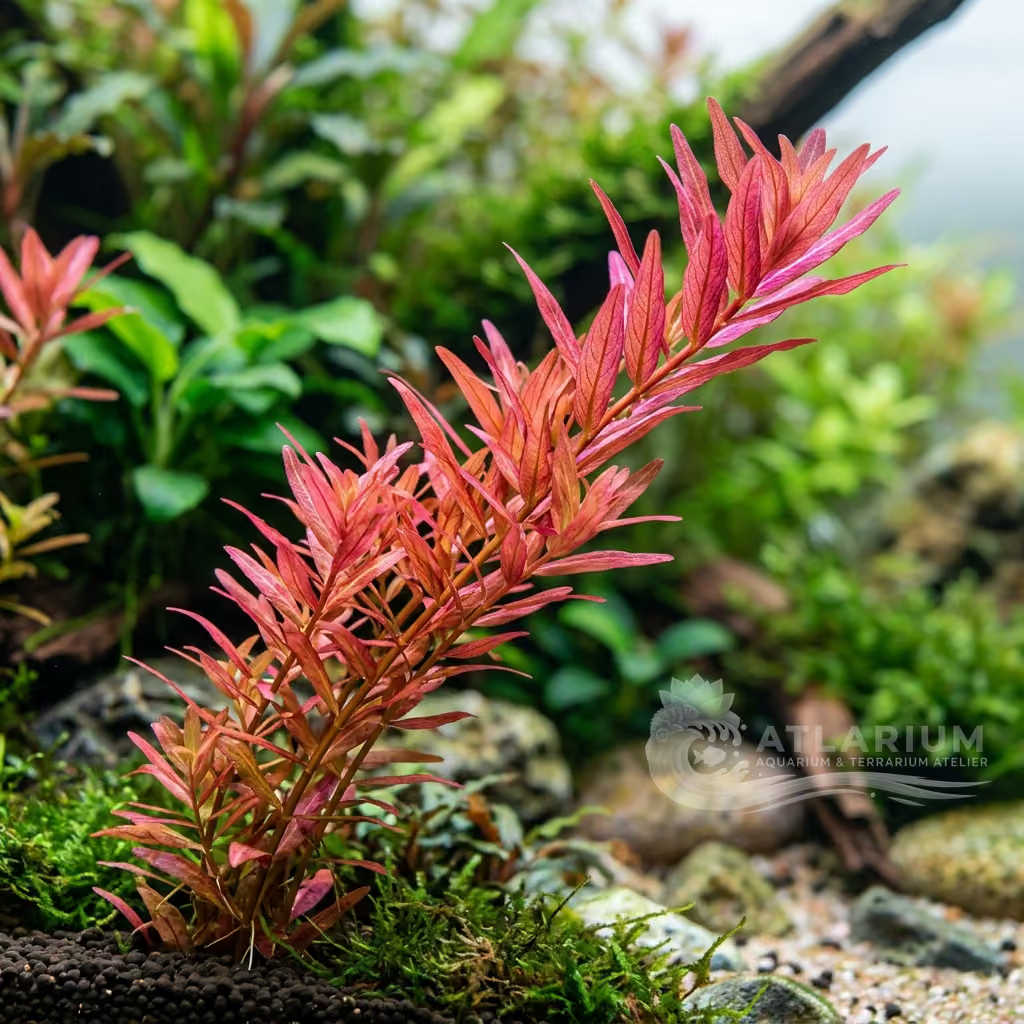
Color & Texture: The most distinctive feature of Rotala rotundifolia 'Colorata' is its extraordinary color range, which varies from intense pink to vibrant red, especially on the upper parts of the stems and younger leaves. This vivid coloration is the result of a combination of high light intensity, adequate CO2 availability, and the presence of specific nutrients, particularly iron and magnesium. The texture of the leaves is delicate and smooth, lending a soft and lush appearance to plant groupings. Under less optimal conditions, the leaves may take on a more green or yellow-green hue, losing their characteristic red pigmentation, yet still maintaining vigorous growth.

Cuidado, criação e companheiros de tanque
Lighting & CO2: To maximize the vibrant red coloration and compact growth of Rotala rotundifolia 'Colorata', it is essential to provide medium to high-intensity lighting, preferably with a spectrum suitable for photosynthesis. Carbon dioxide (CO2) supplementation is crucial; without CO2, growth will be slower, leaves less dense, and coloration will tend towards green, losing its distinctive red hue. Stable and adequate CO2 levels, in the range of 20-30 ppm, will stimulate vigorous photosynthesis and the production of anthocyanins, which are responsible for the red pigmentation. An 8-10 hour photoperiod per day is recommended to prevent unwanted algae growth and promote healthy plant development.
Nutrition & Substrate: Rotala rotundifolia 'Colorata' is primarily a
Water Chemistry: This species is quite adaptable to water parameters, tolerating temperatures ranging from 4.0 to 32.0 C, although optimal growth and the most intense coloration are achieved at temperatures around 22-26 C. The ideal pH range for vigorous growth and bright colors is between 6.0 and 7.5, slightly acidic to neutral. For water hardness, a KH (carbonate hardness) between 0.0 and 14.0 is tolerated, but softer water (low KH, ideally 3-8) and slightly acidic conditions tend to encourage more intense red coloration. Maintaining stable parameters is more important than striving for extreme values, as sudden fluctuations can stress the plant.
Space Management & Placement: Rotala rotundifolia 'Colorata', with its intermediate height and ability to form dense bushes, is ideal for midground placement in aquariums, creating an effective visual bridge between foreground and background plants. To achieve maximum visual impact and promote intense coloration, it is advisable to plant it in dense groups, leaving sufficient space between individual stems to allow light to penetrate to the plant's base. Overly dense growth without regular
Pruning: Pruning Rotala rotundifolia 'Colorata' is essential to maintain its shape, promote bushier, denser growth, and prevent excessive shading of the lower parts. When the plant reaches the water surface or becomes too tall, the tops can be trimmed (topping) with sharp scissors. The cut portions can be replanted directly into the substrate to propagate the plant and create new groups. This type of pruning encourages the development of lateral shoots from the nodes below, making the bush more compact and branched. Regular pruning every 1-2 weeks, depending on growth rate, is crucial to maintain the desired aesthetic and overall plant health.
Risks & Diseases: Rotala rotundifolia 'Colorata' is generally robust, but can show signs of stress if conditions are not optimal. The main risk is algae growth, which often indicates an imbalance between light, CO2, and nutrients. Leaves that become pale or yellow suggest a deficiency in iron or other micronutrients, while stunted growth or holes in leaves can indicate macronutrient deficiencies. Rapid melting of leaves can occur after a drastic change in water parameters or following a transfer, indicating shock. It is important to monitor the plant carefully to detect these signs early and intervene promptly to restore ideal conditions.

Origem e distribuição geográfica
Rotala rotundifolia, the parent species of the '
Origem
Sul e Sudeste Asiático

Perfil da planta
- Posicionamento
- Plano intermediário
- It is best suited for the midground to background of the aquascape. Planting it in dense groups creates a striking visual impact. It should be placed where it receives unobstructed light to maintain its color. Regular pruning helps keep it in the desired position and shape.
- Forma botânica
- Caule
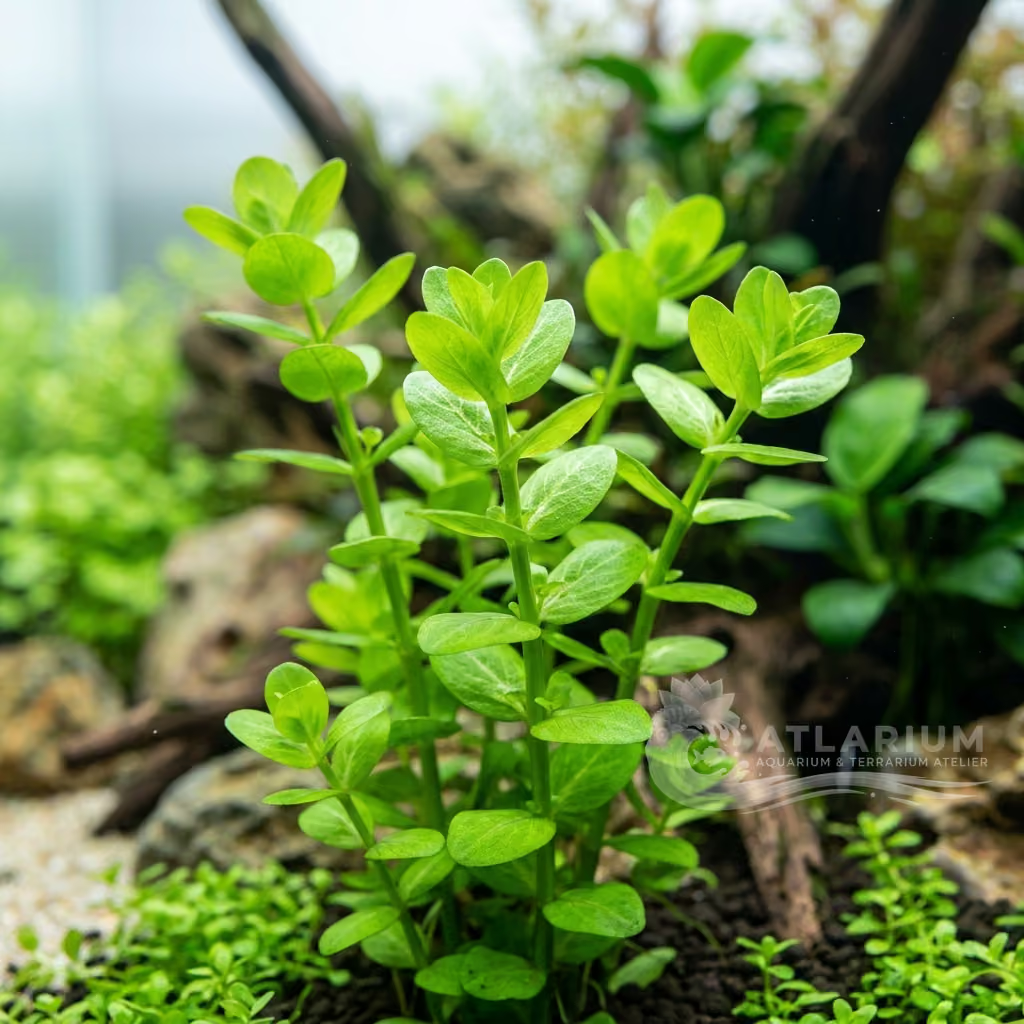
- Submerged leaves are narrow and lanceolate, growing opposite each other on thin stems. Under high light, the foliage turns from light green to a vibrant pinkish-red. Internodes shorten under strong illumination, making the plant look bushier. Emersed growth features rounder, green leaves and small purple flowers.
- Crescimento
- Rápida
- This plant exhibits a fast growth rate, especially under optimal conditions. Frequent trimming is necessary to prevent it from reaching the surface too quickly. Its rapid growth makes it an excellent nutrient exporter, helping to suppress algae. Consistent growth relies on a stable supply of CO2 and light.
- Substrato
- Baixa
- Rotala rotundifolia 'Colorata' is exceptionally adaptable and will thrive in a wide variety of substrates, although nutrient-rich soils can enhance its vivid pinkish-red coloration. The plant develops a robust anchoring system that allows it to absorb essential minerals efficiently from both the soil and the water column. A depth of 4 to 5 centimeters in the background or midground will provide a stable base for its dense, colorful canopy.
- Fertilização de coluna
- Recomendada
- As a stem plant, it efficiently absorbs nutrients directly from the water column. Liquid fertilizers containing a comprehensive mix of elements should be dosed regularly. Daily dosing is preferred to maintain stable nutrient levels in the water. Supplemental iron can be added to the water column to boost pigmentation.
- Fertilização radicular
- Nenhuma
- While it feeds heavily from the water, a nutrient-rich substrate promotes stronger, healthier growth. Aqua soils or root tabs provide a reserve of essential minerals for the root system. A healthy root network anchors the fast-growing stems securely. Root feeding is especially beneficial during the initial acclimation phase.
- Corte
- Regular
- Trim the plant frequently to encourage a bushy, dense appearance. Cutting the stems encourages multiple side shoots to grow from the nodes. Overgrown bushes can be rejuvenated by uprooting, discarding the old bases, and replanting the healthy tops. Trimming in a tiered fashion creates a sense of depth in the layout.
- Propagação
- Estacas
- Propagation is simple and achieved by taking stem cuttings. Snip the top few inches of a healthy stem and plant it directly into the substrate. The cutting will quickly root and continue growing. Leaving the bottom portion in the substrate will yield new side shoots.
- Sensibilidade
- Moderada
- It is generally hardy but can suffer if shaded by taller plants, leading to leaf drop at the base. Sudden fluctuations in CO2 can cause stunted tips or algae growth on the leaves. It prefers slightly acidic, soft to moderately hard water. Extremely low nutrient levels can lead to pale, washed-out foliage.
- Função de layout
- Plano intermediário, accent, Fundo
- It serves as a beautiful color accent in Dutch and Nature Aquarium styles. Its red and pink hues contrast perfectly with bright green foregrounds and midgrounds. It can be shaped into sweeping bushes or tight clusters. The fine texture of its leaves adds intricate detail to the aquascape.

Espécies relacionadas
Recomendações agrupadas por parentes próximos, escolhas de acompanhantes e cuidados semelhantes.