Utricularia inflexa
Utricularia inflexa
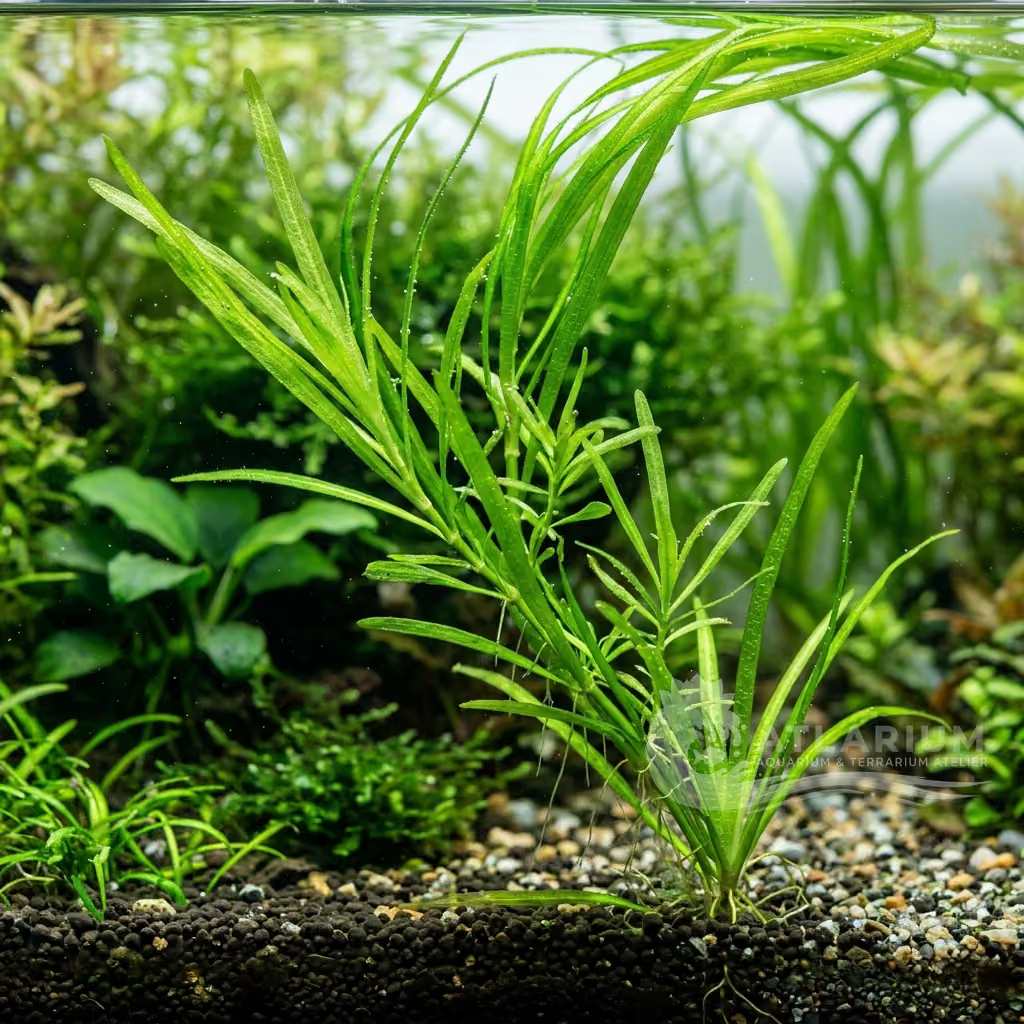
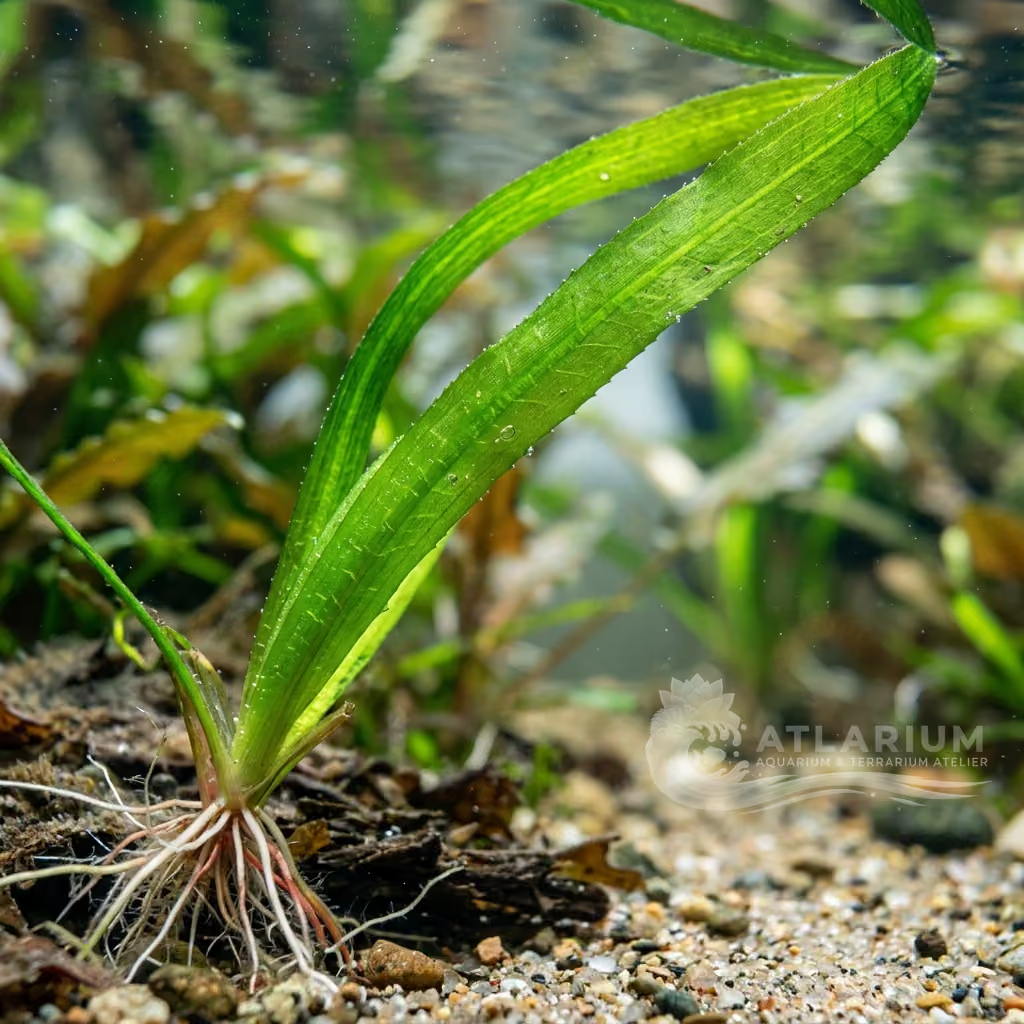
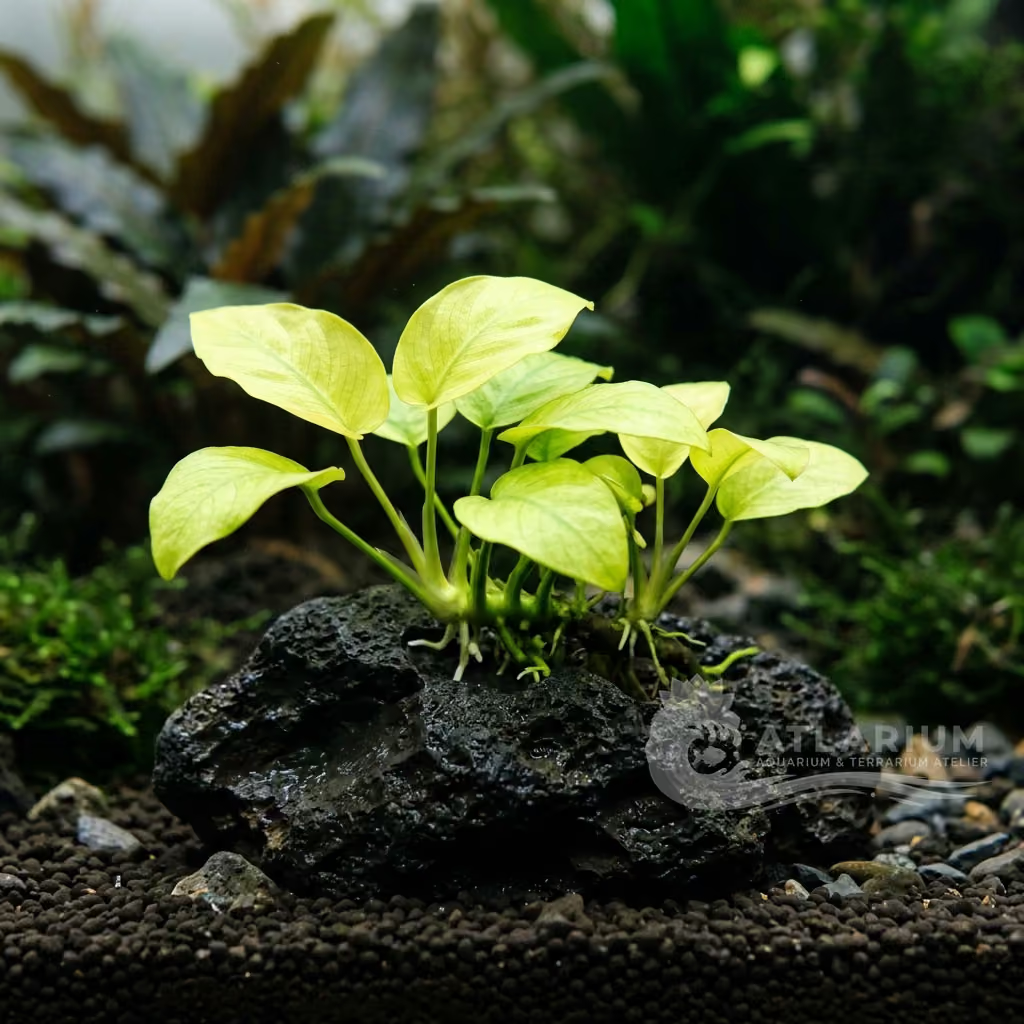
Utricularia inflexa is a fascinating carnivorous aquatic plant, ideal for the midground of an aquarium, characterized by its fast growth rate. Its delicate, rootless structures float or are submerged, creating a lush aesthetic and actively contributing to the aquatic ecosystem's biological filtration.
Temperatura da água
18 - 32 °C
Valor de pH
5 - 8
Tipo de água
Água doce
Luz
Medium to High
CO2
Baixa - Alta
KH
0 - 14 dKH

Descrição da espécie
Geographical Origin and Habitat: Utricularia inflexa is a cosmopolitan species, with a natural distribution spanning vast tropical and subtropical regions of Africa, Asia, and Australia. This aquatic plant thrives in a variety of freshwater habitats, including ponds, swamps, ditches, and slow-moving streams, where it often forms dense floating or submerged mats. It prefers calm waters, often slightly acidic and with relatively low nutrient content, conditions that favor the development of its carnivorous traps. Its presence typically indicates a healthy and relatively undisturbed aquatic ecosystem.
Taxonomy & Genetics: Belonging to the family Lentibulariaceae, Utricularia inflexa is part of a genus renowned for its extraordinary carnivorous adaptations. The genus Utricularia is the largest within carnivorous plants, encompassing over 200 diverse species, all characterized by the presence of specialized bladders for capturing small aquatic prey. The precise taxonomic identification of the *inflexa* species is based on distinctive morphological features, particularly the shape of its submerged leaves and emergent flowers. Its classification underscores a unique evolution that led to the loss of roots in favor of a completely aquatic and predatory lifestyle.
Physical Structure:
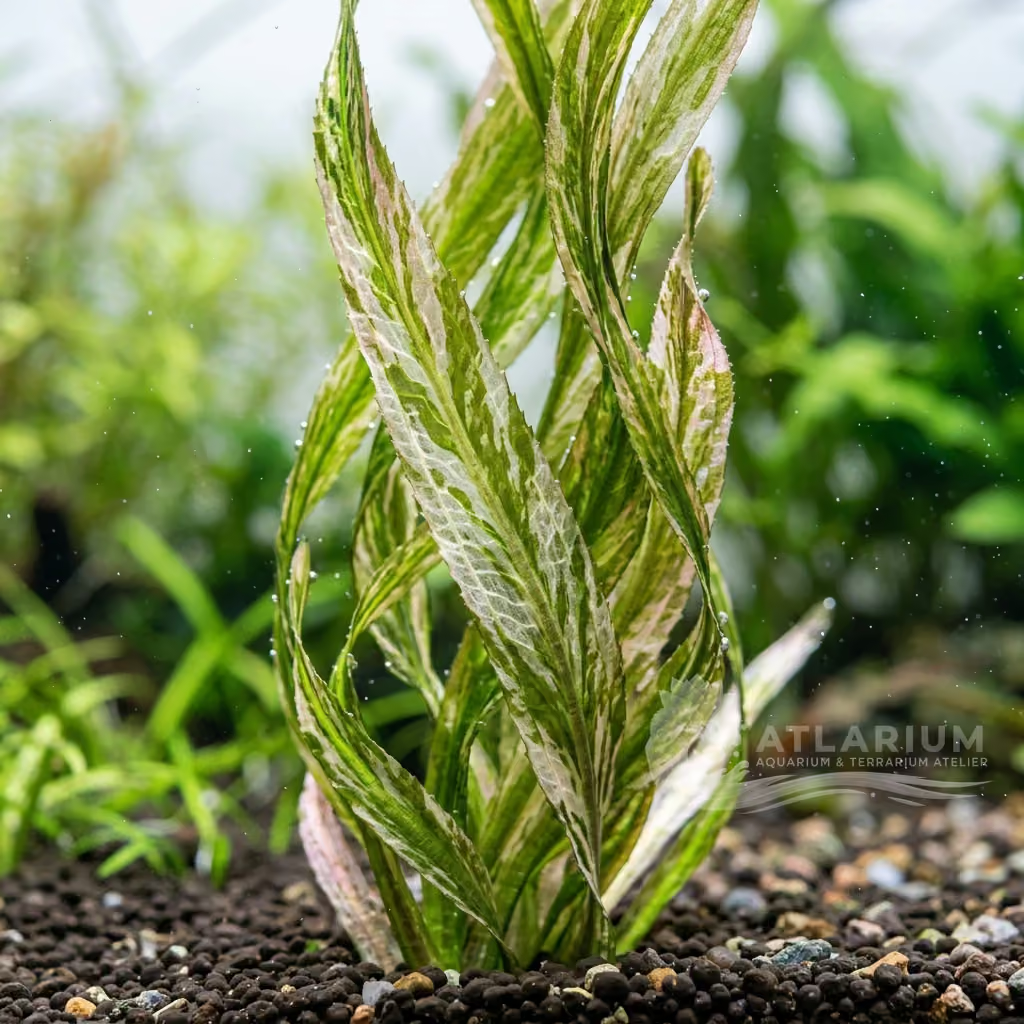
Color & Texture: The coloration of Utricularia inflexa typically ranges from a bright light green to a medium green, with the potential for reddish or bronze hues on the leaf tips and stems under very intense light conditions. Its texture is incredibly delicate and feathery, giving the plant a soft and almost ethereal appearance underwater, which contrasts with the robustness of other aquatic plants. This fineness makes it an excellent design element for adding texture and depth to the aquarium layout. The tiny bladders, while functional, are almost imperceptible to the naked eye, maintaining the overall look of a lush plant mass.

Cuidado, criação e companheiros de tanque
Lighting & CO2: Utricularia inflexa thrives under medium to high illumination, and more intense light will stimulate more compact and vigorous growth, as well as encourage potential flowering. With strong lighting, CO2 injection is highly recommended to maximize its fast growth rate and promote more vibrant coloration. Without adequate CO2 supplementation in high light, the plant may struggle and become more susceptible to algal competition. Appropriate light intensity also prevents stem elongation, maintaining the desired shape.
Nutrition & Substrate: As a floating or freely submerged plant, Utricularia inflexa does not draw nutrients directly from the substrate; instead, it absorbs them entirely from the
Water Chemistry: Utricularia inflexa is tolerant of a wide range of water parameters, thriving in temperatures between 18°C and 32°C, although a range of 22-28°C is often optimal for vigorous growth. Regarding pH, it adapts to values from 5.0 to 8.0, but prefers slightly acidic to neutral waters (pH 6.0-7.0) which reflect its natural habitat. Carbonate hardness (KH) can range from 0 to 14, indicating considerable flexibility, but softer waters (lower KH) are often associated with better health and growth, especially if aiming for a lower pH.
Space Management & Placement: Due to its floating or freely submerged nature, Utricularia inflexa is extremely versatile in placement. Although it is listed for the midground, it can be left to float freely on the surface, forming a green canopy, or it can be gently anchored to decorations or among other plants to create a bushy effect in the foreground or midground. Its rapid growth requires space management to prevent it from excessively shading underlying plants, ensuring they also receive adequate illumination. It is perfect for adding volume and a sense of natural depth to the layout.
Pruning: Given its fast growth rate, regular pruning of Utricularia inflexa is essential to maintain its shape and prevent overgrowth that could smother other plants. Simply cut or thin out the longer or denser sections with sharp scissors. The removed portions can be replanted to propagate the plant or discarded, depending on the layout's needs. Consistent pruning encourages denser, more compact growth, enhancing the plant's aesthetic appeal and overall health.
Risks & Diseases: Utricularia inflexa is generally a robust plant, but it can be susceptible to problems if water conditions are unstable or nutrient deficiencies occur. The main threats include drastic fluctuations in water parameters, which can cause stress and deterioration. While not particularly prone to specific diseases, a suboptimal environment can make it vulnerable to algal growth, especially if the light-CO2-nutrient balance is not maintained. It is also sensitive to certain chemicals, such as aggressive algaecides or copper-based medications, which should be used with extreme caution or avoided altogether.

Origem e distribuição geográfica
Utricularia inflexa is a cosmopolitan species, with a natural distribution spanning vast tropical and subtropical regions of Africa, Asia, and Australia. This aquatic plant thrives in a variety of freshwater habitats, including ponds, swamps, ditches, and slow-moving streams, where it often forms dense floating or submerged mats. It prefers calm waters, often slightly acidic and with relatively low nutrient content, conditions that favor the development of its carnivorous traps. Its presence typically indicates a healthy and relatively undisturbed aquatic ecosystem.
Origem
Cosmopolita ou apresentado

Perfil da planta
- Posicionamento
- Plano intermediário
- This plant is entirely rootless and floats freely just below the water surface. It is typically left to drift in the aquarium, creating a natural, suspended canopy. Because it can shade plants below, strategic placement or tethering might be needed in high-light tanks.
- Forma botânica
- Caule
- It presents as a suspended network of fine, hair-like stems interspersed with tiny bladder traps. These intricate bladders give the plant its characteristic carnivorous nature. The overall form is loose and feathery, providing excellent cover for fry and microorganisms.
- Crescimento
- Rápida
- Under optimal conditions, the growth rate of this floating carnivorous plant is exceptionally fast. It can double its biomass in a matter of weeks when provided with adequate light and nutrients. Regular harvesting is necessary to prevent it from overtaking the water surface.
- Substrato
- Nenhuma
- As a free-floating aquatic plant, *Utricularia inflexa* does not require any substrate for cultivation. It lacks traditional roots, instead drawing all necessary nutrients directly from the water column through its highly modified leaves. Consequently, it thrives when left to float freely at the surface or mid-water without being buried. Any attempt to plant it in substrate may lead to the rotting of its delicate stem structure.
- Fertilização de coluna
- Recomendada
- As a purely rootless floater, liquid fertilization in the water column is strictly required. Comprehensive dosing of NPK and trace elements ensures healthy leaf development and bladder formation. Neglecting liquid fertilizers will quickly result in stunted growth and pale coloration.
- Fertilização radicular
- Nenhuma
- Root fertilization is completely irrelevant for this species as it lacks a root system. It derives zero benefit from nutrient-rich substrates or root tabs. All nutrient acquisition occurs directly through its vegetative structure from the surrounding water.
- Corte
- Ocasional
- Trimming is as simple as removing excess clumps manually from the aquarium. Overgrowth should be managed frequently to prevent light deprivation for benthic plants. Discarded portions must be disposed of responsibly to prevent introduction to local waterways.
- Propagação
- Estacas
- Propagation occurs effortlessly through simple fragmentation of the stem structure. Any broken piece with a few healthy nodes will develop into a new, independent plant mass. This highly efficient reproduction strategy contributes to its rapid colonization of the surface.
- Sensibilidade
- Moderada
- It is highly sensitive to algicides and medications containing copper. Such chemicals can cause immediate melting and total loss of the specimen. It also resents excessive surface agitation, which can damage its delicate structure.
- Função de layout
- Plano intermediário, Primeiro plano, Flutuante
- In aquascaping, it is utilized exclusively as a floating canopy layer. It provides essential dimming effects for shade-loving plants and shy fish species. The dense rootless mass creates a captivating, wild aesthetic in natural-style setups.

Espécies relacionadas
Recomendações agrupadas por parentes próximos, escolhas de acompanhantes e cuidados semelhantes.