Rotala sp. ''Nanjenshan''
Rotala sp. ''Nanjenshan''
Rotala sp. ''Nanjenshan'' is a fast-growing aquatic plant ideal for midground placement, where it forms dense, colorful bushes, contributing a strong visual impact to the aquascape.
Temperatura da água
4 - 32 °C
Valor de pH
4.5 - 7.5
Tipo de água
Água doce
Luz
Medium to High
CO2
Alta
Altura esperada
40 cm
KH
0 - 21 dKH

Descrição da espécie
Geographical Origin and Habitat: Although the name "Nanjenshan" suggests a specific origin, presumably referring to the Nanjenshan mountain area in Taiwan, the exact details of its natural habitat remain under study and are often linked to local forms or variants of Rotala. This plant is typically found in shallow aquatic environments, such as the edges of slow-moving streams, marshes, or seasonally flooded areas, where it can grow both submerged and emersed. Its adaptability to various environmental conditions has favored its spread in the aquarium market, while still retaining the appellation that evokes its geographical origin.
Taxonomy & Genetics: Rotala sp. ''Nanjenshan'' is classified within the genus Rotala, belonging to the Lythraceae family, which includes numerous species and varieties of aquatic plants popular in aquascaping. The "sp." designation indicates that it is a species not yet formally described or that its precise taxonomic identification is uncertain, differentiating it from other Rotala by distinctive morphological or genetic characteristics. Despite this, its unique properties and attractive appearance have secured its prominent place among aquarium plants, often considered a variant of Rotala rotundifolia or Rotala indica with its own peculiarities.
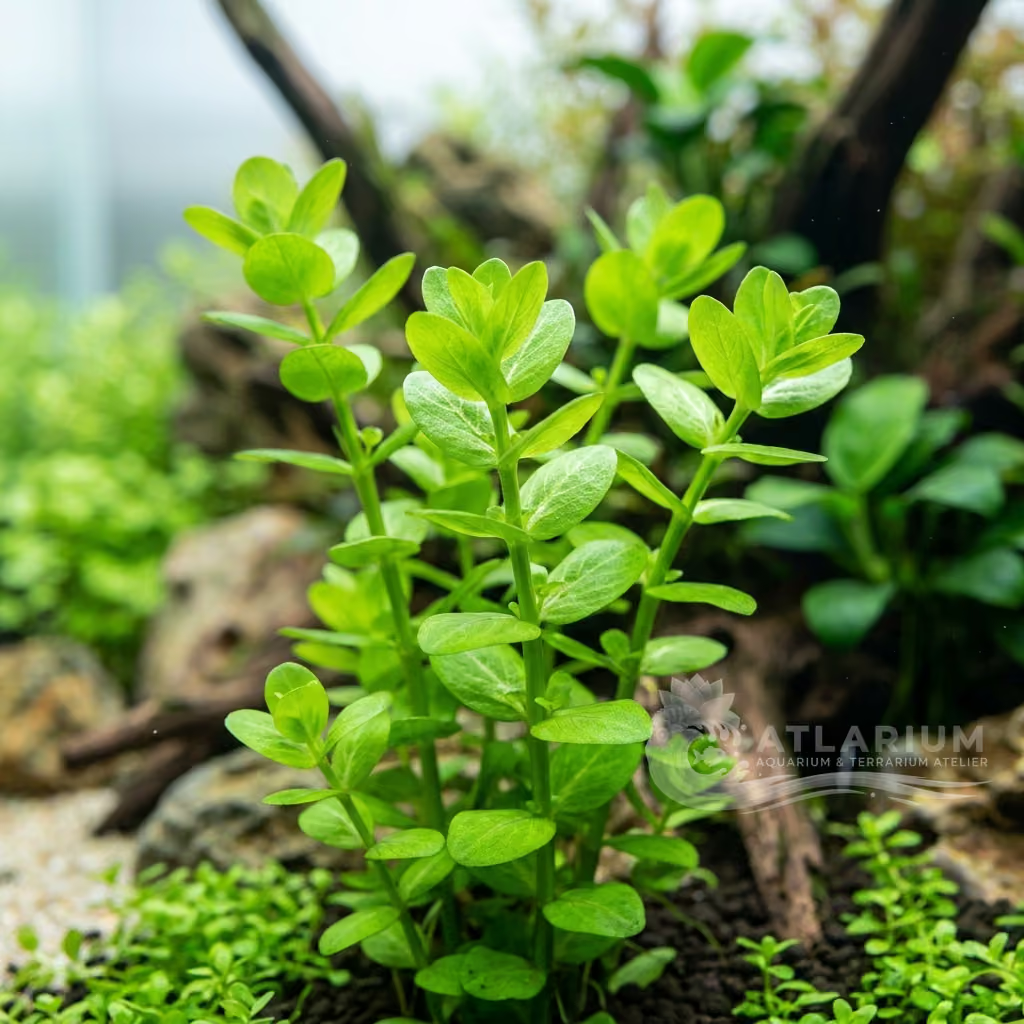
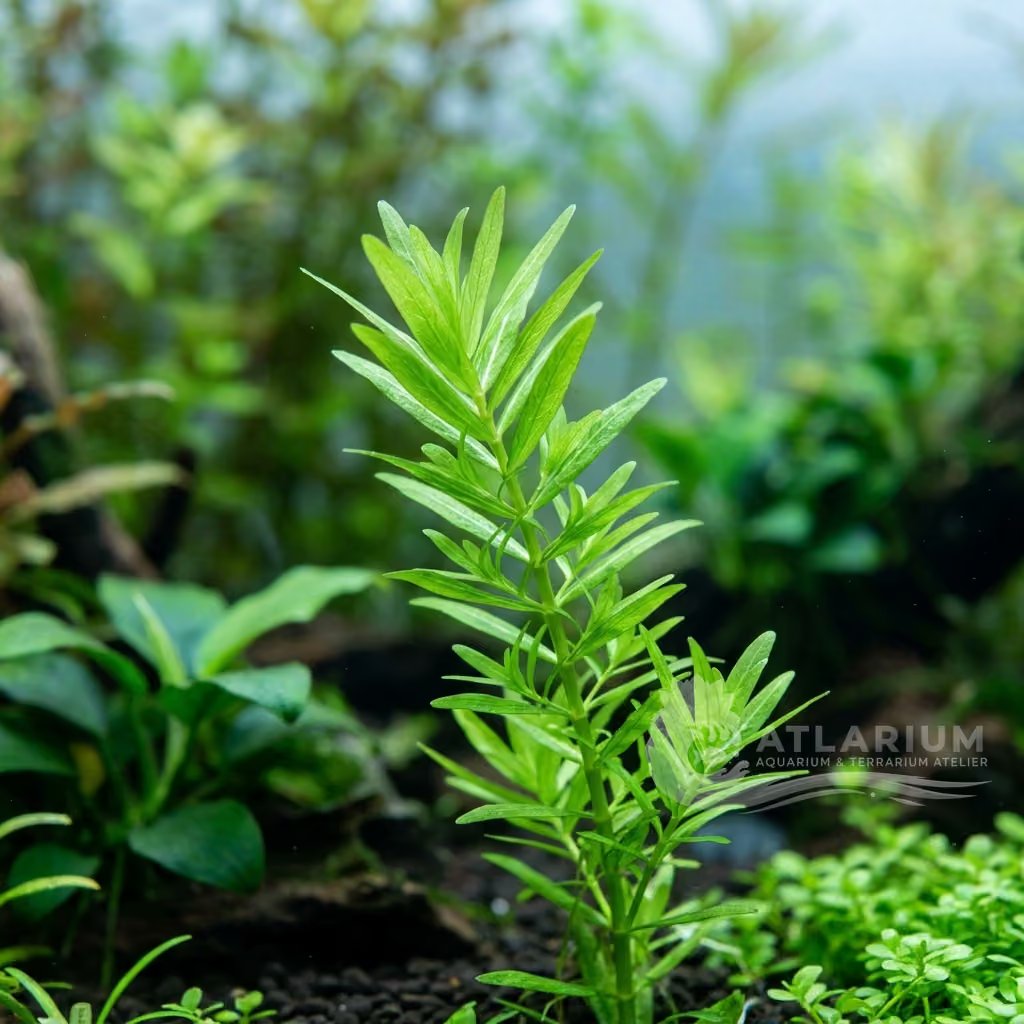
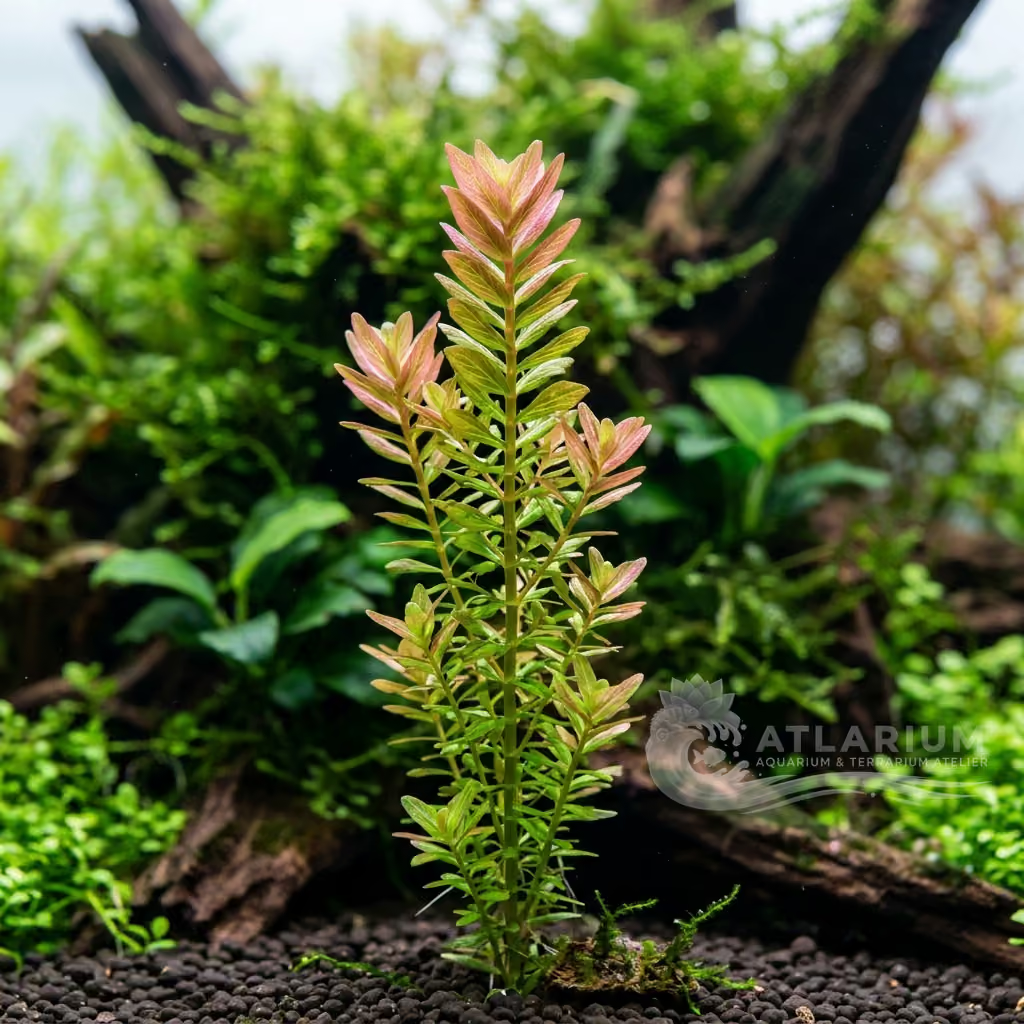
Physical Structure: The physical structure of Rotala sp. ''Nanjenshan'' is characterized by slender yet robust stems that grow vertically and can branch profusely, forming a bushy appearance. The leaves are small, lanceolate or elliptical, arranged in opposite pairs along the stem, although under optimal growth conditions they may appear whorled. Under intense lighting and with adequate fertilization, internodes shorten, making the plant more compact and dense. The root system is relatively discreet, anchoring itself to the substrate and contributing minimally to the overall appearance of the submerged plant.
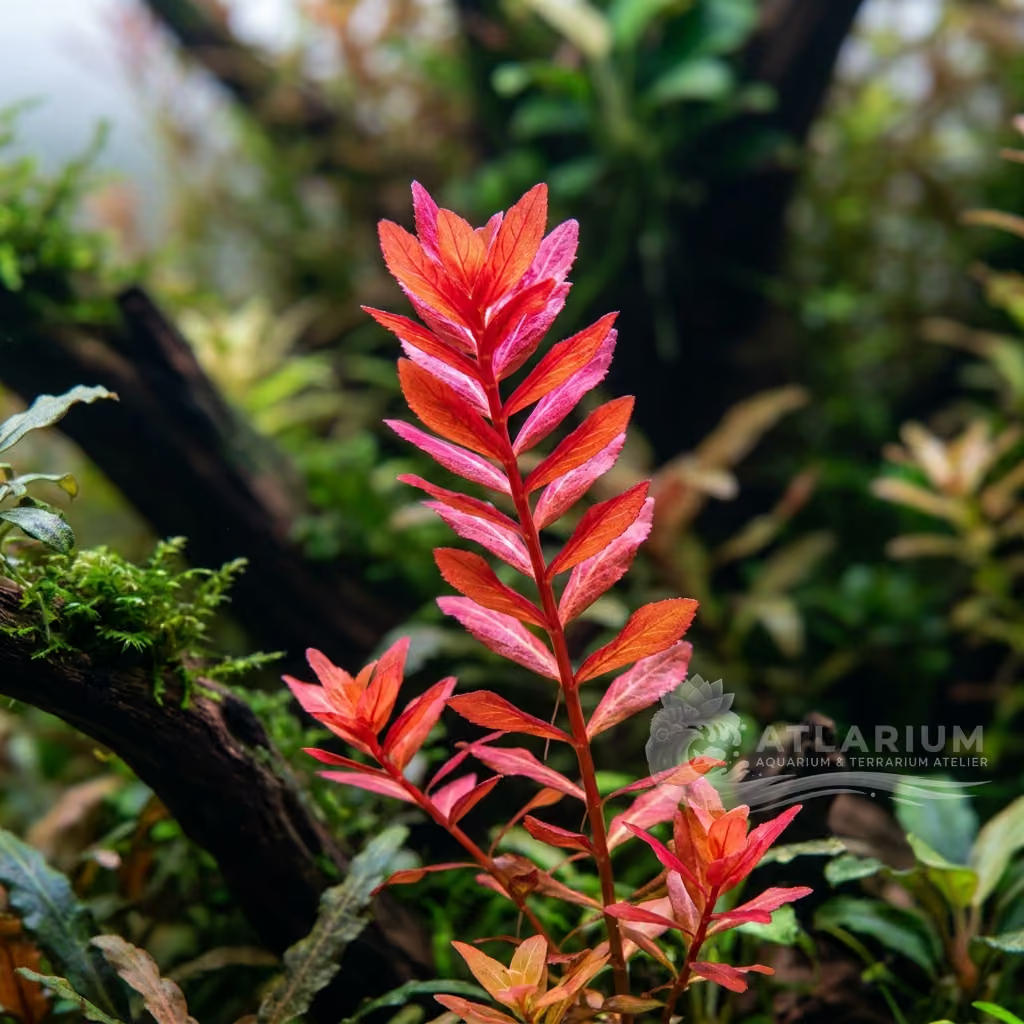
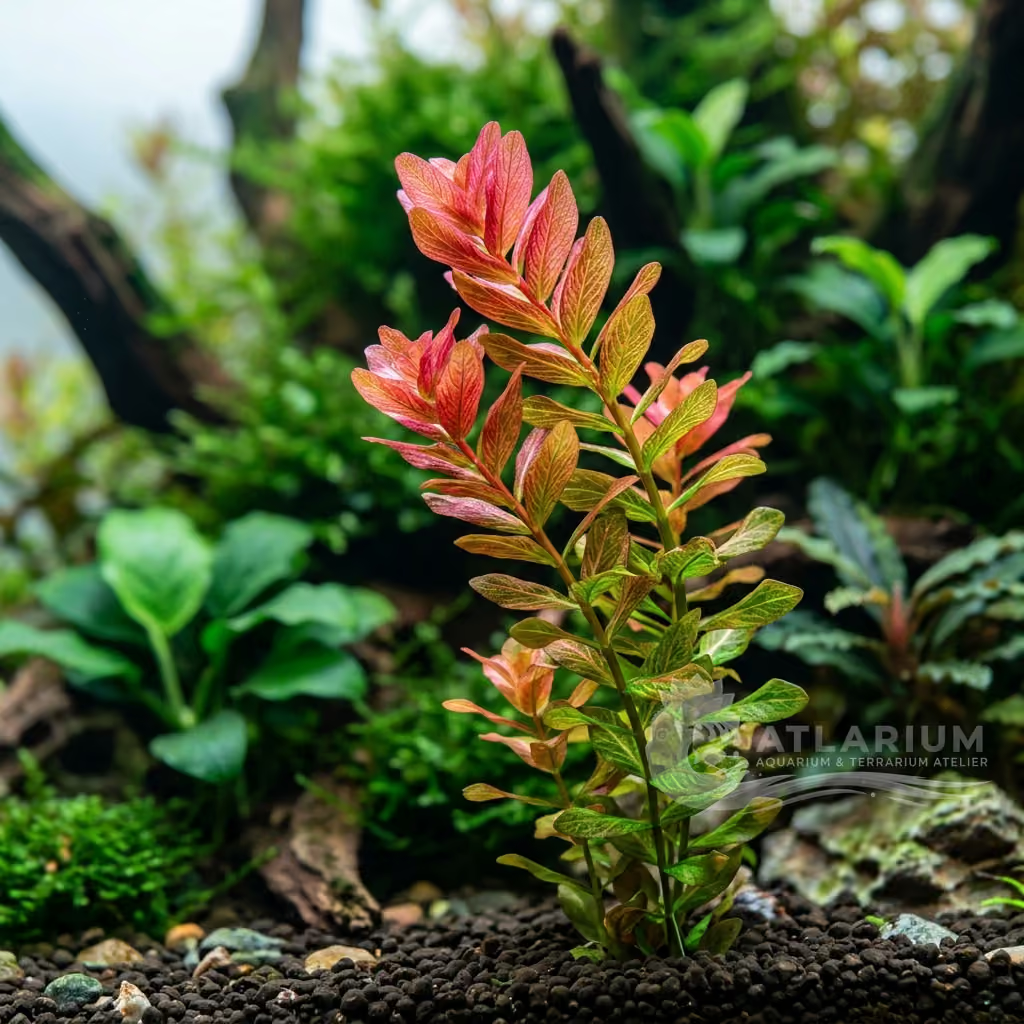
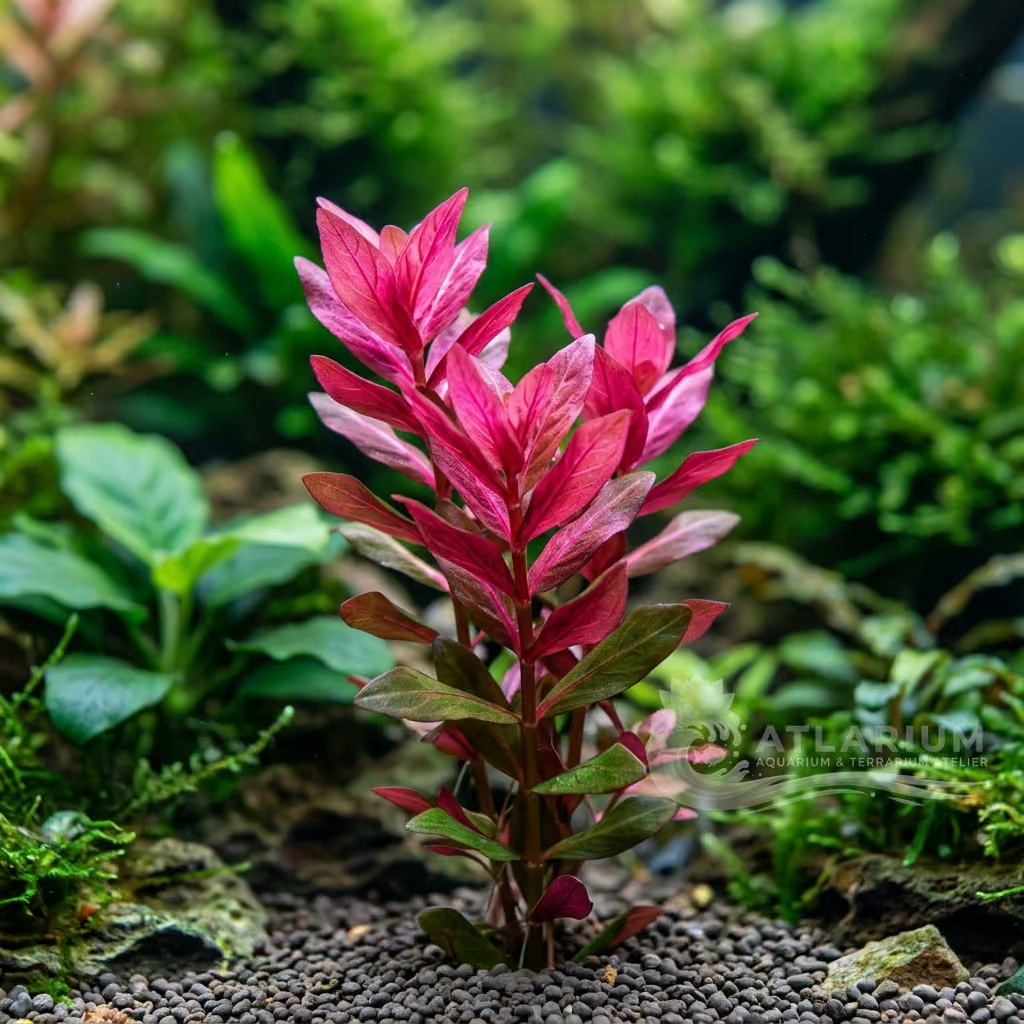
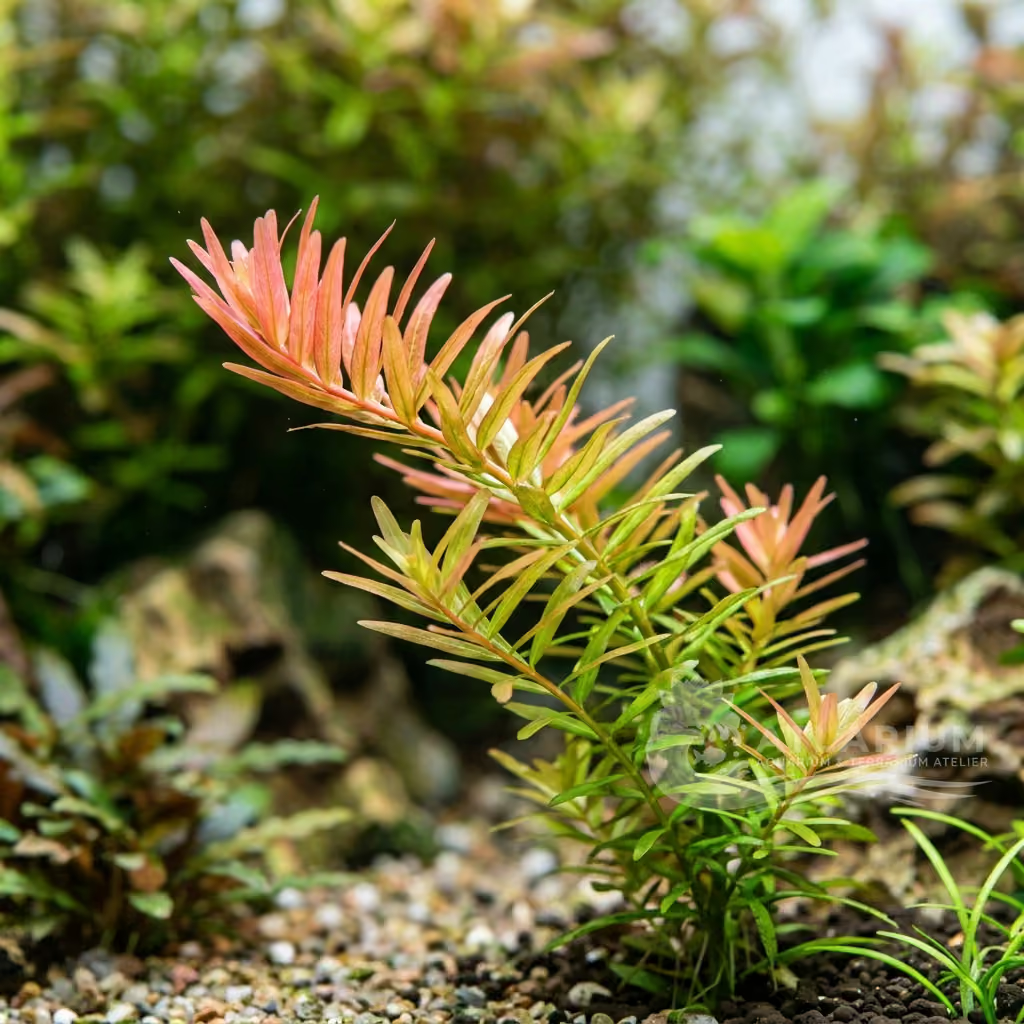
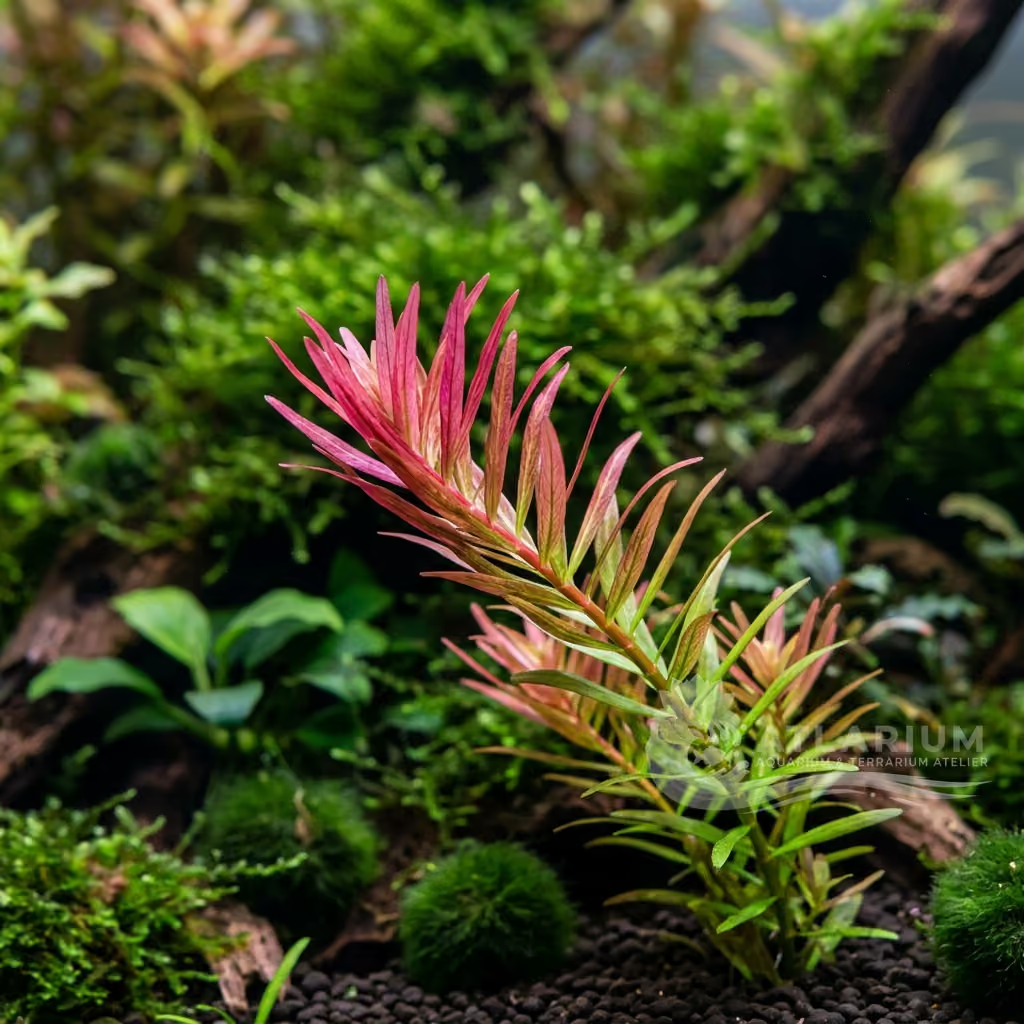
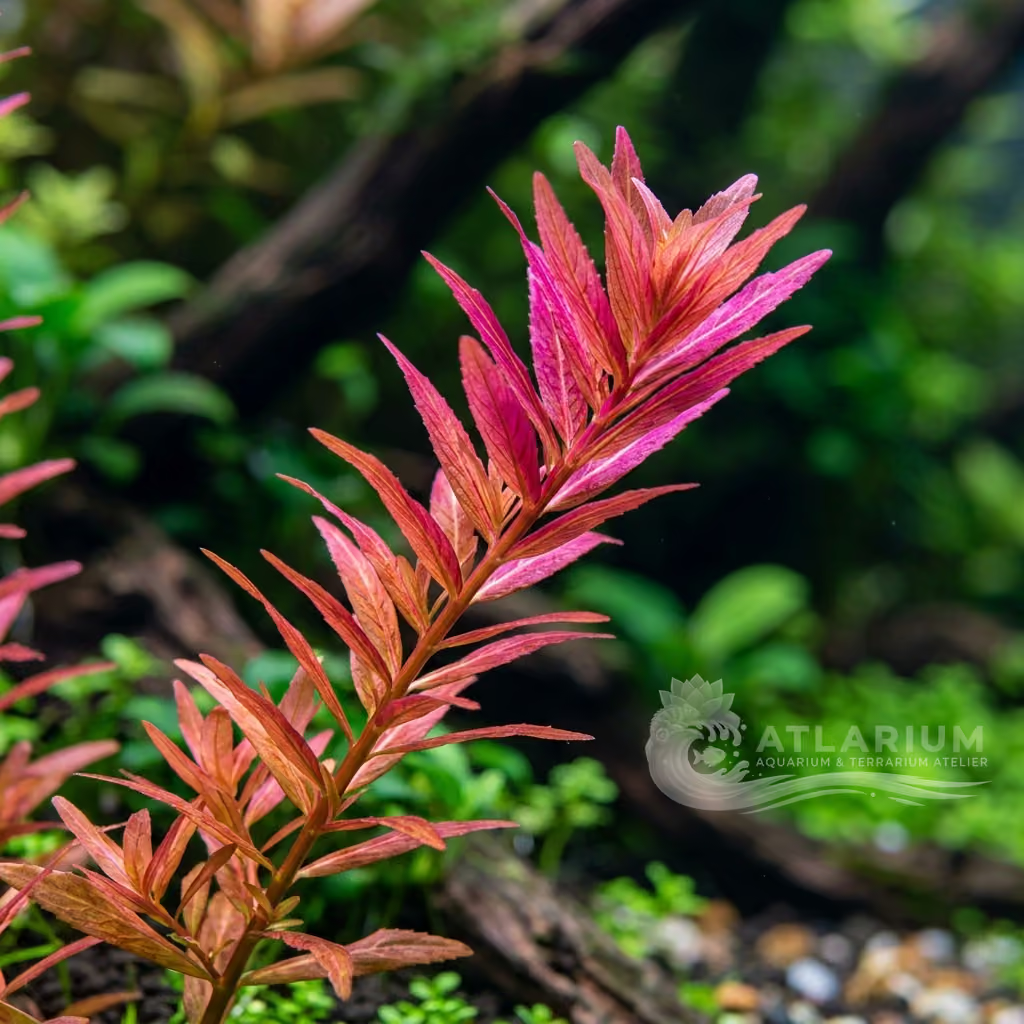
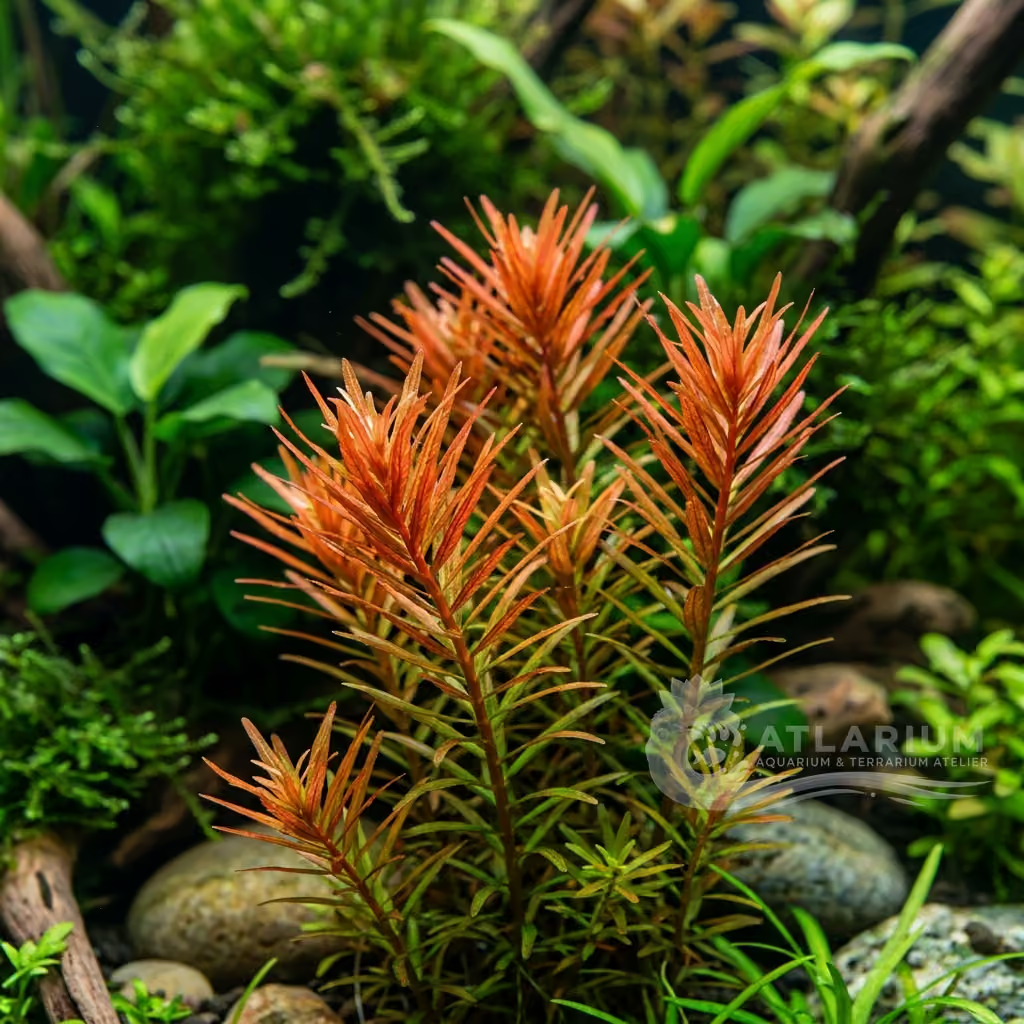
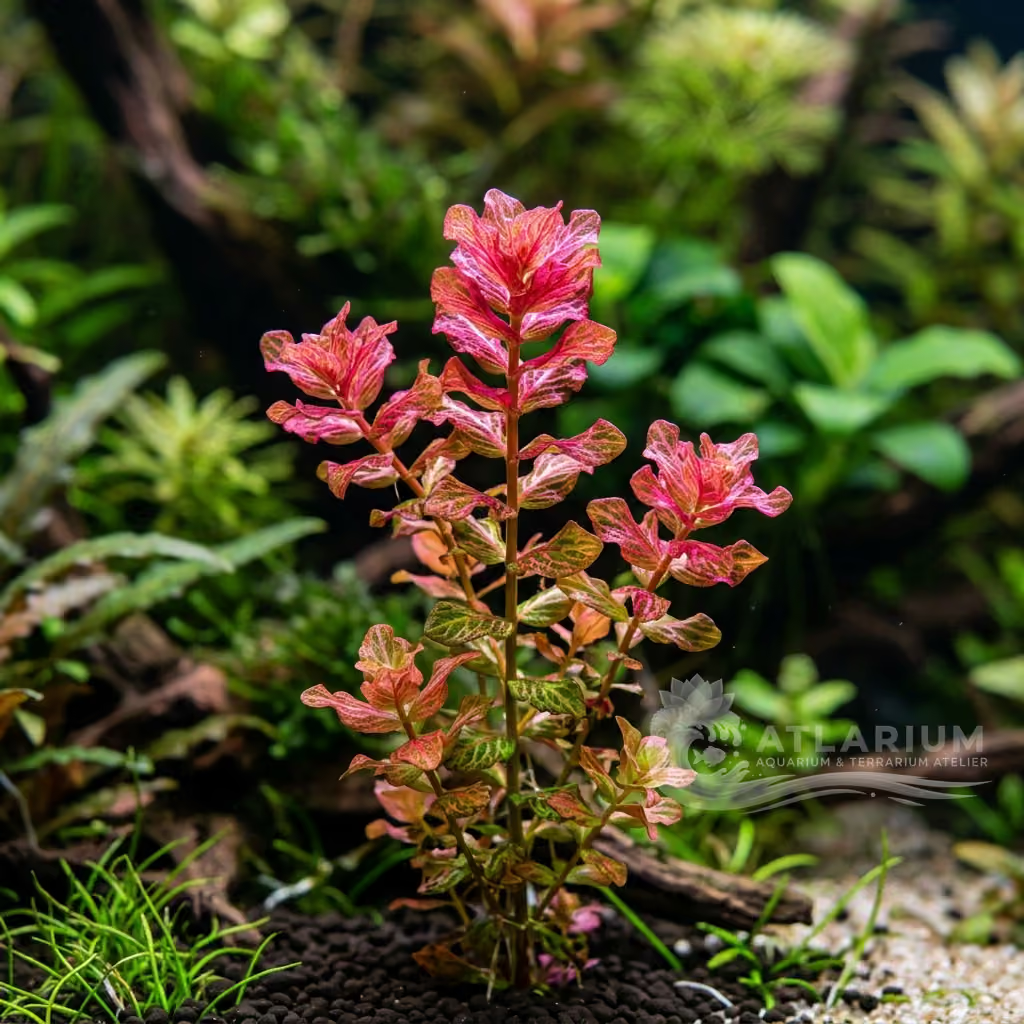
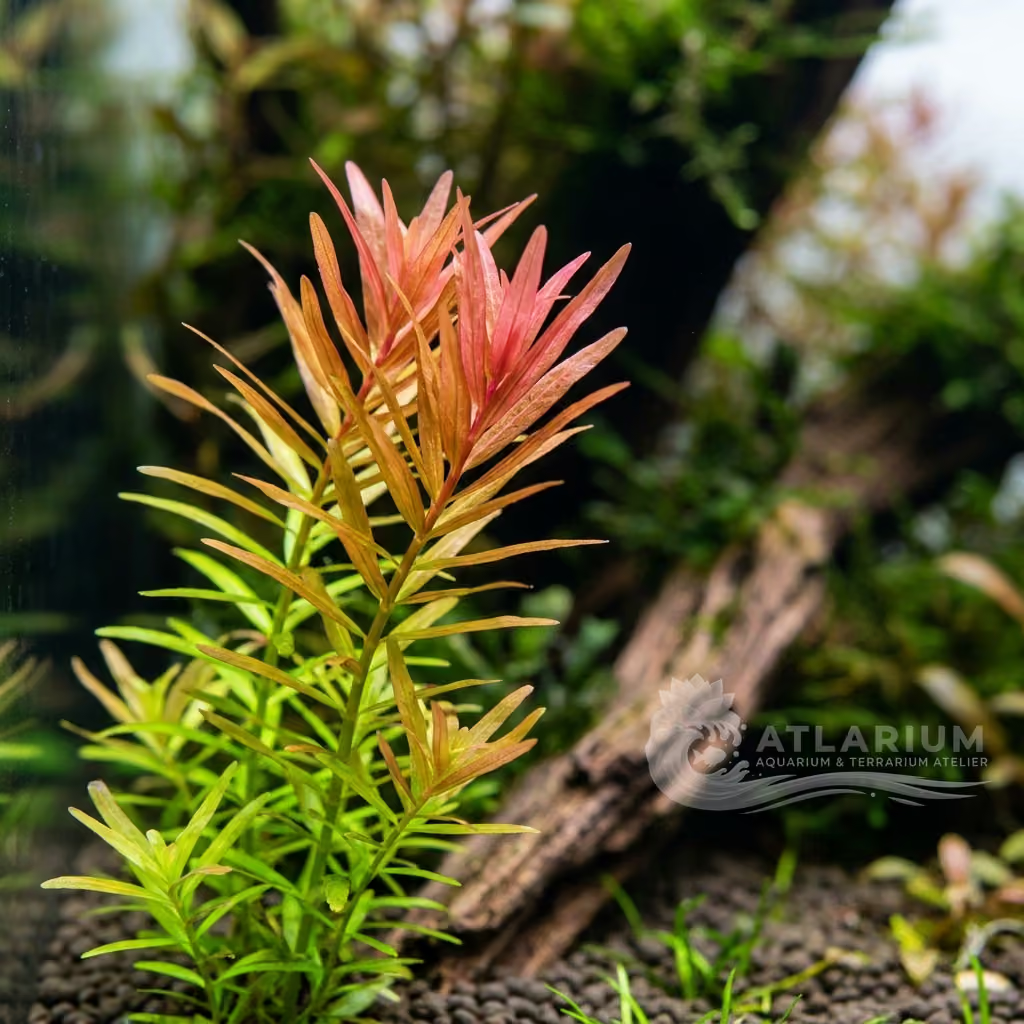
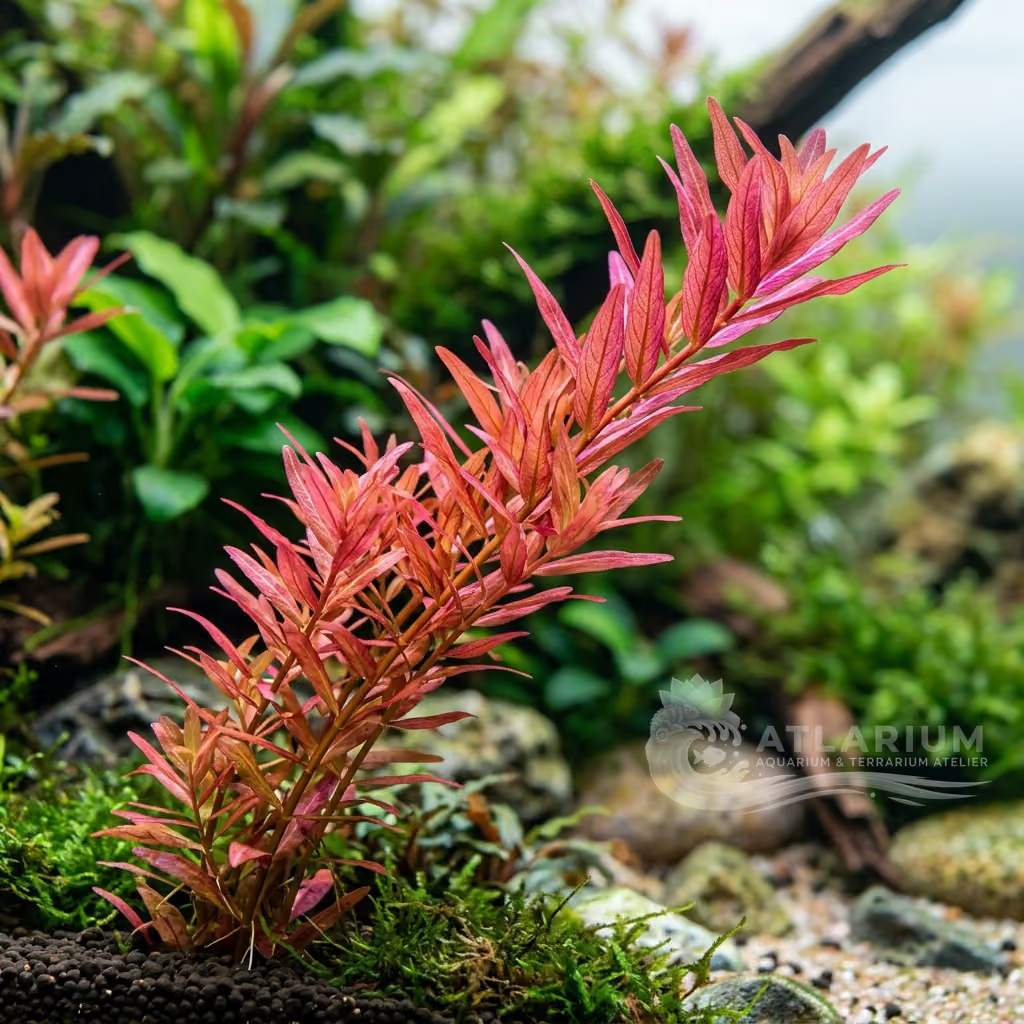
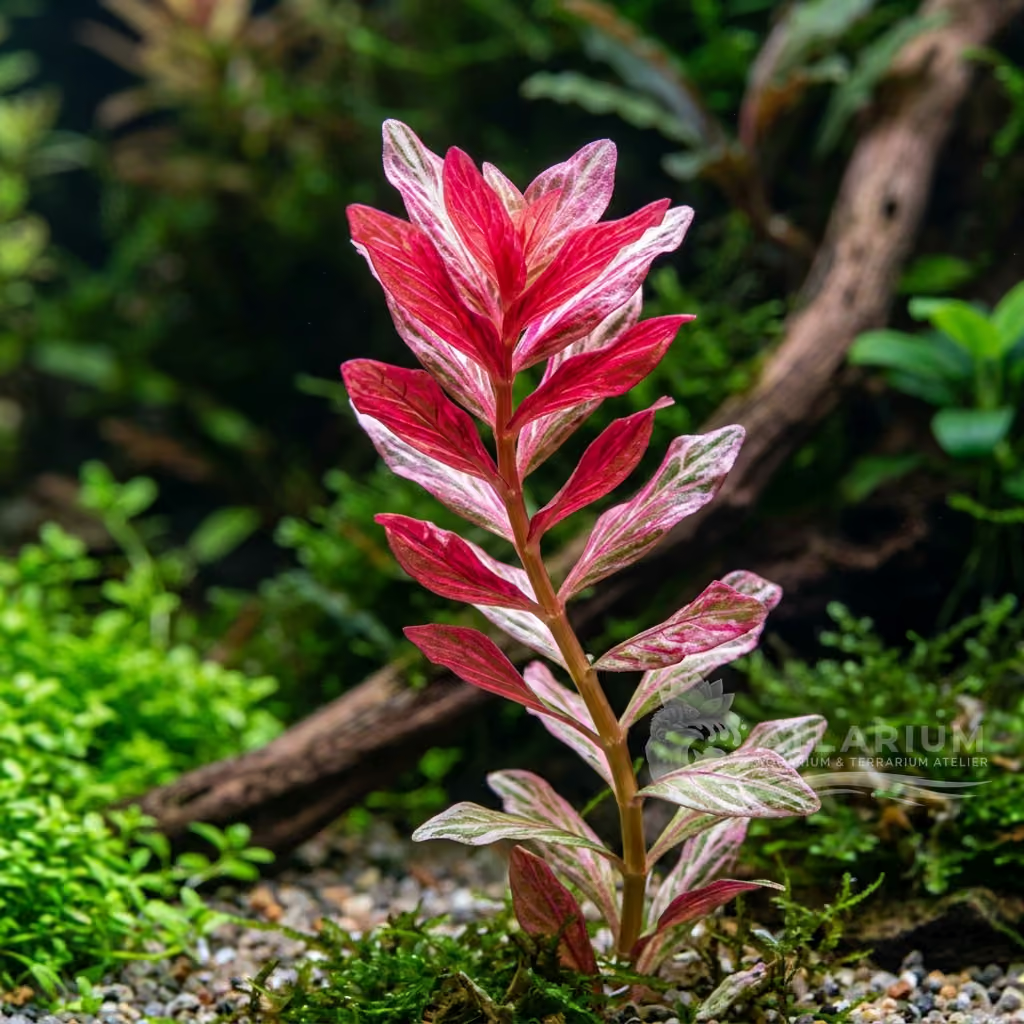
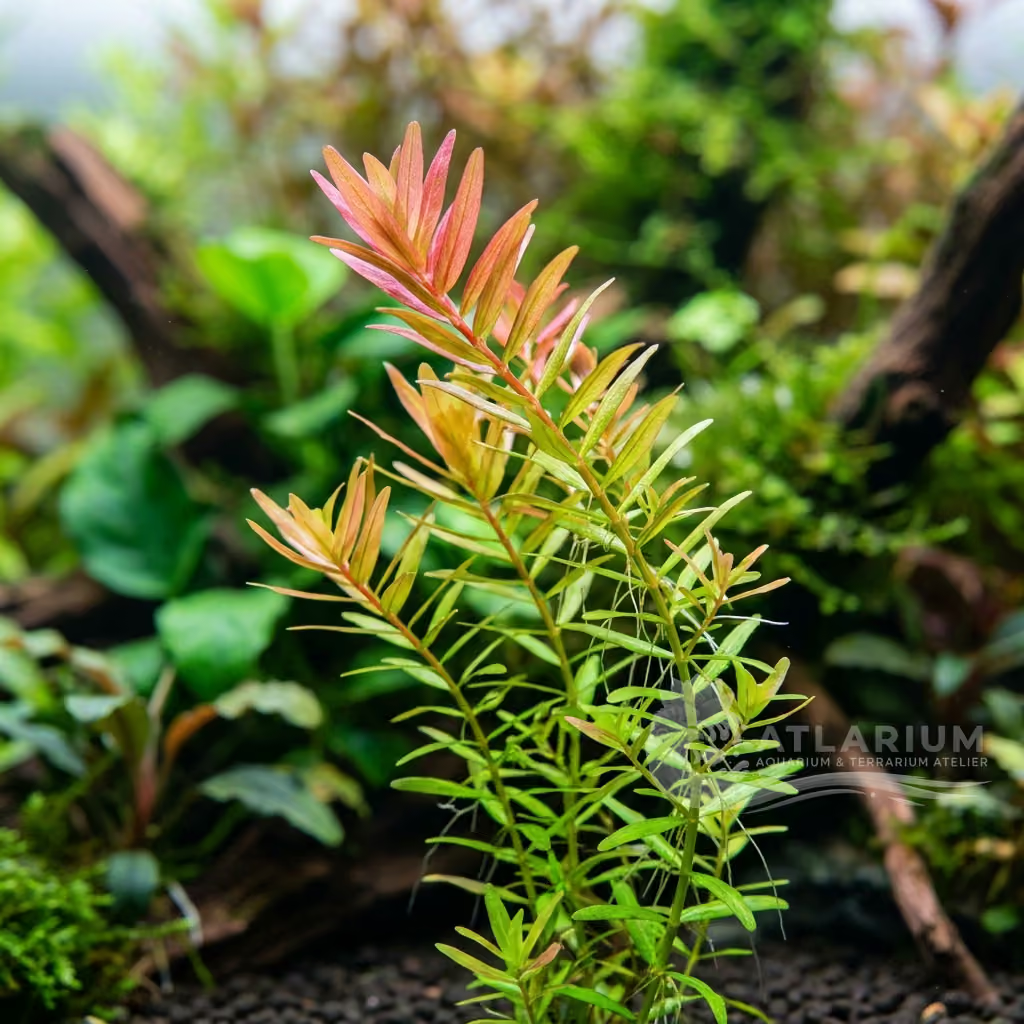
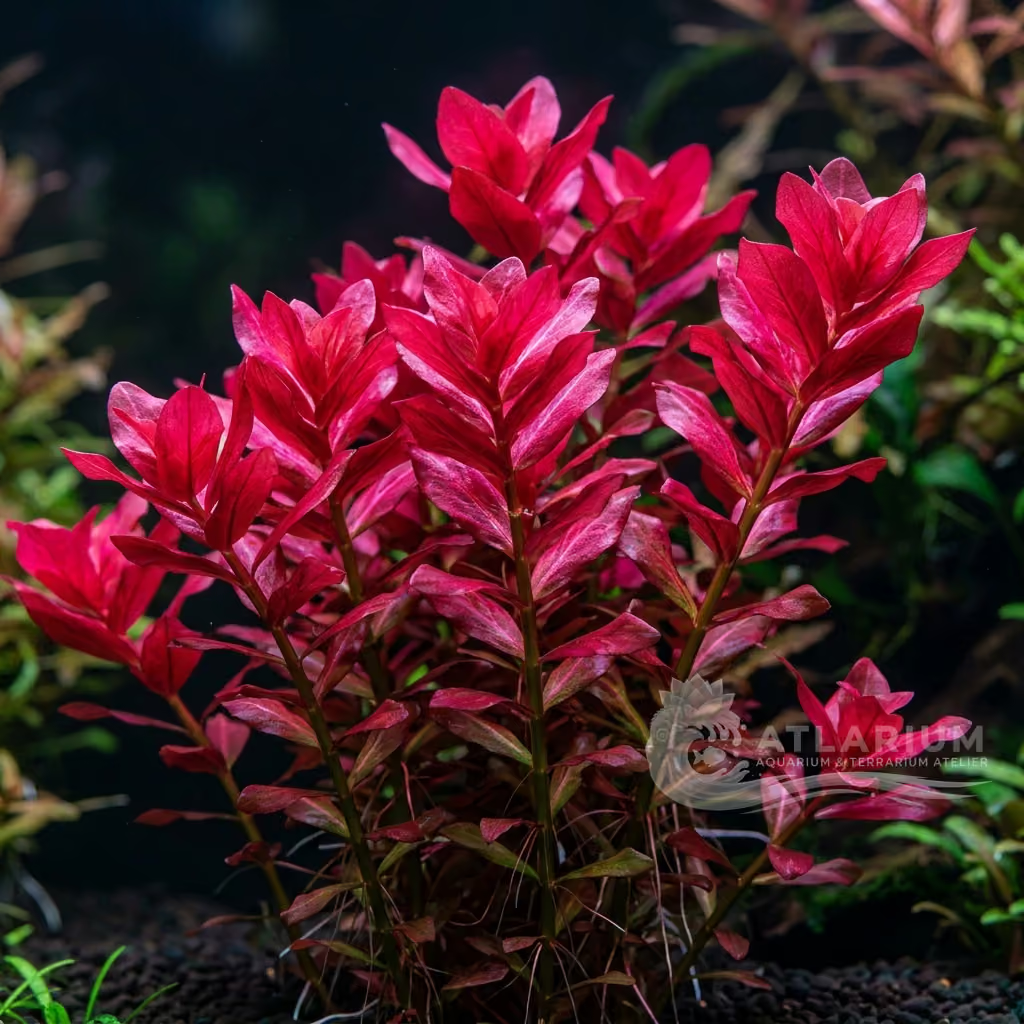
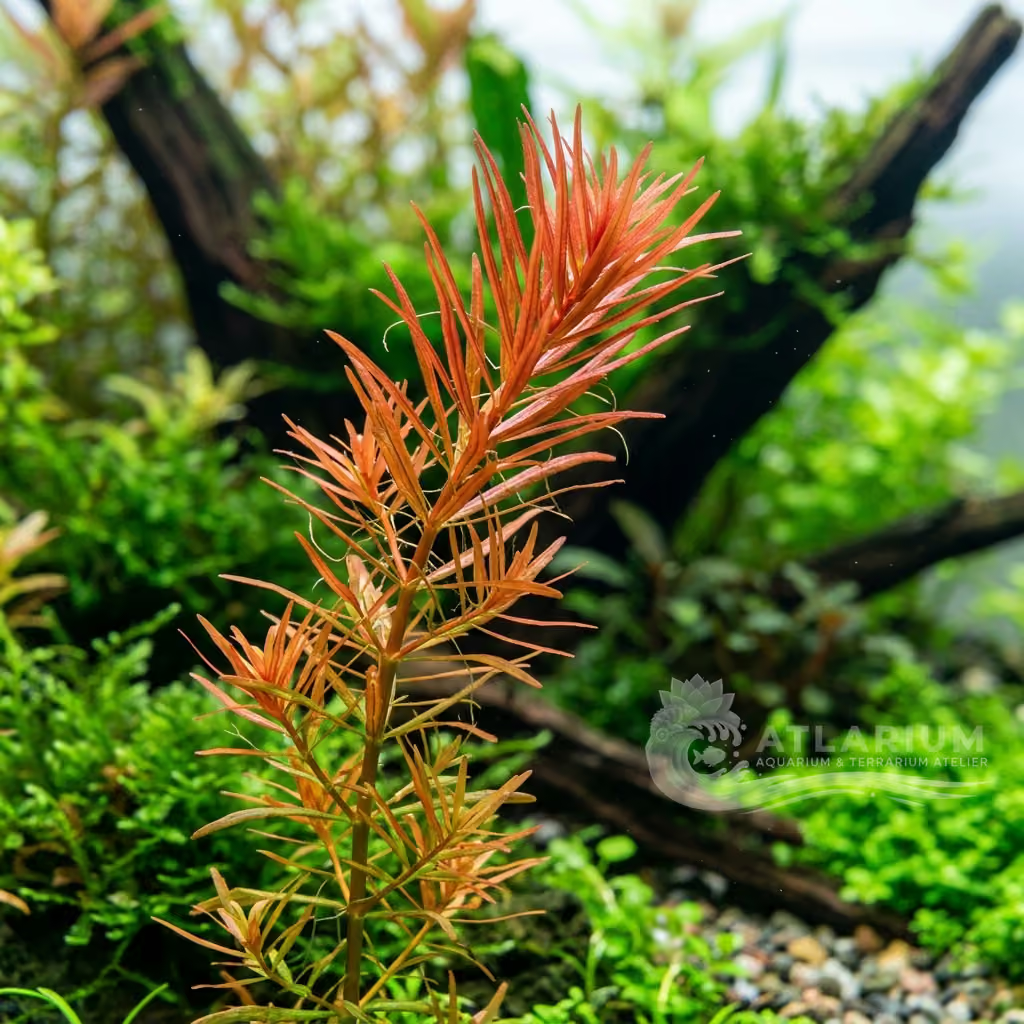
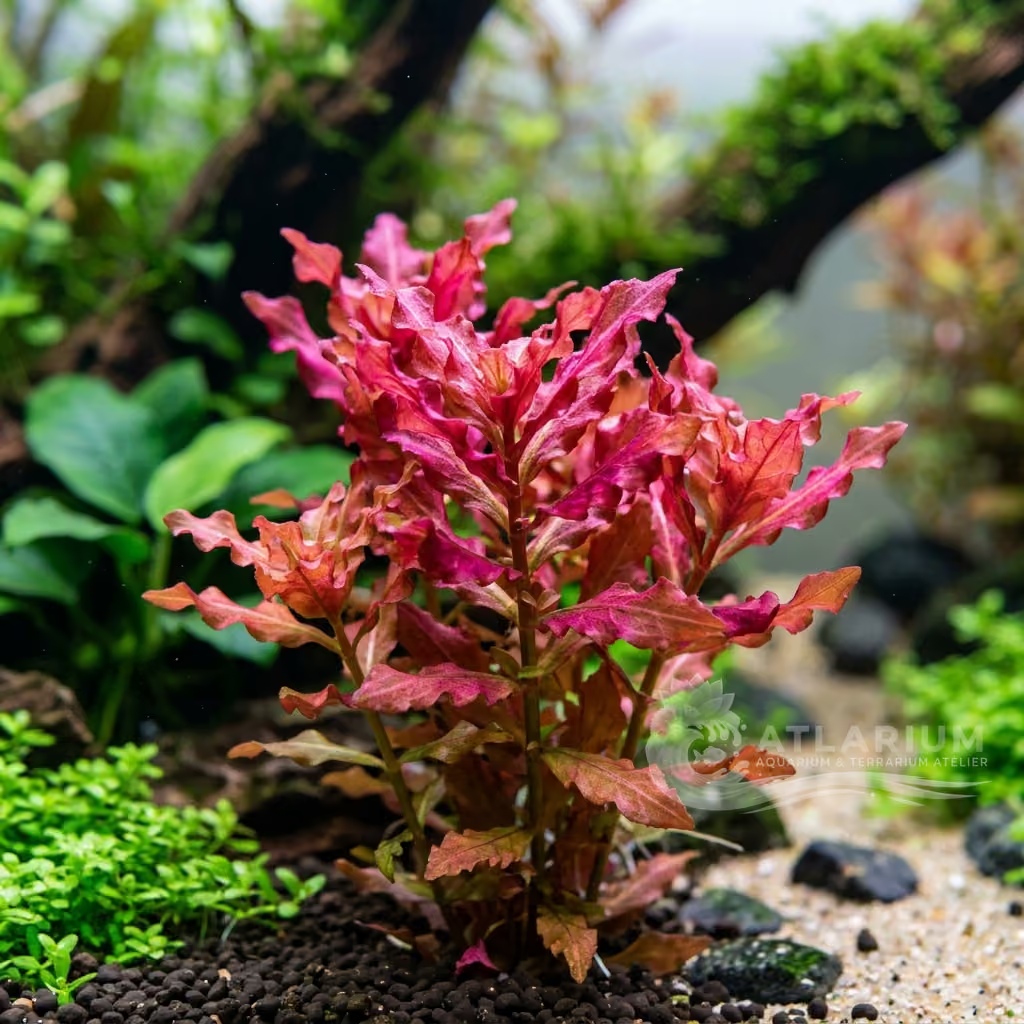
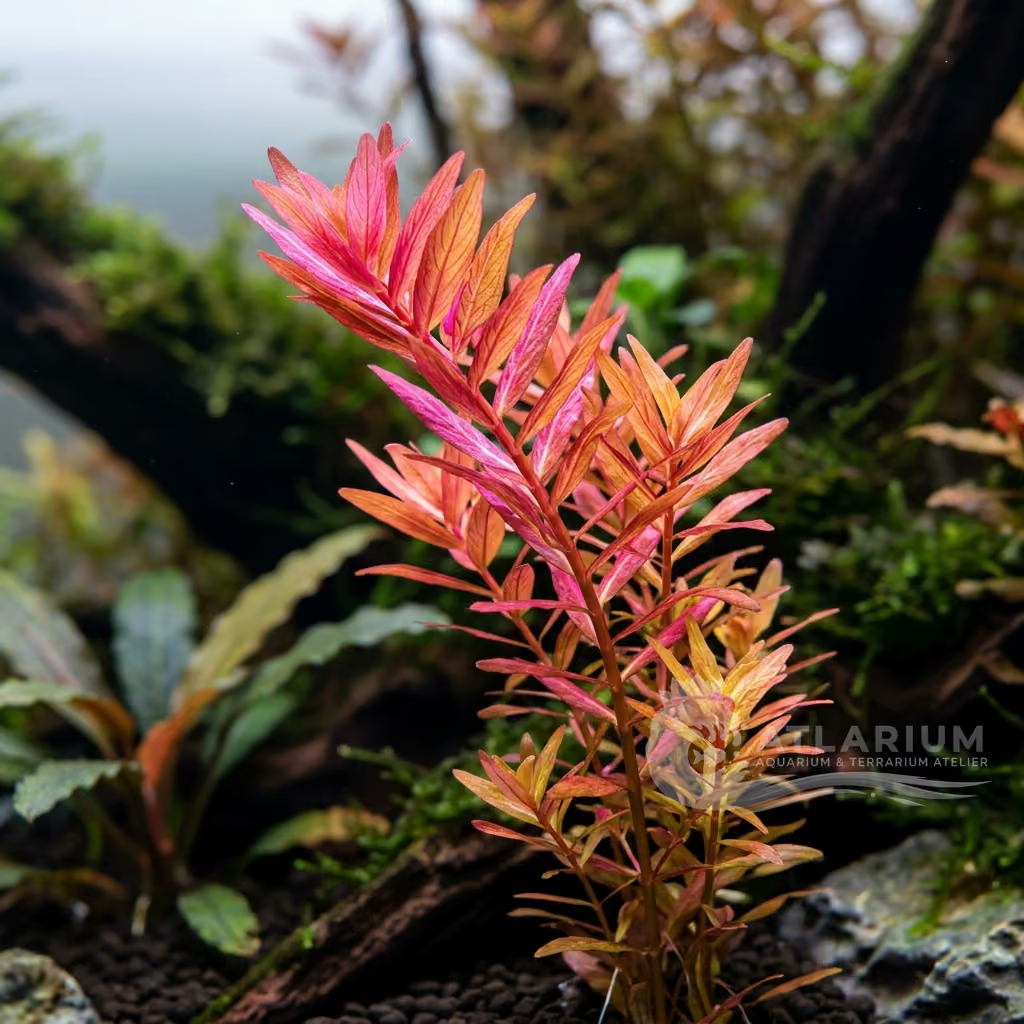
Color & Texture: The color of Rotala sp. ''Nanjenshan'' varies significantly depending on cultivation conditions, presenting a vibrant green on most leaves under medium light. However, with intense lighting and adequate nutrient supply, particularly iron and CO2, the stem tips and leaf margins can take on fascinating shades from pink to reddish-orange. The leaf texture is delicate and smooth, contributing to a refined and airy appearance that beautifully contrasts with broader or rougher-leaved plants. This ability to display vivid coloration makes it highly sought after in aquascapes for creating chromatic focal points.

Cuidado, criação e companheiros de tanque
Lighting & CO2: For optimal growth and intense coloration of Rotala sp. ''Nanjenshan'', providing medium to high lighting is essential, as it stimulates the production of red pigments and prevents stem etiolation. A photoperiod of 8-10 hours per day is usually sufficient to keep the plant healthy and promote coloration. CO2 injection is highly recommended, if not indispensable, to support its rapid growth rate and allow for the development of robust stems and dense foliage, significantly enhancing its vitality and color intensity.
Nutrition & Substrate: As a fast-growing plant, Rotala sp. ''Nanjenshan'' is a heavy nutrient consumer, requiring a constant supply of macro and micronutrients to thrive. A rich, fertilized substrate is ideal for providing a nutritional base, but it is crucial to supplement with liquid fertilizers containing nitrogen, phosphorus, potassium (NPK), and trace elements like iron. Iron deficiency, in particular, can manifest as yellowing of new leaves and reduced red coloration, so regular monitoring and balanced dosing are crucial for its health.
Water Chemistry: Rotala sp. ''Nanjenshan'' is a remarkably adaptable plant regarding water parameters, tolerating temperatures ranging from 4.0 to 32.0 °C, although an interval between 22-28 °C is preferable for vigorous growth. It can thrive in a wide range of carbonate hardness (KH 0.0-21.0) and pH (4.5-7.5), but exhibits healthier growth and brighter coloration in slightly soft, acidic or neutral water. Parameter stability is more important than extreme values, so avoiding drastic fluctuations is key to its well-being.
Space Management & Placement: Thanks to its upright growth habit and tendency to form dense bushes, Rotala sp. ''Nanjenshan'' is ideally placed in the midground, where it can serve as a focal point or a transition between shorter foreground plants and taller background plants. To achieve a compact and voluminous mass effect, it is advisable to plant several stems closely together, leaving minimal space between them to ensure water circulation and light penetration. Its rapid growth requires space management through regular
Pruning: Pruning is a crucial aspect of cultivating Rotala sp. ''Nanjenshan'' due to its rapid growth rate. Regular pruning is advisable, cutting the tops of the stems to promote bushier, denser growth and prevent the plant from becoming too tall or leggy at the bottom. Cuts should be made just above a leaf node, from which new branches will emerge. Trimmed stems can be easily replanted into the substrate to propagate the plant, helping to create a dense carpet or increase the plant mass.
Risks & Diseases: Although robust, Rotala sp. ''Nanjenshan'' can show signs of stress or disease under suboptimal conditions. Nutrient deficiencies, especially iron, can cause leaf pallor and a decrease in red coloration. Insufficient light or the absence of CO2 can lead to elongated internodes and loss of lower leaves. Furthermore, in the presence of excess organic matter or sudden changes in water parameters, it may be susceptible to filamentous algae attacks or general debilitation. A stable and well-balanced environment is the best prevention against most problems.

Origem e distribuição geográfica
Although the name "Nanjenshan" suggests a specific origin, presumably referring to the Nanjenshan mountain area in Taiwan, the exact details of its natural habitat remain under study and are often linked to local forms or variants of Rotala. This plant is typically found in shallow aquatic environments, such as the edges of slow-moving streams, marshes, or seasonally flooded areas, where it can grow both submerged and emersed. Its adaptability to various environmental conditions has favored its spread in the aquarium market, while still retaining the appellation that evokes its geographical origin.
Origem
Leste Asiático

Perfil da planta
- Posicionamento
- Plano intermediário
- This plant is perfectly suited for the midground or background of the aquarium, depending on the layout's scale. It forms magnificent, dense thickets when planted in tight groups. Its stems naturally arch as they grow taller, creating a graceful, weeping effect that can soften the transitions between hardscape elements. It should be placed where it receives unobstructed, high-intensity light to keep the lower portions healthy.
- Forma botânica
- Caule
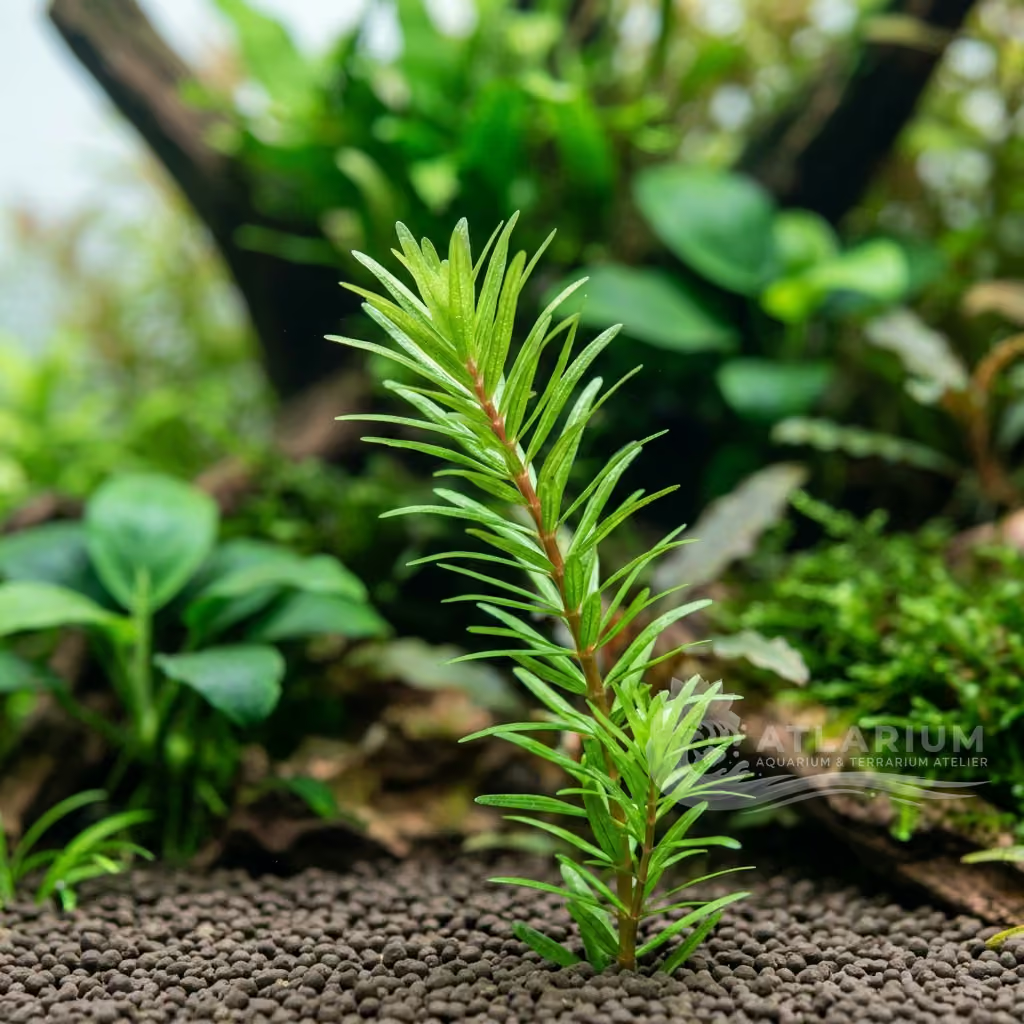
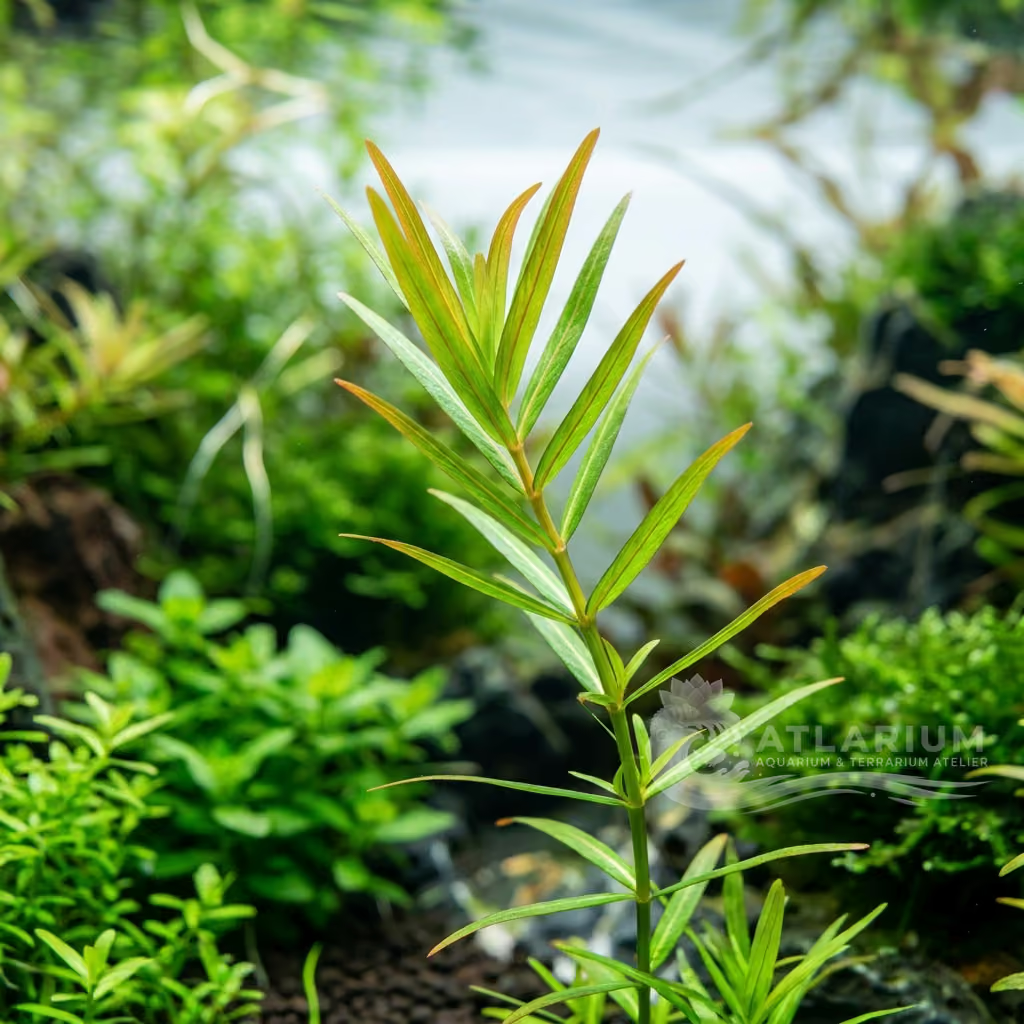
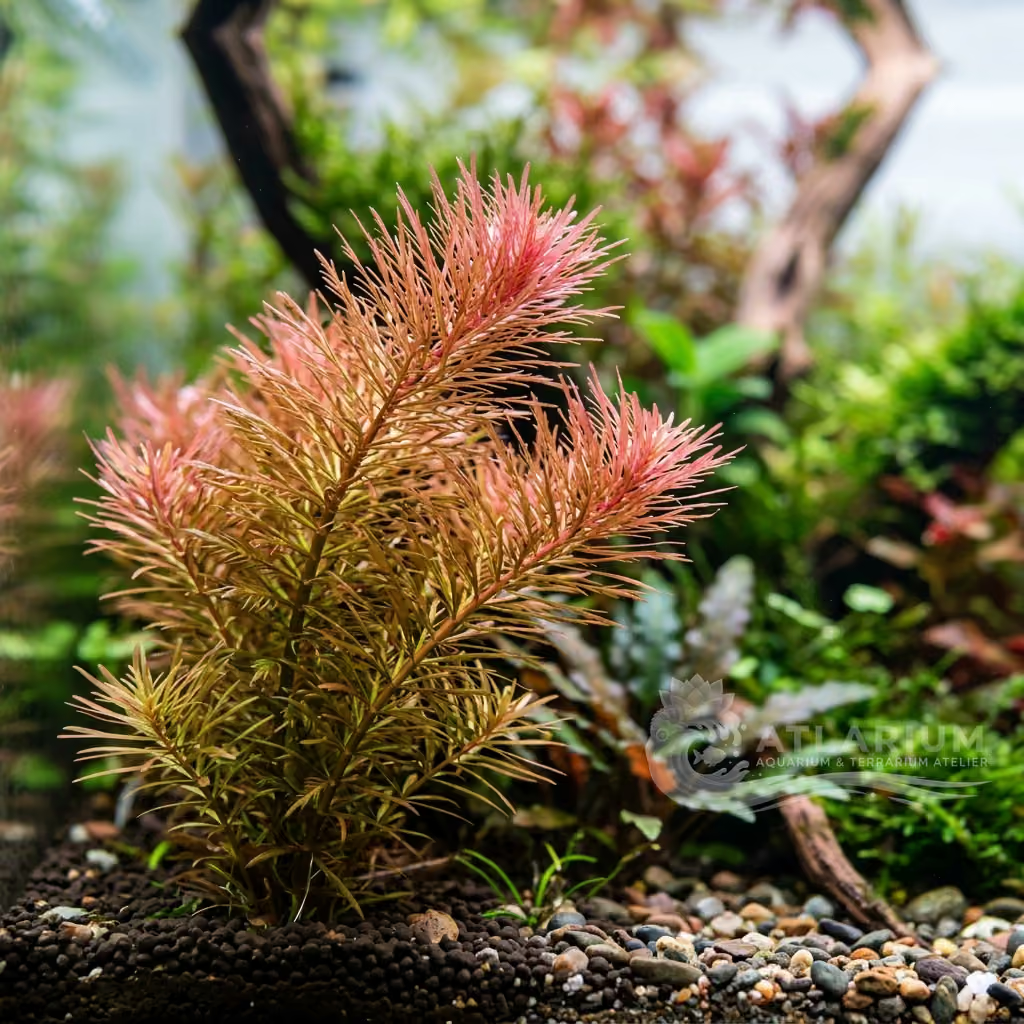
- It is distinguished by its extremely narrow, needle-like leaves that grow densely along thin, delicate stems. The foliage is incredibly fine, giving the plant a fluffy, cloud-like appearance when grown in a group. Its coloration is primarily a vibrant, bright green, but the upper leaves can turn a striking golden-yellow or light pinkish hue under intense illumination. The internodes are very short, contributing to its bushy look.
- Crescimento
- Rápida
- Under optimal conditions of high light and CO2, it exhibits a very fast growth rate. This rapid growth makes it an excellent plant for absorbing excess nutrients and outcompeting algae in a well-balanced system. Frequent trimming is required to maintain its shape and prevent it from shading neighboring plants or its own lower leaves. It recovers quickly from heavy pruning.
- Substrato
- Média
- Rotala sp. ''Nanjenshan'' prefers a fine, nutrient-rich aqua soil to effectively anchor its fragile, needle-like foliage. Providing a substrate depth of 1.5 to 2.5 inches (4-6 cm) ensures its fine roots can establish a strong hold without being easily uprooted by water currents. The active substrate supplies a steady stream of minerals directly to the roots, which is crucial for preventing stunting and maintaining dense, healthy growth in this delicate species.
- Fertilização de coluna
- Recomendada
- As a fast-growing stem plant with a massive surface area of fine leaves, it absorbs the majority of its nutrients from the water column. A daily dosing schedule of a complete liquid fertilizer is highly recommended. Ensuring a steady supply of micro and macronutrients in the water prevents the delicate tips from stunting. Liquid iron supplements can be used to specifically enhance the golden hues at the crown.
- Fertilização radicular
- Nenhuma
- While it is a heavy column feeder, a fertile substrate significantly improves its overall robustness. A nutrient-rich aquasoil provides a strong foundation and encourages the development of a healthy root system. Root feeding acts as a buffer, ensuring the plant has access to essential minerals even if water column dosing is temporarily interrupted. Strong roots help keep the dense bushes securely anchored.
- Corte
- Ocasional
- Trimming should be done regularly to maintain a compact, bushy form and prevent the lower stems from becoming bare. You can trim it by cutting straight across the stems; the plant will respond by producing multiple new side shoots from the nodes below the cut. To rejuvenate an old, woody stand, it is best to uproot the entire group, discard the bases, and replant the healthy tops. Shaping the bush into a rounded mound maximizes its visual impact.
- Propagação
- Estacas
- Propagation is incredibly easy and is achieved through standard stem cuttings. Simply snip the healthy upper portions of the stems and plant them carefully into the substrate. The cuttings will root within a few days and continue their rapid upward growth. The original trimmed stems, if left in the substrate with enough light, will produce new lateral branches, thickening the stand.
- Sensibilidade
- Moderada
- It is quite sensitive to poor water flow, which can lead to the accumulation of detritus in its dense foliage and subsequent algae issues. Shading is its biggest enemy; if the lower leaves do not receive enough light, they will quickly turn black and rot. It prefers softer water parameters and slightly acidic conditions. Fluctuations in CO2 levels can cause the delicate tips to melt or stunt.
- Função de layout
- Plano intermediário
- Its extremely fine texture and bright golden-green color make it an exceptional contrast plant against broad-leaved dark green or red species. It is widely used in Nature Aquariums to create soft, billowing bushes that mimic terrestrial shrubs or distant trees. The weeping, arched growth habit adds a sense of flow and movement to the aquascape. It is ideal for adding intricate detail to the mid-to-back sections of a layout.

Espécies relacionadas
Recomendações agrupadas por parentes próximos, escolhas de acompanhantes e cuidados semelhantes.