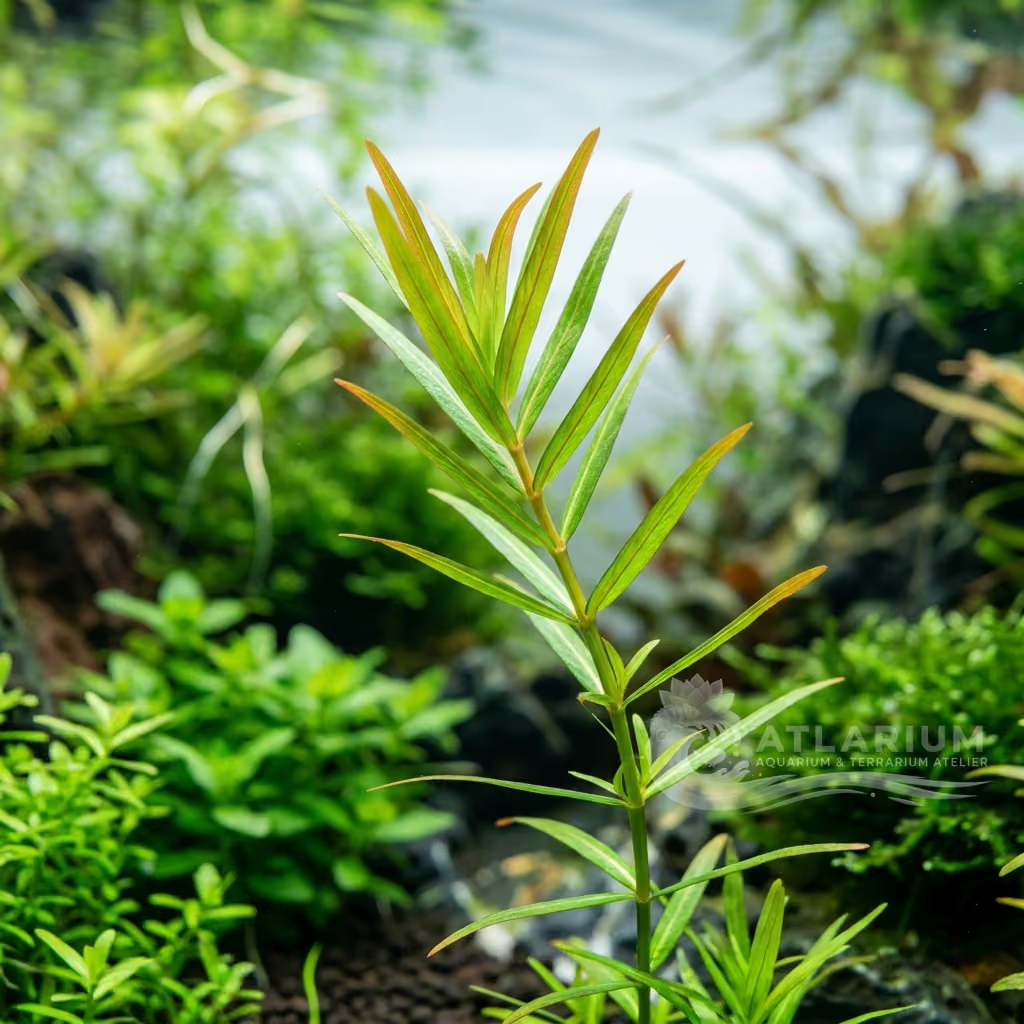
Ammannia praetermissa
Ammannia praetermissa
Ammannia praetermissa is a beautiful but demanding stem plant with vibrant red foliage. It requires very high lighting, continuous CO2 injection, and a nutrient-rich substrate to thrive. This slow-growing midground species is best suited for advanced hobbyists capable of maintaining stable water parameters and consistent fertilization.
Temperatura da água
15 - 31 °C
Valor de pH
4.5 - 7
Tipo de água
Água doce
Luz
Alta
CO2
Baixa - Alta
Altura esperada
15 cm
Largura esperada
9 cm
KH
0 - 7 dKH

Descrição da espécie
Geographical Origin and Habitat: Ammannia praetermissa is native to West Africa, with wild populations documented in Nigeria, Cameroon, and other nations bordering the Gulf of Guinea. It grows as an annual or perennial marsh plant in damp riparian areas, muddy soils, and temporary pools of water exposed to strong tropical solar radiation. It is highly adapted to seasonal water level fluctuations, alternating between submerged and emersed phases, during which it blooms and produces seeds.
Taxonomy & Genetics: It belongs to the Lythraceae family and the genus Ammannia. For a long time, it was known commercially under the incorrect synonyms Nesaea triflora or Ammannia sp. 'Red'. Genetic studies confirmed its placement in the genus Ammannia. It is considered one of the most demanding and delicate species in the genus, characterized by low tolerance for water hardness and a genetic predisposition to display extremely saturated red
Color & Texture: ation only under optimal conditions.
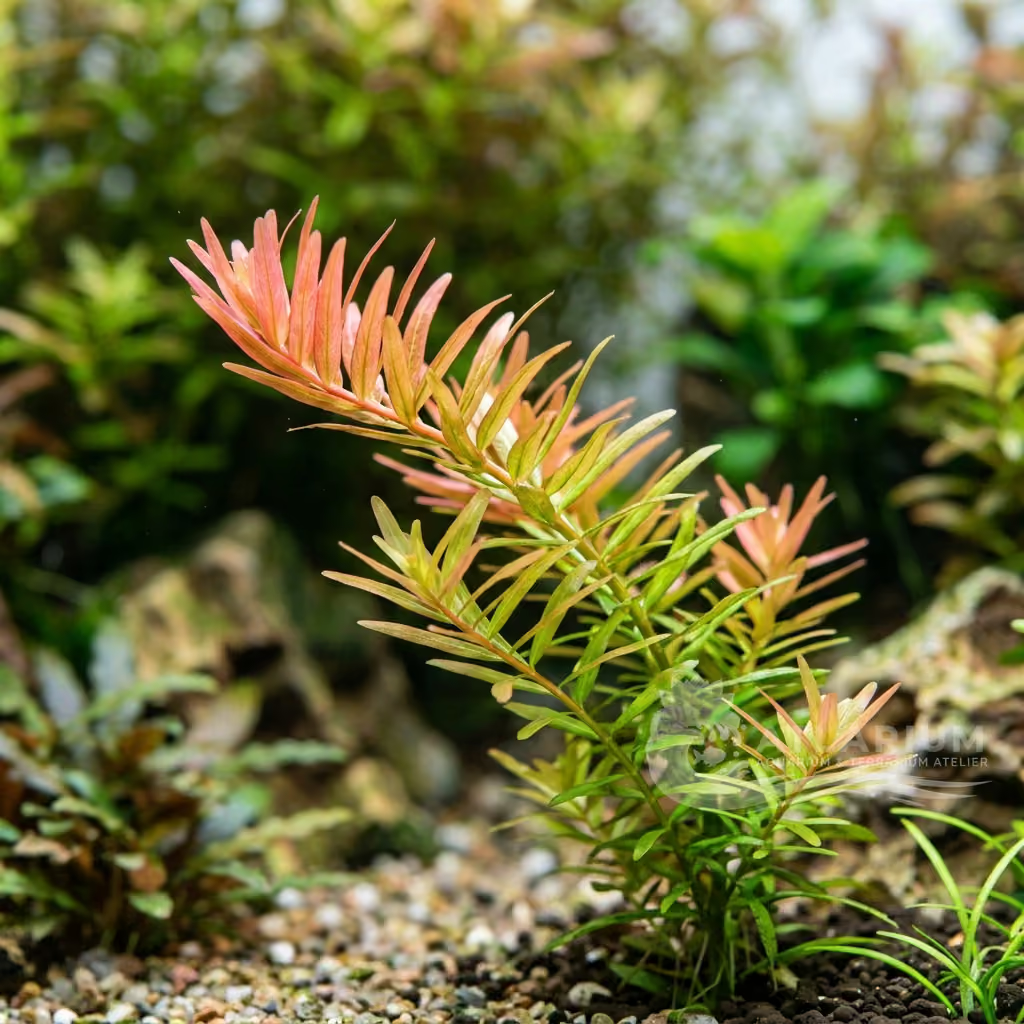
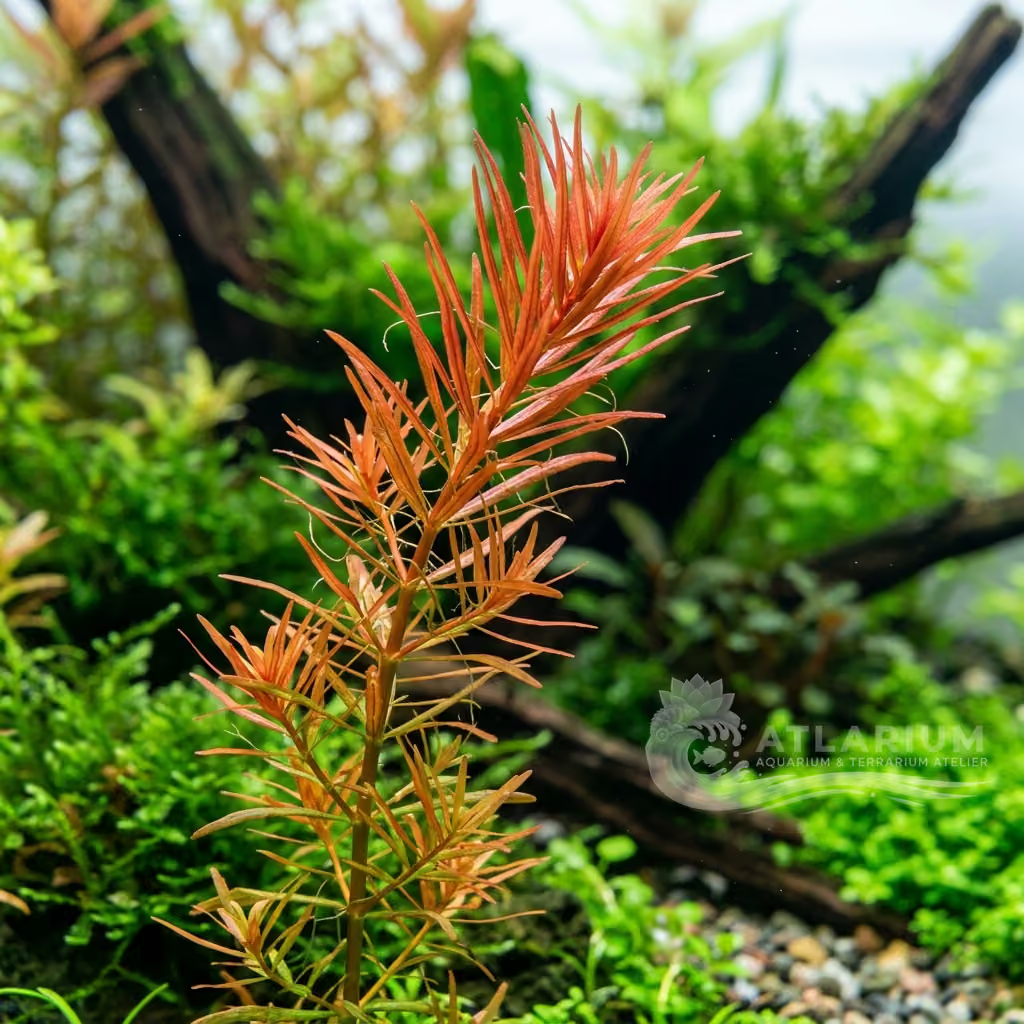
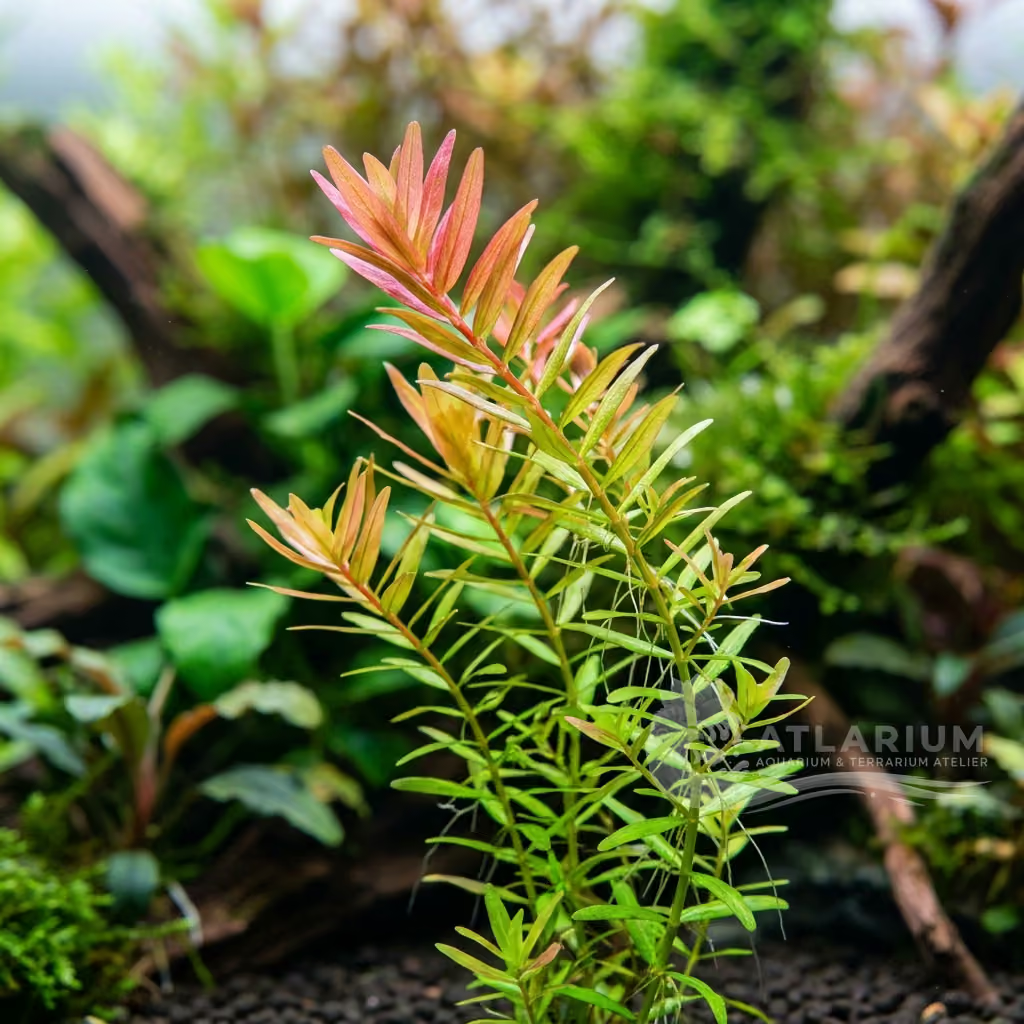
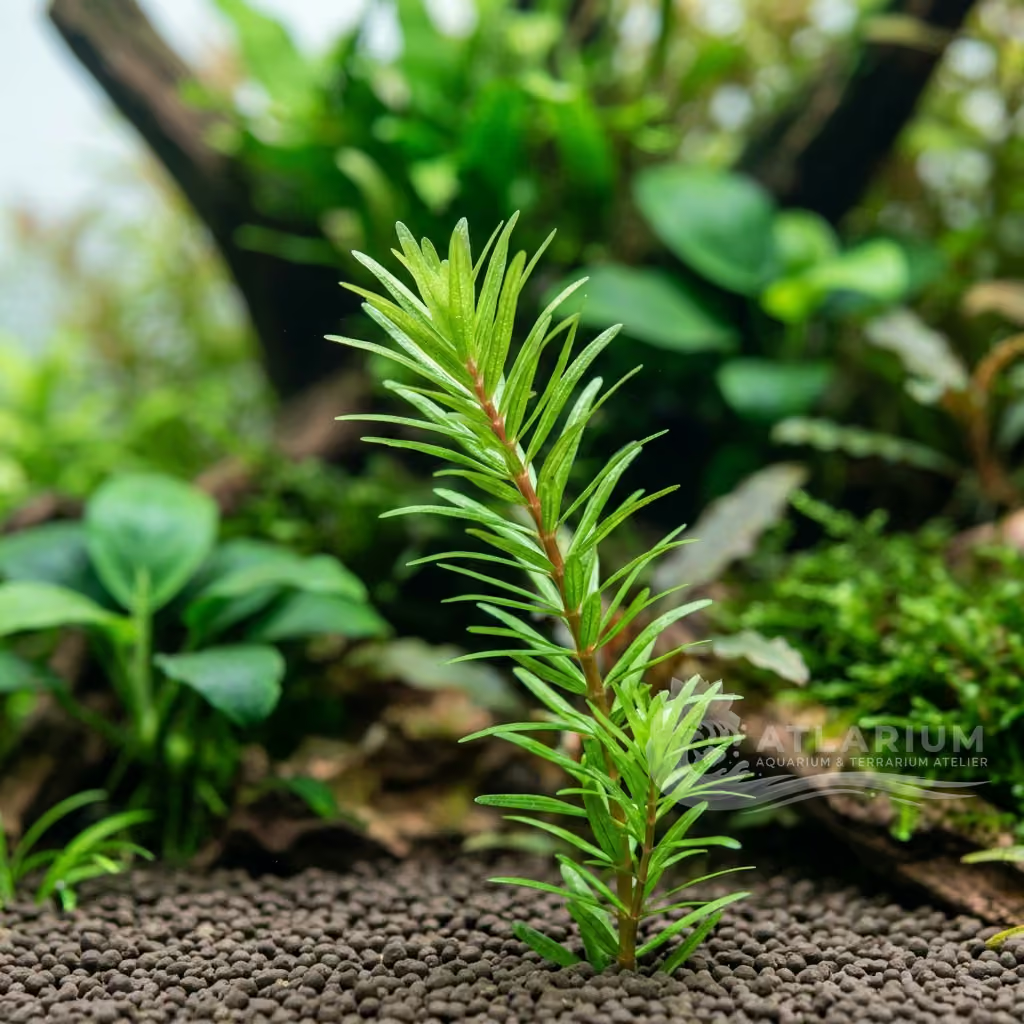
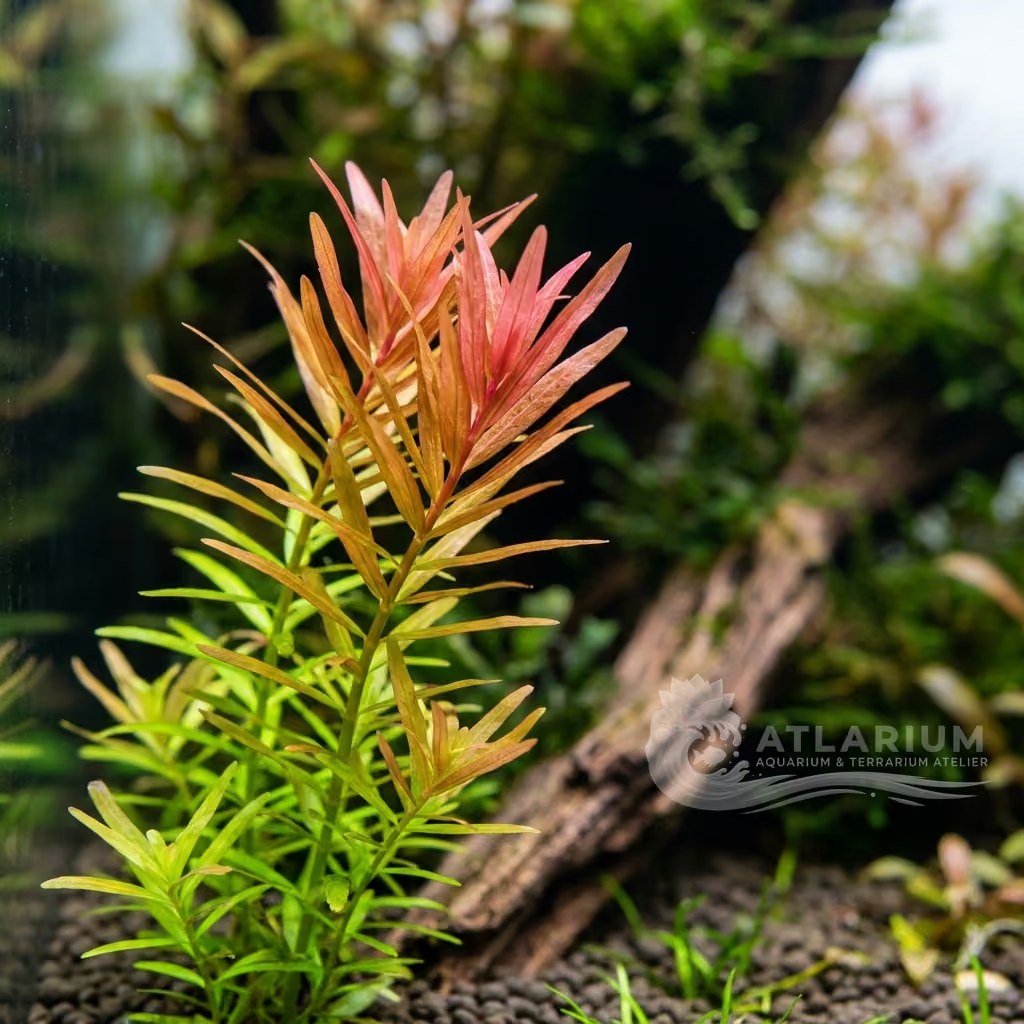
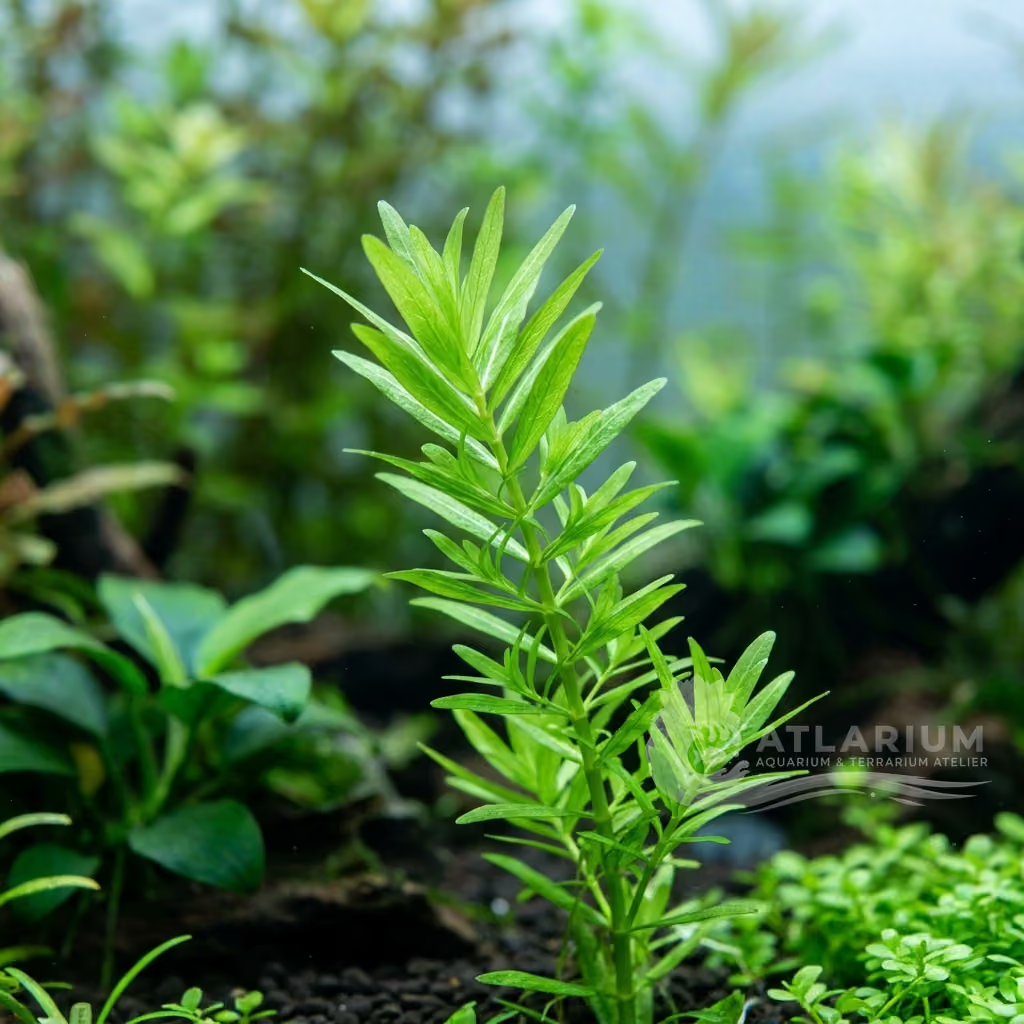
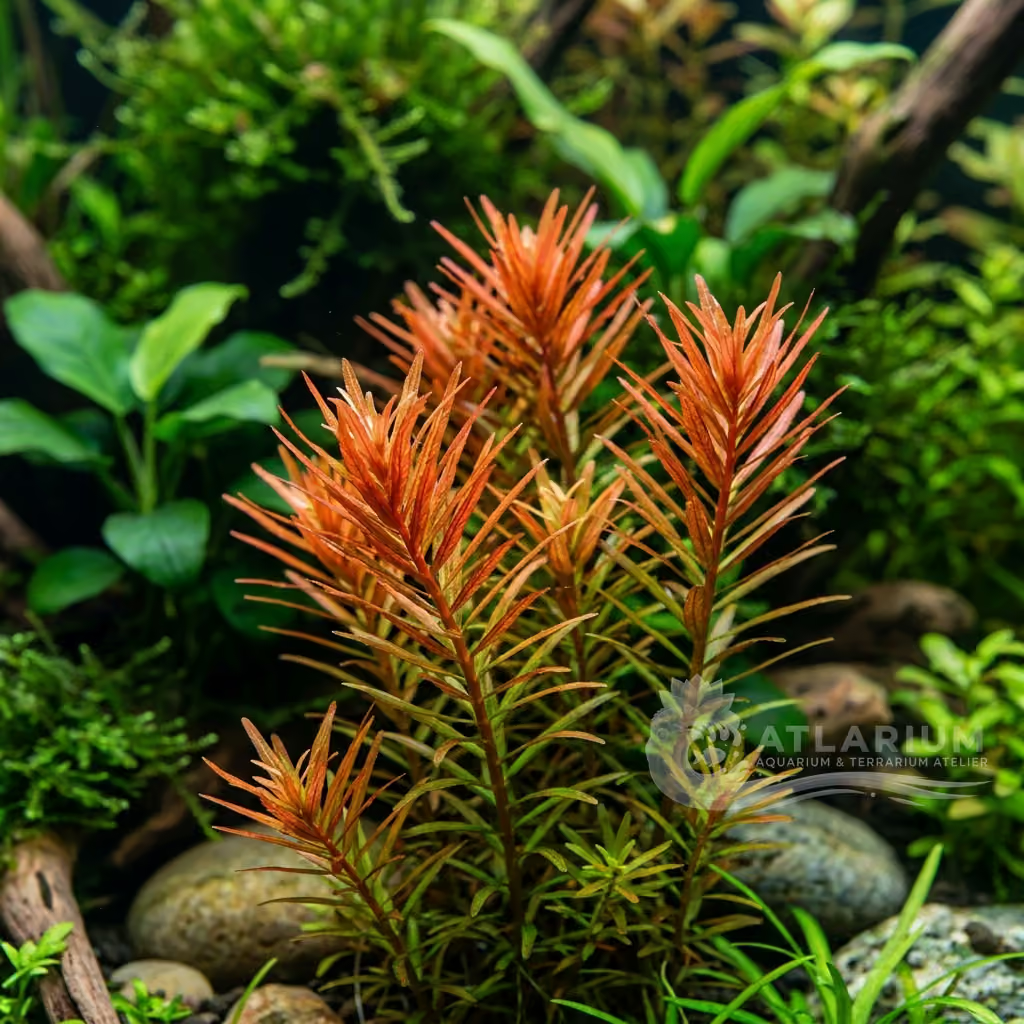
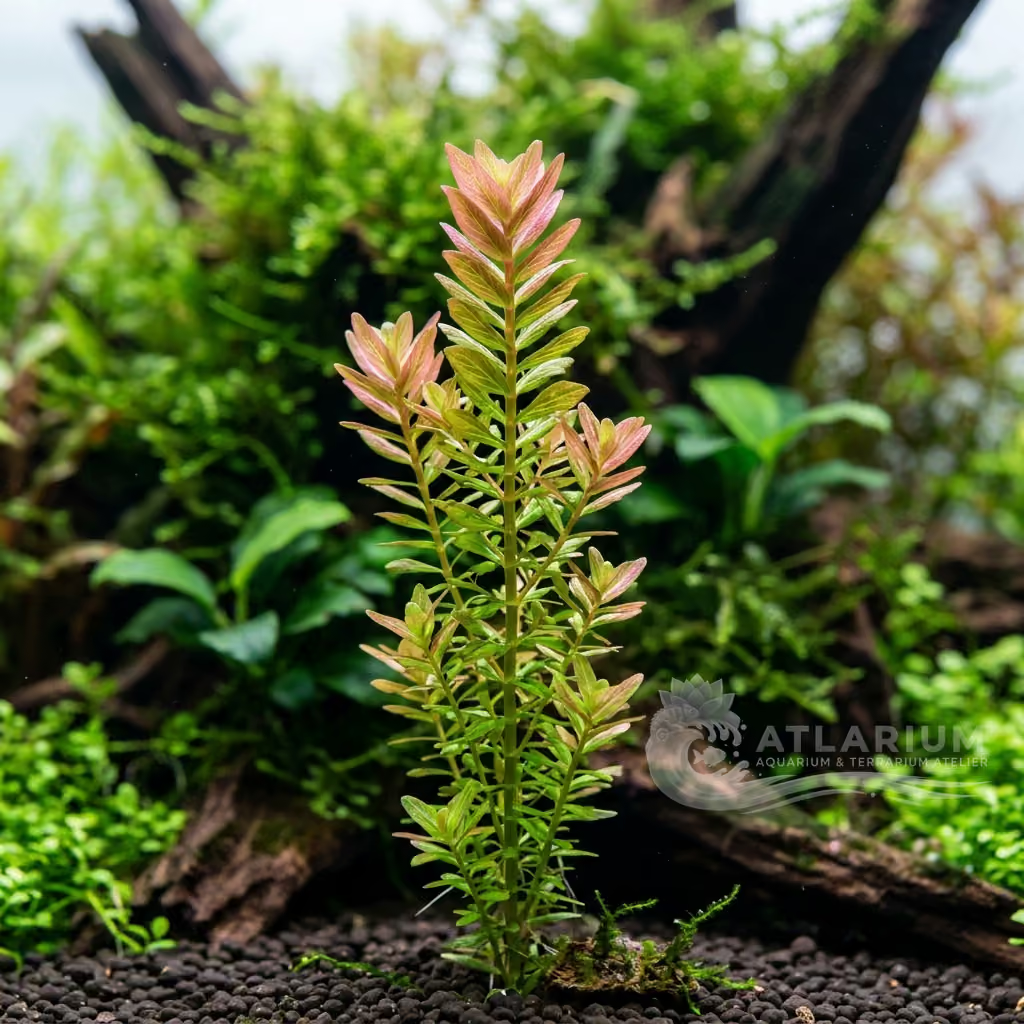
Physical Structure: It is an erect but relatively compact stem plant that rarely exceeds 15-20 cm in height in the aquarium, with a bush width of about 8-10 cm. The stems are thin, fragile, and tend to grow vertically with limited branching unless stimulated by pruning. The leaves are arranged in opposite pairs along the stem, lanceolate-linear in shape with straight margins, and possess a very tender texture.
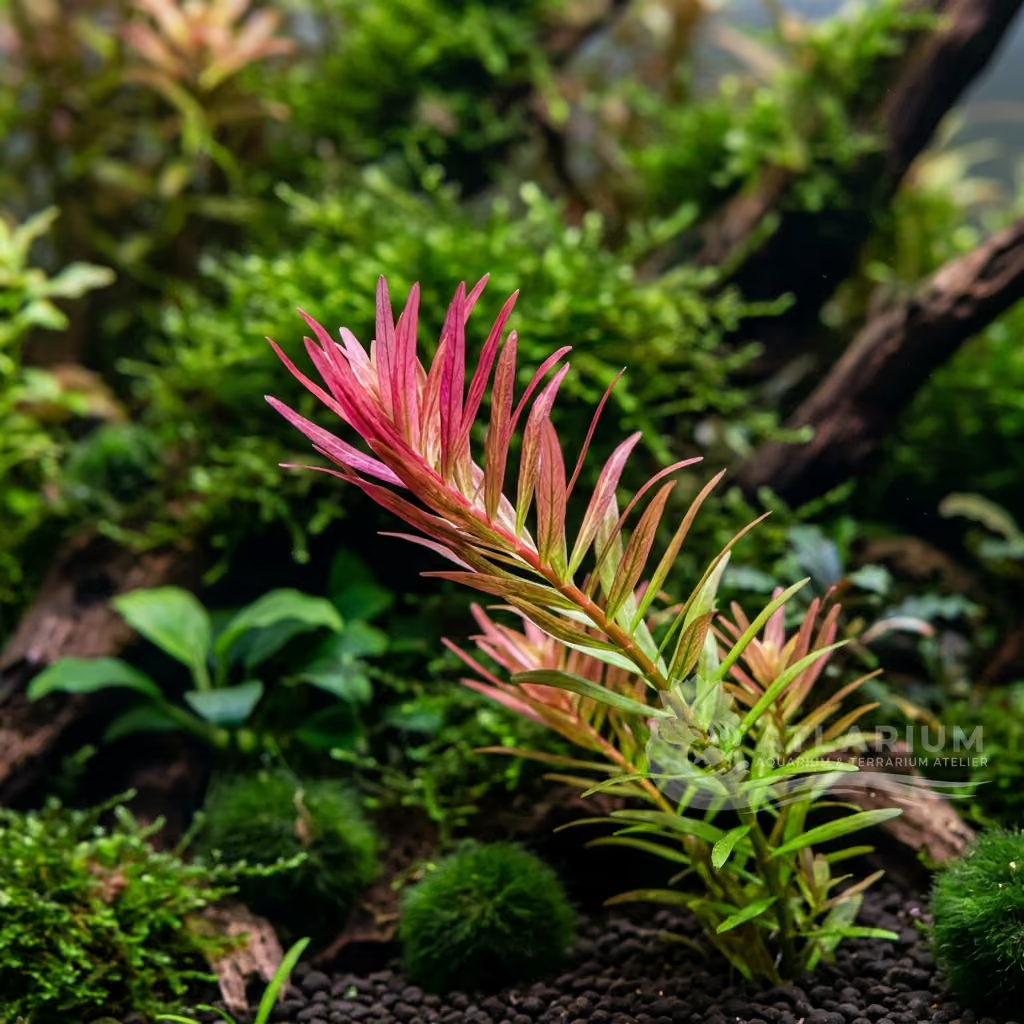
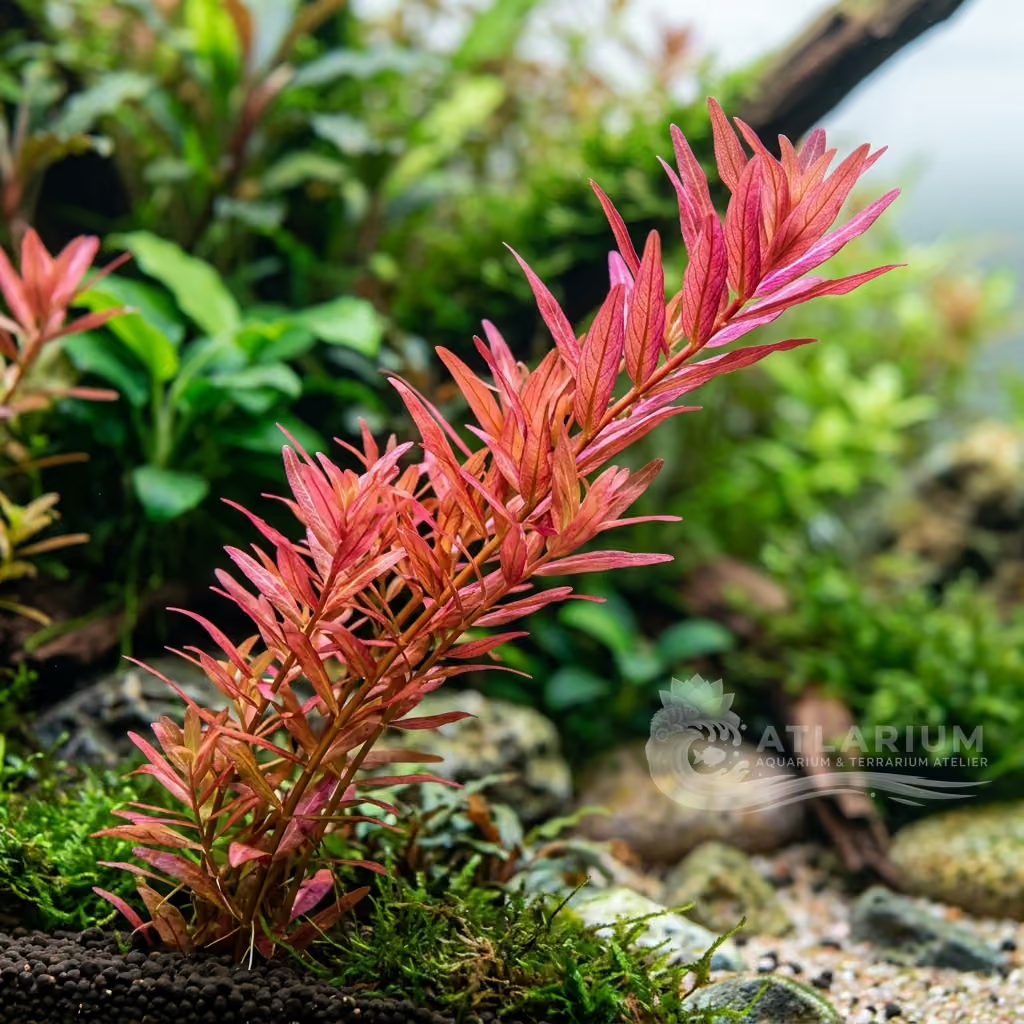
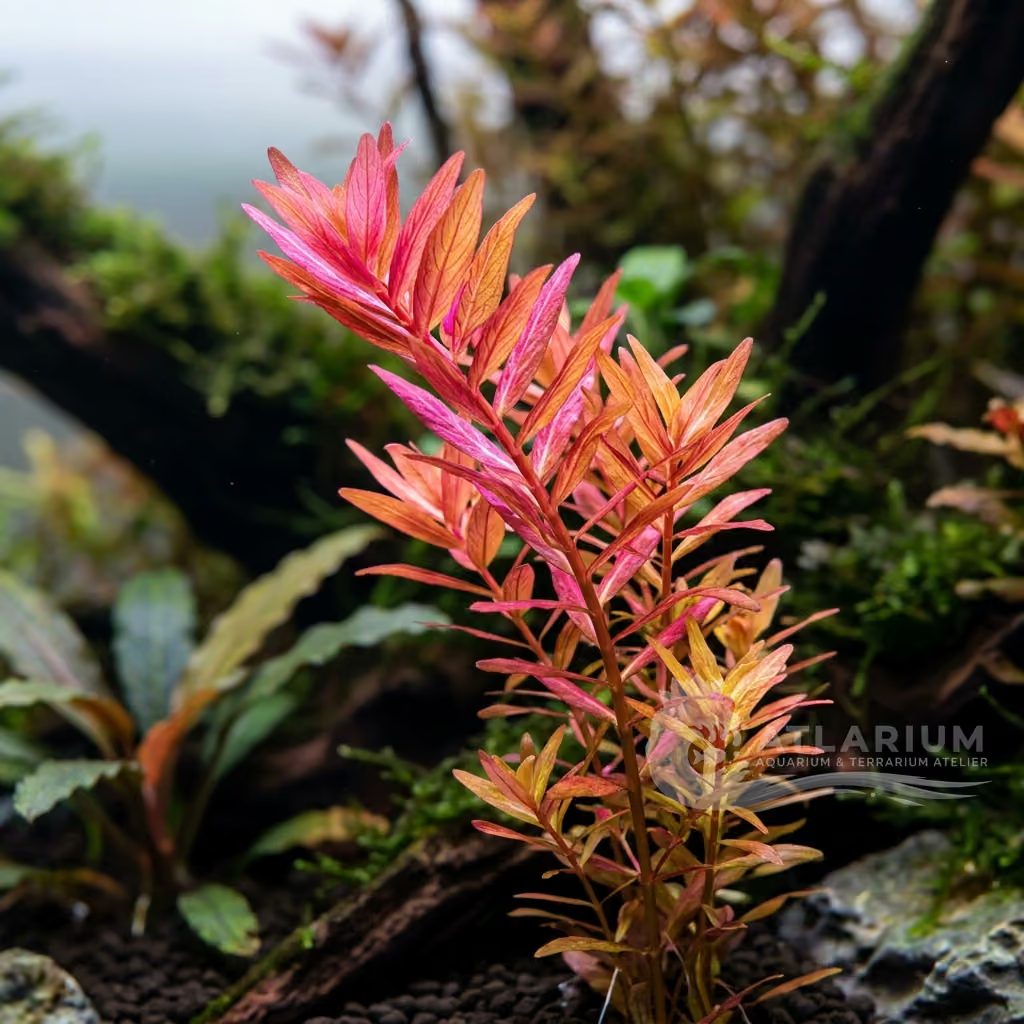
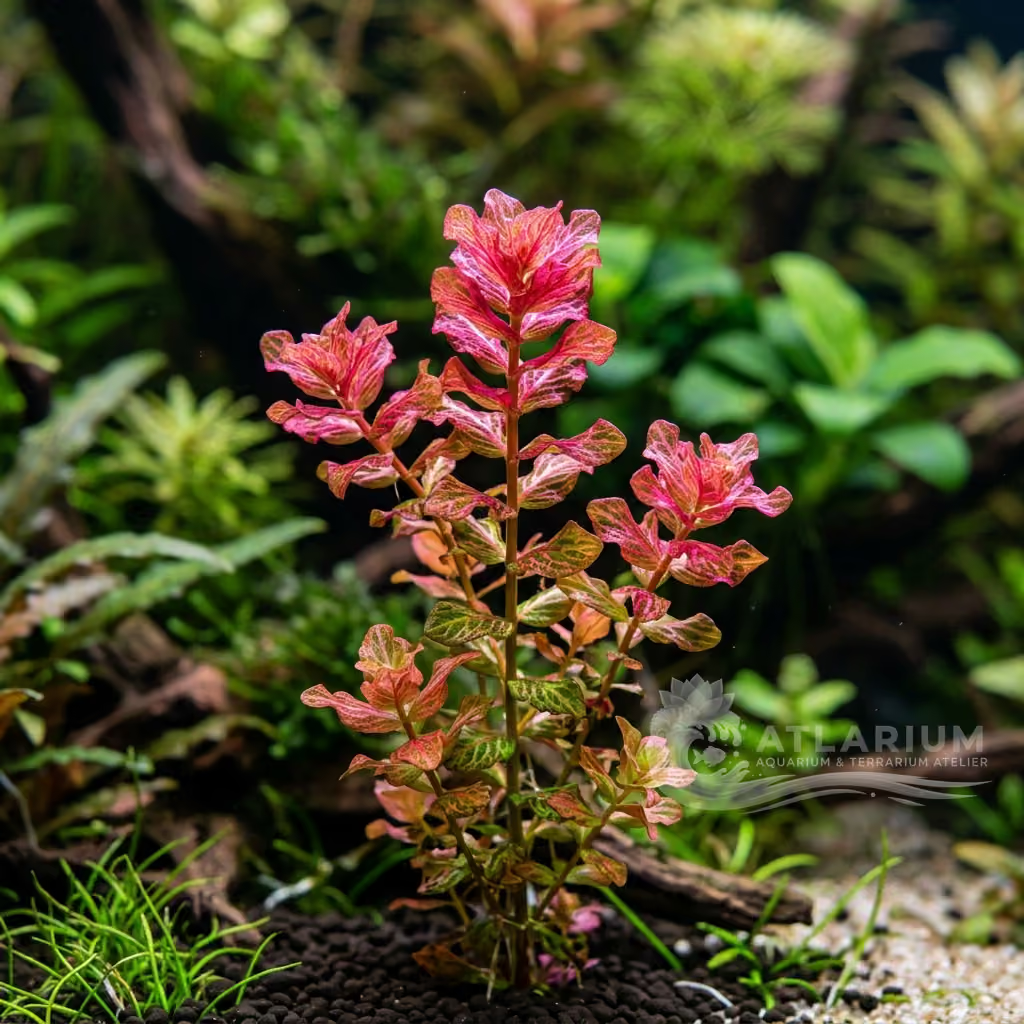
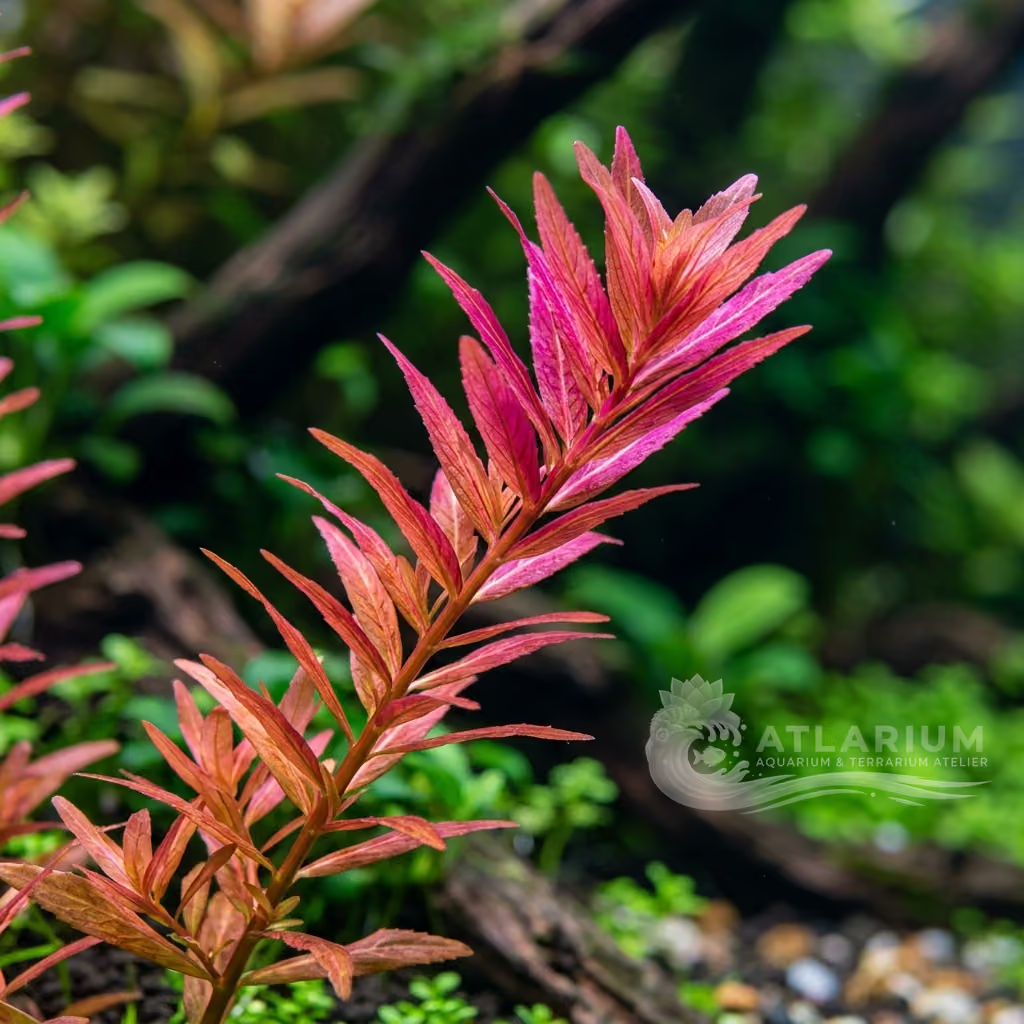
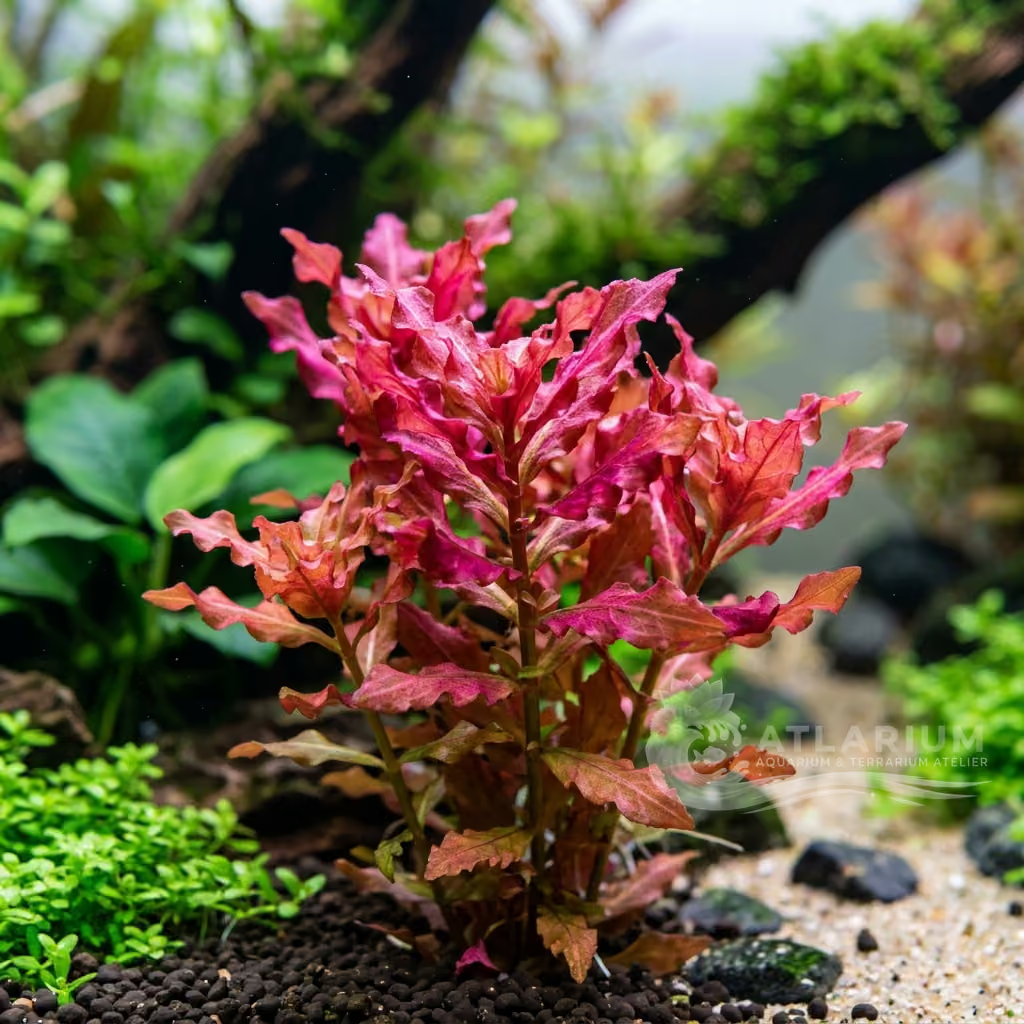
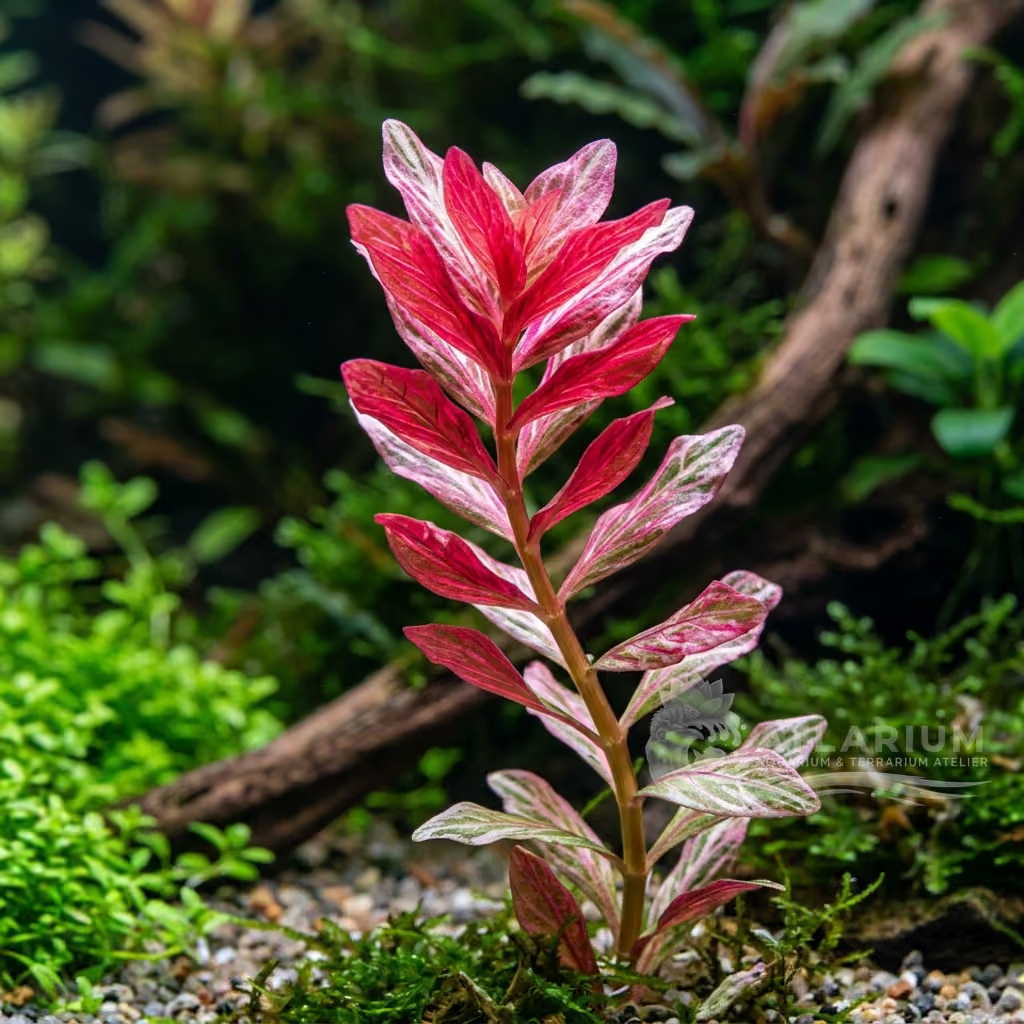
Color & Texture: The coloration of Ammannia praetermissa is magnificent and exceptional: under intense light and acidic water conditions, the leaves assume a uniform, brilliant ruby-red or blood-red hue on both the upper and lower surfaces. The stems themselves also take on a reddish tint. The leaf texture is smooth and thin, almost velvety, with very fine veins that do not disrupt the purity of the red coloration.

Cuidado, criação e companheiros de tanque
Lighting & CO2: It requires extremely strong lighting (high-intensity LEDs) to prevent stunted growth and stem melting. Stable CO2 injection at levels of 20-30 mg/L is an absolute prerequisite for its cultivation; in the absence of CO2 or with fluctuating levels, the growing tips will blacken and the plant will melt within days.
Nutrition & Substrate: A fertile substrate, preferably clay-rich and acidic (aquasoil), is crucial to provide nutrients to the delicate roots. Liquid fertilization must be regular and balanced, with close attention paid to chelated iron and trace elements. Nutrient deficiency immediately manifests as color loss and stunted growth.
Water Chemistry: It is extremely demanding regarding water chemistry: it requires very soft and acidic water, with a KH range between 0 and 7 dKH (ideally 0-2 dKH) and an acidic pH (4.5-7.0, ideally below 6.5). The ideal temperature is between 15°C and 31°C, preferring warm tropical temperatures around 24-28°C for optimal growth.
Space Management & Placement: Due to its low height (about 15 cm), it is ideal for the midground or foreground of medium to large aquariums. It should be planted in small groups, spacing individual stems at least 2-3 cm apart to allow the very strong light to reach the base of the stems.
Pruning: Pruning must be done with extreme care due to the fragility of the stems. It is recommended to cut the tip with sharp scissors and replant it. The remaining stem will produce new shoots, but the recovery rate is slower compared to other Ammannia species, so pruning should not be too frequent or drastic.
Risks & Diseases: The primary risk is sudden melting of the plant caused by sudden swings in water parameters or excessively high KH. The tips are prone to blackening and rotting if CO2 is insufficient or if calcium/iron is deficient. Hair algae can quickly smother the plant if growth stalls.

Origem e distribuição geográfica
Ammannia praetermissa is native to West Africa, with wild populations documented in Nigeria, Cameroon, and other nations bordering the Gulf of Guinea. It grows as an annual or perennial marsh plant in damp riparian areas, muddy soils, and temporary pools of water exposed to strong tropical solar radiation. It is highly adapted to seasonal water level fluctuations, alternating between submerged and emersed phases, during which it blooms and produces seeds.
Origem
África e Madagascar

Perfil da planta
- Posicionamento
- Plano intermediário
- Strictly a midground or background plant. It must be planted where it receives the absolute highest intensity of light without any shading from adjacent plants.
- Forma botânica
- Caule
- Boasts stunning, deep burgundy to almost purple leaves that contrast sharply with its delicate stems. The foliage is relatively small and ovate when submersed.
- Crescimento
- Média
- Growth is remarkably slow. Even in high-tech environments, it struggles to add height rapidly, making it a test of patience for dedicated aquascapers.
- Substrato
- Alta
- Ammannia praetermissa is a delicate and demanding species that strictly requires a highly fertile, fine-grained aquasoil. Its fine root structure depends heavily on the substrate for the uptake of macro and micronutrients, particularly iron, to maintain its striking colors. A deep substrate bed of 5 to 7 centimeters is essential to properly anchor the fragile stems and provide a stable nutritional environment. Planting in an inert or depleted substrate will almost certainly lead to stunted growth and the gradual decay of the lower plant sections.
- Fertilização de coluna
- Recomendada
- Requires a highly consistent and rich water column fertilization regime. Daily dosing is strongly recommended to keep nutrient levels stable and prevent leaf deterioration.
- Fertilização radicular
- Necessária
- Cannot survive without a very acidic, nutrient-packed aquasoil. The root system needs an optimal environment to support the sensitive above-ground growth.
- Corte
- Ocasional
- Trim with extreme care. Often, the lower portions of the stem will simply melt away instead of resprouting, so replanting the tops is the only reliable way to prune.
- Propagação
- Estacas
- Propagated by topping healthy stems. Survival rates of cuttings can be low unless the tank conditions are perfectly dialed in.
- Sensibilidade
- HIGH
- Notorious for melting at the slightest instability. It demands very soft water (low KH/GH), acidic pH, and flawless tank maintenance. Algae will easily choke it.
- Função de layout
- accent, Plano intermediário, Primeiro plano
- Considered a 'holy grail' red plant. Used as a rare, striking red accent in advanced Dutch or nature style aquariums where optimal conditions can be guaranteed.

Galeria de imagens
Imagens licenciadas vinculadas à espécie ou, quando marcadas, ao táxon representativo mais próximo.

Espécies relacionadas
Recomendações agrupadas por parentes próximos, escolhas de acompanhantes e cuidados semelhantes.